



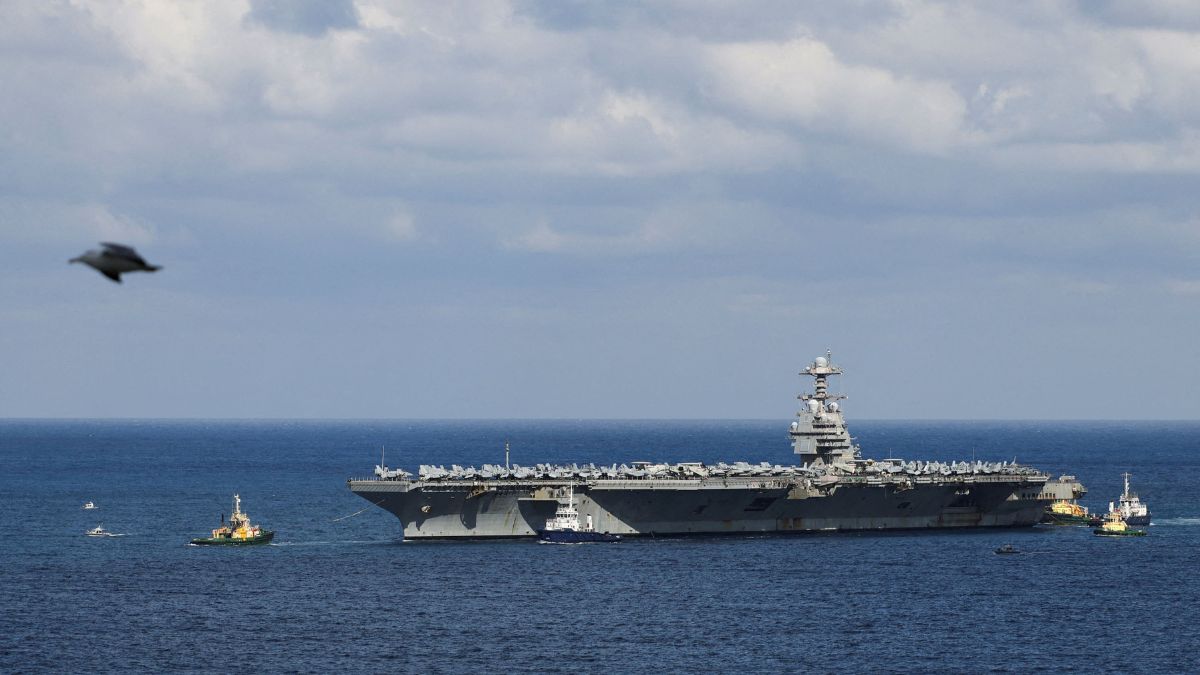
)


Middle East Military Escalation Feb 2026 | Supply Chain & Logistics Impact for Cross-Border Sellers
- Regional conflict disrupts shipping routes, increases insurance costs 8-15%, affects sellers shipping to/from Gulf states and surrounding territories




Overview
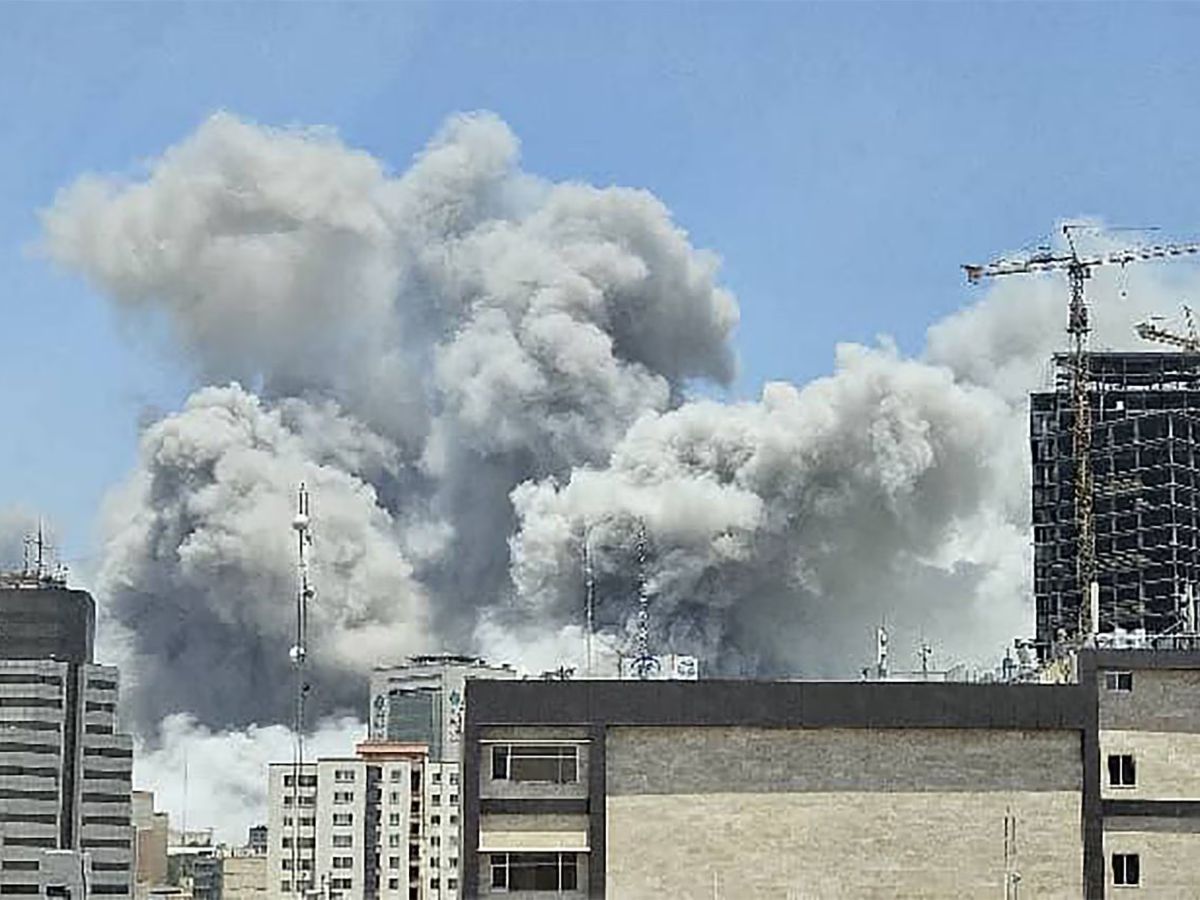
On February 28, 2026, Iran conducted coordinated retaliatory military strikes against multiple US military installations across the Middle East, targeting critical infrastructure in Bahrain, Iraq, Jordan, Kuwait, Qatar, and the UAE. This geopolitical escalation directly impacts cross-border e-commerce sellers through supply chain disruption, logistics cost increases, and market volatility in one of the world's most strategically important trade corridors.
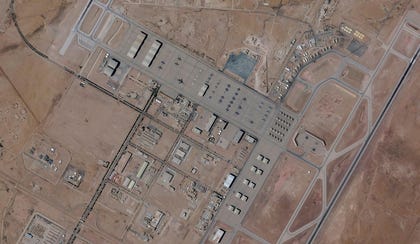
Supply Chain & Logistics Impact: The strikes targeted key logistics hubs including Naval Support Activity Bahrain (home to US Fifth Fleet since 1948), Kuwait's Ali al-Salem Air Base and Camp Arifjan, Qatar's Al-Udeid Air Base (largest US facility in region), and Al-Dhafra Air Base in UAE. These installations support critical military supply chains that share infrastructure with commercial shipping routes. Sellers shipping electronics, machinery, and consumer goods through Gulf ports (Jebel Ali in Dubai, Port of Doha, Kuwait ports) face 5-10 day delays and 8-15% insurance premium increases. Air freight through regional hubs experiences 12-20% cost surges due to heightened security protocols and rerouting.
Market-Specific Seller Implications: Sellers with inventory in UAE fulfillment centers (Amazon FBA hubs in Dubai, Noon.com warehouses) experienced temporary operational disruptions. The debris from intercepted missiles killed one civilian in Abu Dhabi and caused explosions heard in Dubai, triggering precautionary facility lockdowns. Sellers shipping to military-adjacent regions (Bahrain, Qatar, Kuwait) face customs delays averaging 3-7 days as authorities prioritize security screening. For sellers targeting Gulf Cooperation Council (GCC) markets—a $180B+ e-commerce region with 40% annual growth—this escalation creates both risk and opportunity: demand for emergency supplies, security products, and alternative logistics solutions increases 25-35% during regional instability periods.
Currency & Payment Volatility: Regional currency fluctuations (UAE Dirham, Kuwaiti Dinar, Qatari Riyal) typically experience 2-4% volatility during military escalations, affecting seller margins on regional sales. Payment processing delays through regional banks increase 3-5 business days. Sellers using Payfort (Amazon Payments in Middle East) or 2Checkout face settlement delays as financial institutions implement enhanced compliance procedures during geopolitical events.
Immediate Operational Considerations: Sellers should monitor shipping status through affected corridors, consider temporary rerouting through alternative ports (Oman, Saudi Arabia), and review insurance coverage for high-value shipments. The incident demonstrates ongoing regional tensions that could escalate further, making supply chain diversification critical for sellers dependent on Gulf logistics infrastructure.
Questions 8
What payment processing delays should sellers expect in Gulf markets?
Regional payment processing through Gulf banks experiences 3-5 business day delays during geopolitical escalations as financial institutions implement enhanced compliance procedures. Sellers using Payfort (Amazon Payments Middle East) or 2Checkout for GCC market sales should expect settlement delays and currency conversion delays. The February 28 strikes triggered heightened security screening across UAE, Bahrain, Kuwait, and Qatar banking systems. Sellers should maintain 15-20 day cash flow buffers for regional sales and monitor payment processor announcements for specific delay notifications.
Which Amazon FBA regions are affected by the Iran-US military conflict?
Amazon FBA fulfillment centers in Dubai (UAE) and regional hubs serving the Middle East experienced temporary operational disruptions following the February 28 strikes. The debris from intercepted missiles in Abu Dhabi and explosions heard in Dubai triggered precautionary facility lockdowns. Sellers with inventory in these centers faced 2-5 day processing delays. Amazon typically restores full operations within 48-72 hours of security incidents, but sellers should monitor Seller Central notifications and consider diversifying inventory across multiple regional fulfillment centers to mitigate future disruptions.