


Middle East Supply Chain Crisis | 1,000+ Flight Cancellations, 7-Country Airspace Closures Impact Global E-Commerce Logistics
- Immediate disruption to 90,000+ daily passengers through Dubai/Abu Dhabi/Doha hubs; air freight costs surge 15-25%; sellers face 2-4 week shipping delays and payment processing complications in Iran/GCC markets





















)























Overview
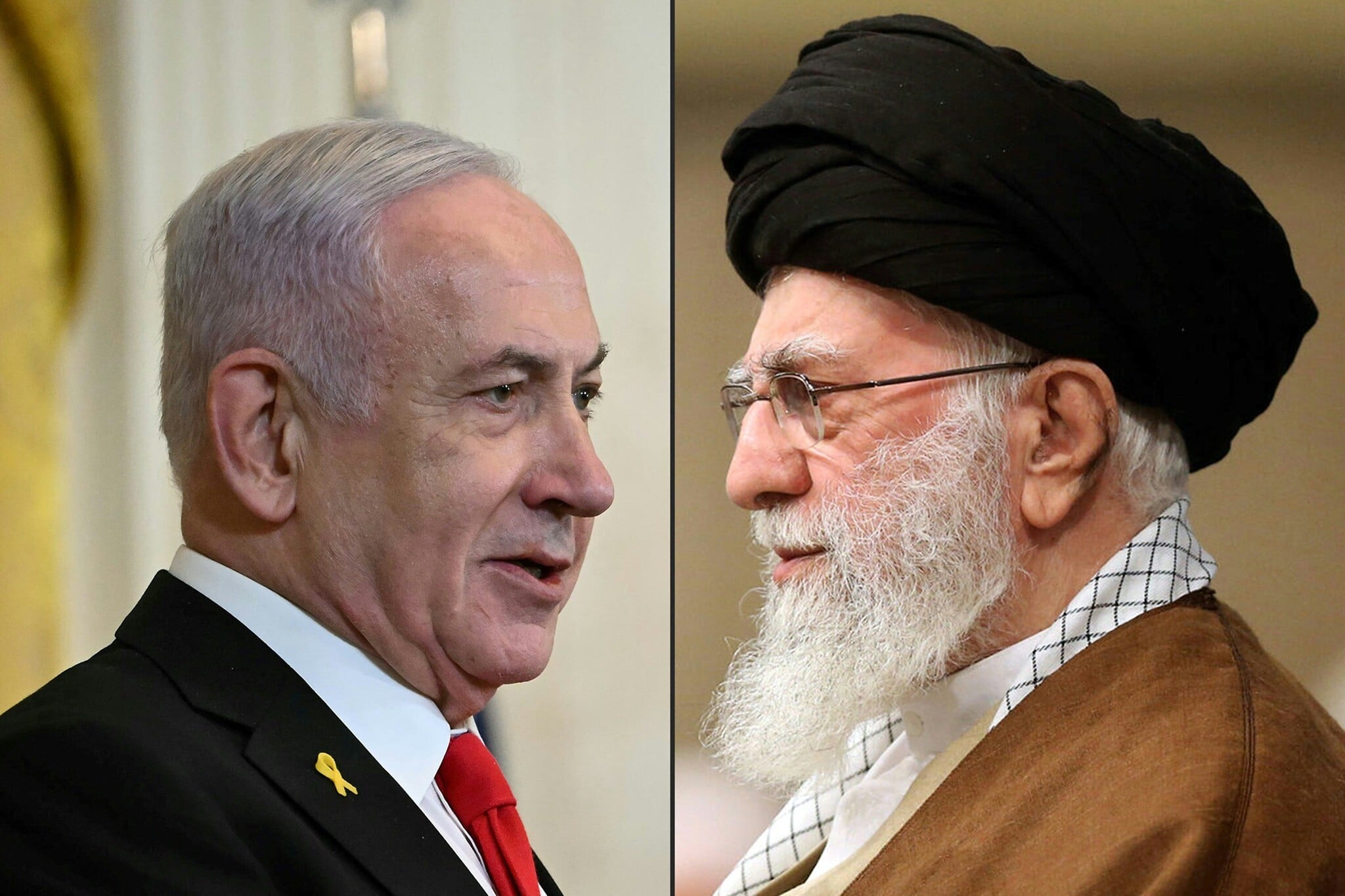
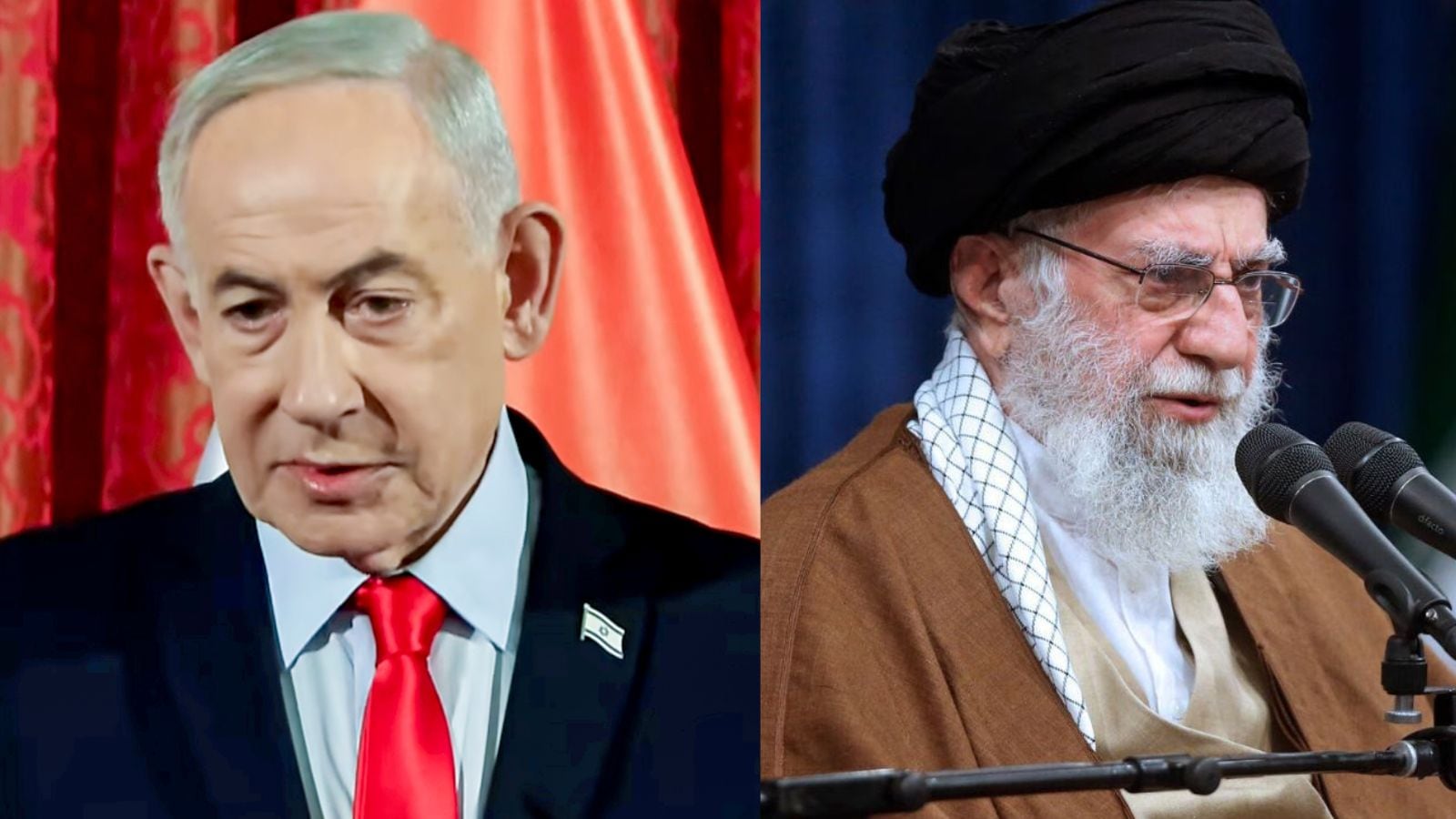
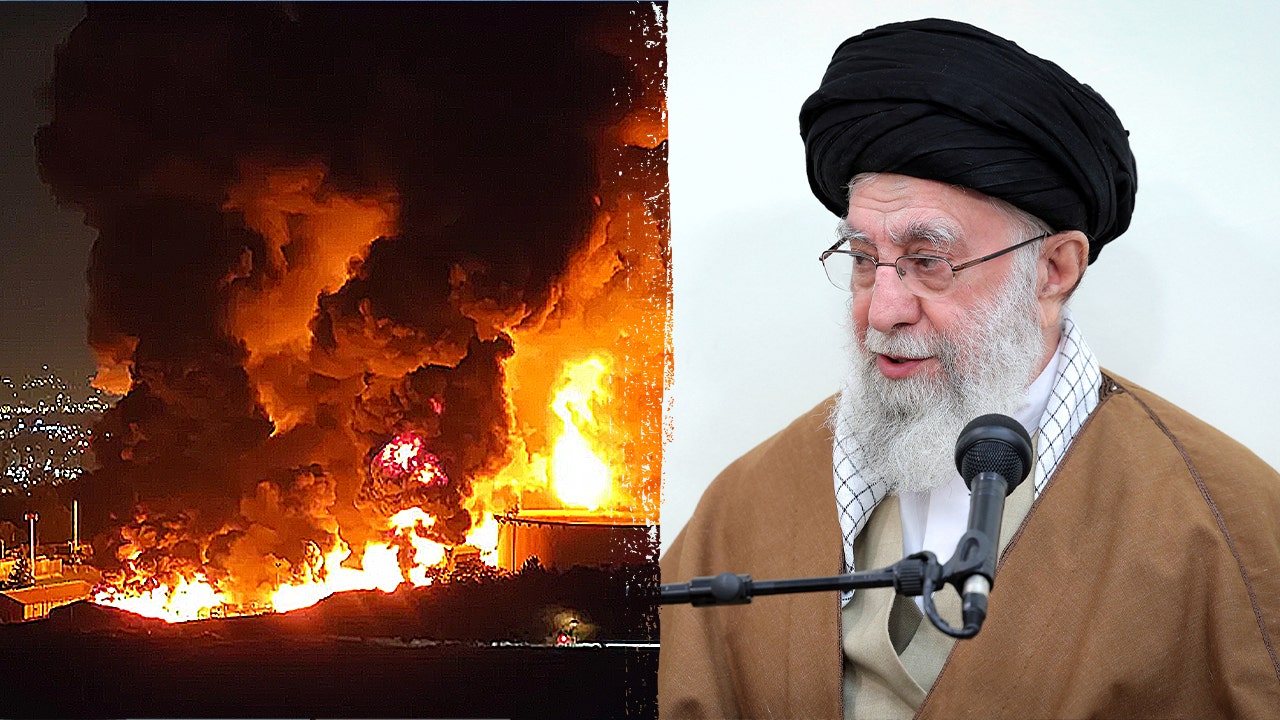
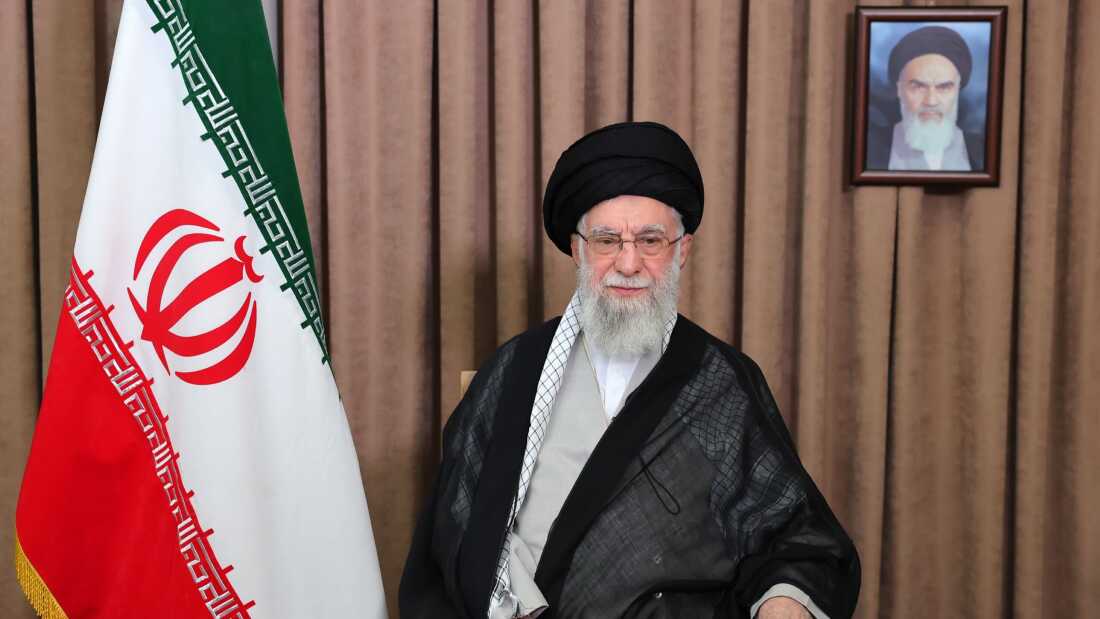
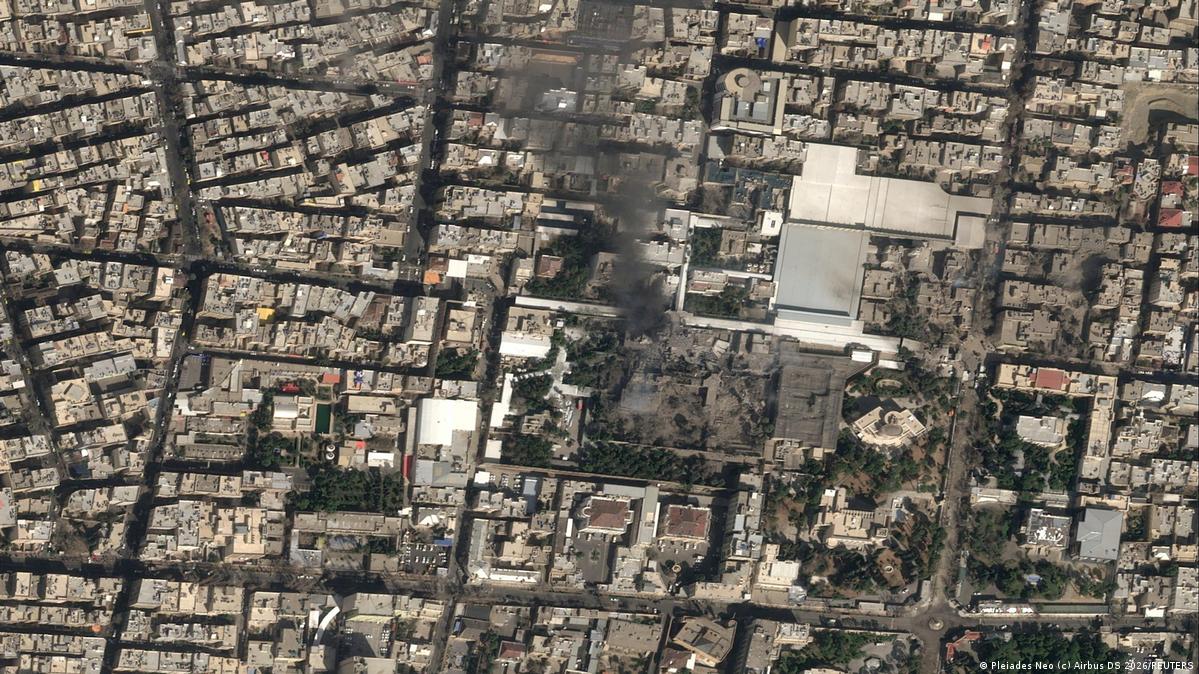
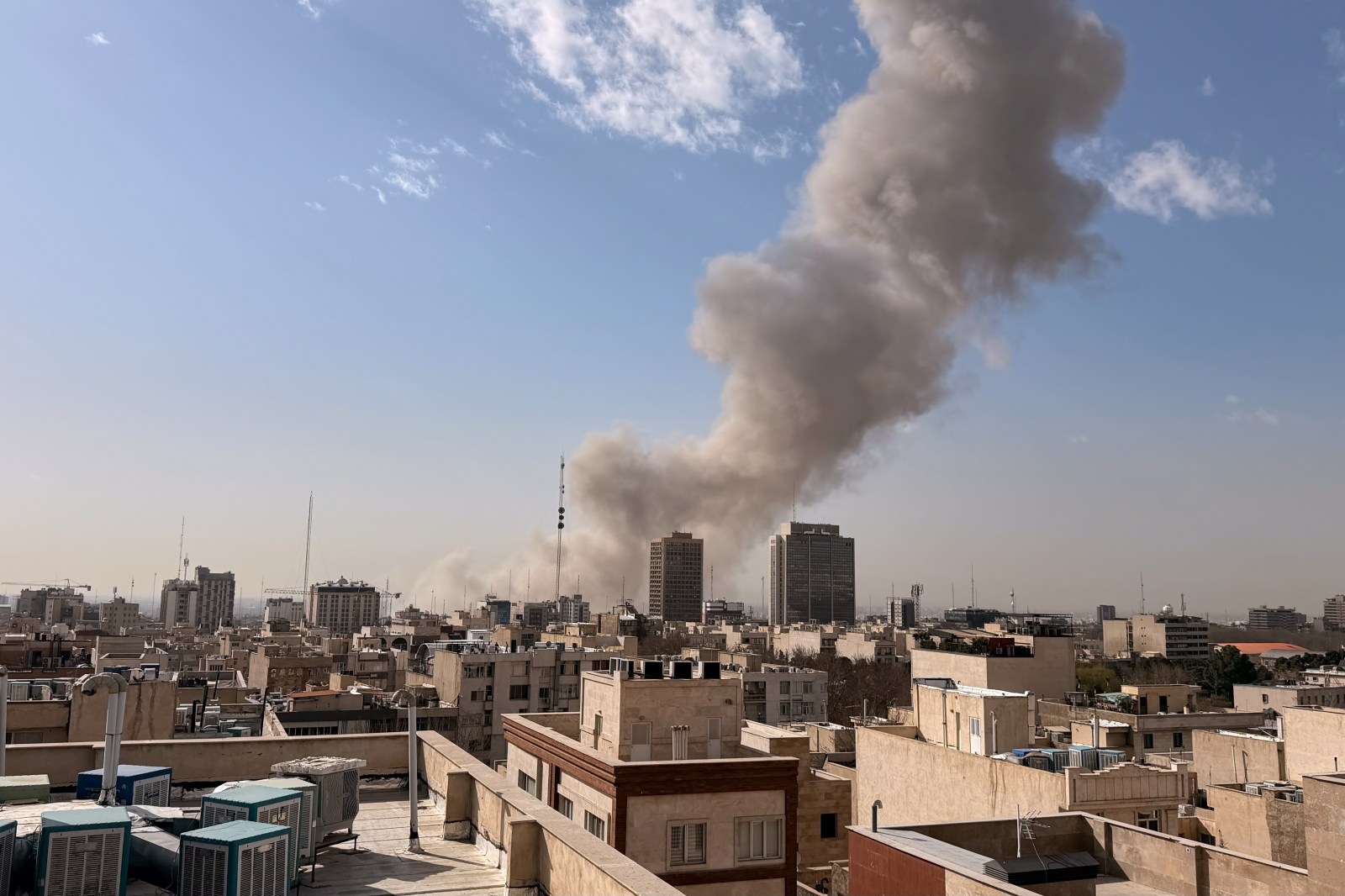
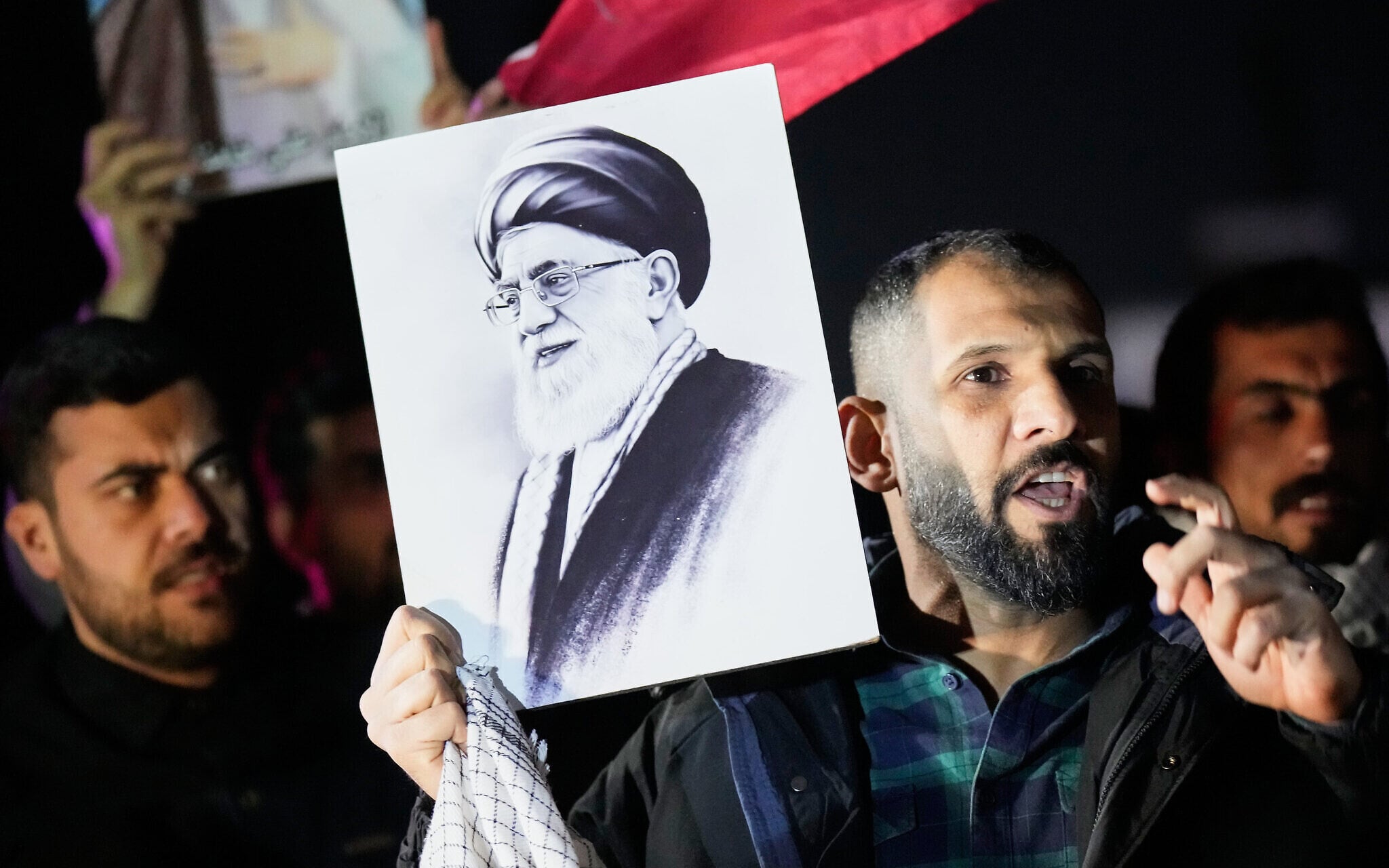
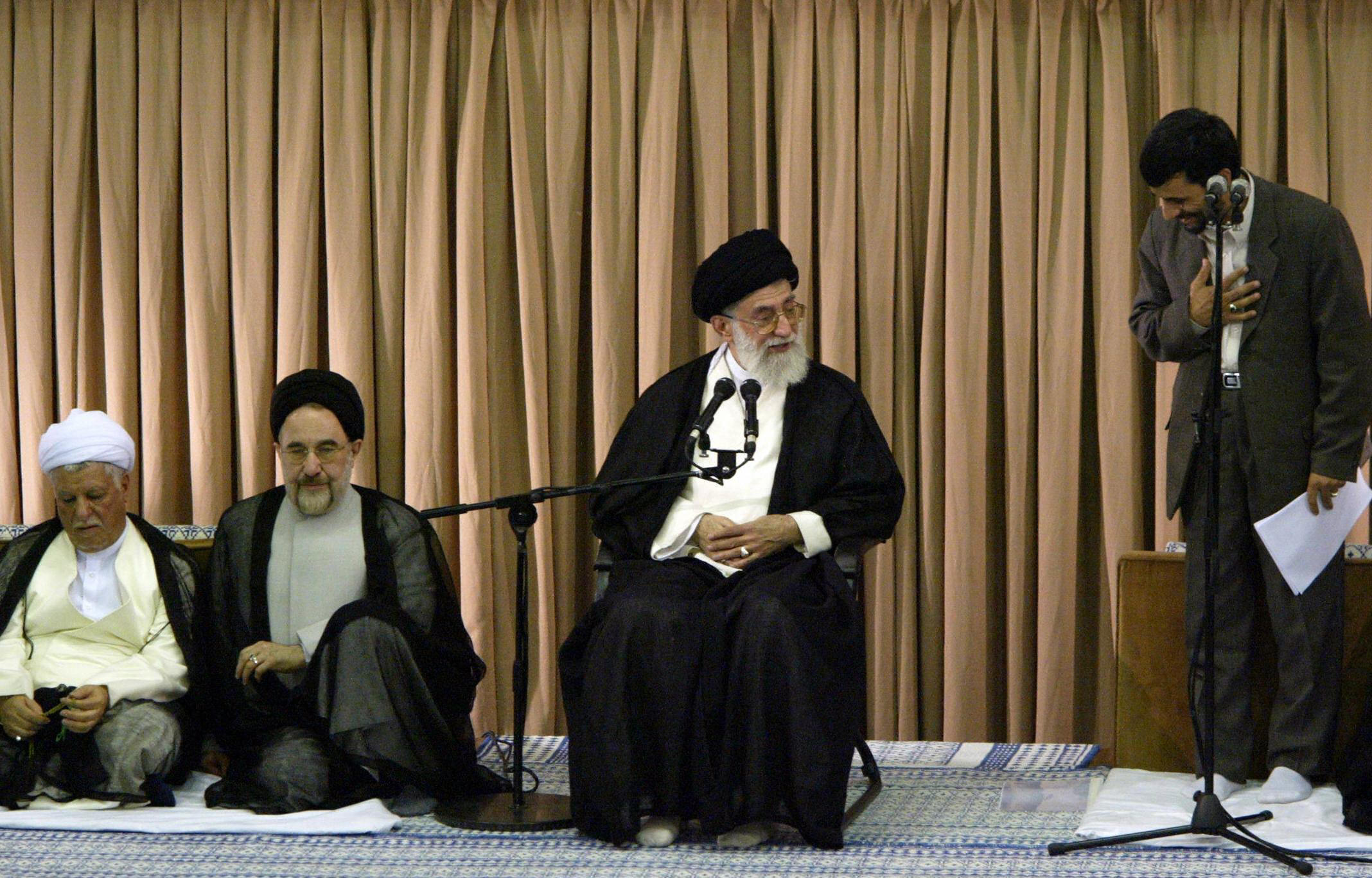
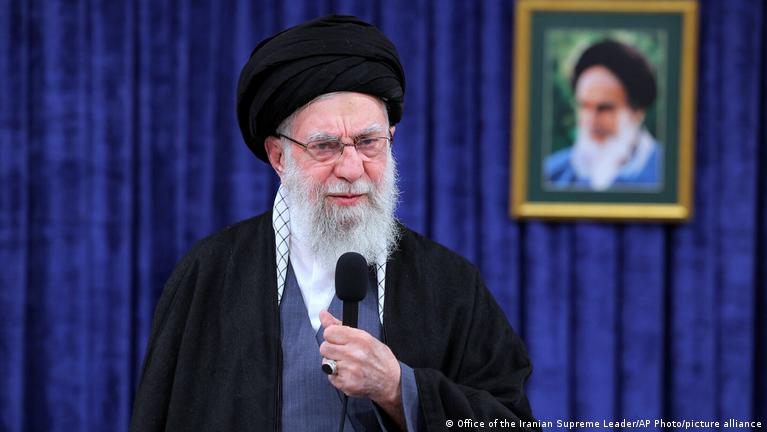
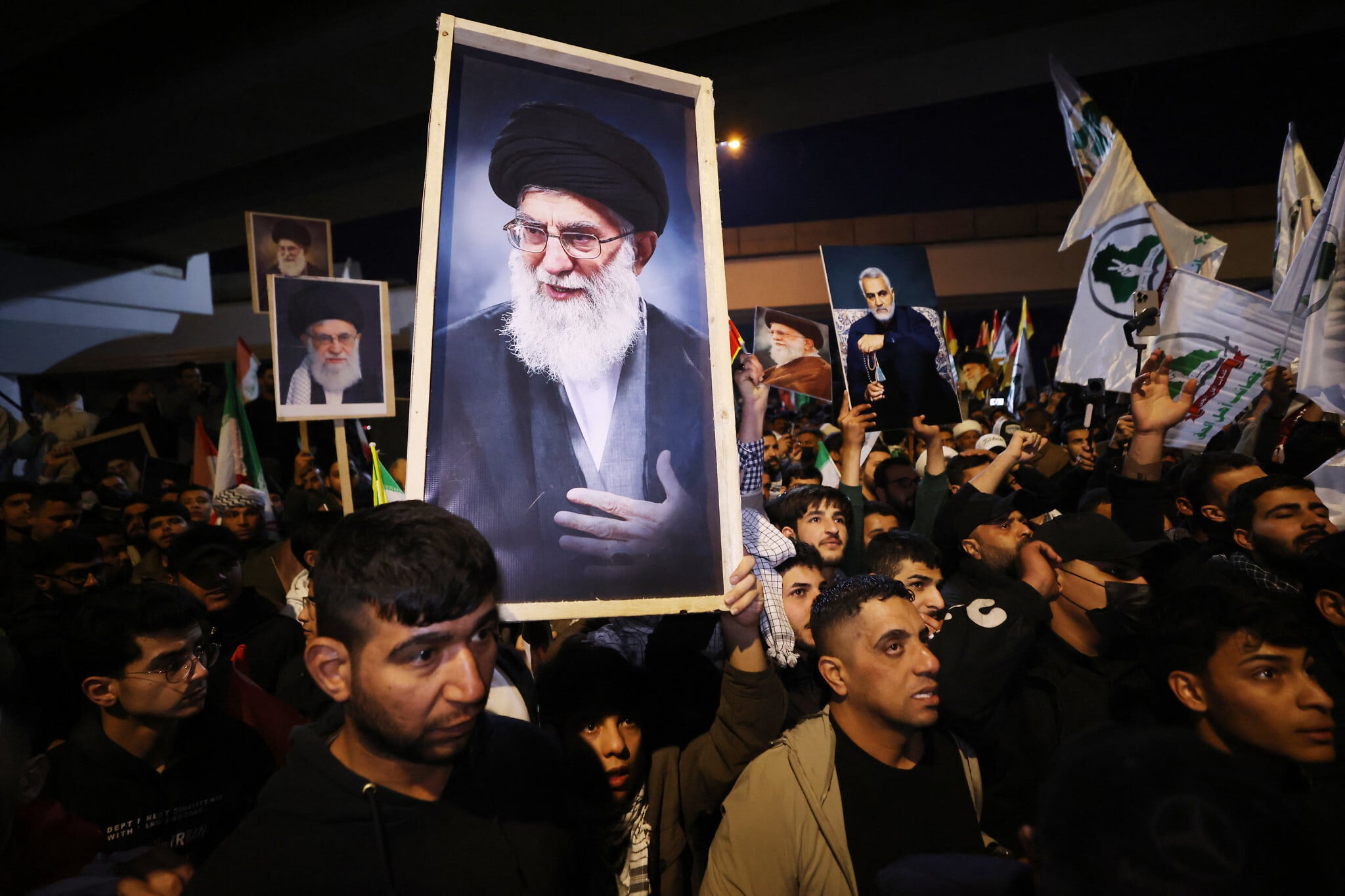
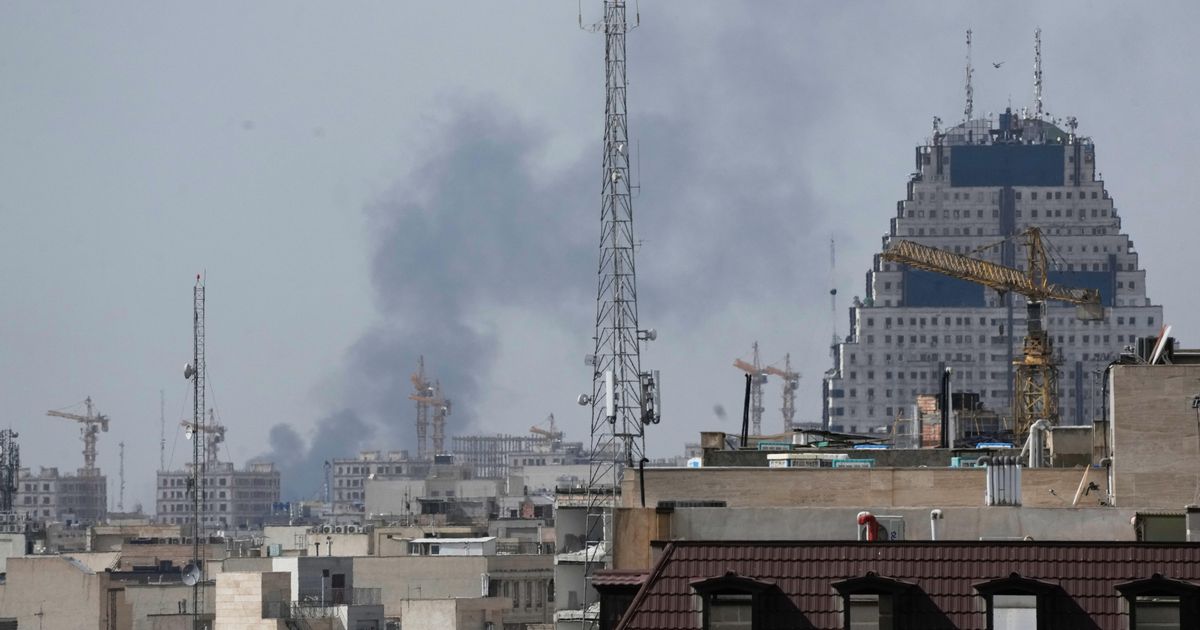
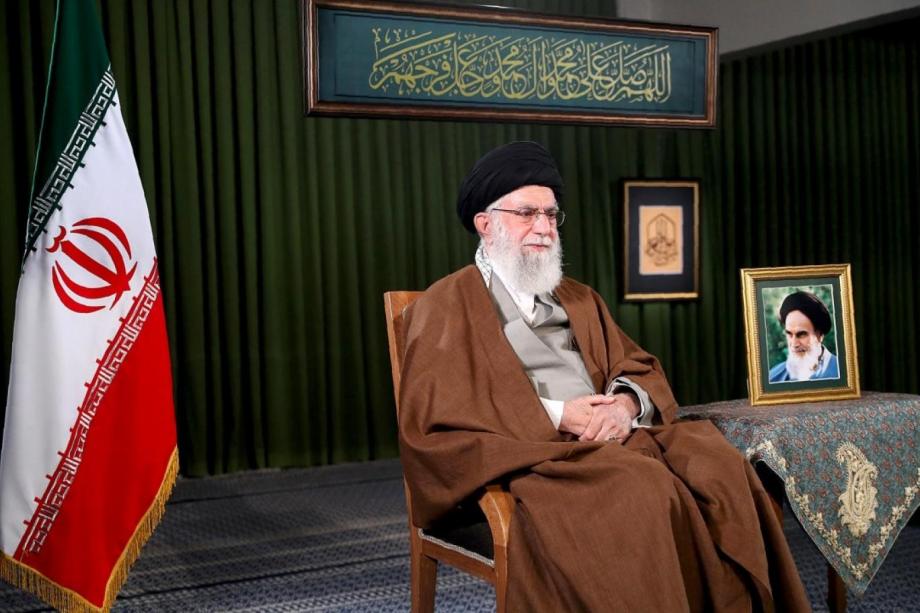
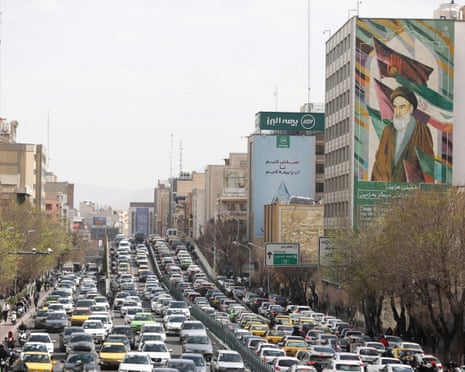
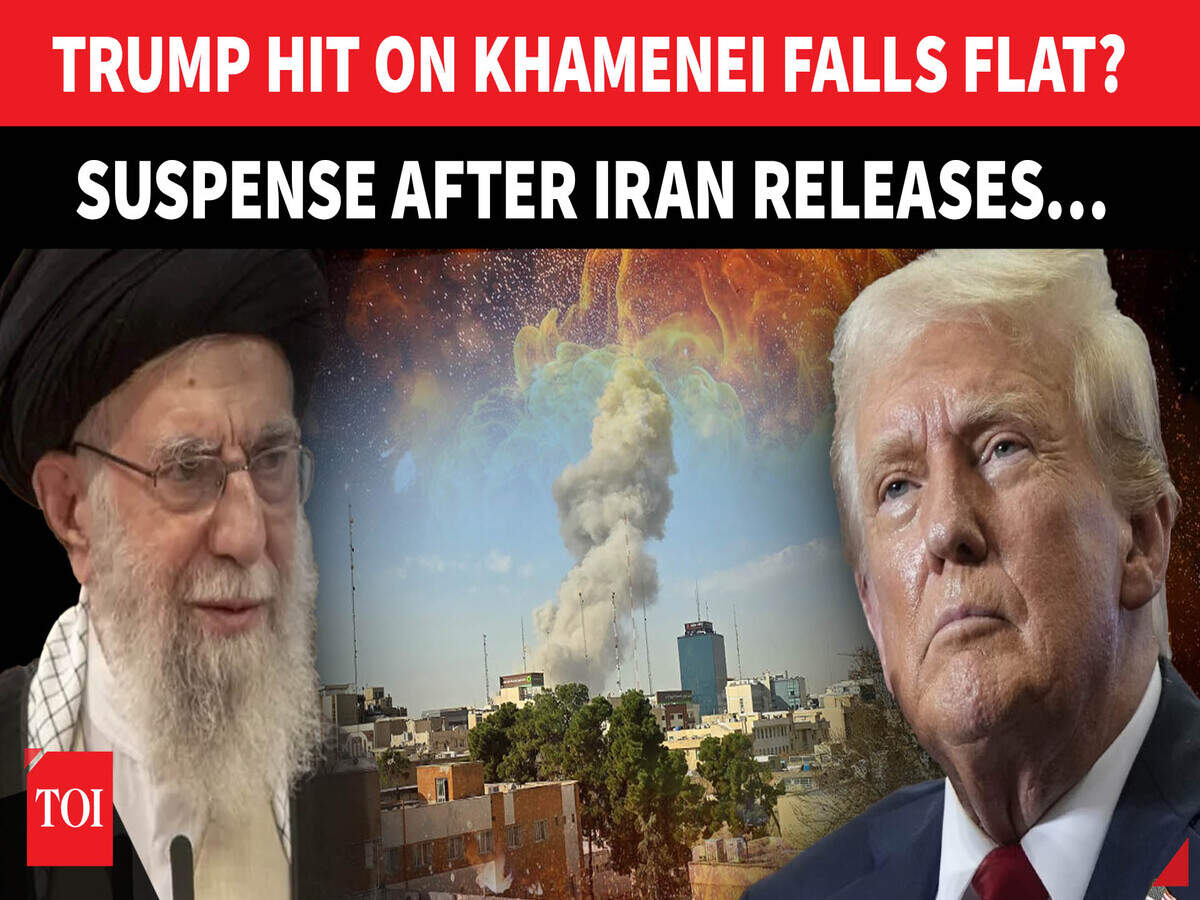
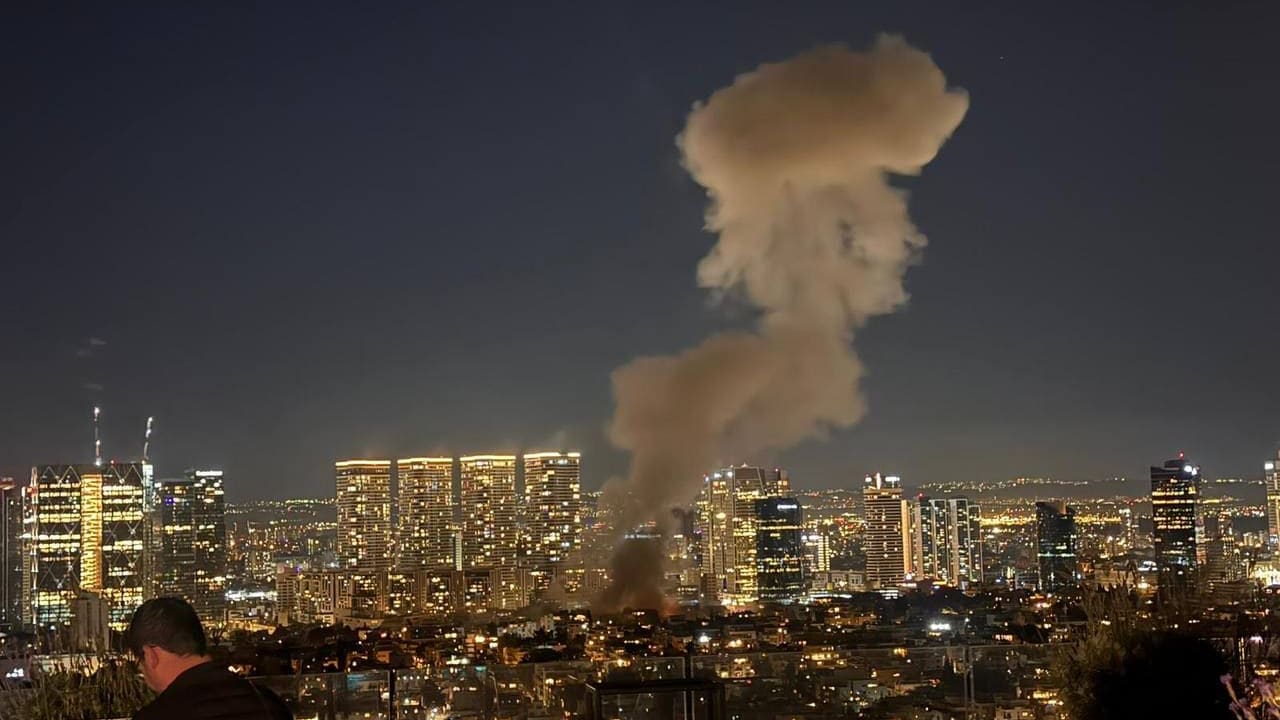
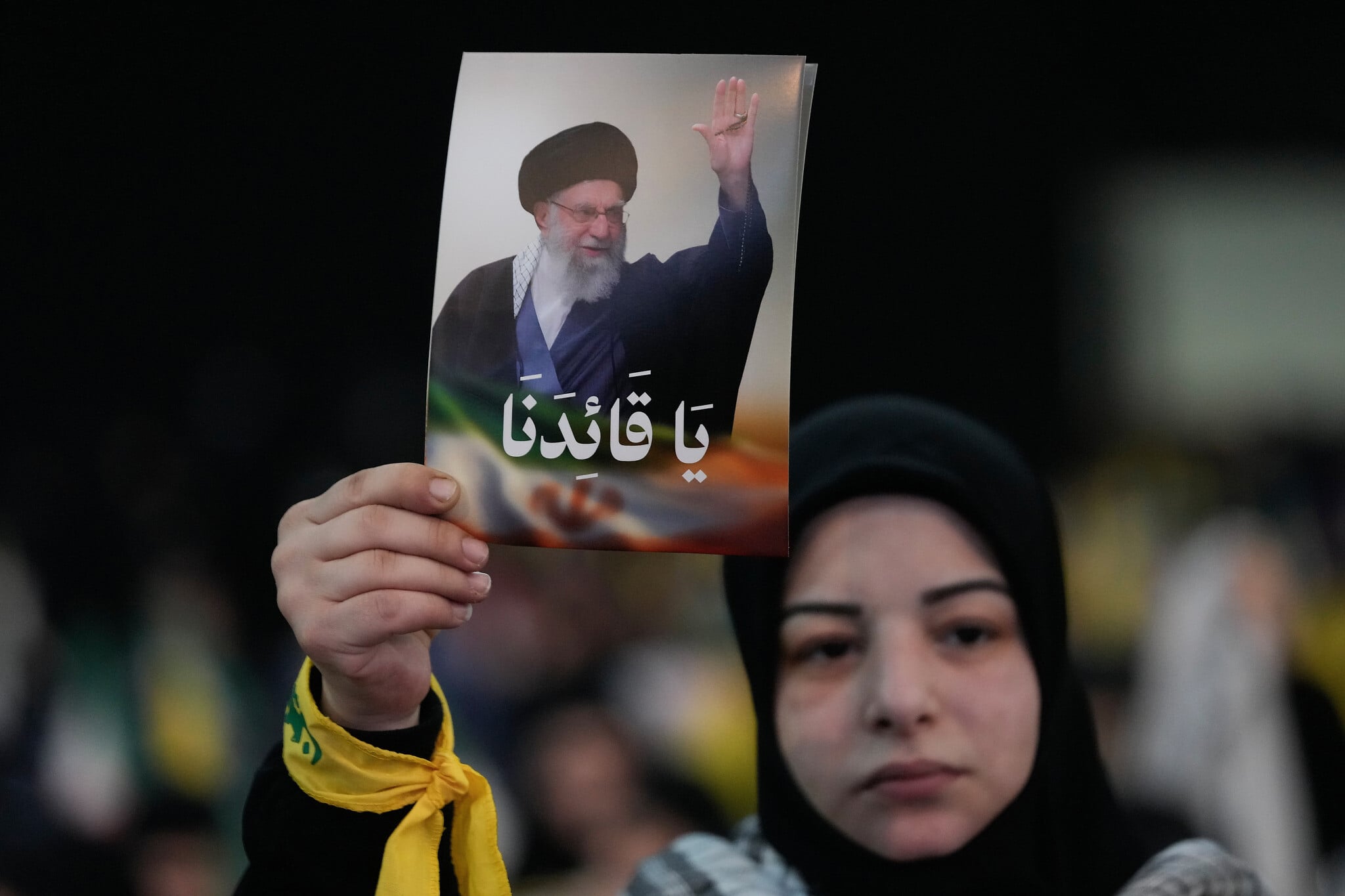
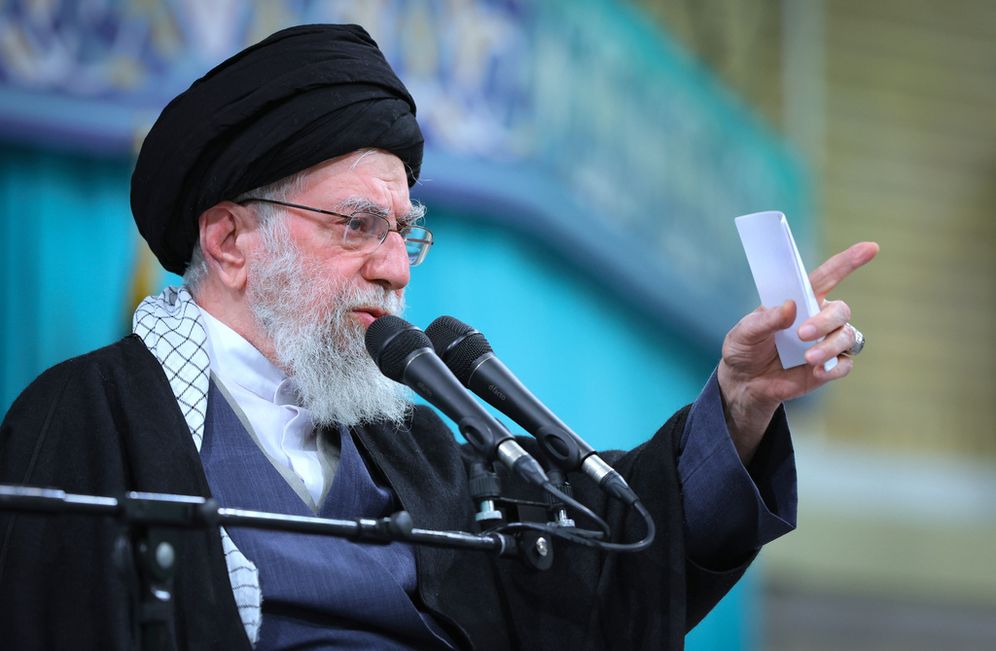
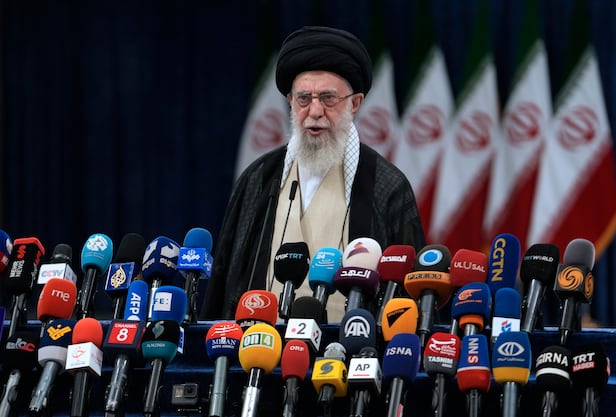
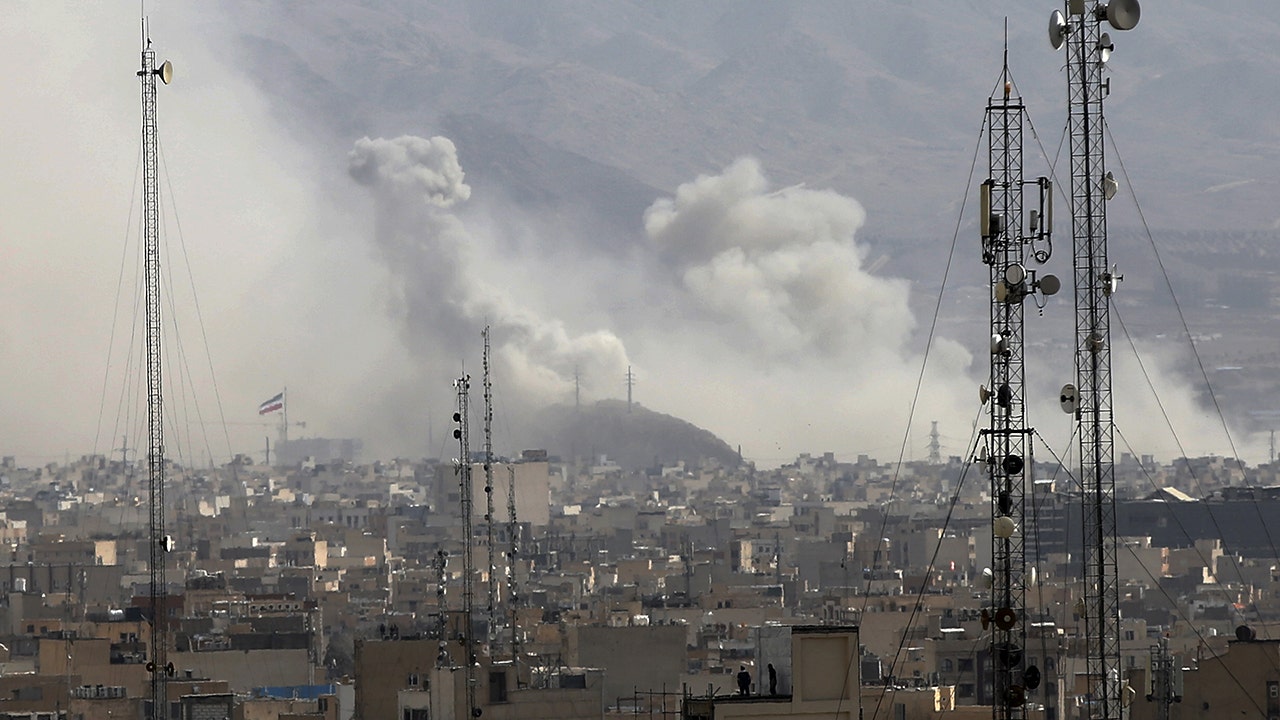
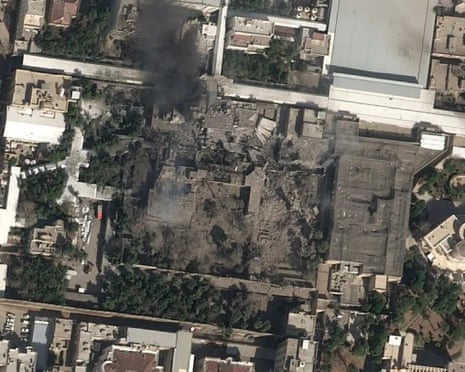
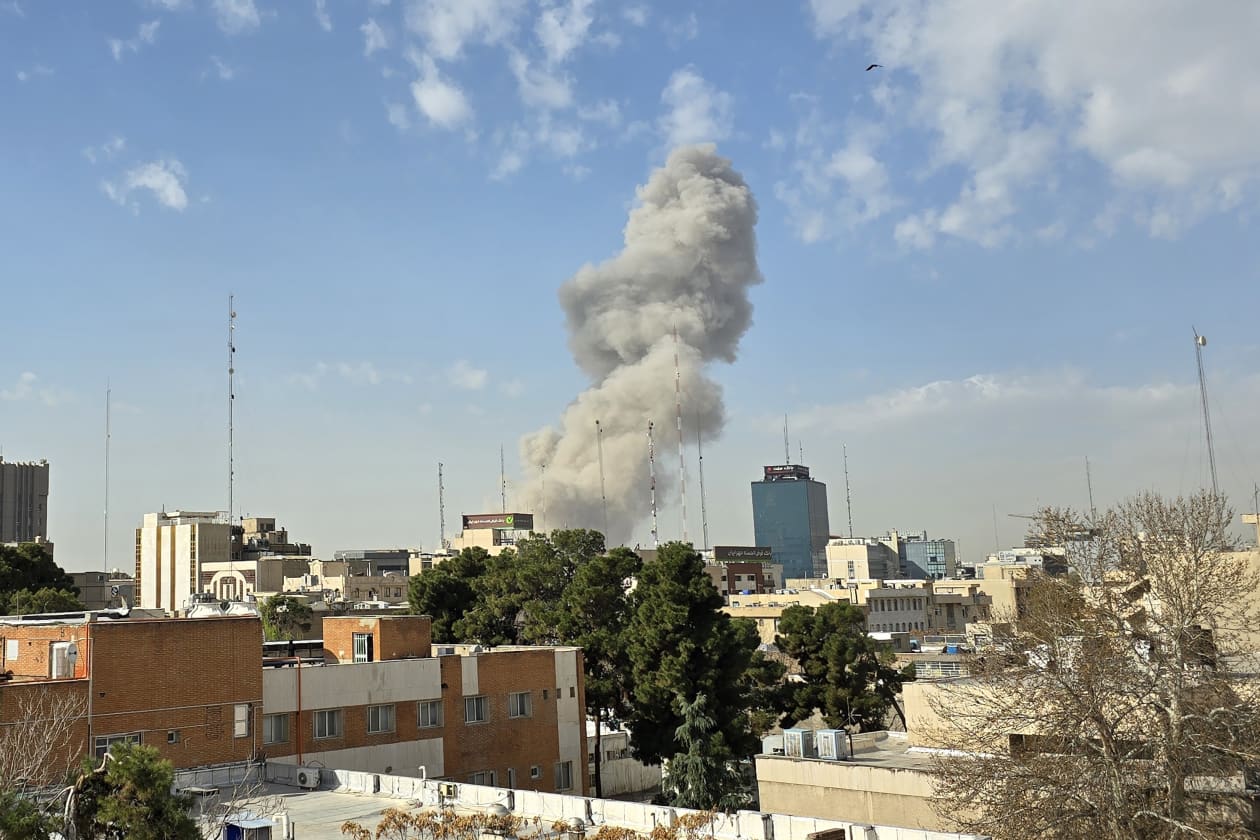
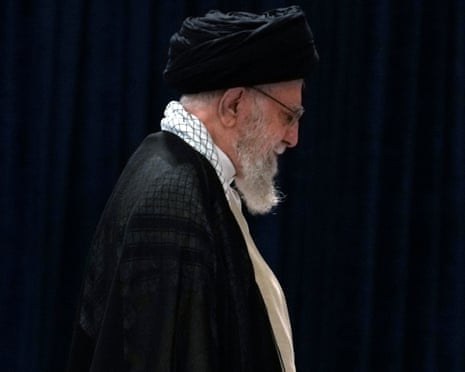
The death of Iran's Supreme Leader Ayatollah Ali Khamenei on February 28, 2026, following US-Israeli military strikes, has triggered the most significant Middle East geopolitical crisis in a decade with direct operational consequences for cross-border e-commerce sellers. The immediate impact is severe: seven countries have closed airspace (Israel, Qatar, Syria, Iran, Iraq, Kuwait, Bahrain) with partial UAE closure, forcing cancellation of over 1,000 flights by Emirates, Qatar Airways, and Etihad. The three primary logistics hubs—Dubai, Abu Dhabi, and Doha—which process 90,000+ passengers daily and serve as critical nodes for international commerce, are now operating at severely reduced capacity or suspended operations entirely.
For e-commerce sellers, this creates a three-tier crisis: First, immediate logistics disruption affecting air freight shipments through Middle Eastern corridors. Sellers relying on expedited shipping to/from Asia, Europe, and North America face 15-25% cost increases and 2-4 week delays as cargo is rerouted around closed airspace. Air freight capacity constraints mean sellers competing for limited space will see costs rise from typical $3-5/kg to $4.50-7/kg for Asia-to-US routes. Second, market access uncertainty in Iran and GCC countries. The political transition—with a temporary leadership council replacing Khamenei's 36-year authoritarian rule—creates currency volatility, potential new sanctions regimes, and payment processing delays. Sellers with Iranian customers or suppliers face immediate payment gateway complications and regulatory uncertainty. Third, supply chain sourcing disruptions for sellers manufacturing in or sourcing from Middle Eastern suppliers. The Islamic Revolutionary Guard Corps, which controlled vast commercial enterprises under Khamenei, may undergo restructuring, affecting supplier relationships and contract enforcement.
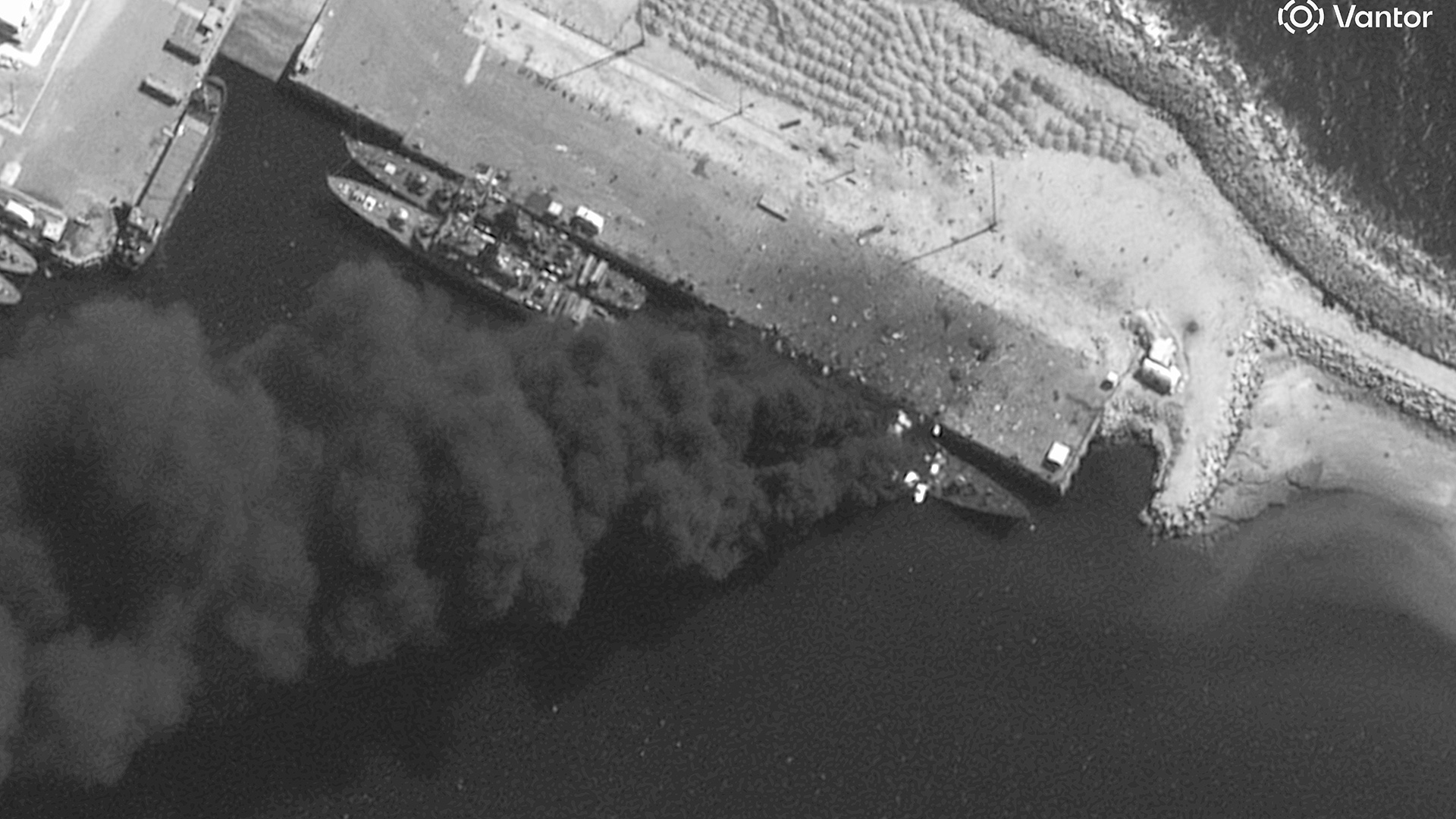
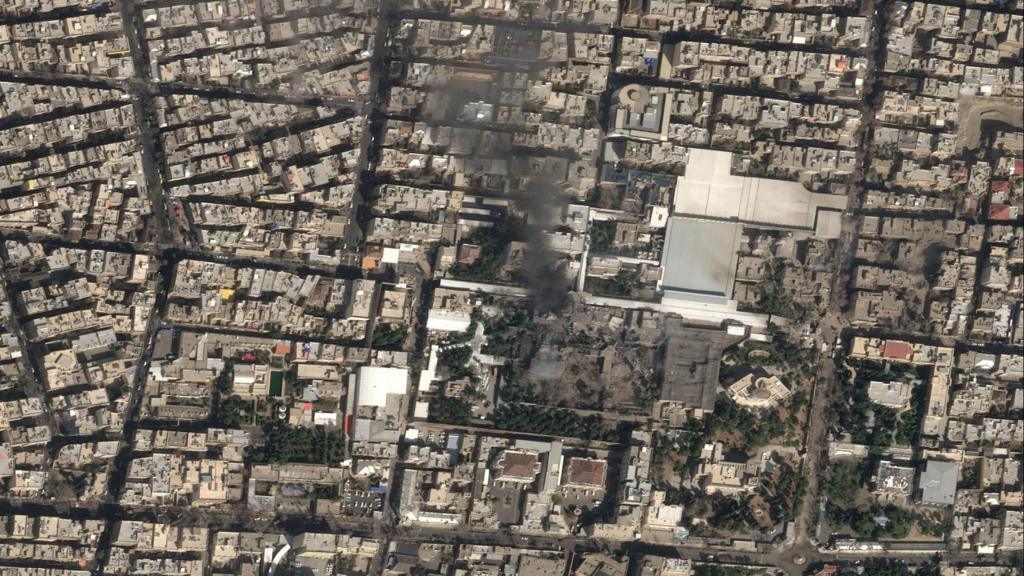
The geopolitical context amplifies these risks: Khamenei's death ends 36 years of anti-US/Israel ideology and control of Iran's nuclear program, ballistic missile development, and proxy forces (Hezbollah, Hamas). His successor regime's openness to international commerce remains unknown. Iran's Revolutionary Guards announced retaliatory operations with missiles and drones targeting multiple countries, including the UAE where Dubai airport infrastructure sustained damage. International responses from China, UK, France, and Germany calling for de-escalation suggest prolonged uncertainty rather than rapid stabilization. For sellers, this means the logistics crisis could extend 4-8 weeks minimum, with potential for further escalation affecting insurance costs, payment processing, and regulatory compliance. Sellers with exposure to Iranian markets should assume 30-60% reduction in transaction volume during the transition period. Those sourcing from Middle Eastern suppliers should activate backup suppliers in Southeast Asia or India immediately. All sellers using Middle Eastern logistics hubs should diversify routing through European or Asian gateways, accepting 5-10 day additional transit time as insurance against further disruptions.
Questions 7
How should sellers adjust insurance and risk management for Middle East exposure?
Insurance costs for shipments through affected regions are increasing 20-40% due to geopolitical risk premiums. Sellers should immediately review cargo insurance policies and activate force majeure clauses if available. Consider shifting to all-risk coverage that includes political instability and airspace closures. For sellers with inventory in Middle Eastern warehouses, activate emergency evacuation protocols if available. Diversify inventory across geographic regions—reduce Middle East exposure from 15-20% to 5-10% of total inventory. Implement daily monitoring of OFAC sanctions lists and regional security updates through professional services like Everstream Analytics or Resilinc.
Which shipping routes should sellers use to avoid Middle Eastern airspace closures?
Sellers should immediately reroute shipments through European gateways (Frankfurt, Amsterdam, London) or Asian hubs (Singapore, Hong Kong, Bangkok) rather than Dubai/Abu Dhabi/Doha. European routing adds 3-5 days but avoids closed airspace and premium pricing. Asian routing adds 5-10 days but maintains cost efficiency. For time-sensitive shipments, consider sea freight with expedited port handling (5-7 day transit from Asia to US West Coast) as a cost-effective alternative to air freight. Coordinate with 3PL providers to activate pre-arranged alternative routing within 24-48 hours.