


Political Succession Signals & Media Manipulation | Cross-Border Seller Intelligence
- North Korea's February 2026 propaganda campaign reveals AI-enhanced imagery tactics and succession planning that impact geopolitical risk assessment for sellers operating in Asia-Pacific markets and supply chain regions










Overview
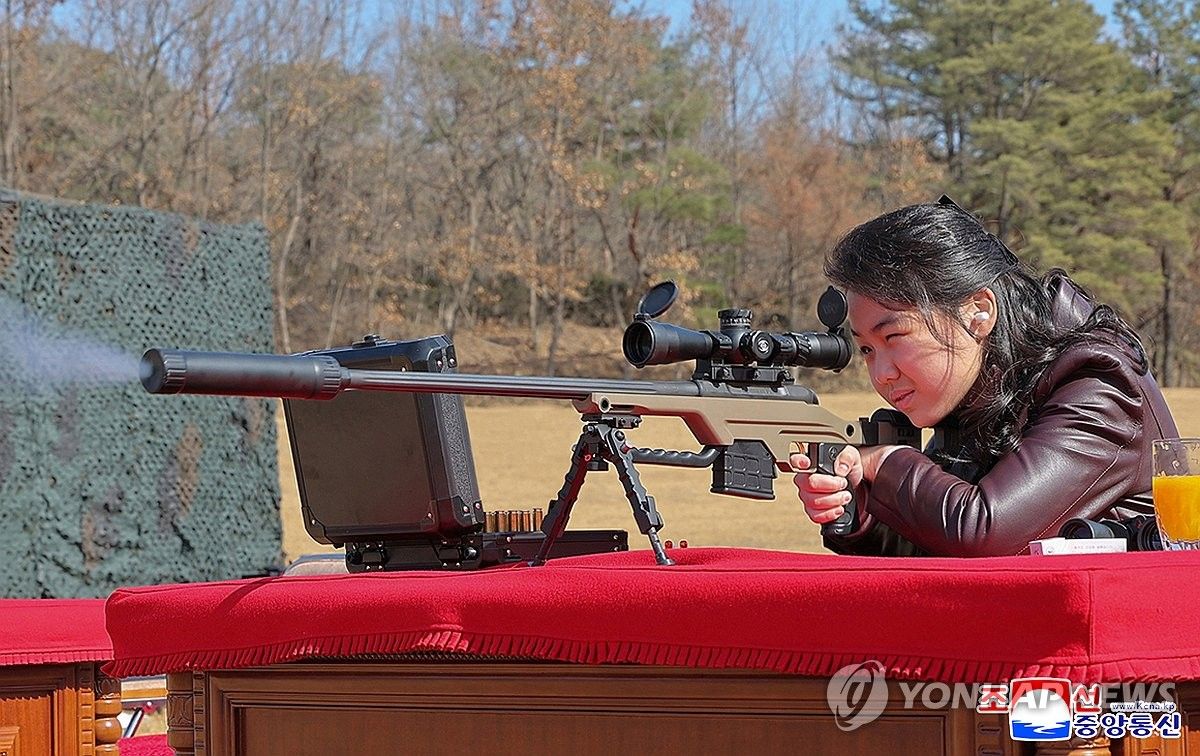
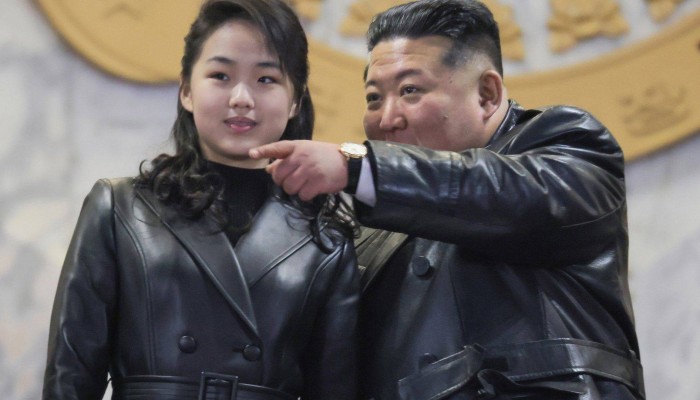
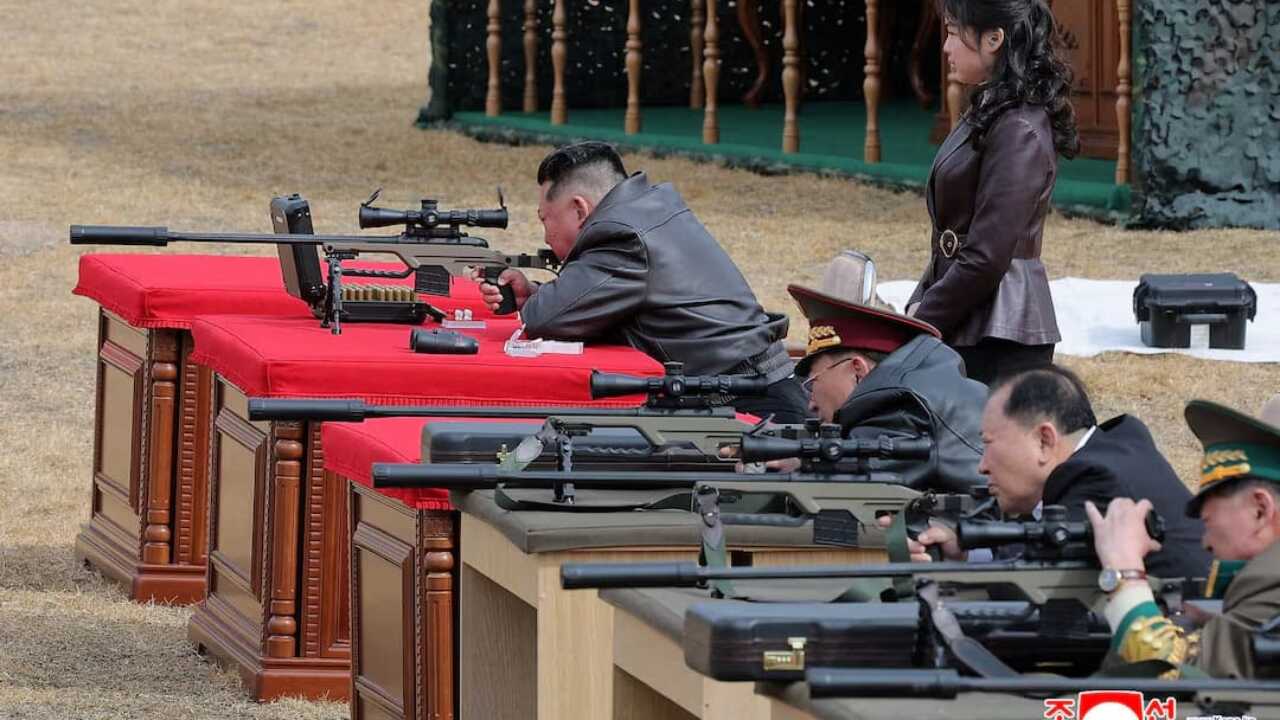
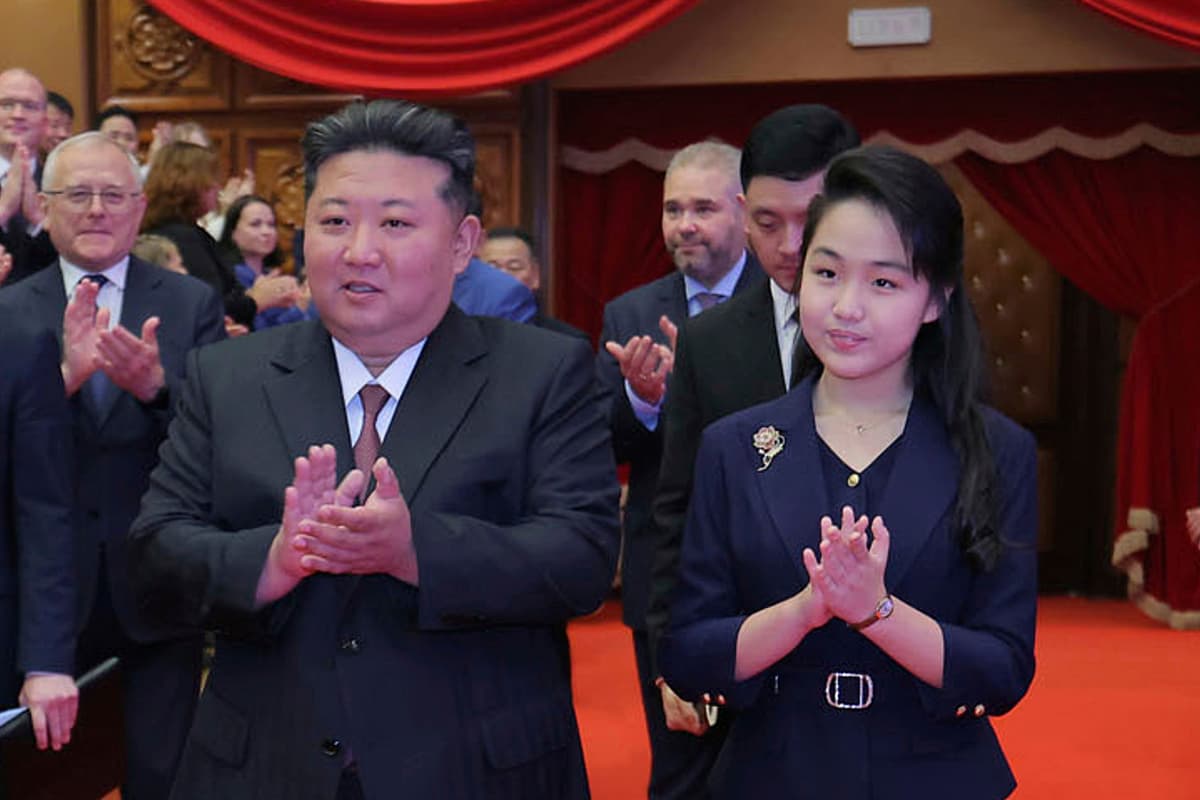
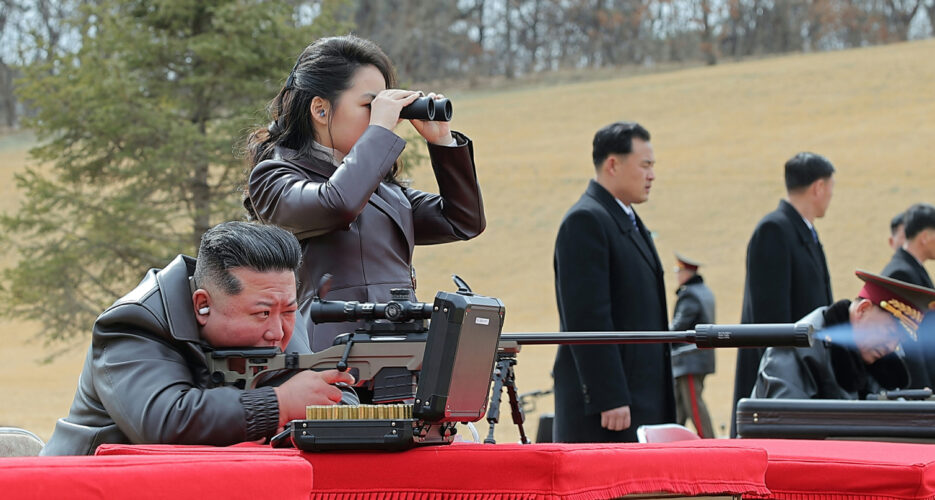
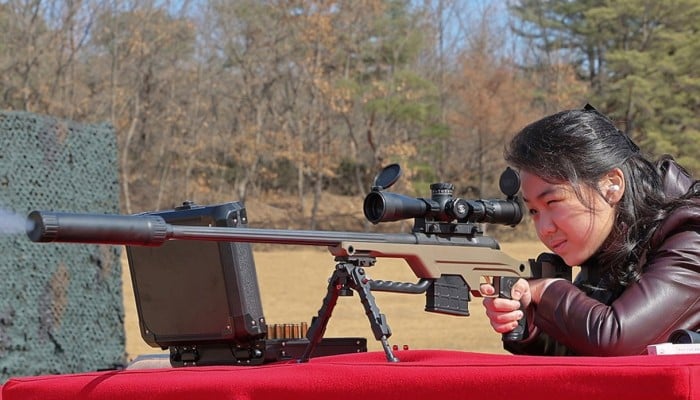
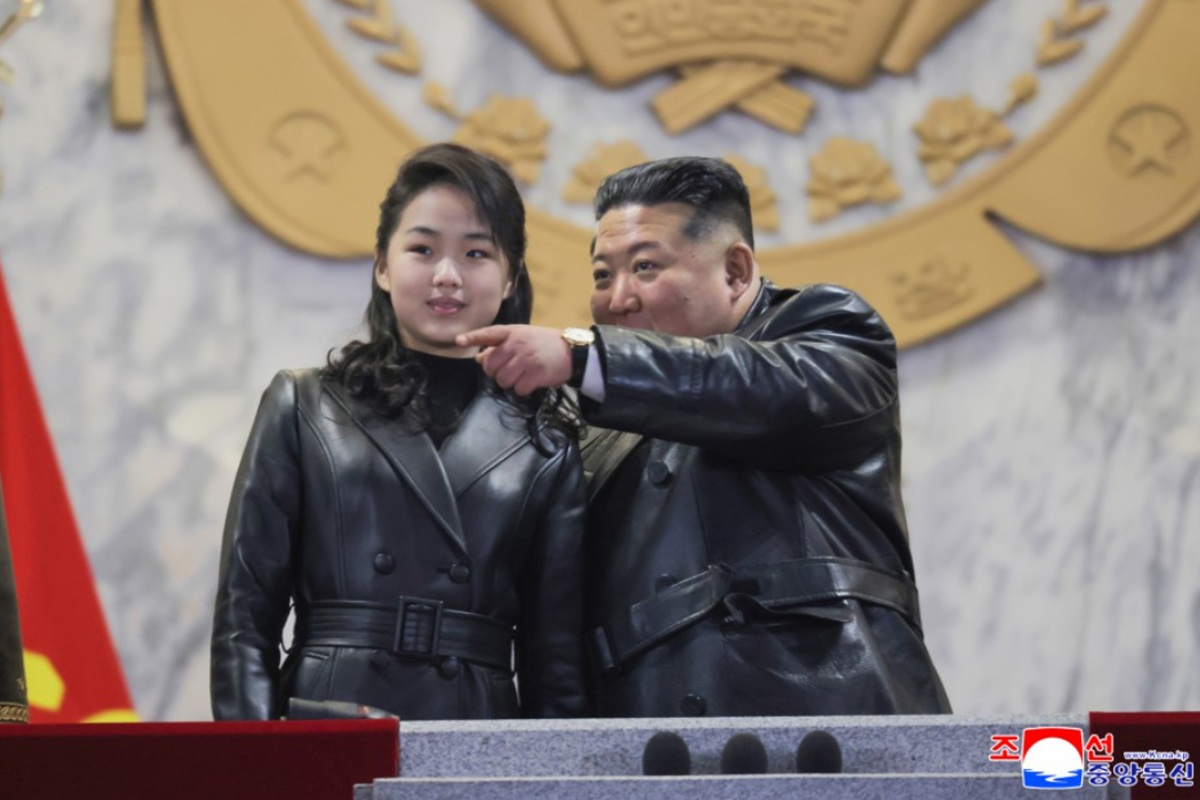
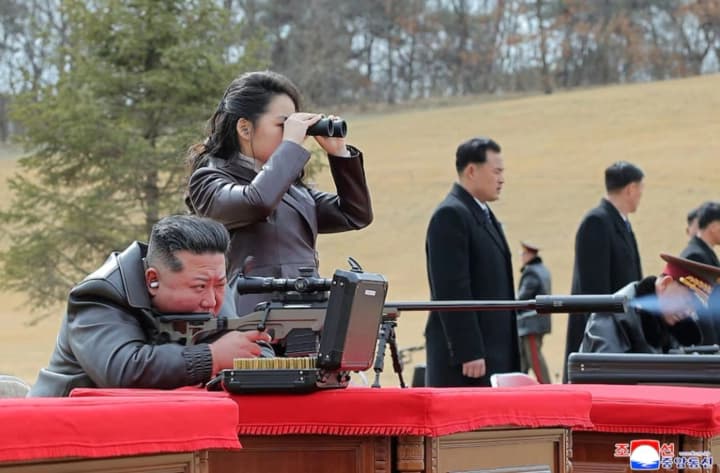
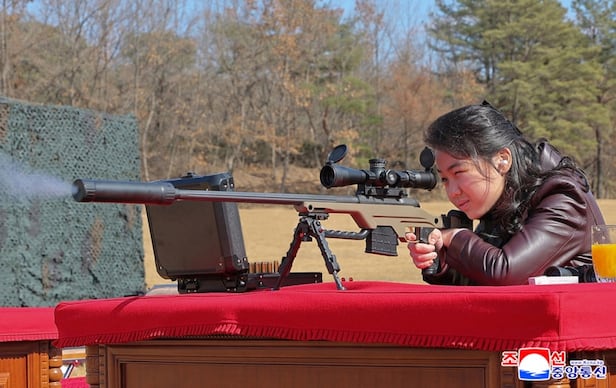
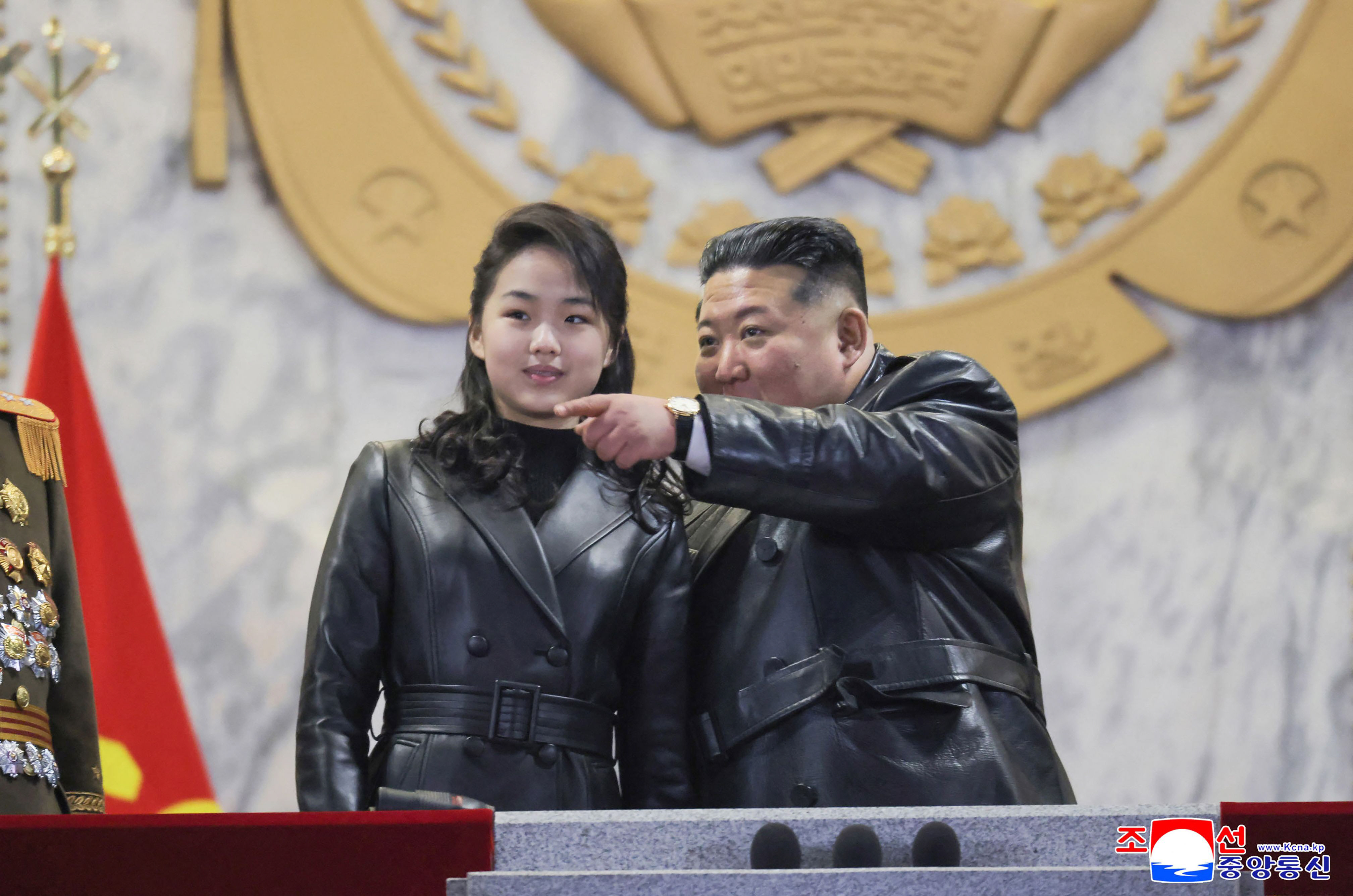
The February 28, 2026 North Korean Workers Party Congress represents a significant geopolitical inflection point with indirect but measurable implications for cross-border e-commerce sellers. State media released 27 propaganda photographs featuring Kim Jong Un and his teenage daughter Kim Ju Ae at a rifle range, with CNN flagging at least one image as potentially AI-manipulated—a critical indicator of escalating media sophistication in authoritarian regimes. This event signals three interconnected trends affecting seller operations: (1) Succession planning acceleration with Kim Ju Ae positioned as de facto second-in-command, suggesting potential policy shifts in North Korea's isolated economy; (2) Advanced propaganda techniques using AI-generated imagery, which sellers must understand when evaluating supply chain risks and geopolitical stability; (3) Regional power consolidation with Kim's sister Kim Yo Jong promoted to General Affairs Director, indicating tighter control over party apparatus and potential trade policy changes.
For cross-border sellers, this news carries operational significance through multiple vectors. Supply chain risk assessment becomes critical for sellers sourcing from or shipping through China, which maintains North Korea's primary trade relationship. The succession narrative suggests potential policy continuity or disruption—Kim Ju Ae's prominence at military demonstrations and weapons inspections indicates the regime prioritizes military-industrial development, potentially affecting regional manufacturing capacity and logistics corridors. Sellers with exposure to Asia-Pacific supply chains should monitor North Korea's relationship with China and Russia, as geopolitical tensions directly impact shipping routes, tariff structures, and customs processing times. The AI-manipulation detection aspect reveals how authoritarian regimes employ sophisticated digital tactics; sellers must develop similar media literacy when evaluating supplier credibility, product authenticity claims, and marketplace fraud detection.
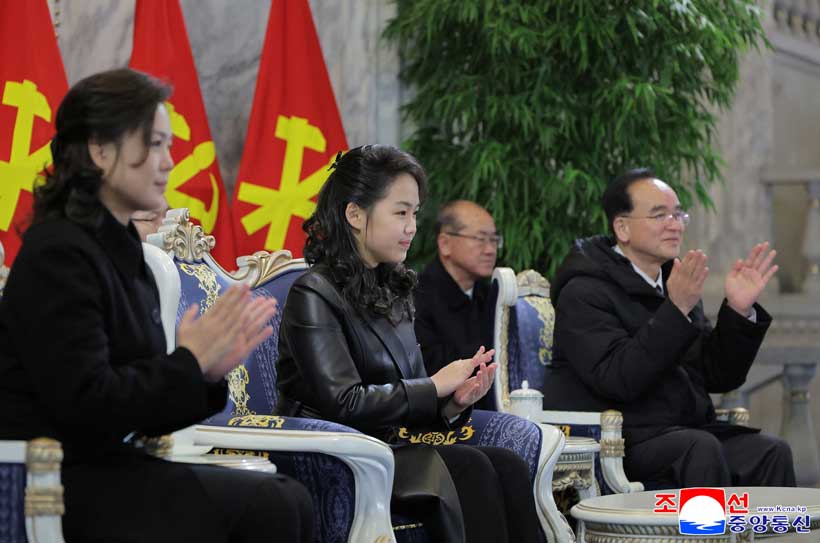
The broader context matters: North Korea's party congress occurs every five years (last held in 2016), and this iteration emphasized accelerating nuclear arsenal development while maintaining hardline positions toward the US and South Korea. Kim stated dialogue could resume only if Washington abandons denuclearization demands—a position unlikely to shift under new leadership. For sellers, this translates to sustained geopolitical tension in the Korean Peninsula, affecting shipping insurance premiums, customs clearance timelines, and logistics partner reliability in South Korea and Japan. The 5,000-delegate congress and military parade demonstrate regime consolidation, suggesting policy stability rather than revolutionary change—important for sellers assessing long-term supply chain viability in the region. Additionally, Kim's September 2024 summit with Xi Jinping (his first in six years) signals strengthening China-North Korea ties, which could reshape regional trade dynamics and affect sellers' sourcing strategies in Southeast Asia and China.
Questions 7
Should sellers adjust shipping routes due to North Korea geopolitical developments?
No immediate route changes are necessary, but sellers should **increase monitoring** of North Korea-related geopolitical developments. The regime's hardline stance toward the US and emphasis on nuclear development suggest **sustained tension** in the Korean Peninsula, which affects shipping insurance premiums and customs clearance timelines in South Korea and Japan. Sellers with **high-value shipments** to these regions should consider: (1) increasing insurance coverage by 5-10% to account for geopolitical risk premiums; (2) diversifying shipping partners to reduce dependency on single logistics providers; (3) building 2-3 week buffer time into delivery schedules for potential customs delays. The strengthening China-North Korea relationship (evidenced by Xi-Kim summit in September 2024) suggests **stable trade corridors through China**, making China-based logistics partners relatively reliable for Asia-Pacific operations.
What does AI-manipulated propaganda reveal about supply chain fraud risks?
CNN's detection of **AI-manipulated imagery** in North Korean state media demonstrates that authoritarian regimes employ sophisticated digital deception tactics. For sellers, this signals the need for enhanced **supplier verification protocols** and **product authenticity checks**. If state-level actors use AI to manipulate propaganda, sellers must assume bad-faith suppliers may employ similar techniques to misrepresent product quality, manufacturing origins, or certifications. Implement third-party verification for high-value suppliers, use blockchain tracking for critical components, and develop media literacy training for procurement teams. The incident underscores that **visual evidence alone is insufficient** for supplier due diligence—cross-reference multiple data sources and conduct physical audits of manufacturing facilities.