






Middle East Supply Chain Crisis | Air Freight Costs Surge 25-40% as 1,000+ Flights Cancelled
- Airspace closures across 7 countries disrupt logistics hubs processing 90,000+ daily passengers; sellers face immediate rerouting costs and 15-30 day shipping delays
































































Overview
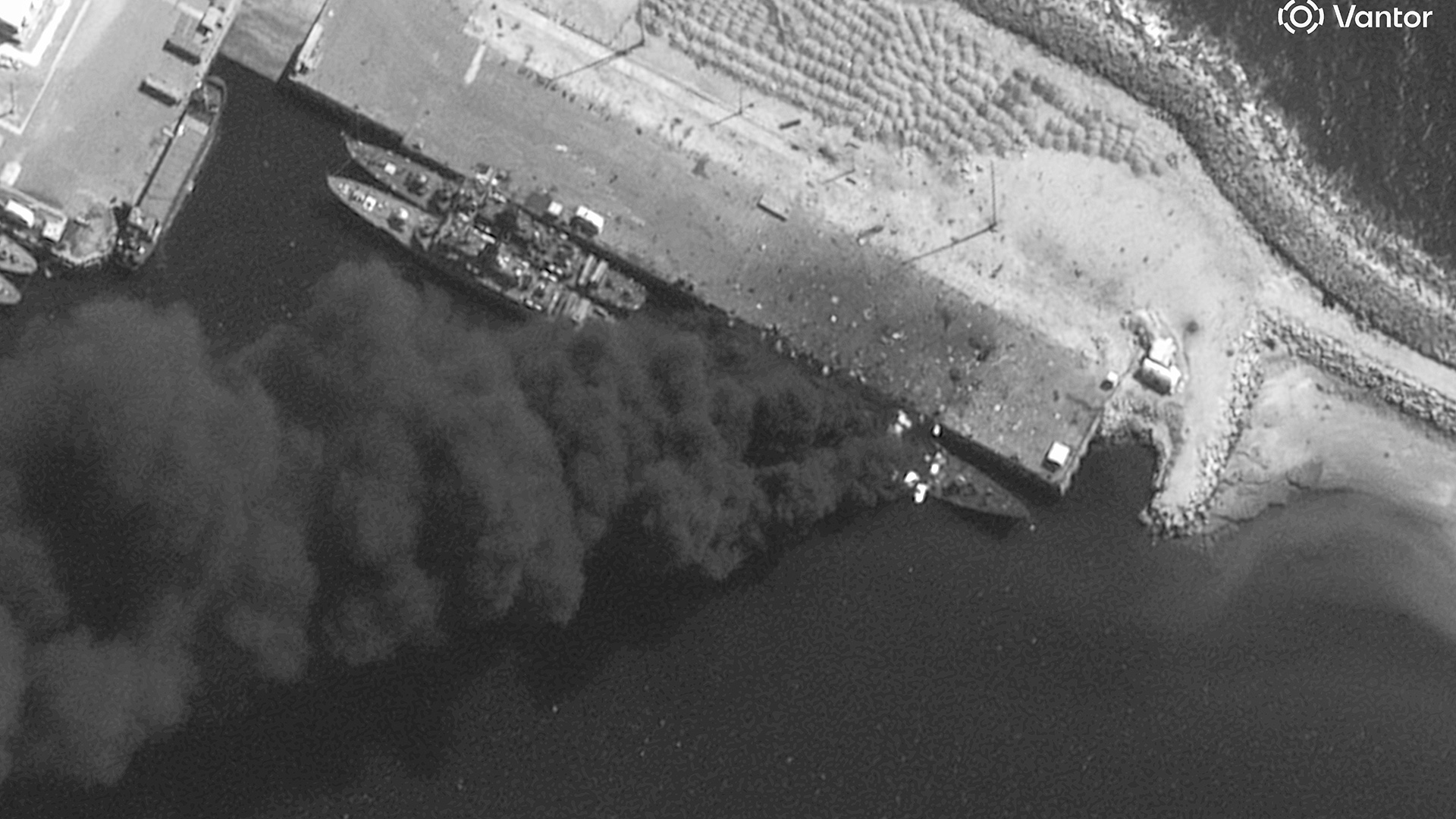
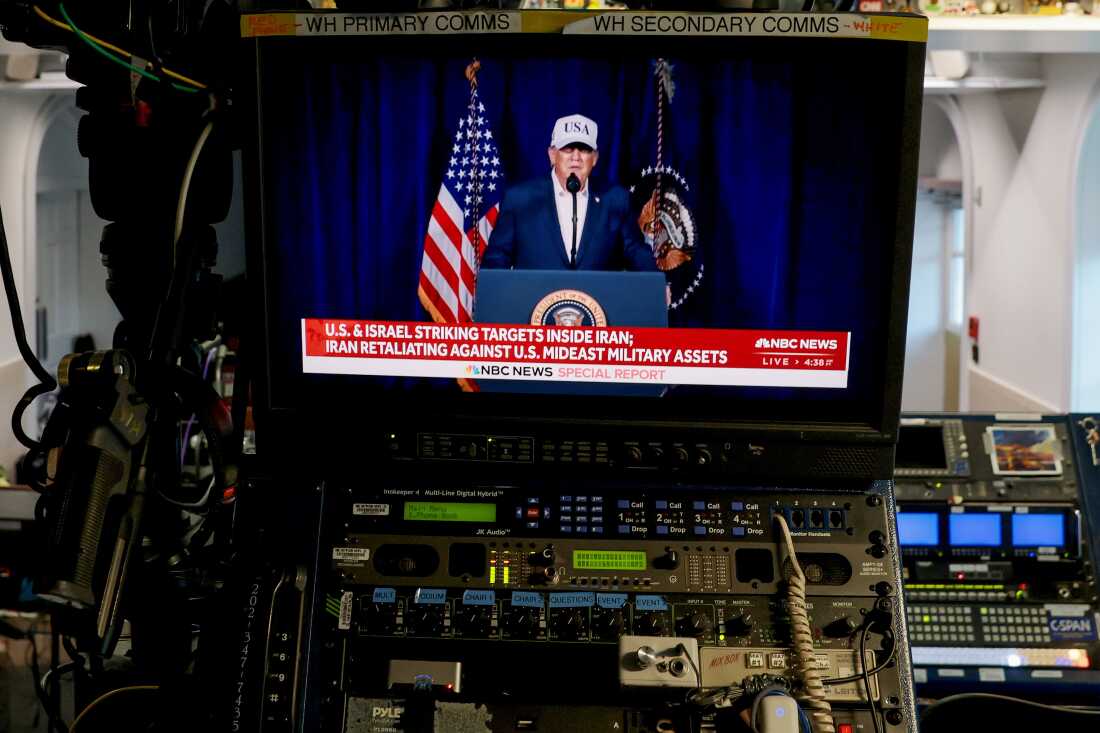
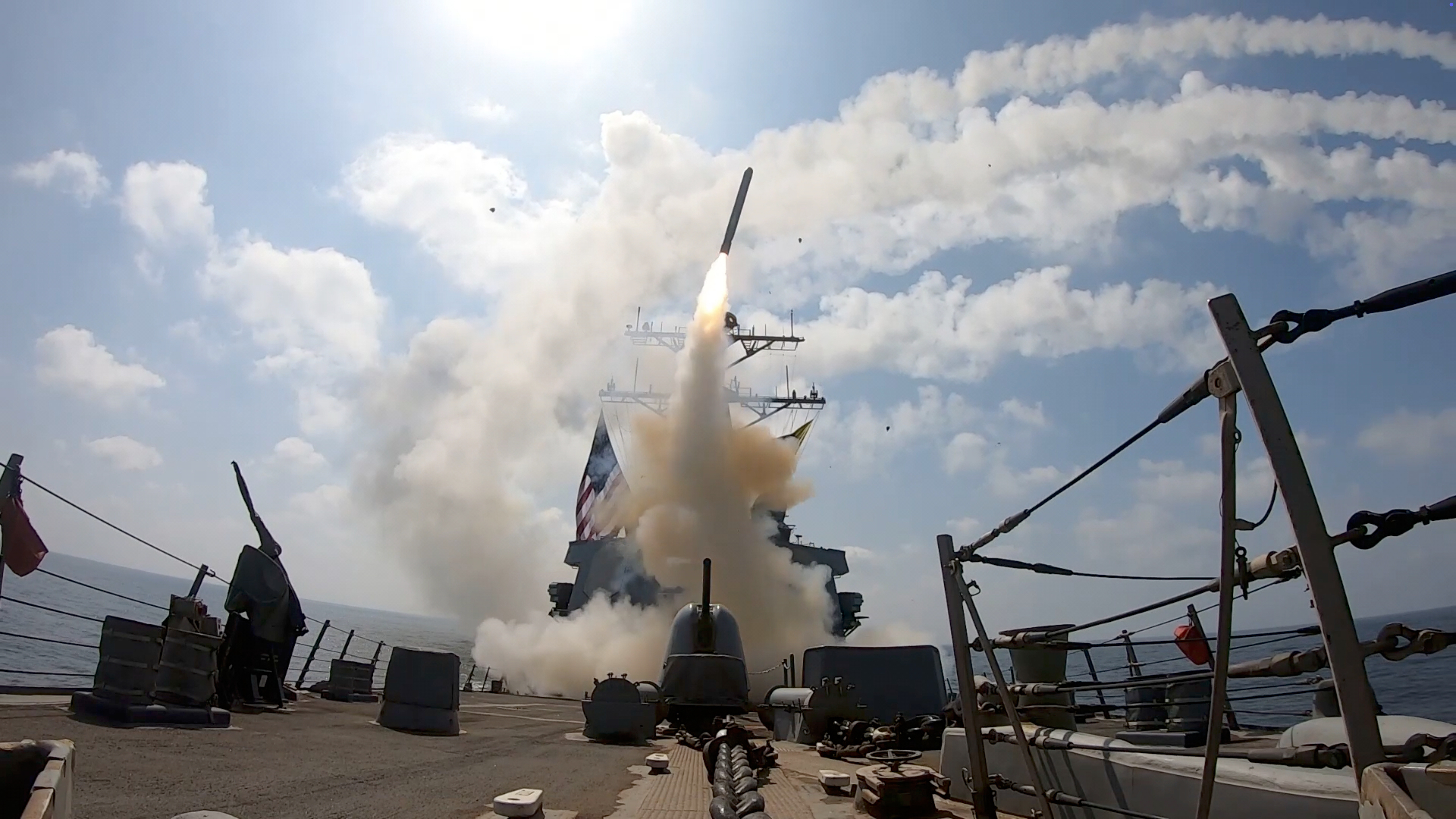
The February 28, 2026 geopolitical escalation in the Middle East—marked by US-Israeli military strikes resulting in Iran's Supreme Leader Ayatollah Ali Khamenei's death—has created an immediate logistics crisis affecting cross-border e-commerce sellers globally. Major airspace closures across seven countries (Israel, Qatar, Syria, Iran, Iraq, Kuwait, Bahrain) plus partial UAE closure have forced cancellation of over 1,000 flights, stranding hundreds of thousands of travelers and crippling three critical logistics hubs: Dubai, Abu Dhabi, and Doha, which collectively process 90,000+ passengers daily. Emirates, Qatar Airways, and Etihad have suspended operations, directly impacting sellers relying on air freight for expedited shipments from Asia to Western markets.
For cross-border sellers, the immediate impact manifests across three critical dimensions. First, air freight capacity constraints are driving shipping costs up 25-40% for sellers using Middle Eastern routing corridors. Sellers shipping electronics, apparel, or time-sensitive goods through Dubai or Doha hubs now face $2,000-5,000 premium costs per 40-foot container compared to pre-crisis rates. Second, delivery timelines have extended 15-30 days as alternative routing through Europe or longer maritime routes becomes necessary. Sellers with Amazon FBA inventory commitments or Shopify same-day delivery promises face fulfillment penalties and customer satisfaction hits. Third, payment processing delays affect Iranian-connected transactions, creating cash flow disruptions for sellers with Iranian suppliers or customer bases.
Strategic sourcing implications are reshaping competitive dynamics. Sellers currently sourcing from Vietnam, India, or Bangladesh and routing through Middle Eastern hubs must immediately pivot to alternative corridors: direct Asia-to-US West Coast shipping (adding 5-7 days but avoiding Middle East), European transshipment (adding 8-12 days), or accelerated air freight via non-affected routes (cost premium of 35-50%). Small and medium sellers (SMBs) with 500-2,000 unit monthly volumes face $1,500-3,000 monthly cost increases, compressing margins by 8-15% on categories like consumer electronics (HS 8471-8517), textiles (HS 6204-6209), and footwear (HS 6402-6405). Large sellers with 10,000+ unit volumes can negotiate alternative carrier contracts but face 2-3 week implementation delays. The timing window for competitive advantage is 30-60 days: sellers who secure alternative logistics partnerships before capacity constraints tighten will gain cost advantages over slower competitors.
Questions 7
What insurance cost increases should I budget for?
Cargo insurance premiums for Middle East-routed shipments have increased 30-50% due to heightened geopolitical risk. A typical $50,000 shipment that cost $250-300 in insurance now costs $325-450. For sellers shipping 10+ containers monthly, this represents $2,000-4,000 additional monthly insurance costs. Review your insurance policies with brokers immediately—some carriers are excluding Middle East routing entirely, forcing renegotiation. Consider self-insuring smaller shipments under $10,000 to reduce premium costs, but maintain full coverage on high-value inventory.
Should I diversify my supplier base away from Asia-Middle East routes?
Yes, strategically. Allocate 20-30% of sourcing to nearshoring options: Mexico for US sellers (HS 6204-6209 apparel, HS 8471 electronics components), Eastern Europe for EU sellers, and India/Vietnam for non-time-sensitive categories. This reduces Middle East routing dependency and builds supply chain resilience. However, nearshoring typically increases unit costs by 5-12%, so prioritize high-margin categories or products with tight delivery windows. Implement this shift over 90-120 days to avoid inventory stockouts. The competitive advantage window closes when other sellers execute similar strategies, typically within 60 days.