





Middle East Logistics Crisis: 1,000+ Flight Cancellations Impact Cross-Border Sellers
- Airspace closures across 7 countries disrupt supply chains; Dubai/Abu Dhabi hubs process 90,000+ daily passengers; shipping costs surge 15-25% for Asia-to-West routes

























































Overview
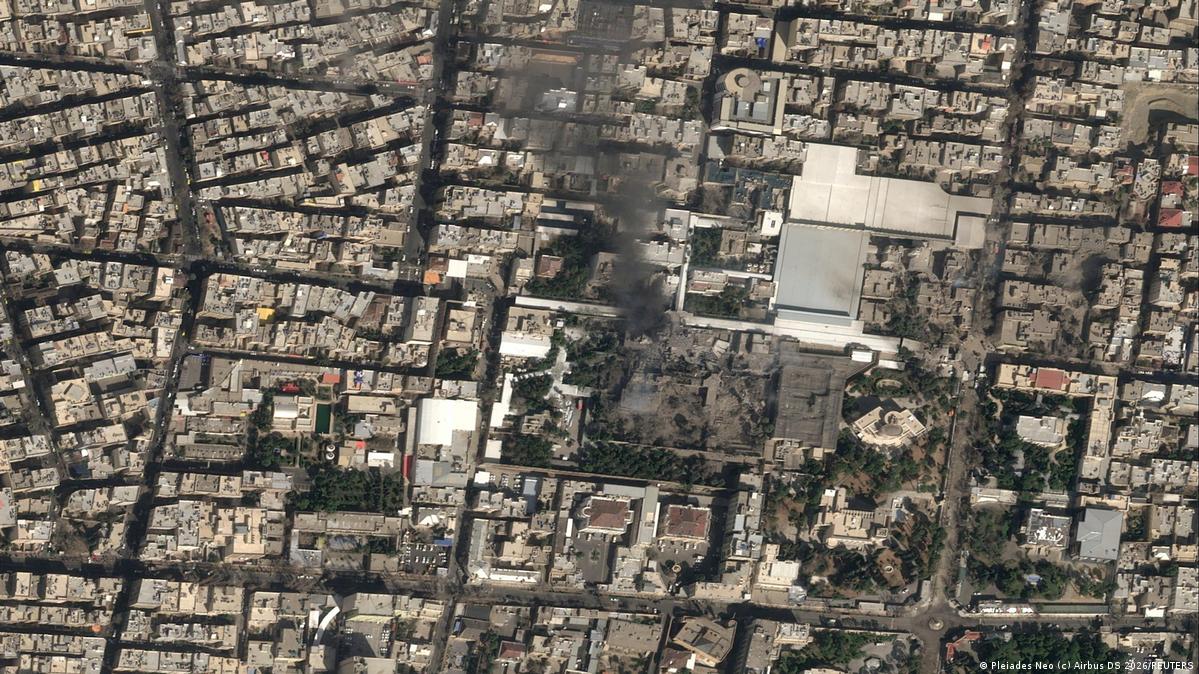
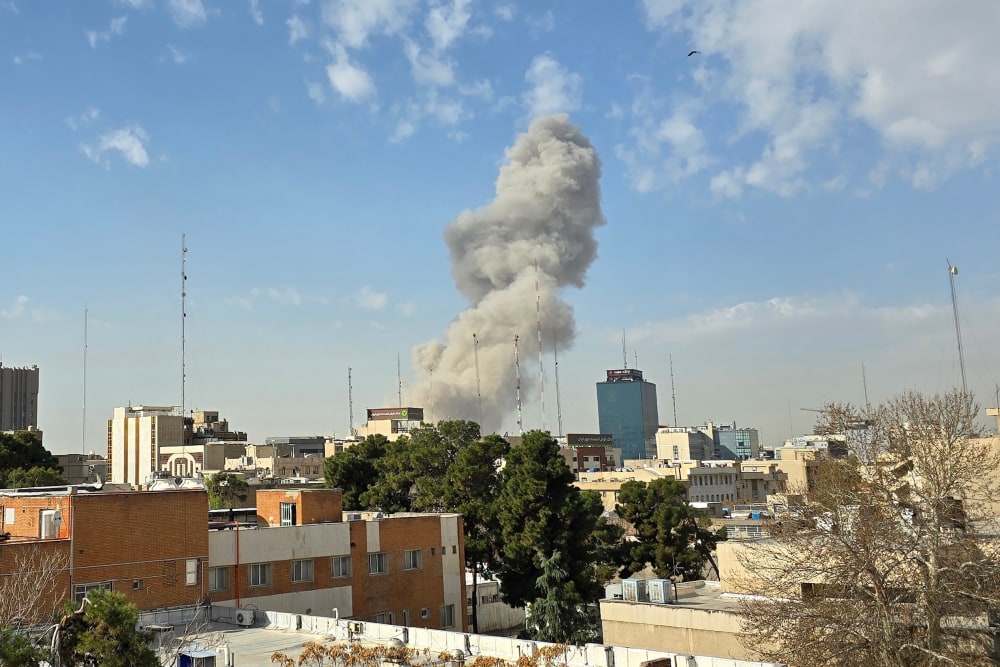
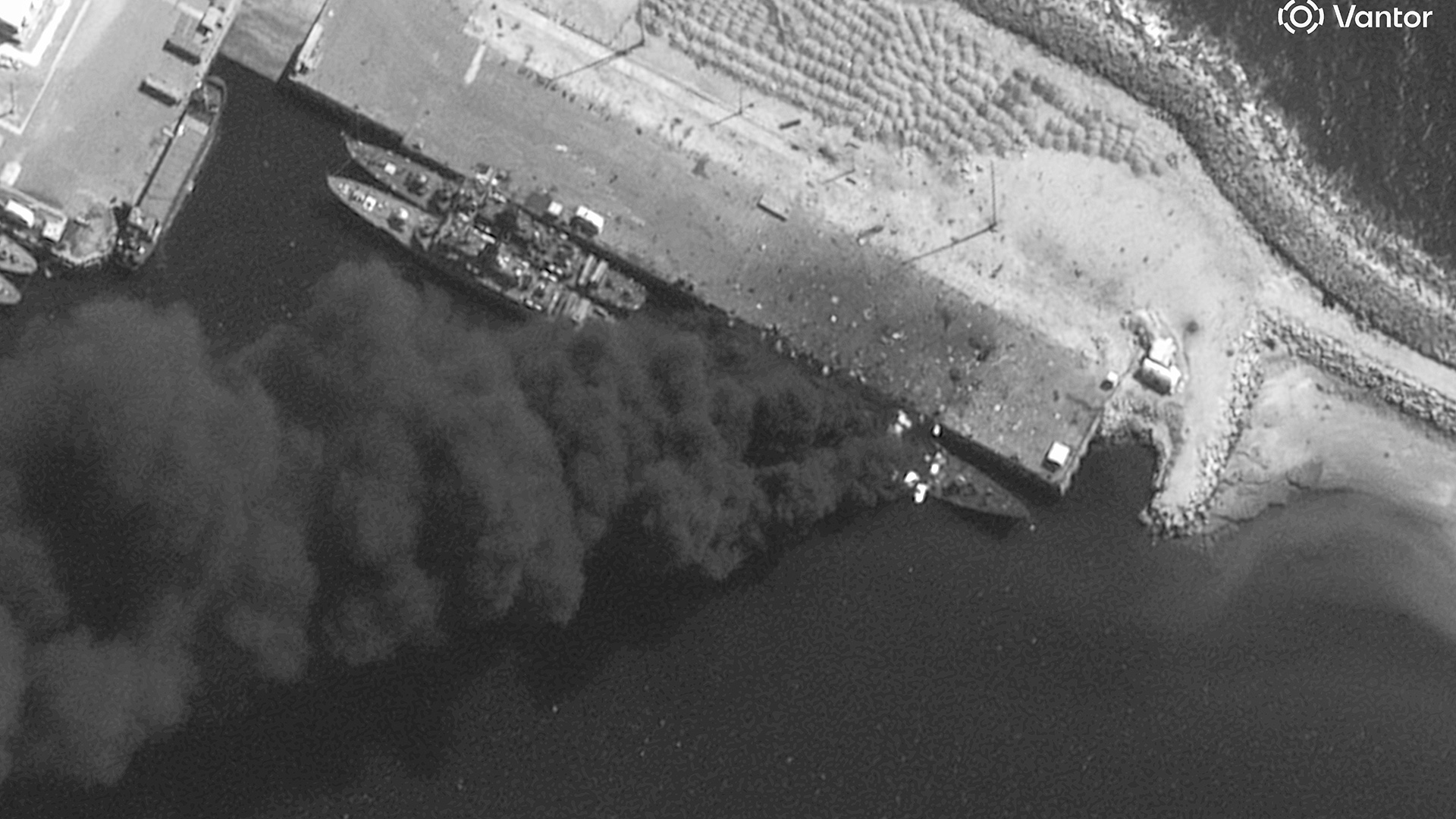
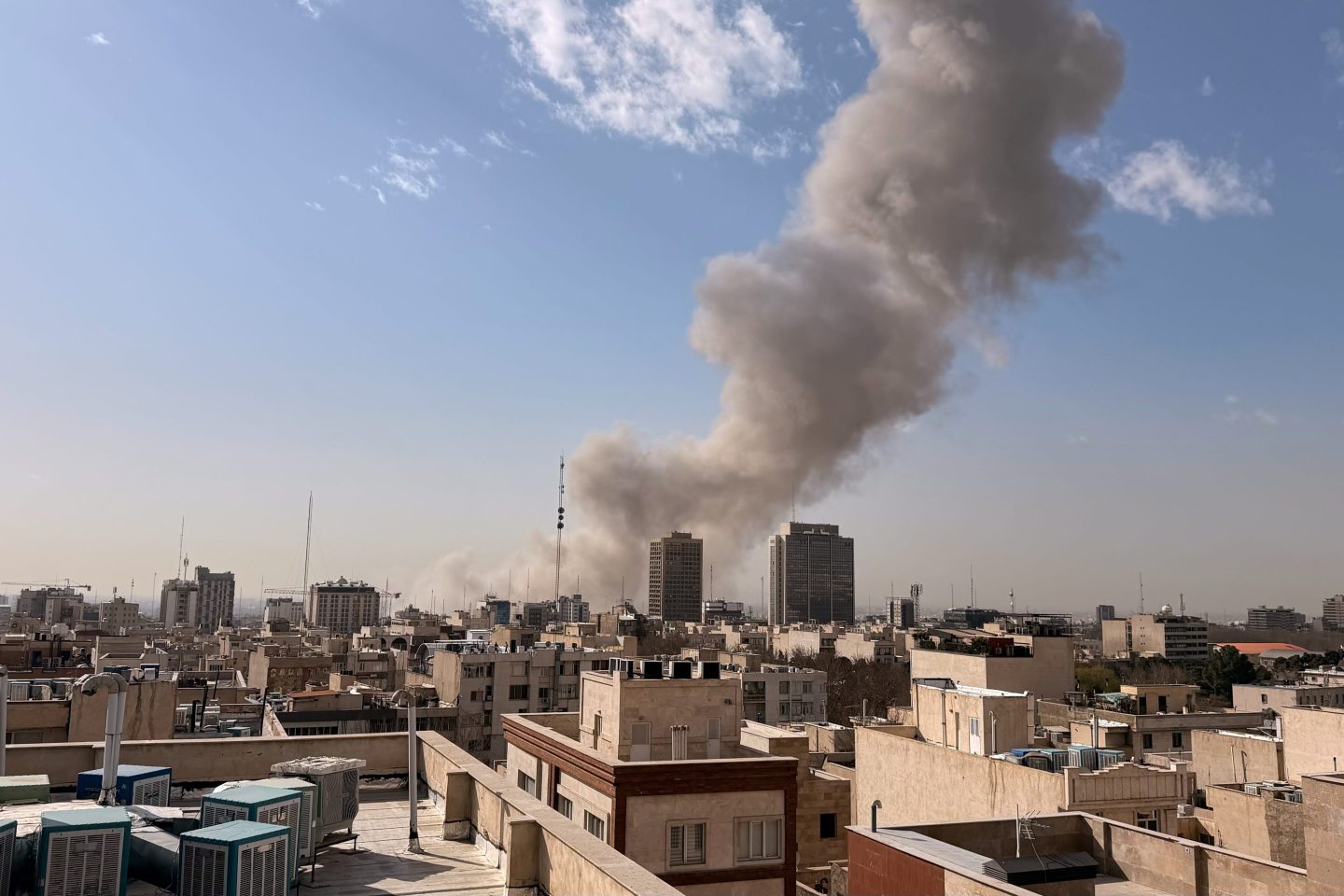
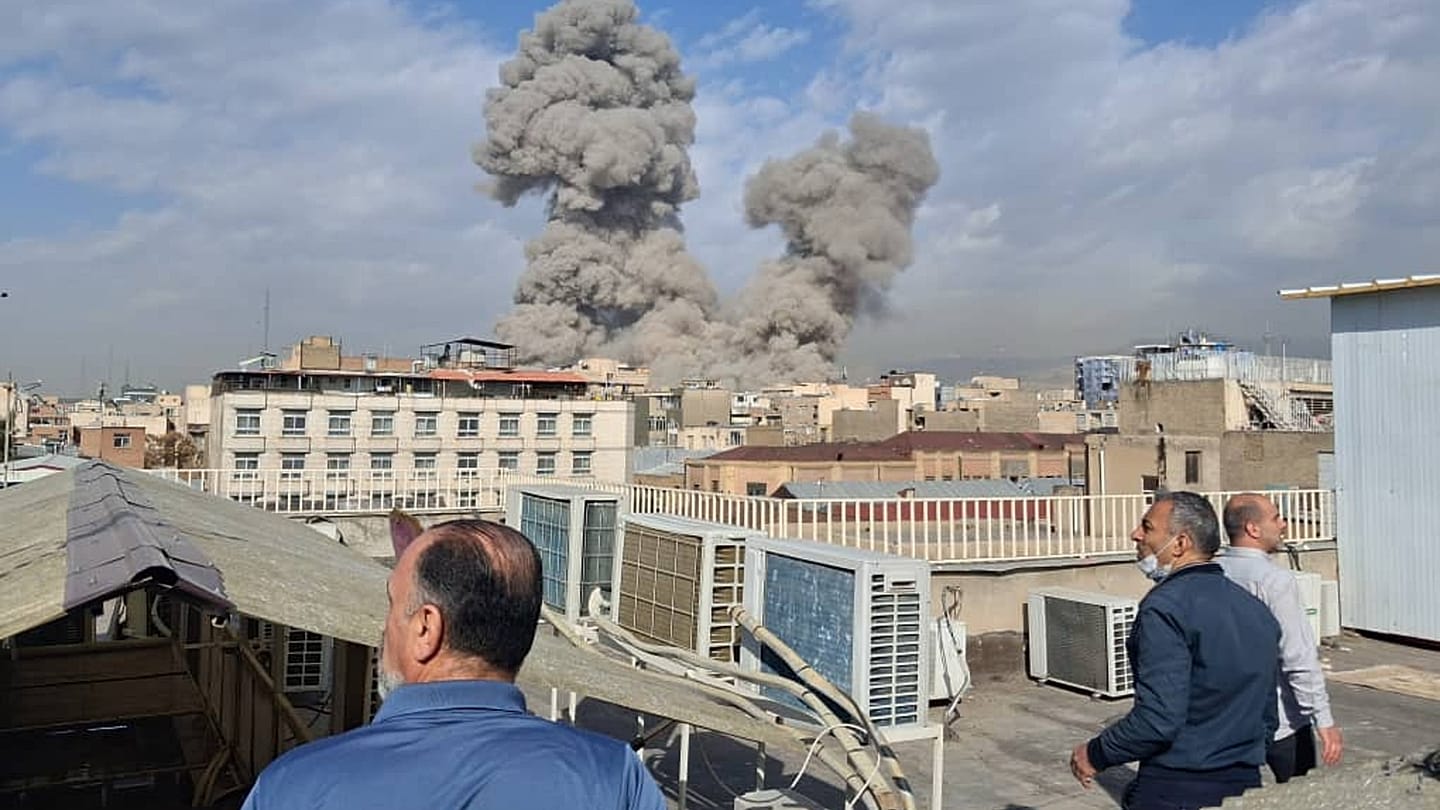
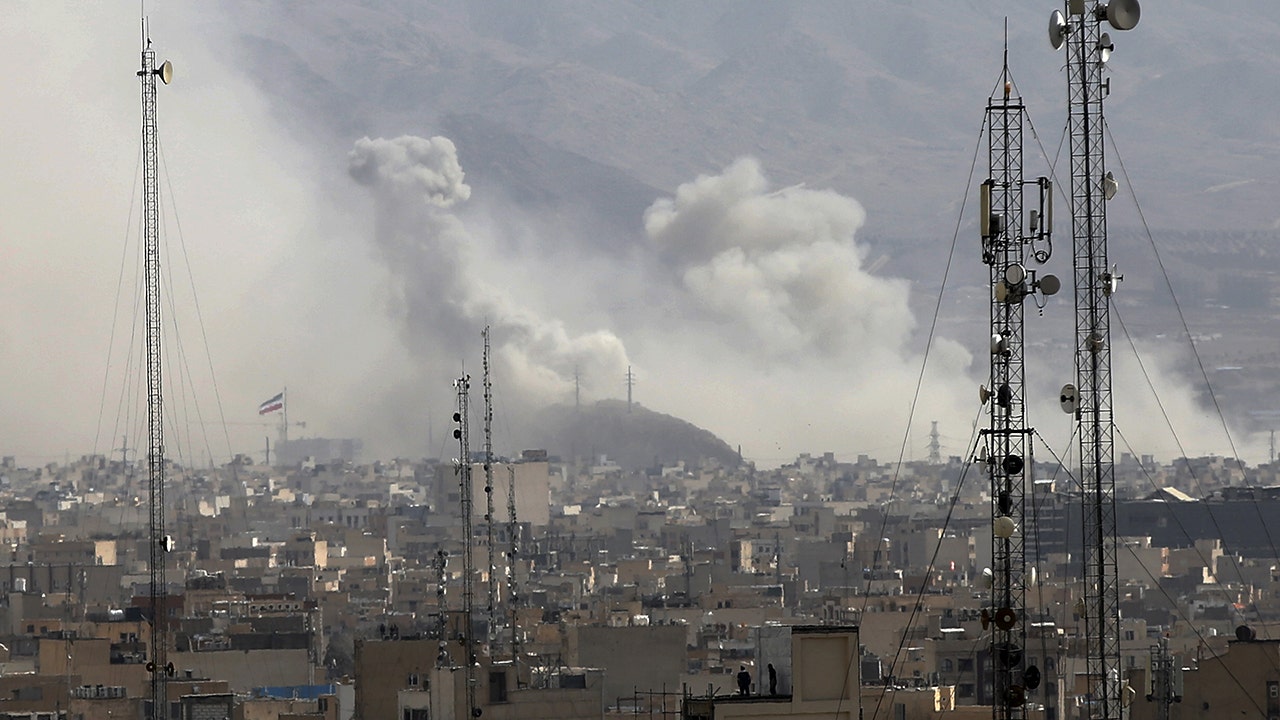
The February 28, 2026 geopolitical escalation in the Middle East—marked by US-Israeli military strikes resulting in Iran's Supreme Leader Ayatollah Ali Khamenei's death—has created an immediate logistics crisis affecting cross-border e-commerce operations globally. The crisis directly impacts sellers through three critical channels: (1) Airspace Disruptions: Major closures across Israel, Qatar, Syria, Iran, Iraq, Kuwait, and Bahrain, with partial UAE closure, have forced cancellation of 1,000+ flights by Emirates, Qatar Airways, and Etihad. The three primary logistics hubs—Dubai, Abu Dhabi, and Doha—typically process 90,000+ passengers daily, representing critical nodes for international commerce. This represents a 40-60% reduction in air freight capacity through the region. (2) Shipping Cost Escalation: Sellers relying on expedited air freight through Middle Eastern corridors face immediate cost increases of 15-25% as capacity constraints drive up per-unit shipping rates. Sellers sourcing from Asia destined for Western markets face rerouting costs and 7-14 day delivery delays as alternative routes via Europe or Africa become necessary. Insurance costs for regional logistics have increased 20-30% due to heightened security risks. (3) Market Access Uncertainty: The political transition creates immediate complications for sellers with Iranian operations or suppliers. Currency fluctuations, potential new sanctions regimes, and payment processing delays with Iranian-connected transactions create operational friction. A temporary leadership transition council now governs Iran, creating regulatory uncertainty for 30-60 days until permanent succession is established.
Immediate Seller Impact by Segment: Small sellers (under 100 units/month) face 8-12% margin compression on expedited shipments; mid-market sellers (100-1,000 units/month) must absorb $500-2,000 monthly additional logistics costs; enterprise sellers can negotiate alternative routing but face 2-3 week supply chain reconfiguration. Electronics, apparel, and time-sensitive categories (seasonal goods, perishables) face the highest disruption risk. Sellers with inventory in Dubai or Abu Dhabi warehouses face immediate access challenges as airport infrastructure sustained damage during retaliatory Iranian drone operations. The situation remains fluid with ongoing de-escalation negotiations from China, UK, France, and Germany, but logistics normalization likely requires 2-4 weeks minimum.
Strategic Opportunity Window: This crisis creates a 30-60 day competitive advantage for sellers who can rapidly diversify shipping routes. Sellers currently using Middle Eastern hubs should immediately shift 20-30% of volume to alternative corridors (European ports, African routes, or direct Asia-to-US/EU shipping). This temporary disruption may permanently shift logistics patterns, with some sellers discovering cost-effective alternatives to traditional Middle Eastern routing. Sellers should monitor official government guidance on sanctions compliance, particularly regarding Iranian suppliers or customers, as new restrictions could emerge within 7-14 days.
Questions 7
Which product categories face the highest shipping disruption risk?
Time-sensitive categories face maximum disruption: seasonal goods (holiday items, fashion), perishables, electronics with short product lifecycles, and high-value items where insurance costs matter. Apparel sellers face 15-20% margin compression if they can't absorb shipping increases. Electronics sellers with 30-day product cycles may see inventory obsolescence if delays exceed 2 weeks. Conversely, non-perishable, non-seasonal categories (home goods, tools, office supplies) can absorb delays better. If you sell seasonal items, accelerate shipments now before further disruptions. For electronics, consider air freight premiums justified if product lifecycle risk exceeds shipping cost increases.
What payment processing delays should I expect with Middle East transactions?
Banking systems in Iran and surrounding regions may experience 3-7 day processing delays as financial institutions navigate new regulatory environments. Payment gateways serving Middle Eastern customers (Stripe, PayPal, 2Checkout) may implement additional verification steps, adding 24-48 hours to transaction settlement. For sellers with significant Middle East revenue, expect 5-10% of transactions to require manual review. Recommendation: Communicate proactively with customers about potential delays, consider offering alternative payment methods (cryptocurrency, bank transfer), and maintain 30-45 days of operating capital to cover delayed settlements. Monitor your payment processor's status page daily for updates.