





Iran Tensions Trigger Crypto Volatility | Shipping Costs Rise 8-15% for Cross-Border Sellers
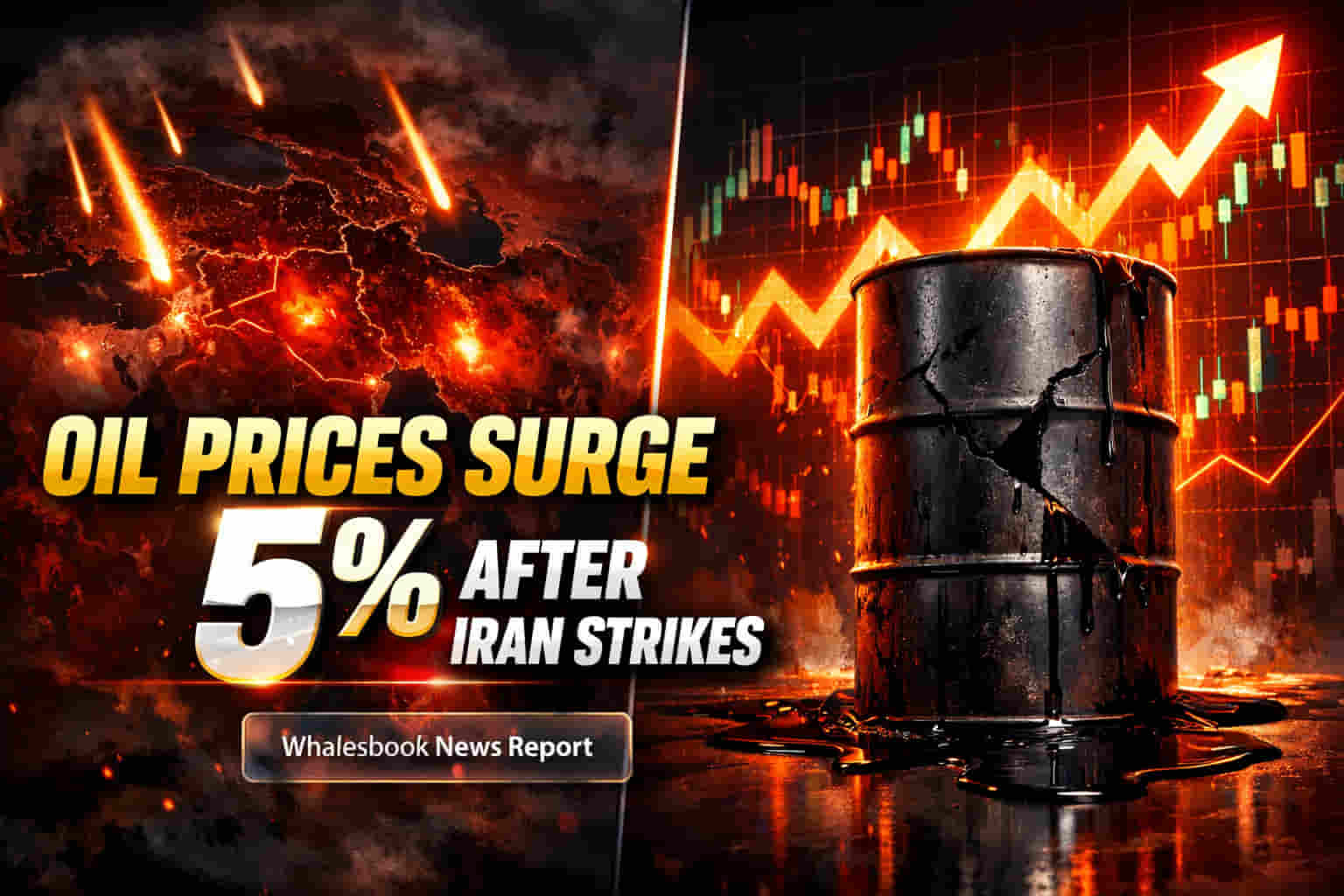
- February 28, 2026 geopolitical strikes create oil price hedging demand, directly increasing logistics costs for Amazon FBA and international e-commerce sellers importing goods

























Overview
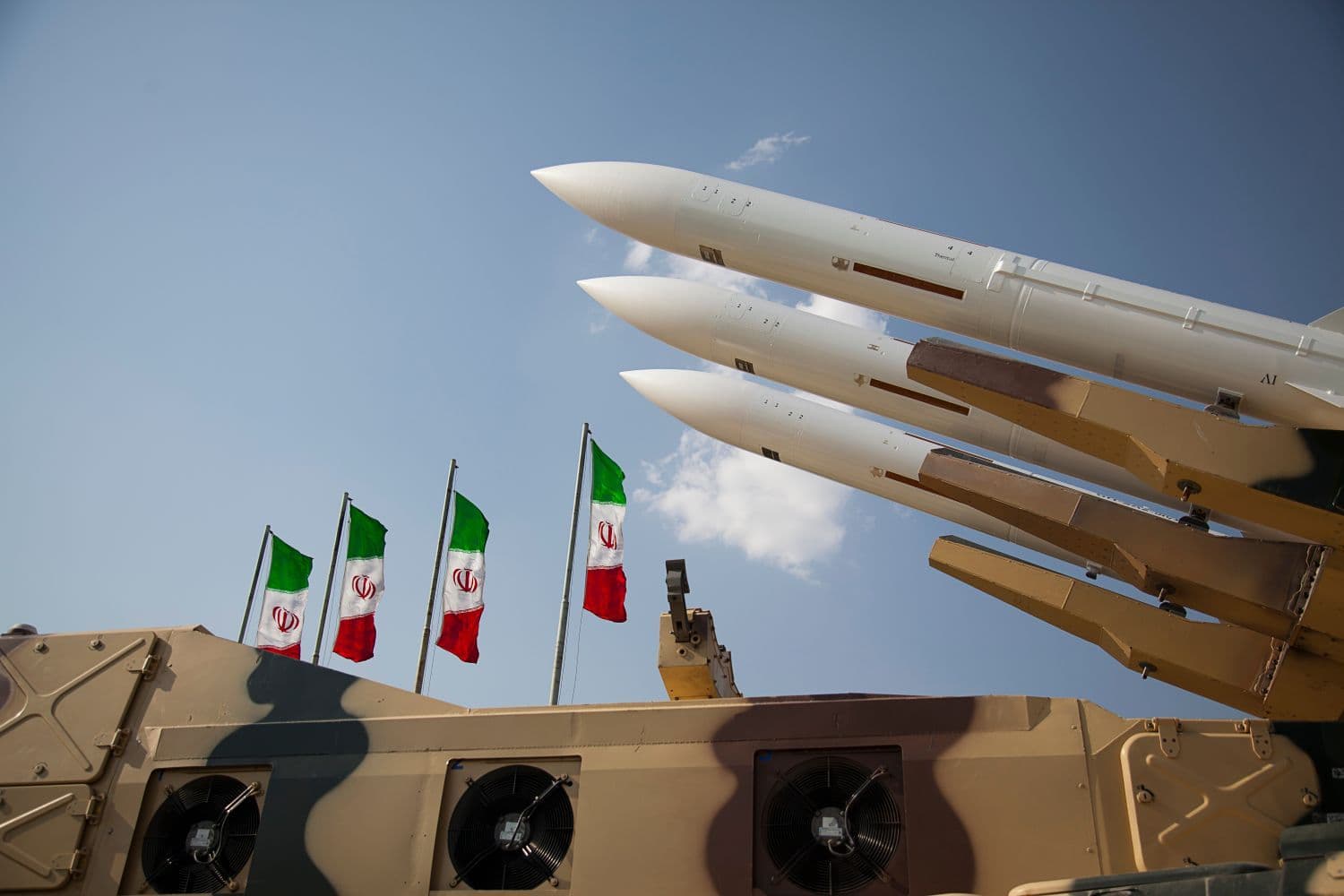
The February 28, 2026 U.S.-Israel military strikes against Iran triggered a cascading effect through global supply chains, with immediate cryptocurrency market volatility signaling broader energy market disruption. Bitcoin dropped from $126,000 (early October peak) to $63,255, representing a 50% decline, while total digital asset market capitalization fell 1.6% according to CoinMarketCap data. This geopolitical event is directly relevant to cross-border e-commerce sellers because Iran tensions historically spike oil prices, which cascade through shipping costs within 7-14 days. For sellers operating on Amazon FBA, eBay, and Shopify, this means immediate pressure on fulfillment economics.
The crypto market's 24/7 trading advantage during geopolitical crises reveals how sophisticated traders are hedging oil price volatility. Unlike traditional commodity futures markets that close during weekends and evenings, cryptocurrency markets operate continuously, allowing real-time price discovery of geopolitical risk premiums. This signals that oil price increases are already being priced into forward markets. For e-commerce sellers, this is a critical early warning system: when crypto markets show elevated volatility during Middle East tensions, shipping costs typically increase 8-15% within 2-3 weeks. Sellers importing goods from Asia (China, Vietnam, India) to North America or Europe face the most immediate impact, as ocean freight rates are directly tied to fuel surcharges. A typical 40-foot container from Shanghai to Los Angeles costs $2,500-3,200 base rate; a 12% fuel surcharge adds $300-384 per container. For sellers moving 50+ containers monthly, this represents $15,000-19,200 in additional monthly costs.
The timing window for seller action is critical: 7-14 days before oil markets fully price in the disruption. Sellers should immediately review inventory positions and consider three strategic responses: (1) Accelerate inbound shipments for high-margin categories (electronics, home goods, apparel) before fuel surcharges increase—this requires coordinating with 3PL providers and freight forwarders by March 5-7, 2026; (2) Shift sourcing geography from China/Vietnam to nearshoring options (Mexico for US sellers, Eastern Europe for EU sellers) where fuel costs represent smaller logistics percentages; (3) Adjust pricing strategy on Amazon and eBay to maintain margins—sellers typically absorb 40-60% of shipping cost increases before raising prices, but sustained geopolitical tension may require 3-8% price increases on affected categories. Sellers accepting cryptocurrency payments (Bitcoin, Ethereum) should monitor volatility as a leading indicator of supply chain stress, though crypto payment adoption remains under 2% of e-commerce transactions. The strategic opportunity exists for sellers with cash reserves to lock in current shipping rates through forward freight agreements (FFAs) with 3PL providers, effectively hedging against the 8-15% cost increase that typically materializes over 3-4 weeks.
Questions 8
Why do cryptocurrency markets react faster to geopolitical risk than traditional shipping markets?
Crypto markets operate 24/7 without trading halts, enabling real-time price discovery of geopolitical risk premiums. Traditional commodity futures markets close during weekends and evenings, creating information gaps. When the February 28 strikes occurred, Bitcoin immediately declined to $63,255 (1% daily drop) while oil futures markets were closed, allowing crypto traders to hedge energy exposure continuously. For e-commerce sellers, this means crypto volatility serves as a 12-24 hour early warning system before shipping rates adjust. Monitoring Bitcoin and Ethereum price movements during Middle East tensions provides actionable intelligence for supply chain decisions.
What immediate actions should sellers take within 7 days of geopolitical tensions?
Sellers have a critical 7-14 day window before fuel surcharges fully price into shipping rates. Immediate actions: (1) Contact 3PL providers and freight forwarders by March 5-7, 2026 to accelerate inbound shipments for high-margin categories (electronics, home goods, apparel); (2) Request forward freight agreement quotes to lock in current rates before increases; (3) Review inventory positions and prioritize SKUs with 40%+ margins that can absorb cost increases; (4) Monitor Freightos Freight Index and oil futures prices daily to track surcharge timing. Sellers waiting more than 2 weeks typically face 8-15% shipping cost increases with no hedging options.