


Strait of Hormuz Disruption Risk | Cross-Border Sellers Face 5-10% Shipping Cost Surge
- February 28, 2026 military escalation threatens 31% of global seaborne oil flows; Asian e-commerce sellers face 8-15% logistics cost increases within 30-60 days








Overview
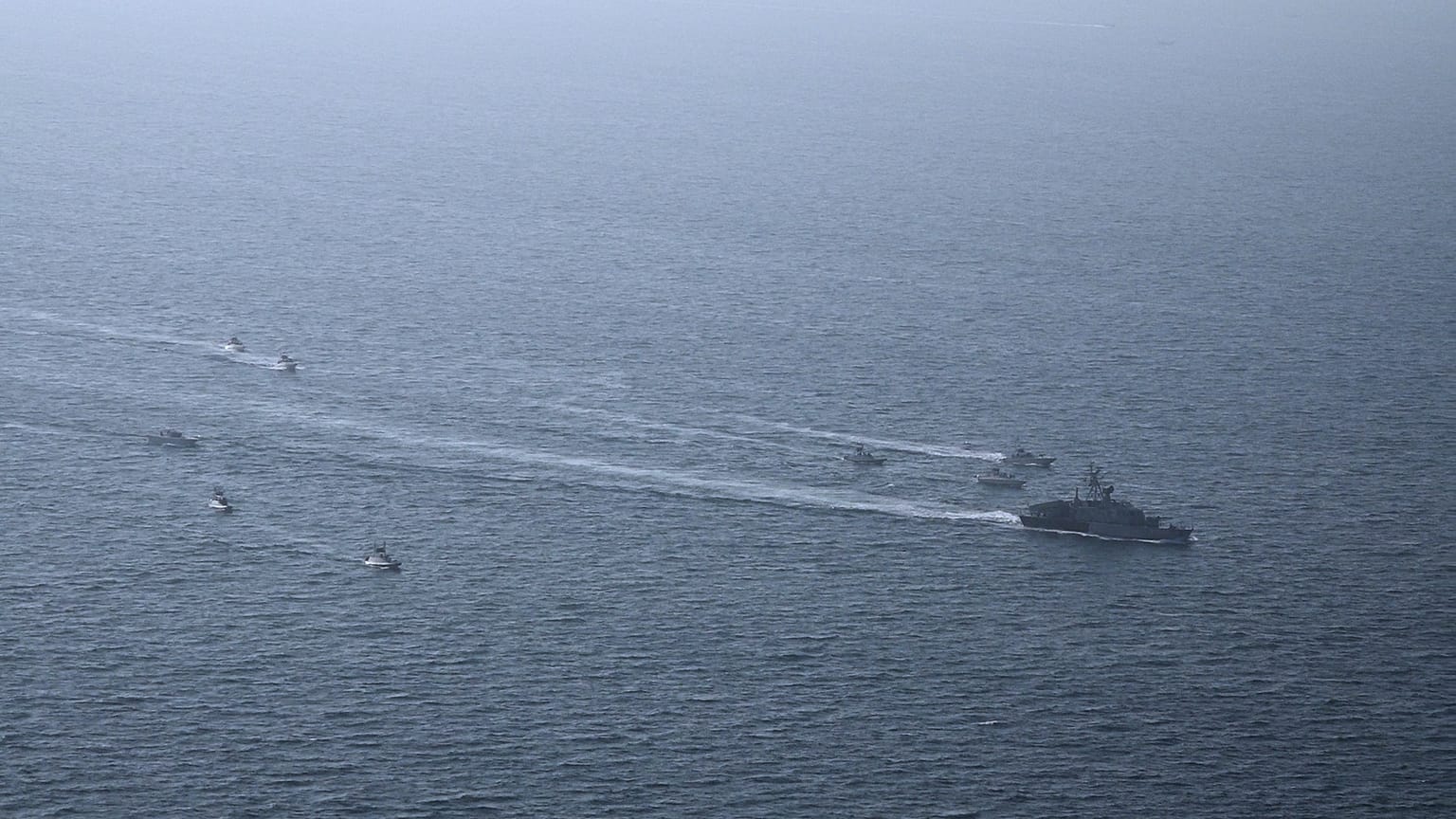
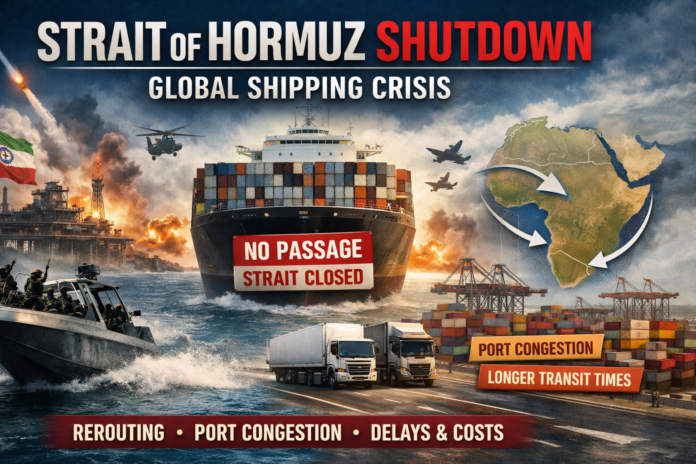
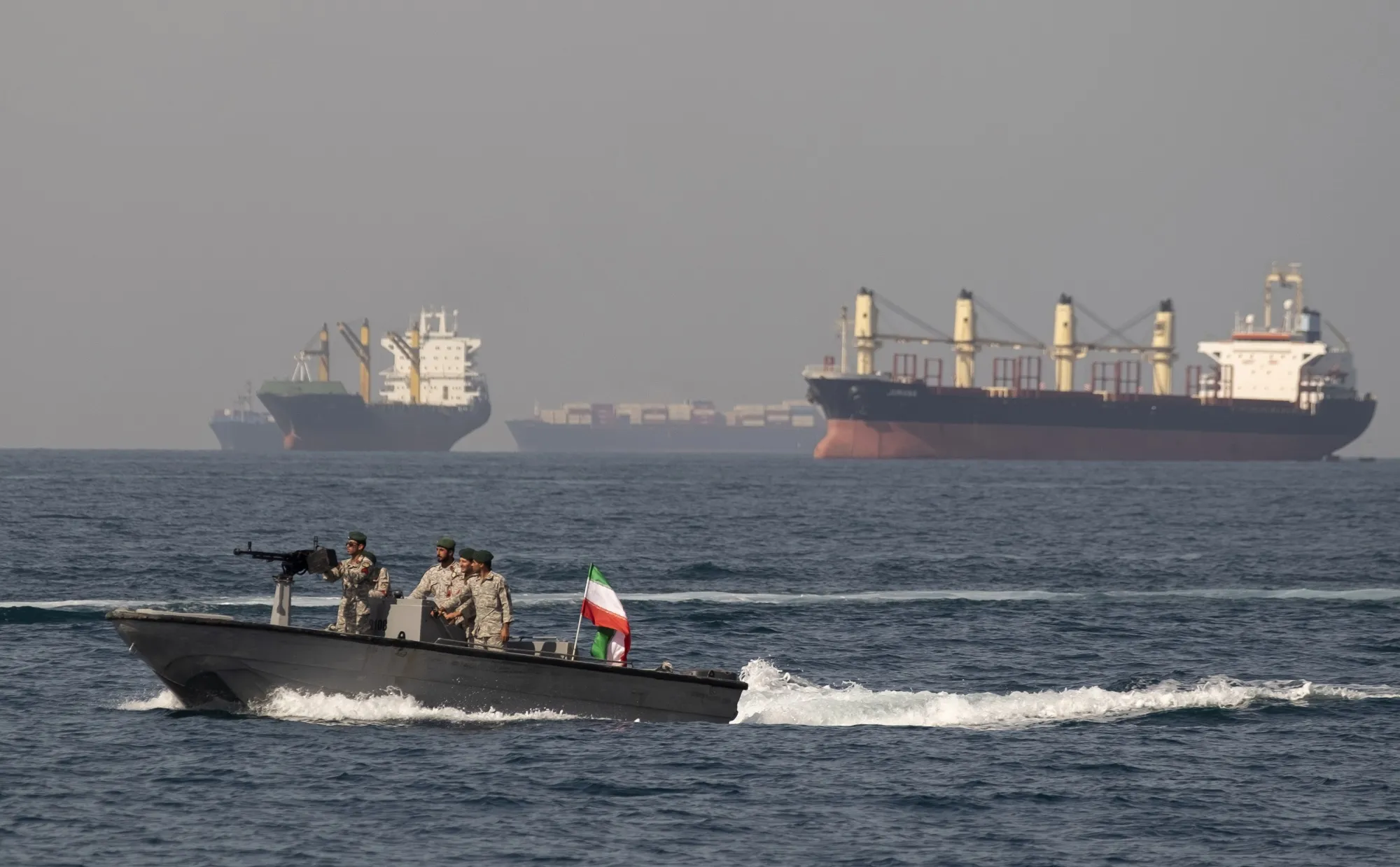
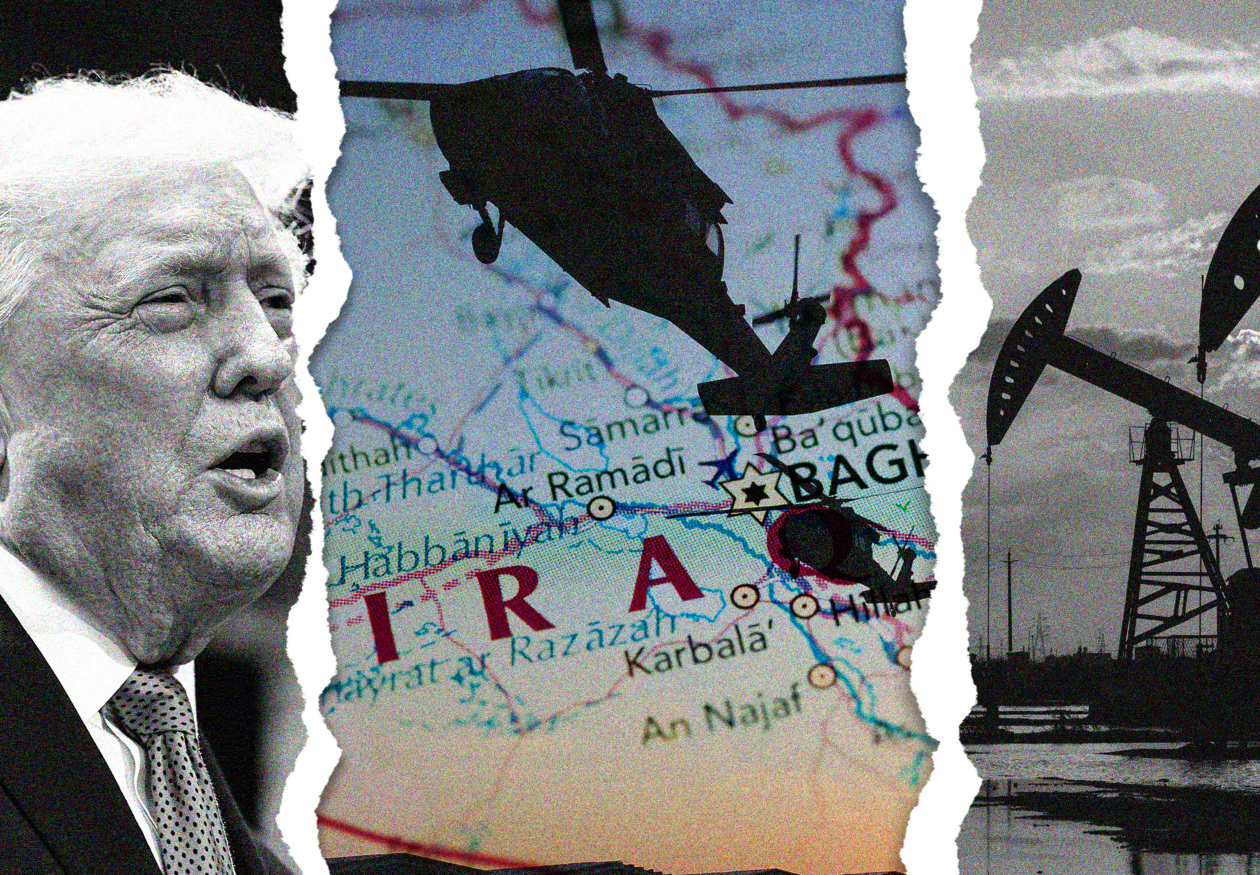
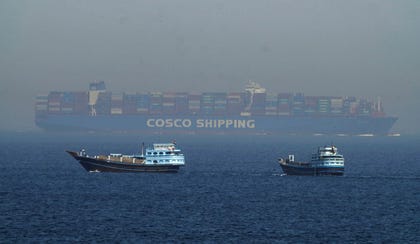
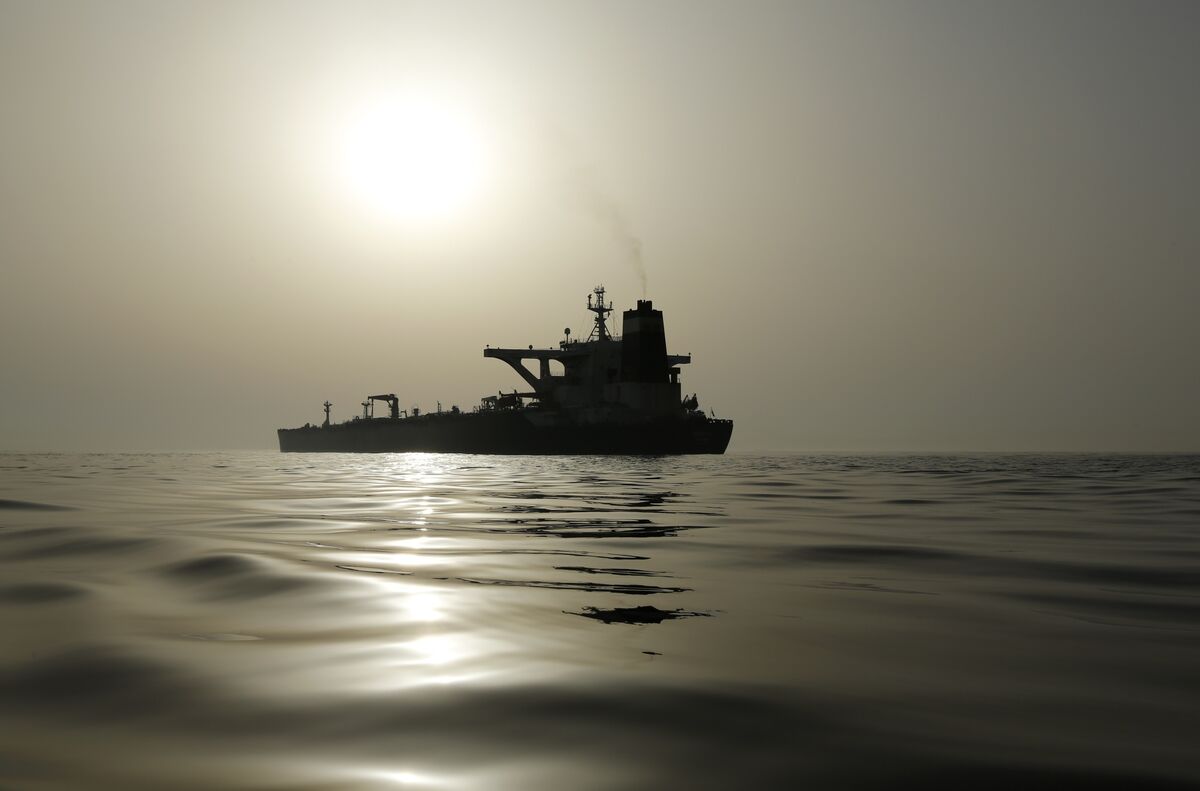
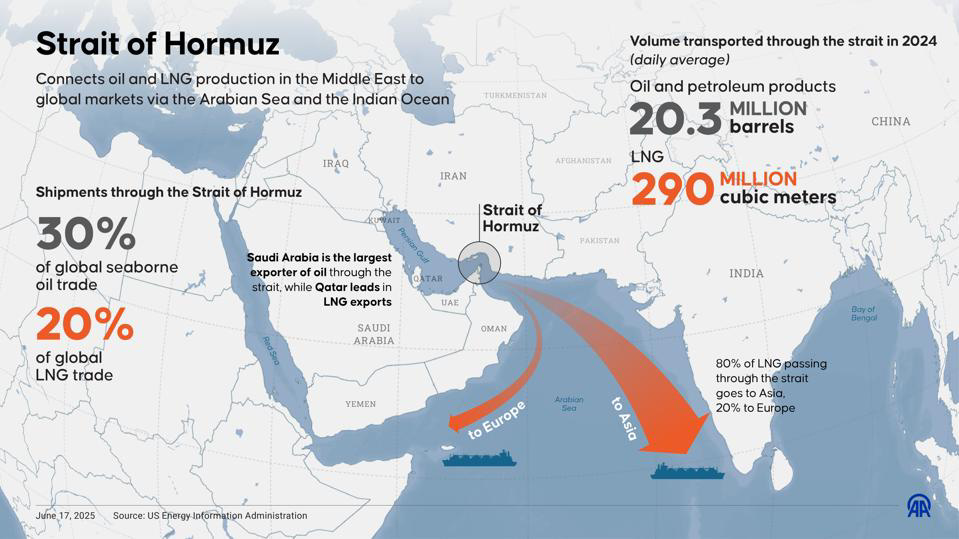
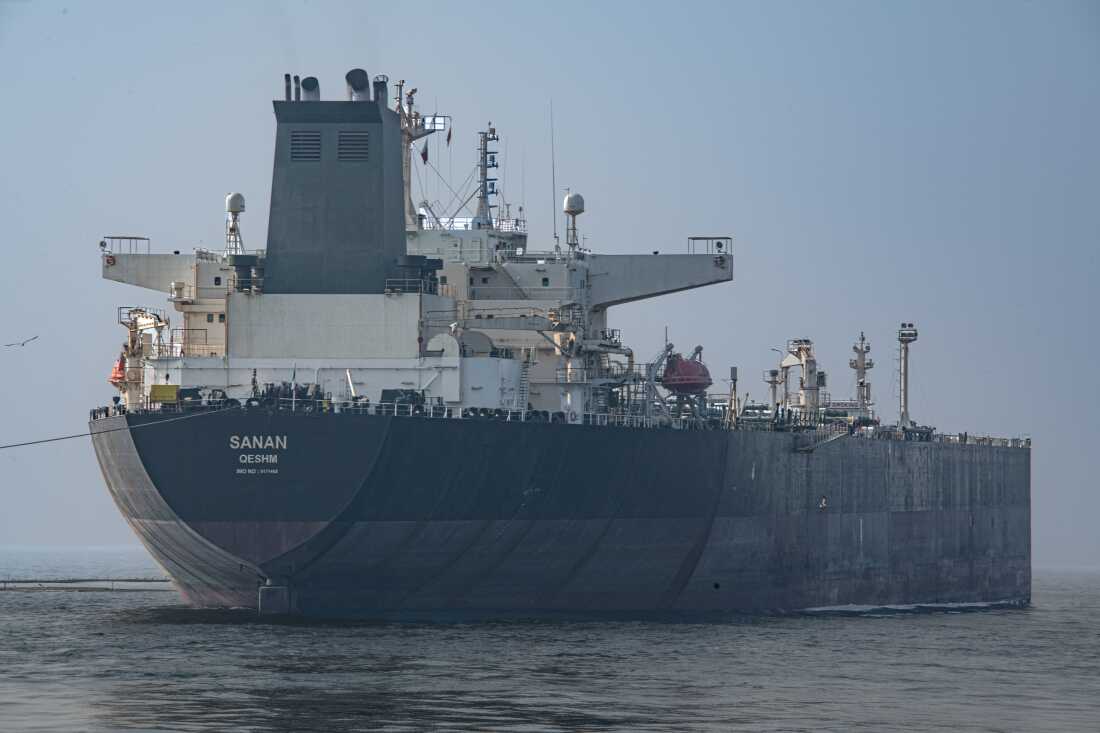
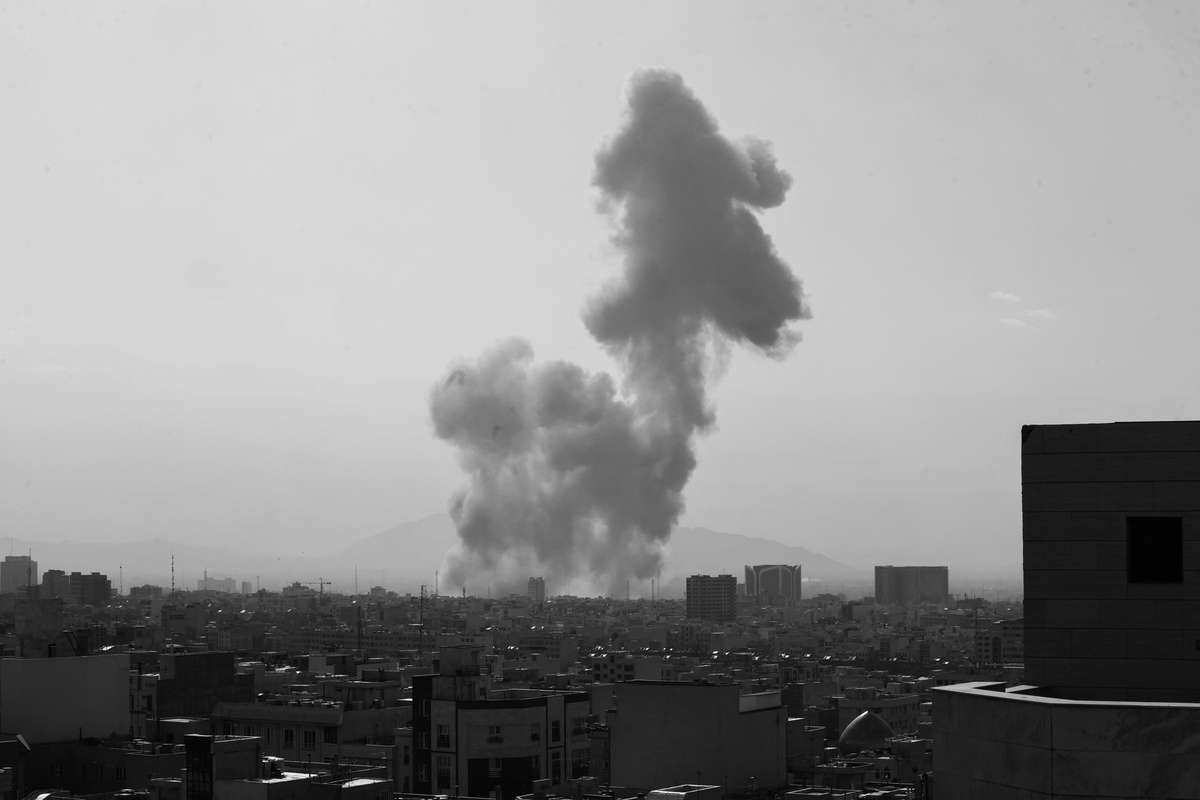
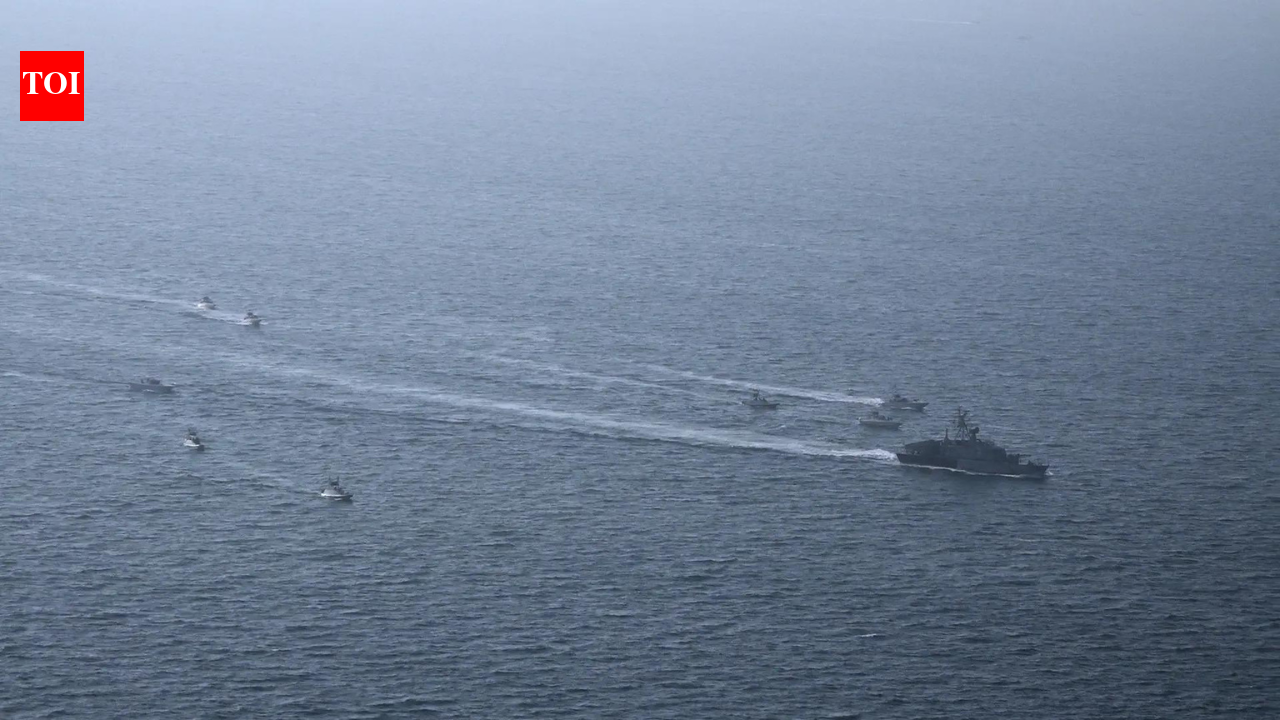
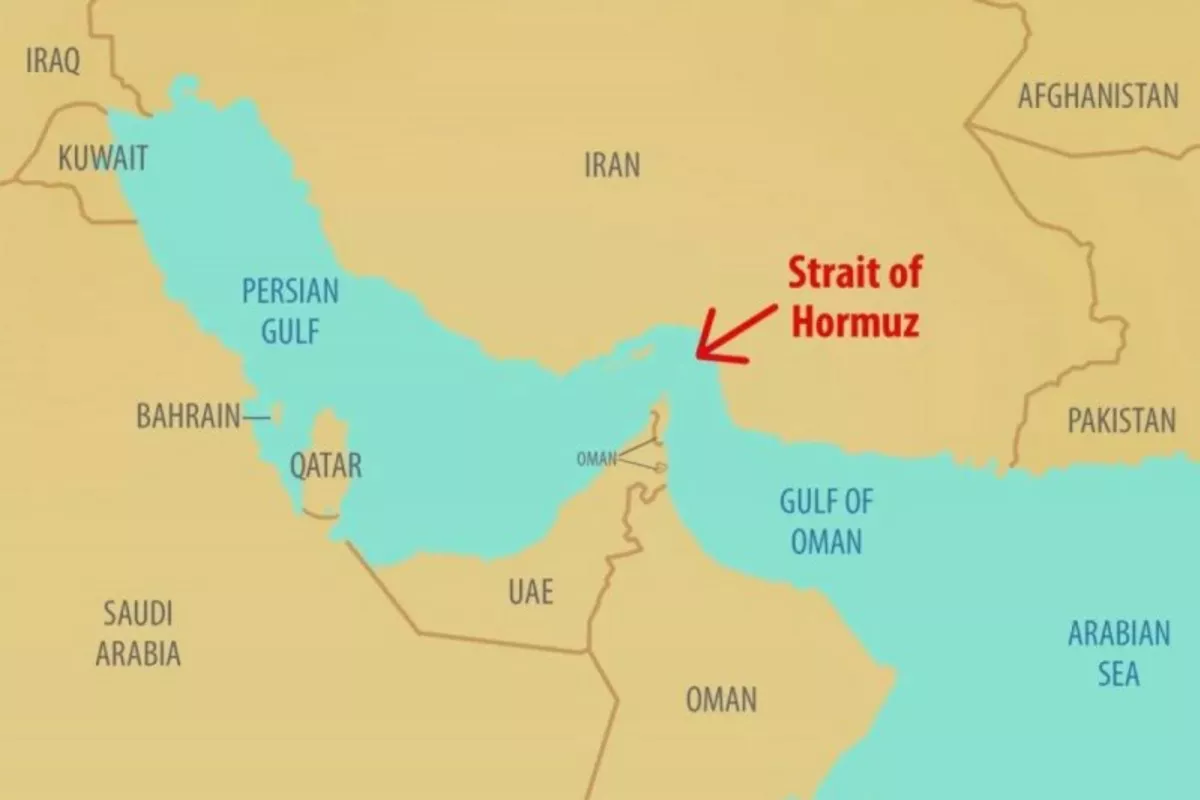
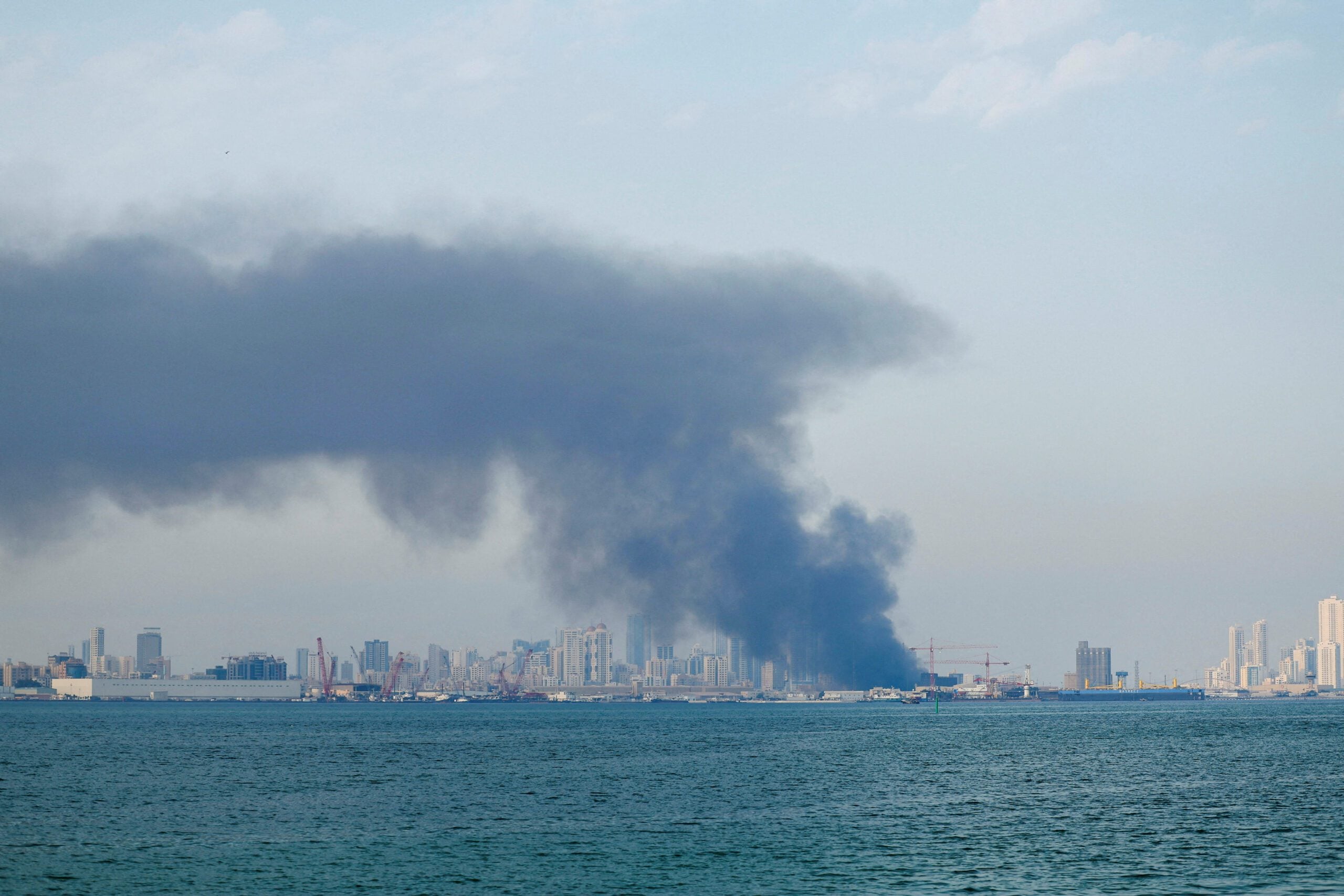
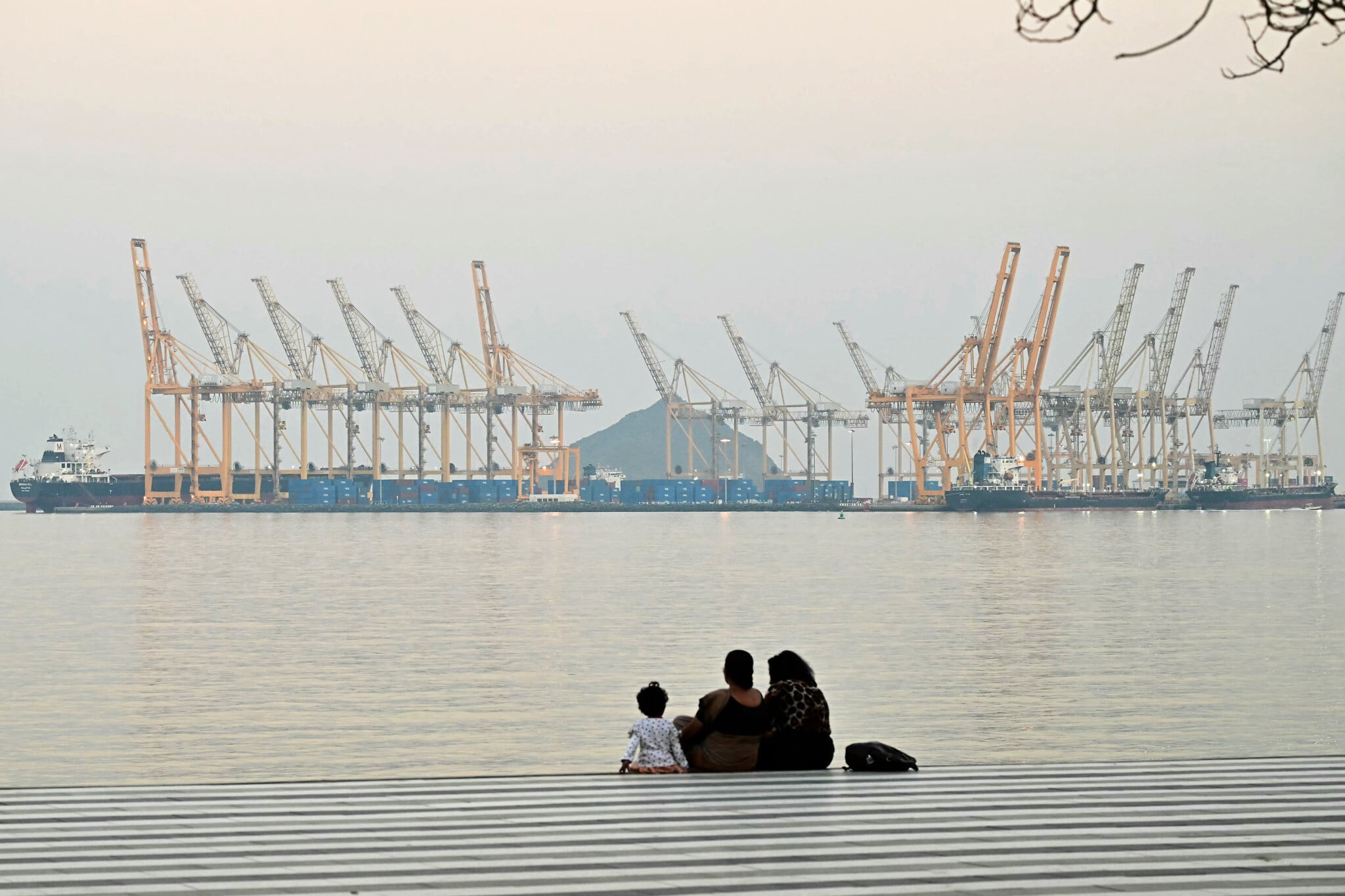
The U.S. military's major combat operations against Iran on February 28, 2026, represent the most significant geopolitical supply chain threat to cross-border e-commerce sellers since the 2022 Russia-Ukraine conflict. The Strait of Hormuz—handling 13 million barrels per day (31% of global seaborne crude flows)—faces potential disruption from Iran's Revolutionary Guards, who have threatened to block all ship passage. This creates a critical supply chain vulnerability for e-commerce sellers relying on Asian manufacturing and global logistics networks.
Immediate Market Impact on Seller Operations: Oil prices are projected to jump 5-10%, directly translating to 8-15% increases in shipping costs for sellers using air freight and expedited ocean shipping within 30-60 days. Sellers shipping from China, Vietnam, and India to North American and European markets will face the steepest cost increases, as these routes depend on stable Strait of Hormuz passage. FBA sellers with inventory in transit face potential 2-4 week delays if shipping routes divert around Africa (adding 10-14 days to transit times). The U.S. dollar and Japanese yen are strengthening (flight-to-safety moves), which increases costs for sellers importing in foreign currencies—particularly those sourcing from Southeast Asia where local currencies are weakening against the dollar.
Category-Specific Opportunities and Risks: Electronics, apparel, and consumer goods sellers face the highest exposure, as these categories depend on just-in-time inventory from Asia. However, this crisis creates tactical opportunities: sellers with 60-90 day inventory buffers can capitalize on competitor stockouts by maintaining price stability while competitors raise prices 10-15%. Luxury goods, jewelry, and high-margin categories see demand spikes during risk-off periods (historical pattern from June 2025 Israel-Iran strikes). Gold and precious metals categories typically see 20-30% traffic increases during geopolitical crises, creating opportunities for sellers in jewelry, collectibles, and investment product categories.
Strategic Sourcing Shifts: The crisis accelerates existing trends toward nearshoring and supply chain diversification. Sellers should evaluate sourcing from Mexico, Central America, and India as alternatives to China-dependent routes. Vietnam and Thailand remain viable but face higher shipping costs. The window for strategic repositioning is 2-4 weeks before shipping costs fully adjust and competitors implement sourcing changes. Risk-off positioning that has been building for weeks suggests initial market volatility will be severe (1-2% equity declines predicted), but recovery typically follows within 2-3 weeks if the conflict remains contained—matching the June 2025 pattern when Israeli strikes on Iranian nuclear sites triggered sharp selloffs followed by recovery once the Strait remained unobstructed.
Compliance and Operational Urgency: Sellers must immediately audit inventory in transit, verify insurance coverage for extended delays, and communicate with 3PL providers about contingency routing. The scenario most damaging to sellers would be a 3-5 week regime change conflict (per analyst David Roche), which would trigger significantly worse market reactions and extended oil disruption. Asian markets face particular vulnerability given their reliance on stable energy supplies and trade routes, making this crisis especially acute for sellers with heavy Asia-Pacific exposure. Immediate actions include locking in shipping rates before further increases, diversifying carrier relationships, and considering temporary price increases for categories with inelastic demand.
Questions 8
How will the Iran military strikes impact shipping costs for cross-border sellers?
Oil prices are projected to increase 5-10% following the February 28, 2026 military strikes, which directly translates to 8-15% increases in shipping costs for sellers using air freight and expedited ocean routes within 30-60 days. The Strait of Hormuz handles 13 million barrels per day (31% of global seaborne crude), making it critical infrastructure for global logistics. Sellers shipping from Asia to North America and Europe face the steepest increases. FBA sellers with inventory in transit may experience 2-4 week delays if shipping routes divert around Africa. Immediate action: lock in shipping rates with carriers before further increases and diversify carrier relationships.
How should FBA sellers manage inventory timing during this geopolitical crisis?
FBA sellers with inventory in transit face potential 2-4 week delays if shipping routes divert around Africa (adding 10-14 days to standard transit times). Immediate actions: contact your freight forwarder to confirm current routing and expected delivery dates, update inventory forecasts to account for delays, and adjust PPC campaigns to reduce spending on SKUs with delayed inventory arrival. Consider temporary price increases for in-stock inventory to capture demand from competitors facing stockouts. For future shipments, evaluate air freight for high-velocity SKUs despite 3-4x higher costs, as the margin protection may justify the expense. Monitor Amazon Seller Central for IPI score impacts from potential inventory imbalances and adjust replenishment timing accordingly.