


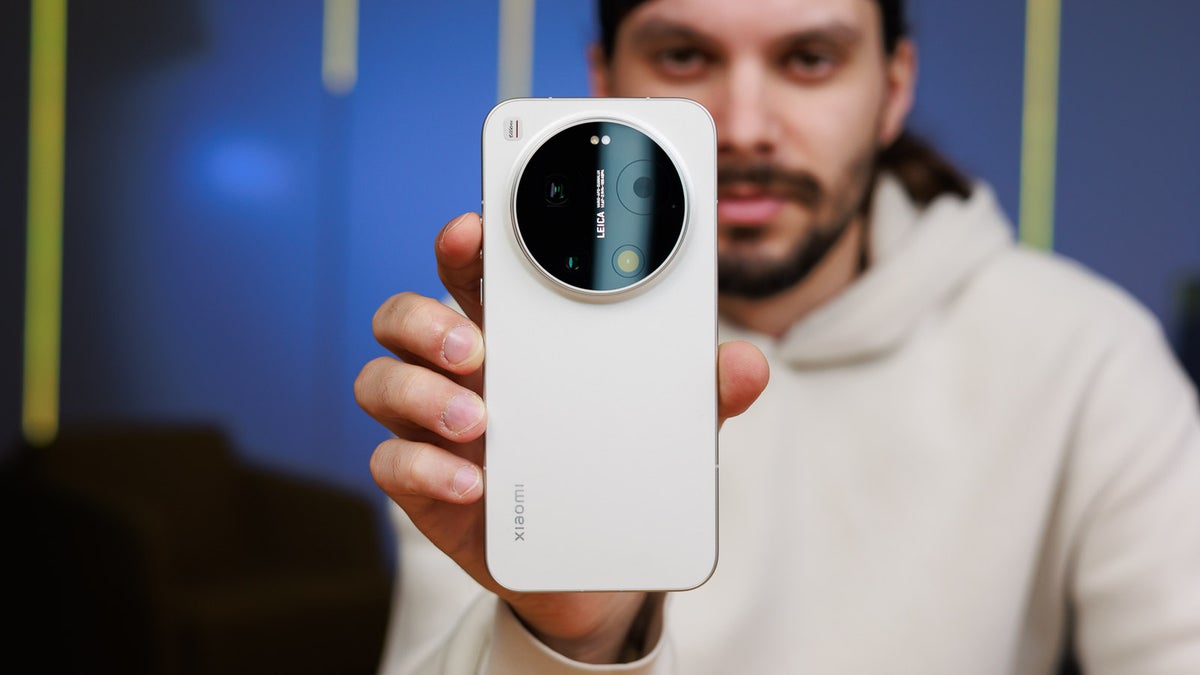


Premium Smartphone Price Surge 2026 | Seller Opportunity in Memory-Constrained Market
- Memory chip costs surge 80-90% in Q1 2026, forcing 13% smartphone price increases; sellers can capitalize on mid-range demand shift and professional photography accessories boom








)




Overview
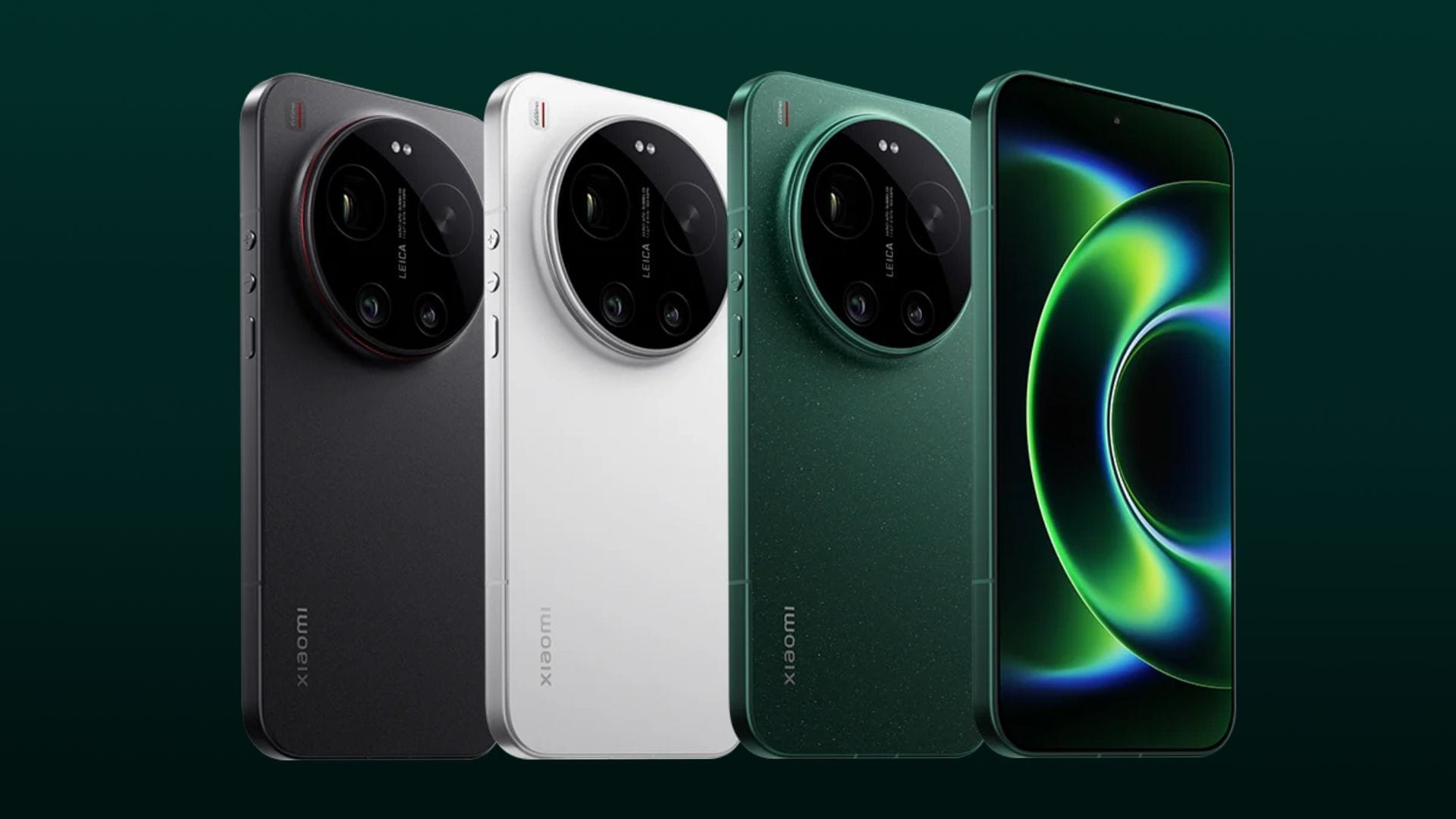
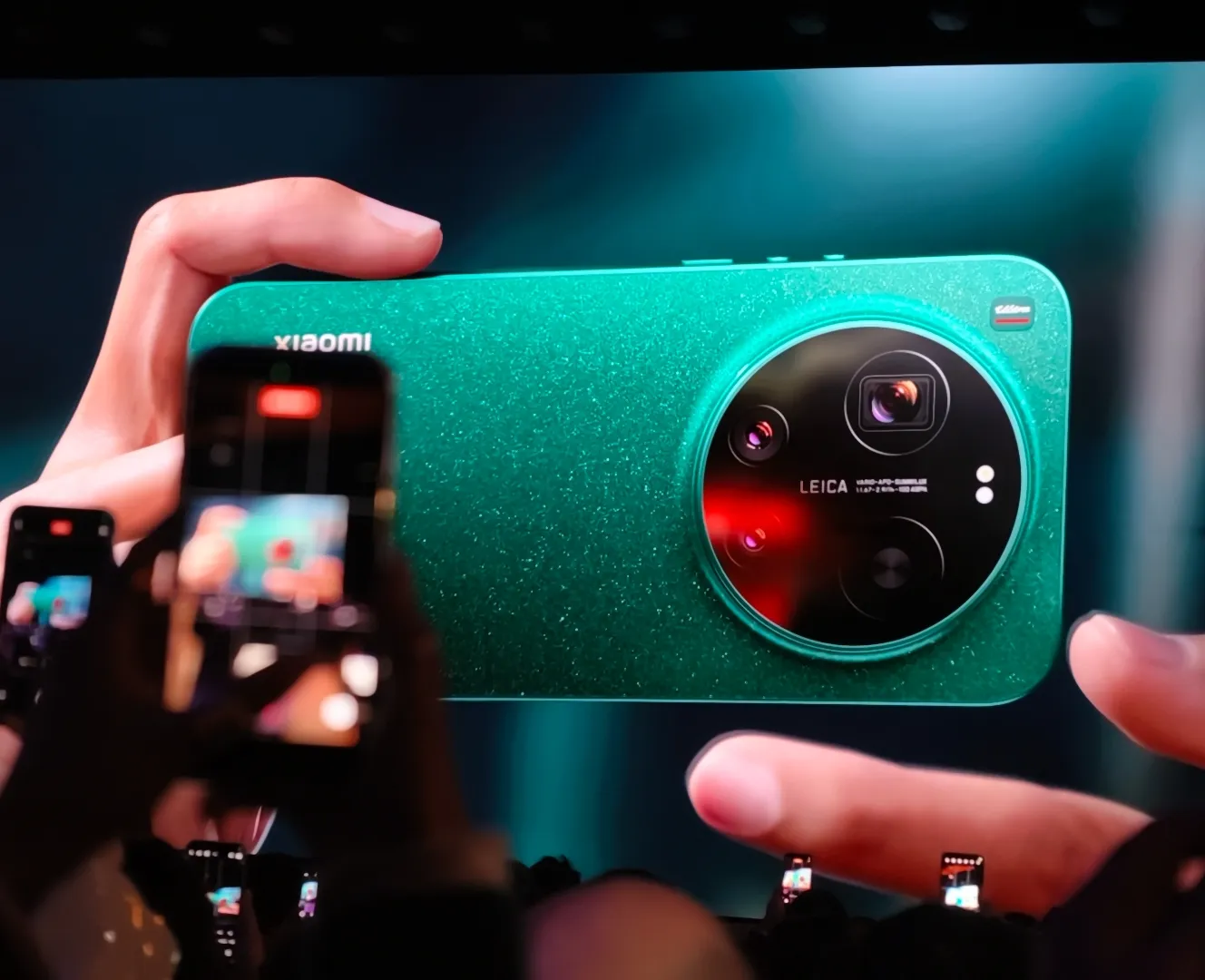
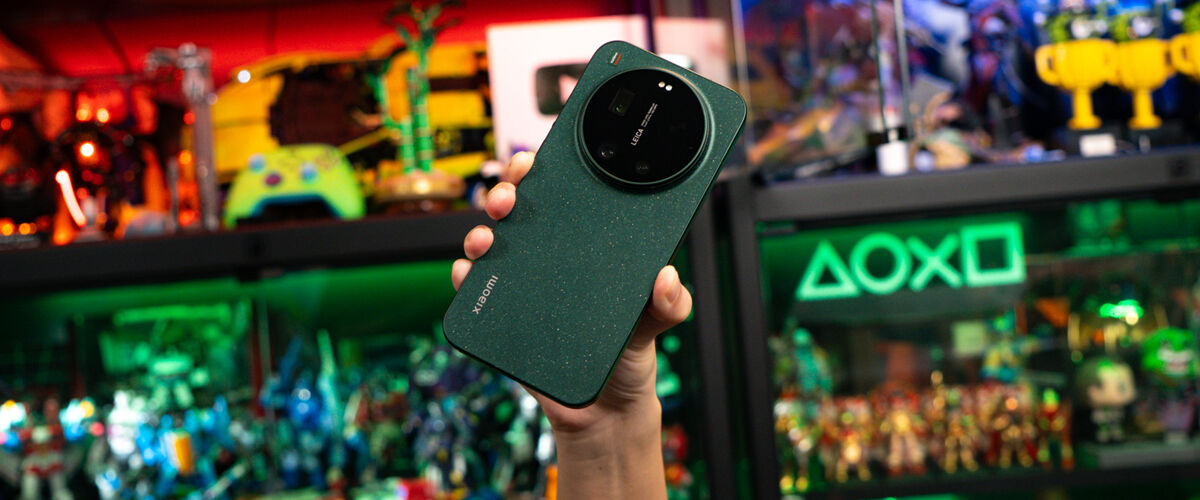
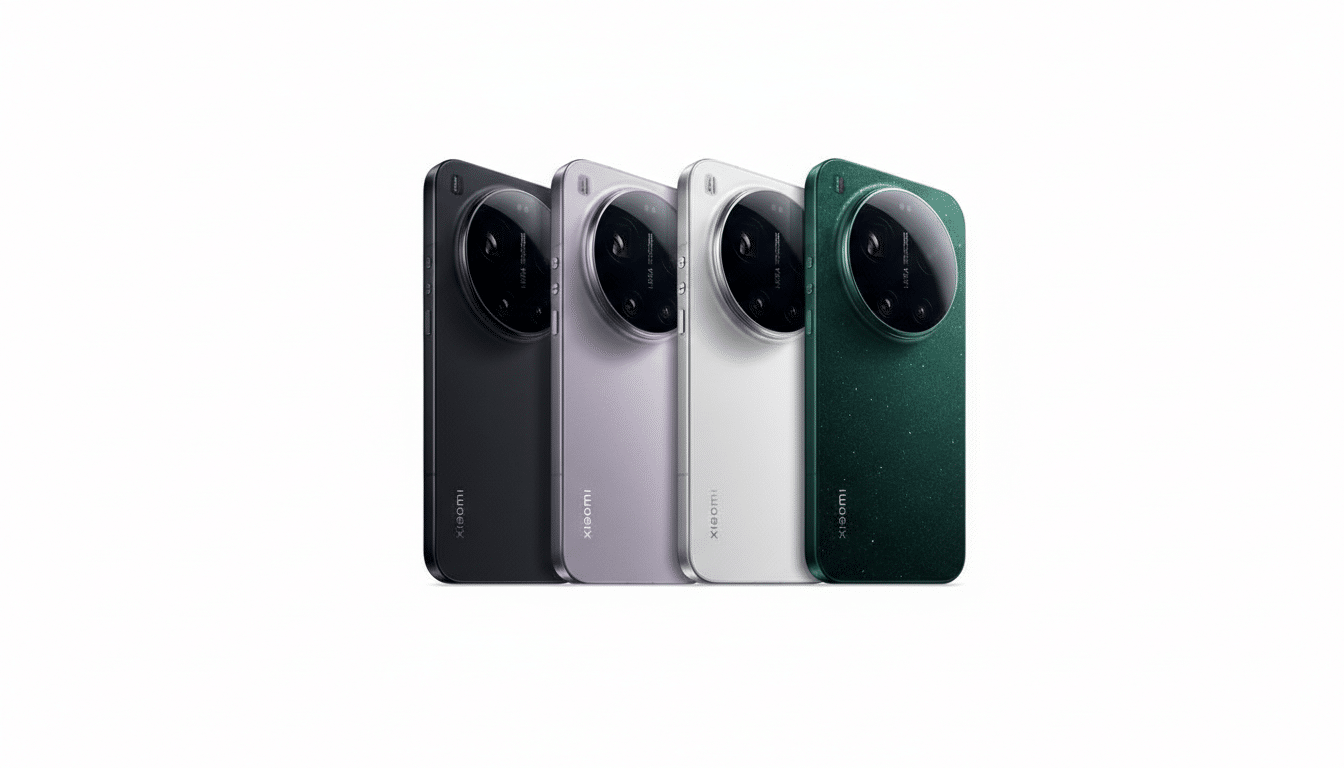
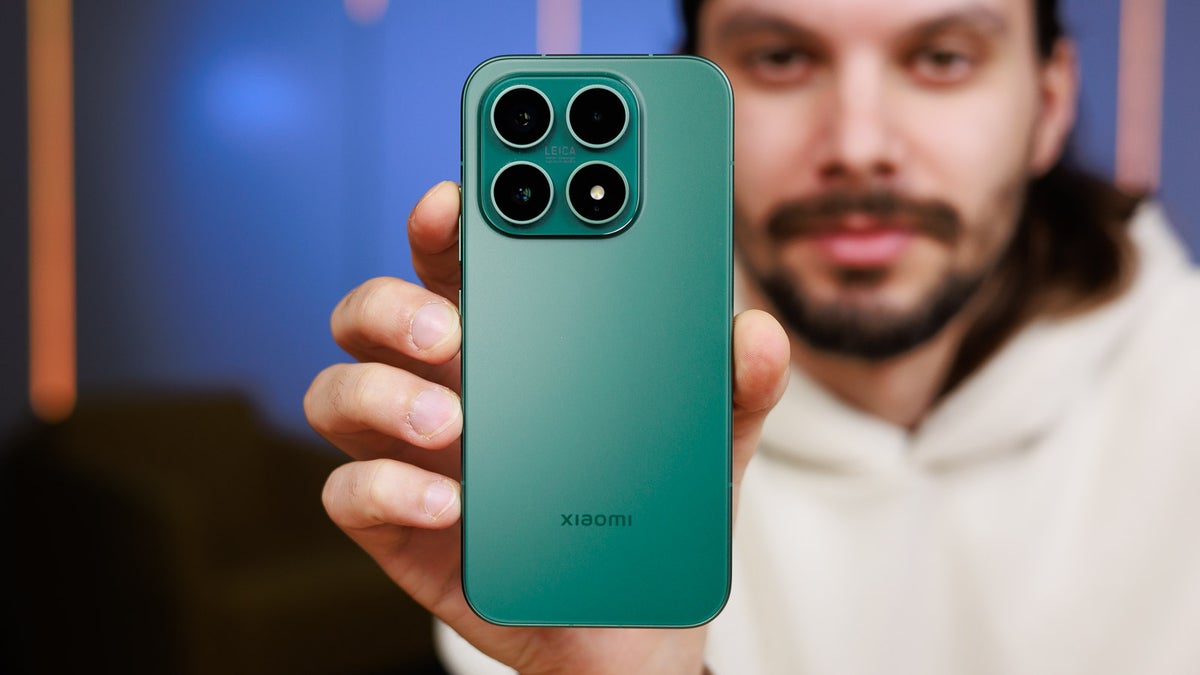
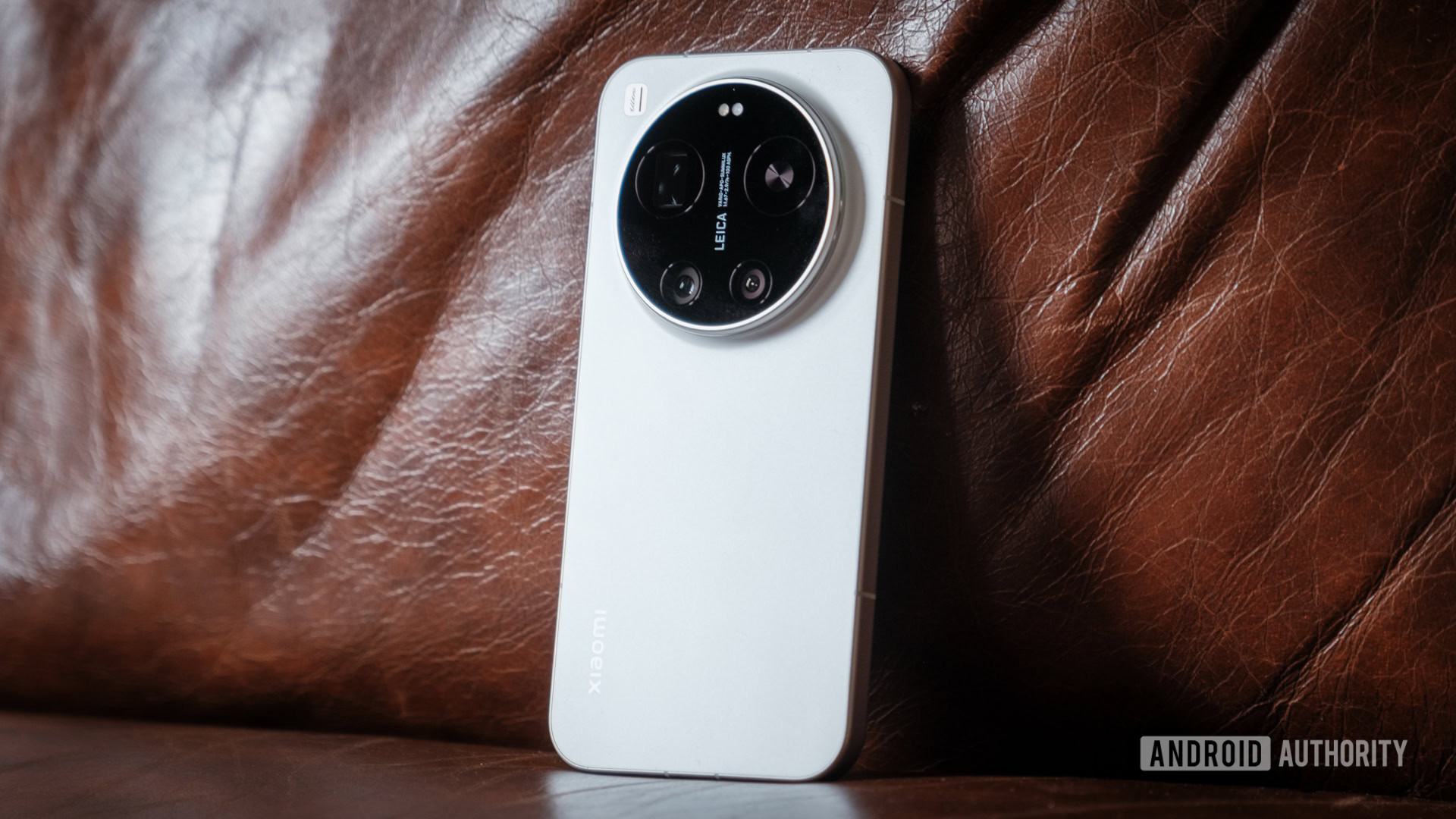
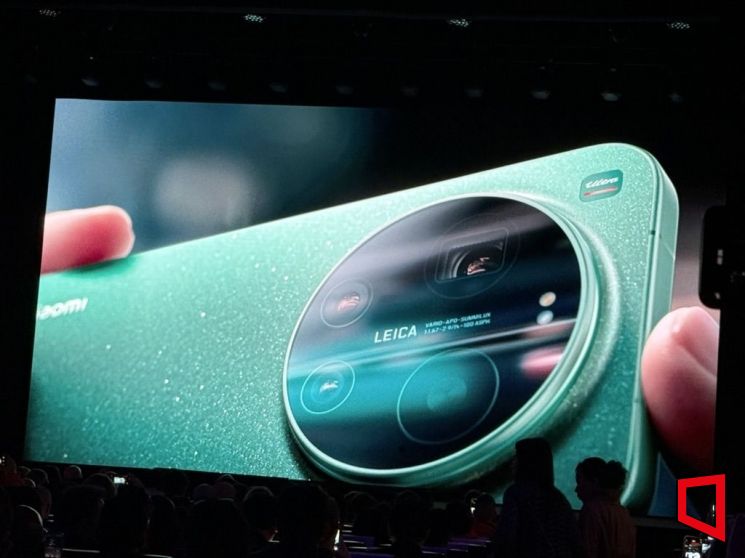
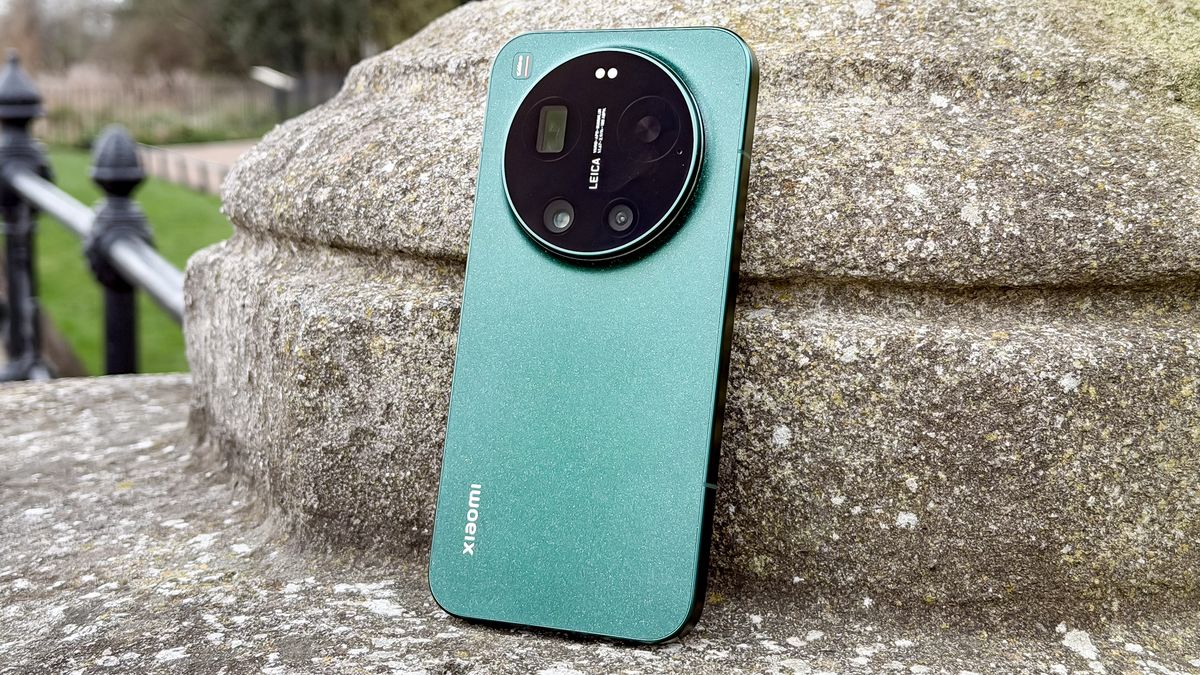
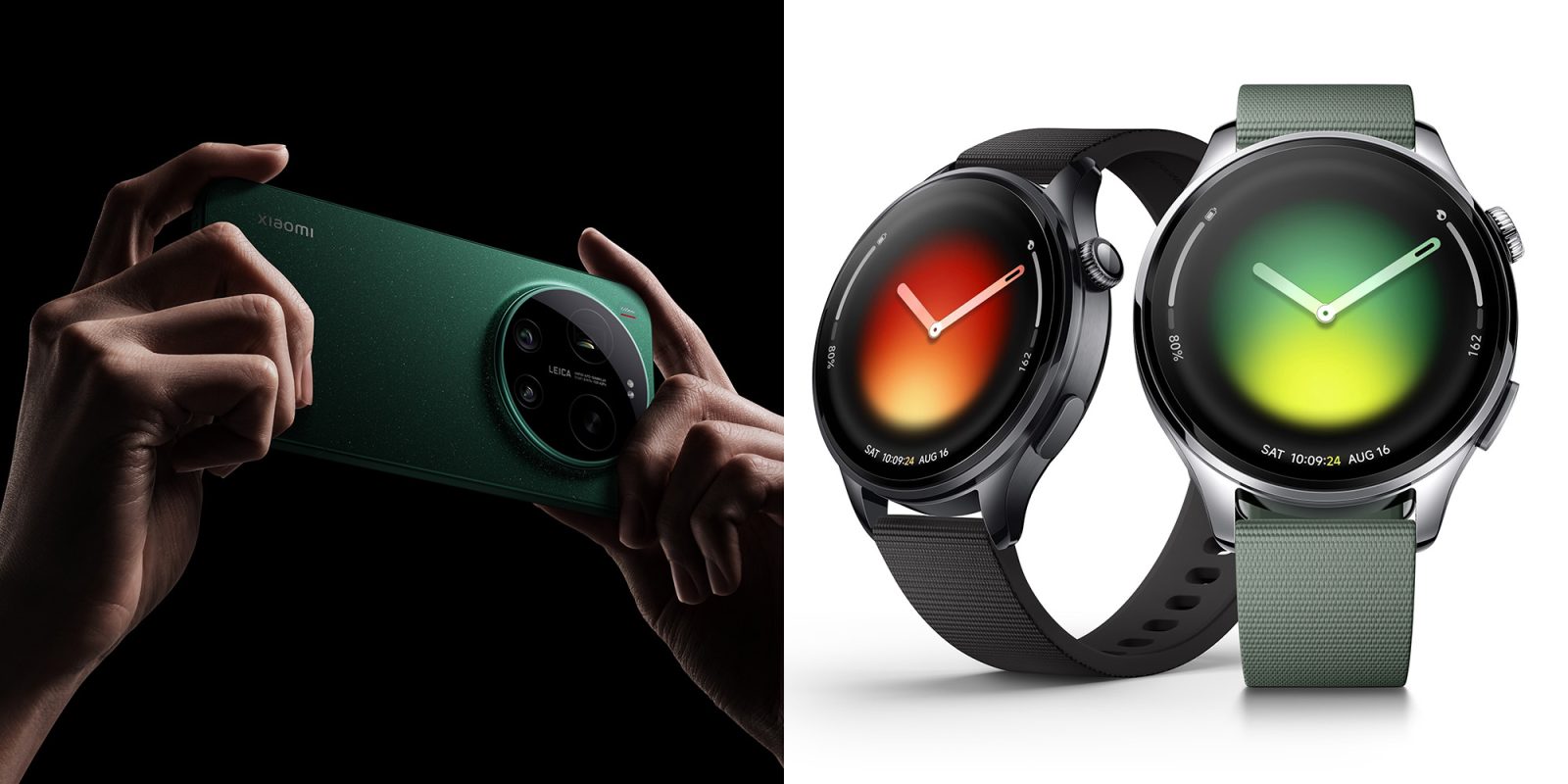
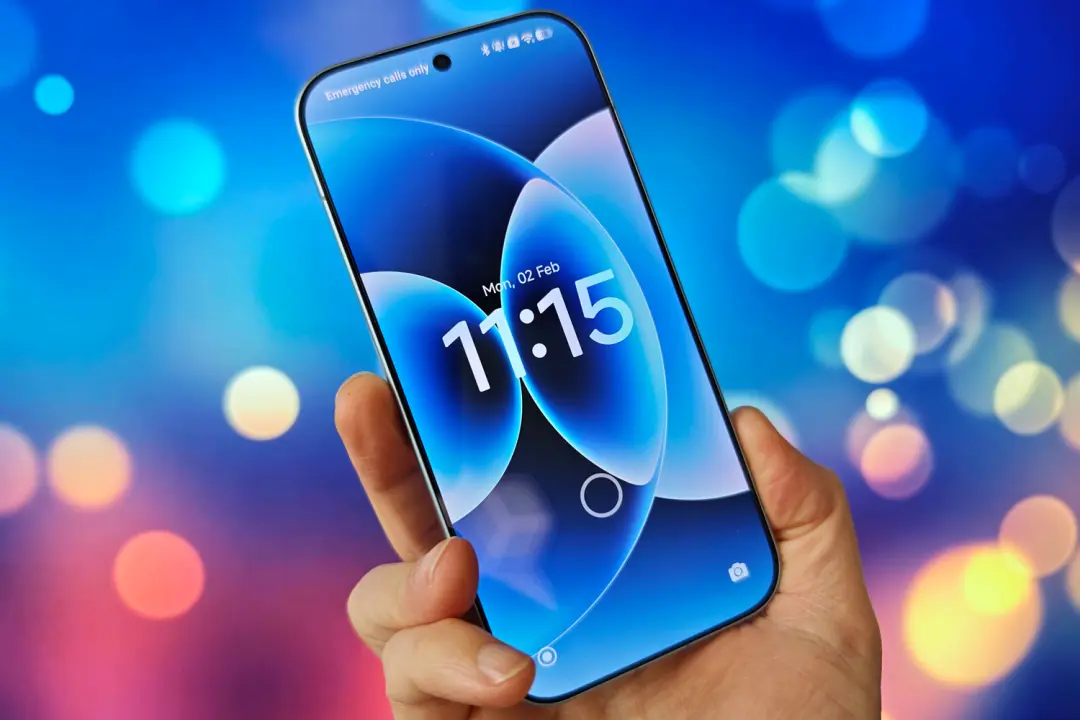
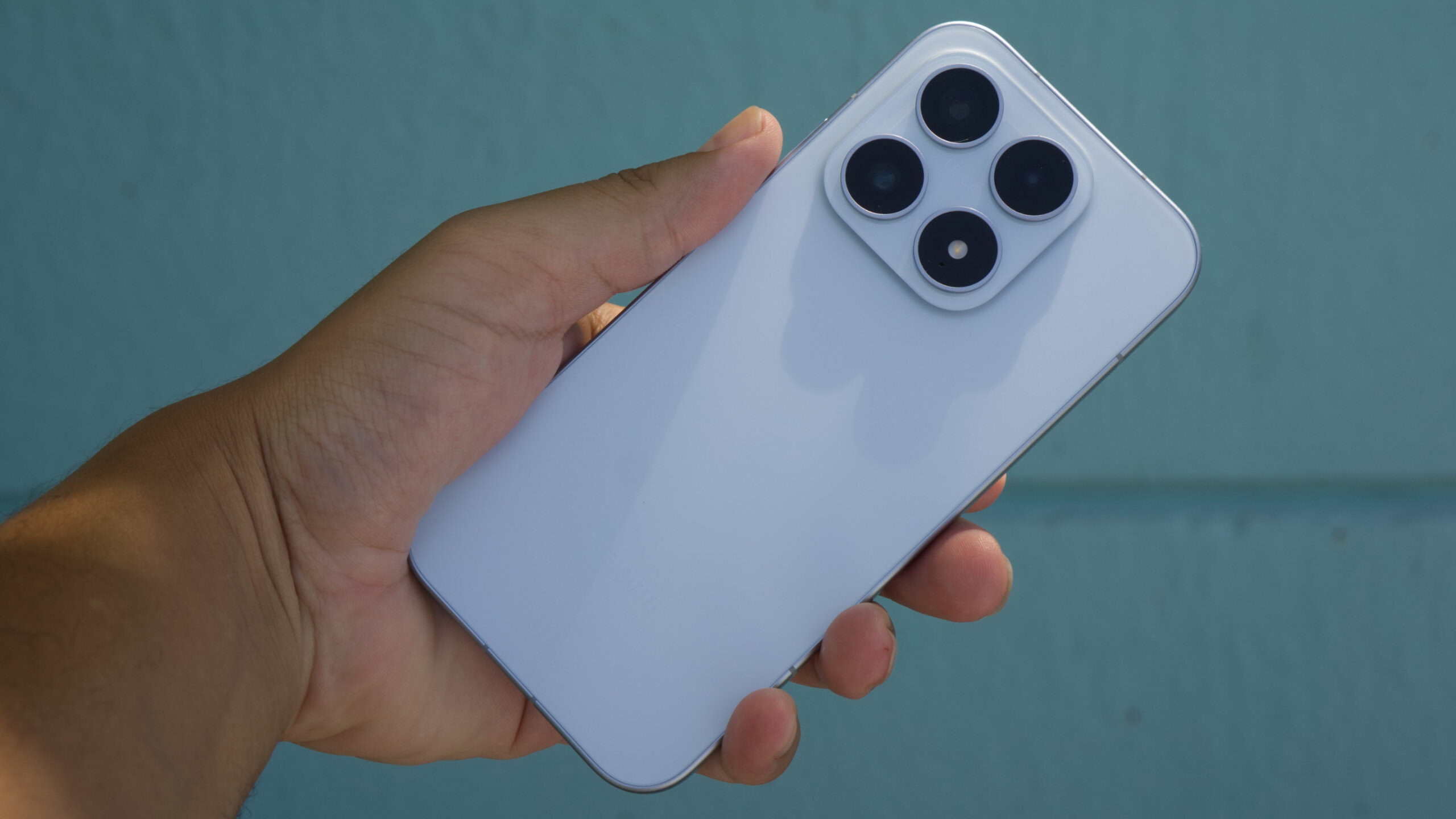
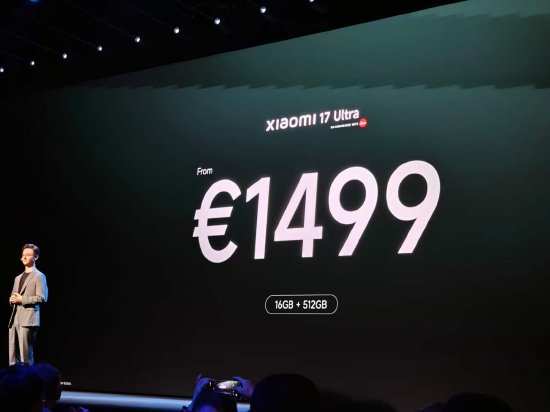
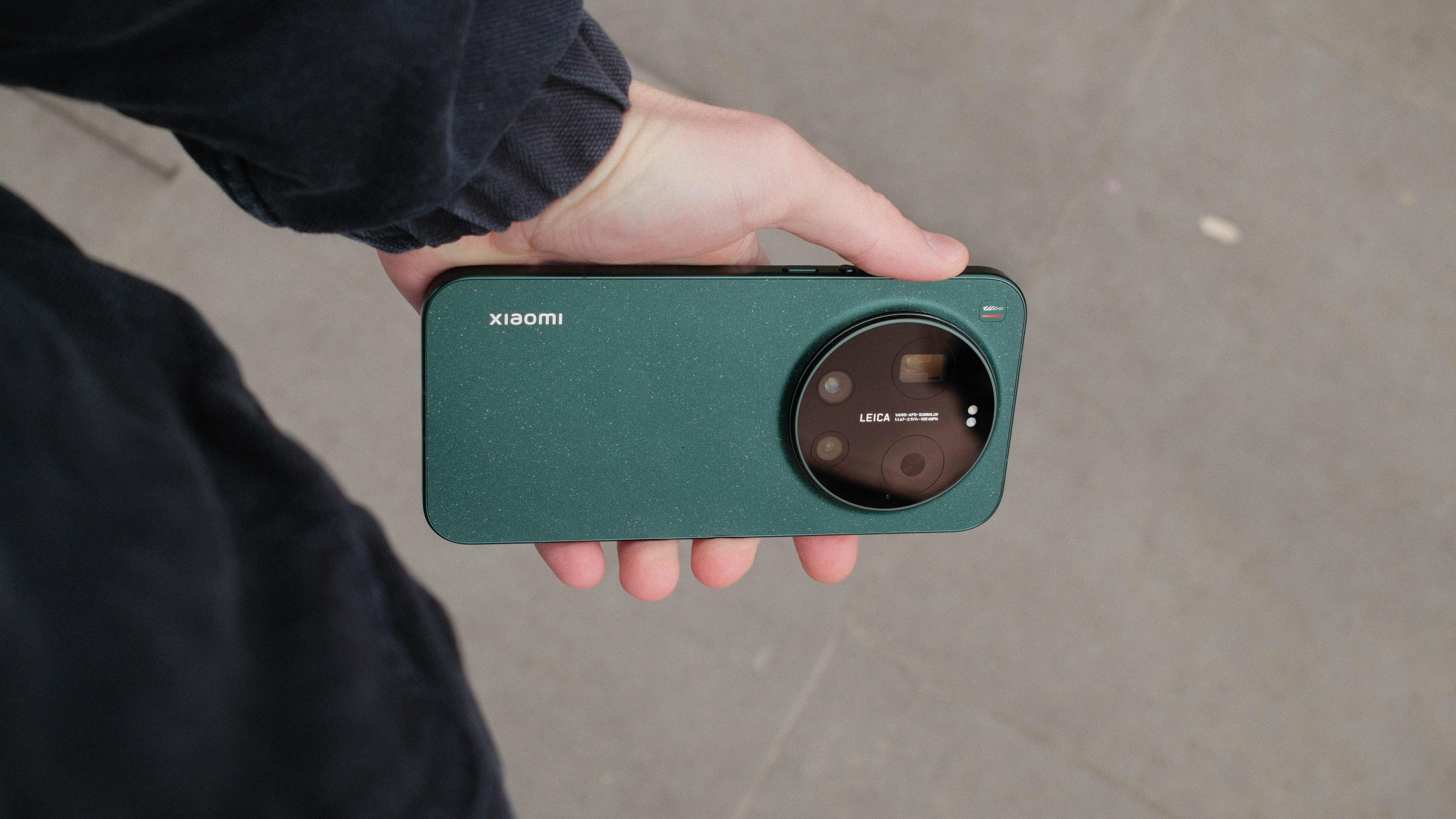
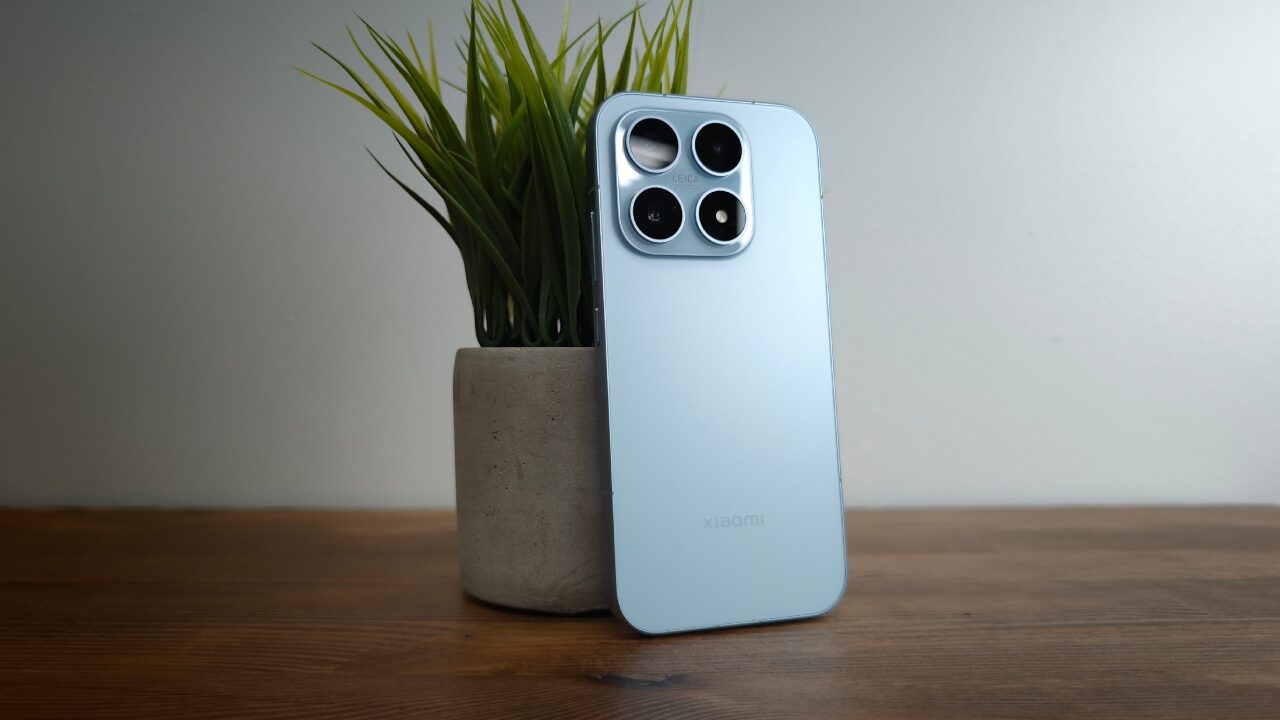
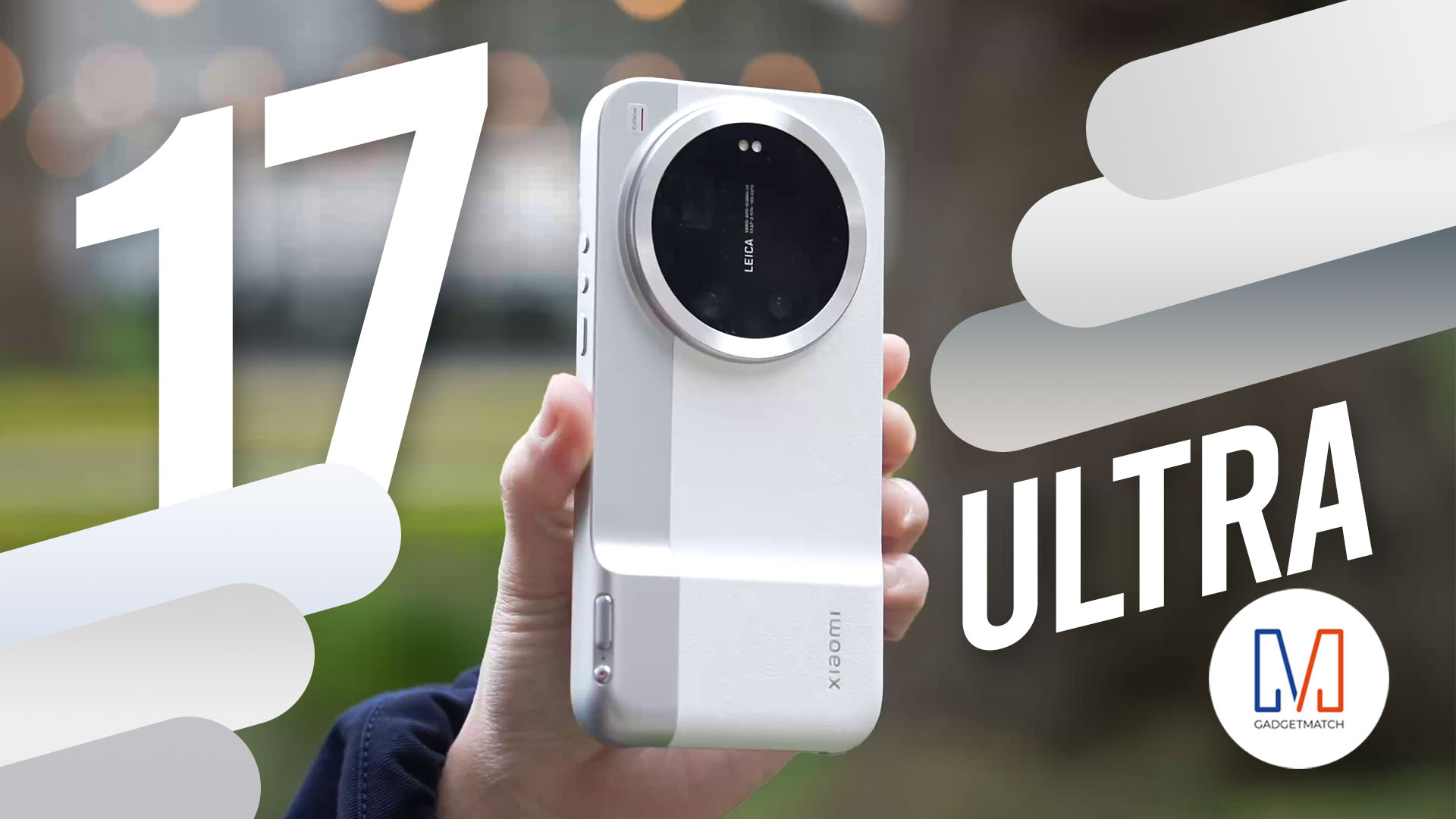
The smartphone market faces unprecedented component cost inflation in Q1 2026, creating distinct seller opportunities across multiple e-commerce categories. Xiaomi's March 28, 2026 launch of the Xiaomi 17 (€999/$1,179) and 17 Ultra (€1,499) at Mobile World Congress Barcelona reveals critical pricing dynamics: despite memory chip costs surging 80-90%, Xiaomi maintained flagship pricing identical to 2025 levels—a strategic decision that signals margin compression across the industry. Gartner forecasts 13% smartphone price increases in 2026, while IDC predicts a 12.9% market decline due to the chip crunch. This creates a bifurcated market opportunity for sellers.
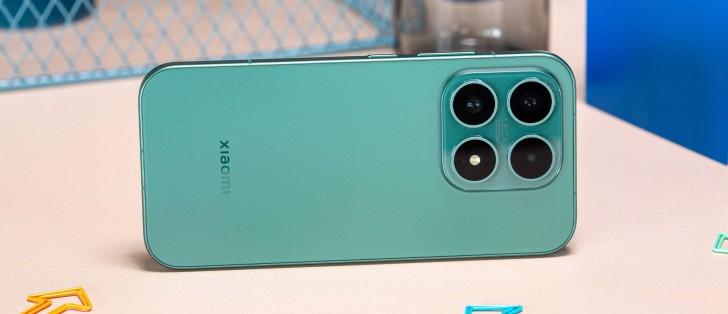
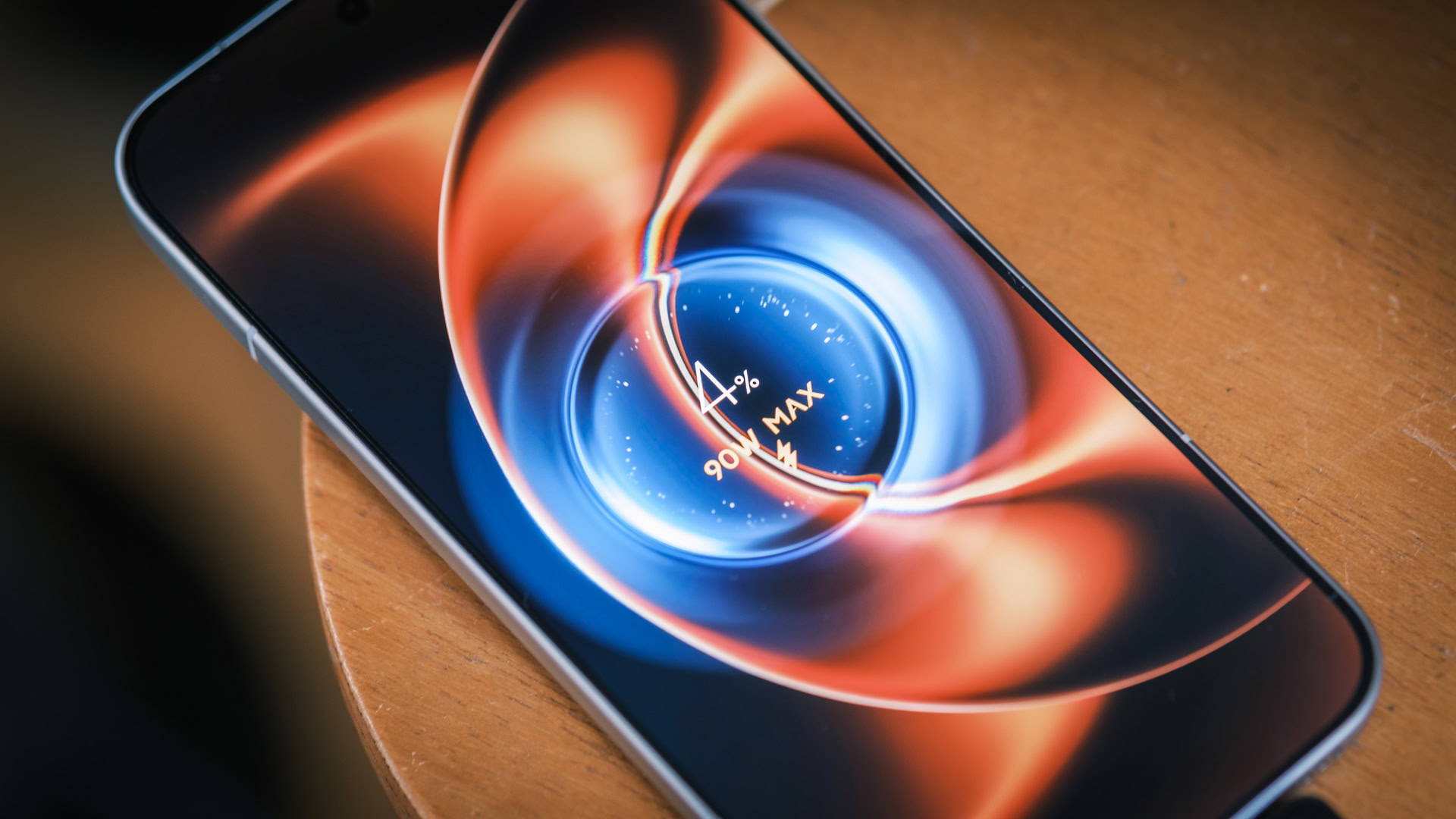
First, the mid-range smartphone accessory boom. Xiaomi generates majority revenue from mid-range devices vulnerable to price sensitivity, and analysts expect price increases on low-to-mid-tier models despite flagship stability. This creates surging demand for protective cases, screen protectors, chargers, and cooling accessories—categories that typically see 40-60% volume increases when flagship prices rise. Sellers targeting budget-conscious consumers upgrading from older devices should stock mid-range phone accessories, with particular focus on thermal management products (cooling cases, heat dissipation stands) as higher-spec devices generate more heat under processing loads.
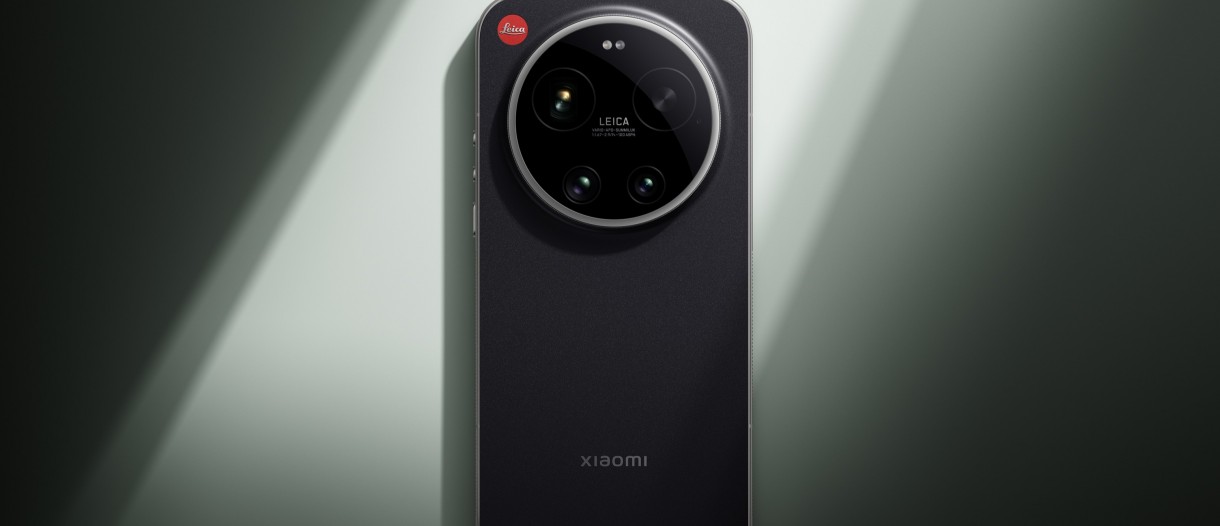
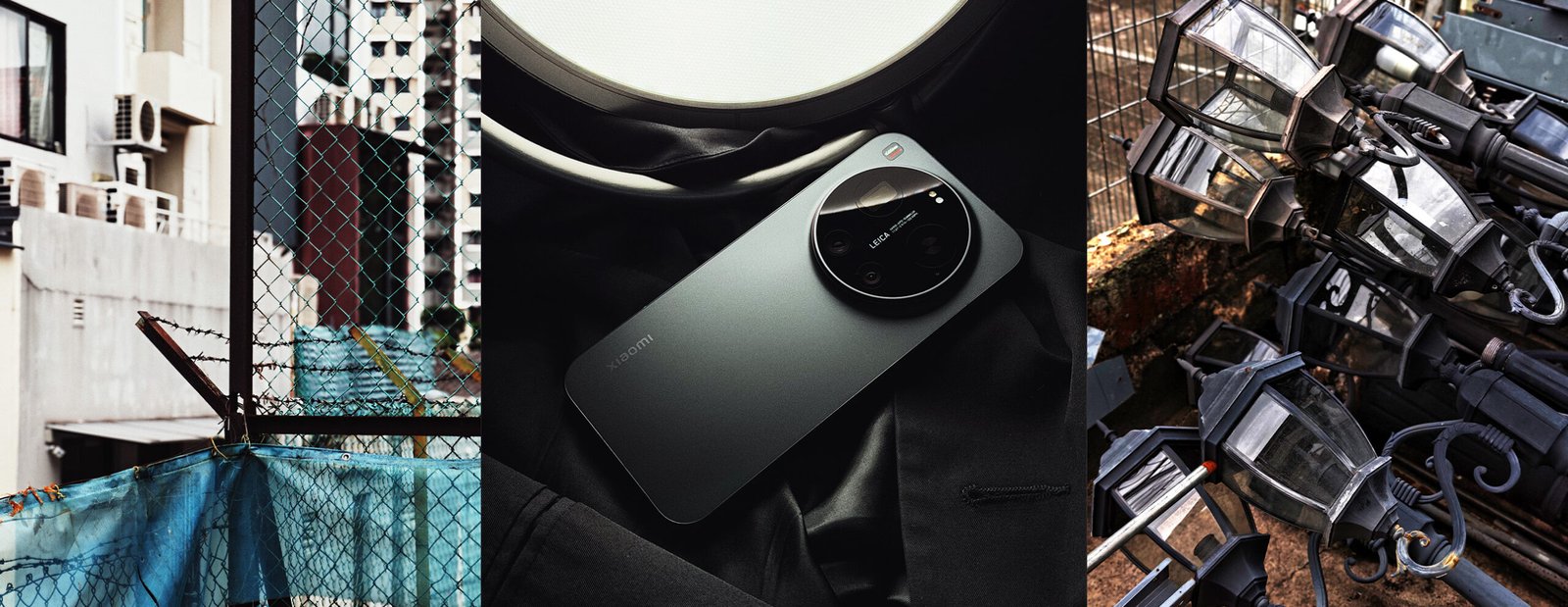
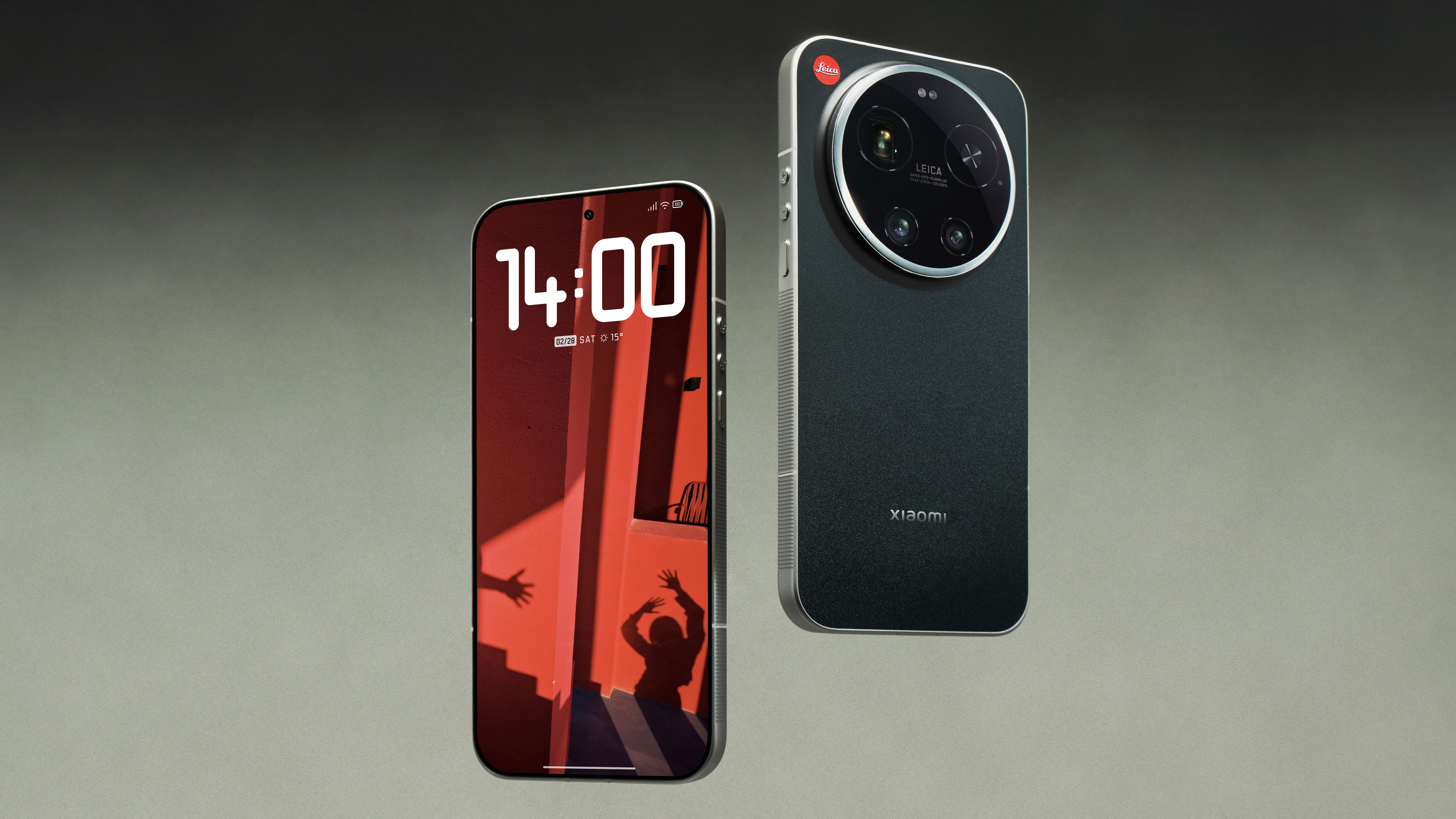
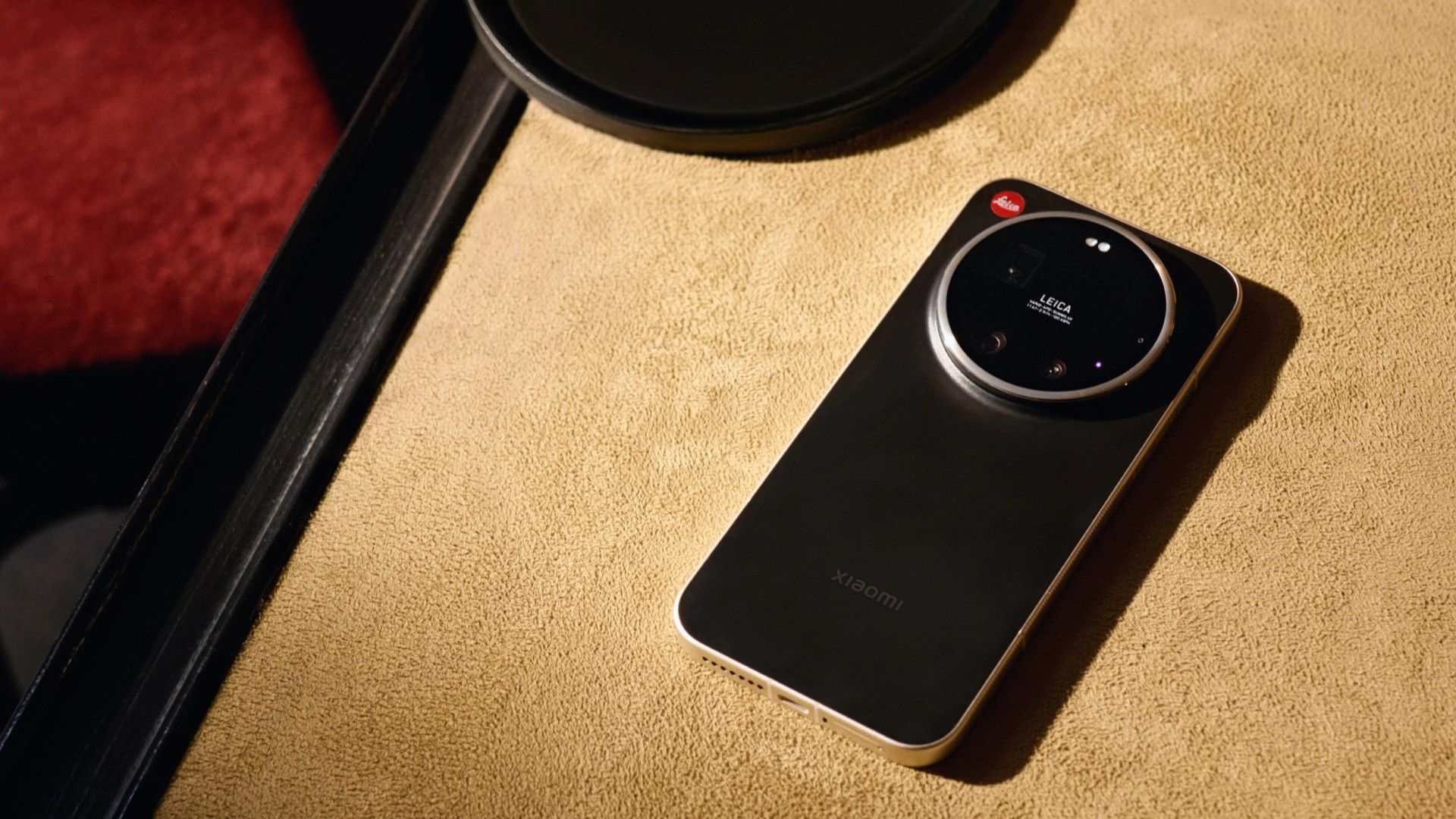
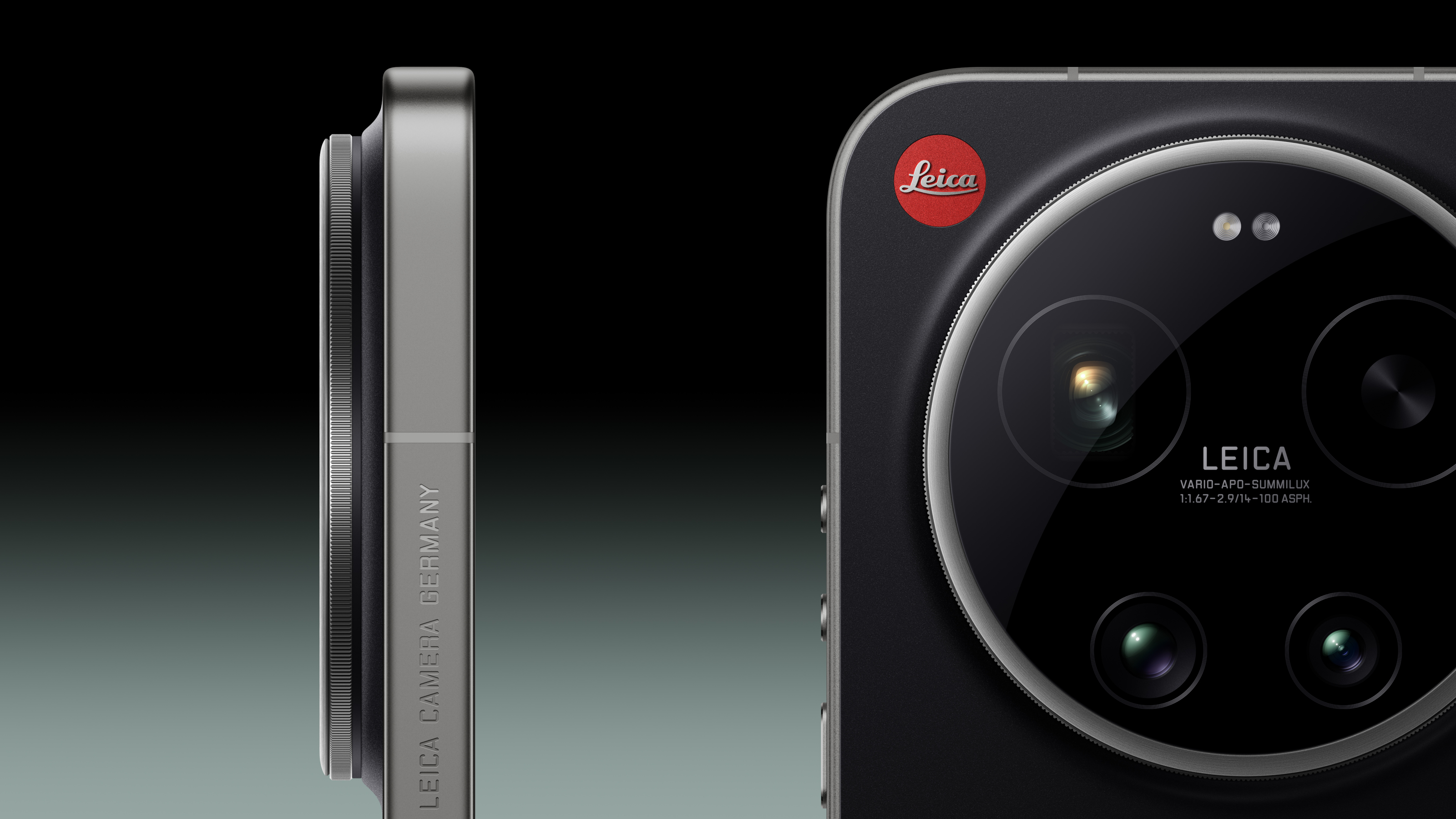
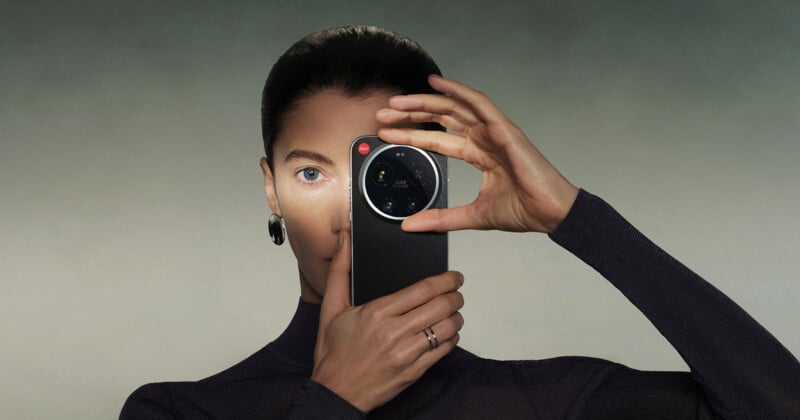
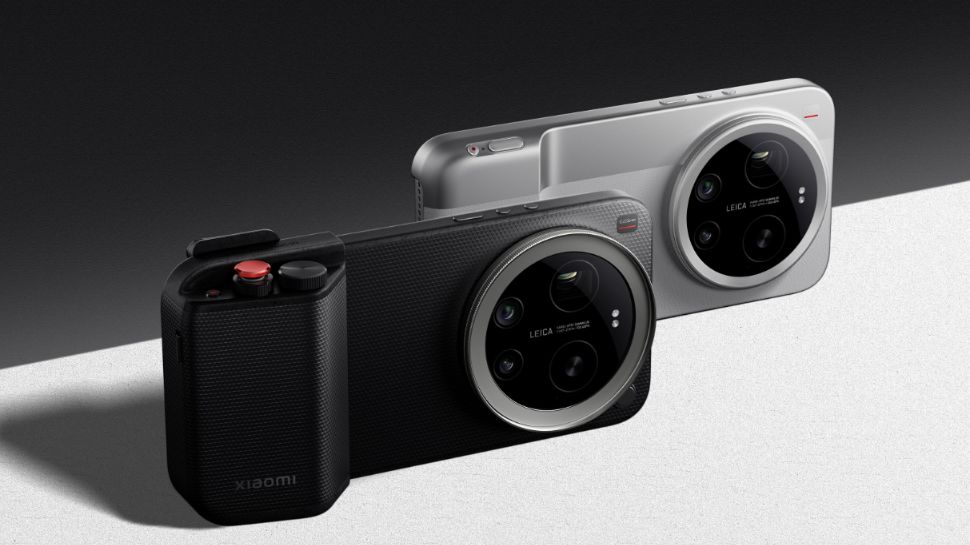
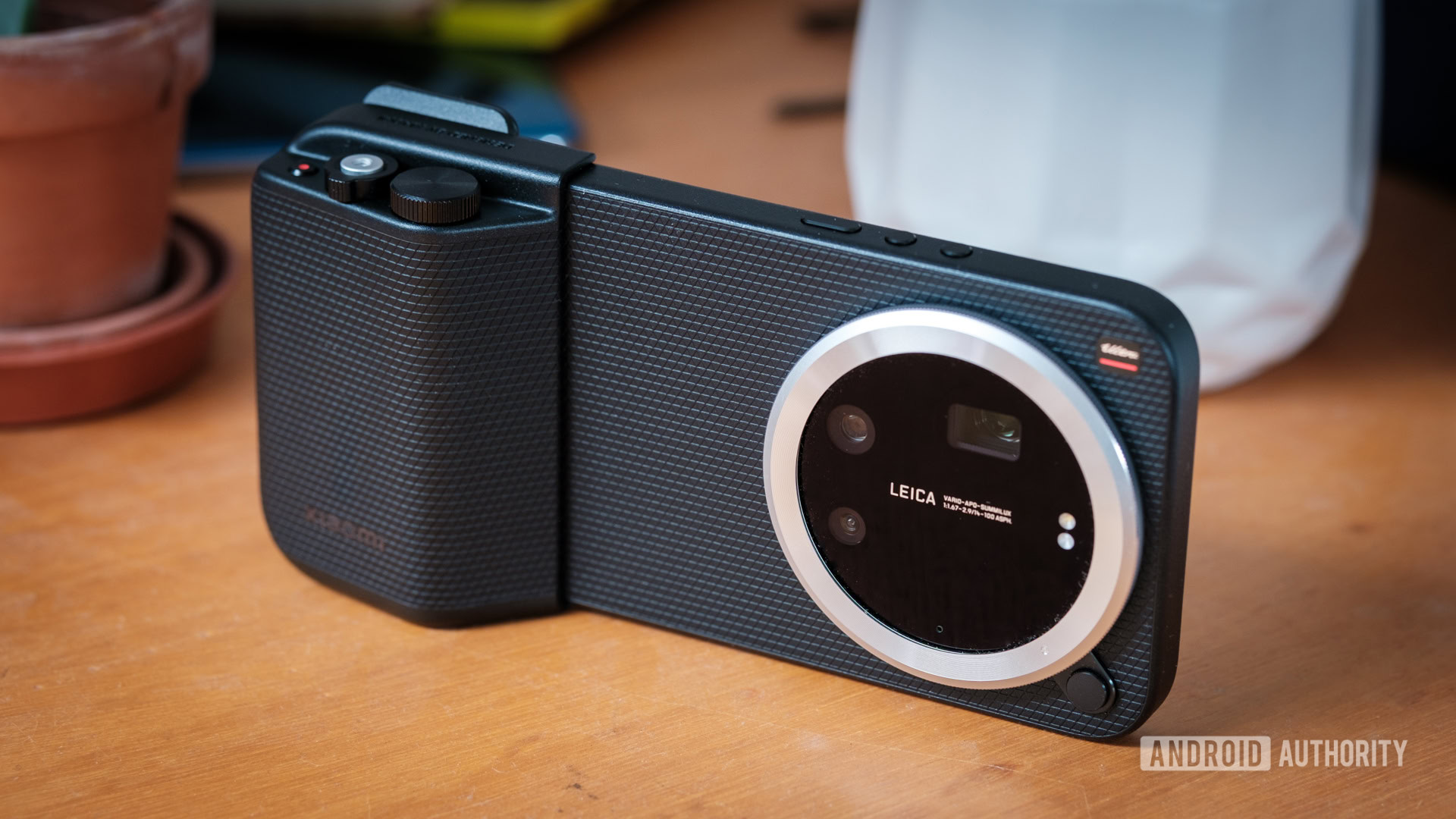
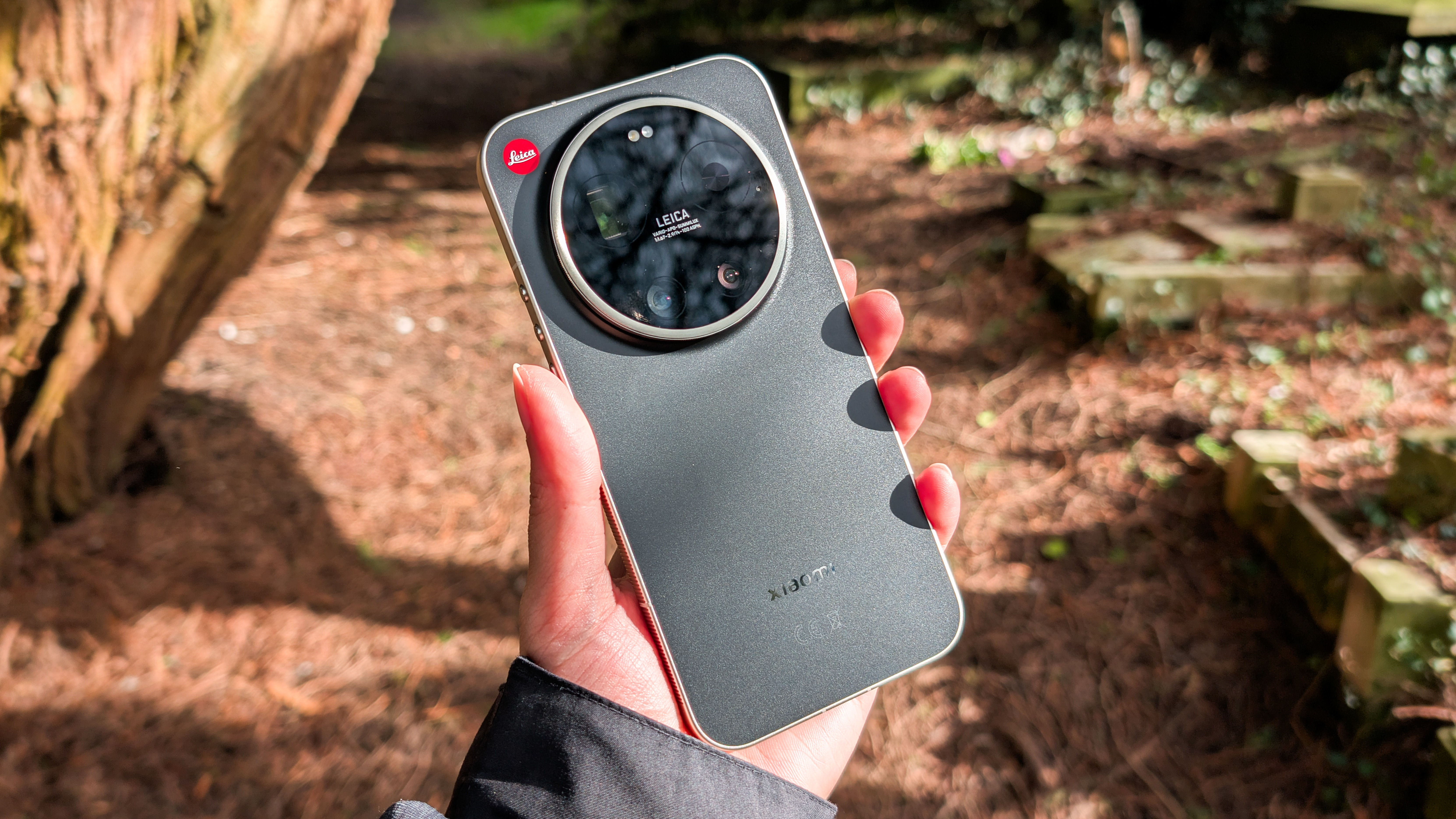
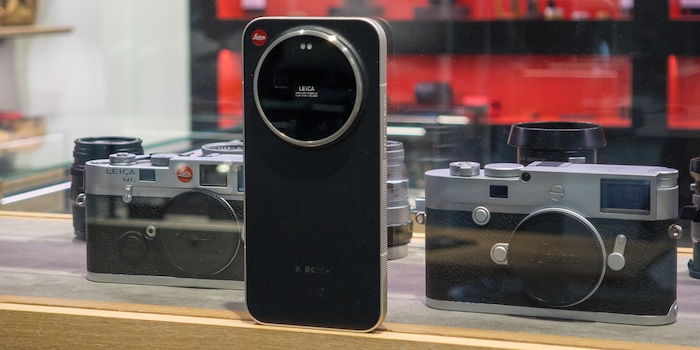
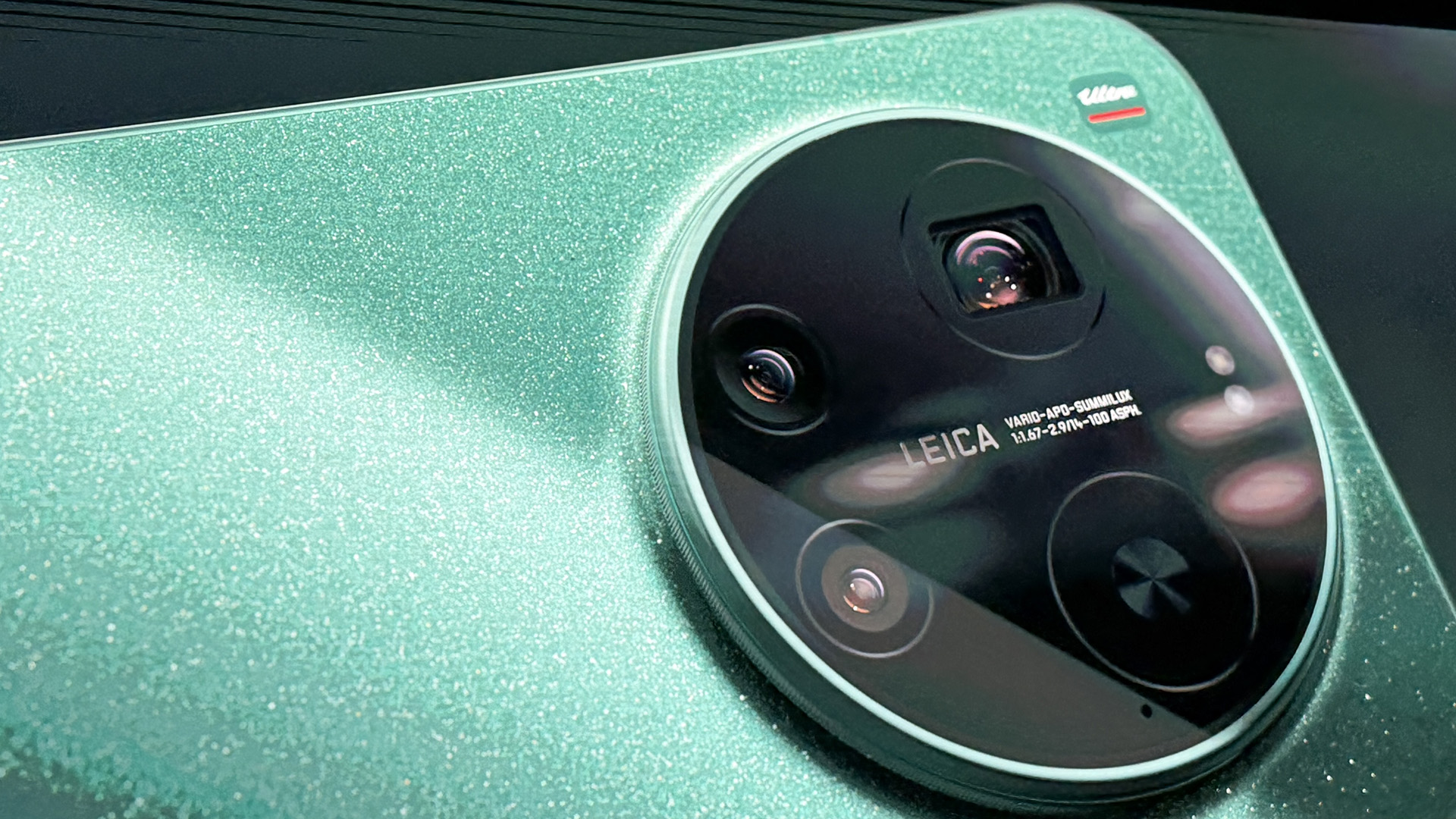
Second, the professional photography equipment convergence. The CNET review of the Leica Leitzphone powered by Xiaomi—awarded Editors' Choice after 2,000 test photographs—demonstrates smartphone-to-professional-camera convergence. The device features 8x hybrid zoom, DNG raw format support, Leica's signature Chrome color profile, and Monopan 50 film replication. This positions premium smartphones as legitimate professional tools, creating demand for photography accessories: camera lens protectors, professional tripod mounts, wireless remote triggers, and Adobe Lightroom-compatible editing software bundles. The professional photographer segment represents high-LTV customers (average order value $150-400) with strong repeat purchase patterns for software subscriptions and premium accessories.
Third, supply chain arbitrage for sellers. Xiaomi's 25% revenue diversification into electric vehicles (surging 200% year-over-year) signals manufacturer pivot away from smartphone-dependent revenue. This creates opportunities for sellers to source refurbished/previous-generation flagship models at discounted wholesale prices as manufacturers clear inventory. The 3% year-on-year smartphone revenue decline in September quarter indicates inventory pressure—sellers can negotiate better wholesale terms on 2025 flagship stock before 2026 models saturate channels.
Immediate actions: Monitor smartphone category pricing on Amazon, eBay, and Shopify through March-June 2026 to identify mid-range price elasticity. Launch PPC campaigns targeting "budget smartphone accessories" and "professional phone camera gear" keywords—these categories show 25-35% lower CPC costs than flagship phone searches. Stock protective cases, cooling accessories, and professional tripod mounts with 60-90 day inventory windows to capture upgrade cycle demand.
Questions 8
Should sellers focus on flagship or mid-range smartphone accessories given current market dynamics?
Mid-range accessories represent the higher-opportunity segment in 2026. Xiaomi generates majority revenue from mid-range devices vulnerable to price sensitivity, and analysts expect price increases on low-to-mid-tier models despite flagship stability. This creates surging demand for budget-friendly protective cases, screen protectors, and thermal management products. Mid-range accessory keywords show 25-35% lower CPC costs than flagship searches on Google Ads and Meta platforms. Sellers should allocate 60-70% inventory to mid-range accessories targeting price-conscious consumers upgrading from older devices, with 30-40% allocation to premium professional photography gear for high-margin opportunities.
What wholesale sourcing opportunities exist due to Xiaomi's smartphone revenue decline?
Xiaomi reported 3% year-on-year smartphone revenue decline in September quarter, with EV business surging 200% year-over-year and now representing 25% of total sales. This manufacturer pivot away from smartphone dependence creates inventory pressure and wholesale sourcing opportunities. Sellers can negotiate better terms on 2025 flagship stock (Xiaomi 16, 16 Ultra) before 2026 models saturate channels. Refurbished previous-generation flagships typically wholesale at 40-50% discounts compared to new models. Recommended action: contact Xiaomi authorized distributors in Asia-Pacific and Europe by April 2026 to secure inventory before Q2 clearance cycles end.