

Premium Smartphone Pricing Strategy 2026 | Seller Opportunities in Component Shortage Era
- Memory chip costs surge 80-90% in Q1 2026, forcing manufacturers to choose between margin compression and price increases; Xiaomi's flagship pricing strategy reveals market segmentation opportunities for sellers targeting professional photographers and mid-range device buyers








)







Overview
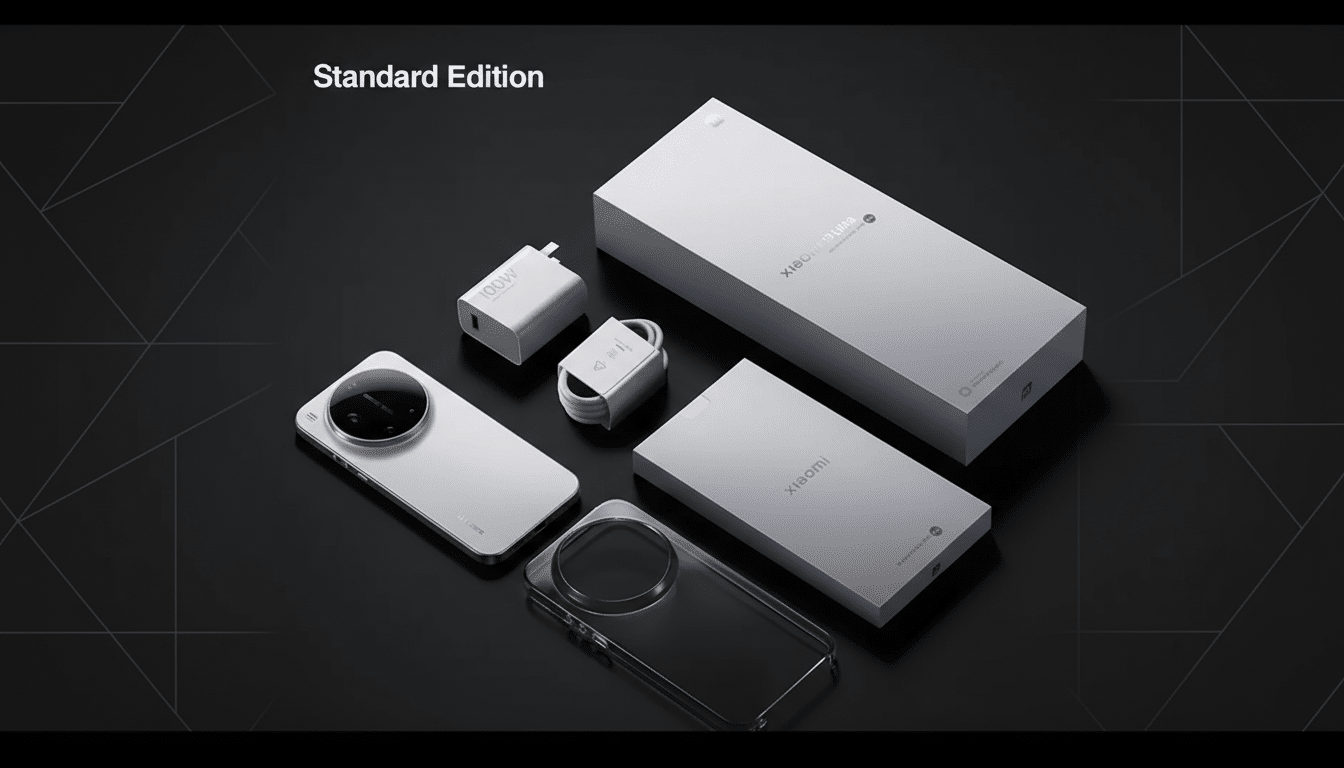
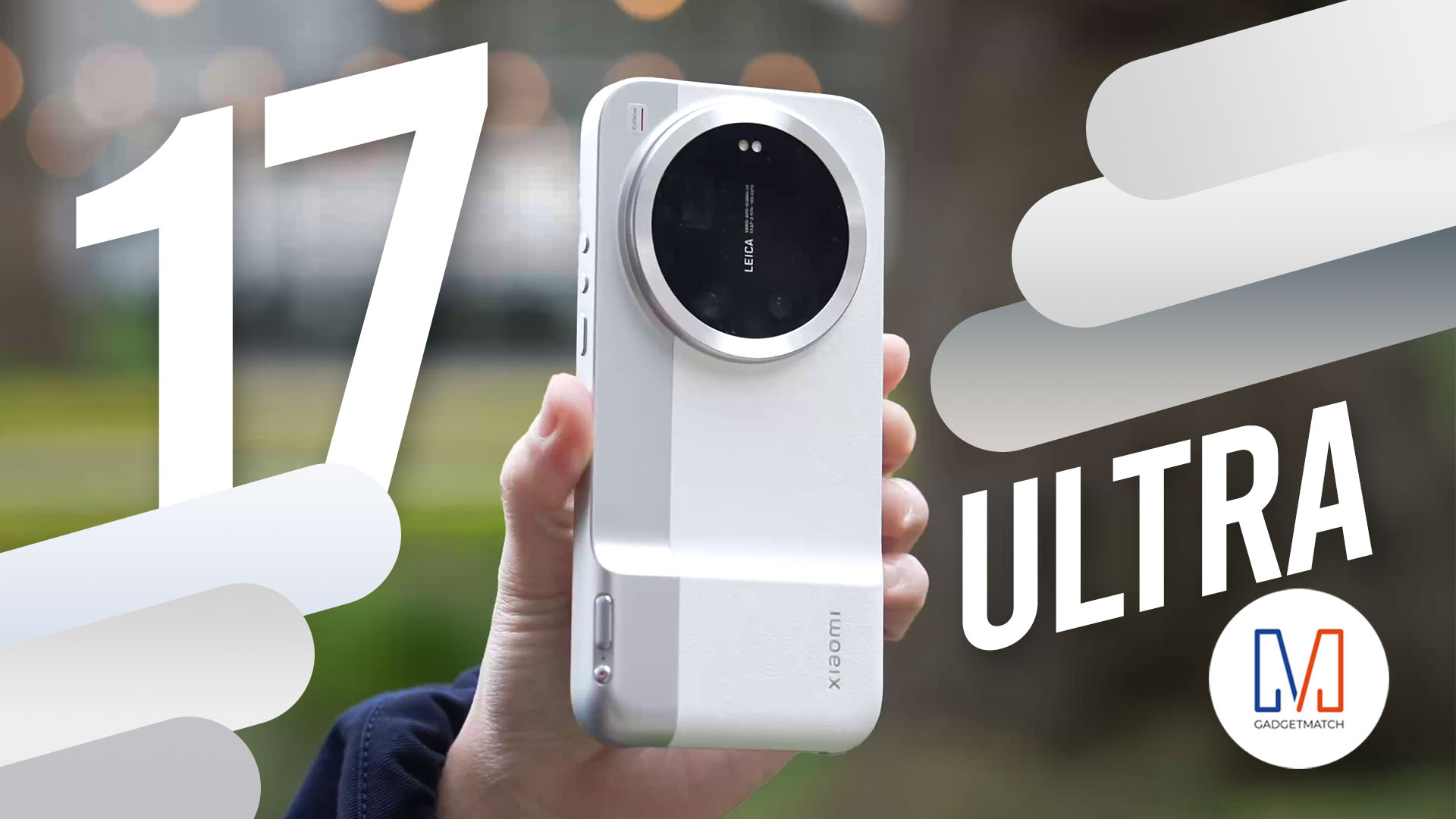
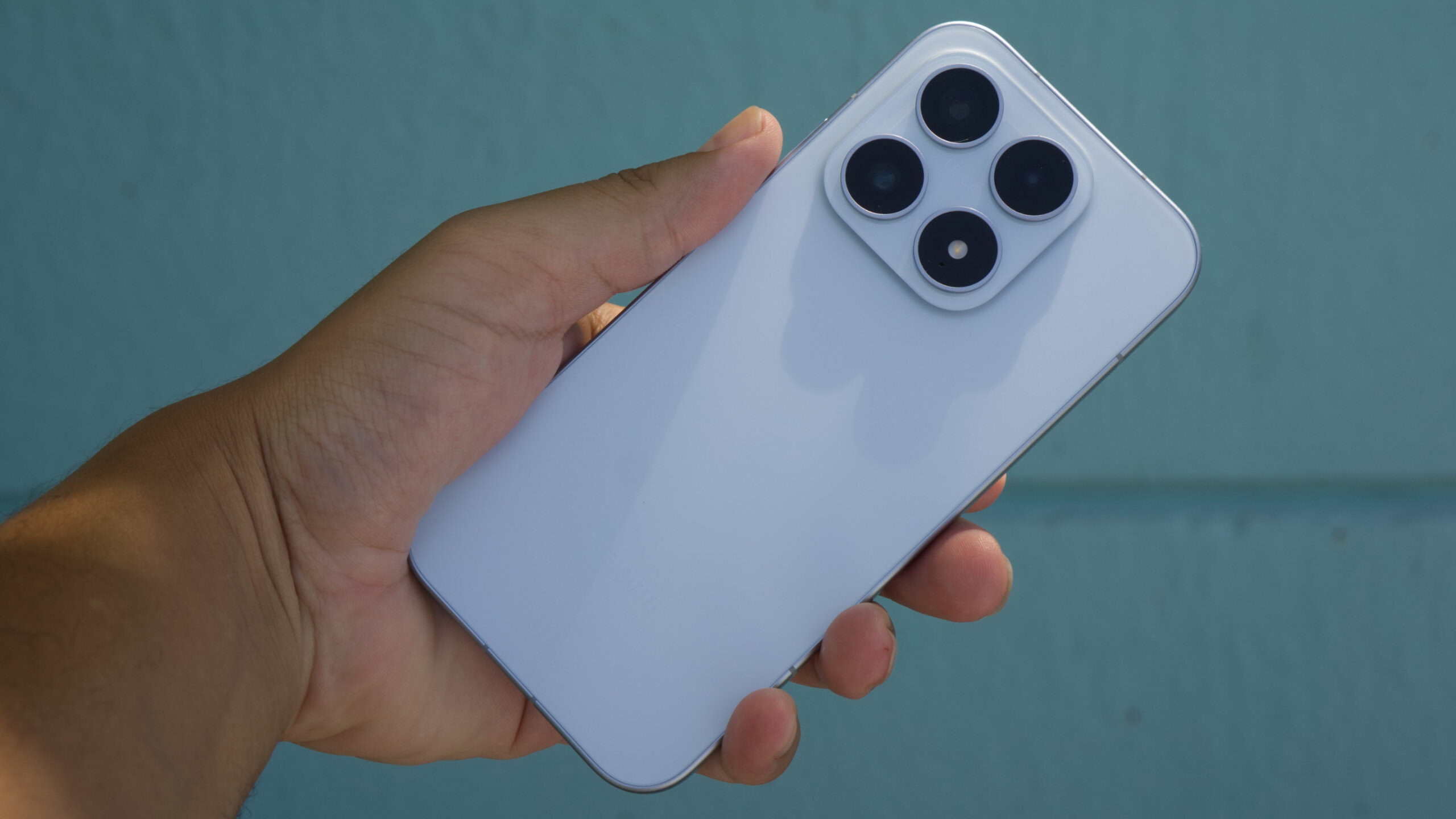
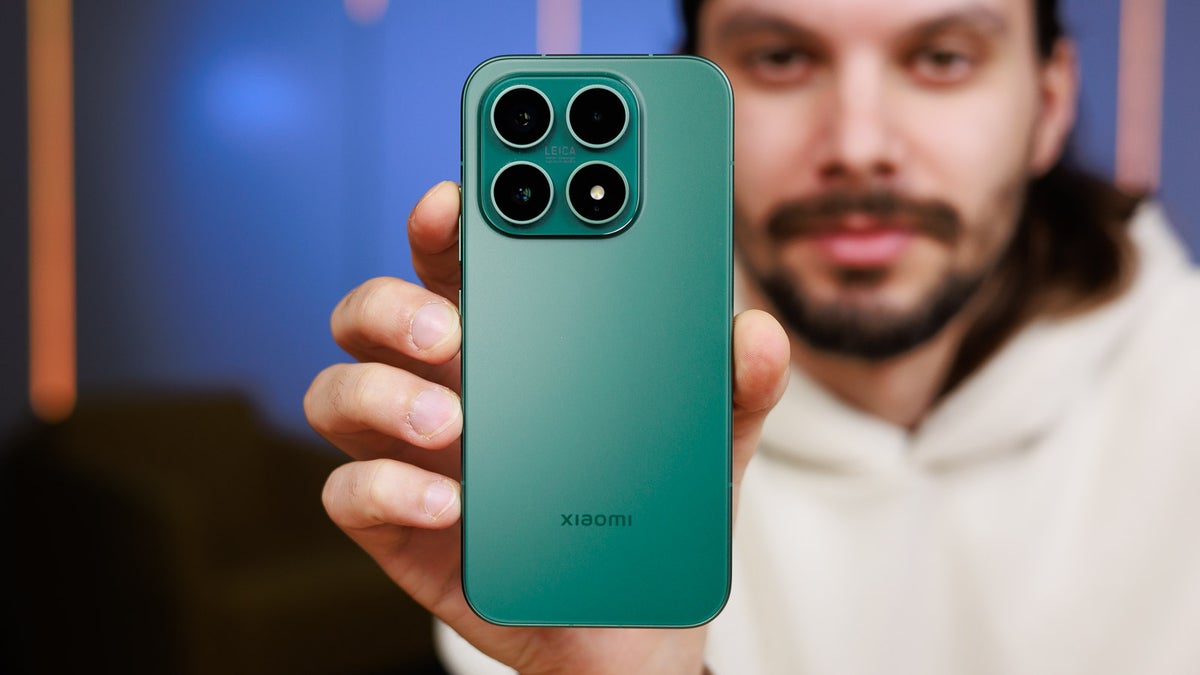
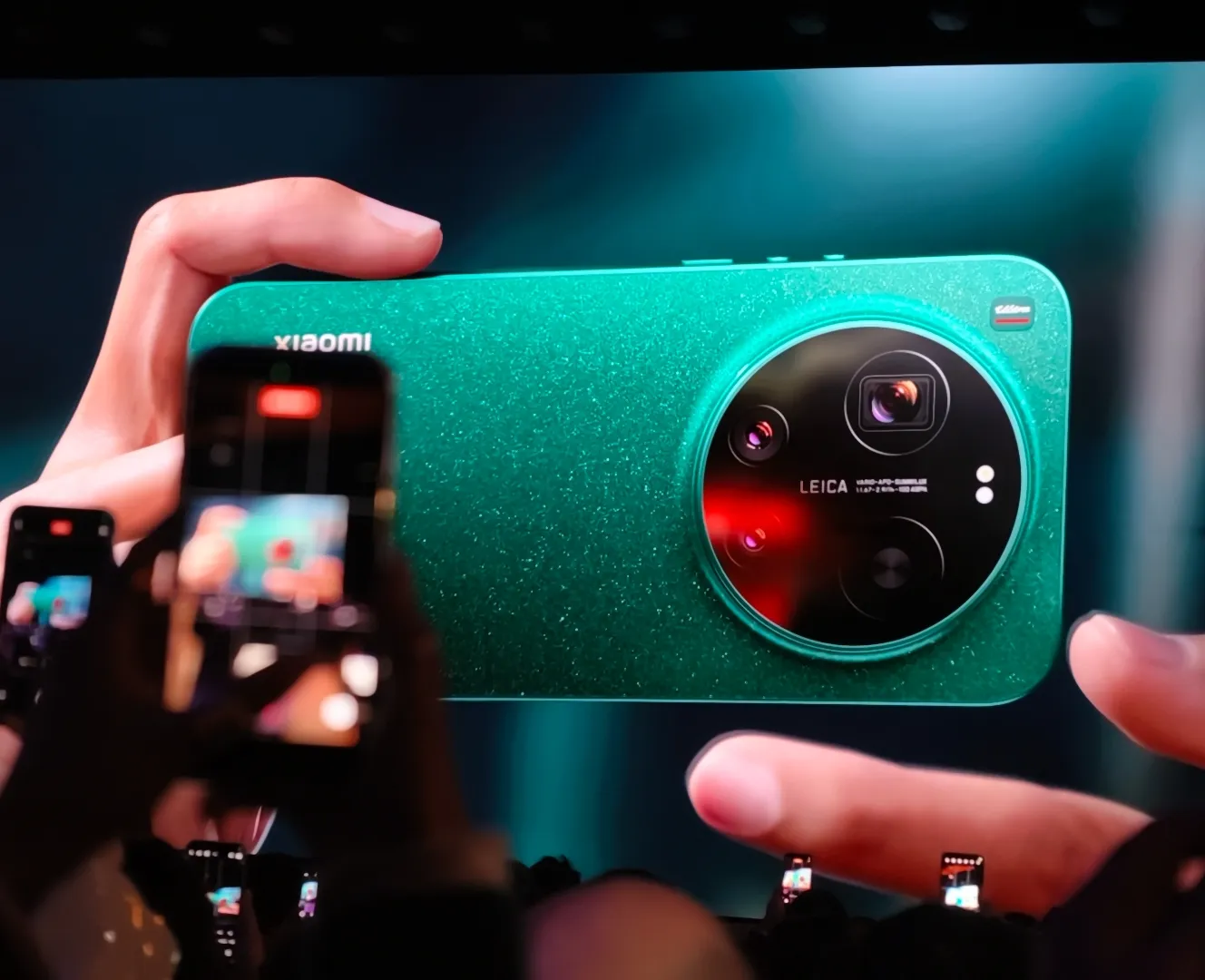
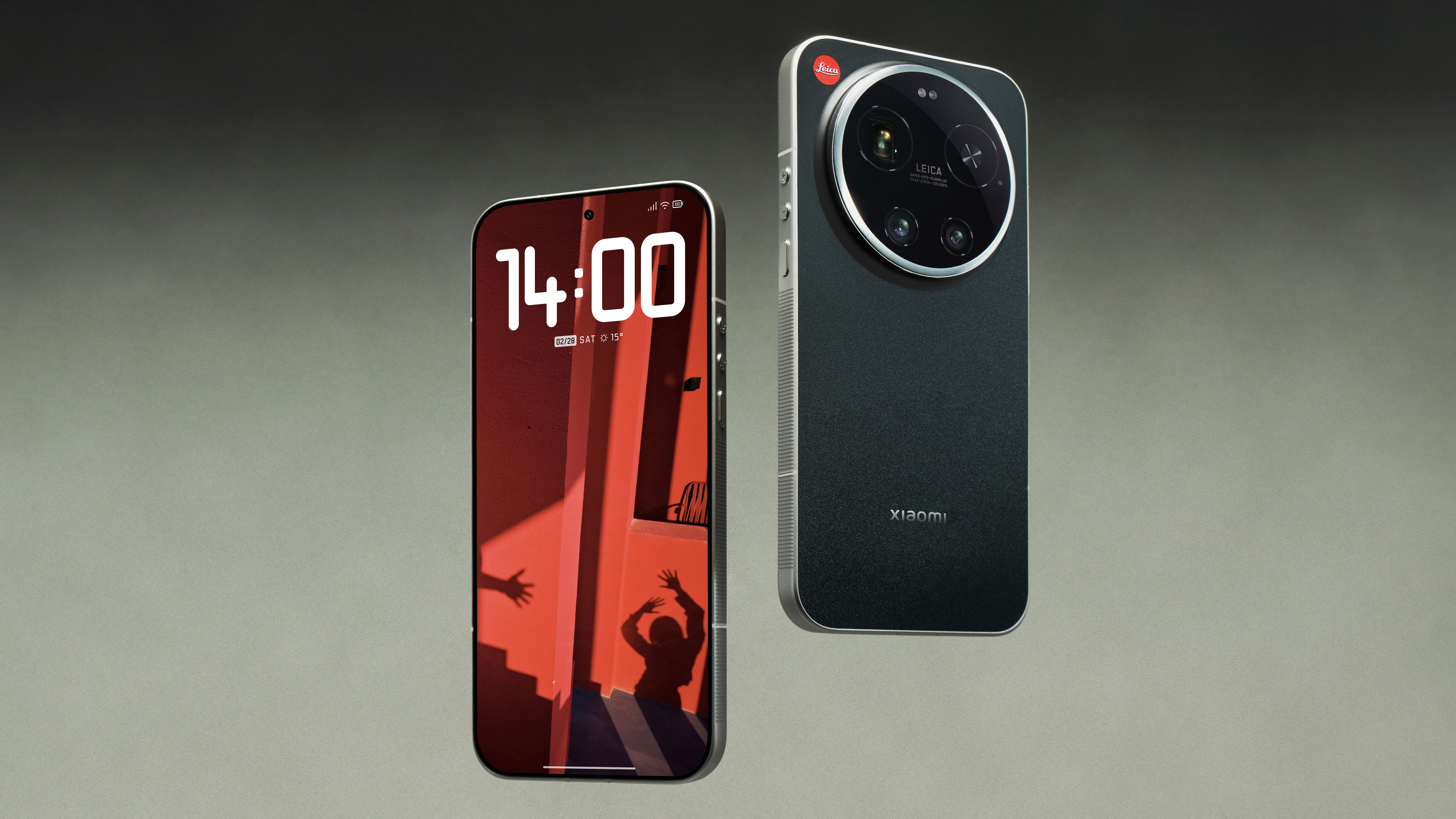
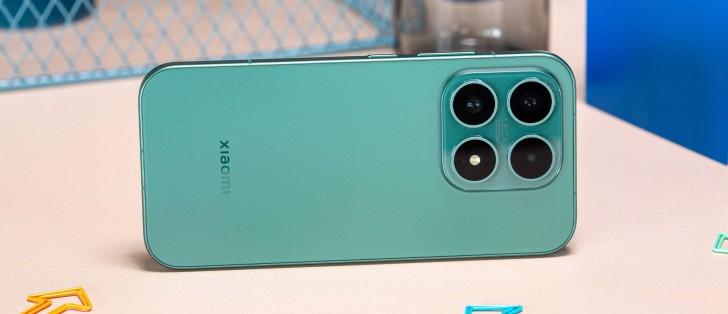
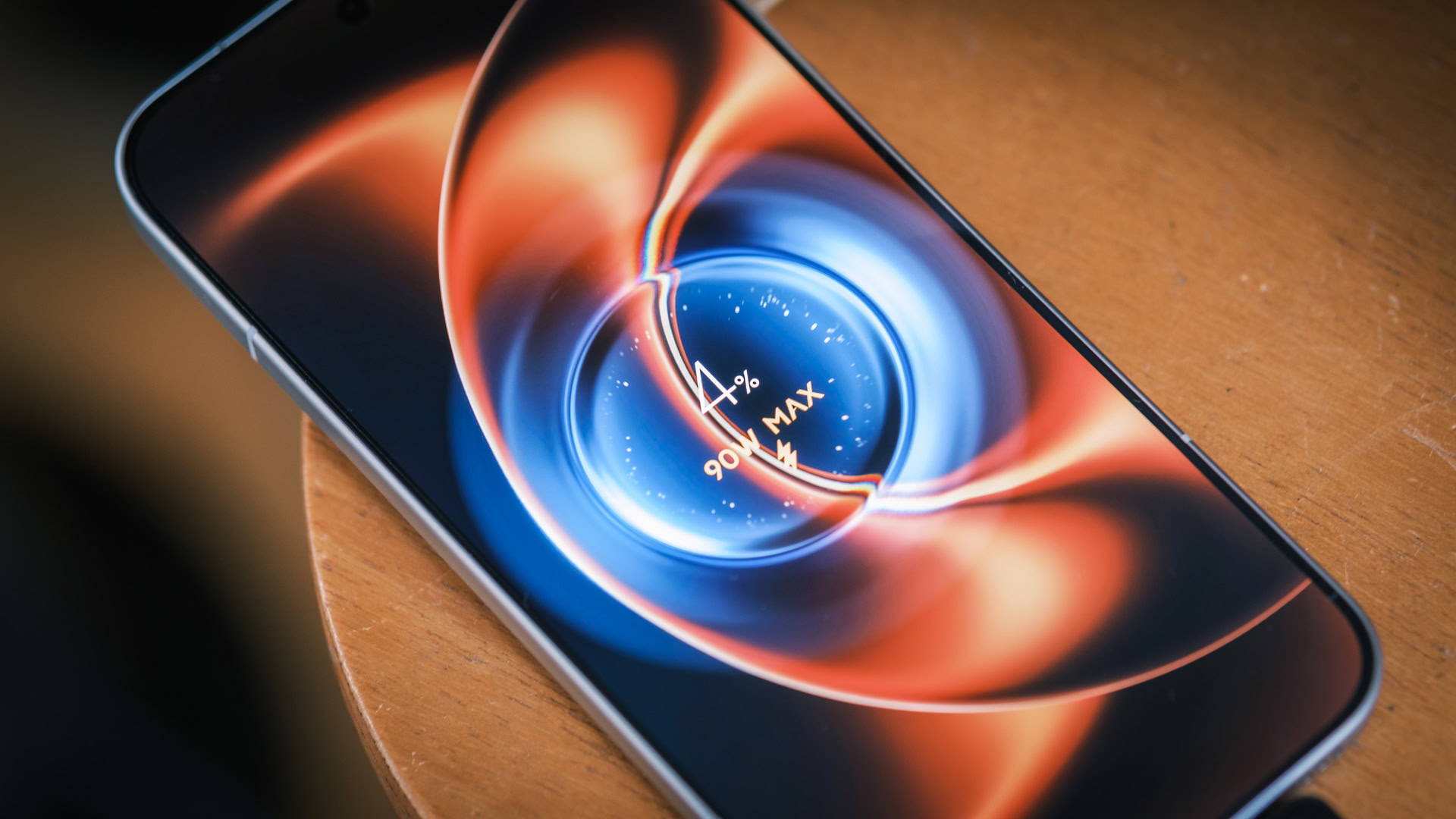
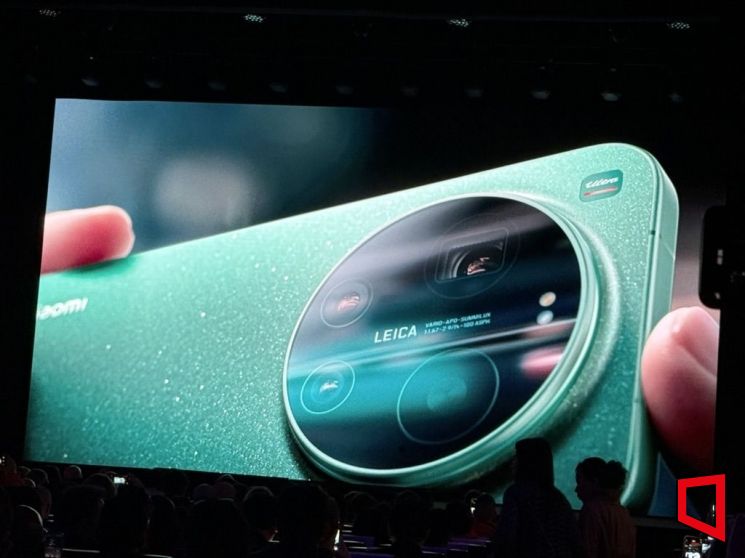
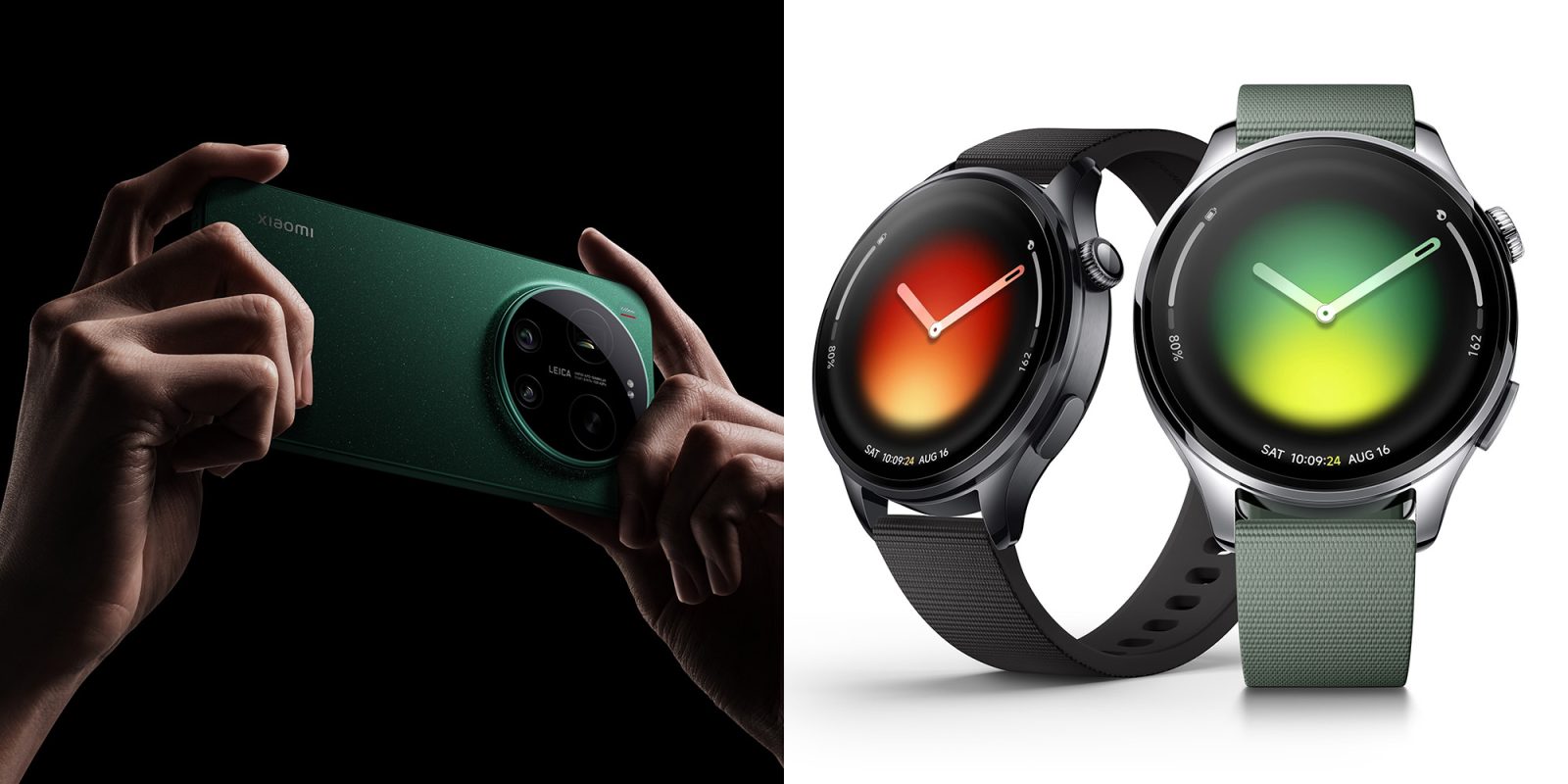
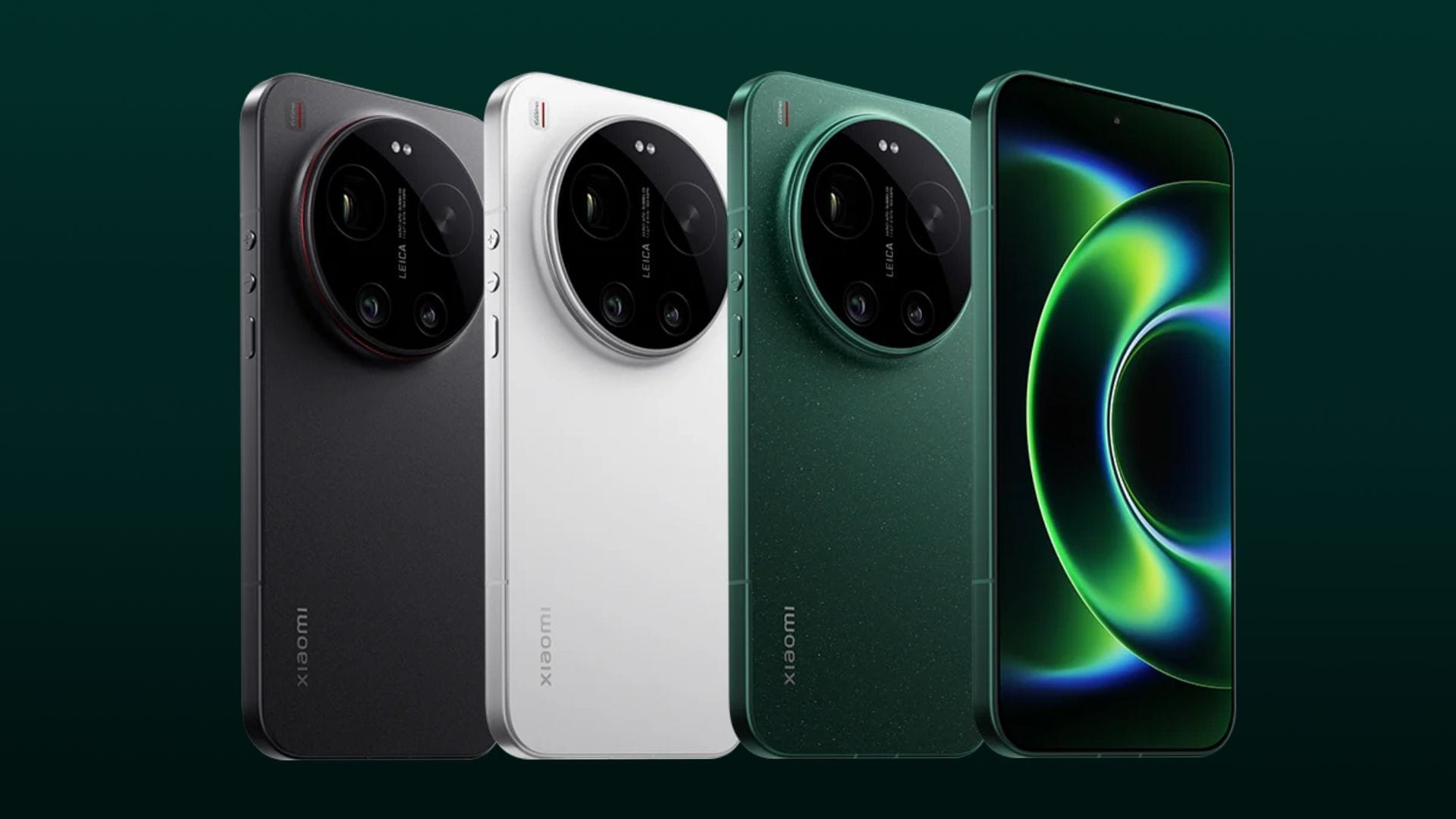
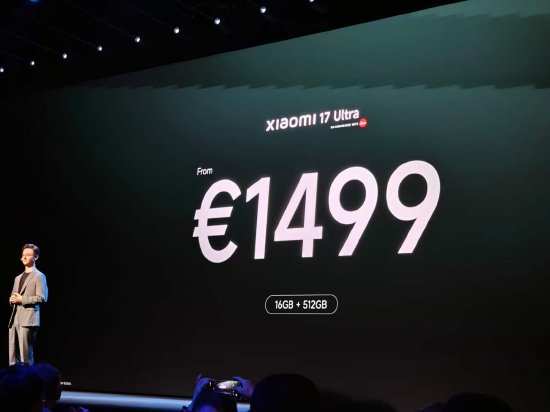
The smartphone market is experiencing unprecedented component cost inflation that fundamentally reshapes pricing strategies and creates distinct seller opportunities across premium and mid-range segments. Xiaomi's March 28, 2026 launch of the Xiaomi 17 (€999/$1,179) and 17 Ultra (€1,499) at Mobile World Congress Barcelona demonstrates a critical pricing decision: maintaining flagship prices despite memory chip costs surging 80-90% in Q1 2026. This strategy diverges sharply from competitors like Apple and Samsung, which can absorb cost increases through higher margins. According to IDC analyst Francisco Jeronimo, Xiaomi's revenue concentration in price-sensitive mid-range devices (where the majority of sales occur) prevents similar margin absorption, forcing the company to likely increase prices on low-to-mid-tier devices while protecting flagship positioning.
The broader industry context reveals significant seller opportunities in multiple categories. Gartner forecasts 13% smartphone price increases across 2026, while IDC predicts a 12.9% market decline due to chip shortages as manufacturers prioritize data center allocation for AI applications. This creates a bifurcated market: premium segment buyers (willing to pay €1,499+ for flagship devices) remain relatively price-insensitive, while mid-range buyers face margin compression and potential price increases. Xiaomi's 200% year-over-year EV business growth (now 25% of total revenue) signals manufacturer diversification away from smartphones—a critical insight for sellers sourcing components or competing in electronics categories. The September quarter showed 3% smartphone revenue decline for Xiaomi despite EV growth, indicating smartphone market saturation and shifting consumer priorities.
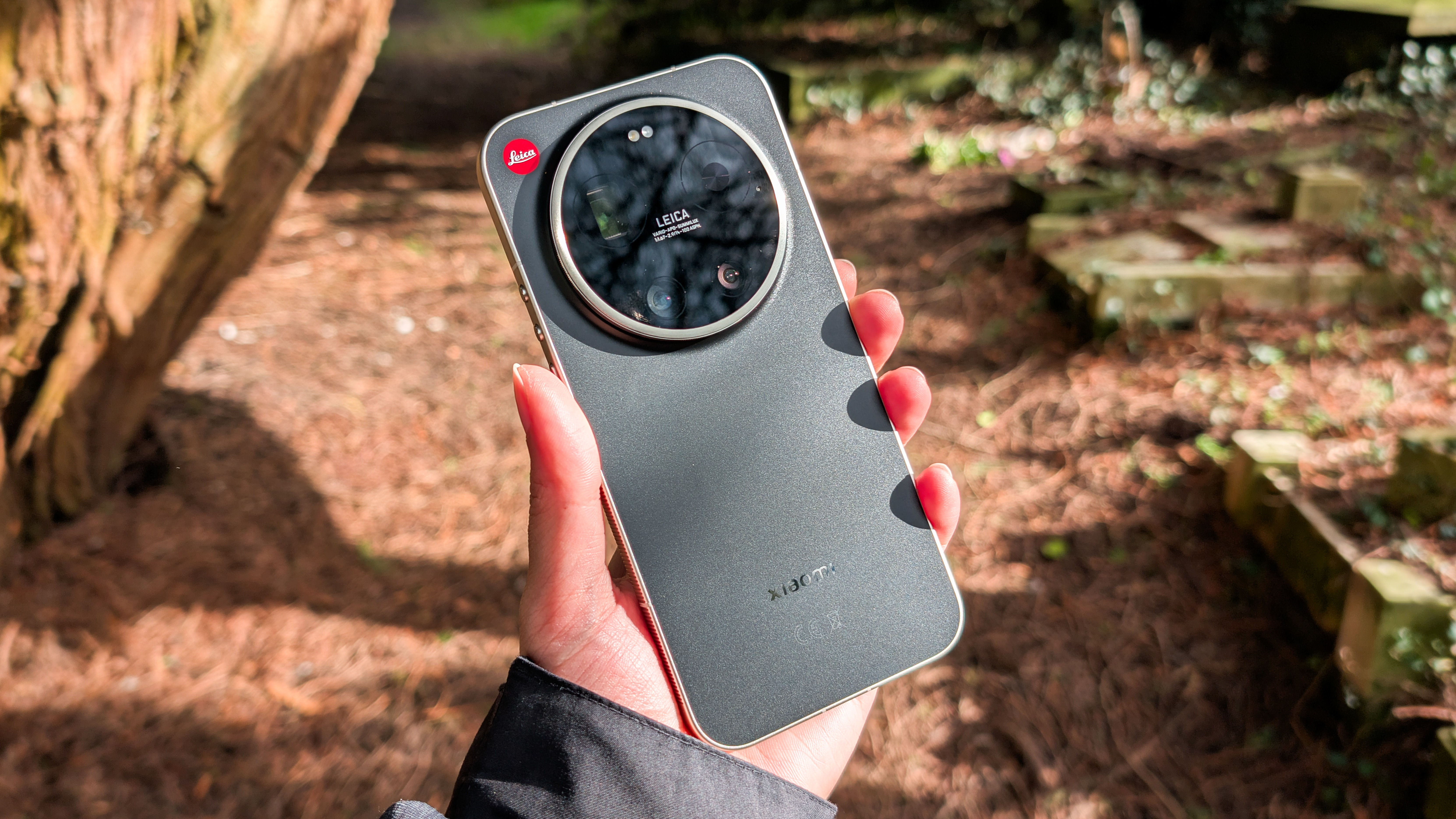
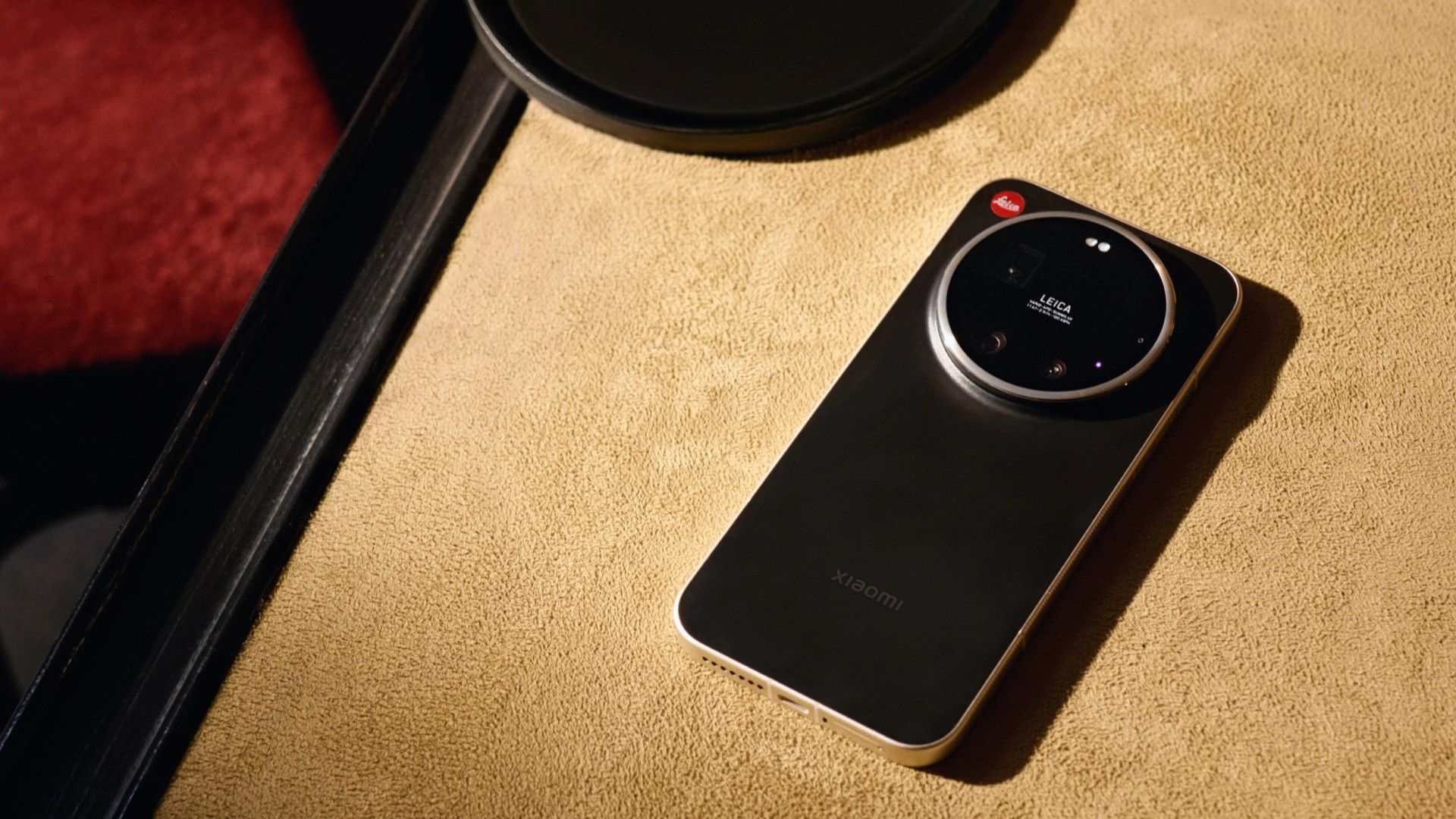
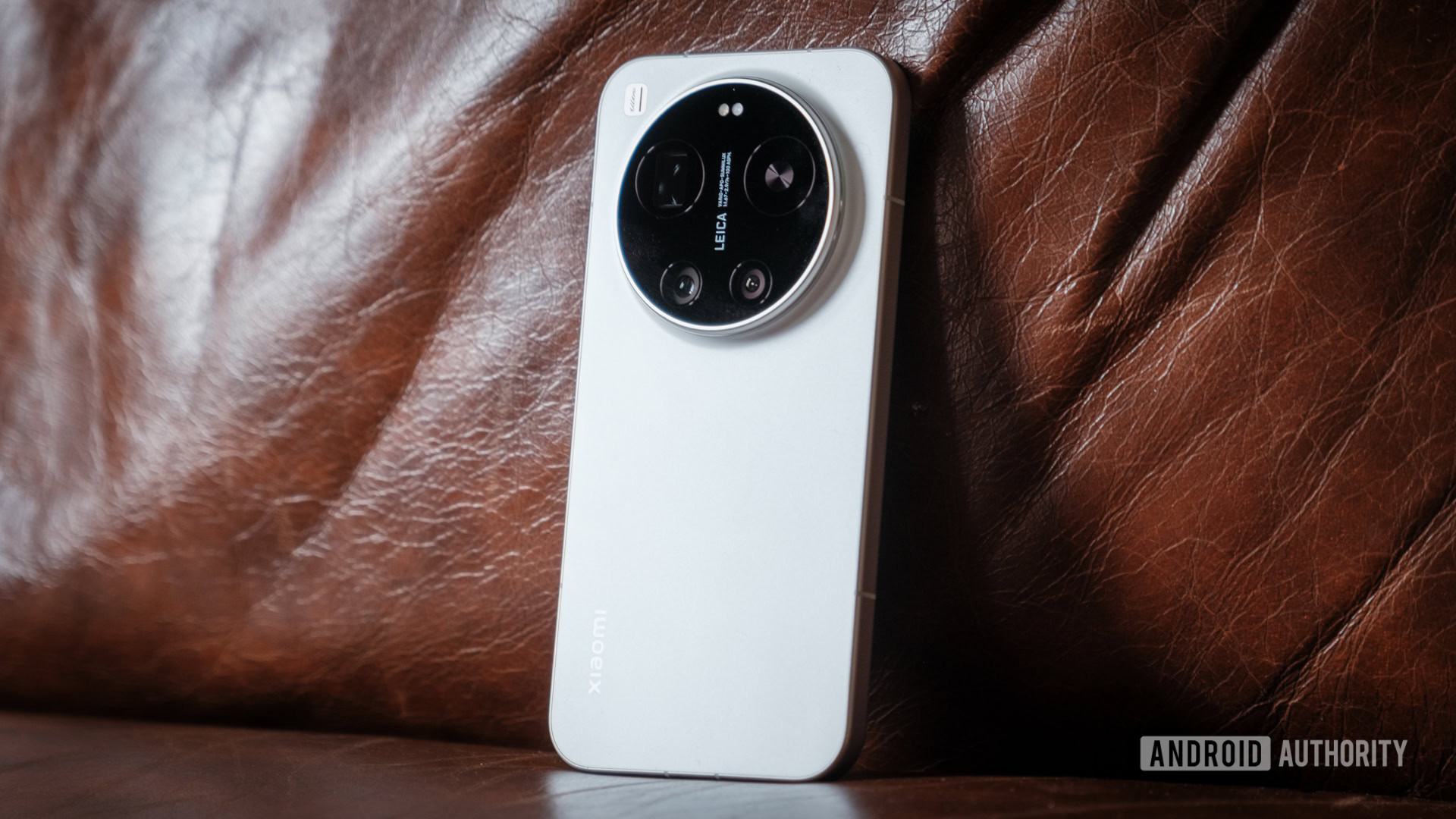
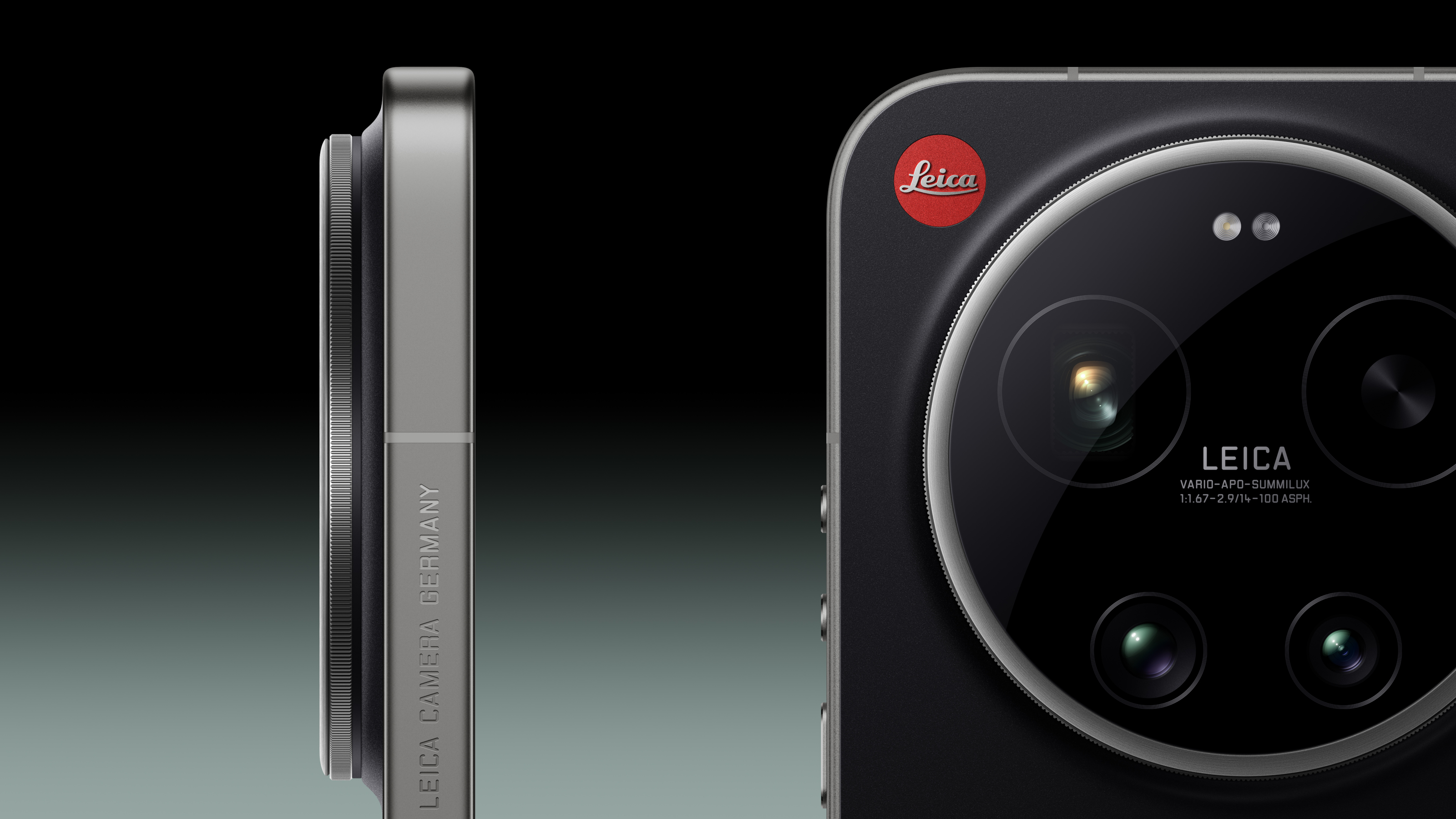
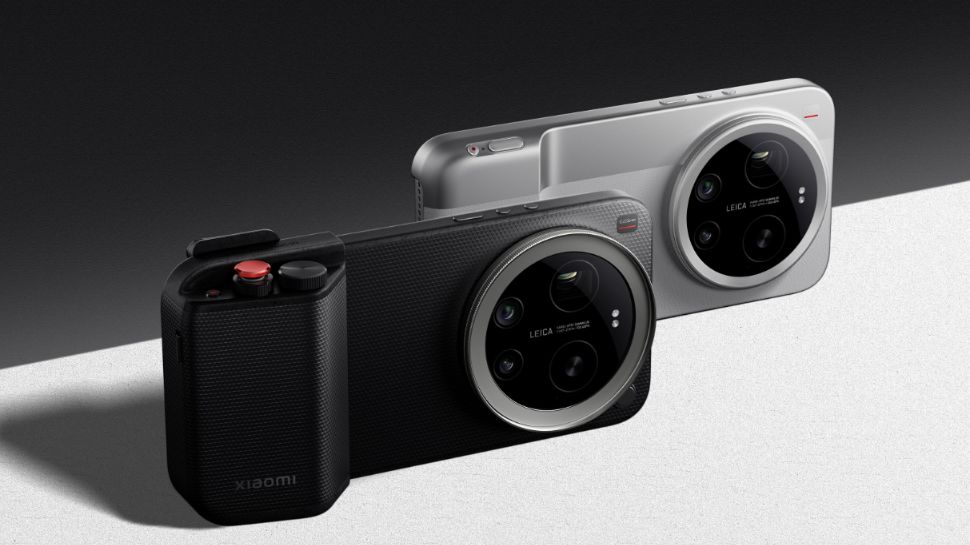
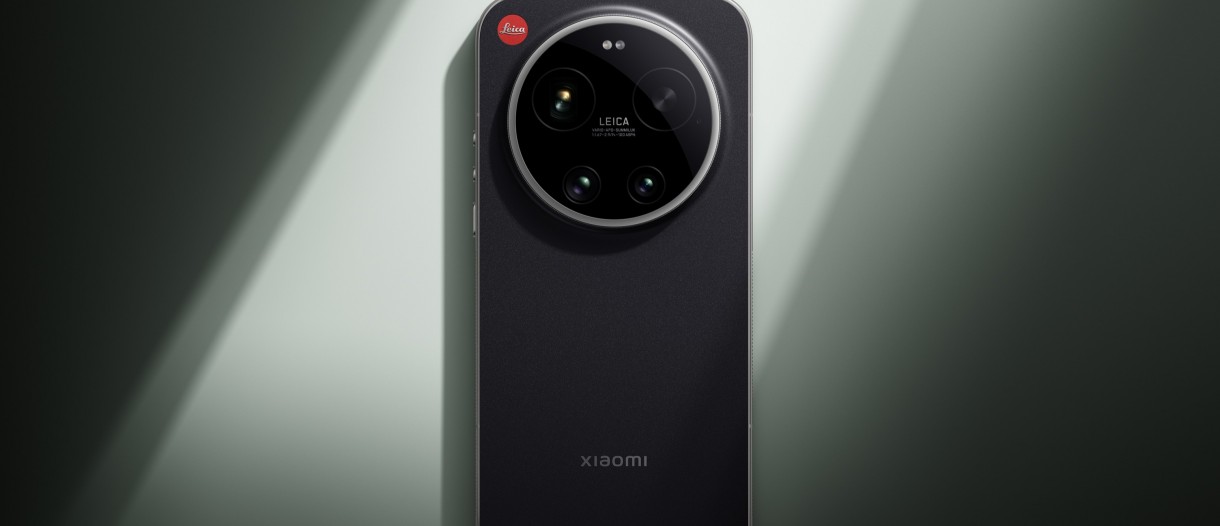
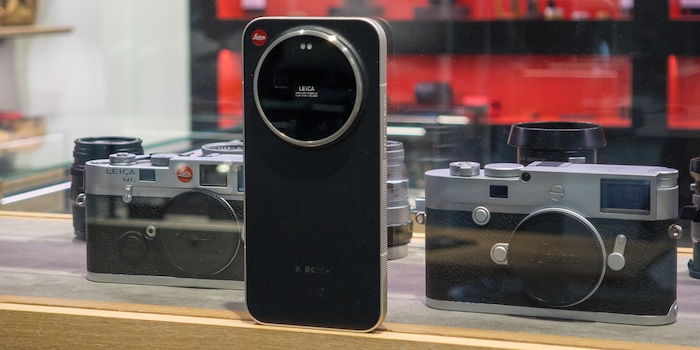
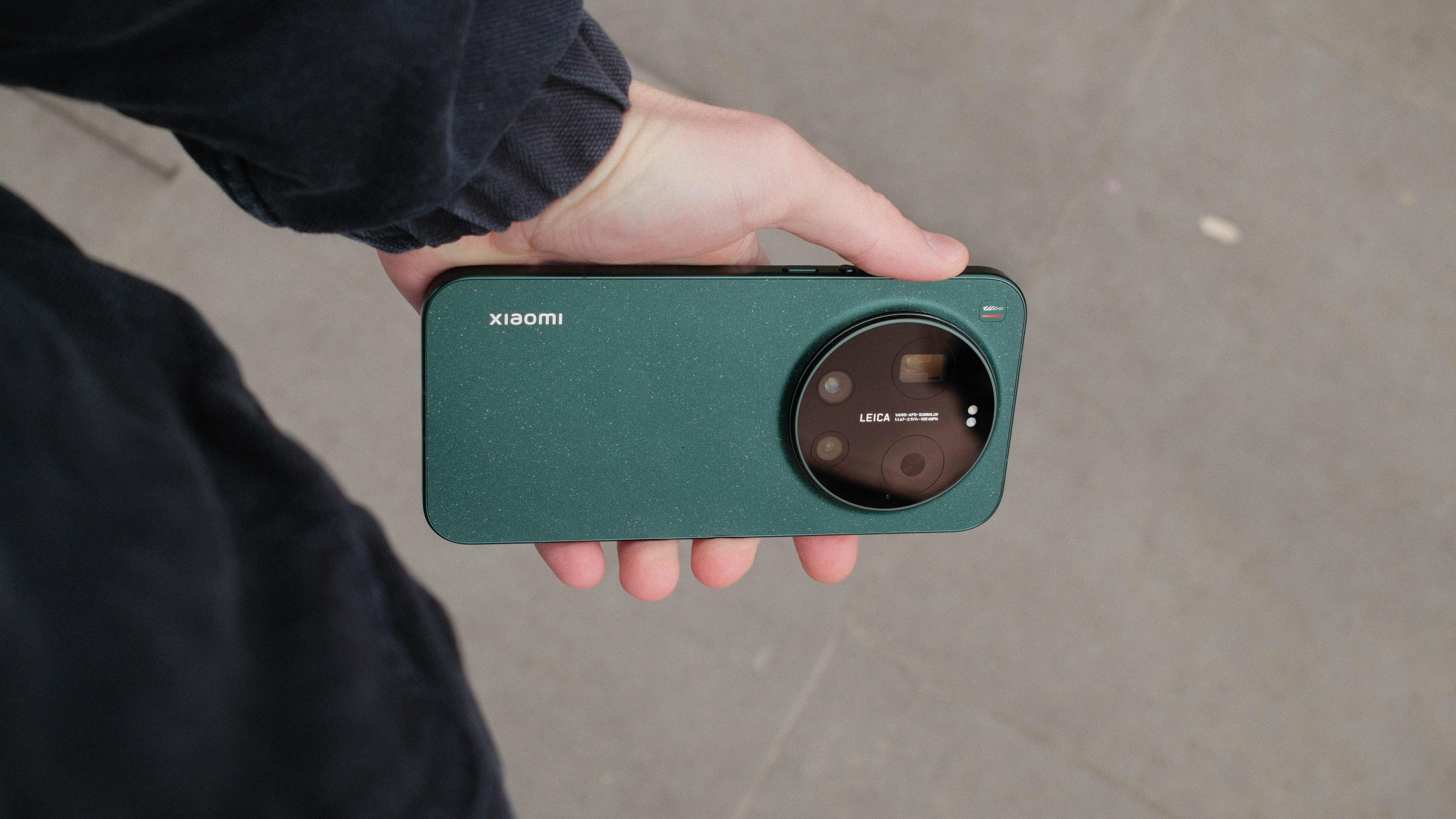
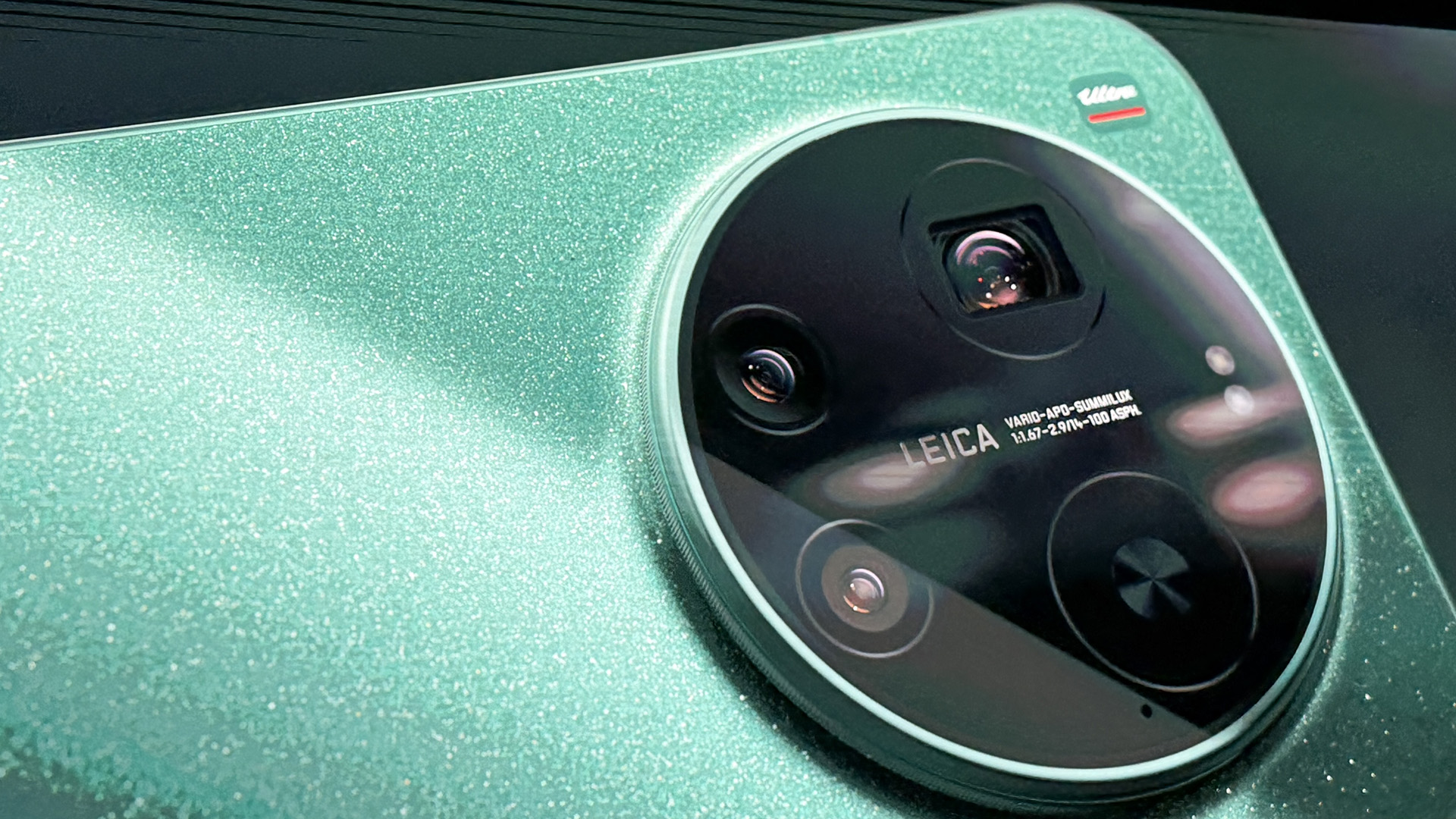
The Leica Leitzphone collaboration (CNET Editor's Choice award based on 2,000+ test photos) reveals a critical market trend: professional-grade smartphone capabilities are converging with dedicated camera equipment. The device features 8x hybrid zoom, DNG raw format support for Adobe Lightroom, Leica's signature Chrome color profile, and analog film stock replication (Monopan 50). This positions premium smartphones as legitimate professional photography tools rather than casual consumer devices. For sellers, this signals explosive growth potential in smartphone accessories (professional lenses, tripods, lighting), photography software bundles, and content creation tools. The professional photographer segment—historically underserved by smartphone marketing—now represents a high-value acquisition target with premium willingness-to-pay. Sellers can capitalize on this convergence through targeted content marketing emphasizing professional capabilities, bundling photography software with device sales, and positioning accessories as professional-grade tools rather than consumer gadgets.
Questions 8
Why does Xiaomi maintain flagship pricing while competitors raise prices?
Xiaomi's pricing strategy reflects its unique market position: unlike Apple and Samsung, which generate majority revenue from premium devices with high margins, Xiaomi depends on mid-range device sales vulnerable to price sensitivity. Francisco Jeronimo (IDC VP) noted Xiaomi lacks sufficient premium market share to offset low margins in other segments. Therefore, Xiaomi maintains flagship pricing to protect premium positioning while likely increasing prices on low-to-mid-tier devices. This bifurcated approach creates seller opportunities: target premium buyers with flagship accessories and professional tools, while offering value-oriented bundles for mid-range segments. Xiaomi's 200% EV business growth (25% of total revenue) also signals manufacturer diversification away from smartphones.
What professional photography features does the Leica Leitzphone offer?
The Leica Leitzphone (CNET Editor's Choice) features professional-grade imaging: 8x hybrid zoom, DNG raw format support for Adobe Lightroom post-processing, Leica's signature Chrome color profile, and analog film stock replication (Monopan 50). Reviewer Andrew Lanxon tested approximately 2,000 photographs across London and Edinburgh, confirming exceptional low-light performance, accurate color reproduction, and sharp details at maximum zoom. This convergence of smartphone and professional camera capabilities creates seller opportunities in photography accessories (professional tripods, external lenses, lighting), software bundles (Lightroom subscriptions, editing tools), and content creation equipment. Professional photographers represent a high-value segment with premium willingness-to-pay.