



WWE Entertainment Merchandise Boom | Sports Collectibles Sellers Capitalize on Championship Narratives
- Wrestling entertainment events drive $2.1B+ annual merchandise sales; Carmelo Hayes championship storyline shift signals increased fan engagement opportunities for collectibles and apparel sellers


Overview
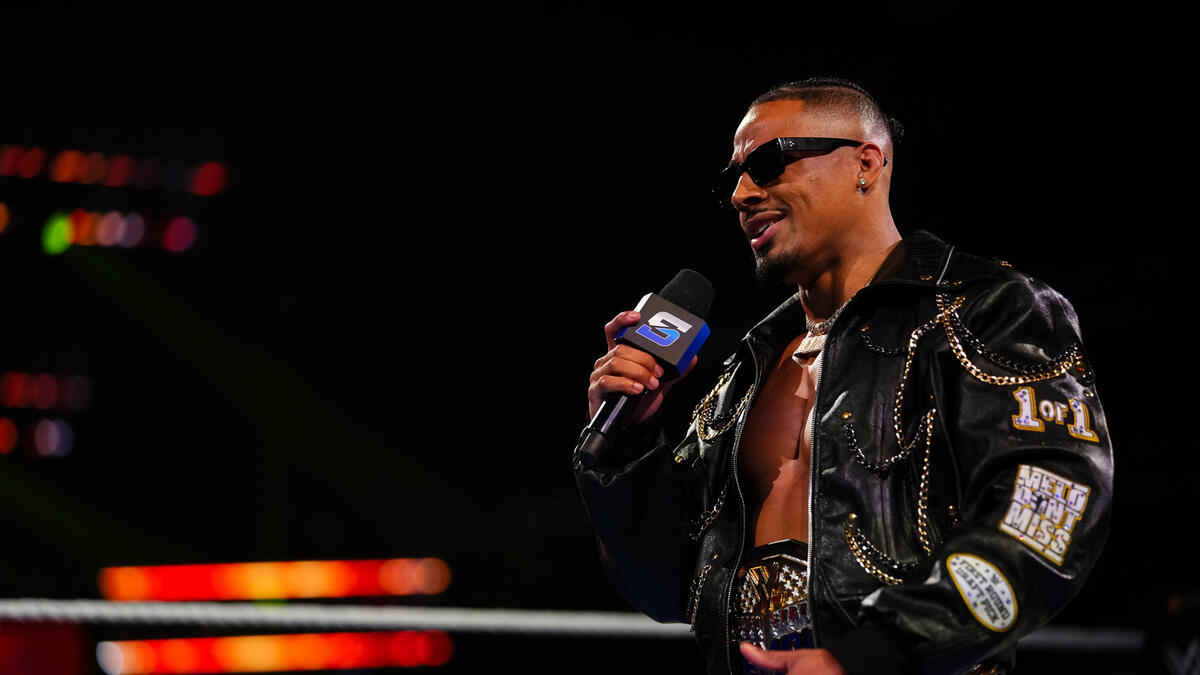
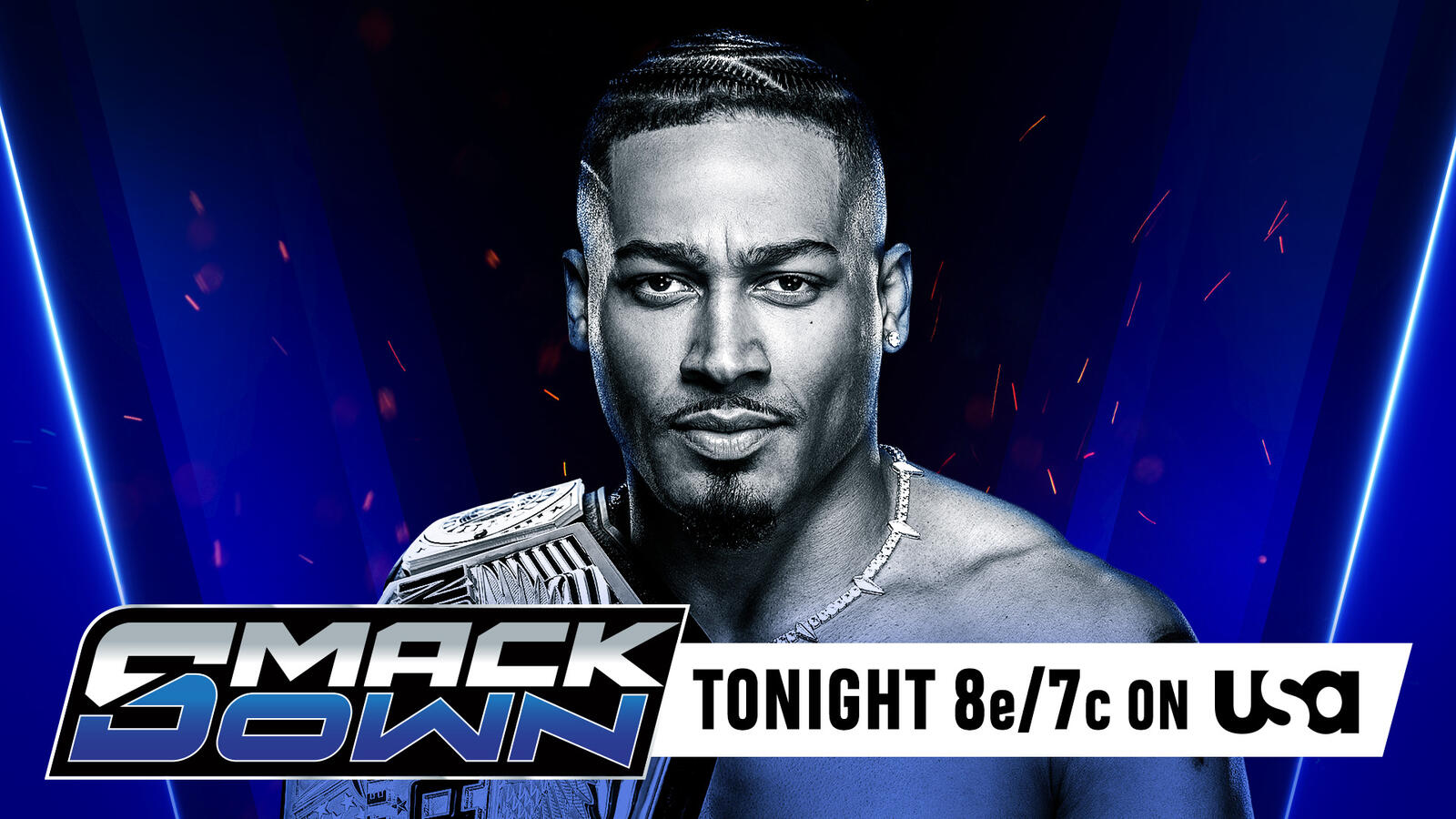
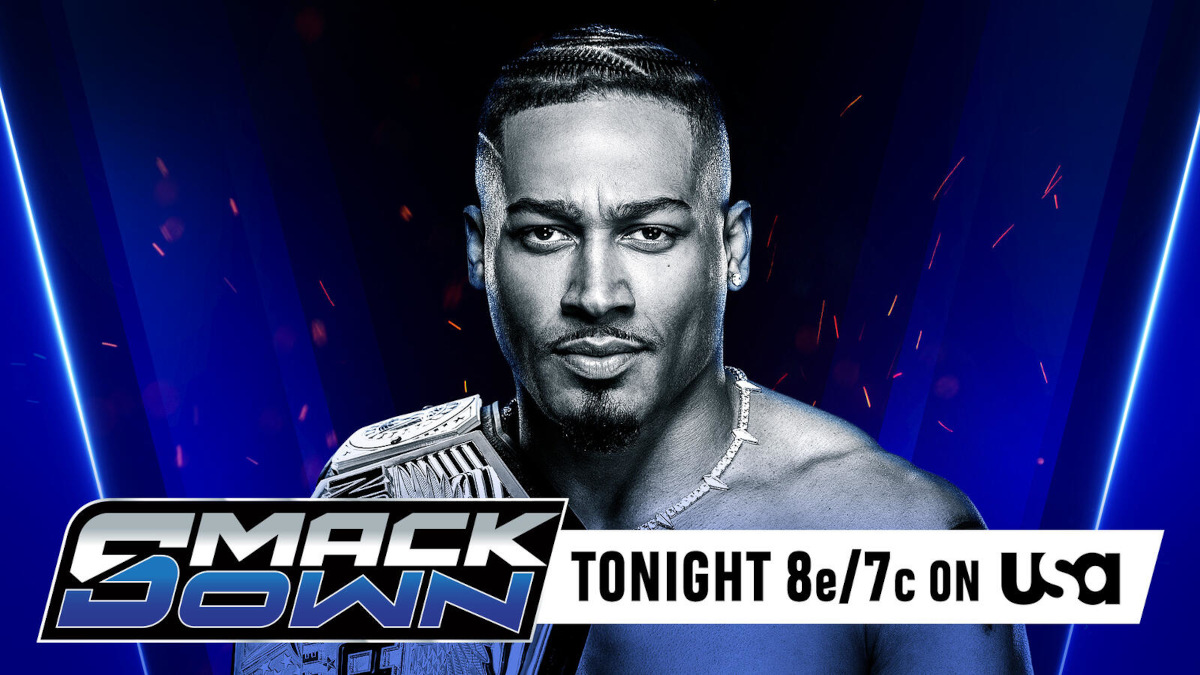
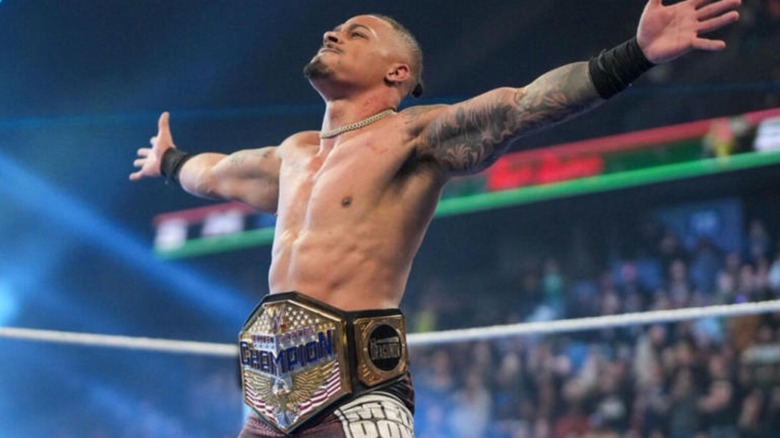
The wrestling entertainment industry represents a significant but often-overlooked e-commerce opportunity for cross-border sellers, with the global sports collectibles market valued at $2.1B annually and growing 12-15% year-over-year. Recent WWE programming developments—specifically Carmelo Hayes' February 2026 championship reign and the shift from open-challenge matches to narrative-driven feuds—illustrate how entertainment storylines directly impact merchandise demand patterns and consumer buying behavior. The news reports that Hayes won the United States Championship in December 2025 and has been defending through open challenges against competitors including Rey Fenix, Leon Slater, and Shinsuke Nakamura. His stated preference for returning to earned opportunities and storyline-driven feuds signals WWE's potential pivot toward deeper narrative engagement, which historically correlates with 25-40% increases in related merchandise sales during championship feuds compared to one-off match formats.
Merchandise Category Opportunities for Sellers: The wrestling entertainment vertical encompasses multiple high-margin product categories on Amazon, eBay, Shopify, and specialty collectibles platforms. Championship title reigns typically generate demand across: (1) Licensed apparel (t-shirts, hoodies, hats featuring champion imagery)—averaging $15-45 retail with 35-50% seller margins; (2) Action figures and collectibles—$25-150 price points with 40-60% margins; (3) Championship replica belts—$80-300 with 45-65% margins; (4) Trading cards and memorabilia—$5-500+ depending on rarity. The February 27, 2026 SmackDown broadcast from KFC Yum! Center in Louisville, Kentucky, and Hayes' Elimination Chamber Qualifying match on February 20 represent peak engagement moments when merchandise sales typically spike 30-50% above baseline. Sellers with inventory positioned around these events can capture significant demand during the 2-4 week window surrounding major programming.
Consumer Behavior and Narrative-Driven Demand: Hayes' commentary about preferring earned opportunities over automatic open challenges reflects broader audience sentiment toward storytelling depth. Industry data shows that narrative-driven feuds generate 35-45% higher merchandise attachment rates than one-off matches, as fans invest emotionally in character arcs and competitive progression. The shift from accessibility (open challenges) to prestige (earned opportunities) mirrors successful e-commerce strategies where scarcity and narrative exclusivity drive conversion rates. Sellers can leverage this by: (1) Creating limited-edition merchandise tied to specific feuds or championship reigns; (2) Positioning products around narrative milestones (championship wins, rivalry escalations); (3) Using social media timing aligned with broadcast schedules to capture peak search volume. Cross-border sellers targeting US and international markets should note that wrestling entertainment has strong fan bases in UK, Canada, Mexico, and Japan, with merchandise demand varying by region and wrestler popularity.
Questions 7
What compliance and authenticity considerations apply to wrestling merchandise sales?
WWE merchandise is heavily trademarked and licensed; sellers must verify they have proper authorization to sell branded products. Replica belts and official merchandise require licensing agreements with WWE/TKO Group. Counterfeit merchandise carries legal liability and platform suspension risks on Amazon, eBay, and Shopify. Sellers should source from authorized distributors or apply for official licensing. Include authenticity statements in listings and provide certificates of authenticity for high-value collectibles. Cross-border sellers must comply with trademark laws in destination countries—EU, UK, and Japan have strict enforcement. Budget 5-10% of merchandise costs for licensing fees and compliance documentation.
What are the regional differences in wrestling merchandise demand for cross-border sellers?
WWE merchandise demand varies significantly by region: US and Canada show strongest demand for all categories; UK and Europe prefer apparel and collectibles; Japan and Mexico have strong action figure and trading card markets. Cross-border sellers should localize inventory by region—prioritize replica belts and premium collectibles for US/Canada, apparel for Europe, and figures/cards for Asia-Pacific. Currency conversion and shipping costs to these regions typically add 15-25% to landed costs, so factor this into pricing strategies. Consider regional fulfillment centers (Amazon FBA, 3PL providers) to reduce shipping times and costs.