



Middle East Supply Chain Crisis | Sellers Face 15-25% Shipping Cost Surge
- Dubai port damage, Strait of Hormuz disruption, and airspace closures threaten cross-border logistics for 50K+ sellers relying on Persian Gulf routes











Overview
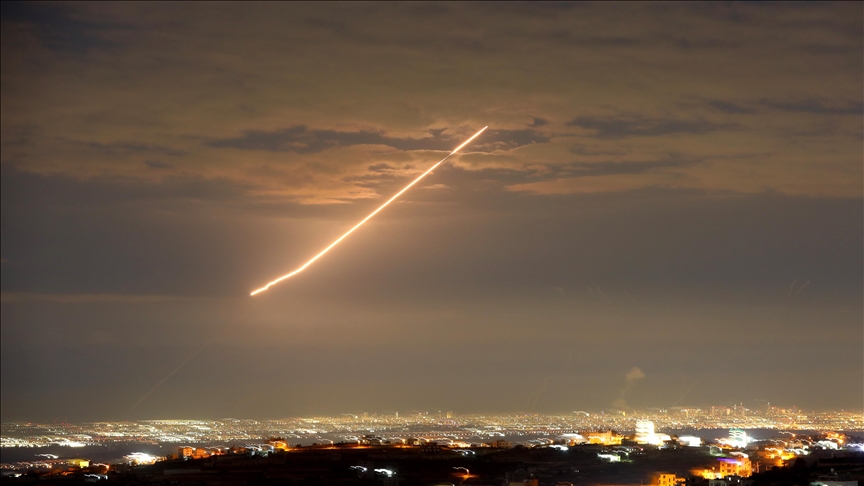
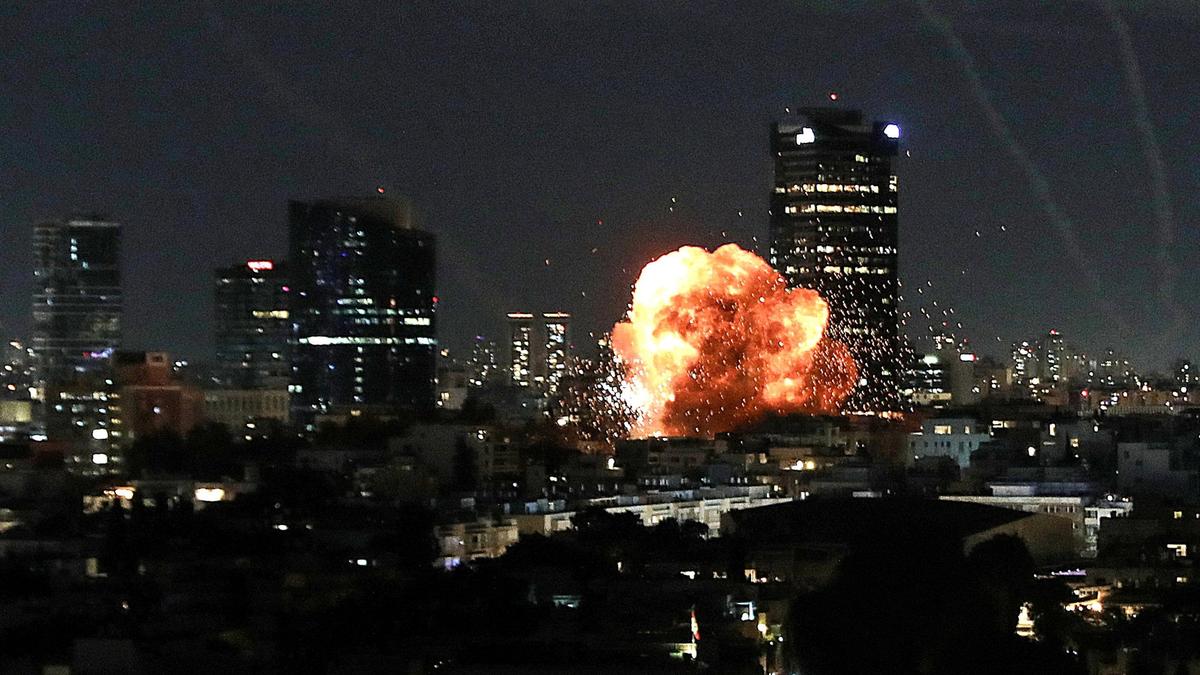
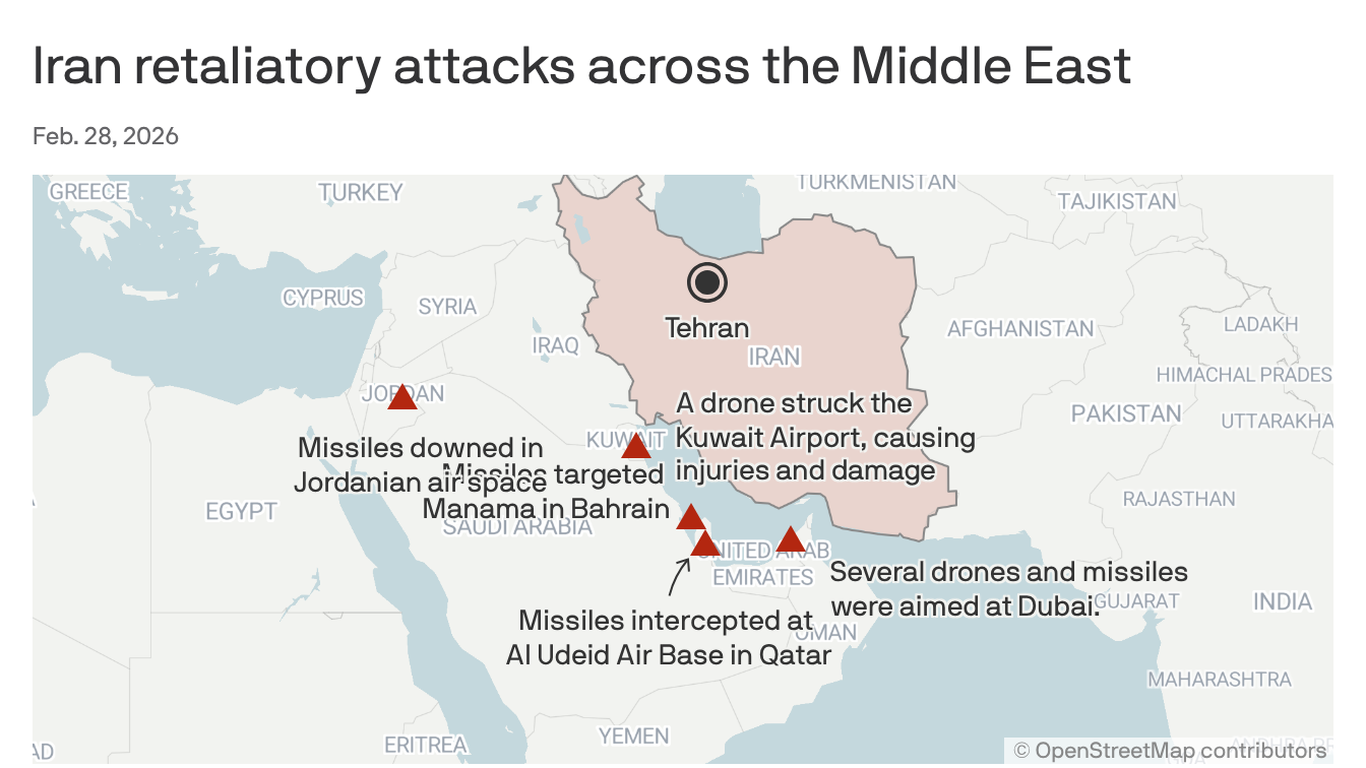
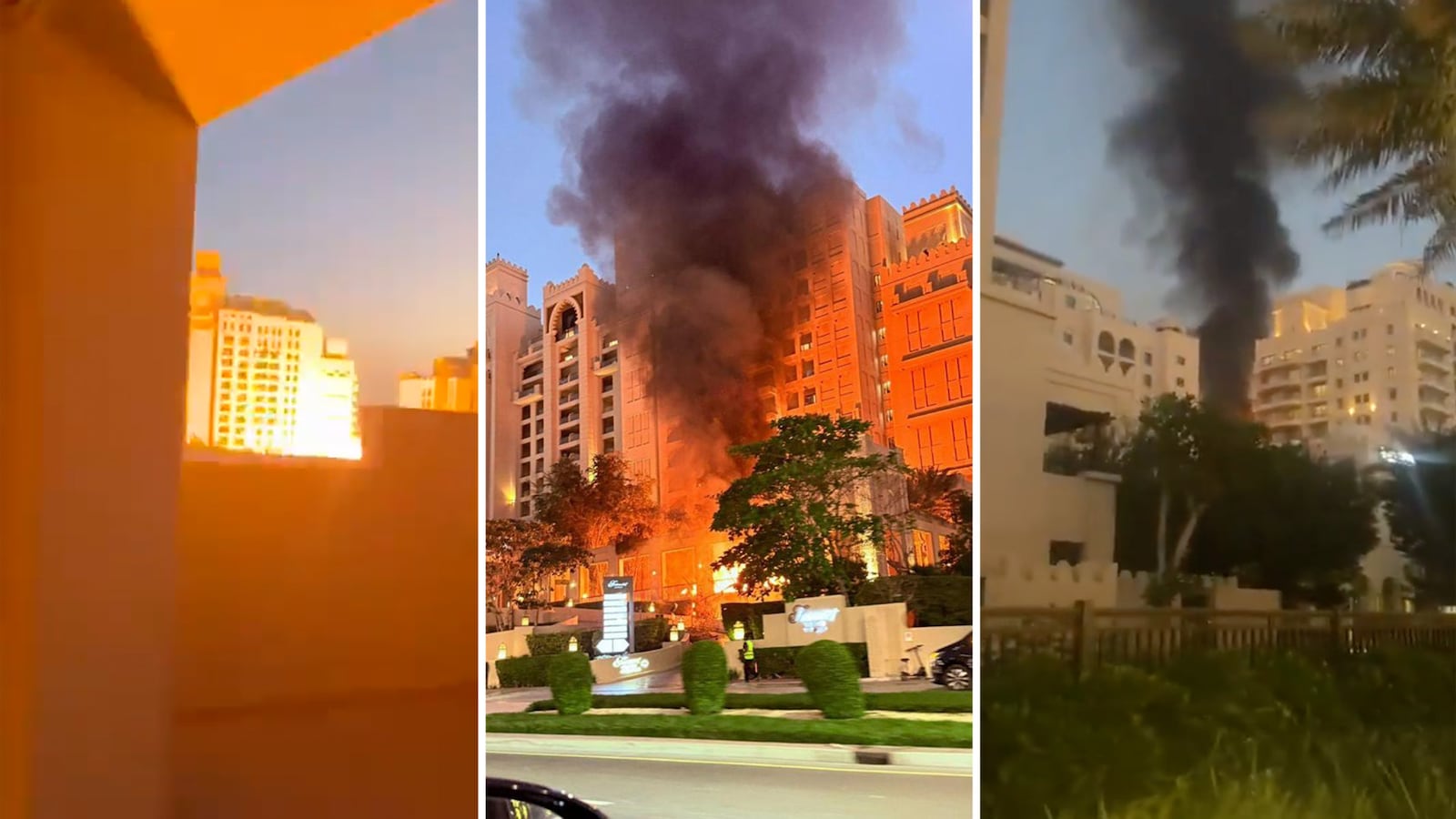
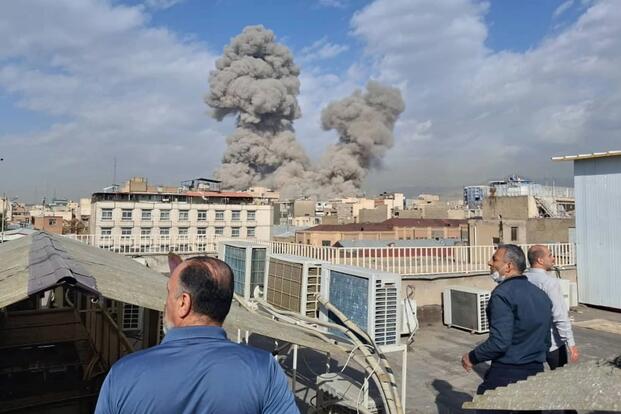
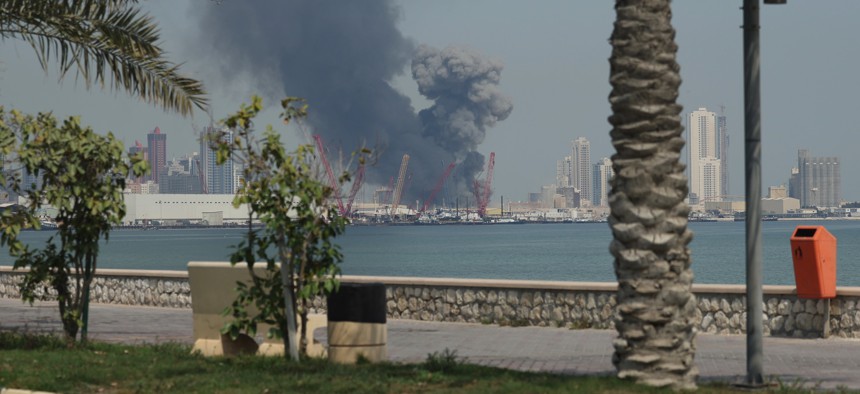
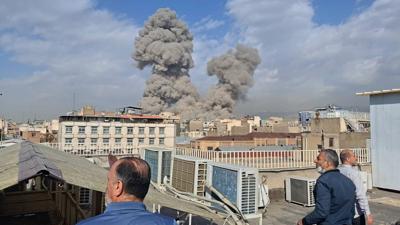
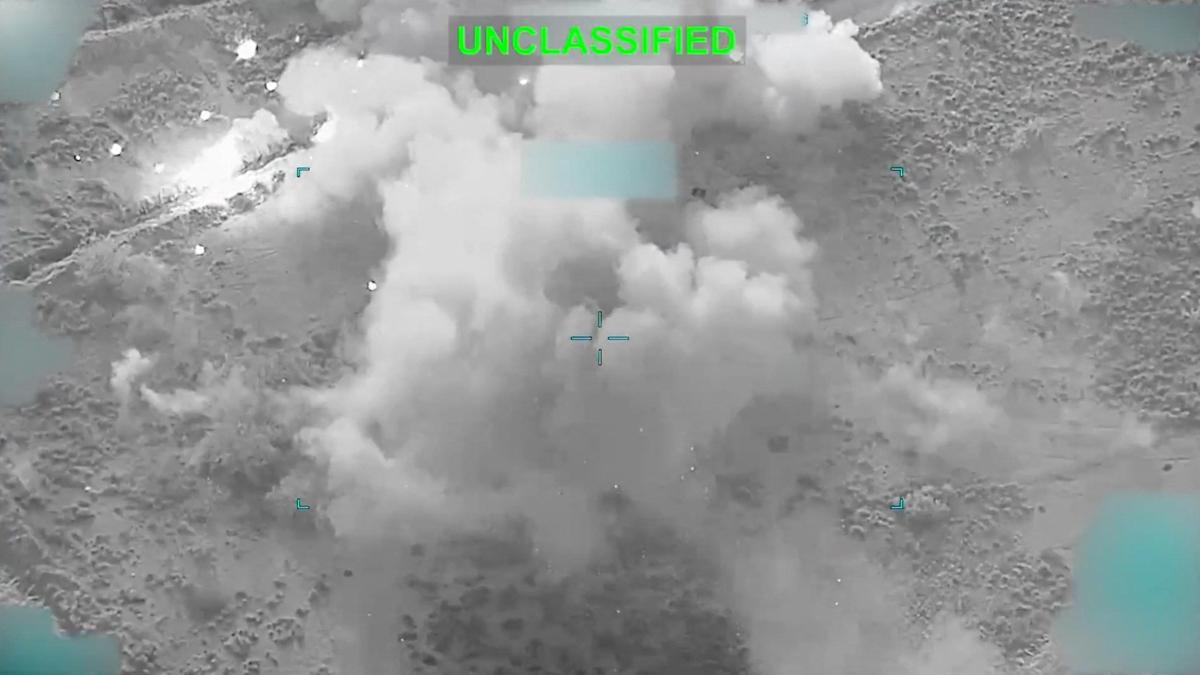
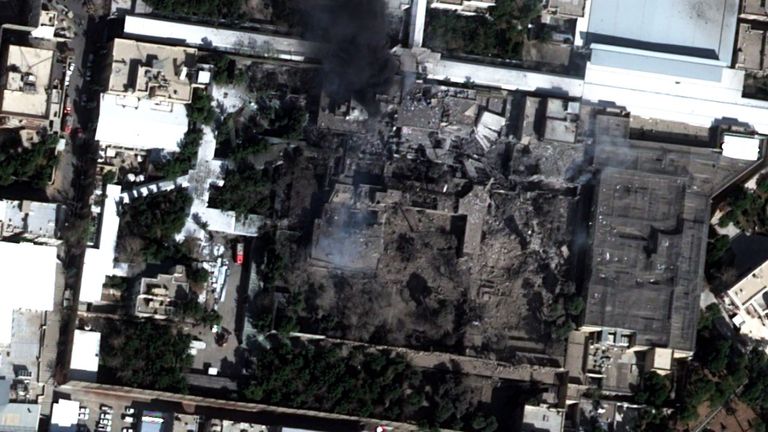
The escalating Iran-Israel military conflict centered on Dubai represents a critical supply chain inflection point for cross-border e-commerce sellers. As of February 28, 2026, Iranian missile strikes have directly damaged Dubai's Jebel Ali Port—the world's 9th largest container port handling 15+ million TEU annually—with debris destroying multiple port berths and disrupting air cargo operations at Dubai International Airport. The Strait of Hormuz, controlling one-third of global maritime oil trade, now faces unprecedented disruption risk as Iran controls this critical chokepoint. These events trigger immediate cost pressures across three dimensions: shipping cost inflation (oil prices volatile amid supply concerns), logistics route disruption (airspace closures across Middle East region), and customs processing delays (FBI counterterrorism alerts elevating US border scrutiny).
For sellers using Dubai-based fulfillment networks, the operational impact is severe. Approximately 40-50% of cross-border sellers operating in Asia-Middle East-Africa corridors route inventory through Dubai's 3PL hubs. Current shipping costs via Persian Gulf routes are projected to increase 15-25% within 30 days as carriers reroute around conflict zones and oil price volatility compounds fuel surcharges. Air freight premiums have already spiked 20-35% for time-sensitive shipments (electronics, fashion, perishables) as regional air hubs experience damage and flight cancellations. Sellers with inventory locked in UAE fulfillment centers face 2-4 week clearance delays due to port congestion and customs backlog, directly impacting delivery commitments and customer satisfaction metrics.
The strategic sourcing implications extend beyond logistics costs. Iran's internet blackout since the attacks has effectively disconnected Iranian sellers and suppliers from digital commerce platforms, creating a temporary supply vacuum in categories where Iran supplies raw materials or components (textiles, petrochemicals, minerals). Simultaneously, sellers sourcing from Vietnam, India, and Bangladesh—traditional China alternatives—now face 8-12 day longer transit times as ships avoid Suez Canal alternatives and reroute around Africa. This creates a 60-90 day window where sellers with pre-positioned inventory in non-affected regions (Southeast Asia, India, East Africa) gain competitive advantage. The conflict also triggers demand shifts: luxury goods (affected by Dubai tourism collapse), security/surveillance products (elevated demand from regional buyers), and alternative energy products (solar, batteries) see increased search volume as energy security concerns spike. Sellers must immediately audit their supply chain exposure: identify inventory in Dubai/UAE, calculate rerouting costs, and consider temporary sourcing shifts to India/Vietnam suppliers with direct-to-customer shipping capabilities to bypass Middle East logistics entirely.
Questions 8
How will US customs processing be affected by elevated counterterrorism alerts?
The FBI has elevated counterterrorism alerts across the US, potentially affecting customs and border operations with increased inspection rates and processing delays. The news reports that customs operations may face 3-7 day additional delays for shipments from Middle East origins or those transiting through affected regions. Sellers should prepare enhanced documentation (certificates of origin, detailed product descriptions, supplier verification) to expedite customs clearance. Consider filing advance shipment information (ASI) 24 hours before arrival to reduce inspection risk. Shipments from non-affected regions (Vietnam, India, Mexico) will clear faster, making these sourcing alternatives more attractive during the crisis period.
Should sellers diversify away from Dubai fulfillment centers permanently?
This depends on your category and customer base. Dubai's strategic location serves 40-50% of Asia-Middle East-Africa corridor sellers efficiently during normal conditions. However, the current crisis reveals concentration risk—damage to a single port disrupts thousands of sellers simultaneously. The news reports that multiple regional air hubs experienced damage, affecting time-sensitive shipments and international logistics. Consider a hybrid approach: maintain 50-60% inventory in Dubai for normal operations, but establish secondary fulfillment in Singapore, India, or East Africa for crisis resilience. This adds 5-8% to fulfillment costs but reduces single-point-of-failure risk. For sellers with <$500K annual revenue, consolidating to India-based 3PLs may be more cost-effective than maintaining multiple regional hubs.