



Diplomatic Sovereignty Unravels: UN Agency Confronts Unprecedented Territorial Violation
- Escalating Geopolitical Tensions Threaten Humanitarian Operations in Conflict Zones


































)










Overview
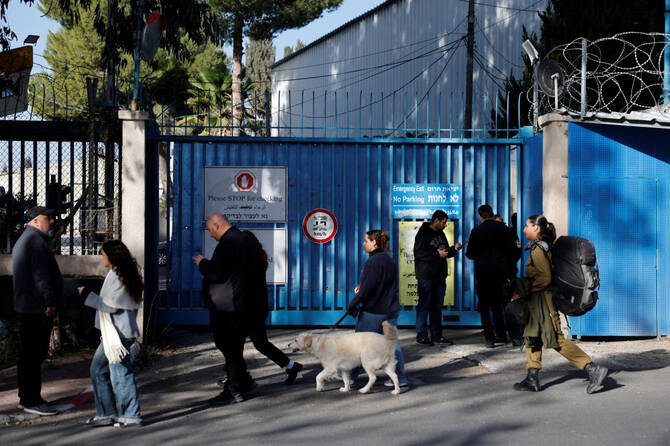
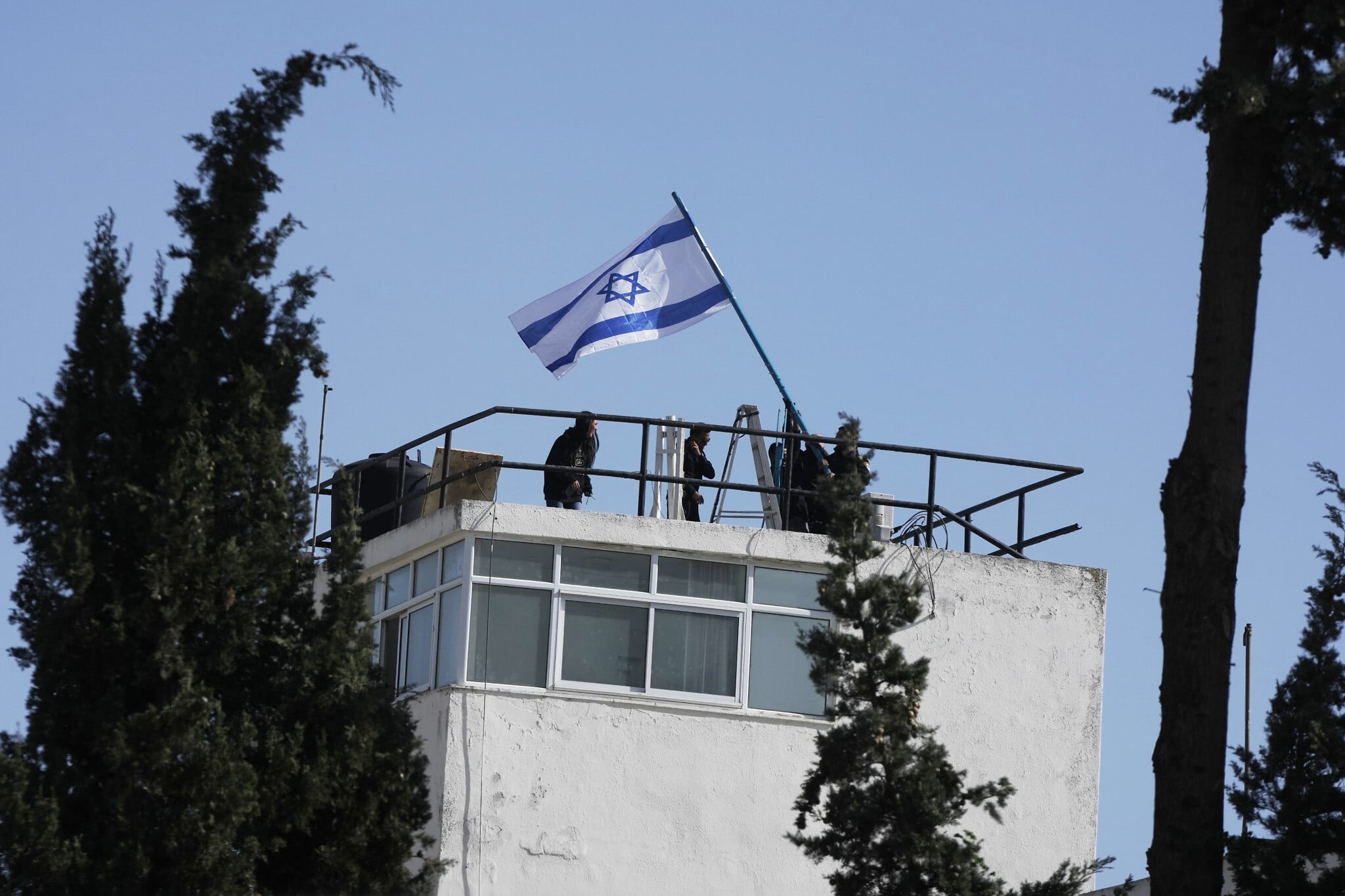
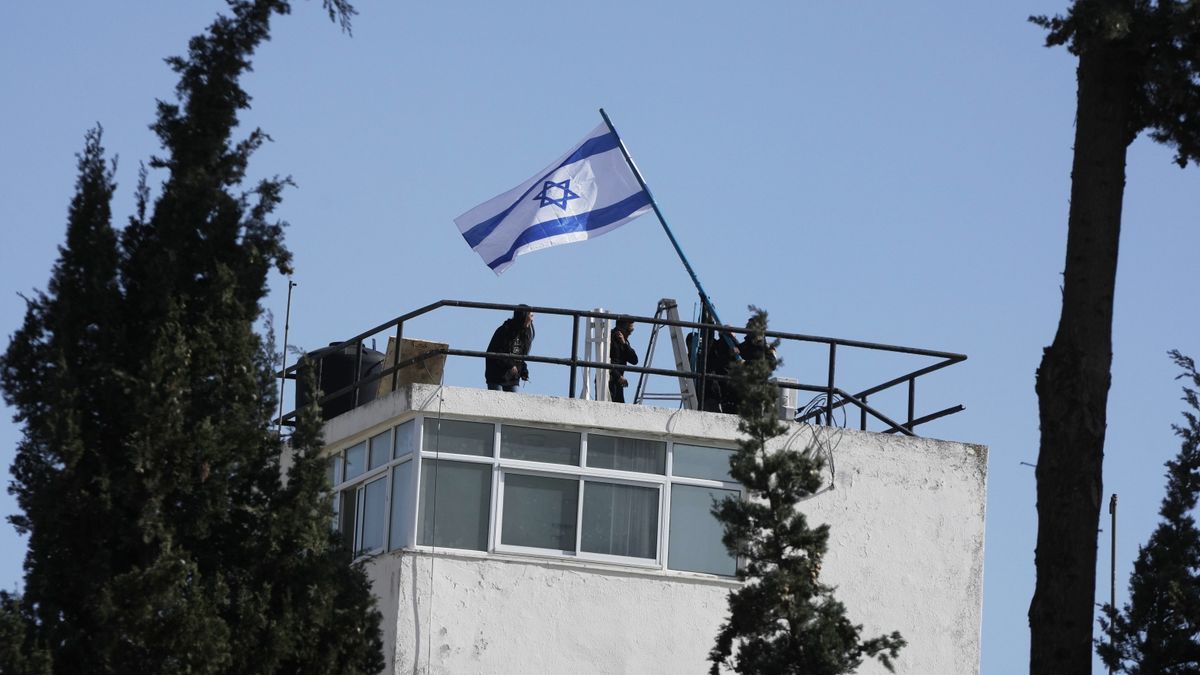
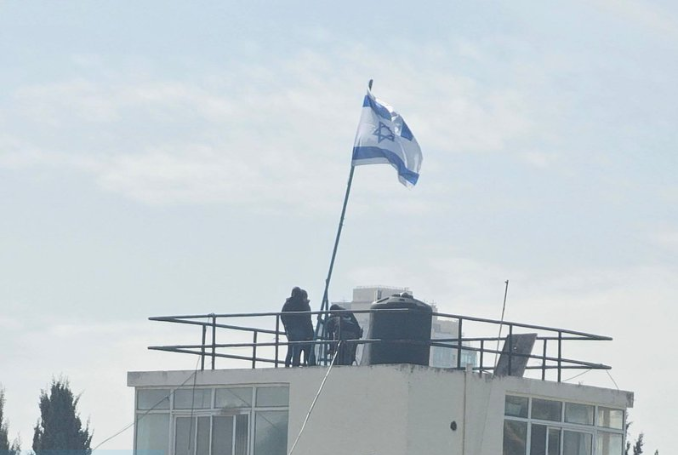
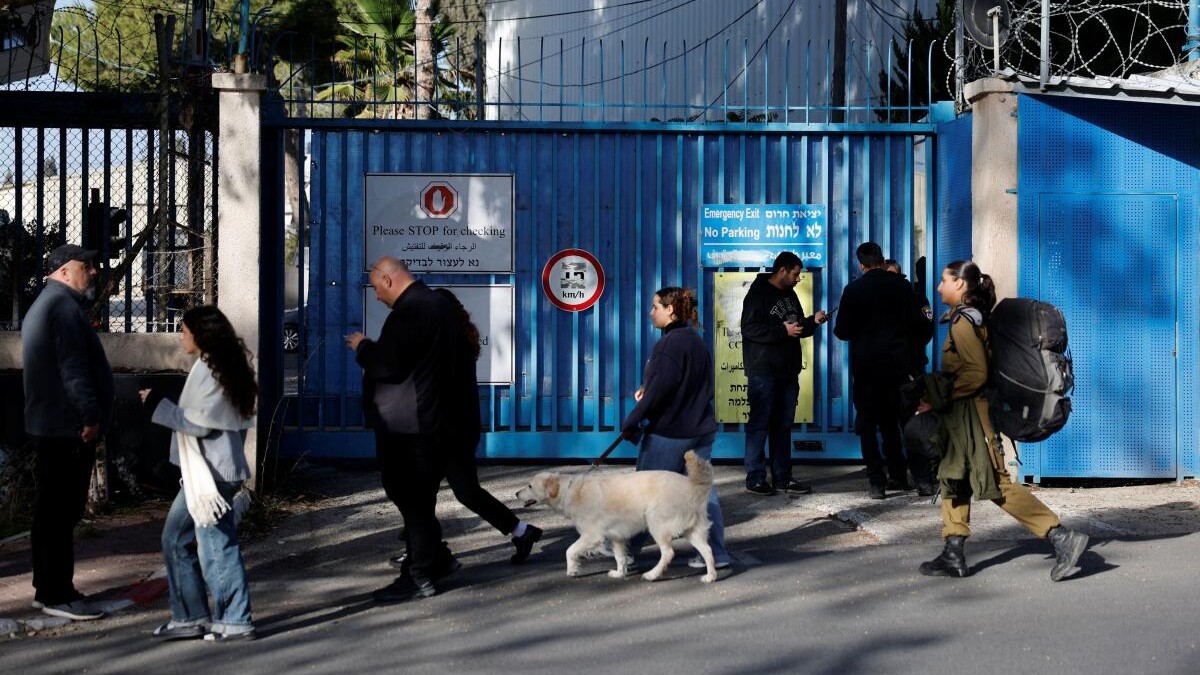
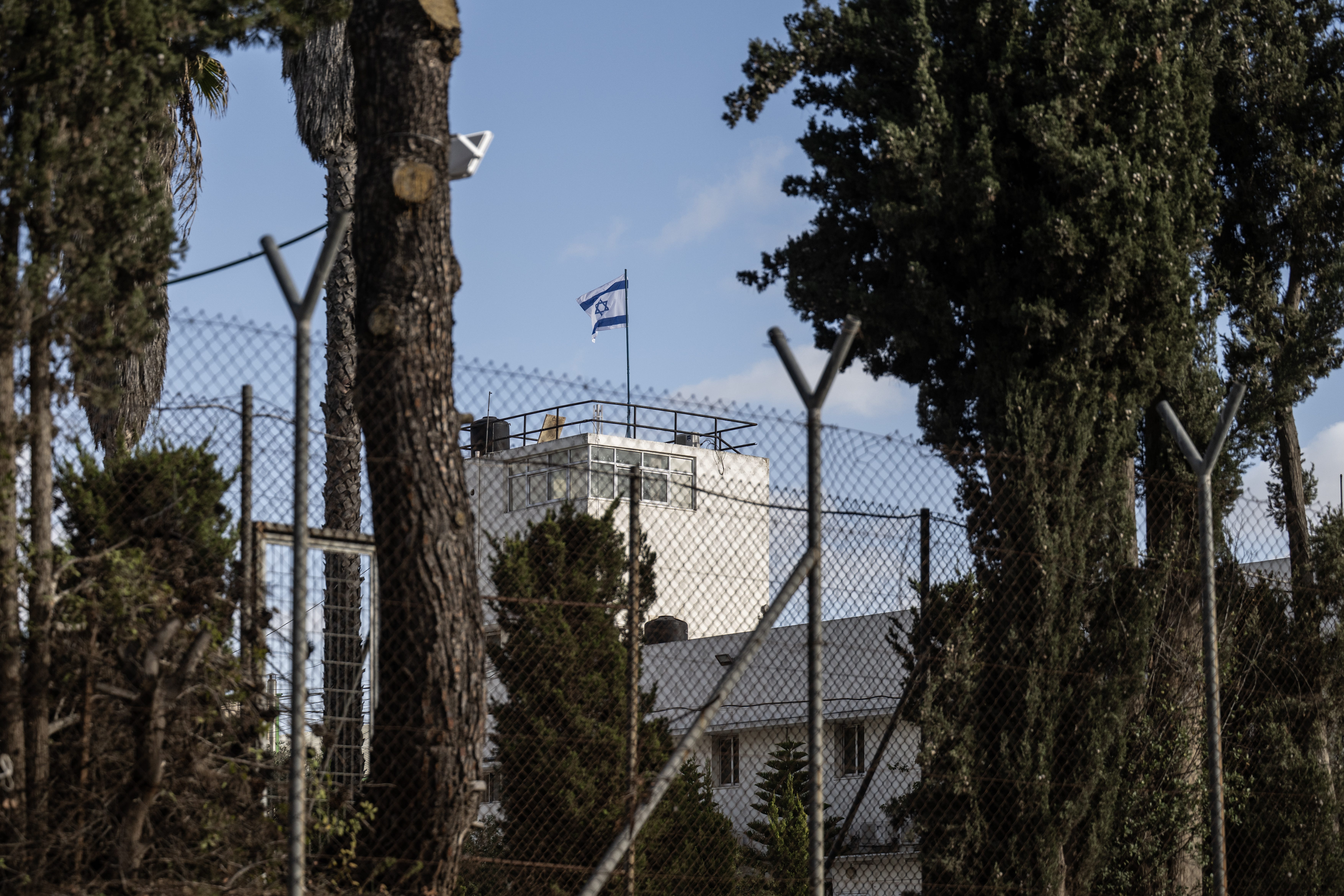
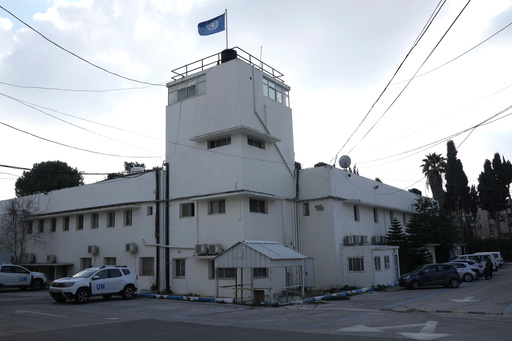
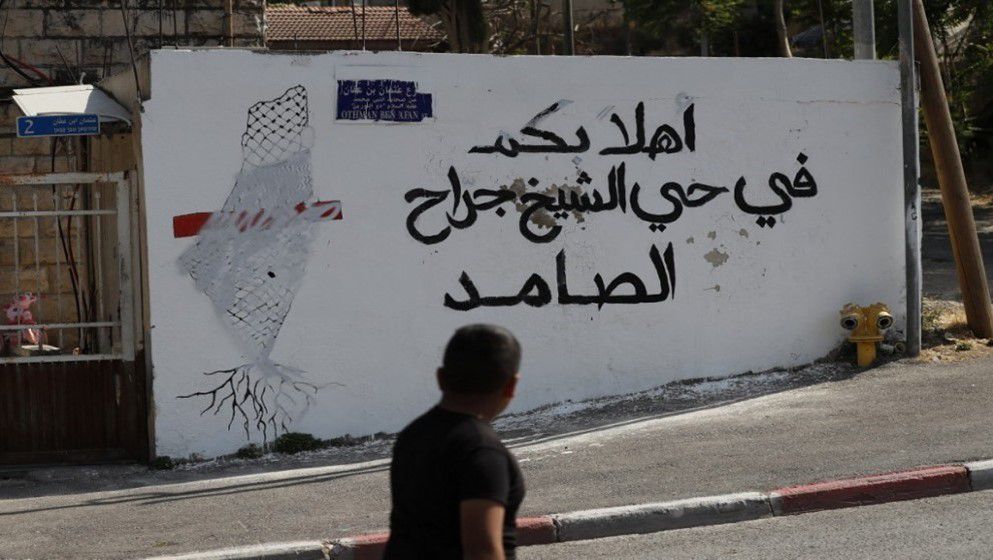
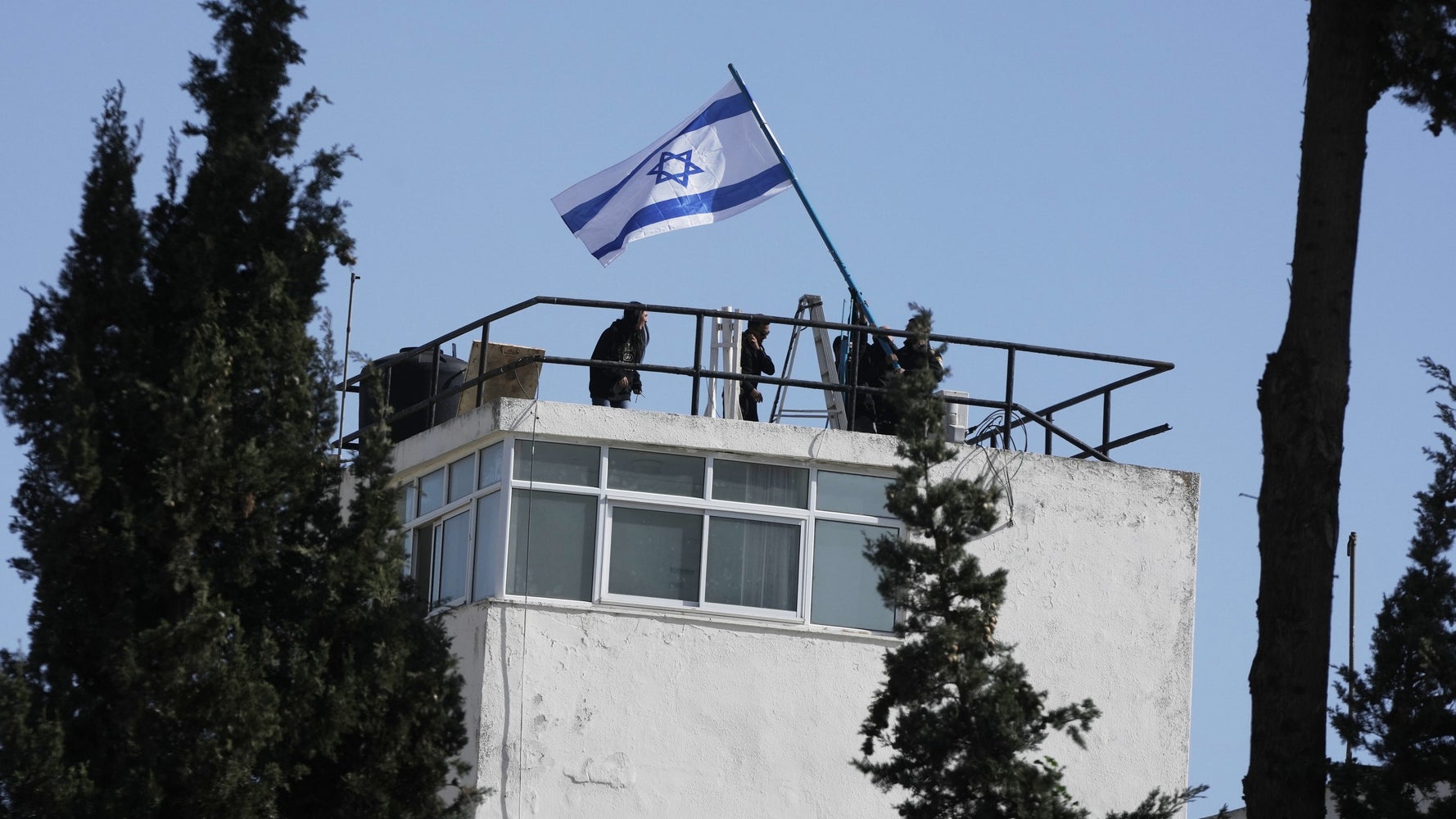
The raid on the United Nations Relief and Works Agency for Palestine Refugees (UNRWA) headquarters represents a critical inflection point in international humanitarian diplomacy, signaling a dangerous erosion of institutional protections in conflict-sensitive regions. On December 8, 2025, Israeli forces conducted an unprecedented violation of diplomatic immunity by forcibly entering the UNRWA compound in East Jerusalem, seizing equipment, and symbolically replacing the UN flag with an Israeli flag.
Systematic Institutional Undermining emerges as the core strategic concern. The raid is not an isolated incident but part of a calculated strategy to delegitimize UNRWA's operational status. Following months of escalating tensions, including harassment and legislative actions, Israel has systematically challenged the agency's foundational mandate. The International Court of Justice (ICJ) had previously found Israel's allegations against UNRWA employees unsubstantiated, yet the provocative action continues to undermine the organization's critical humanitarian mission.
The geopolitical implications are profound. With 70,365 people killed and 171,058 wounded in ongoing Gaza operations, UNRWA represents the primary lifeline for millions of Palestinian refugees. The United States' suspension of funding further compounds the institutional vulnerability, creating a perfect storm of diplomatic and humanitarian crisis. UNRWA's Commissioner-General Philippe Lazzarini's strong condemnation highlights the unprecedented nature of this territorial violation, which fundamentally challenges established international law and UN agency operational norms.
This incident reveals a broader trend of eroding institutional protections in conflict zones. By directly challenging UNRWA's sovereign status, Israel is effectively rewriting the diplomatic playbook, signaling that humanitarian organizations can no longer assume traditional diplomatic immunities. The strategic message is clear: institutional neutrality is increasingly fragile in high-tension geopolitical landscapes.
The long-term consequences extend far beyond this single compound. Humanitarian organizations worldwide must now reassess their operational security, potentially fundamentally transforming how international aid is conceptualized and delivered in contested territories. Diplomatic immunity, once considered sacrosanct, now appears negotiable—a shift with potentially catastrophic implications for global humanitarian infrastructure.
Questions 3
What diplomatic responses are likely following this territorial violation?
Expect intense diplomatic pressure through UN channels, potential emergency Security Council meetings, and increased international scrutiny of Israel's actions. The ICJ's previous finding of unsubstantiated allegations provides additional leverage for diplomatic counterarguments.
How might this incident impact future UN agency operations in conflict zones?
This raid sets a dangerous precedent challenging diplomatic immunity. Humanitarian organizations may need to reassess their security protocols, potentially limiting their ability to operate in high-tension regions and fundamentally transforming international aid delivery strategies.