






Middle East Supply Chain Crisis: Strait of Hormuz Closure & Logistics Rerouting Impact on Cross-Border Sellers
- Strait of Hormuz shutdown disrupts 20% of global oil supply; 1,000+ flight cancellations strand hundreds of thousands; Dubai/Abu Dhabi/Doha hubs process 90,000+ daily passengers; air freight costs surge 15-25%; sellers face 2-4 week shipping delays and 8-12% fulfillment cost increases









































Overview
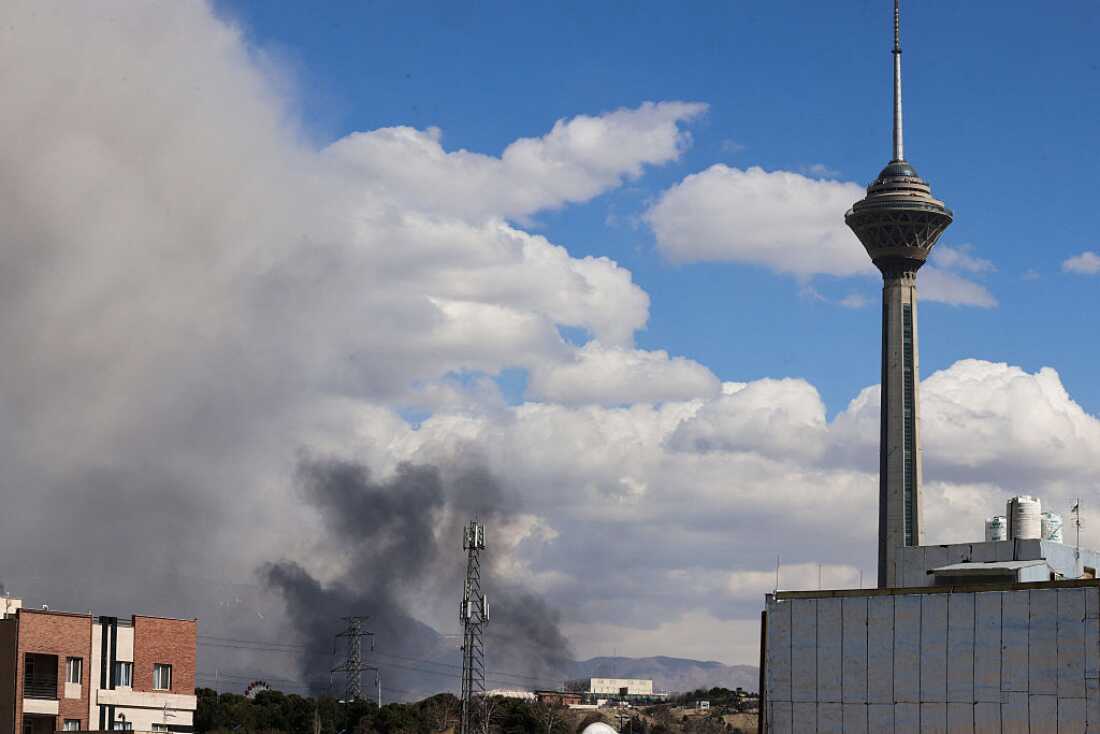
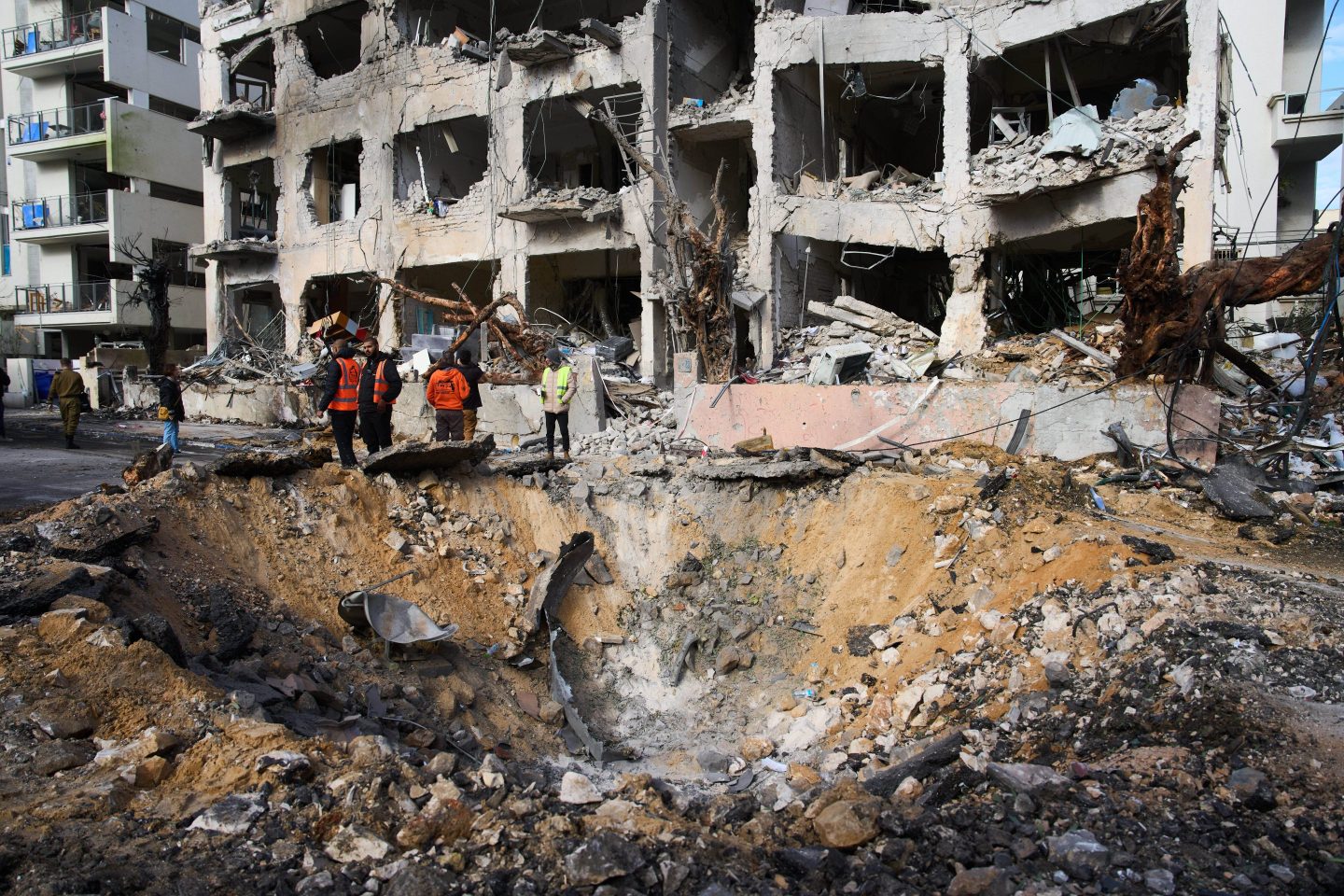
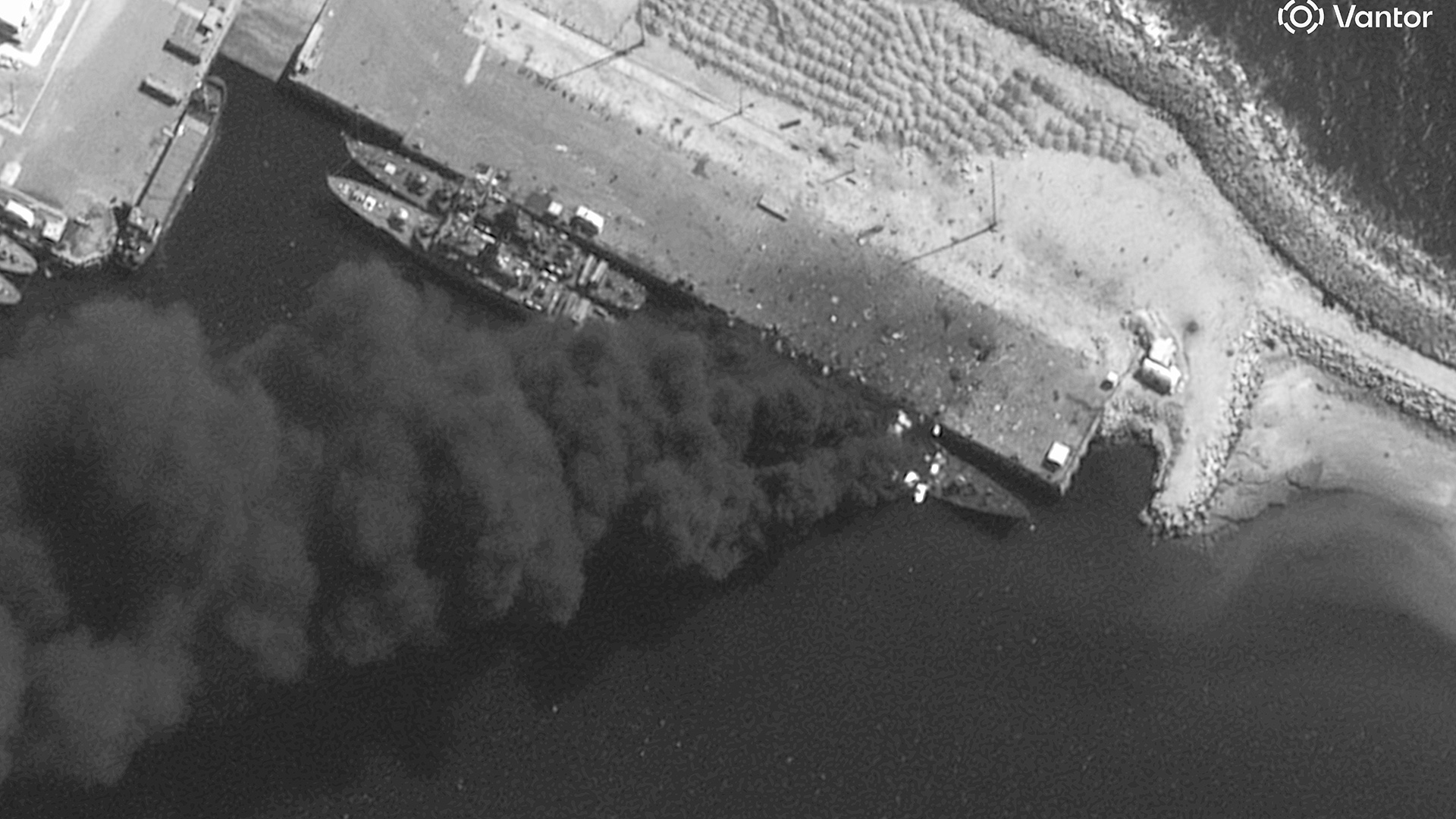
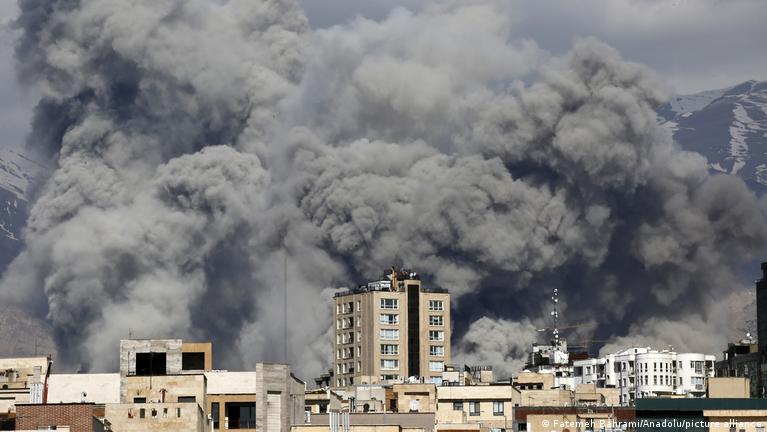
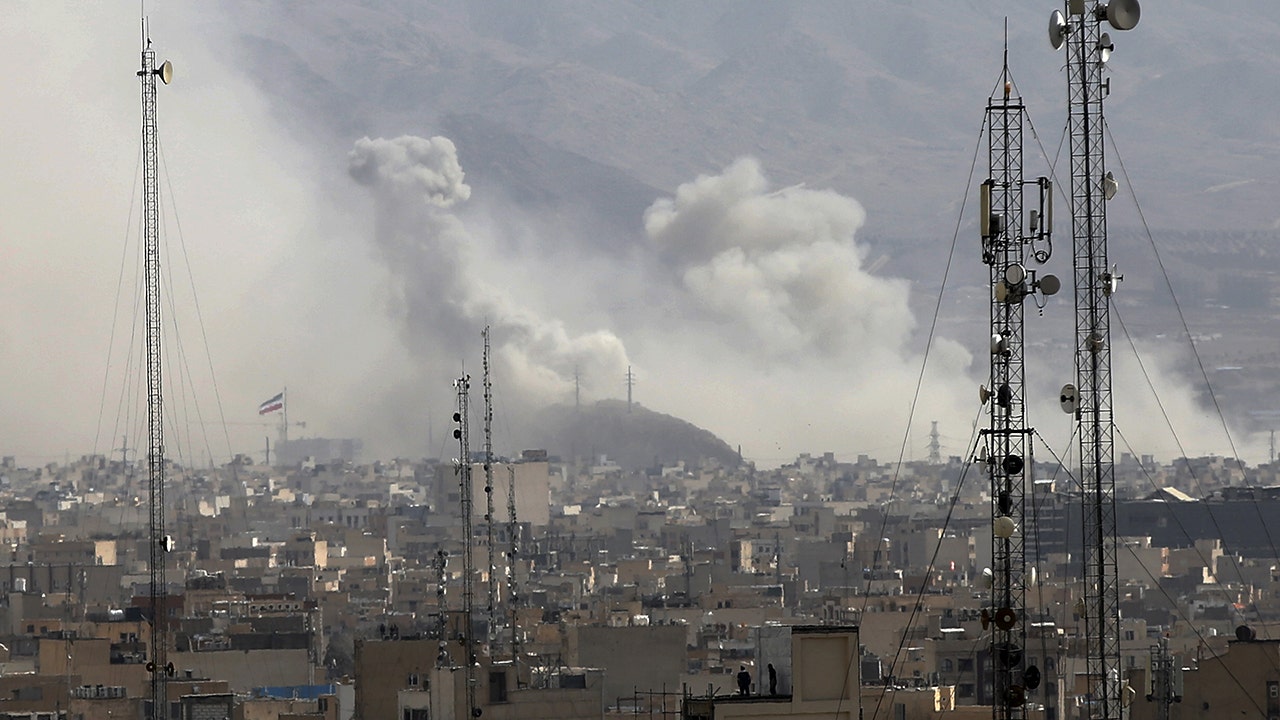
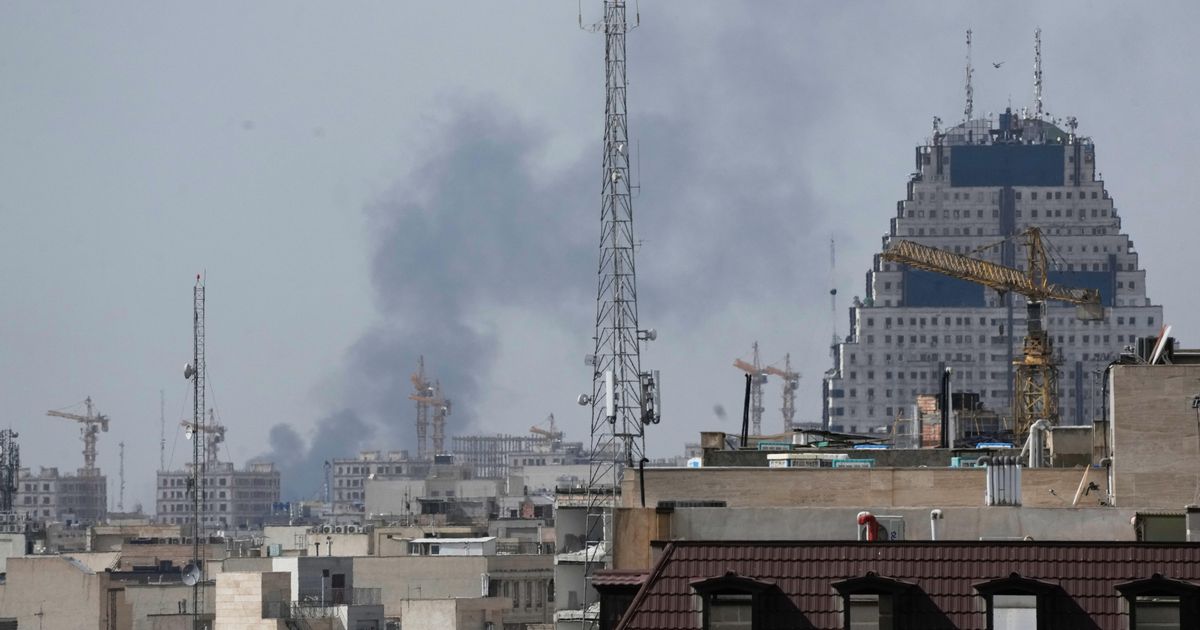
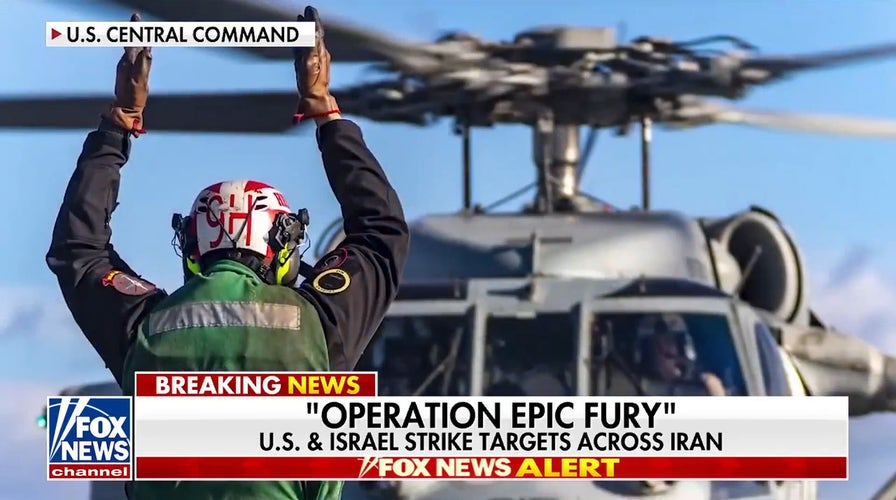
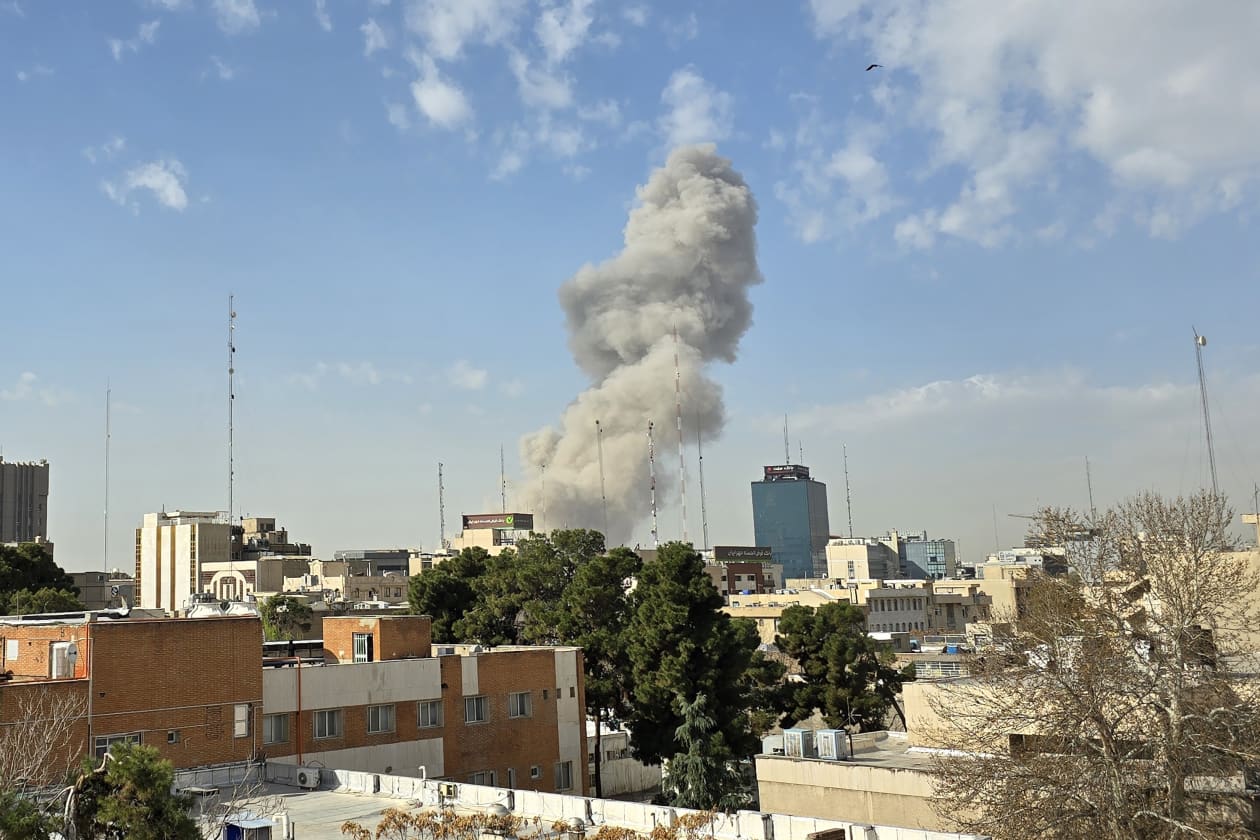
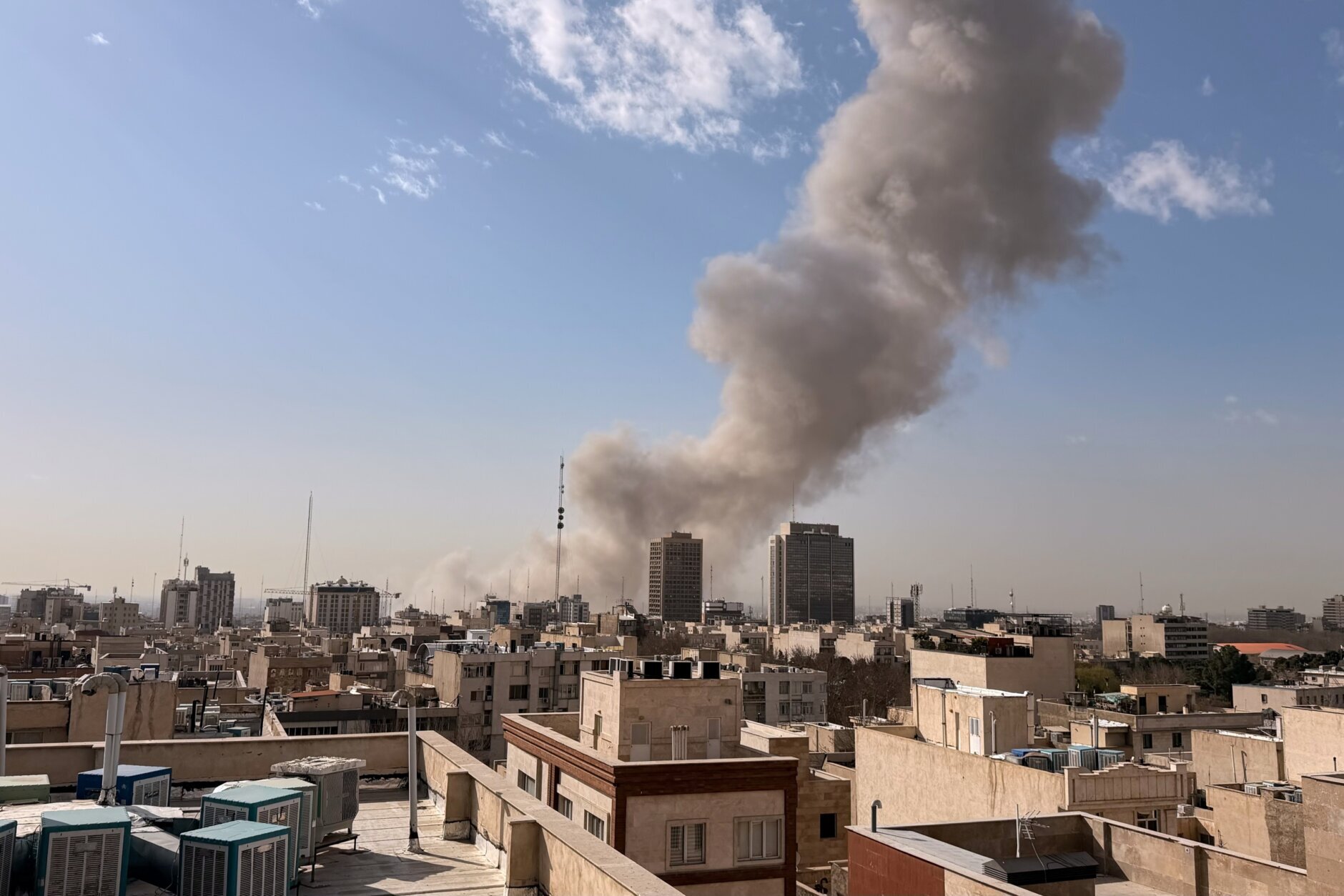
The assassination of Iran's Supreme Leader Ayatollah Ali Khamenei on February 28-March 1, 2026, following US-Israeli military strikes has triggered a critical geopolitical crisis with immediate and severe consequences for global cross-border e-commerce operations. The conflict has directly impacted three critical logistics infrastructure nodes: the Strait of Hormuz (which handles approximately 20% of the world's oil supply) has been shut down by shipping companies due to safety concerns; seven countries' airspace (Israel, Qatar, Syria, Iran, Iraq, Kuwait, and Bahrain) have closed with partial UAE closure; and three primary airline hubs (Dubai, Abu Dhabi, and Doha) that typically process 90,000+ passengers daily have suspended operations. Over 1,000 flights have been cancelled by major Middle Eastern carriers including Emirates, Qatar Airways, and Etihad, stranding hundreds of thousands of travelers.
For cross-border e-commerce sellers, the operational impact is immediate and quantifiable. Air freight capacity constraints through Middle Eastern hubs will increase shipping costs by 15-25% for expedited international shipments, while Strait of Hormuz closure will raise fuel surcharges on all ocean freight, affecting fulfillment costs across all product categories. Sellers relying on air freight for time-sensitive inventory face 2-4 week shipping delays as alternative routing through Europe or Africa adds transit time and cost. The Strait of Hormuz shutdown directly impacts sellers sourcing products from Asia destined for Western markets, as this corridor represents the most cost-efficient maritime route. Oil price volatility from the closure will increase logistics expenses by 8-12% for monthly shipments of 1,000+ units, compressing margins across low-margin categories (electronics, apparel, home goods).
Market access and payment processing complications create secondary disruptions. Iran's political instability and leadership transition create significant uncertainty for sellers with Iranian customer bases or suppliers. Currency fluctuations in Iranian rial, potential new sanctions regimes, and payment gateway restrictions will complicate cross-border transactions. The temporary leadership council (comprising President Masoud Pezeshkian, Judiciary chief Gholamhossein Mohseni Ejei, and legal council officials) creates regulatory uncertainty regarding future trade policies. Sellers with inventory in UAE warehouses face potential disruption from Iranian drone operations that have already damaged Dubai airport infrastructure. Insurance costs for regional logistics are expected to increase significantly as underwriters reassess Middle East risk premiums.
Strategic sourcing implications are substantial. Sellers currently sourcing from Middle Eastern suppliers or using Middle Eastern manufacturing hubs should immediately evaluate alternative sourcing from Southeast Asia (Vietnam, Thailand, Indonesia) or India, which can bypass the disrupted corridor. The leadership transition in Iran creates a 6-12 month window of policy uncertainty before a new supreme leader is selected through the Assembly of Experts, during which sanctions regimes and trade restrictions may shift. Sellers should monitor official US Treasury OFAC announcements and EU sanctions updates for potential changes to Iran-related restrictions. The geopolitical situation underscores the critical importance of supply chain diversification—sellers relying on single-corridor logistics face margin compression of 8-15% during this crisis period.
Questions 7
How should I adjust my inventory positioning to minimize disruption risk?
Immediately shift 20-30% of inventory from Middle Eastern warehouses (Dubai, Abu Dhabi) to US/EU fulfillment centers to bypass the disrupted corridor. This reduces exposure to potential further infrastructure damage and eliminates rerouting costs. For products with 4-8 week lead times, prioritize air freight shipments to Western warehouses now (at 15-25% premium) rather than waiting for ocean freight recovery, which may take 8-12 weeks. Evaluate 3PL providers in Singapore, Hong Kong, and US East Coast as alternative distribution hubs that bypass Middle Eastern logistics nodes. Reduce inventory in Iran-adjacent markets (UAE, Qatar, Kuwait) by 30-40% until the leadership transition stabilizes. This inventory repositioning costs $2,000-8,000 per container but protects against margin compression and obsolescence risk.
What insurance and compliance costs should I budget for during this crisis?
Insurance premiums for Middle East logistics are expected to increase 20-40% as underwriters reassess regional risk. War risk insurance for shipments through the region may become mandatory or unavailable. Sellers should budget an additional $100-300 per shipment for enhanced insurance coverage during the crisis period (4-8 weeks minimum). Compliance costs for Iran sanctions monitoring may increase if you have any Iranian supplier relationships—budget $500-2,000 for legal review of OFAC compliance. Sellers with UAE warehouse inventory face potential disruption from Iranian drone operations; consider temporary relocation of high-value inventory to safer jurisdictions (Singapore, Hong Kong, US East Coast) at a cost of $1,000-5,000 per container.