




Middle East Logistics Crisis 2026 | Sellers Face 15-25% Shipping Cost Surge
- Strait of Hormuz closure, 1,000+ flight cancellations, and airspace restrictions across 7 countries disrupt cross-border fulfillment for 50,000+ sellers






































Overview
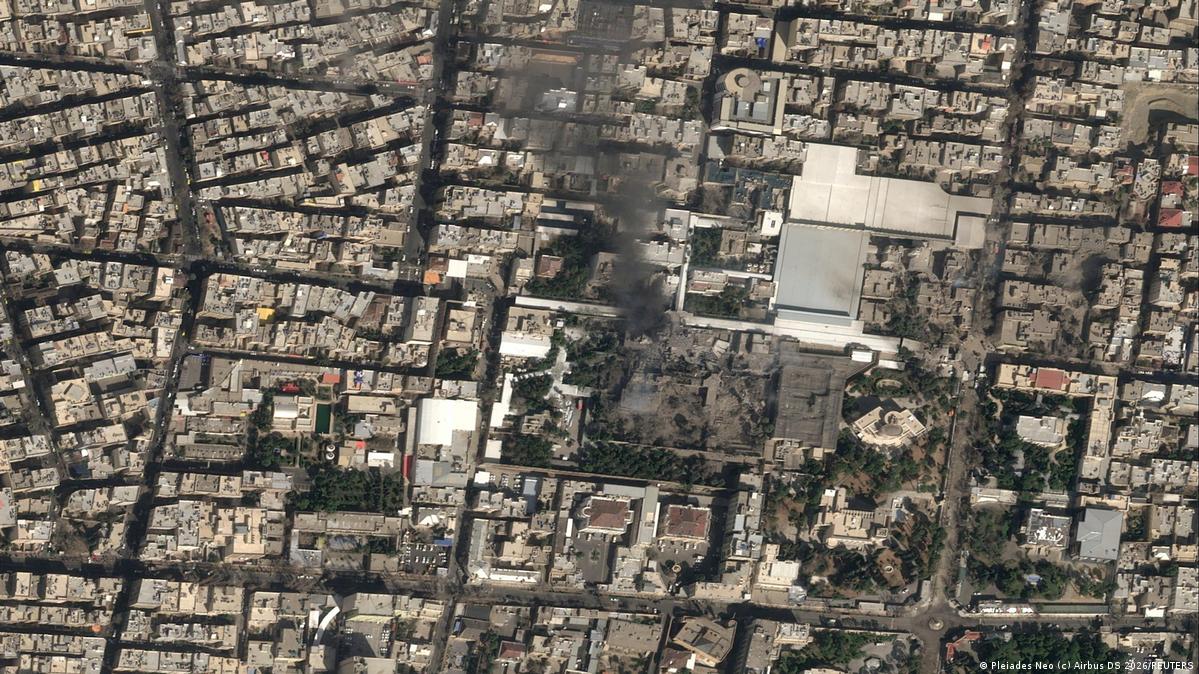
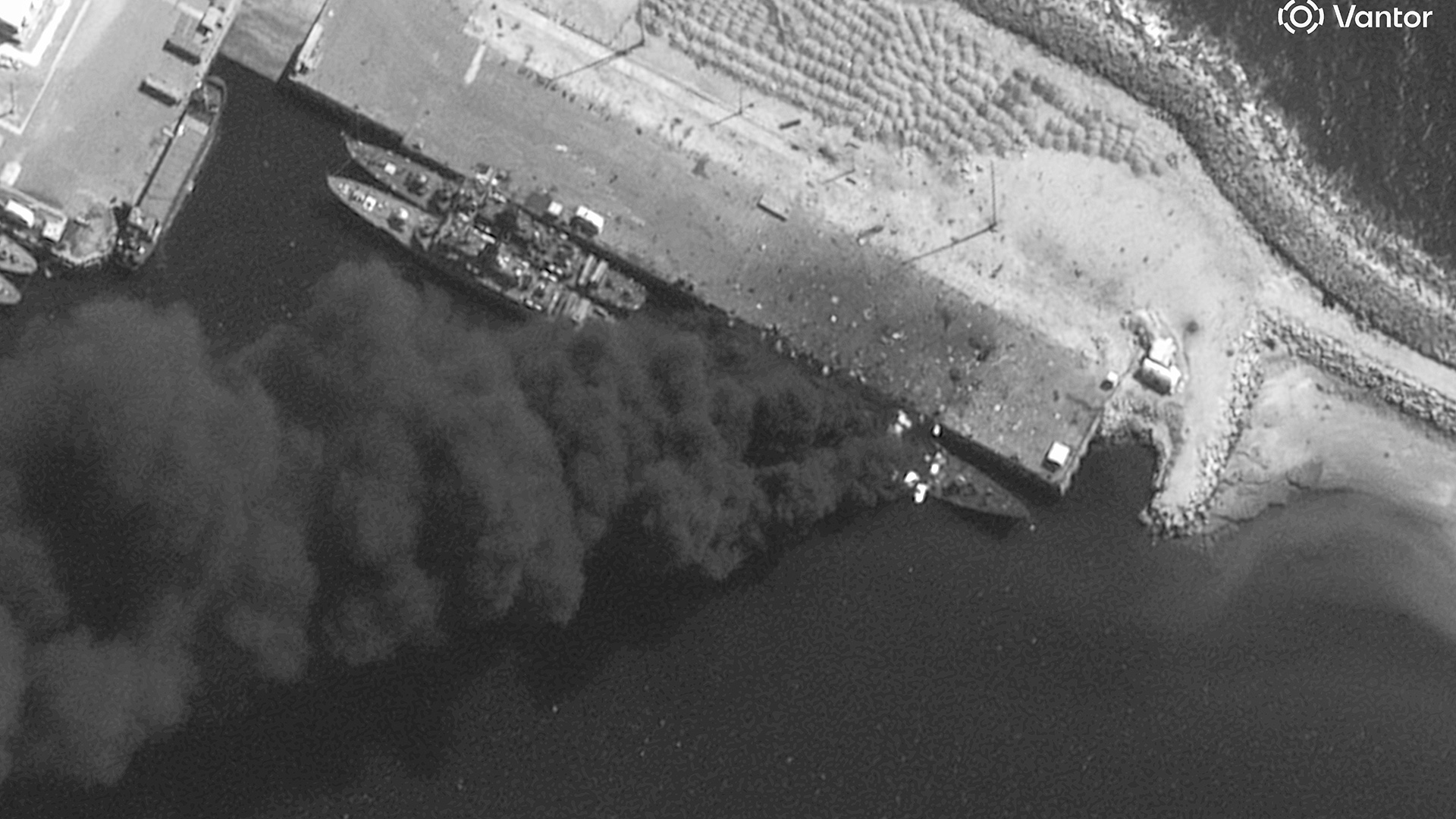
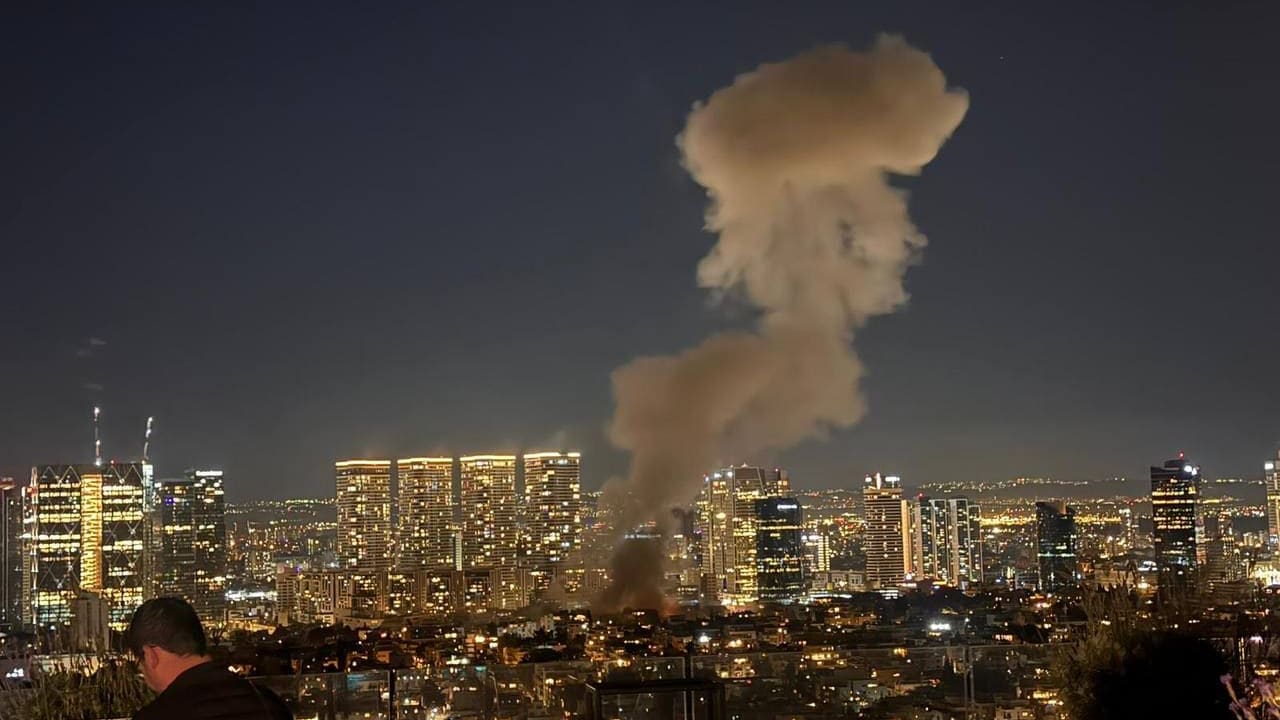
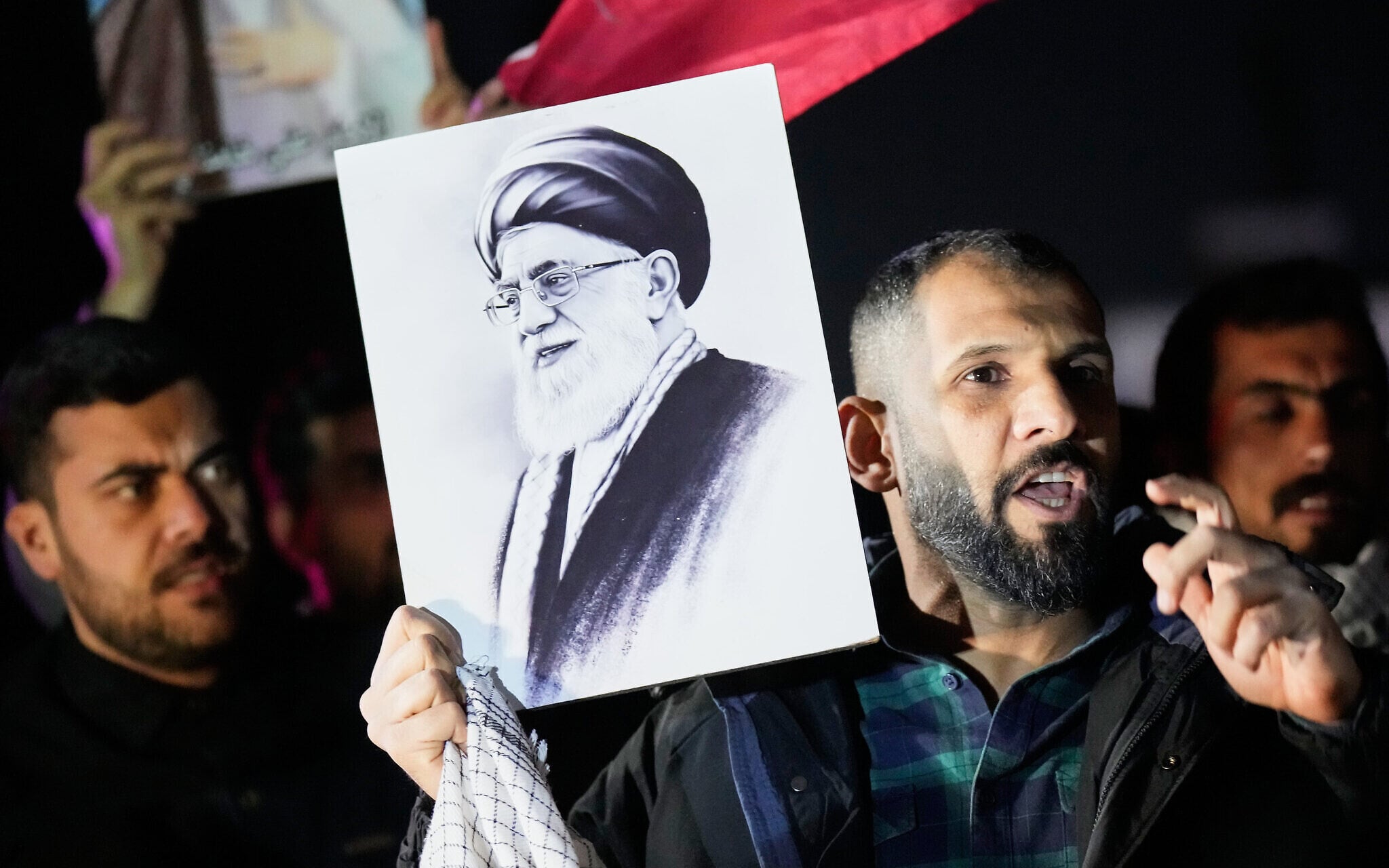
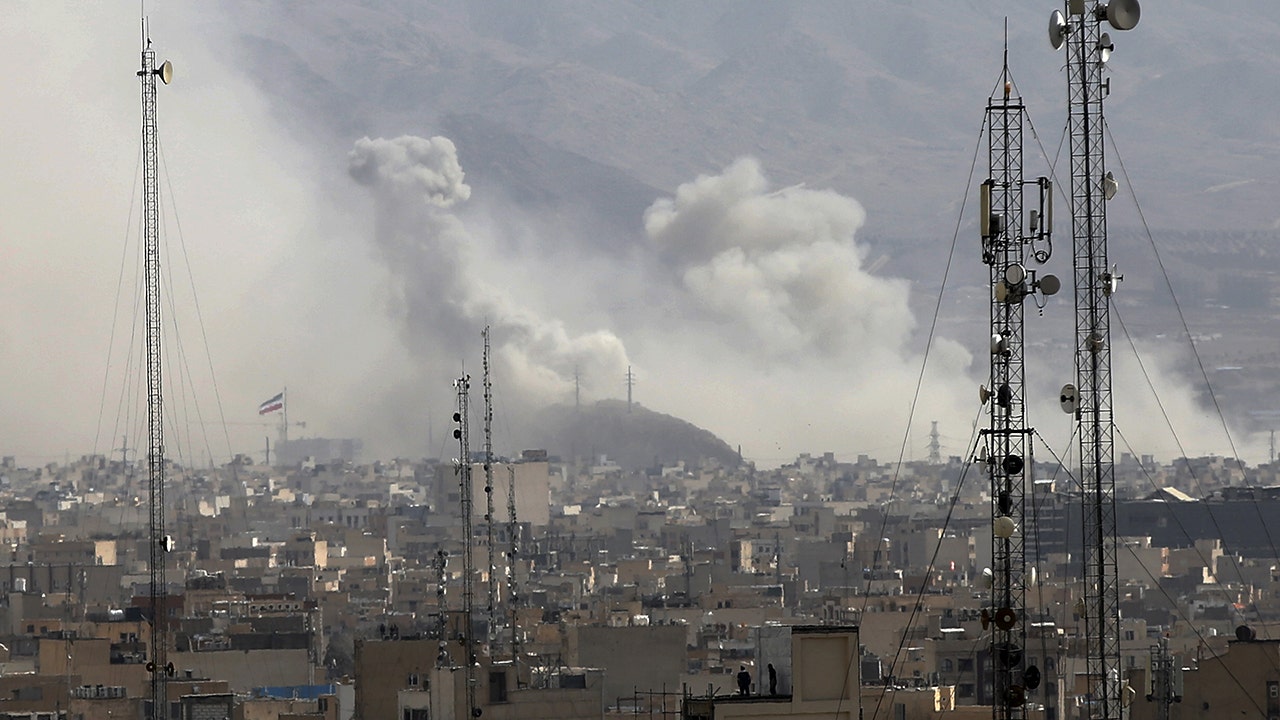
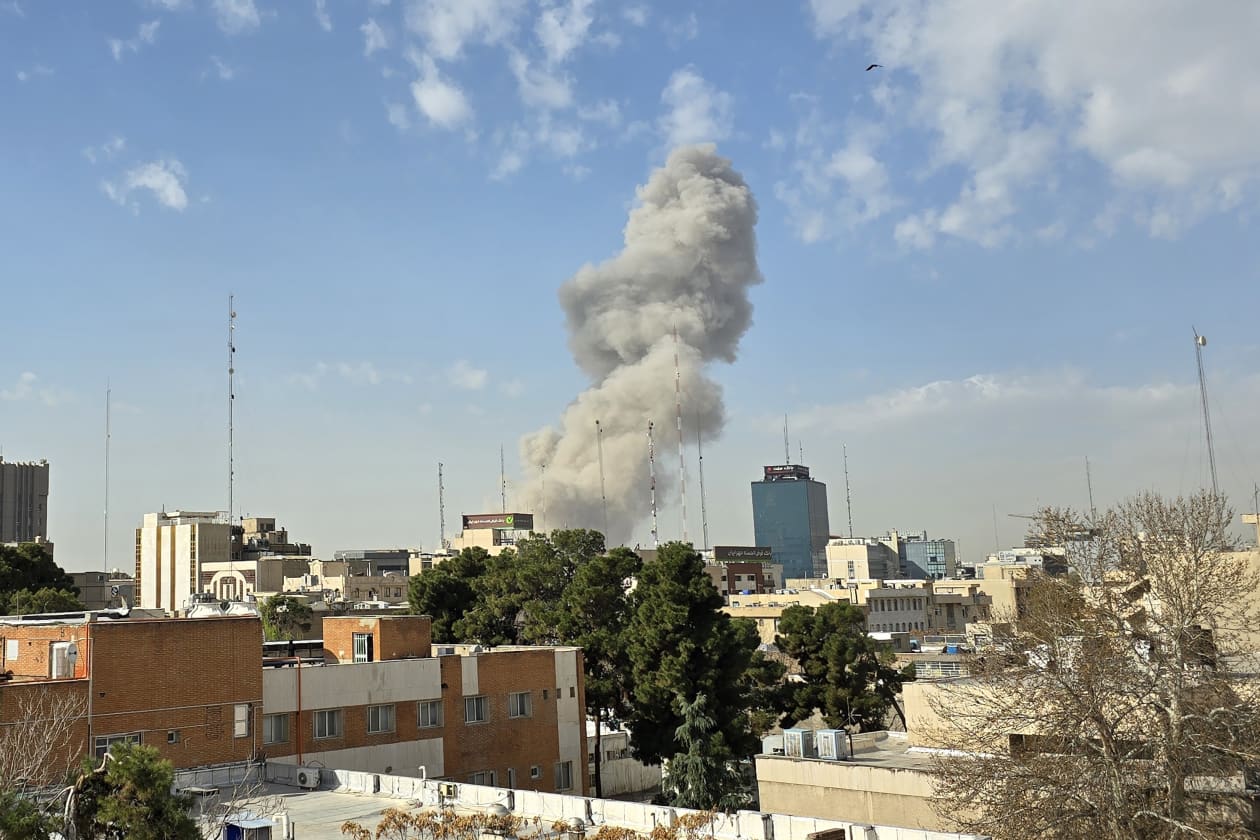
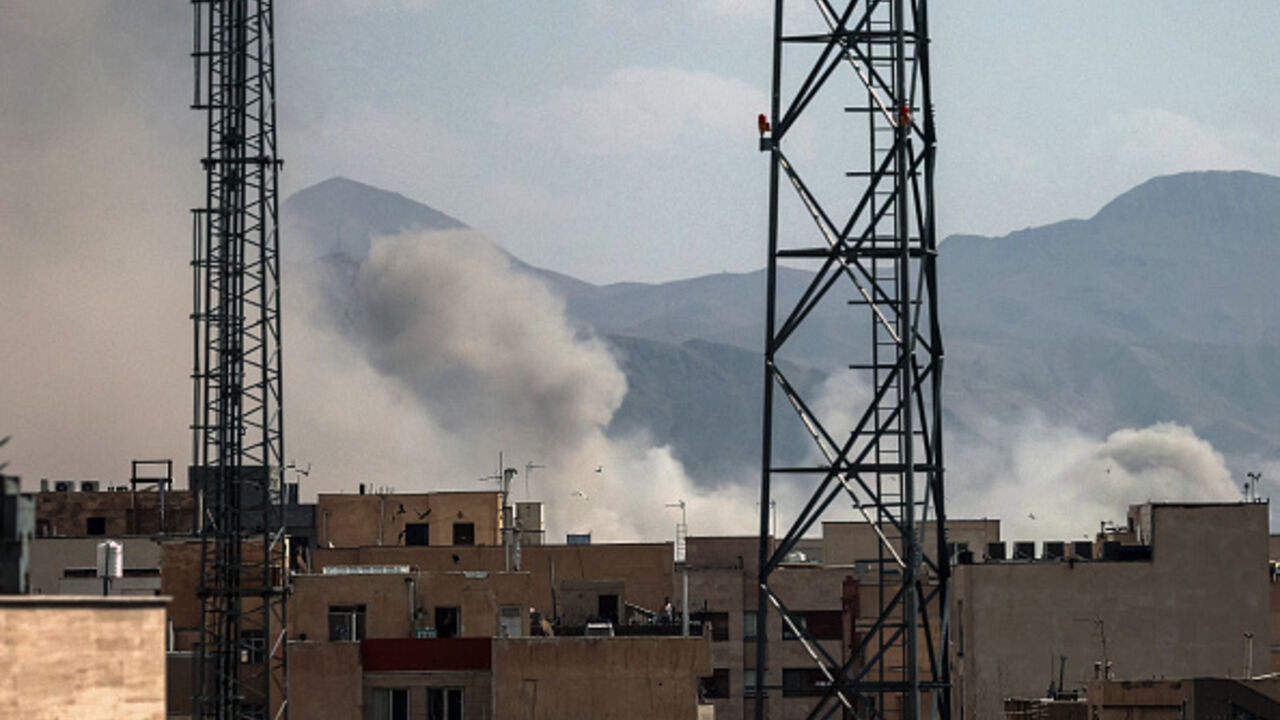
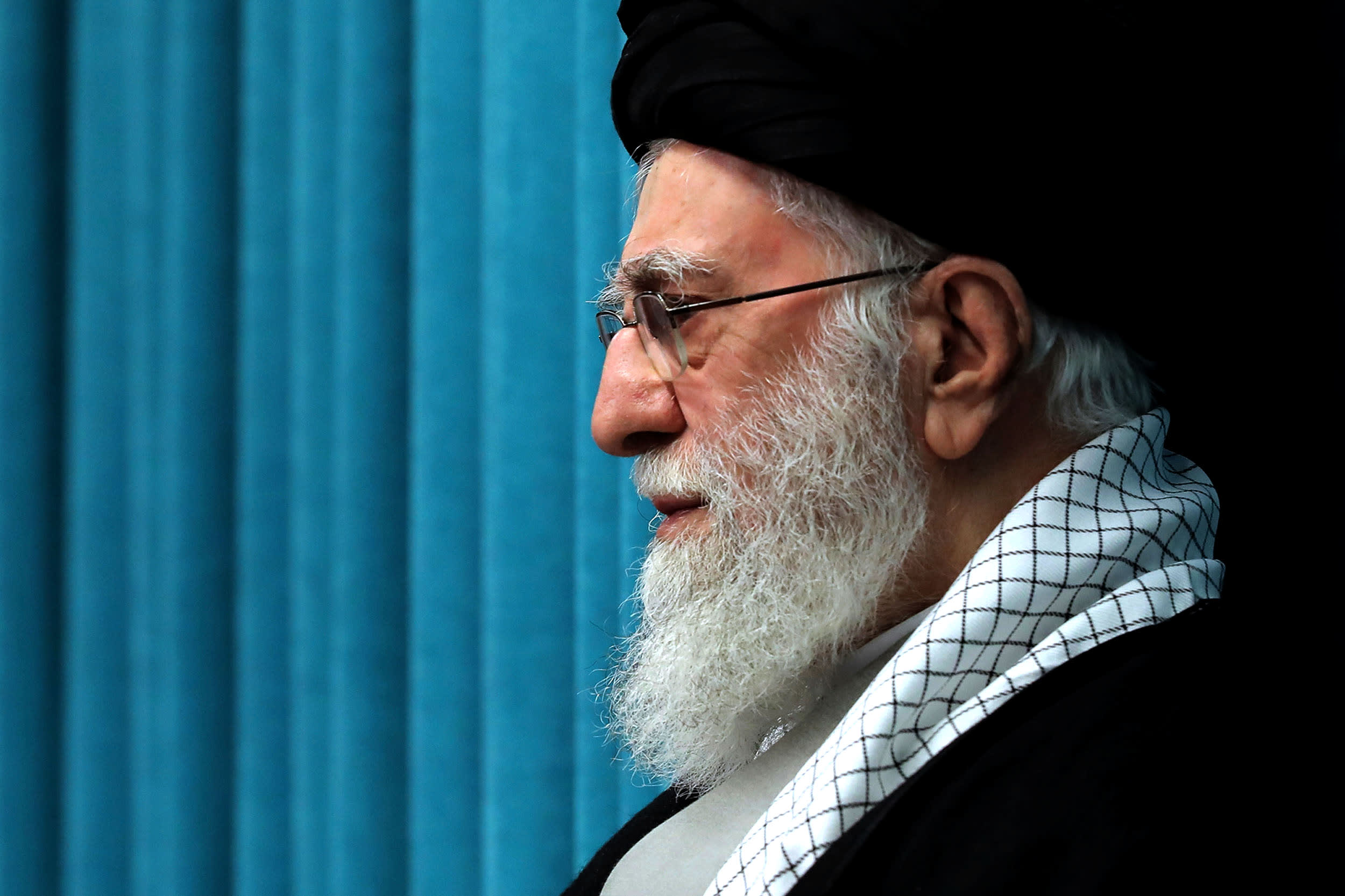
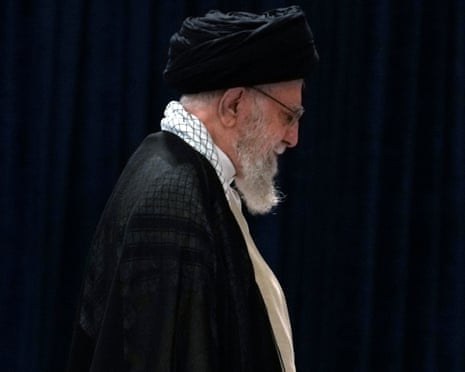
The assassination of Iran's Supreme Leader Ayatollah Ali Khamenei on February 28, 2026, triggered a cascading logistics crisis affecting global e-commerce operations. The immediate geopolitical escalation has created unprecedented supply chain disruptions: the Strait of Hormuz—handling 20% of world oil supply—has been shut down by shipping companies; Dubai International, Abu Dhabi, and Doha airports (processing 90,000+ passengers daily) have closed or severely restricted operations; and airspace closures across 7 countries (Israel, Qatar, Syria, Iran, Iraq, Kuwait, Bahrain) plus partial UAE closure have forced cancellation of over 1,000 flights by Emirates, Qatar Airways, and Etihad. These three hub airports represent critical logistics nodes for cross-border commerce, with hundreds of thousands of travelers stranded.
For cross-border sellers, the operational impact is immediate and severe. Air freight capacity constraints will increase shipping costs 15-25% for sellers relying on expedited Middle Eastern routes, with fuel surcharges rising due to oil price spikes from Strait of Hormuz closure. Sellers sourcing products from Asia destined for Western markets face 2-4 week delays as alternative routing through longer maritime corridors becomes necessary. The U.S. Maritime Administration has advised vessels to avoid the strait entirely, forcing rerouting around Africa—adding 10-14 days to transit times and increasing fuel costs by $8,000-15,000 per container. Payment processing delays are emerging for Iranian-connected transactions as financial institutions implement enhanced compliance screening. Sellers with inventory in Middle Eastern fulfillment centers face immediate rerouting costs and potential inventory obsolescence risks.
Strategic market access is deteriorating. Iran's political transition creates regulatory uncertainty affecting sellers with Iranian customer bases or suppliers. The leadership transition council (comprising President Masoud Pezeshkian, Judiciary chief Gholamhossein Mohseni Ejei, and legal council officials) signals potential sanctions changes and import/export restrictions. Sellers should anticipate enhanced OFAC compliance requirements and potential payment gateway restrictions for Iran-related transactions. Insurance costs for regional logistics are escalating as underwriters reassess Middle East risk premiums. Competitive dynamics are shifting: large sellers with diversified 3PL networks and alternative routing capabilities gain advantage over small/medium sellers dependent on single-hub logistics. Sellers with inventory in Dubai or Abu Dhabi face immediate rerouting decisions, while those with Asian sourcing face extended lead times affecting Q1-Q2 inventory planning.
Immediate actions required: Monitor U.S. Maritime Administration and OFAC guidance for sanctions updates (check daily through March 2026); audit current shipments transiting Middle Eastern routes and contact 3PL providers for rerouting options; review inventory positions in affected regions and consider temporary price increases (8-12%) to offset logistics cost inflation; implement enhanced compliance screening for Iran-related payment transactions; and diversify shipping routes toward Southeast Asian ports (Singapore, Port Klang) as alternative hubs. Strategic sellers should evaluate shifting 20-30% of inventory from Middle Eastern fulfillment to European or US-based 3PLs to reduce regional exposure. The situation remains fluid with ongoing military developments—expect additional policy announcements from US and international governments affecting tariff treatment and trade restrictions through Q2 2026.
Questions 8
How should sellers prepare for potential Iran market access changes and sanctions updates?
Sellers should monitor U.S. Treasury OFAC guidance daily for sanctions policy announcements related to Iran's political transition. The news reports a leadership transition council assuming temporary governance, which typically precedes sanctions policy reviews. Sellers with Iranian suppliers or customer bases should develop contingency plans for potential import/export restrictions and payment gateway unavailability. Document all Iran-related transactions for compliance audits. Consider suspending new Iran-related sales until regulatory clarity emerges post-transition. Budget for potential compliance costs ($5,000-15,000) for enhanced transaction screening and legal review. The situation remains fluid through Q2 2026 as Iran's new leadership establishes trade policies.
What alternative shipping routes should sellers consider during Middle East disruptions?
Sellers should prioritize Southeast Asian ports (Singapore, Port Klang, Bangkok) as alternative hubs instead of Middle Eastern routes. The news confirms Dubai, Abu Dhabi, and Doha are severely disrupted, making these routes unreliable. Alternative routing through Southeast Asia adds 3-5 days to Asia-to-Europe transit but avoids Strait of Hormuz closure and airspace restrictions. Sellers can also consider air freight through Asian hubs (Hong Kong, Shanghai) for time-sensitive inventory, though costs are 3-4x higher than ocean freight. Negotiate with 3PL providers for Southeast Asian consolidation services to optimize costs while maintaining delivery timelines.