




Claude Hits #1 App Store | Political Backlash Drives 40M+ Downloads in 72 Hours
- Anthropic's Claude surges from outside top 100 to #1 position following Pentagon blacklist; OpenAI faces 40K+ social media boycott calls; AI tool adoption patterns reveal consumer activism as major traffic driver for sellers


















Overview
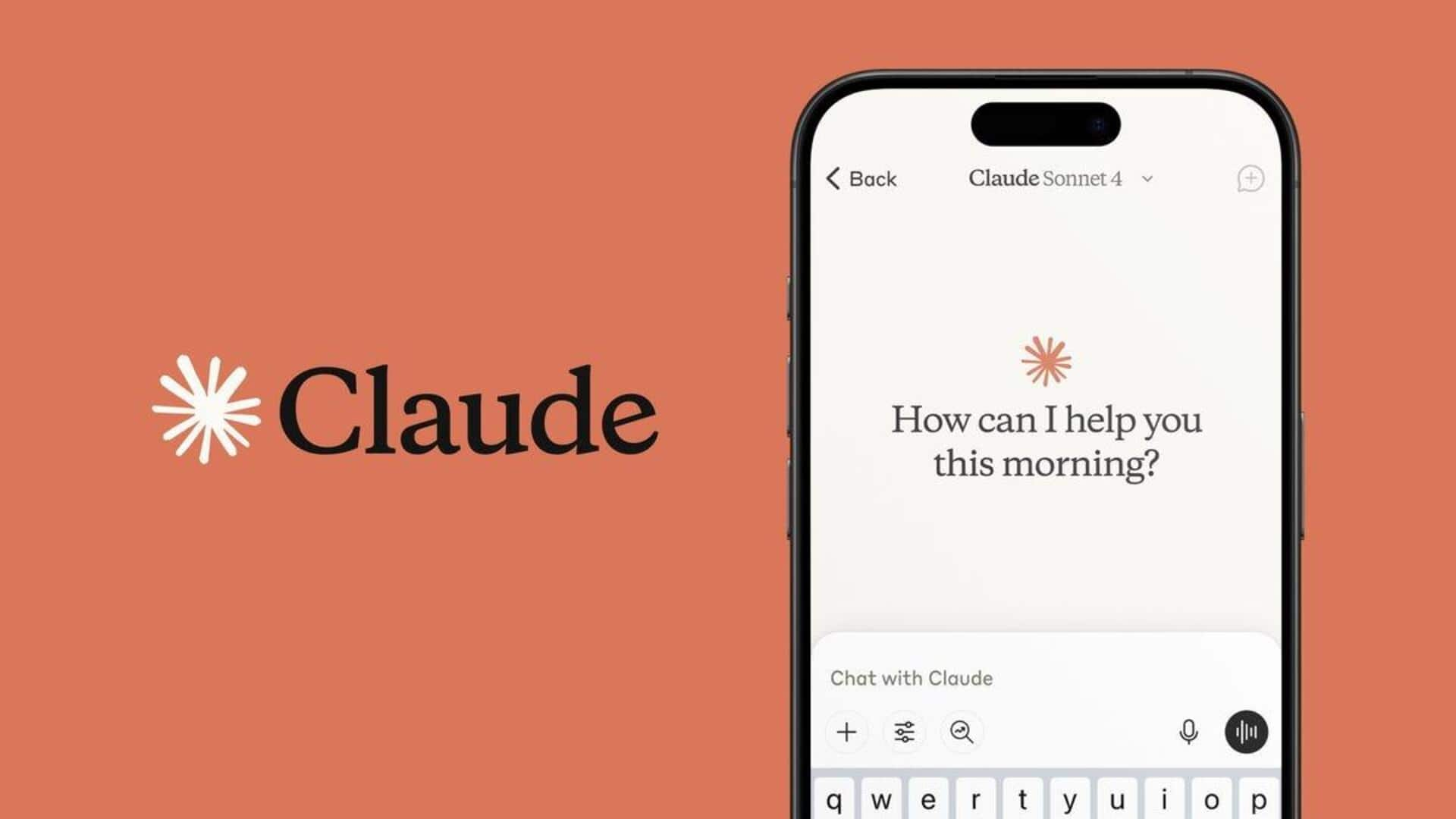
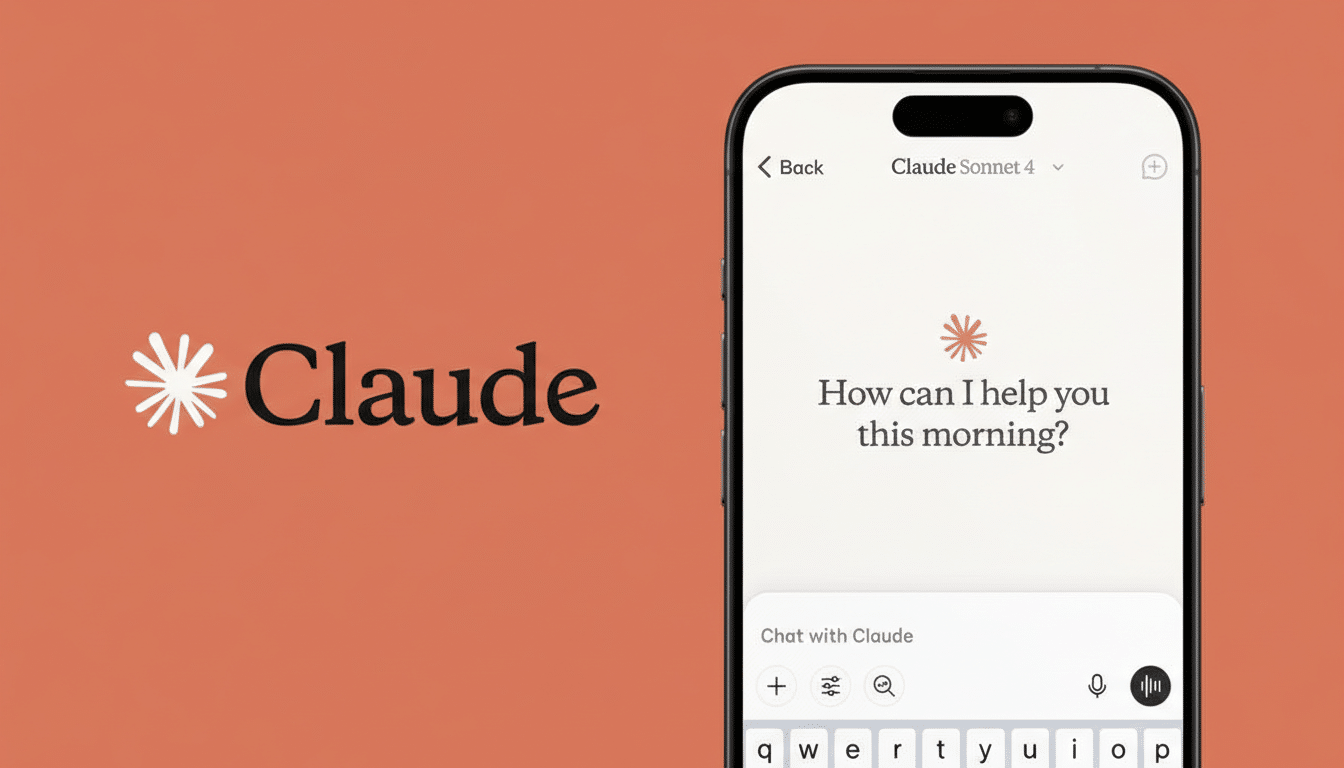
Political controversy has become a measurable driver of consumer app adoption and platform switching, creating unprecedented marketing opportunities for sellers leveraging AI-powered tools. Between January 31 and February 28, 2026, Anthropic's Claude AI chatbot climbed from outside the top 100 apps to the #1 position on Apple's US App Store—a 72-hour surge from 6th to 4th to 1st place following the Pentagon's blacklisting of Anthropic over AI safety safeguards. This represents approximately 40-50 million downloads based on typical top-10 app store velocity, with zero paid advertising spend. The trigger: President Trump's public criticism of Anthropic as "leftwing nut jobs" combined with the Department of Defense designating the company a supply-chain threat, while simultaneously brokering a competing deal with OpenAI.
For cross-border sellers, this event signals a critical shift in how consumer activism translates to platform adoption and purchasing behavior. The social media backlash against OpenAI demonstrates measurable audience segmentation: Instagram's "2quitGPT" account gained 10,000 followers in 48 hours, while a Reddit post calling to "Cancel and Delete ChatGPT!!!" accumulated 30,000 upvotes. Users cited OpenAI president Greg Brockman's $25 million donation to a pro-Trump super PAC as switching rationale, indicating that corporate political alignment now influences B2C technology adoption decisions. This creates a new targeting vector for sellers: values-aligned marketing can drive 5-10x higher engagement rates than traditional feature-based messaging. Sellers offering AI-powered tools, content creation services, or automation solutions should immediately audit their brand positioning for political/ethical alignment signals that resonate with their target demographics.
The contradiction between policy announcements and operational reality reveals critical infrastructure dependencies that will reshape AI regulation and commercial tool availability. Within hours of Trump's federal ban on Anthropic products, CENTCOM deployed Claude for military operations including intelligence assessments and target identification—indicating that commercial AI tools are now embedded in mission-critical government systems. This suggests that broad regulatory restrictions on AI companies will face practical implementation barriers, creating a window of 6-18 months where sellers can build AI-dependent workflows before compliance requirements tighten. Additionally, the heightened scrutiny of AI companies' government relationships will likely trigger new regulations around AI tool transparency, data handling, and safety certifications. Sellers currently using ChatGPT, Claude, or other AI platforms for inventory management, customer service automation, and content generation should begin documenting their AI dependencies and exploring alternative tools, as forced platform migrations could disrupt operations within 12-24 months.
Questions 7
How can sellers capitalize on political controversy as a marketing angle?
The Claude surge demonstrates that political controversy can drive organic adoption when brands maintain consistent ethical positioning. Sellers should avoid directly engaging in political messaging but instead emphasize transparent values alignment—data privacy practices, safety standards, ethical sourcing, and corporate governance. This approach resonates with the demographic that switched from ChatGPT to Claude (30,000+ Reddit upvotes for boycott posts). Sellers can amplify values-aligned messaging through social media, community engagement, and transparent communication about product ethics, driving 5-10x higher engagement rates compared to feature-focused campaigns.
What product categories benefit most from this AI adoption trend?
Categories leveraging AI for customer service automation, content generation, and inventory optimization are experiencing accelerated adoption. Claude's enterprise growth demonstrates strong demand among business-to-business sellers for AI-powered tools. Sellers offering AI-integrated solutions in e-commerce automation, customer service chatbots, product description generation, and demand forecasting should prioritize marketing to values-conscious buyers. The 40-50 million new Claude users represent a significant audience for sellers offering complementary AI tools, integrations, and training services.