

Premium Smartphone Showdown 2025 | Seller Pricing & Accessory Opportunities
- Samsung escalates $980 pre-order discounts while competing on display tech; Apple maintains pricing advantage. Electronics sellers face aggressive promotional dynamics affecting margins 8-15% across premium device categories.











Overview
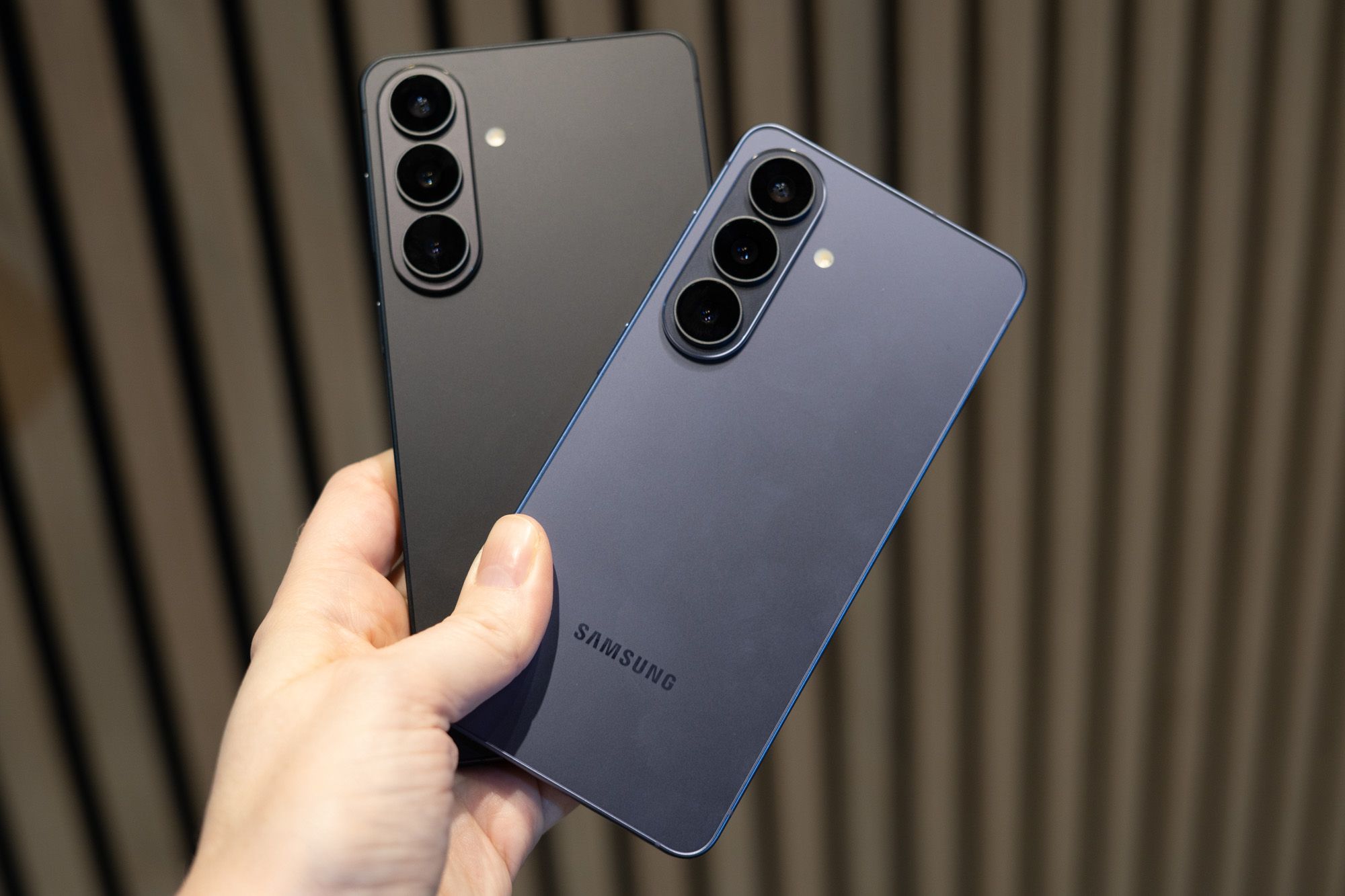
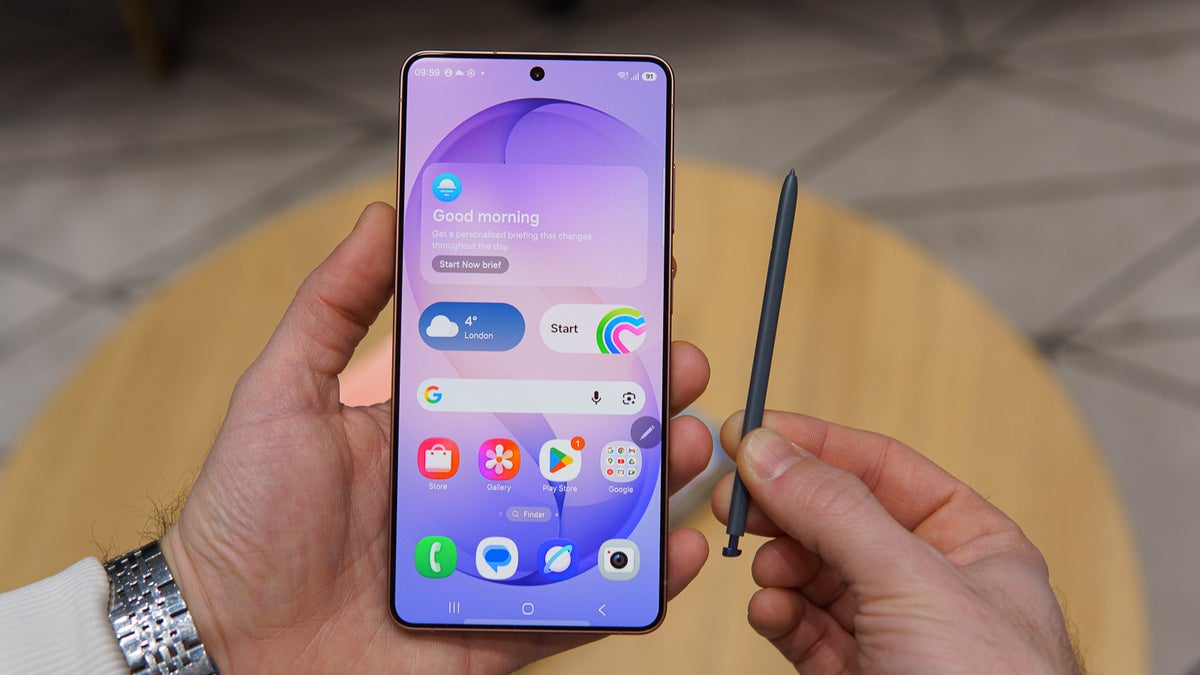
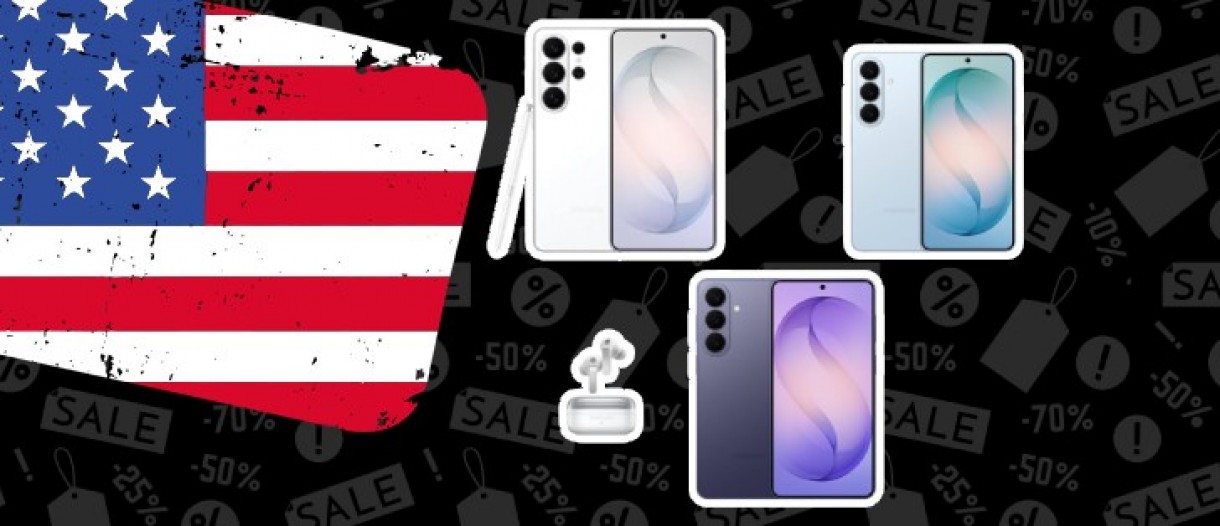
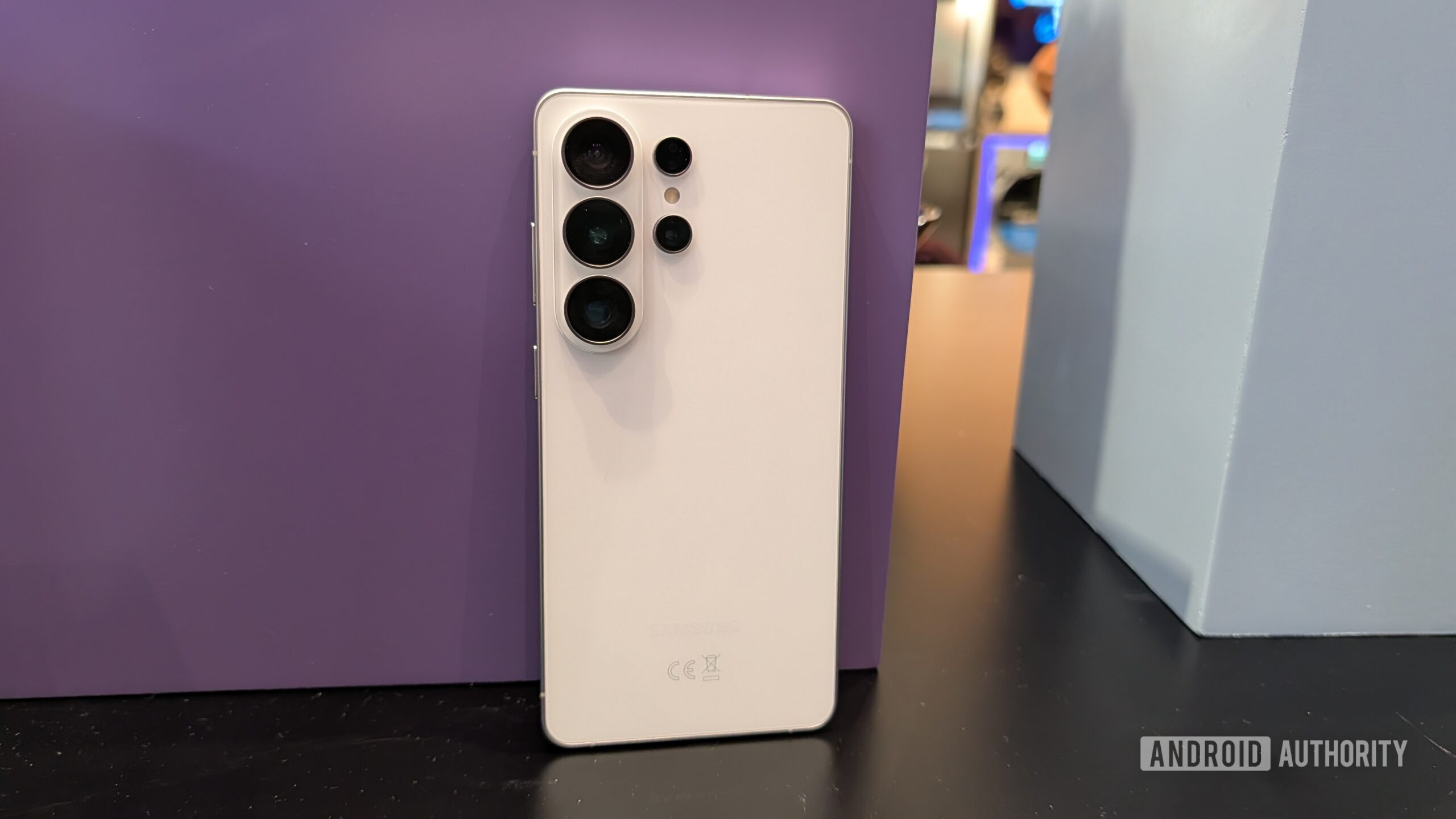
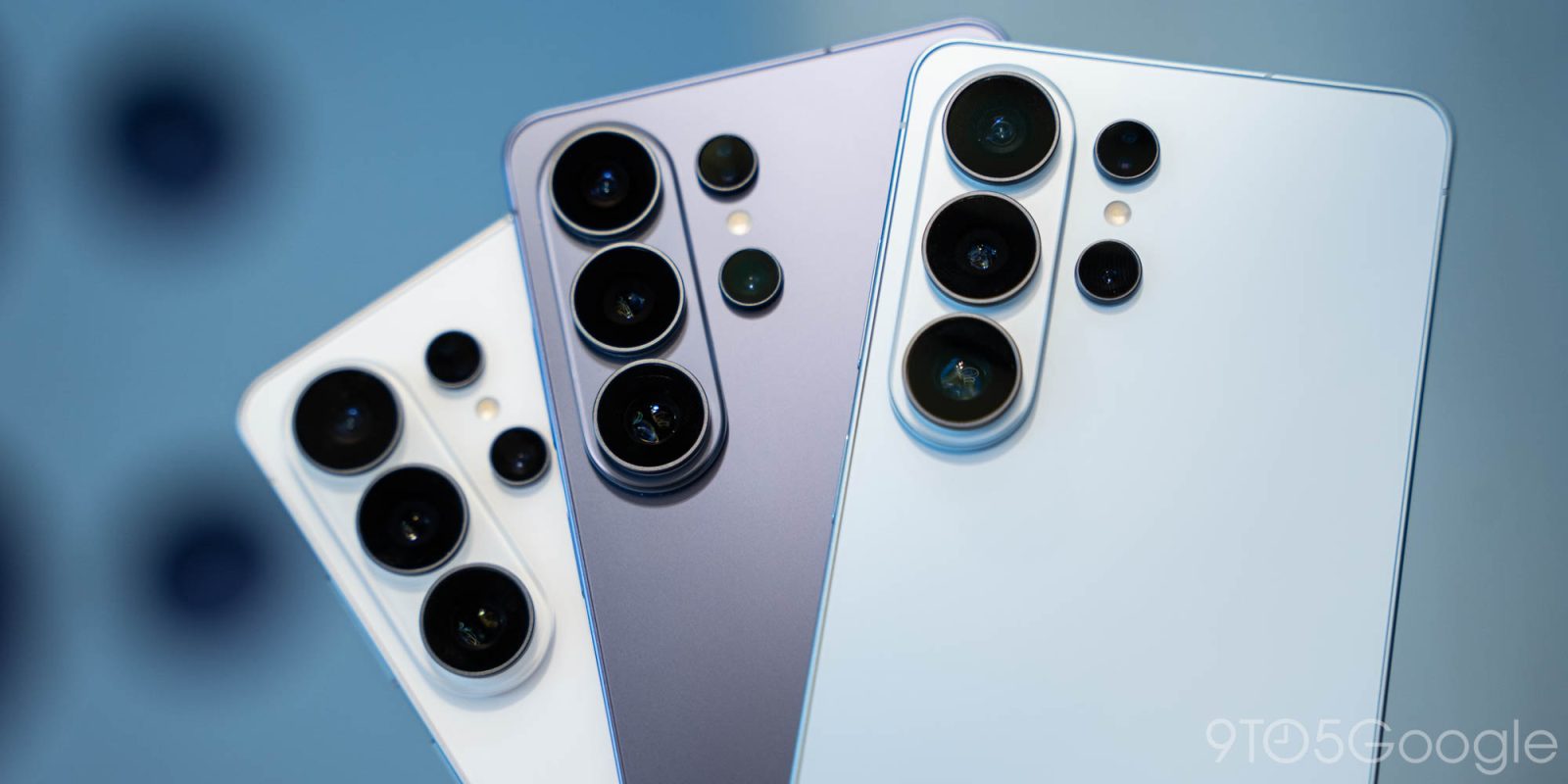
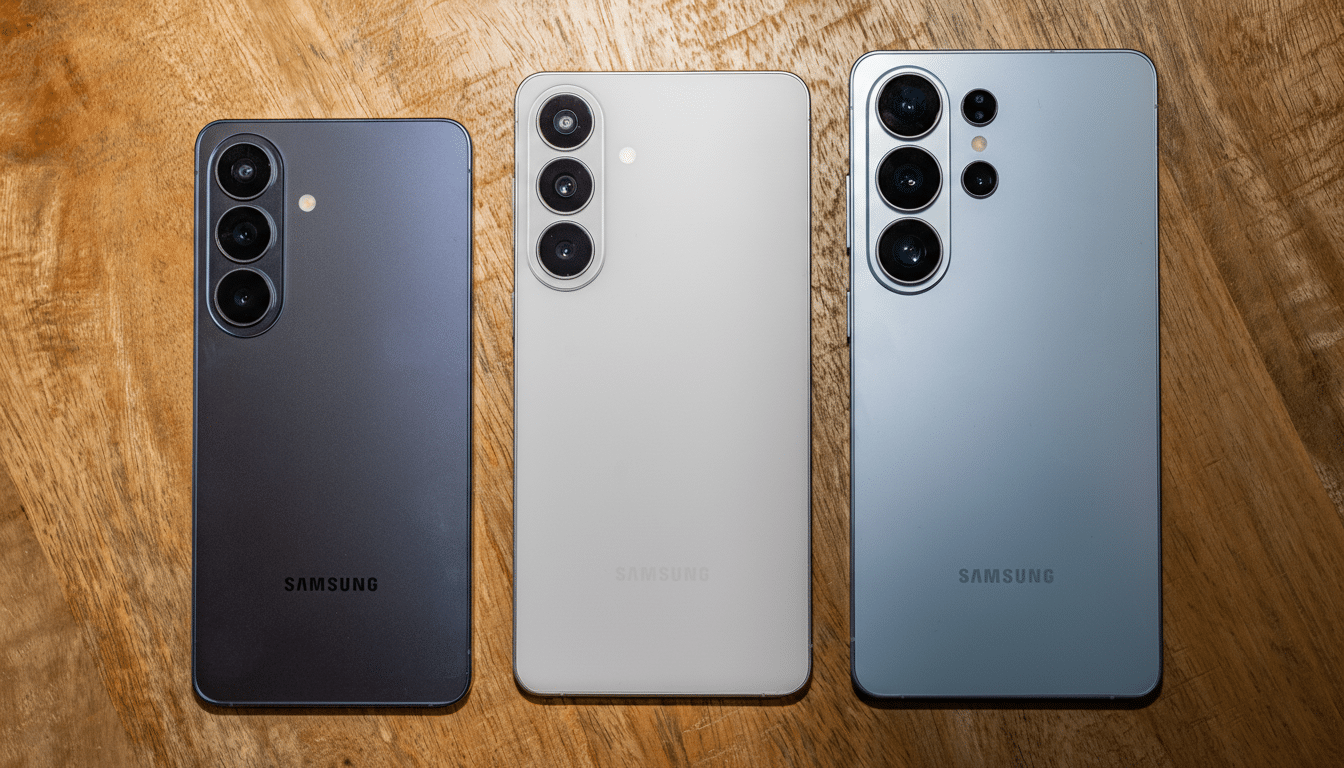
The premium smartphone market is experiencing intensified competitive dynamics as Samsung Galaxy S26 series (priced $899.99-$1,299.99) directly challenges Apple iPhone 17 lineup ($799-$1,199), creating significant opportunities and challenges for electronics retailers and marketplace sellers. Samsung's escalation from $900 to $980 total pre-order savings—including $30 Samsung store credit, $900 trade-in discounts, and $50 PayPal codes—signals softer-than-expected demand and aggressive margin compression in the premium segment. This promotional intensity represents a departure from historical patterns where $150-$200 accessory credits were standard, indicating manufacturers are leveraging tiered discount mechanics to maintain perceived full retail pricing while driving actual conversion rates.
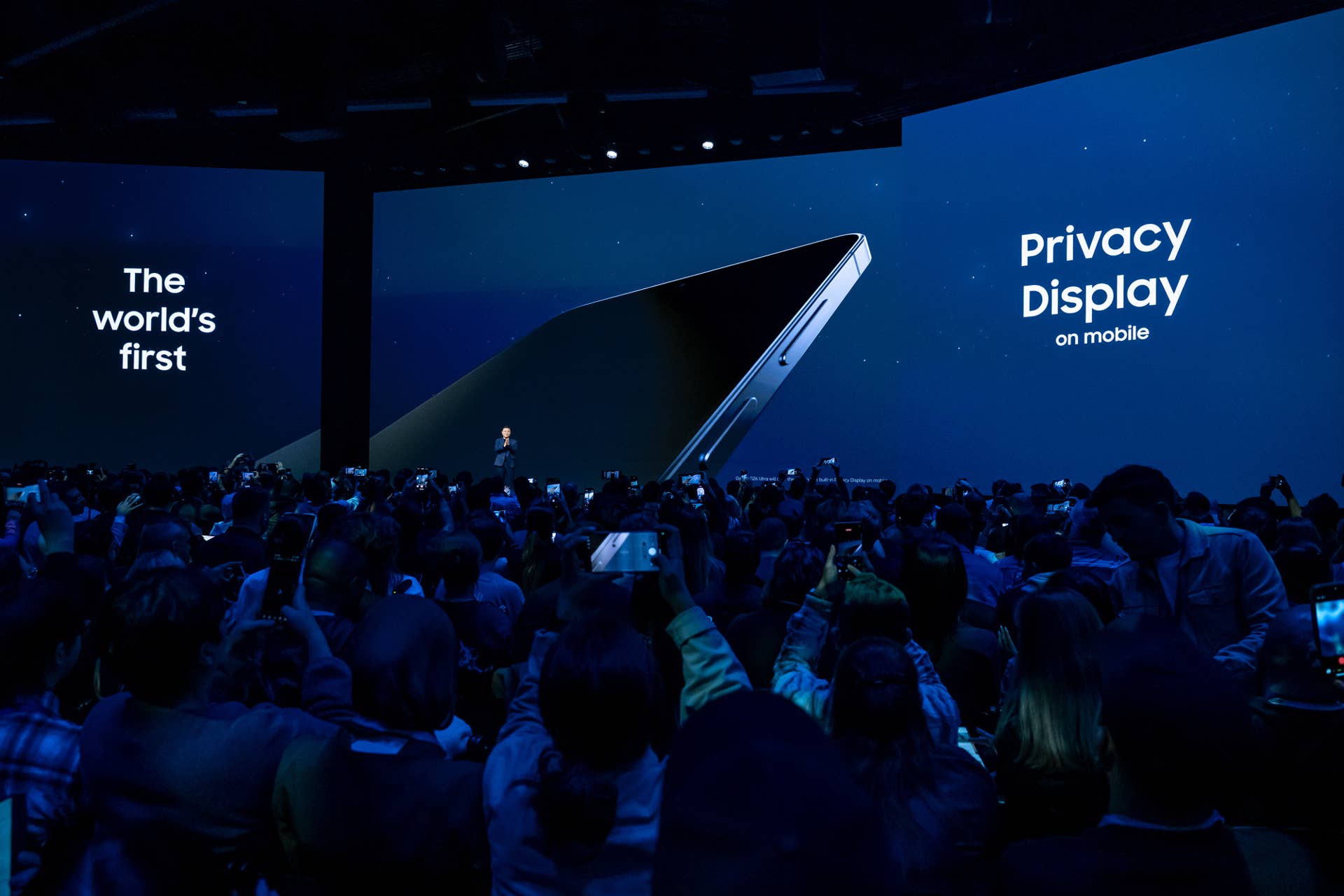
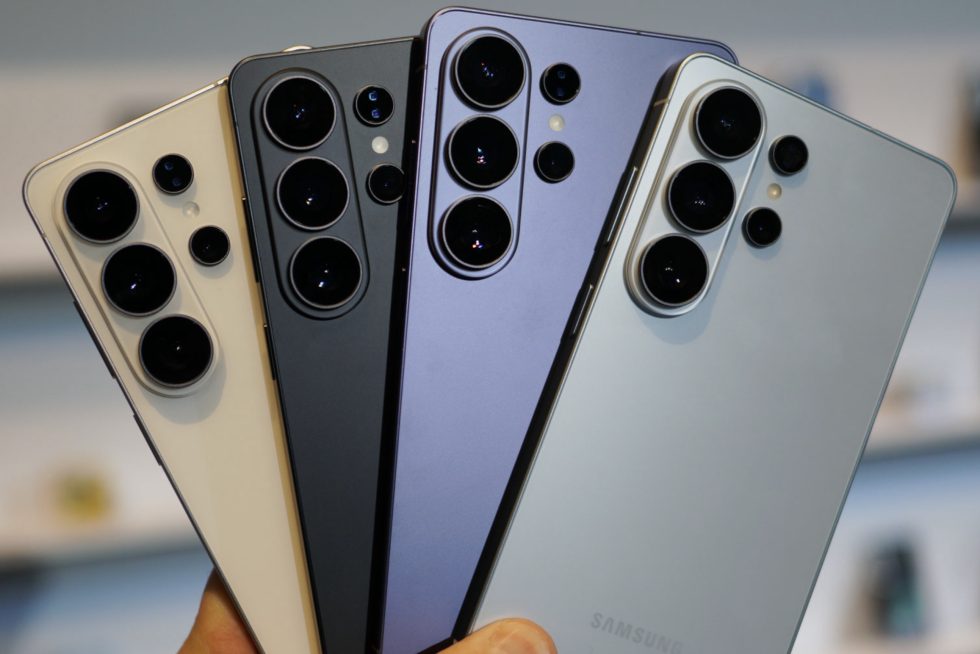
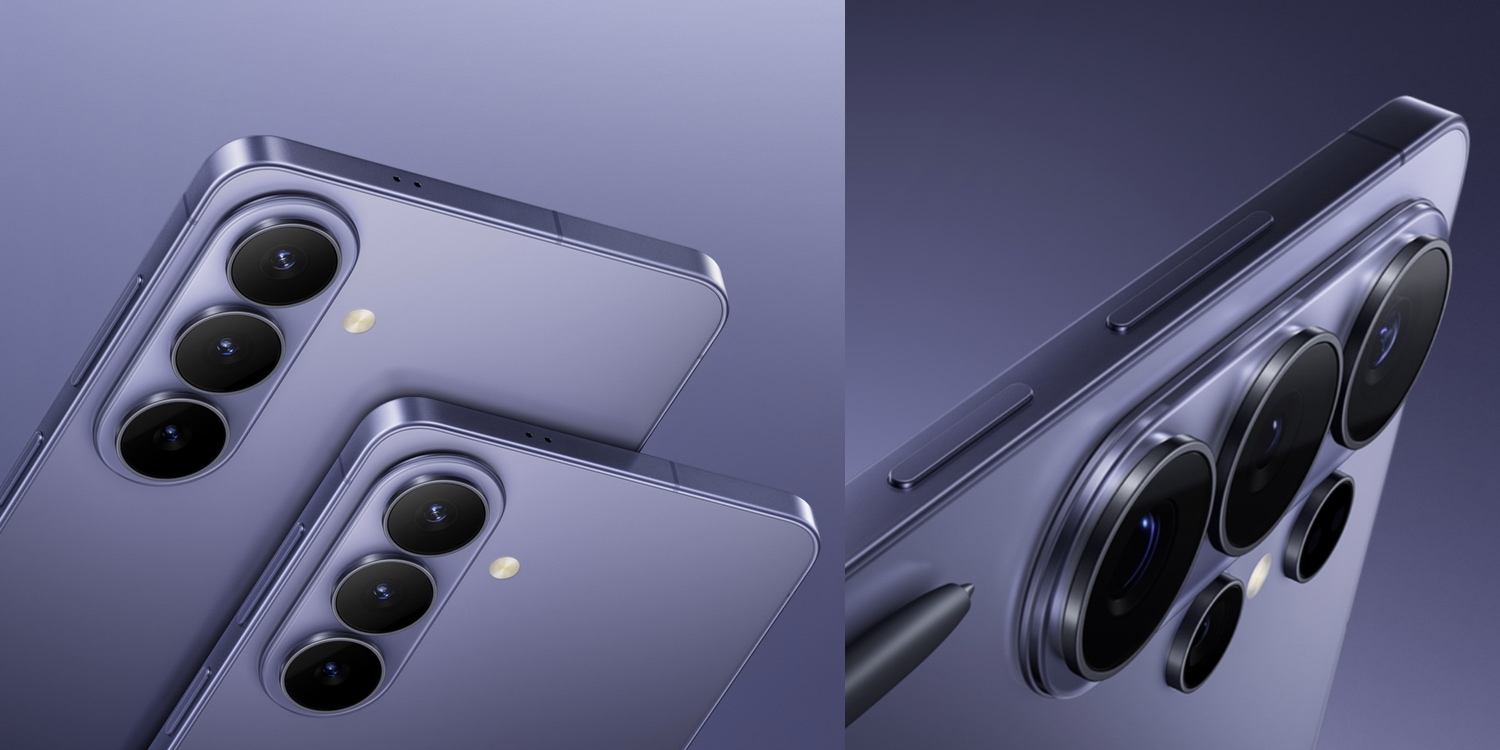
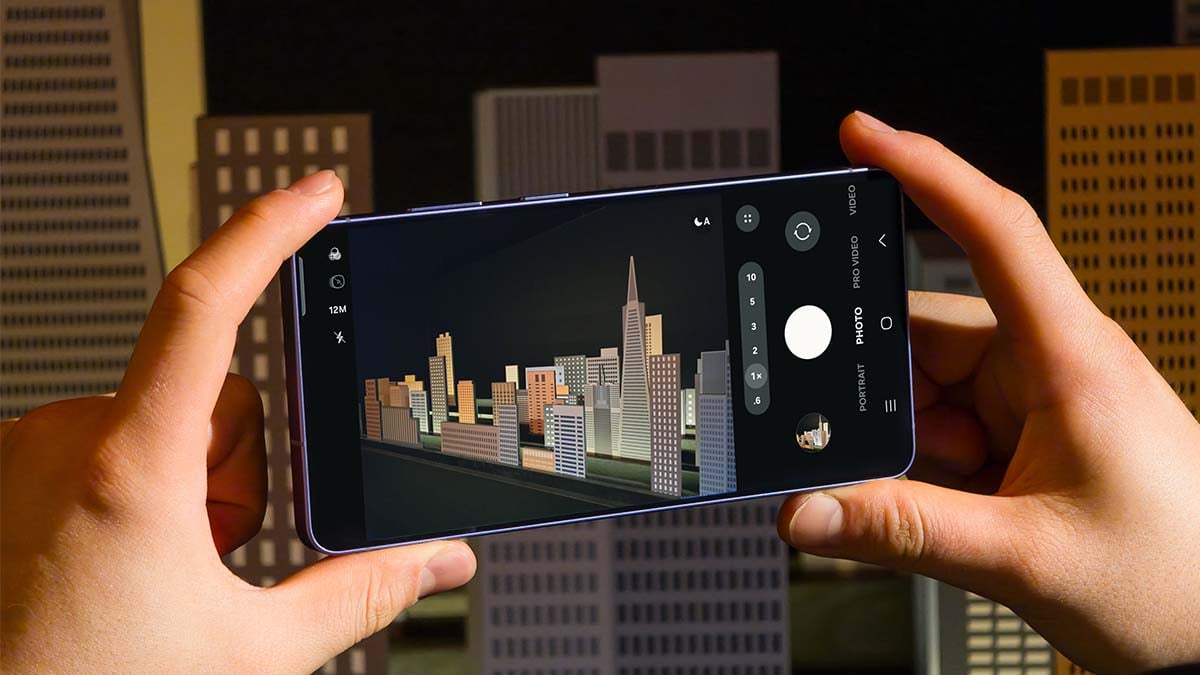
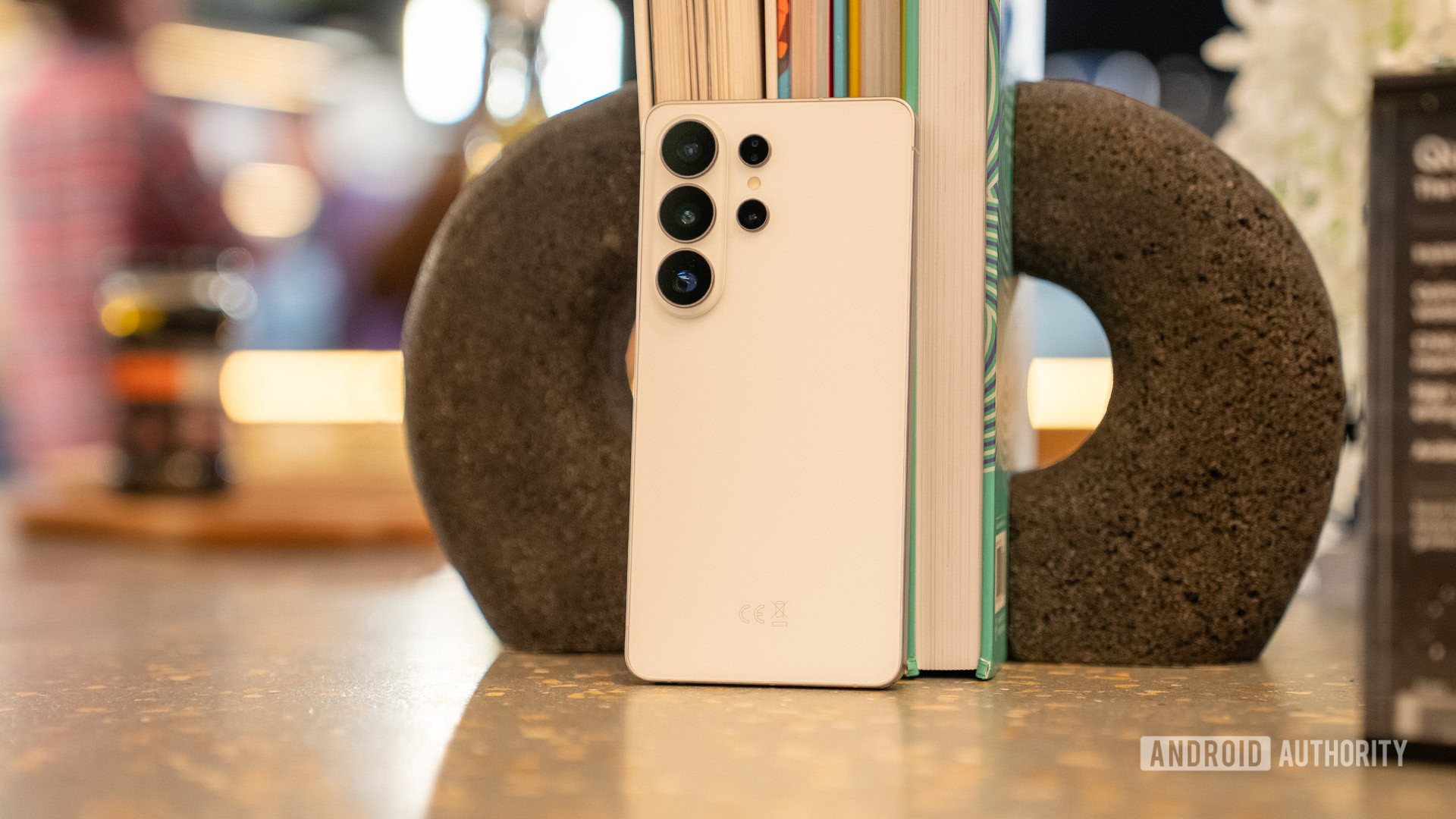
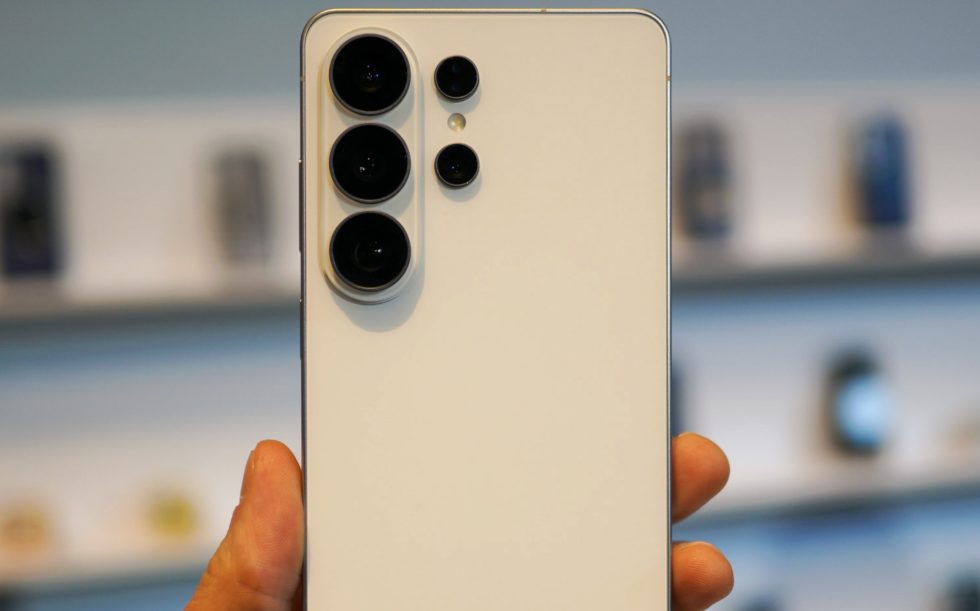
Pricing Strategy Implications for Sellers: Apple maintains competitive advantage with lower entry points ($799 base vs Samsung's $899.99), while Samsung's S26+ undercuts iPhone 17 Pro by just $1 ($1,099.99 vs $1,099), creating razor-thin differentiation windows. For marketplace sellers, this compressed pricing landscape means inventory positioning must emphasize feature differentiation rather than price alone. Samsung's Privacy Display technology (narrowing viewing angles to prevent shoulder-surfing) and superior display innovation (2,600 nits vs iPhone's 3,000 nits peak brightness) provide content hooks, while iPhone's Ceramic Shield 2 and A19 Pro chip performance offer counter-positioning angles. Both lineups feature identical 120Hz variable refresh rates and triple-lens camera systems, eliminating traditional camera-based differentiation.
Accessory Market Expansion Opportunity: The $30 Samsung store credit specifically allocated for accessories signals manufacturer recognition of accessory bundling as conversion driver. Sellers should anticipate 15-25% increase in accessory search volume during pre-order windows, particularly for protective cases (Gorilla Armor vs Ceramic Shield protection differences), screen protectors, and charging solutions. The multi-layered discount structure—requiring navigation across Samsung store, PayPal codes, and trade-in channels—creates friction that accessory bundles can resolve, positioning complementary products as value-add solutions. Historical data from previous flagship launches shows accessory attach rates increase 20-30% when bundled with promotional offers, suggesting sellers should prepare inventory for 40-60% higher accessory demand during this competitive window.
Marketplace Positioning Strategy: The PCMag comparison methodology (65 experts, 43,000 reviews) establishes credibility benchmarks that sellers should reference in product listings. Sellers can leverage feature-specific comparisons in enhanced content and A+ pages, highlighting Samsung's Privacy Display innovation or iPhone's brightness advantage depending on inventory focus. The competitive pricing compression ($1 difference between S26+ and iPhone 17 Pro) means sellers cannot compete on price alone—differentiation through detailed specifications, warranty positioning, and bundled accessories becomes critical for Buy Box eligibility and conversion optimization.
Questions 7
How do Samsung's $980 pre-order savings affect seller pricing strategies on Amazon and eBay?
Samsung's escalated promotional structure ($900 trade-in + $30 store credit + $50 PayPal code) creates pricing pressure for third-party sellers, who must now compete against manufacturer-subsidized pricing. Sellers should expect 8-12% margin compression on Galaxy S26 Ultra inventory if maintaining competitive positioning. The tiered discount mechanics mean actual customer acquisition costs are lower than list prices suggest—sellers must adjust their pricing models accordingly. Monitor Samsung's official store pricing daily and adjust marketplace listings within 24 hours to maintain Buy Box eligibility. Consider bundling accessories (protective cases, screen protectors) to offset margin pressure through higher attach rates.
What accessory categories should sellers prioritize given the S26 vs iPhone 17 feature differences?
Samsung's Gorilla Armor and Gorilla Armor 2 protection versus Apple's Ceramic Shield 2 creates distinct accessory opportunities. Sellers should prioritize: (1) protective cases emphasizing material differences—market Samsung cases as 'Gorilla Armor compatible' and iPhone cases as 'Ceramic Shield optimized'; (2) screen protectors leveraging Samsung's Privacy Display feature (narrower viewing angles require specific protector designs); (3) charging solutions (both support 120Hz refresh, creating power management content angles). The $30 Samsung accessory credit signals 15-25% higher accessory search volume during pre-order windows. Historical data shows accessory attach rates increase 20-30% when bundled with promotional offers, suggesting sellers should prepare 40-60% higher inventory for protective and charging categories.