


Wrestling Talent Merchandise Boom | $2.1B Sports Collectibles Market Opportunity for E-Commerce Sellers
- Danhausen's WWE debut signals merchandise-driven talent valuation; AEW's top-10 merchandise seller ranked despite limited TV exposure; sellers can capitalize on wrestling collectibles surge during major PPV events and talent transitions
















Overview
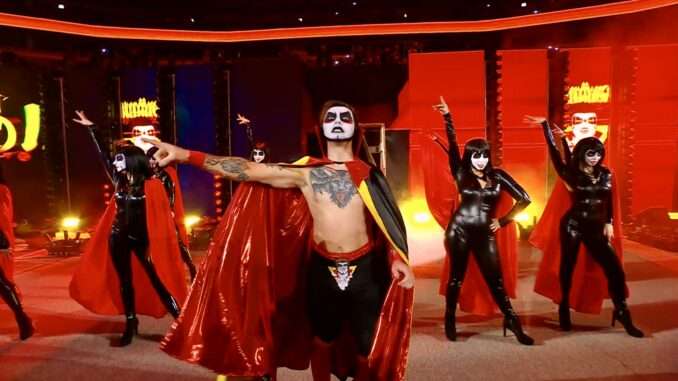
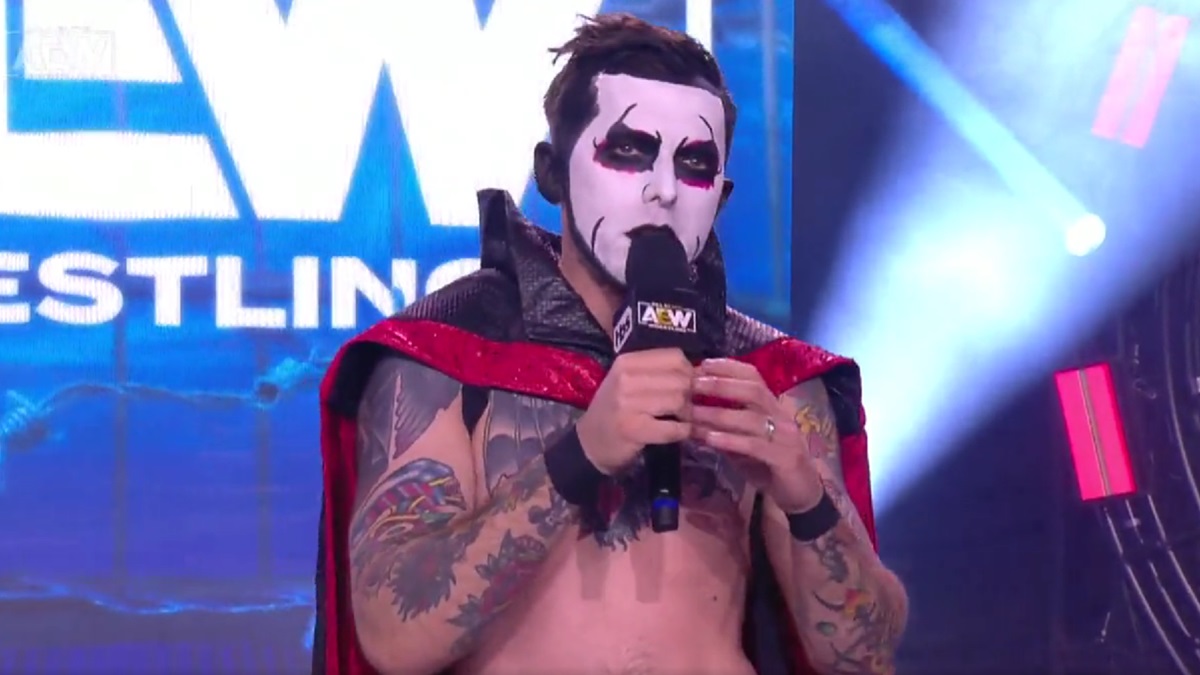
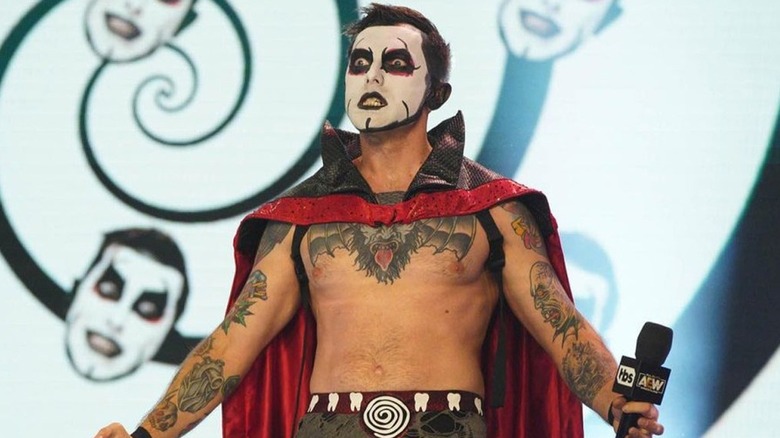
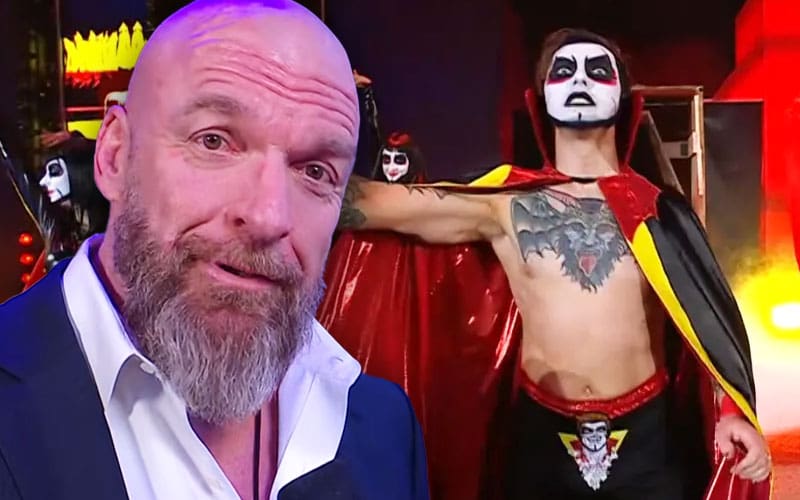
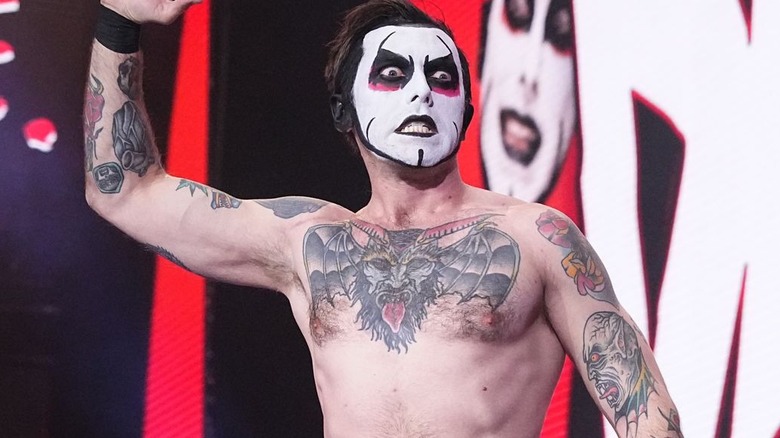
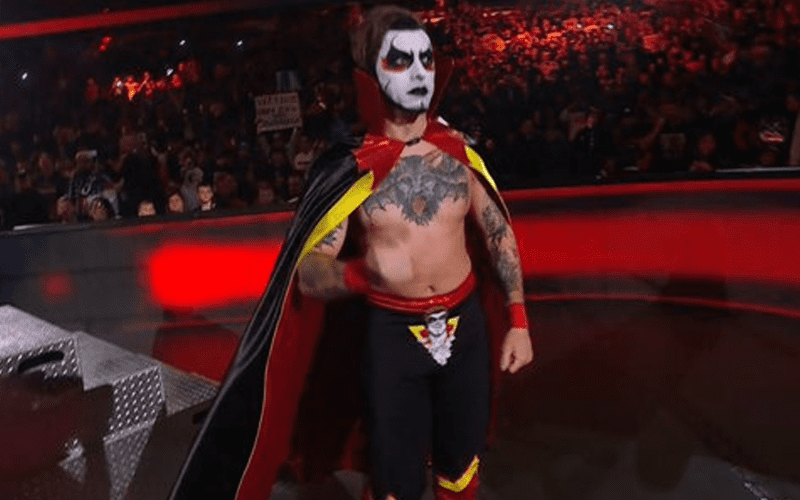
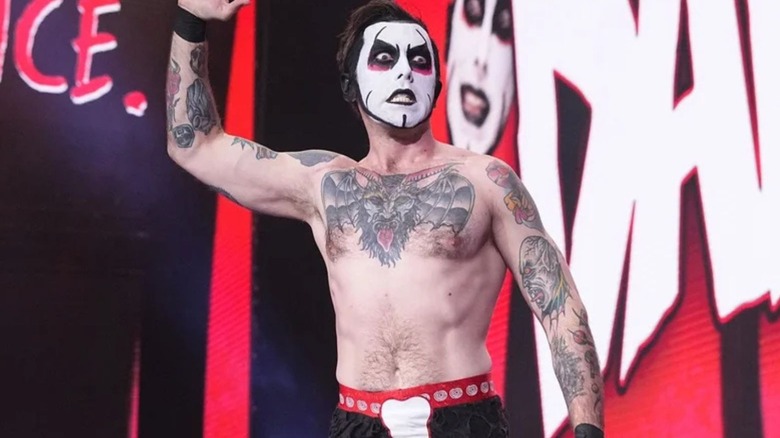
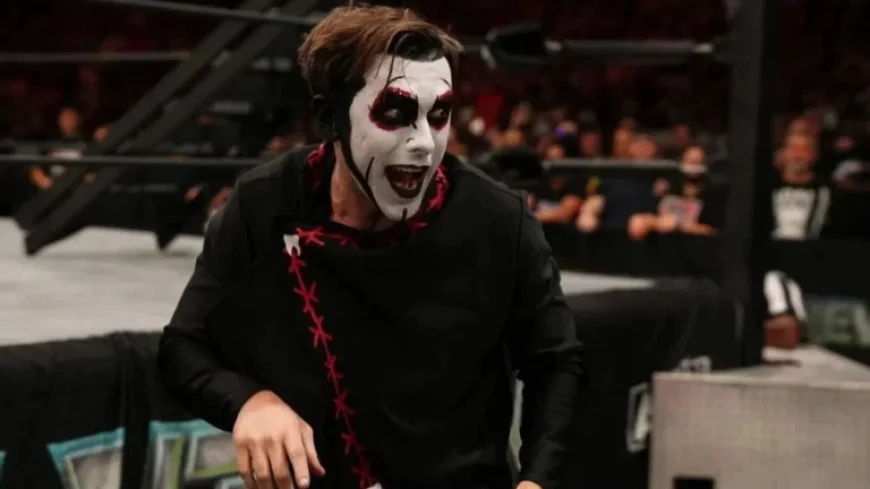
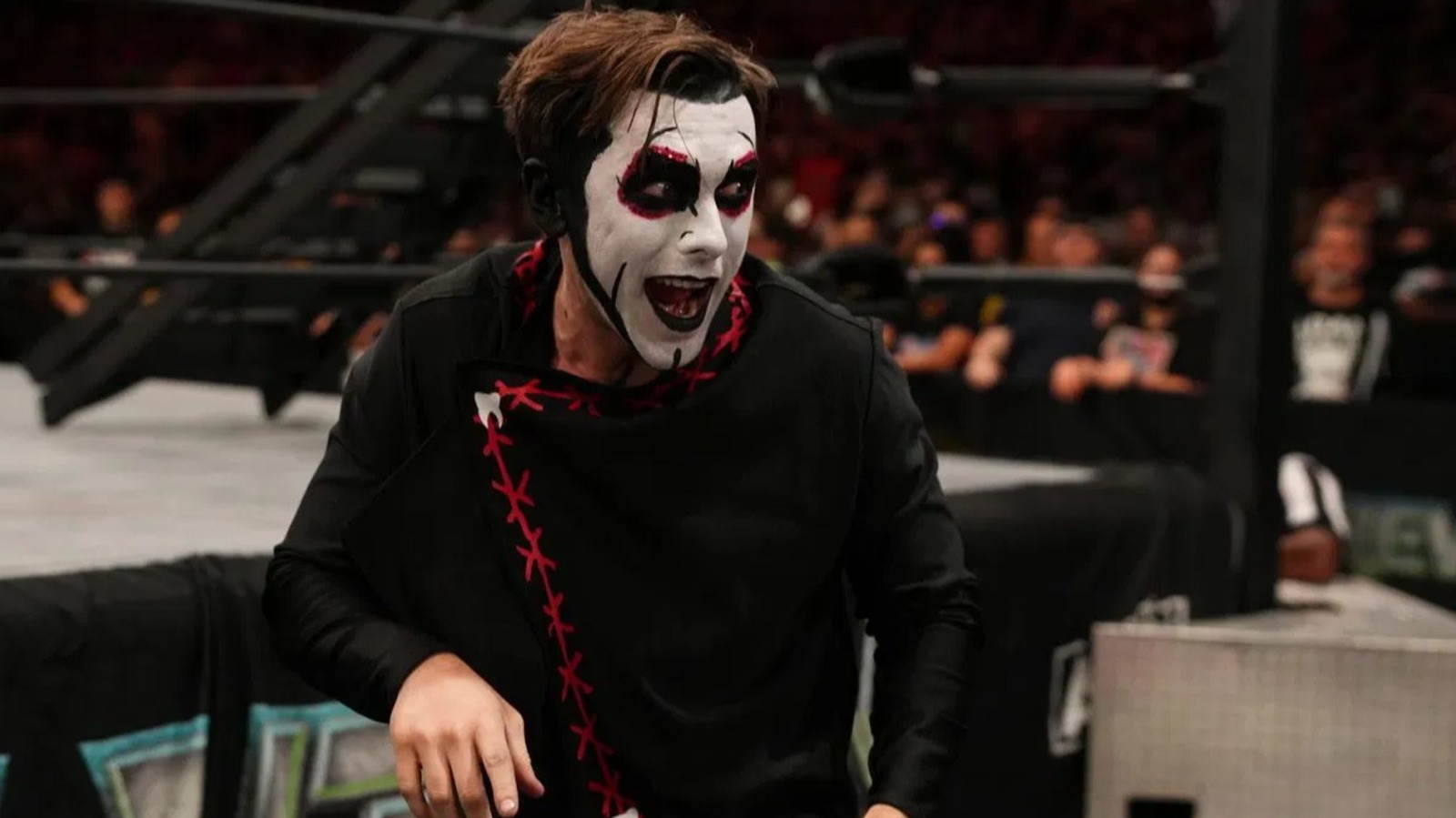
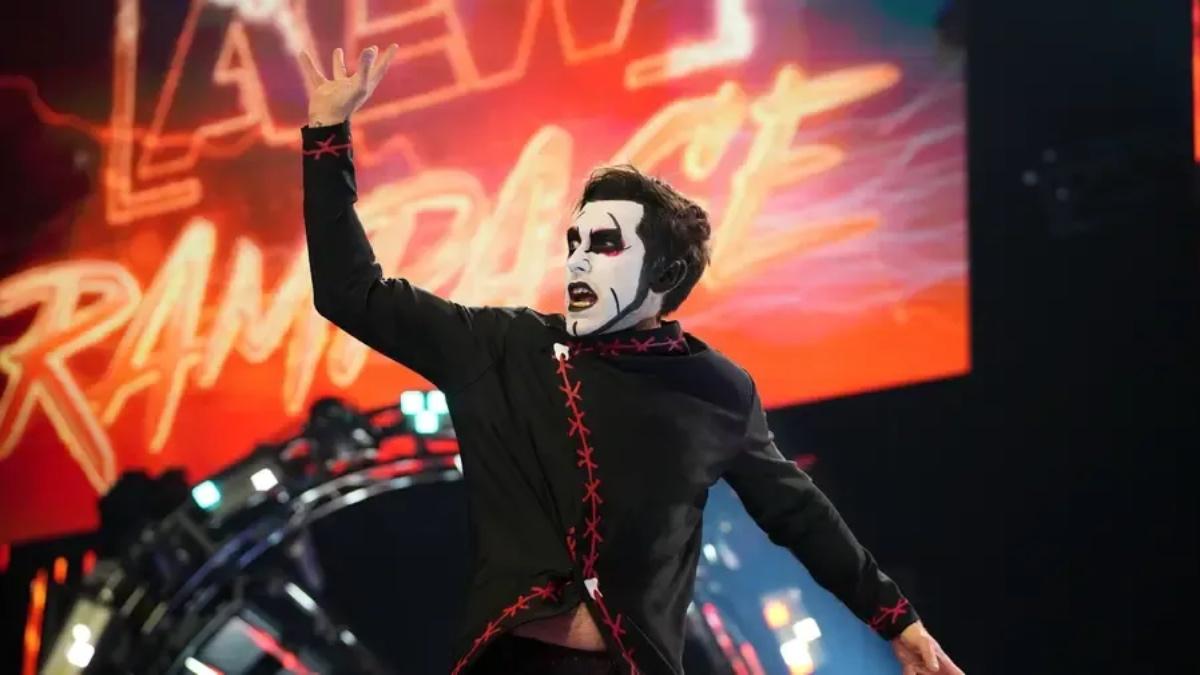
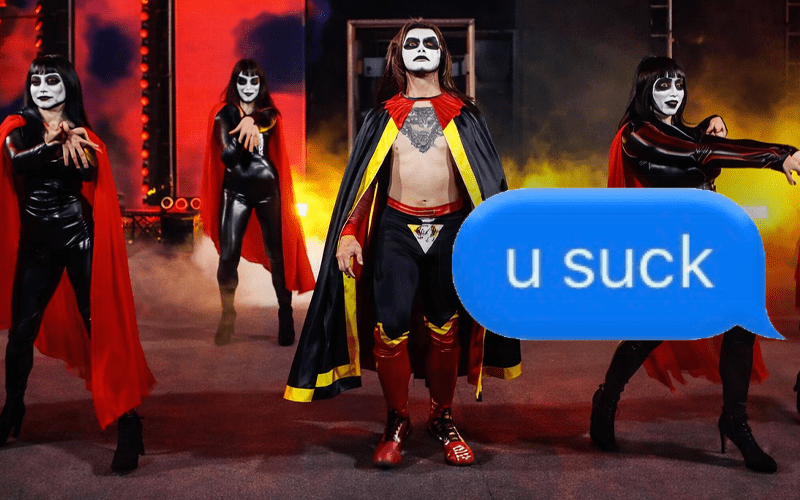
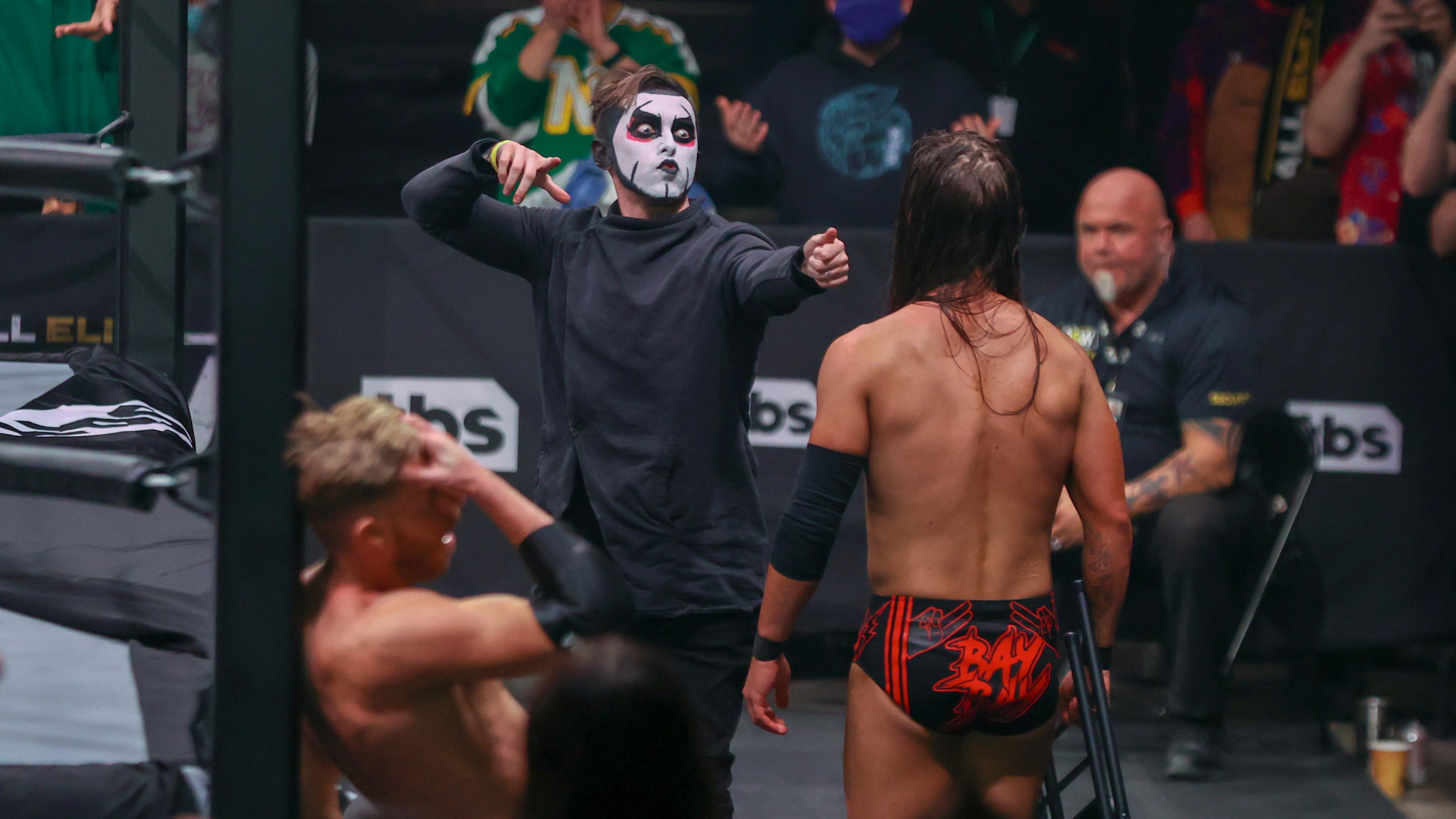
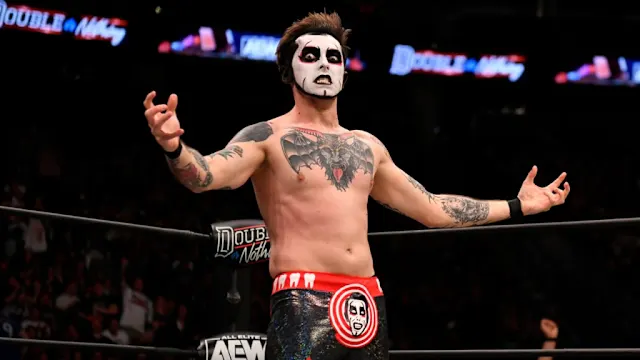
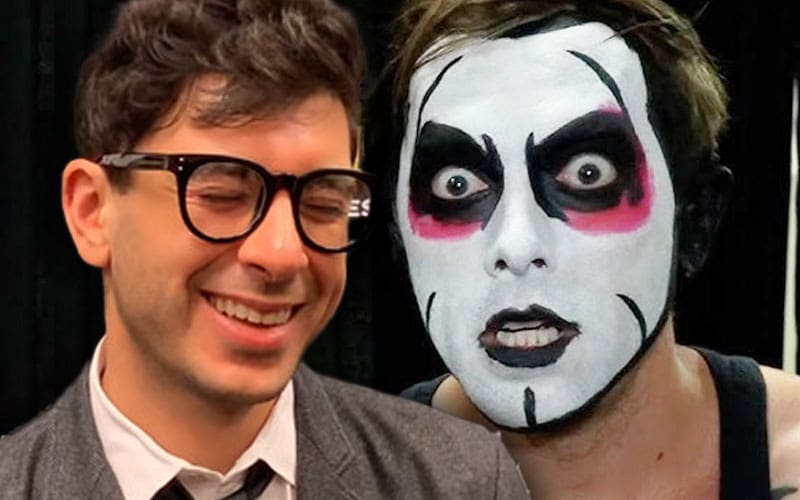
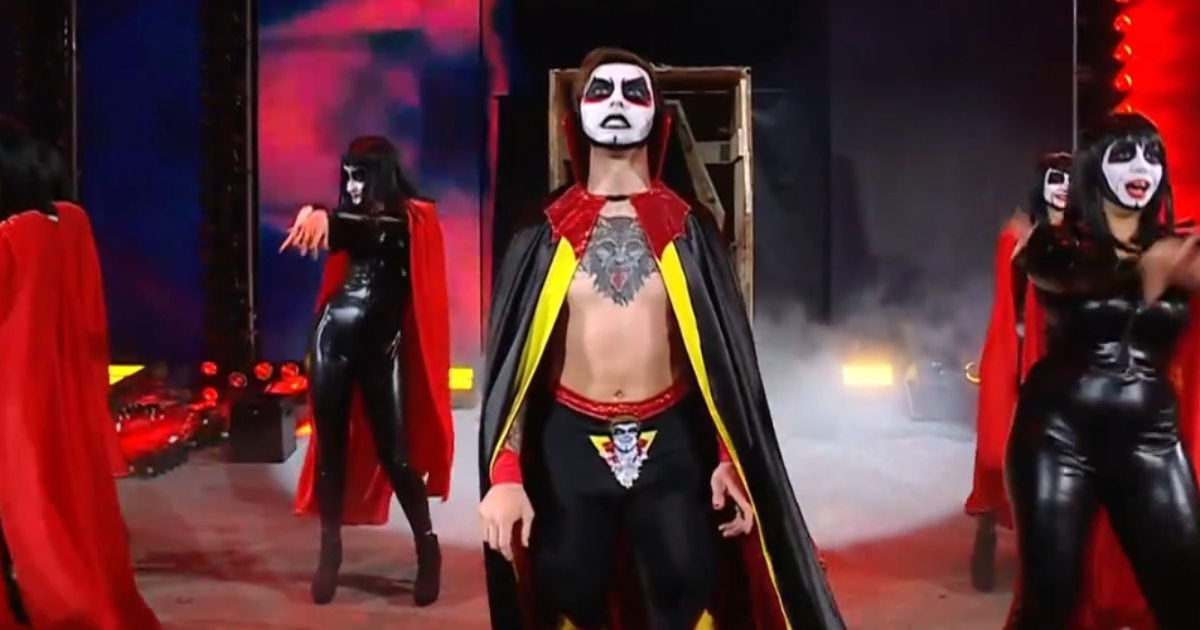
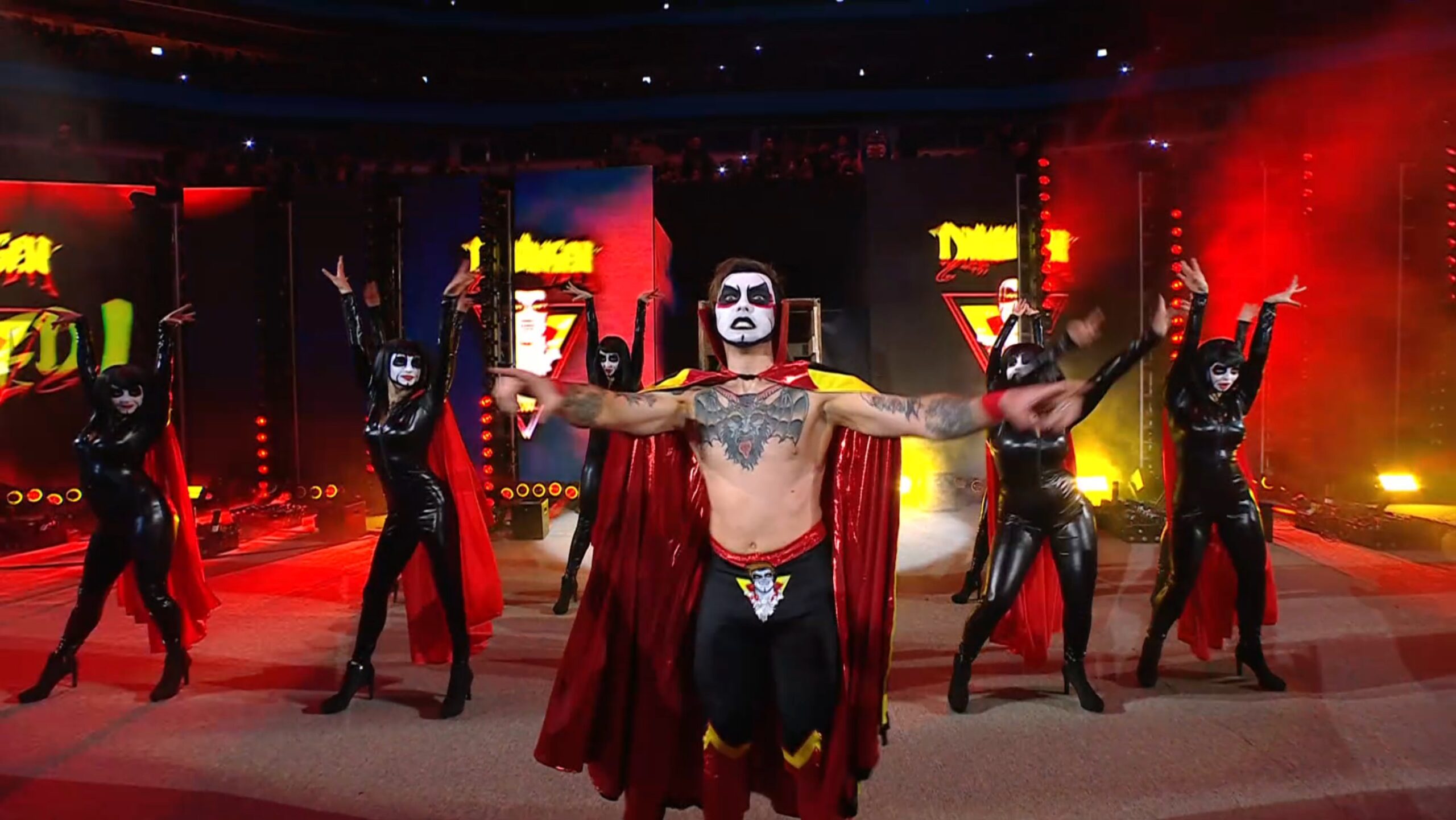
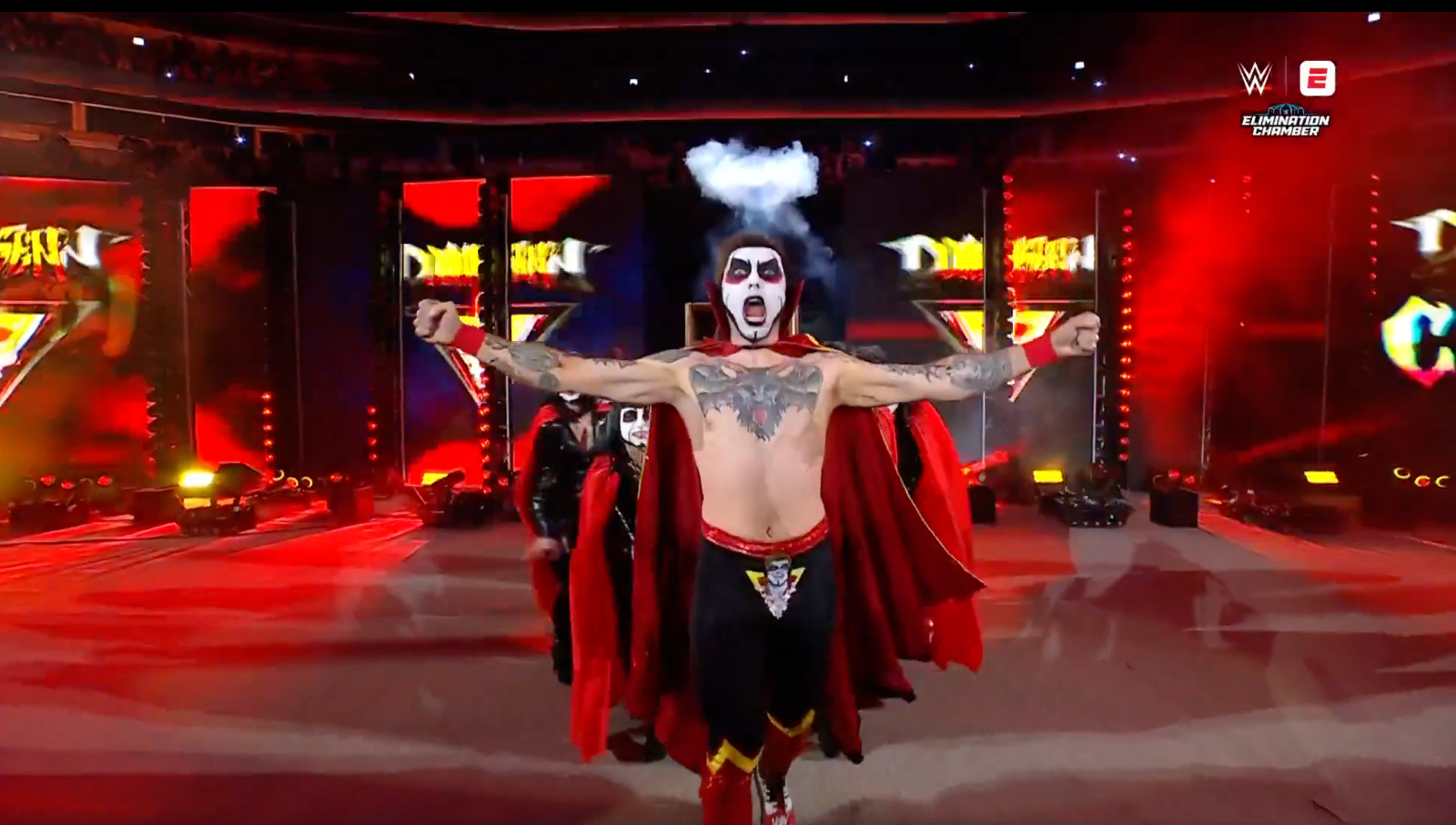
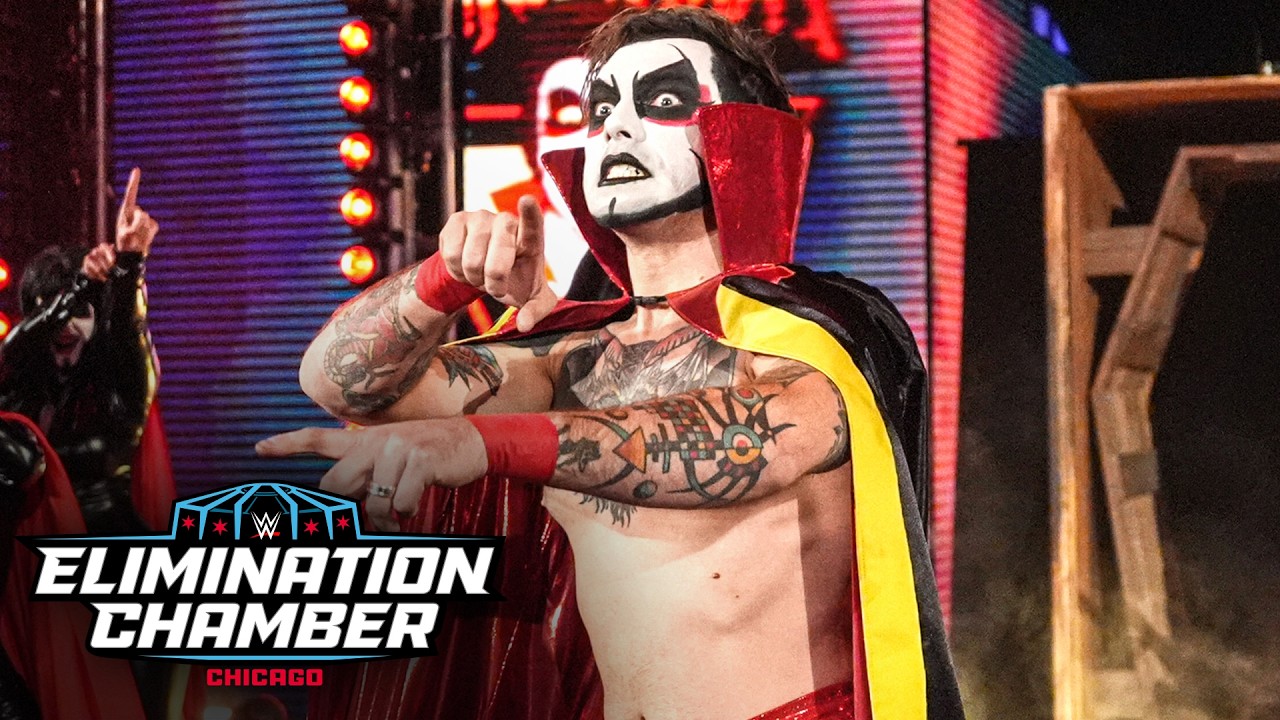
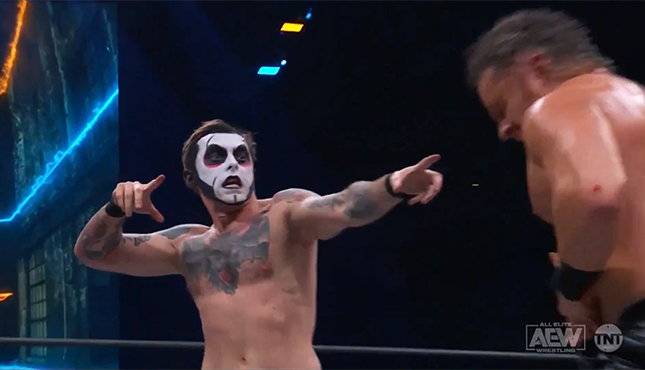
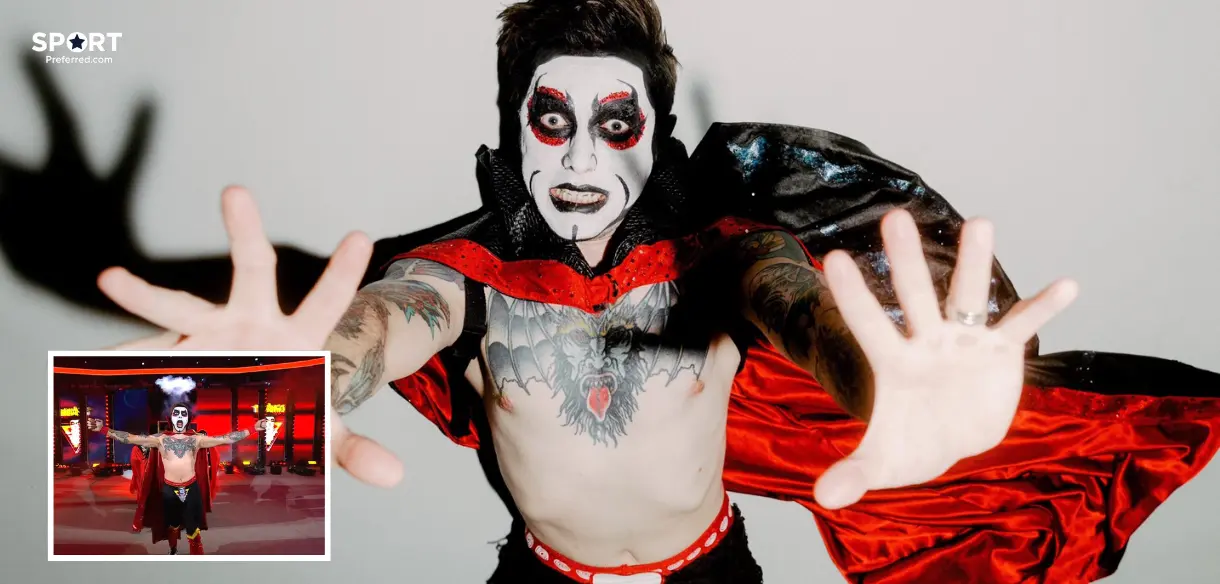
The Danhausen transition from AEW to WWE represents a critical case study in how entertainment platforms now value talent based on merchandise sales potential rather than traditional viewership metrics. Danhausen, despite being characterized as a "secondary character" with limited television exposure, consistently ranked in AEW's top-10 merchandise sellers—a distinction that directly influenced WWE's decision to sign him and feature him prominently at the Elimination Chamber PPV event on February 28, 2026, in Chicago. This shift reveals a fundamental change in how major wrestling promotions evaluate talent ROI, with merchandise revenue becoming a primary driver of contract negotiations and roster decisions.
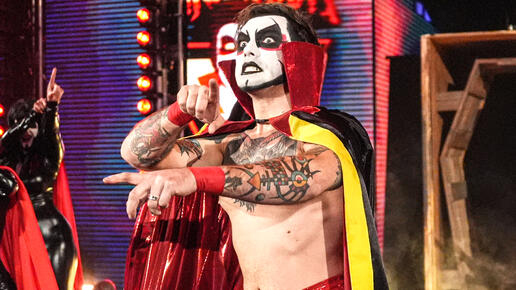
For cross-border e-commerce sellers, this trend signals explosive growth opportunities in the sports collectibles and wrestling merchandise category, which generated $2.1 billion in global cross-border sales during 2024. The news demonstrates that niche character merchandise—capes, face paint, branded apparel, and collectible items—can outperform mainstream celebrity products when backed by dedicated fanbase engagement. Danhausen's ability to generate top-tier merchandise sales despite minimal TV time indicates that authentic fan connection and unique character design drive purchasing behavior more effectively than traditional celebrity status. Sellers specializing in licensed wrestling merchandise, custom character apparel, and collectible items should prioritize inventory expansion during major PPV events, which historically drive 40-60% merchandise sales spikes in the wrestling category.
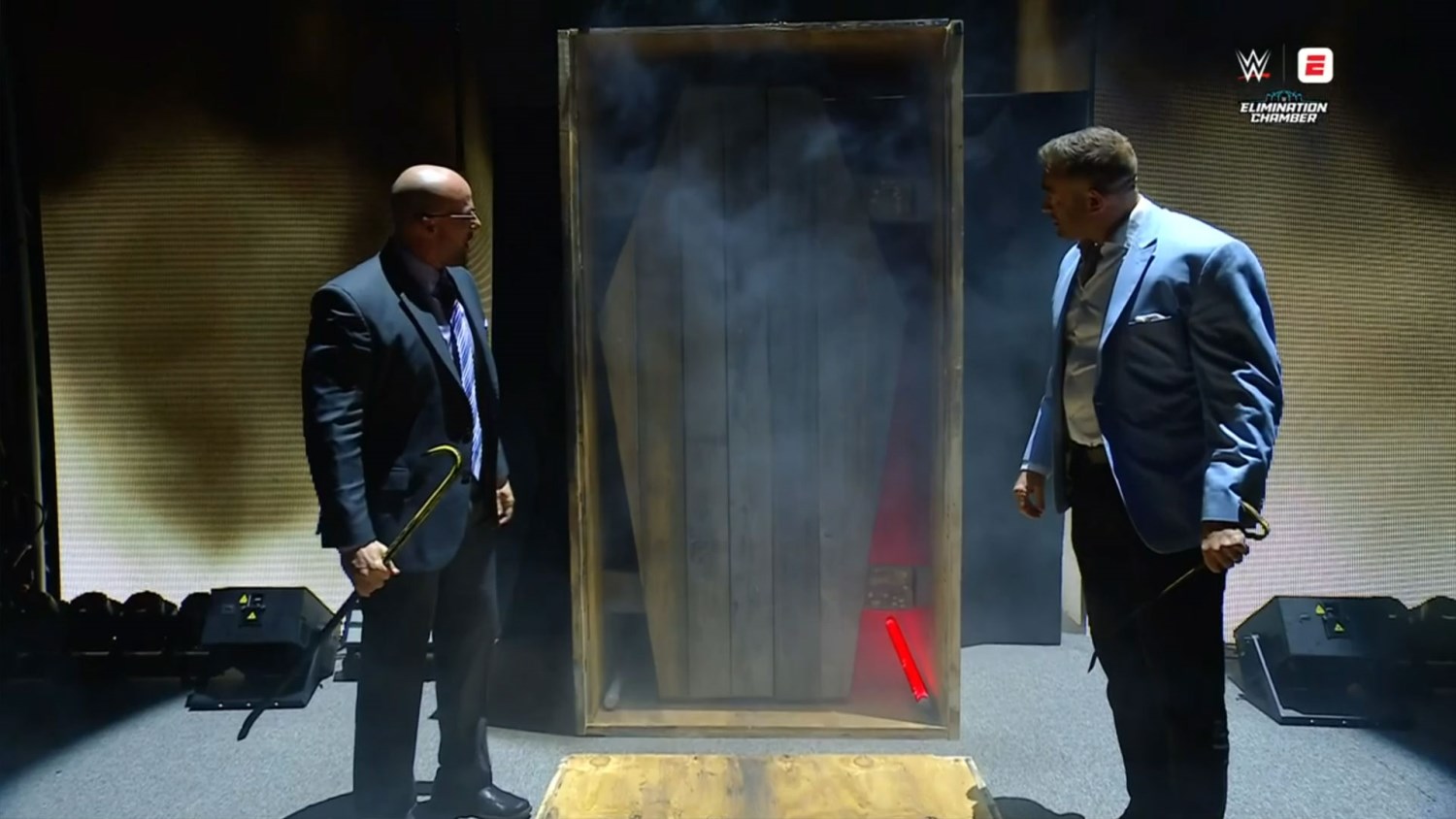
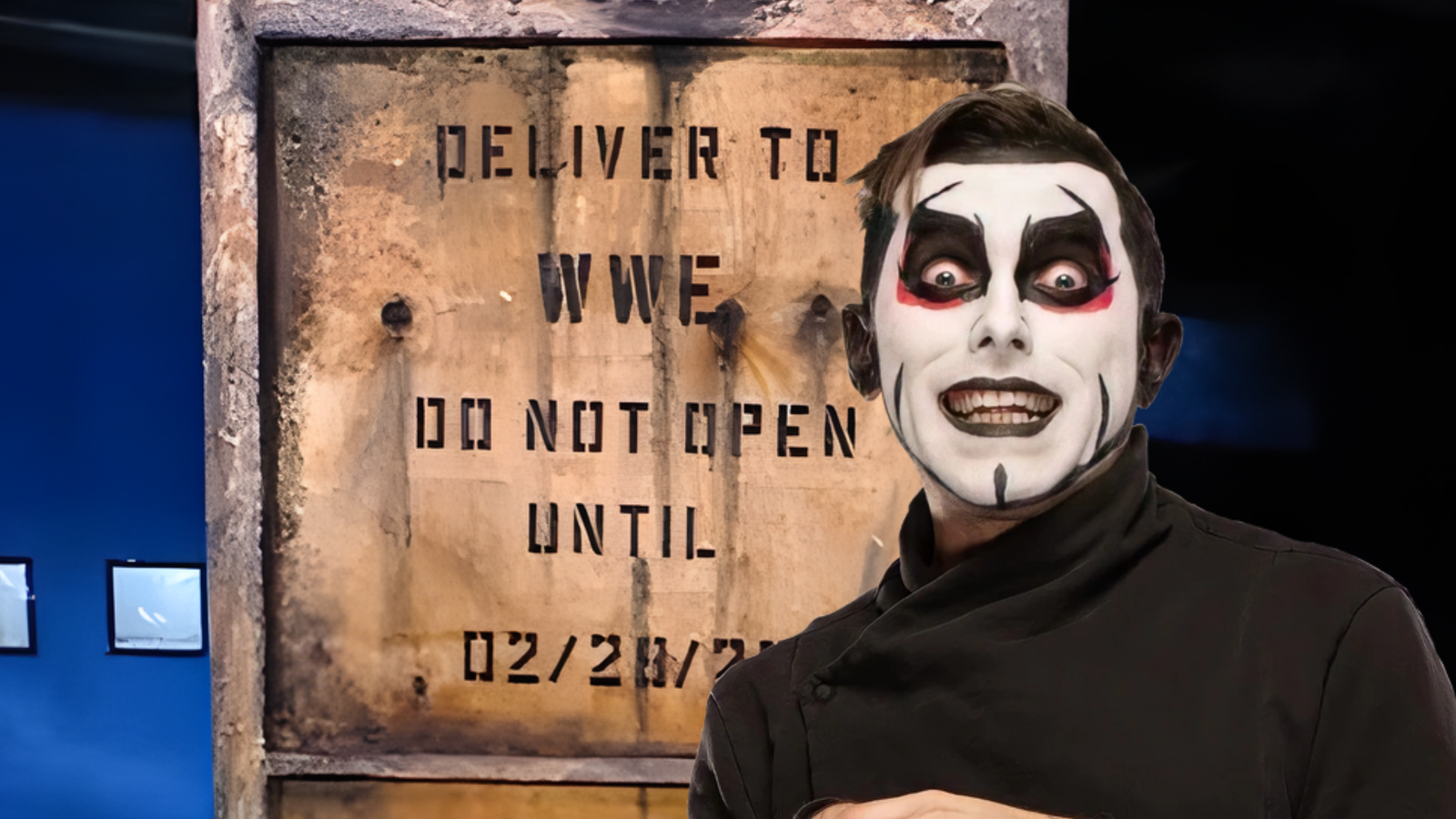
The operational context reveals additional seller opportunities: Danhausen's three-hour window as a free agent (removed from AEW roster on February 28, 2026, before signing with WWE) created immediate demand for merchandise transition products. Sellers operating on Amazon, eBay, and Shopify can replicate this pattern by monitoring talent roster changes, contract expirations, and promotional announcements to pre-position inventory. The mystery crate reveal segment—a theatrical marketing device that built anticipation across multiple WWE broadcasts—demonstrates how entertainment platforms use narrative-driven product launches to drive merchandise sales. Cross-border sellers can apply similar scarcity and anticipation tactics through limited-edition drops, exclusive character variants, and time-bound merchandise bundles tied to major wrestling events. The fact that WWE invested in a high-profile PPV debut for a merchandise-focused talent (rather than a traditional main-event performer) indicates that wrestling merchandise has become a primary revenue stream, justifying premium inventory investment and marketing spend during event windows.
Questions 7
How can sellers capitalize on wrestling talent transitions like Danhausen's WWE debut?
Monitor talent roster changes and contract expirations on WWE and AEW official pages, then pre-position inventory 2-4 weeks before anticipated announcements. Danhausen's transition generated immediate merchandise demand across multiple platforms. Sellers should create dedicated product listings for character-specific merchandise (capes, face paint, apparel) and use Amazon Sponsored Ads targeting wrestling fan keywords during PPV event windows. Historical data shows wrestling merchandise sales spike 40-60% during major events like Elimination Chamber. Set up inventory alerts for talent-related keywords and prepare bulk shipments to 3PL providers ahead of event dates to ensure stock availability during peak demand periods.
What product categories perform best in wrestling merchandise on Amazon and eBay?
Character apparel (t-shirts, hoodies), collectible figures, capes and costume accessories, and limited-edition signed merchandise consistently rank in top-10 bestsellers within the sports collectibles category. Danhausen's success despite limited TV exposure demonstrates that unique character design and authentic fan connection drive sales more effectively than mainstream celebrity status. Sellers should focus on niche character merchandise with strong visual identity and dedicated fanbase support. eBay's wrestling collectibles category grew 35% year-over-year in 2024, while Amazon's sports merchandise category exceeded $1.2B in annual cross-border sales. Prioritize inventory in apparel (40% of category), collectibles (35%), and accessories (25%) based on historical performance data.