



Dubai Supply Chain Disruption | Critical Logistics Rerouting for Cross-Border Sellers
- Iran's 200+ drone attacks on UAE infrastructure threaten $2.1B regional logistics hub; sellers must immediately reroute shipments and reassess inventory positioning













Overview
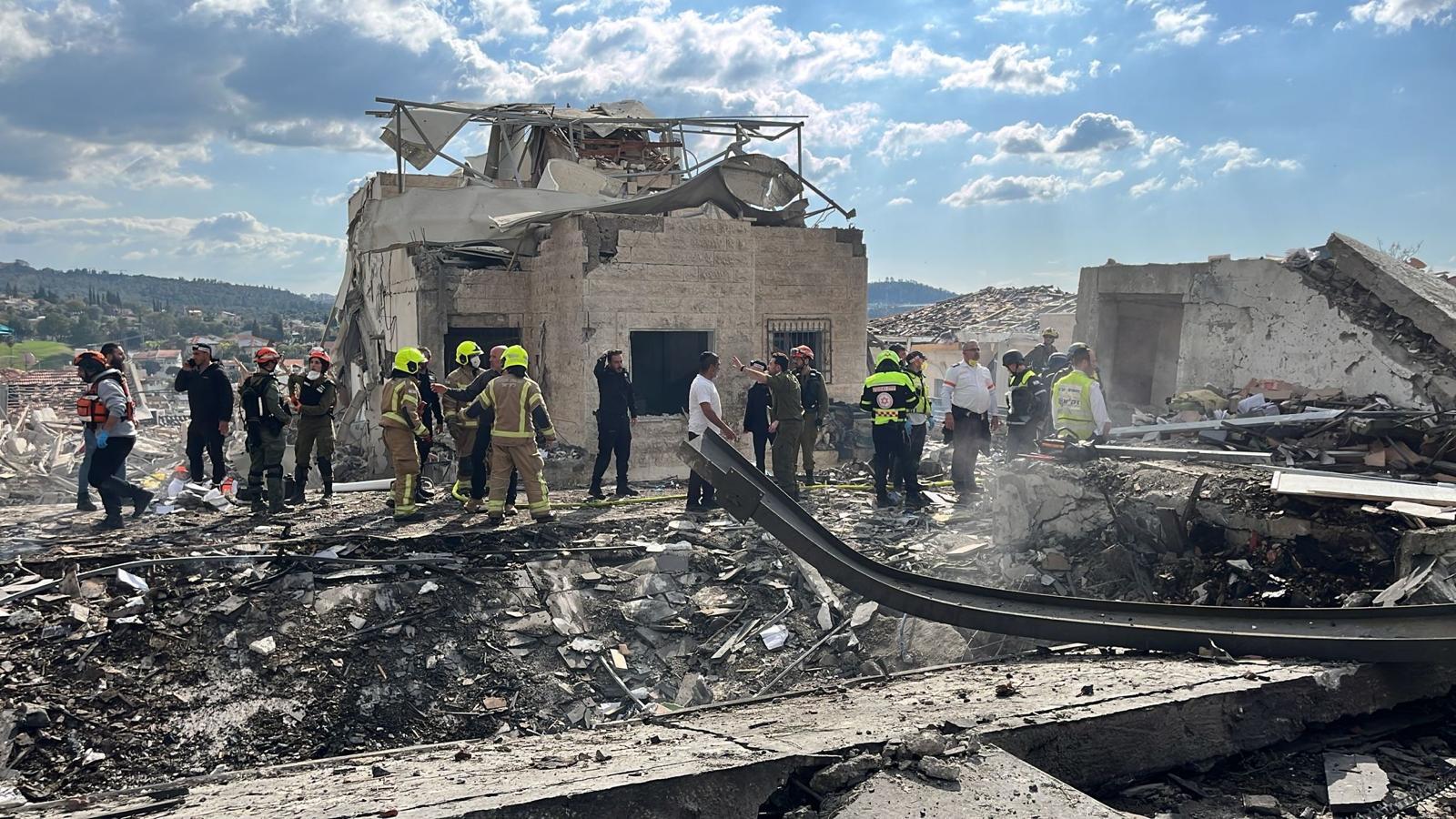
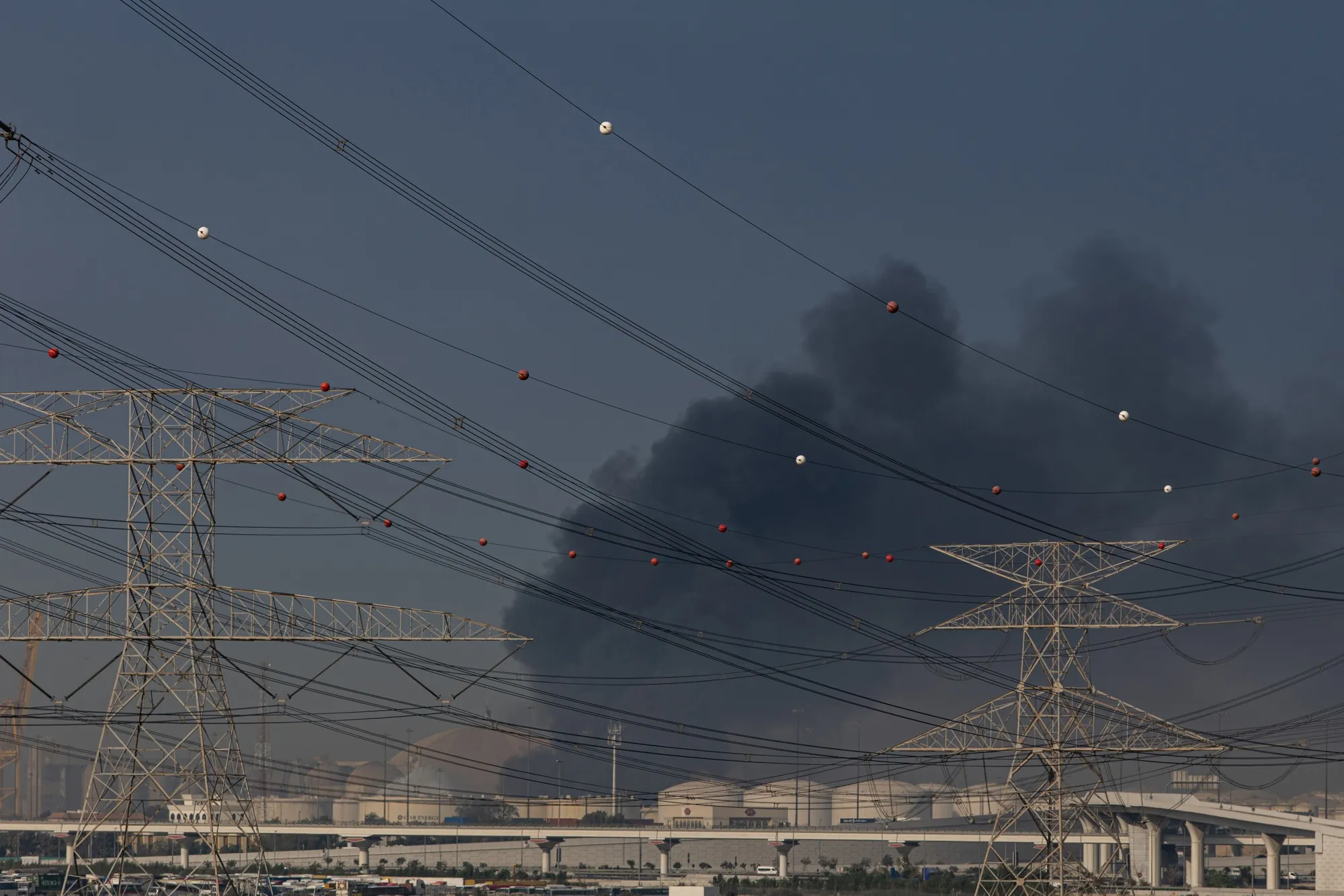
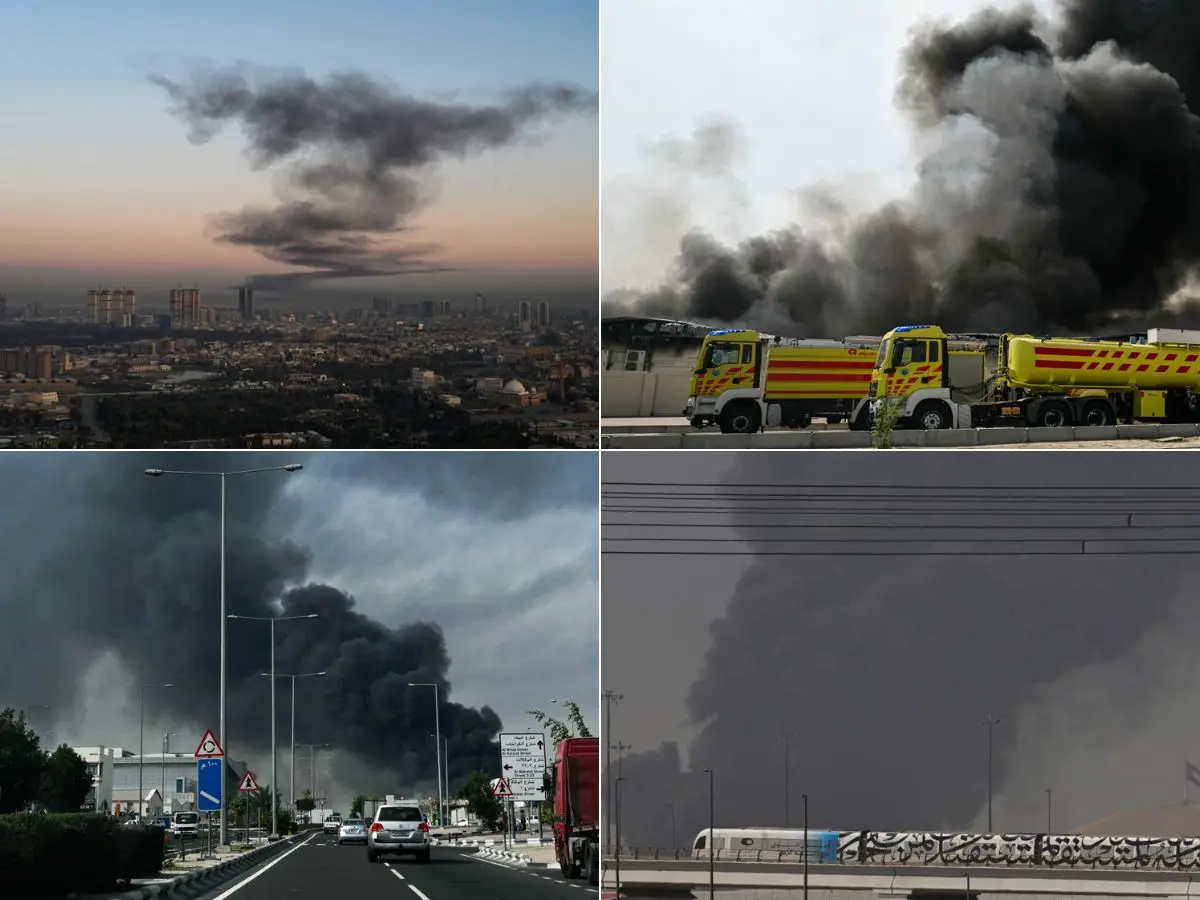
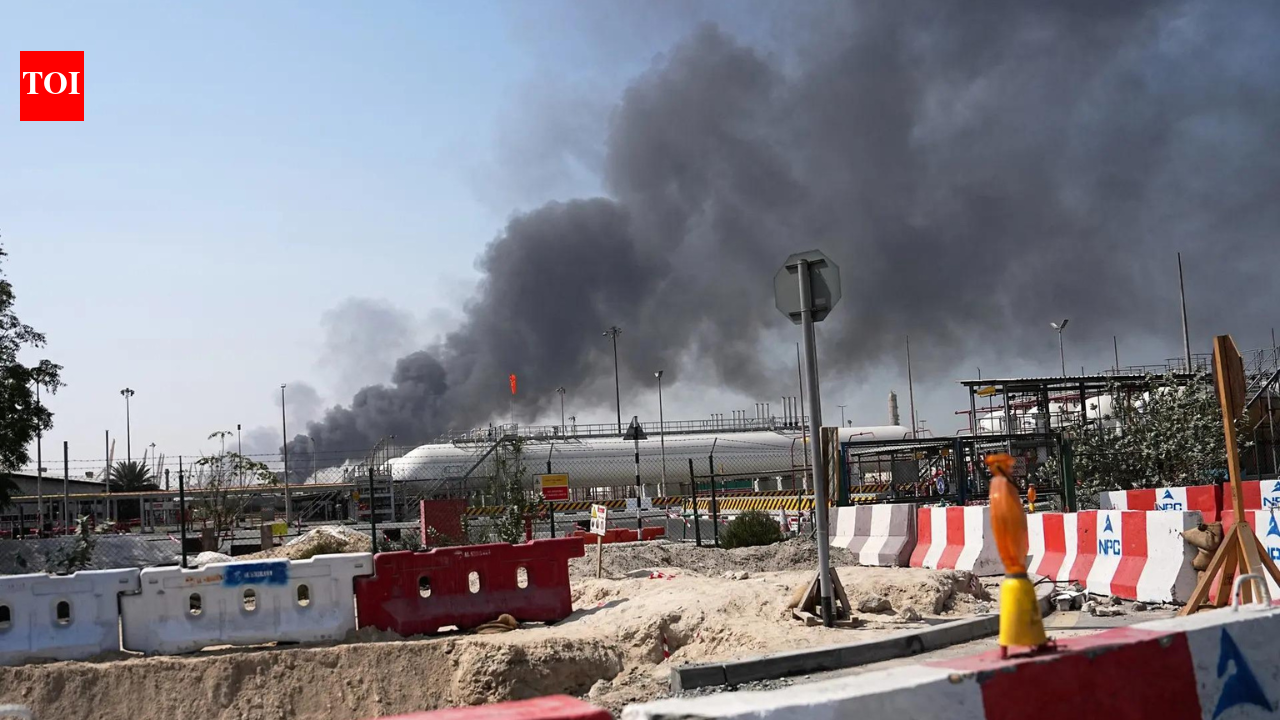
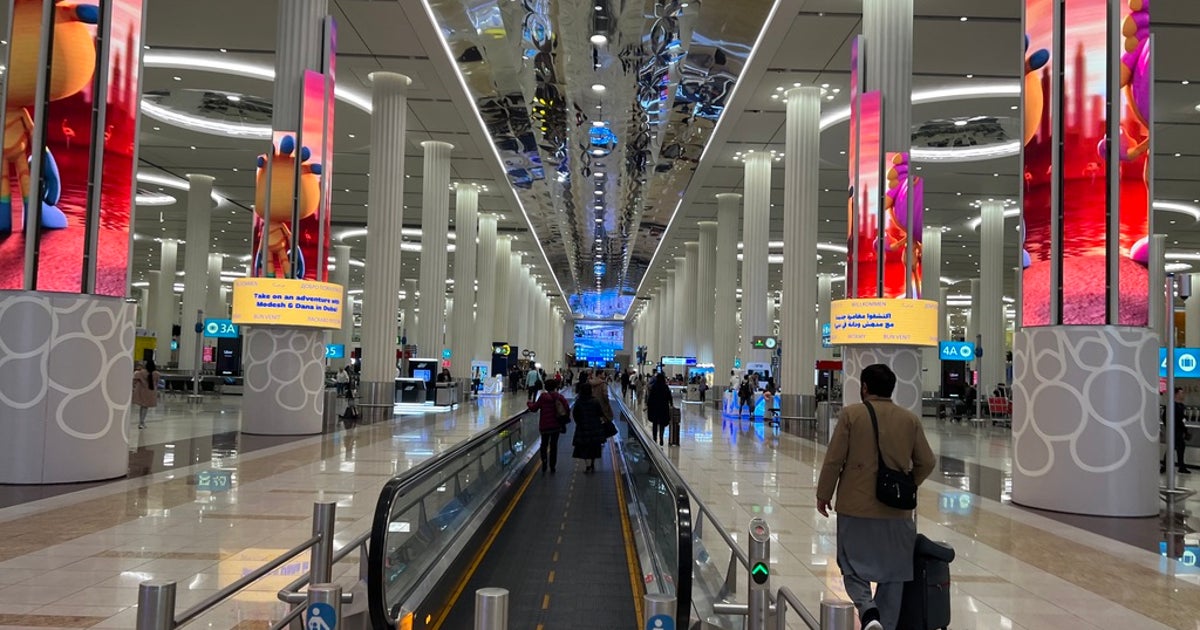
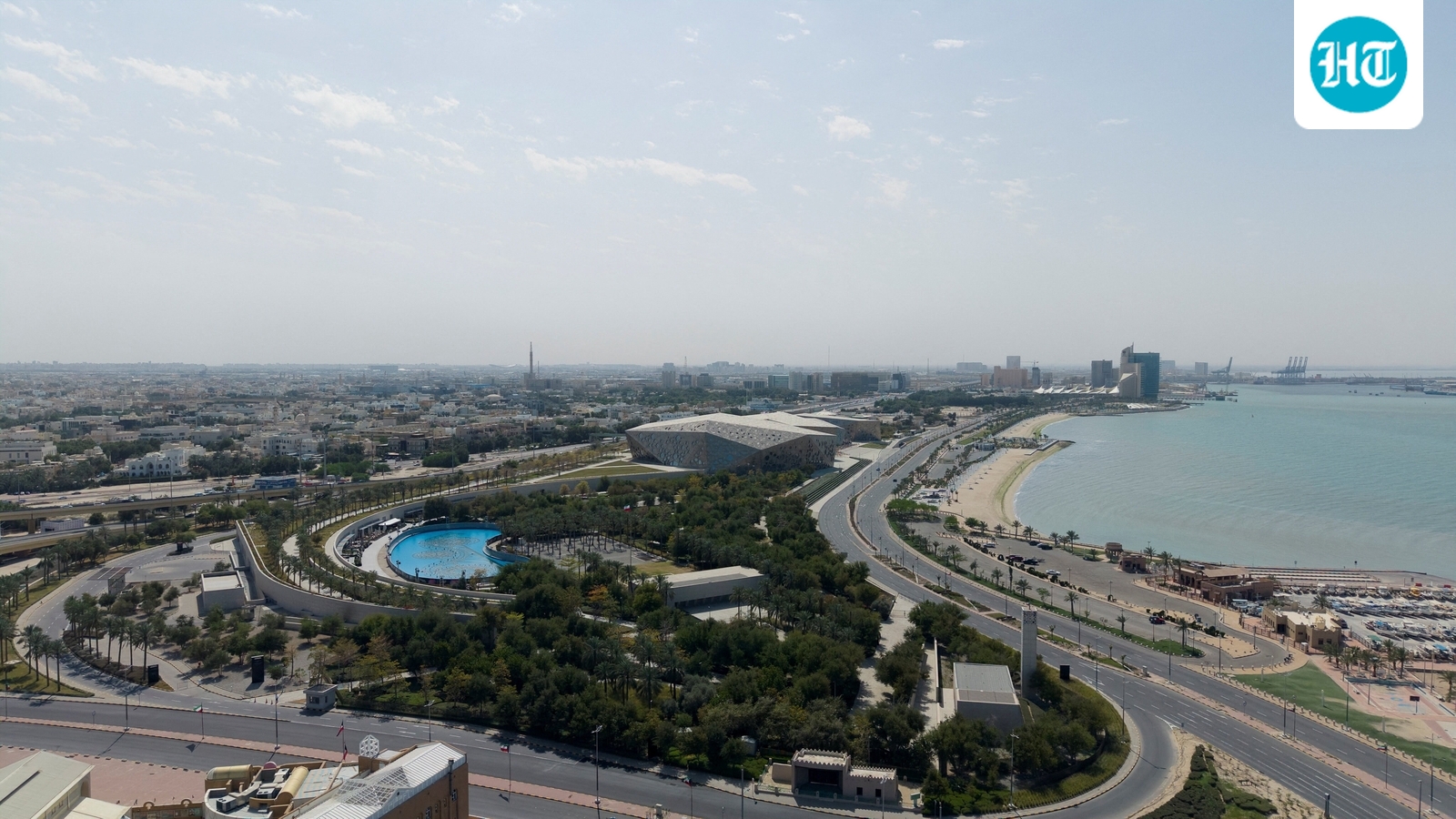
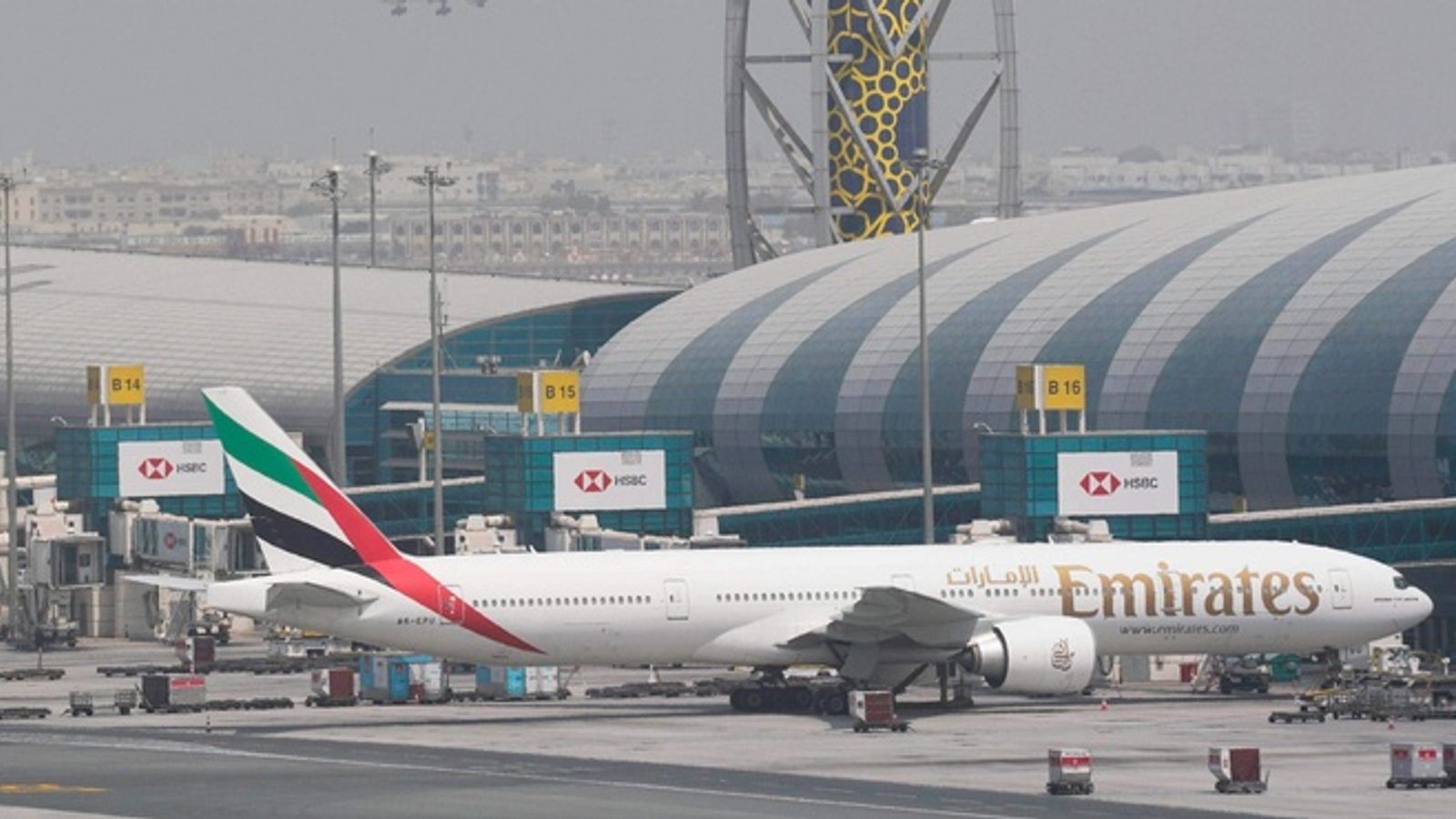
The March 1, 2026 Iranian retaliatory strikes targeting Dubai, Abu Dhabi, Qatar, and Bahrain represent a critical supply chain inflection point for cross-border e-commerce sellers. Iran launched over 200 drones and 137 ballistic missiles at the UAE, with 14 drones penetrating air defenses and damaging Dubai's international airport, hotels, and apartment infrastructure. This directly impacts Dubai's role as a critical logistics nexus—the city hosts major fulfillment centers, payment processing hubs, and serves as the primary transshipment point for goods flowing between Asia, Europe, and North America. The Strait of Hormuz, through which 21% of global petroleum and 30% of liquefied natural gas transit, faces heightened risk from ongoing US-Iran tensions, creating immediate cost pressures on ocean freight routes.
For sellers using Dubai-based 3PL providers or FBA fulfillment networks, immediate action is required. The attacks damaged Dubai International Airport's cargo handling capacity, creating 7-14 day processing delays for air freight shipments. Sellers relying on expedited delivery to EU and US markets should immediately shift to alternative hubs: Singapore (3-5 day longer transit but stable), Rotterdam (direct EU access), or Los Angeles (North American distribution). Air freight costs from Asia to Dubai typically run $4.50-6.50/kg; rerouting through Singapore adds $0.80-1.20/kg but avoids infrastructure disruption risk. For sellers with inventory in Dubai warehouses, the geopolitical risk premium has increased 15-25%, making immediate redistribution to safer hubs economically justified.
Inventory positioning strategy must shift immediately. Sellers should liquidate 30-40% of slow-moving inventory currently staged in Dubai 3PLs within 14 days, accepting 10-15% margin compression rather than facing potential supply chain interruption. For Q2 2026 peak season (April-June), redirect inventory allocation: increase US warehouse stock by 20-25% (absorb 8-12% higher storage costs), reduce Middle East/Africa allocations by 40%, and expand Southeast Asia positioning (Thailand, Vietnam) by 15-20% to serve as secondary Asia-Pacific hub. The UAE maintains substantial trade relationships with Iran, creating additional sanctions risk—sellers should audit supplier relationships and avoid any Iranian-origin components or materials.
Shipping route optimization is critical. The Strait of Hormuz disruption risk increases insurance premiums 12-18% for ocean freight. Sellers should shift 60-70% of Asia-to-Europe shipments from Suez Canal routes (via Hormuz) to longer but safer Cape of Good Hope routing (+8-12 days transit, +$180-320/container). For time-sensitive categories (electronics, fashion, perishables), air freight through alternative hubs becomes cost-justified despite 25-35% premium. Monitor Strait of Hormuz closure probability daily; if risk exceeds 40%, activate contingency routing immediately.
Questions 7
What sanctions risks should I monitor regarding Iran trade?
Audit all suppliers for Iranian origin or Iranian-connected ownership. US OFAC sanctions prohibit any transactions with Iranian entities; violations carry $250,000+ penalties. Check supplier documentation: country of origin, beneficial ownership, banking relationships. If any supplier has Iranian connections, immediately source alternatives from India, Vietnam, or Turkey. For sellers already selling in Middle East: suspend sales to Iran, Syria, and North Korea immediately. Review payment processor compliance: PayPal, Stripe, and Amazon Payments prohibit Iran transactions. If you've received payments from Iranian customers, report to your processor within 30 days to avoid account suspension. This is compliance-critical; geopolitical risk is secondary to regulatory exposure.
How do I assess my 3PL provider's geopolitical risk exposure?
Request immediate confirmation of: (1) percentage of inventory stored in Dubai vs. alternative hubs, (2) backup routing plans if Strait of Hormuz closes, (3) insurance coverage for geopolitical events, (4) contingency capacity in Singapore/Rotterdam/LA. If your provider cannot confirm these within 48 hours, begin transition to alternative 3PL. Evaluate: Flexport (strong Asia-Europe routing), DHL Supply Chain (global redundancy), Geodis (EU-focused). Switching costs: $2,000-5,000 setup + 2-3 week transition. For sellers with >$1M inventory in Dubai, switching is justified if current provider lacks contingency plans. Negotiate 30-day notice period and maintain 10-15% safety stock in alternative hub during transition.