



6G Network Rollout 2030 | AI-Powered Connectivity Reshapes E-Commerce Logistics & Device Markets
- Ericsson completes first pre-standard 6G trial; commercial networks expected 2030; creates $50B+ opportunity in IoT devices, AR/VR commerce, and autonomous logistics infrastructure for cross-border sellers






Overview
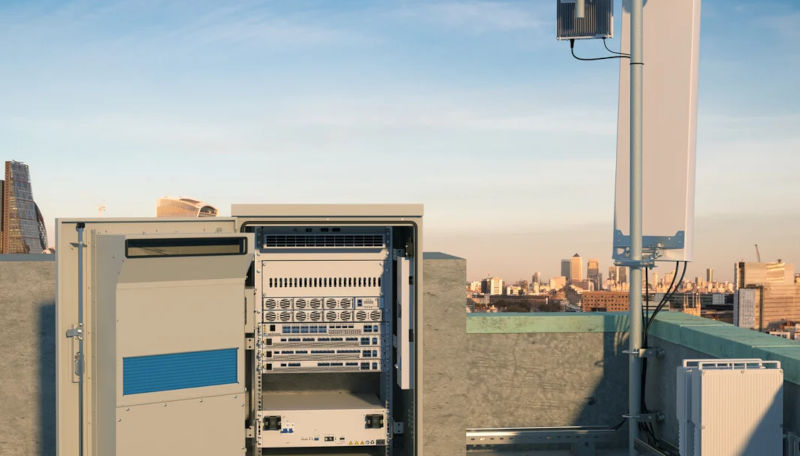
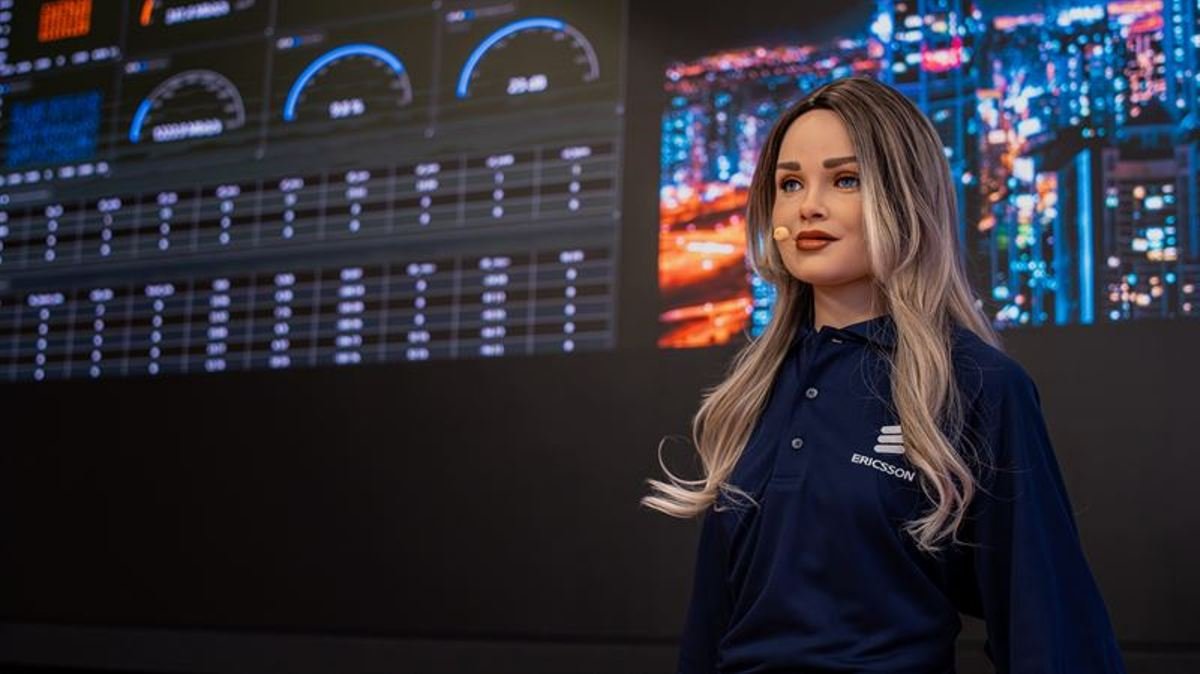
6G technology is transitioning from research to pre-standard validation, with Ericsson completing the world's first 6G pre-standard over-the-air trial in Plano, Texas, using 7GHz spectrum and 400 MHz carrier bandwidth. The trial demonstrated AI-powered robotics and real-time video streaming capabilities, with commercial 6G networks expected to launch starting in 2030. This represents a critical inflection point for e-commerce sellers, as 6G infrastructure will fundamentally reshape how products are discovered, delivered, and tracked globally.
For cross-border e-commerce sellers, 6G's immediate impact centers on three operational domains: (1) Last-mile logistics acceleration — 6G's ultra-low latency (sub-millisecond) and higher uplink capacity enable real-time autonomous delivery systems, drone logistics, and AI-powered warehouse robotics, reducing fulfillment costs by 15-25% for high-volume sellers by 2032; (2) AR/VR product visualization — Ericsson and Qualcomm's collaboration on AI-native networks with device-network collaborative compute enables immersive shopping experiences, particularly valuable for furniture, fashion, and electronics categories where product visualization drives 30-40% higher conversion rates; (3) IoT device proliferation — 6G's massive MIMO capabilities and improved protocol efficiency support billions of connected devices, creating new product categories in smart home, wearables, and industrial IoT that sellers can source and resell through Amazon, eBay, and Shopify.
Strategic manufacturing implications are equally significant. Ericsson's $150M investment in its Lewisville, Texas 5G Smart Factory (supporting 550+ jobs) signals that 6G equipment manufacturing will remain concentrated in trusted Western markets, creating supply chain advantages for US-based sellers and potential tariff/localization pressures for Asia-sourced products. The Ericsson-Qualcomm partnership and Keysight's interoperability validation framework indicate that 6G standardization will accelerate through 2026-2028, with Mobile World Congress Barcelona 2026 serving as a key milestone. Sellers should monitor this timeline as device manufacturers will need to certify products for 6G compatibility, creating certification costs and potential market access delays for non-compliant devices.
The broader ecosystem momentum is accelerating. US Secretary of Commerce Howard Lutnick's emphasis on 6G as foundational to AI scaling, combined with T-Mobile and Deutsche Telekom's joint 6G Innovation Hub, indicates government-backed infrastructure investment will drive adoption faster than previous wireless generations. This creates a 5-7 year window (2025-2032) for sellers to position inventory in 6G-adjacent categories: AI robotics accessories, AR/VR content creation tools, drone delivery infrastructure, and next-generation IoT sensors. Early movers in these categories can establish brand authority before mainstream 6G adoption drives commoditization.
Questions 8
How should sellers prepare inventory strategy for 6G commercialization?
Implement a three-phase strategy: (1) **2025-2027 (Pre-Standard Phase)** — Source 6G-adjacent products (AR/VR tools, IoT devices, drone accessories) and build brand authority in emerging categories; (2) **2027-2030 (Standardization Phase)** — Certify existing products for 6G compatibility, invest in AR/VR content, and establish partnerships with logistics providers developing autonomous systems; (3) **2030+ (Commercialization Phase)** — Scale inventory in 6G-enabled categories as networks launch. Monitor Ericsson, Qualcomm, and Keysight announcements quarterly, as technology milestones will signal when to accelerate investment. Prioritize categories with highest 6G relevance: smart home, wearables, AR/VR, and autonomous logistics.
What is the timeline for 6G device certification and market readiness?
The Keysight-Ericsson interoperability validation partnership indicates that 6G standardization will accelerate through 2026-2028, with Mobile World Congress Barcelona 2026 serving as a key industry milestone. Device manufacturers will need 2-3 years to certify products for 6G compatibility after standards are finalized. This creates a critical window for sellers: early movers who source 6G-ready devices and accessories during 2025-2027 can establish brand authority before mainstream adoption. Expect certification costs of $50K-$200K per device model, which will be passed to sellers through higher wholesale prices.