

China's Silver Export Controls: A Geopolitical Choke Point in Global Strategic Resources
- Emerging trade policy reshapes industrial metal markets and global supply chain dynamics








Overview
The global strategic resource landscape is undergoing a profound transformation as China weaponizes its silver export controls, signaling a sophisticated new chapter in industrial commodity geopolitics. By implementing strict export restrictions, China is effectively elevating silver from a mere commodity to a strategic national asset, mirroring its previous playbook with rare earth elements.
The strategic implications are multifaceted and far-reaching. China exported over 4,600 tons of silver in the first 11 months of 2025, while maintaining tight control over its supply chain. This move is not just an economic decision but a calculated geopolitical maneuver that disrupts global manufacturing ecosystems. The United States' recent addition of silver to its critical minerals list underscores the metal's pivotal role in high-tech industries, from electrical circuits to solar cell production.
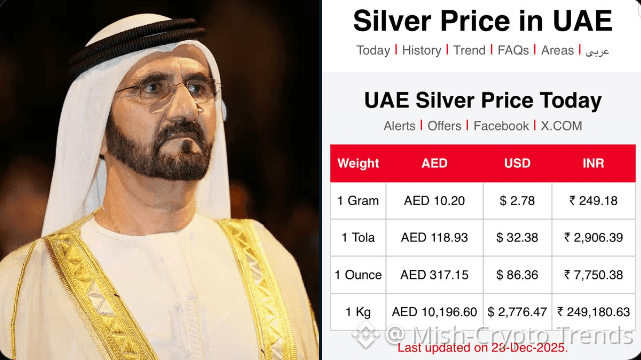
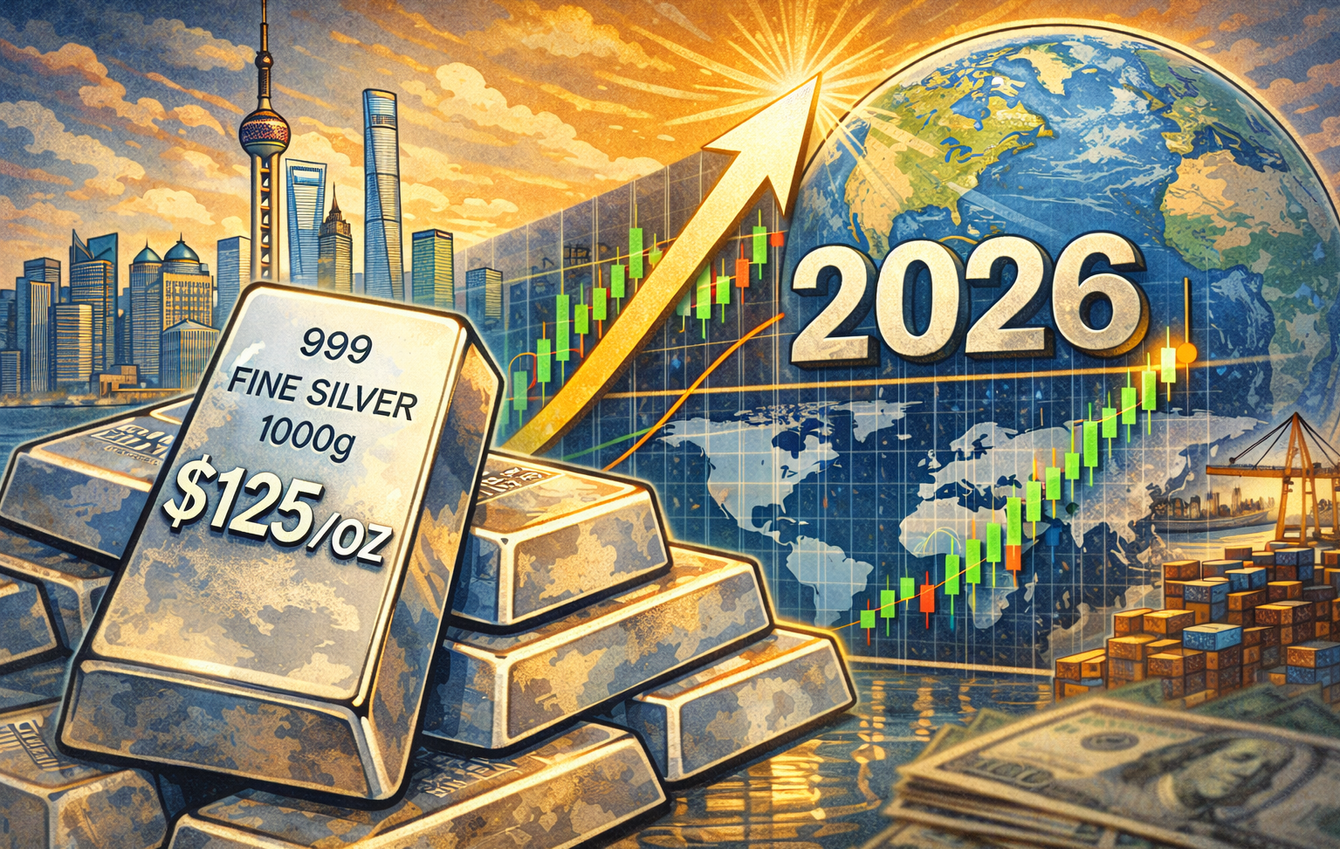
The market's response has been dramatic, with silver prices more than doubling in 2025—tracking its best performance since 1979. This surge reflects more than speculative trading; it represents a fundamental restructuring of industrial metal access. The silver-to-oil price ratio has collapsed from a historical 3.8 ounces per barrel to an unprecedented 0.8x, signaling massive structural shifts in commodity markets.
Industrial leaders are already feeling the pressure. Tesla CEO Elon Musk's public criticism and the EU Chamber of Commerce's warning about widespread disruptions highlight the potential cascading effects. With approximately 60% of silver used in industrial processes, these export controls could create significant bottlenecks in technology manufacturing, renewable energy infrastructure, and advanced electronics.
The broader context reveals China's strategic calculus: by controlling critical industrial materials like silver, tungsten, and antimony, the country is positioning itself as a pivotal gatekeeper in global supply chains. This is not merely a trade policy but a sophisticated geopolitical strategy that weaponizes economic interdependence.
Questions 3
Why is China restricting silver exports?
China is strategically positioning itself as a critical resource gatekeeper by controlling silver exports. This approach mirrors their previous strategy with rare earth elements, allowing them to leverage economic interdependence and create potential supply chain pressure on global manufacturing sectors.
How will these export controls impact global technology industries?
With 60% of silver used in industrial processes like electrical circuits and solar cell production, these export controls could create significant bottlenecks. Industries relying on silver for advanced electronics, renewable energy, and high-tech manufacturing will face potential supply constraints and increased production costs.