
Regulatory Certification: The New Competitive Advantage in Emerging Markets
- Local regulatory compliance transforms market entry strategies for cross-border sellers
Overview
Regulatory compliance has emerged as a critical strategic differentiator in emerging markets, with the Indonesian skincare sector providing a compelling case study of how certification becomes a powerful market entry mechanism. The BPOM (Badan Pengawas Obat dan Makanan) registration process is not merely a bureaucratic requirement, but a sophisticated filter that creates significant competitive barriers and consumer trust.
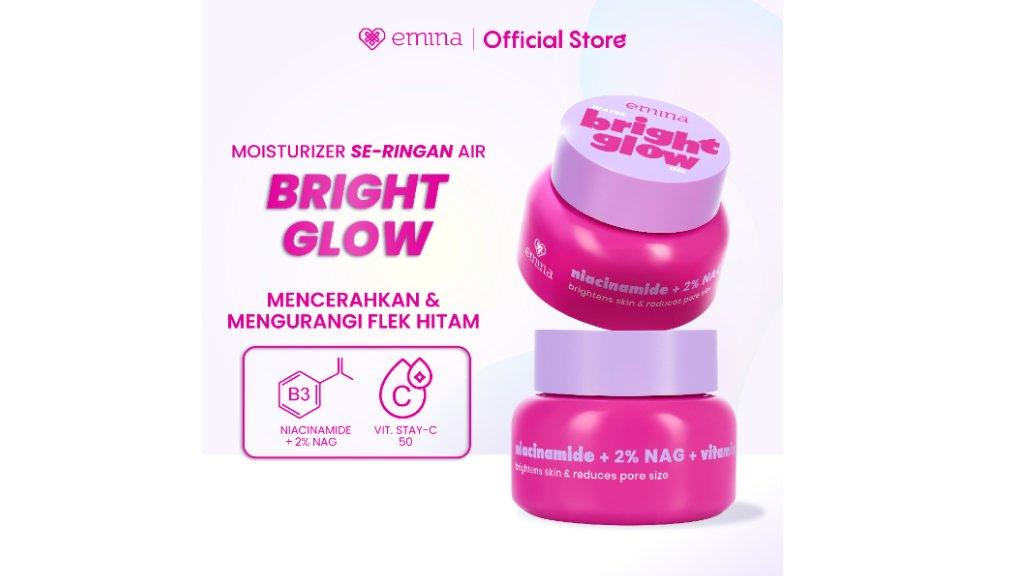
Compliance is rapidly transforming from a cost center to a strategic opportunity. In the Indonesian skincare market, BPOM certification acts as a quality seal that immediately elevates a product's market credibility. The five highlighted moisturizers—from Emina, GLAD2GLOW, Wardah, Somethinc, and Azarine—demonstrate how local brands are leveraging regulatory compliance as a core competitive strategy. By obtaining official registration, these companies create a high-barrier entry point that effectively screens out non-compliant international competitors.
The strategic implications extend far beyond simple market access. Regulatory compliance now serves as a sophisticated market filtering mechanism. For cross-border sellers, this means that understanding local certification requirements is no longer optional—it's a fundamental market entry strategy. The Indonesian example reveals that products priced around 100,000 rupiah can capture significant market share by combining scientific formulation (niacinamide-based ingredients) with official safety certifications.
Critically, compliance is becoming a form of market intelligence. Brands that can rapidly navigate local regulatory landscapes will gain disproportionate advantages. The ability to quickly obtain certifications like BPOM registration transforms compliance from a bureaucratic hurdle into a strategic capability. Sellers who view regulatory requirements as an opportunity for differentiation, rather than a mere administrative task, will be best positioned to succeed in increasingly complex emerging markets.
Questions 3
How does BPOM certification impact market entry for skincare products in Indonesia?
BPOM certification serves as a critical market filter, providing official safety validation that builds consumer trust. For sellers, obtaining this certification is not just a regulatory requirement, but a strategic opportunity to differentiate from non-compliant competitors and demonstrate product quality.
What makes regulatory compliance a competitive advantage in emerging markets?
Regulatory compliance transforms from a bureaucratic cost to a strategic capability. Brands that can quickly and effectively navigate local certification processes gain market intelligence, reduce entry barriers, and build immediate credibility with local consumers.