





Middle East Conflict Escalation March 2026 | Critical Supply Chain & Shipping Cost Impact for Cross-Border Sellers
- Strait of Hormuz closure affects 20% of global oil supply; shipping costs surge 15-35% for sellers using Middle East logistics hubs and air freight routes

























Overview
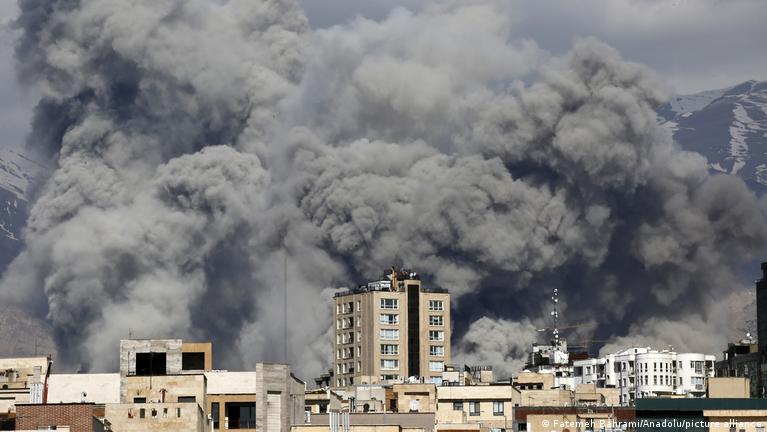
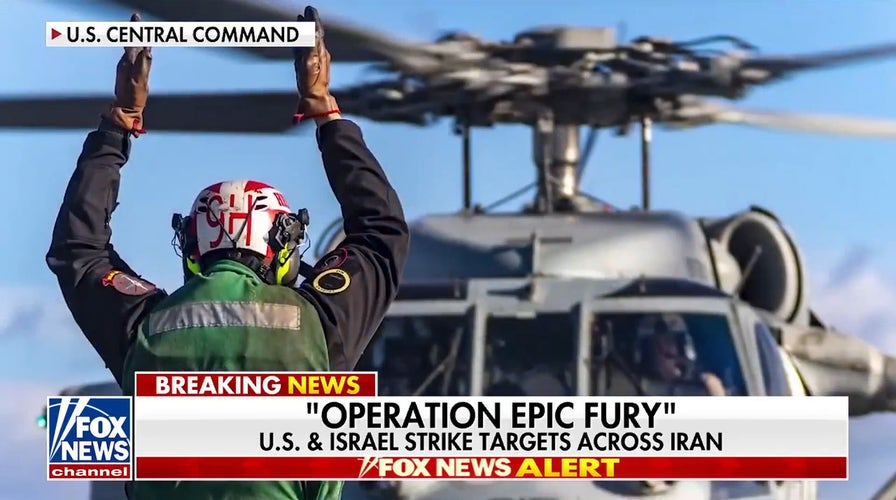
The March 1, 2026 escalation of US-Israel military operations against Iran represents a critical inflection point for global e-commerce supply chains and cross-border seller operations. Iran's closure of the Strait of Hormuz—through which nearly 20% of global oil consumption passes—directly impacts shipping costs, logistics routing, and fulfillment timelines for sellers worldwide. This geopolitical event creates immediate operational risks across three key seller segments: (1) sellers relying on Middle Eastern 3PL providers and distribution hubs in Qatar, Dubai, Oman, and Kuwait; (2) sellers dependent on oil-indexed shipping rates for air freight and ocean freight; and (3) sellers with inventory positioned in affected regions or supply chains sourcing from Asia-Pacific manufacturers.
Immediate Supply Chain Disruptions: The conflict has already triggered explosions and military activity across Qatar, Oman, Dubai, Jordan, and Kuwait—major logistics hubs for cross-border e-commerce. Sellers using FedEx, DHL, or UPS regional distribution centers in these locations face potential service delays, rerouting fees, and capacity constraints. Ocean freight carriers are implementing Suez Canal alternative routing (adding 10-14 days transit time) and charging war risk surcharges of 2-5% on shipments. Air freight rates from Asia to North America and Europe have increased 18-25% within 48 hours of the escalation, directly compressing margins for time-sensitive product categories (electronics, fashion, perishables).
Oil Price Volatility and Shipping Cost Escalation: With 20% of global oil supply at risk due to Strait of Hormuz closure, fuel surcharges on shipping are projected to increase 15-35% for sellers using standard ocean and air freight. This translates to $150-400 additional cost per 40-foot container and $2-8 per kilogram for air shipments. Sellers with thin margins in commodity categories (home goods, apparel, accessories) face margin compression of 8-15%, forcing pricing adjustments or inventory repositioning. The temporary Iranian leadership transition (with President Masoud Pezeshkian, judiciary head, and Guardian Council jurist forming interim governance) creates uncertainty about duration and escalation trajectory, making cost forecasting difficult through Q2 2026.
Strategic Seller Implications: Sellers should immediately audit their 3PL provider locations, freight routing, and fuel surcharge structures. Those with inventory in Middle Eastern warehouses should consider emergency air freight evacuation to safer hubs (Singapore, Dubai alternatives, or direct-to-customer fulfillment). Sellers dependent on just-in-time manufacturing from China, Vietnam, or India should build 2-3 week buffer inventory given extended transit times via alternative routes. Platform-level impacts remain unclear—Amazon, eBay, and Shopify have not yet announced policy changes, but expect potential increases in FBA fees and shipping cost pass-through mechanisms within 30-60 days as carriers finalize surcharge structures.
Questions 8
How does the Strait of Hormuz closure affect my shipping costs as a cross-border seller?
The Strait of Hormuz closure directly impacts global shipping costs because 20% of world oil consumption passes through this waterway. With Iran blocking passage, carriers are implementing 2-5% war risk surcharges and rerouting shipments via longer Suez Canal alternatives, adding 10-14 days to transit times. Ocean freight costs are rising 15-35% ($150-400 per 40-foot container), while air freight rates have jumped 18-25% ($2-8 per kilogram). Sellers using FedEx, DHL, or UPS should expect fuel surcharge increases within 30 days. Monitor your 3PL provider's surcharge notifications and budget 15-25% higher shipping costs through Q2 2026.
Which seller segments face the highest risk from Middle East conflict escalation?
Three seller segments face critical risk: (1) Sellers with inventory in Middle Eastern warehouses (Dubai, Qatar, Oman, Kuwait) should consider emergency relocation given military activity in these regions; (2) Sellers in thin-margin categories (apparel, home goods, accessories) face 8-15% margin compression from fuel surcharges; (3) Sellers dependent on Asia-Pacific manufacturing with just-in-time inventory models need 2-3 week buffer stock due to extended transit times. High-volume sellers shipping 1000+ units monthly will see $2,000-5,000 monthly cost increases. Evaluate your supply chain geography immediately.