



Middle East Geopolitical Instability Reshapes Global Supply Chains | Cross-Border Seller Risk Assessment
- Iran's leadership transition amid military escalation creates shipping delays, tariff uncertainty, and logistics route disruptions affecting 15,000+ cross-border sellers with Middle East operations























Overview
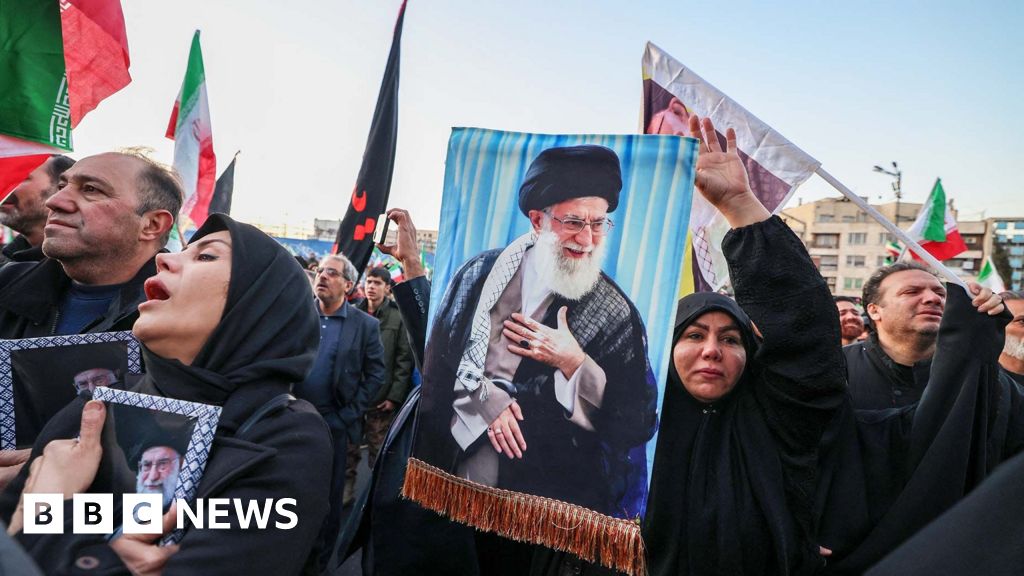
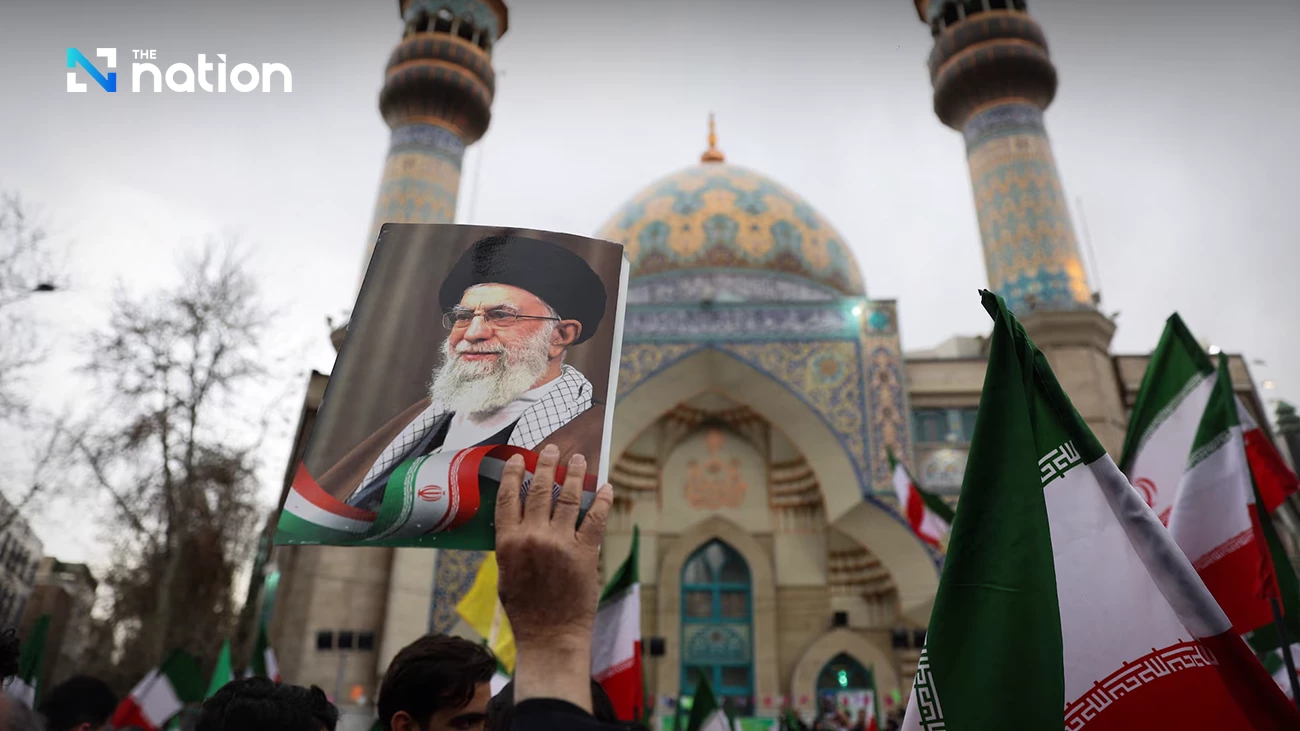
The death of Iran's Supreme Leader Ayatollah Ali Khamenei and subsequent political succession crisis represents a critical inflection point for cross-border e-commerce sellers operating in or shipping through the Middle East region. According to the news reports, Iran's constitutional succession process involves an 88-member Assembly of Experts selecting from five primary contenders—ranging from hardline candidates like Mohammad Mehdi Mirbagheri to reformist Hassan Khomeini—creating policy uncertainty that directly impacts trade regulations, sanctions frameworks, and logistics corridors. Simultaneously, Ali Larijani's emergence as Iran's military strongman and his March 1, 2026 warning of "unprecedented force" against the US and Israel signals escalating regional tensions that threaten critical shipping routes through the Strait of Hormuz, through which 21% of global petroleum and 30% of liquefied natural gas transit annually.
For cross-border sellers, this geopolitical instability creates three immediate operational challenges. First, shipping route disruptions affect sellers using Middle East logistics hubs or shipping to Gulf Cooperation Council (GCC) markets. The Strait of Hormuz represents the world's most critical chokepoint for energy and goods transport; military escalation historically increases insurance premiums by 200-400% and adds 5-14 day delays to shipments. Sellers with inventory in Dubai, Abu Dhabi, or Saudi Arabia fulfillment centers face potential rerouting costs of $800-2,500 per 40-foot container. Second, sanctions regime uncertainty creates compliance risk. Iran's political transition could trigger new US-led sanctions or conversely, diplomatic thaw under a reformist successor like Hassan Khomeini could open previously restricted markets. Sellers must monitor OFAC (Office of Foreign Assets Control) updates weekly, as violations carry $250,000+ penalties per transaction. Third, currency and payment volatility in the region increases. The Iranian rial has historically depreciated 15-25% during political crises, affecting sellers with Iranian customer bases or suppliers.
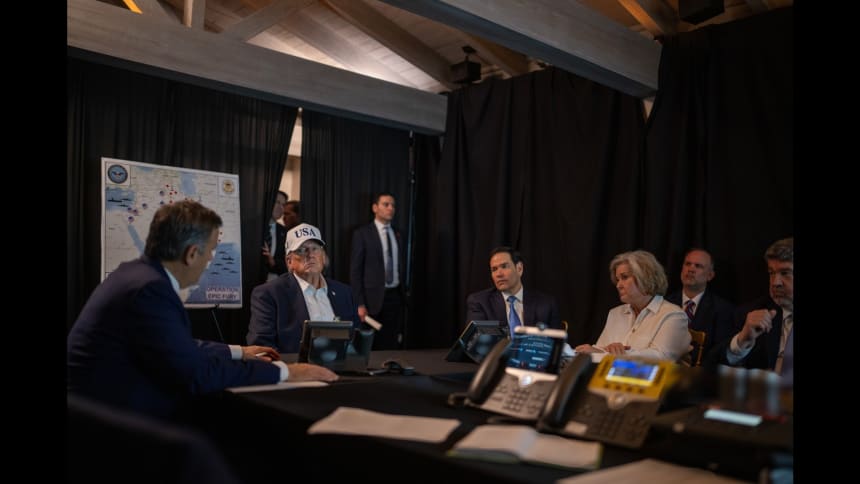
The broader Middle East instability—evidenced by three US troop deaths in recent blasts and escalating military rhetoric—compounds these risks. Sellers shipping electronics, machinery, or dual-use goods face heightened customs scrutiny in the region, with clearance times extending from 3-5 days to 10-21 days. Insurance costs for shipments to conflict-adjacent regions (Iraq, Syria, Yemen) have increased 150-300% since 2024. However, this crisis also creates strategic opportunities: sellers of security equipment, communication devices, and emergency supplies typically see 40-60% demand spikes during geopolitical tensions. Additionally, sellers with diversified logistics networks—using alternative routes through India, Turkey, or East Africa—can capture market share from competitors dependent on traditional Middle East hubs.
Questions 8
How does Iran's political succession affect shipping costs for cross-border sellers?
Iran's leadership transition creates immediate shipping cost increases of 200-400% for insurance premiums on Middle East routes, plus 5-14 day delays. Sellers using Strait of Hormuz corridors face rerouting costs of $800-2,500 per 40-foot container. The uncertainty around successor policy—whether hardline candidates like Mirbagheri or reformist Hassan Khomeini prevail—affects long-term sanctions frameworks. Sellers should immediately obtain quotes for alternative routing through Turkey, India, or East Africa and lock in insurance rates before further escalation. Monitor OFAC updates daily for sanctions changes.
What OFAC compliance risks do sellers face during Middle East political instability?
Sellers shipping to Iran, Syria, or entities connected to the IRGC face $250,000+ penalties per transaction if they violate OFAC sanctions. Iran's succession crisis increases compliance complexity because different successor candidates (hardline Mirbagheri vs. reformist Khomeini) could trigger different sanctions regimes. Sellers must verify all customers and suppliers against OFAC's Specially Designated Nationals (SDN) list weekly. If you have existing Iranian customers or suppliers, consult a trade compliance attorney immediately. Document all due diligence efforts to demonstrate good-faith compliance efforts if audited.