




Geopolitical Oil Crisis Drives Shipping Cost Surge | Cross-Border Sellers Face 8-15% Logistics Inflation
- Iran-Israel strikes trigger Brent crude spike to $72.87/barrel; Strait of Hormuz disruption threatens 20M daily barrels; sellers shipping Asia-Pacific routes face 8-15% cost increases within 2-4 weeks







Overview
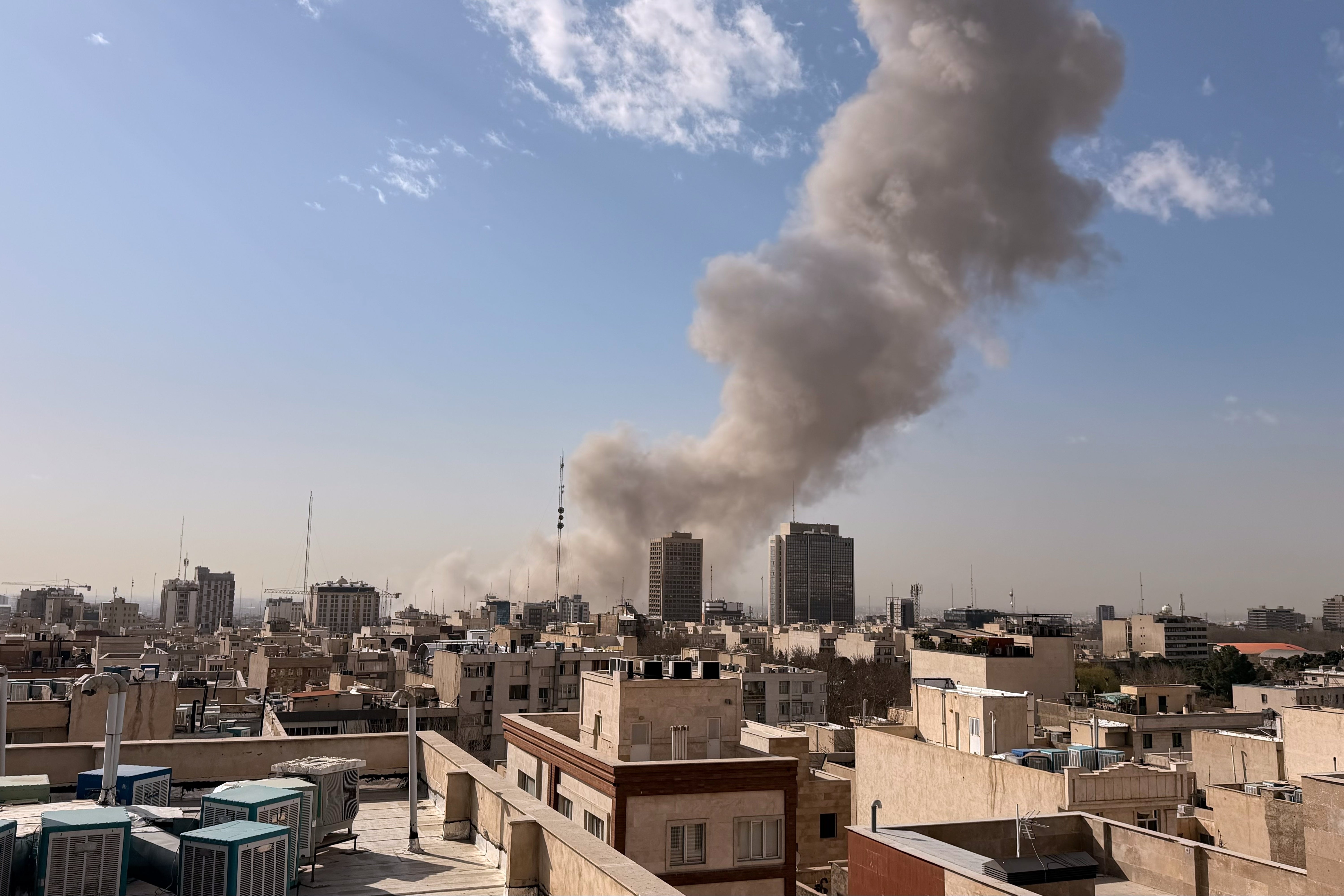
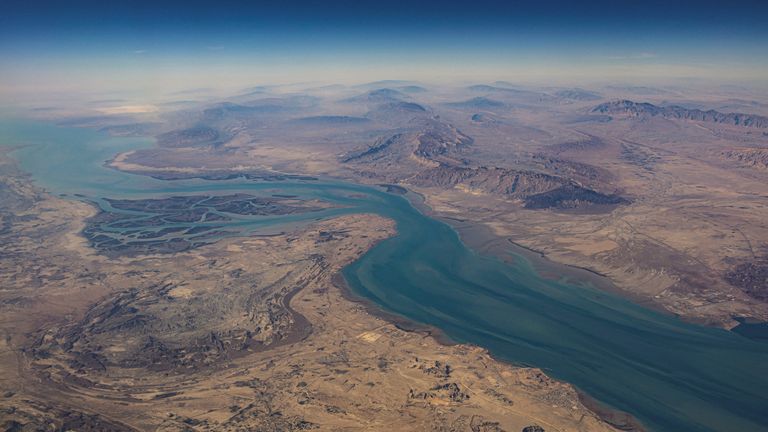
The March 1, 2026 US-Israel military strikes on Iran have triggered immediate commodity price volatility with direct implications for cross-border e-commerce logistics costs. Brent crude surged 2.9% to $72.87 per barrel on the day preceding strikes, with Goldman Sachs projecting potential $100+ per barrel scenarios if the Strait of Hormuz—controlling 20 million barrels daily (one-fifth of global production)—experiences extended disruption. OPEC's announced 206,000 barrel daily production increase provides only partial mitigation, leaving energy analysts predicting sustained price elevation. For e-commerce sellers, this geopolitical event directly translates to increased fulfillment costs across all shipping corridors, with Asia-Pacific routes experiencing the most acute pressure.
Immediate logistics cost impact varies by seller segment and shipping method. Small-to-medium sellers (SMBs) using Amazon FBA or third-party logistics (3PL) providers will absorb 8-12% cost increases on inbound shipments from China, Vietnam, and India within 2-4 weeks as fuel surcharges propagate through carrier pricing. Sellers shipping via air freight face 12-15% premiums, while ocean freight experiences 8-10% increases. Large enterprise sellers with negotiated carrier contracts may negotiate temporary rate locks, but spot market pricing for smaller shipments will spike immediately. Categories with high volumetric weight (furniture, electronics, home goods) face disproportionate impact, while lightweight, high-value items (jewelry, electronics components, apparel) show relative resilience. Asian e-commerce markets dependent on Iranian oil imports—particularly India and China—will experience elevated logistics costs that compress seller margins by 3-5 percentage points.
Strategic sourcing and inventory positioning become critical within the 30-day window. Sellers should immediately audit inventory sourcing by country of origin and shipping method. Those with existing stock in US/EU fulfillment centers should accelerate inventory velocity to capitalize on current pricing before cost increases fully propagate. Conversely, sellers planning Q2-Q3 inventory replenishment should consider front-loading orders from Asia-Pacific suppliers within the next 2-3 weeks before carrier surcharges become standard. The situation remains fluid—Trump indicated military operations would continue "uninterrupted throughout the week or as long as necessary"—creating extended uncertainty. Sellers should monitor daily oil futures pricing and carrier announcements for fuel surcharge updates, as historical patterns show 2-3 week lag between crude price spikes and retail logistics cost implementation.
Questions 8
How much will my Amazon FBA shipping costs increase from the Iran-Israel strikes?
Amazon FBA inbound shipping costs will likely increase 8-12% within 2-4 weeks as fuel surcharges propagate through carrier networks. The March 1, 2026 strikes pushed Brent crude to $72.87/barrel with potential for $100+ scenarios if the Strait of Hormuz—controlling 20 million daily barrels—experiences disruption. Sellers shipping from Asia-Pacific suppliers will face the steepest increases. Monitor your Seller Central dashboard for carrier surcharge notifications and consider front-loading inventory orders from Asian suppliers within the next 2-3 weeks before surcharges become standard. Air freight shipments face 12-15% premiums versus 8-10% for ocean freight.
Which e-commerce sellers are most vulnerable to oil price increases?
SMBs using standard 3PL providers and Amazon FBA are most vulnerable, as they lack negotiating power for rate locks that large enterprises can secure. Sellers shipping high-volumetric products (furniture, home goods, electronics) face disproportionate impact due to dimensional weight pricing. Conversely, lightweight, high-value categories (jewelry, apparel, electronics components) show relative resilience. Asian e-commerce sellers dependent on Iranian oil imports—particularly those in India and China—will experience 3-5 percentage point margin compression. Sellers with existing US/EU inventory can mitigate by accelerating sales velocity before cost increases fully propagate.