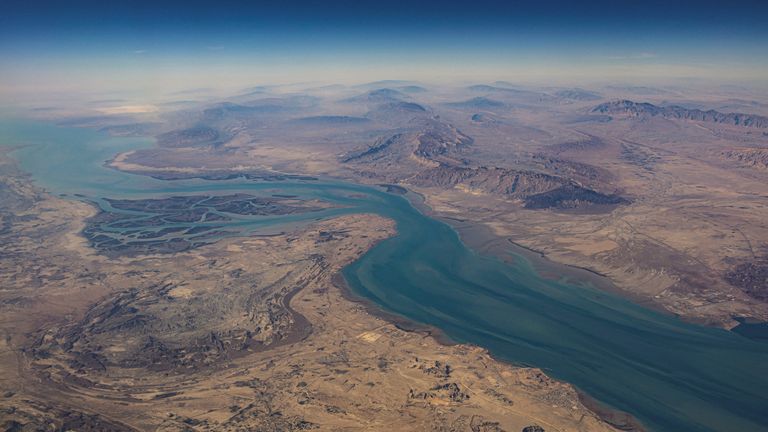


The geopolitical escalation in Iran creates a dual-impact crisis for cross-border e-commerce sellers: rising logistics costs and declining consumer purchasing power. As reported by The Washington Post on March 1, 2026, President Trump's military strikes against Iran risk destabilizing global oil markets, with oil tanker operations near Dubai and Middle Eastern shipping routes facing increased vulnerability. This directly translates to elevated freight rates for Amazon FBA sellers, 3PL providers, and cross-border merchants relying on fuel-intensive transportation networks. For sellers operating on thin margins (typically 15-25% in competitive categories), fuel surcharges of 8-15% represent margin compression of 1.2-3.75 percentage points—a material threat to profitability.
The consumer spending impact compounds logistics challenges. As American households allocate more budget to gasoline and energy costs before November's congressional elections, discretionary spending on e-commerce products contracts. Historical precedent from 2022 oil price spikes shows consumer spending on non-essential categories (apparel, home goods, electronics accessories) declines 5-12% during sustained energy cost increases. This creates a pincer effect: sellers face higher fulfillment costs while demand softens, particularly affecting small-to-medium sellers (SMBs) with limited pricing power and inventory flexibility.
Strategic sourcing and logistics optimization become critical differentiators. Sellers should immediately evaluate alternative shipping routes avoiding Middle Eastern corridors, consolidate shipments to reduce per-unit fuel costs, and consider shifting 20-30% of inventory to regional 3PL providers outside high-risk zones. The timing window is narrow—policy pressure to resolve the conflict before elections (November 2026) suggests 6-8 months of elevated uncertainty. Sellers with diversified logistics networks and pre-positioned inventory in North American fulfillment centers will maintain competitive advantages. Categories with lower fuel-cost sensitivity (digital products, lightweight apparel, accessories) become relatively more attractive than heavy goods (furniture, appliances, sporting equipment) during this period. Monitoring oil futures prices and adjusting inventory procurement timing accordingly can preserve 2-4% margin improvement versus competitors caught flat-footed by supply chain disruptions.
The Iran conflict creates immediate shipping cost pressures but doesn't directly impact China sourcing. However, it signals broader geopolitical instability that makes supply chain diversification strategically prudent. Sellers should evaluate shifting 15-25% of sourcing to Vietnam, India, or Mexico over the next 12 months to reduce concentration risk. Vietnam sourcing offers 5-8% cost advantages over China for apparel and electronics, while Mexico provides 2-4 week faster shipping to North America. The immediate priority (next 30 days) is optimizing logistics for existing China-sourced inventory through consolidation and route diversification. Medium-term strategy (3-6 months) involves evaluating alternative sourcing countries. This dual approach manages immediate fuel surcharge impacts while building resilience against future geopolitical disruptions. Sellers with established Vietnam or India supplier relationships will gain competitive advantages as others scramble to diversify.
The Washington Post analysis (March 1, 2026) indicates the conflict creates uncertainty through November 2026 congressional elections, suggesting a 6-8 month window of elevated oil price volatility and supply chain risk. Peak impact typically occurs 4-6 weeks after initial escalation as fuel surcharges propagate through logistics networks. Expect maximum freight cost increases in April-May 2026, with potential moderation in September-October 2026 as political pressure to resolve the conflict intensifies before elections. Sellers should plan inventory procurement in three phases: (1) Immediate (March-April): Secure fixed-rate freight agreements and pre-position critical inventory; (2) Mid-term (May-August): Maintain conservative inventory levels and monitor oil prices daily; (3) Late-term (September-November): Begin normalizing inventory levels as political resolution becomes likely. This timeline-based approach allows sellers to minimize margin compression during peak disruption while capitalizing on potential price normalization before year-end.
Based on historical oil price volatility patterns, sustained Middle East tensions typically drive fuel surcharges of 8-15% on freight rates. For a seller shipping 1,000 units monthly via FBA with average freight costs of $3-5 per unit, this translates to $240-750 additional monthly costs. The Washington Post analysis (March 1, 2026) indicates oil tanker operations near Dubai face increased risk, directly impacting inbound inventory procurement costs. Sellers should immediately review freight contracts and negotiate fixed-rate agreements before fuel surcharges escalate further. Monitor oil futures prices daily to time inventory purchases during price dips.
Heavy, low-margin categories face the greatest pressure: furniture (15-20% margins), appliances (12-18% margins), and sporting equipment (18-25% margins) where fuel costs represent 8-12% of total landed costs. Conversely, lightweight, high-margin categories—apparel (35-45% margins), electronics accessories (40-50% margins), and digital products (70%+ margins)—absorb fuel surcharges more easily. During the 2022 oil price spike, Amazon sellers in furniture and appliances saw 3-5% margin compression while apparel sellers maintained pricing power. Sellers should consider temporarily shifting inventory allocation toward lighter-weight SKUs during this 6-8 month uncertainty window.
Consumer discretionary spending typically contracts 5-12% when household energy costs rise significantly. The Washington Post notes American families are already struggling with elevated living costs, and increased gasoline prices will further compress budgets for non-essential purchases. Historical precedent from 2022 shows discretionary e-commerce categories (home décor, fashion, hobby items) experienced 8-10% demand declines during sustained oil price increases. This creates a critical challenge: sellers face both higher fulfillment costs AND lower demand simultaneously. Expect demand weakness particularly in Q2-Q3 2026 as election-year economic anxiety peaks. Adjust inventory procurement downward by 10-15% for discretionary categories while maintaining stock in essential/practical items.
Implement a three-part strategy: (1) Diversify shipping routes—shift 20-30% of inventory to regional 3PL providers in North America, avoiding Middle Eastern corridors; (2) Consolidate shipments—combine multiple SKUs into fewer, larger shipments to reduce per-unit fuel costs by 3-5%; (3) Pre-position inventory—move stock to US-based fulfillment centers now before supply disruptions occur. The Washington Post analysis emphasizes oil supplies remain vulnerable if military tensions escalate, creating urgency for immediate action. Sellers with pre-positioned inventory in multiple geographic zones will maintain competitive advantages over those dependent on just-in-time sourcing. Negotiate fixed-rate freight agreements with 3PL providers for 6-month terms to lock in current rates before surcharges increase.
Pricing power depends on category and competitive intensity. In low-competition, high-demand categories (trending items, seasonal products), sellers can pass through 40-60% of fuel surcharge increases to consumers without significant demand loss. In competitive categories (commodity items, bestsellers), passing through more than 20-30% risks losing Buy Box position and sales velocity. The strategic approach: increase prices 2-3% immediately on high-margin items (35%+ margins) while absorbing costs on competitive bestsellers. Monitor competitor pricing daily using tools like Keepa or Jungle Scout. The election-year timing (November 2026 deadline) suggests political pressure to resolve the conflict quickly, so price increases should be positioned as temporary (60-90 day windows) rather than permanent, reducing consumer resistance.
Small-to-medium sellers (SMBs) with $100K-$1M annual revenue face disproportionate risk because they lack pricing power, inventory flexibility, and diversified logistics networks. These sellers typically operate on 15-25% margins with limited ability to absorb 8-15% fuel surcharge increases. Large sellers ($5M+ revenue) can negotiate volume discounts with 3PL providers, pre-position inventory across multiple regions, and adjust pricing strategically. Sellers dependent on single-source inventory (China-based suppliers) face additional risk from supply disruptions, while those with diversified sourcing (Vietnam, India, Mexico) maintain flexibility. Sellers shipping heavy goods (furniture, appliances) face greater margin compression than those selling lightweight items. The Washington Post analysis suggests the conflict could last 6-8 months before election-year political pressure resolves it—SMBs should immediately evaluate whether to reduce inventory levels or seek capital to weather the margin compression period.
The Iran conflict creates immediate shipping cost pressures but doesn't directly impact China sourcing. However, it signals broader geopolitical instability that makes supply chain diversification strategically prudent. Sellers should evaluate shifting 15-25% of sourcing to Vietnam, India, or Mexico over the next 12 months to reduce concentration risk. Vietnam sourcing offers 5-8% cost advantages over China for apparel and electronics, while Mexico provides 2-4 week faster shipping to North America. The immediate priority (next 30 days) is optimizing logistics for existing China-sourced inventory through consolidation and route diversification. Medium-term strategy (3-6 months) involves evaluating alternative sourcing countries. This dual approach manages immediate fuel surcharge impacts while building resilience against future geopolitical disruptions. Sellers with established Vietnam or India supplier relationships will gain competitive advantages as others scramble to diversify.
The Washington Post analysis (March 1, 2026) indicates the conflict creates uncertainty through November 2026 congressional elections, suggesting a 6-8 month window of elevated oil price volatility and supply chain risk. Peak impact typically occurs 4-6 weeks after initial escalation as fuel surcharges propagate through logistics networks. Expect maximum freight cost increases in April-May 2026, with potential moderation in September-October 2026 as political pressure to resolve the conflict intensifies before elections. Sellers should plan inventory procurement in three phases: (1) Immediate (March-April): Secure fixed-rate freight agreements and pre-position critical inventory; (2) Mid-term (May-August): Maintain conservative inventory levels and monitor oil prices daily; (3) Late-term (September-November): Begin normalizing inventory levels as political resolution becomes likely. This timeline-based approach allows sellers to minimize margin compression during peak disruption while capitalizing on potential price normalization before year-end.
Based on historical oil price volatility patterns, sustained Middle East tensions typically drive fuel surcharges of 8-15% on freight rates. For a seller shipping 1,000 units monthly via FBA with average freight costs of $3-5 per unit, this translates to $240-750 additional monthly costs. The Washington Post analysis (March 1, 2026) indicates oil tanker operations near Dubai face increased risk, directly impacting inbound inventory procurement costs. Sellers should immediately review freight contracts and negotiate fixed-rate agreements before fuel surcharges escalate further. Monitor oil futures prices daily to time inventory purchases during price dips.
Heavy, low-margin categories face the greatest pressure: furniture (15-20% margins), appliances (12-18% margins), and sporting equipment (18-25% margins) where fuel costs represent 8-12% of total landed costs. Conversely, lightweight, high-margin categories—apparel (35-45% margins), electronics accessories (40-50% margins), and digital products (70%+ margins)—absorb fuel surcharges more easily. During the 2022 oil price spike, Amazon sellers in furniture and appliances saw 3-5% margin compression while apparel sellers maintained pricing power. Sellers should consider temporarily shifting inventory allocation toward lighter-weight SKUs during this 6-8 month uncertainty window.
Consumer discretionary spending typically contracts 5-12% when household energy costs rise significantly. The Washington Post notes American families are already struggling with elevated living costs, and increased gasoline prices will further compress budgets for non-essential purchases. Historical precedent from 2022 shows discretionary e-commerce categories (home décor, fashion, hobby items) experienced 8-10% demand declines during sustained oil price increases. This creates a critical challenge: sellers face both higher fulfillment costs AND lower demand simultaneously. Expect demand weakness particularly in Q2-Q3 2026 as election-year economic anxiety peaks. Adjust inventory procurement downward by 10-15% for discretionary categories while maintaining stock in essential/practical items.
Implement a three-part strategy: (1) Diversify shipping routes—shift 20-30% of inventory to regional 3PL providers in North America, avoiding Middle Eastern corridors; (2) Consolidate shipments—combine multiple SKUs into fewer, larger shipments to reduce per-unit fuel costs by 3-5%; (3) Pre-position inventory—move stock to US-based fulfillment centers now before supply disruptions occur. The Washington Post analysis emphasizes oil supplies remain vulnerable if military tensions escalate, creating urgency for immediate action. Sellers with pre-positioned inventory in multiple geographic zones will maintain competitive advantages over those dependent on just-in-time sourcing. Negotiate fixed-rate freight agreements with 3PL providers for 6-month terms to lock in current rates before surcharges increase.
Pricing power depends on category and competitive intensity. In low-competition, high-demand categories (trending items, seasonal products), sellers can pass through 40-60% of fuel surcharge increases to consumers without significant demand loss. In competitive categories (commodity items, bestsellers), passing through more than 20-30% risks losing Buy Box position and sales velocity. The strategic approach: increase prices 2-3% immediately on high-margin items (35%+ margins) while absorbing costs on competitive bestsellers. Monitor competitor pricing daily using tools like Keepa or Jungle Scout. The election-year timing (November 2026 deadline) suggests political pressure to resolve the conflict quickly, so price increases should be positioned as temporary (60-90 day windows) rather than permanent, reducing consumer resistance.
Small-to-medium sellers (SMBs) with $100K-$1M annual revenue face disproportionate risk because they lack pricing power, inventory flexibility, and diversified logistics networks. These sellers typically operate on 15-25% margins with limited ability to absorb 8-15% fuel surcharge increases. Large sellers ($5M+ revenue) can negotiate volume discounts with 3PL providers, pre-position inventory across multiple regions, and adjust pricing strategically. Sellers dependent on single-source inventory (China-based suppliers) face additional risk from supply disruptions, while those with diversified sourcing (Vietnam, India, Mexico) maintain flexibility. Sellers shipping heavy goods (furniture, appliances) face greater margin compression than those selling lightweight items. The Washington Post analysis suggests the conflict could last 6-8 months before election-year political pressure resolves it—SMBs should immediately evaluate whether to reduce inventory levels or seek capital to weather the margin compression period.
The Iran conflict creates immediate shipping cost pressures but doesn't directly impact China sourcing. However, it signals broader geopolitical instability that makes supply chain diversification strategically prudent. Sellers should evaluate shifting 15-25% of sourcing to Vietnam, India, or Mexico over the next 12 months to reduce concentration risk. Vietnam sourcing offers 5-8% cost advantages over China for apparel and electronics, while Mexico provides 2-4 week faster shipping to North America. The immediate priority (next 30 days) is optimizing logistics for existing China-sourced inventory through consolidation and route diversification. Medium-term strategy (3-6 months) involves evaluating alternative sourcing countries. This dual approach manages immediate fuel surcharge impacts while building resilience against future geopolitical disruptions. Sellers with established Vietnam or India supplier relationships will gain competitive advantages as others scramble to diversify.
The Washington Post analysis (March 1, 2026) indicates the conflict creates uncertainty through November 2026 congressional elections, suggesting a 6-8 month window of elevated oil price volatility and supply chain risk. Peak impact typically occurs 4-6 weeks after initial escalation as fuel surcharges propagate through logistics networks. Expect maximum freight cost increases in April-May 2026, with potential moderation in September-October 2026 as political pressure to resolve the conflict intensifies before elections. Sellers should plan inventory procurement in three phases: (1) Immediate (March-April): Secure fixed-rate freight agreements and pre-position critical inventory; (2) Mid-term (May-August): Maintain conservative inventory levels and monitor oil prices daily; (3) Late-term (September-November): Begin normalizing inventory levels as political resolution becomes likely. This timeline-based approach allows sellers to minimize margin compression during peak disruption while capitalizing on potential price normalization before year-end.