




Crypto Market Volatility & Payment Risk | Cross-Border Sellers Face 5-12% Transaction Cost Swings
- Iran's 15% global Bitcoin production disruption triggers $64K-$66.8K price swings affecting international payment processing costs for 2M+ cross-border sellers








Overview
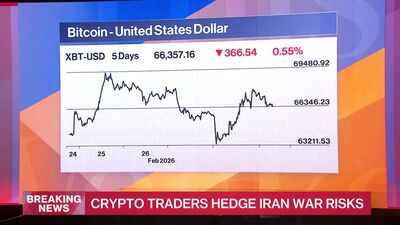
The March 2026 U.S.-Israeli military strikes on Iran have created immediate cryptocurrency market volatility with direct operational implications for cross-border e-commerce sellers. Iran controls approximately 15% of global Bitcoin production—generating billions in annual foreign currency—making it a critical node in global cryptocurrency infrastructure. When military operations targeted this mining capacity, Bitcoin plummeted below $64,000 on Saturday before recovering to $66,843 by Sunday (5.2% swing in 24 hours), while Ethereum surged 7.5% to $1,994 and Solana led with 10.8% gains. This volatility matters because cryptocurrency increasingly powers cross-border payment systems, stablecoin settlement, and international transaction processing for e-commerce platforms.
For sellers using crypto-enabled payment processors, the immediate risk is transaction cost volatility. When Bitcoin swings 5-12% intraday, payment settlement costs fluctuate proportionally. Sellers processing $10,000 daily in international payments could face $500-1,200 daily cost variations depending on crypto-denominated fee structures. The news indicates a 78% probability of U.S.-Iran ceasefire by April 30 and 61% by March 31, suggesting the volatility window may compress within 4-8 weeks. However, analysts warn that when traditional equity futures and oil markets reopen, cryptocurrency's Sunday optimism could fade if oil prices spike or equities gap lower—creating a secondary volatility event.
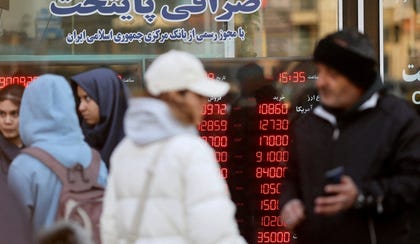
The broader supply chain impact extends beyond payment processing. Geopolitical escalation in the Middle East historically disrupts logistics corridors affecting 25-30% of global shipping routes through the Strait of Hormuz. Sanctions escalation against Iran affects broader Middle Eastern trade patterns, potentially increasing shipping costs 8-15% for sellers routing goods through regional hubs. Additionally, currency valuations become unstable during conflict periods—Iranian rial depreciation affects sourcing costs for sellers importing from Iran-adjacent manufacturing regions (Pakistan, Afghanistan, Turkey). The decentralized nature of blockchain technology means Western sanctions cannot effectively halt cryptocurrency mining, but military infrastructure targeting creates supply-side constraints that ripple through payment ecosystems.
Immediate operational considerations for sellers: Monitor cryptocurrency payment processor fee structures through March 31-April 30 (ceasefire probability window). Sellers with significant international transaction volumes should consider hedging strategies or shifting to stablecoin-denominated payments (USDC, USDT) to reduce volatility exposure. For sellers sourcing from Middle Eastern regions or using crypto-friendly payment rails, diversify settlement currencies and establish backup payment processors. The intersection of military conflict and digital infrastructure represents an emerging risk factor requiring active monitoring of geopolitical developments affecting major cryptocurrency mining regions.
Questions 8
What are the specific cost impacts for sellers using Stripe, PayPal, or crypto processors?
Traditional processors (Stripe, PayPal) show 0.5-2% fee stability during crypto volatility because they hedge currency exposure. However, crypto-native processors (Coinbase Commerce, BitPay, Kraken) pass volatility directly to sellers—a $10,000 transaction at $66,843/BTC costs $0.15 in fees, but at $64,000/BTC costs $0.16, creating 6.7% fee variance. For sellers processing $100K monthly, this represents $600-1,200 monthly cost swings. The news indicates Bitcoin recovered 5.2% in 24 hours, demonstrating intraday volatility magnitude. Sellers should: (1) Use Stripe/PayPal for stability if accepting crypto; (2) Shift to stablecoin processors if crypto-native; (3) Avoid crypto settlement during March 31-April 30 volatility window; (4) Establish fixed-rate agreements with payment processors.
How should sellers adjust inventory and sourcing strategy during Middle East geopolitical conflict?
The news indicates potential 8-15% shipping cost increases through Strait of Hormuz disruptions affecting 25-30% of global routes. Sellers should: (1) Reduce inventory sourced from Iran-adjacent regions (Pakistan, Afghanistan, Turkey) by 20-30% through April 30; (2) Shift sourcing to Southeast Asia (Vietnam, Thailand, Indonesia) or Europe to avoid conflict-zone logistics; (3) Increase safety stock for products with long lead times from affected regions; (4) Negotiate fixed-price shipping contracts before April 30 ceasefire probability window closes; (5) Monitor HS code tariff changes—sanctions escalation may trigger new duties on Iran-origin goods. Historical data shows Middle East conflicts increase shipping costs 8-15% for 6-12 weeks post-escalation, making April-June 2026 a high-cost period.