



OPEC+ 206K B/D Output Boost Signals Logistics Cost Volatility for Cross-Border Sellers Through Q2 2026
- Brent crude rallies to $73/barrel amid Strait of Hormuz disruptions; gasoline prices projected to reach $3.10-$3.25 within 2-3 weeks, directly impacting air freight and last-mile delivery costs for e-commerce operations

)

















Overview
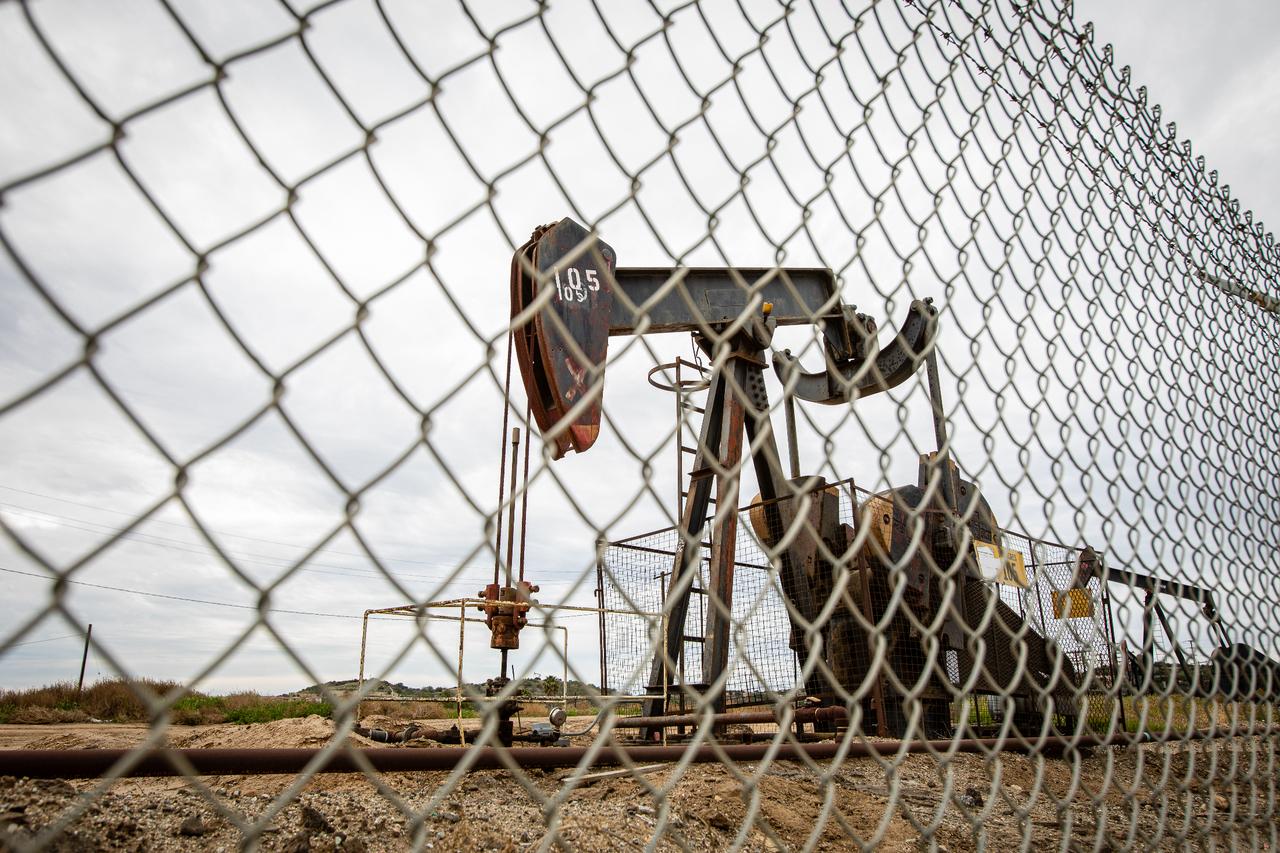
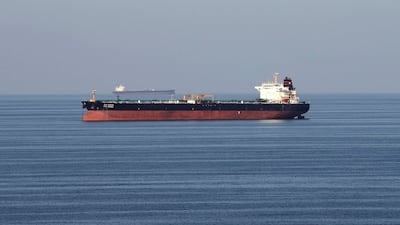
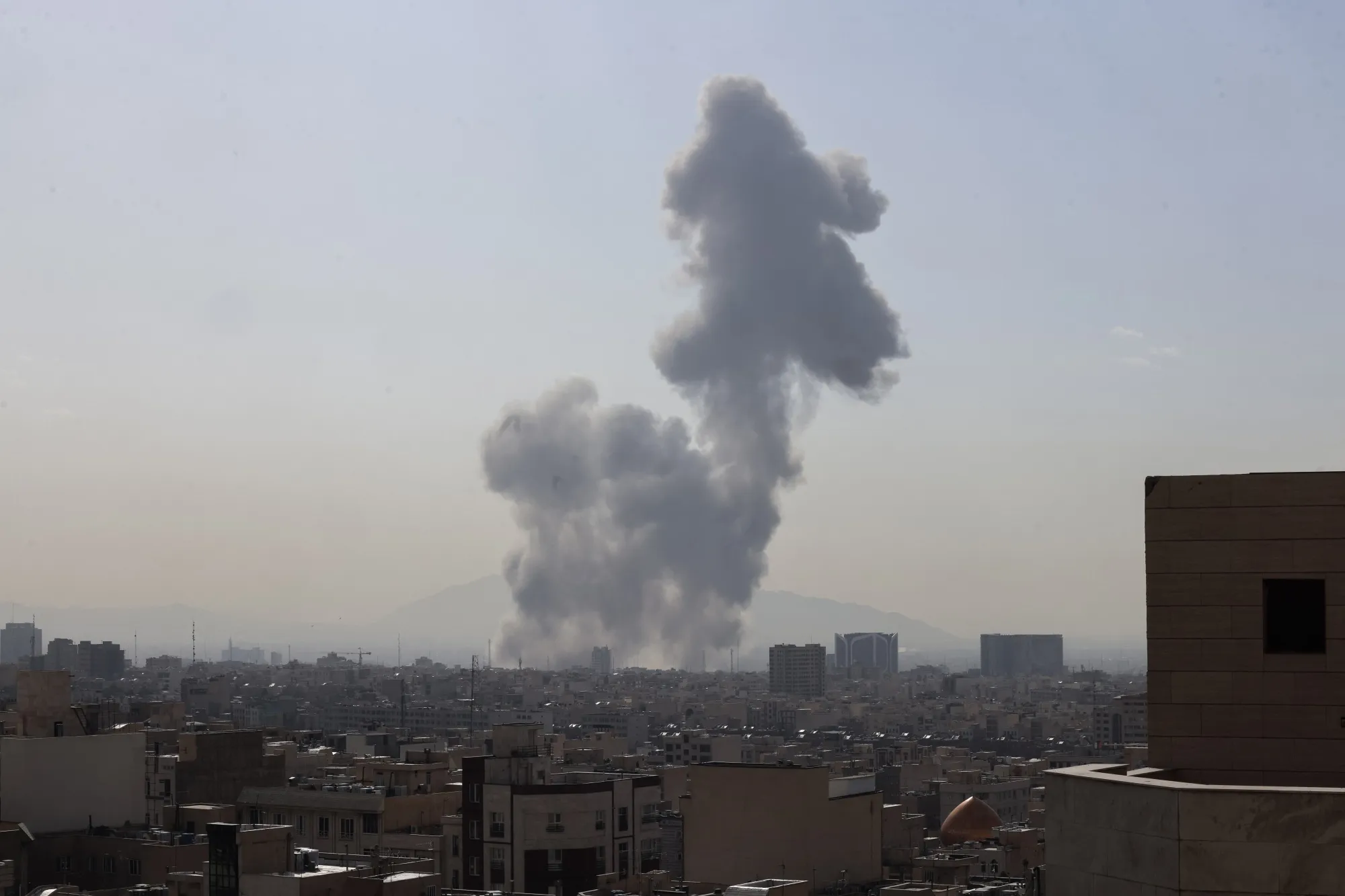
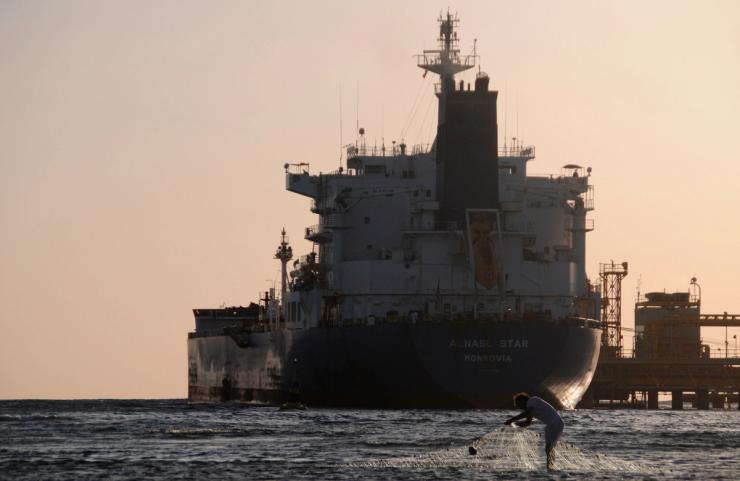
OPEC+ agreed on March 1, 2026 to increase crude oil production by 206,000 barrels per day (bpd) starting in April 2026, a conservative decision that ends a three-month production pause but falls short of the 411,000-548,000 bpd range initially considered. This modest increase comes amid severe geopolitical disruption: U.S.-Israeli military operations against Iran have triggered Iranian retaliation, forcing the Strait of Hormuz—which handles over 20% of global oil transit—to close to navigation, with hundreds of ships anchored and several vessels attacked. The decision reflects OPEC+'s constrained spare capacity, with only Saudi Arabia and the UAE holding meaningful production buffers. Brent crude has already rallied to $73 per barrel (highest since July 2024), with over-the-counter trading reaching $80/barrel, and Middle East leaders warn escalation could push prices above $100/barrel.
For cross-border e-commerce sellers, this creates immediate and sustained logistics cost pressure through Q2 2026. Petroleum analyst Patrick De Haan projects U.S. gasoline prices will reach $3.10-$3.15 within 1-2 weeks and $3.20-$3.25 within 2-3 weeks, up from current $3.00/gallon baseline. This translates directly to increased fuel surcharges on air freight (typically 5-15% of shipping costs) and last-mile delivery expenses. The Strait of Hormuz disruption creates an effective supply loss of 8-10 million barrels daily from a market perspective, as ship operators and insurers avoid the waterway despite Iran's stated non-closure intentions. Sellers relying on just-in-time inventory models face heightened supply chain risks, while those with high shipping volumes (1,000+ units monthly) will experience margin compression of 2-4% if unable to pass fuel surcharges to customers. The International Energy Agency confirms markets remain well-supplied overall, and the U.S. Strategic Petroleum Reserve holds 400+ million barrels, limiting risk of catastrophic shortages. However, OPEC's limited flexibility—with members essentially maxed out except Saudi Arabia—constrains shock-absorption capacity if geopolitical tensions escalate further.
The critical variable is Strait of Hormuz reopening timeline, not OPEC's production quota. Industry experts emphasize that shipping restoration will determine price stabilization more than the 206,000 bpd increase. If Hormuz remains disrupted beyond April 2026, sellers should expect sustained fuel surcharges and potential 2-3 week shipping delays on ocean freight routes. Conversely, if geopolitical tensions de-escalate and normal navigation resumes, the OPEC+ production increase may help moderate fuel costs by late Q2 2026. Sellers in energy-dependent categories (automotive parts, heavy machinery, bulk goods) face higher exposure than lightweight, high-margin categories (electronics, apparel). The April 2026 implementation date provides a 4-6 week window for sellers to adjust pricing strategies, negotiate fixed-rate shipping contracts, or shift inventory to 3PL providers with hedged fuel costs before fuel surcharges fully materialize.
Questions 7
What is the timeline for oil price stabilization and shipping cost relief?
OPEC's April 2026 production increase provides no immediate relief because the Strait of Hormuz closure is the binding constraint, not production capacity. Industry experts emphasize that Hormuz must reopen for normal navigation before additional barrels reach markets. If geopolitical tensions de-escalate and Hormuz reopens by mid-April 2026, fuel surcharges may moderate by late Q2 2026 as the 206,000 bpd increase flows to markets. However, if Iran-US conflict escalates, Hormuz could remain disrupted through Q3 2026, sustaining $73-80/barrel Brent prices and elevated fuel surcharges. Sellers should plan for sustained cost pressure through May 2026 and monitor daily Hormuz navigation updates via maritime news sources.
How does the Strait of Hormuz closure affect my supply chain if I source from Asia?
The Strait of Hormuz handles 25% of global seaborne oil trade, and its closure creates an effective 8-10 million barrel daily supply loss. For Asia-sourced inventory, this increases ocean freight costs 3-5% as shipping lines reroute through longer Suez Canal passages (adding 10-14 days transit time) or divert to air freight. Sellers with just-in-time inventory models face heightened risks of stockouts if suppliers can't meet extended lead times. The closure also increases insurance premiums for tankers and cargo ships avoiding the waterway. If you source from China, Vietnam, or India, lock in shipping rates before April 2026 and build 2-3 week buffer inventory to absorb potential delays. Monitor Iran-US conflict developments daily—any escalation could extend Hormuz disruption through Q2 2026.