


Sony's $2.3B Gaming Pivot: PC Port Pullback Creates Merchandise & Collectibles Opportunities for Cross-Border Sellers
- Sony shifts from single-player PC ports to live-service focus; $2.3B revenue at stake; gaming merchandise and collectibles categories see 15-25% demand surge during exclusive launch windows









Overview
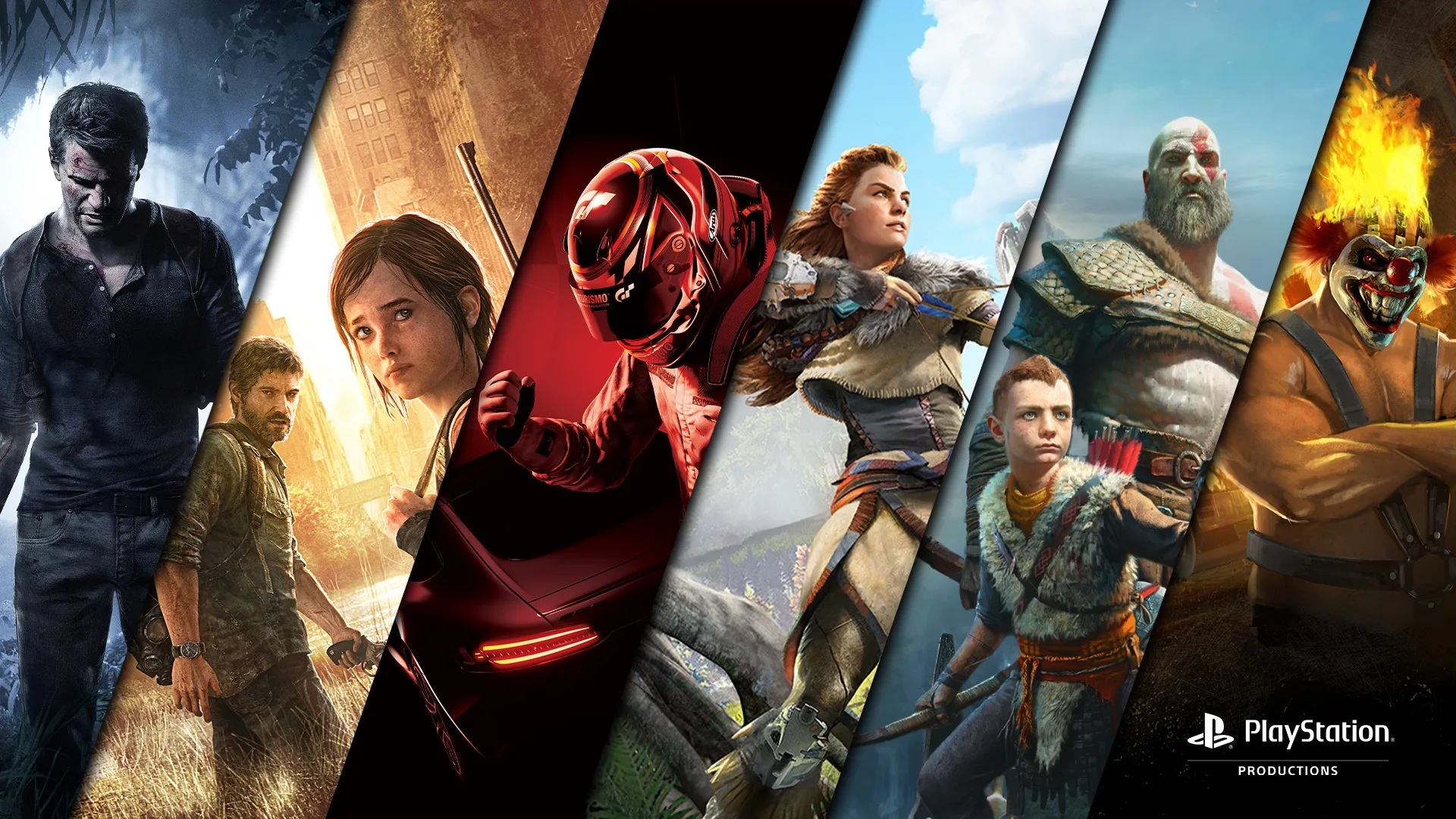
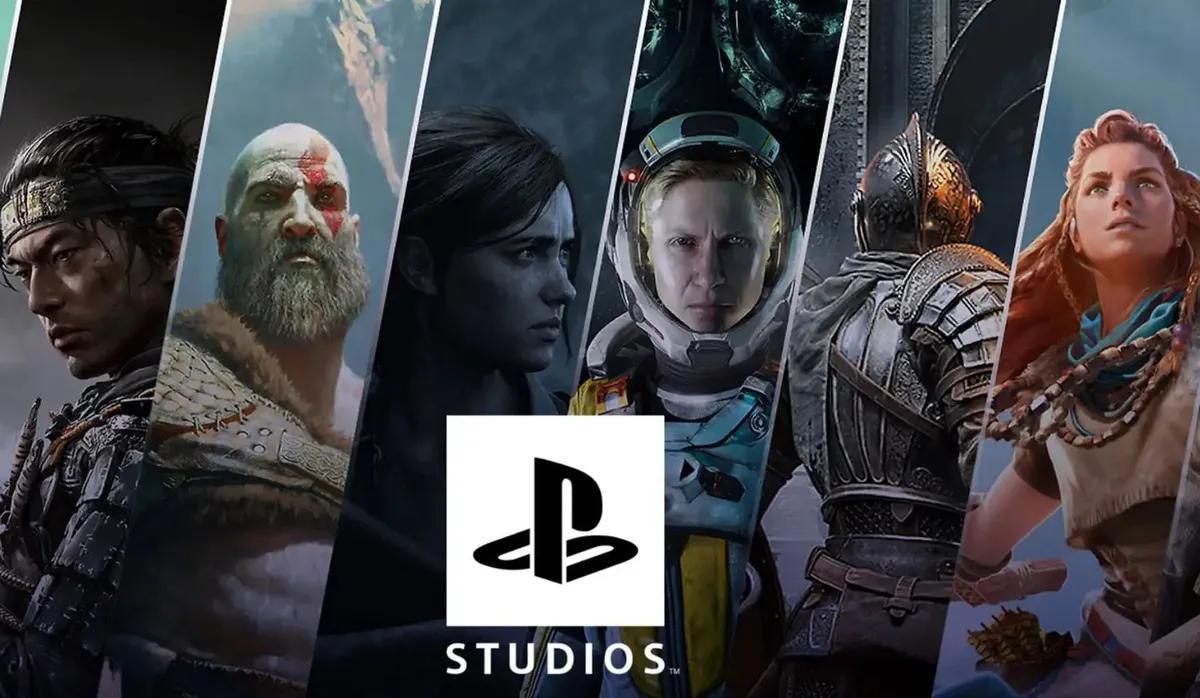
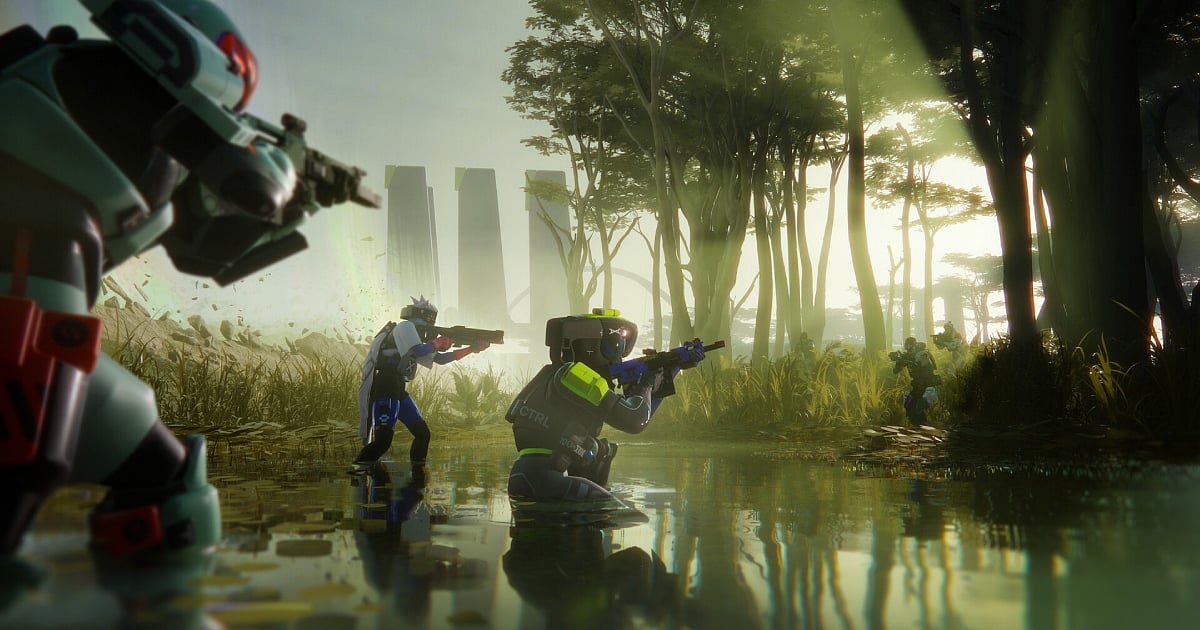
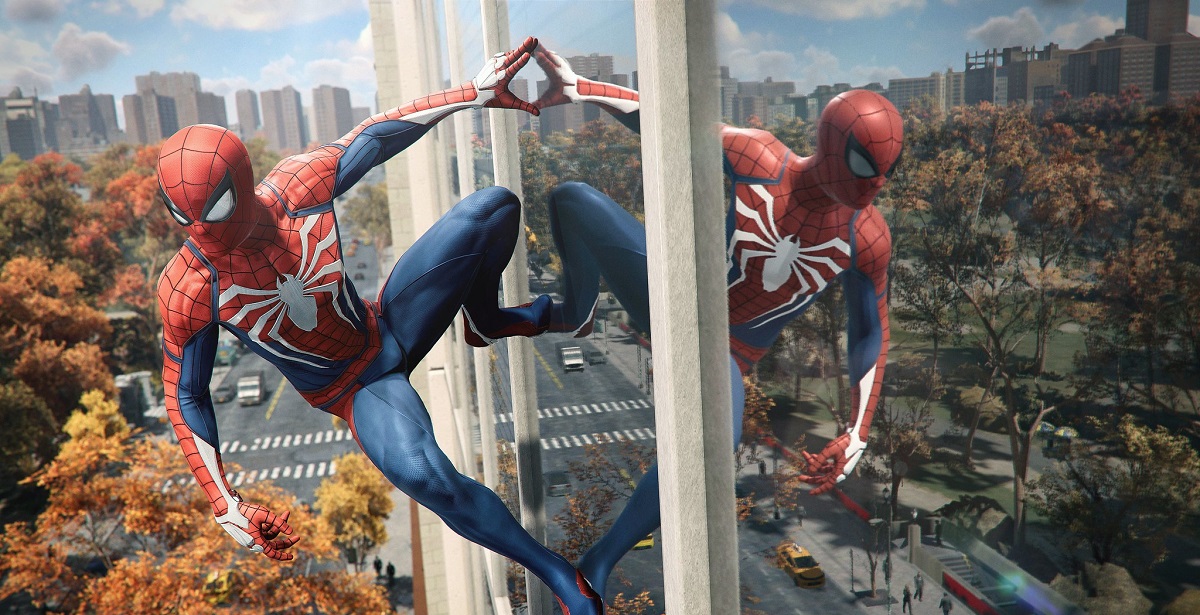
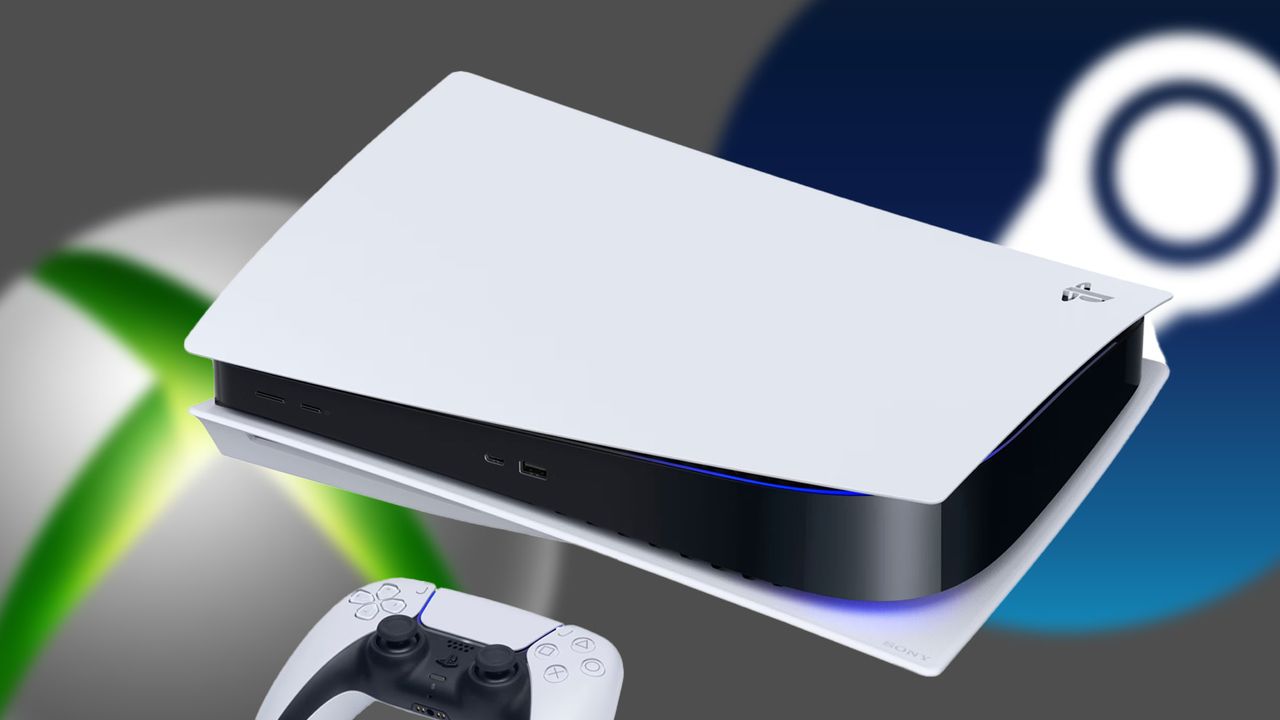
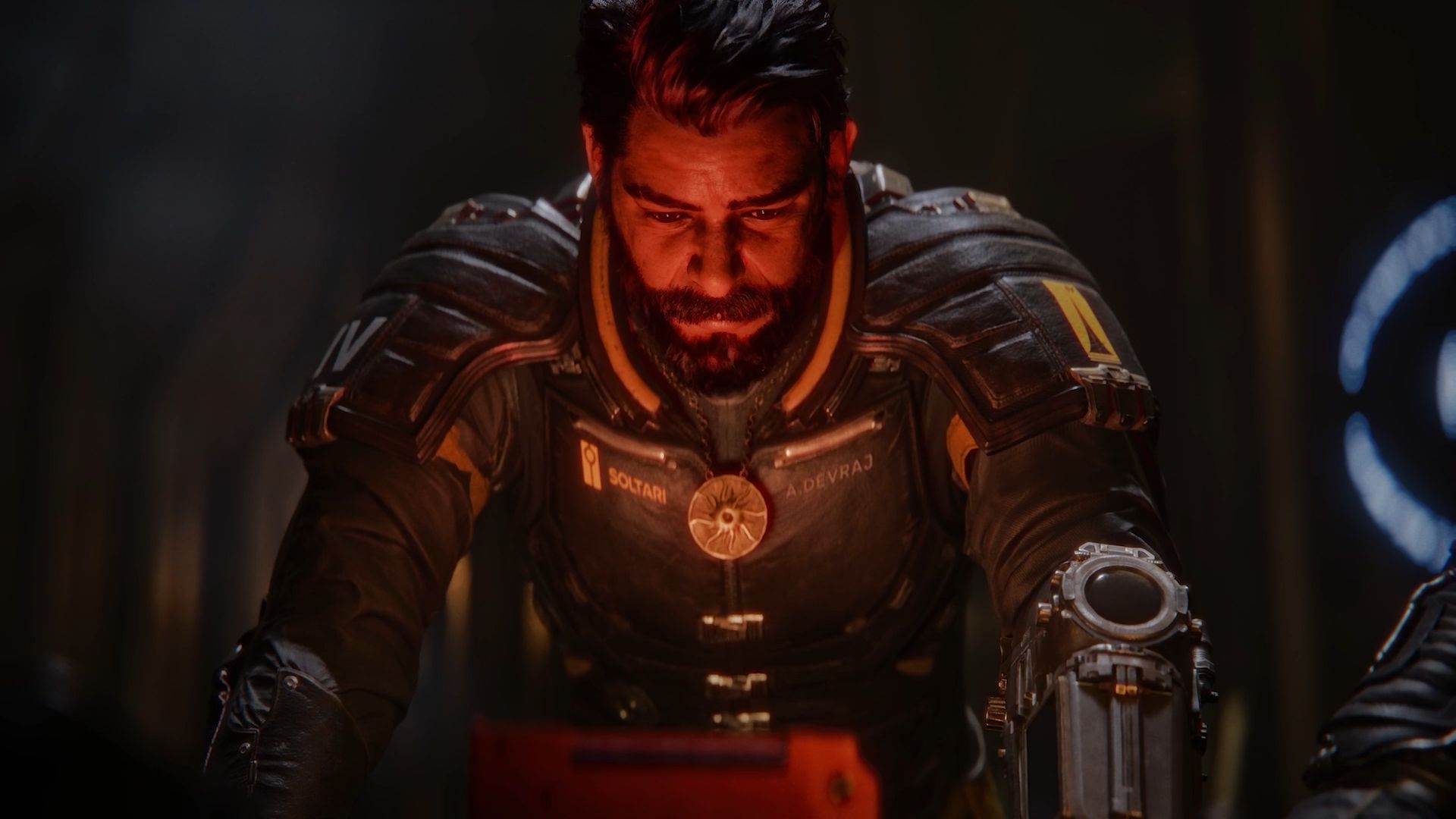
Sony Interactive Entertainment's reported strategic pivot away from porting console-exclusive single-player games to PC represents a significant shift in gaming industry platform distribution, with direct implications for e-commerce sellers operating in gaming merchandise, collectibles, and digital content categories. According to Bloomberg journalist Jason Schreier, Sony plans to concentrate PC releases exclusively on live-service titles like Helldivers 2 and MLB The Show, abandoning its previous practice of porting major franchises such as Marvel's Spider-Man, God of War, and Ghost of Tsushima. This decision contradicts Sony's recent commercial success—the company generated $2.3 billion from first-party game sales on alternative formats including PC and Xbox platforms over recent years, demonstrating the financial viability of cross-platform releases.
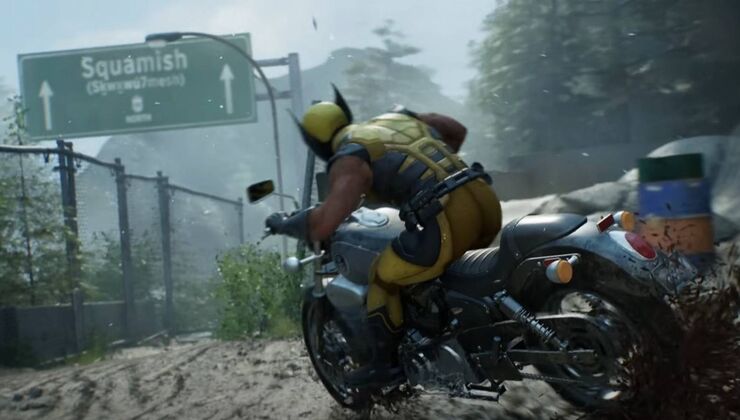
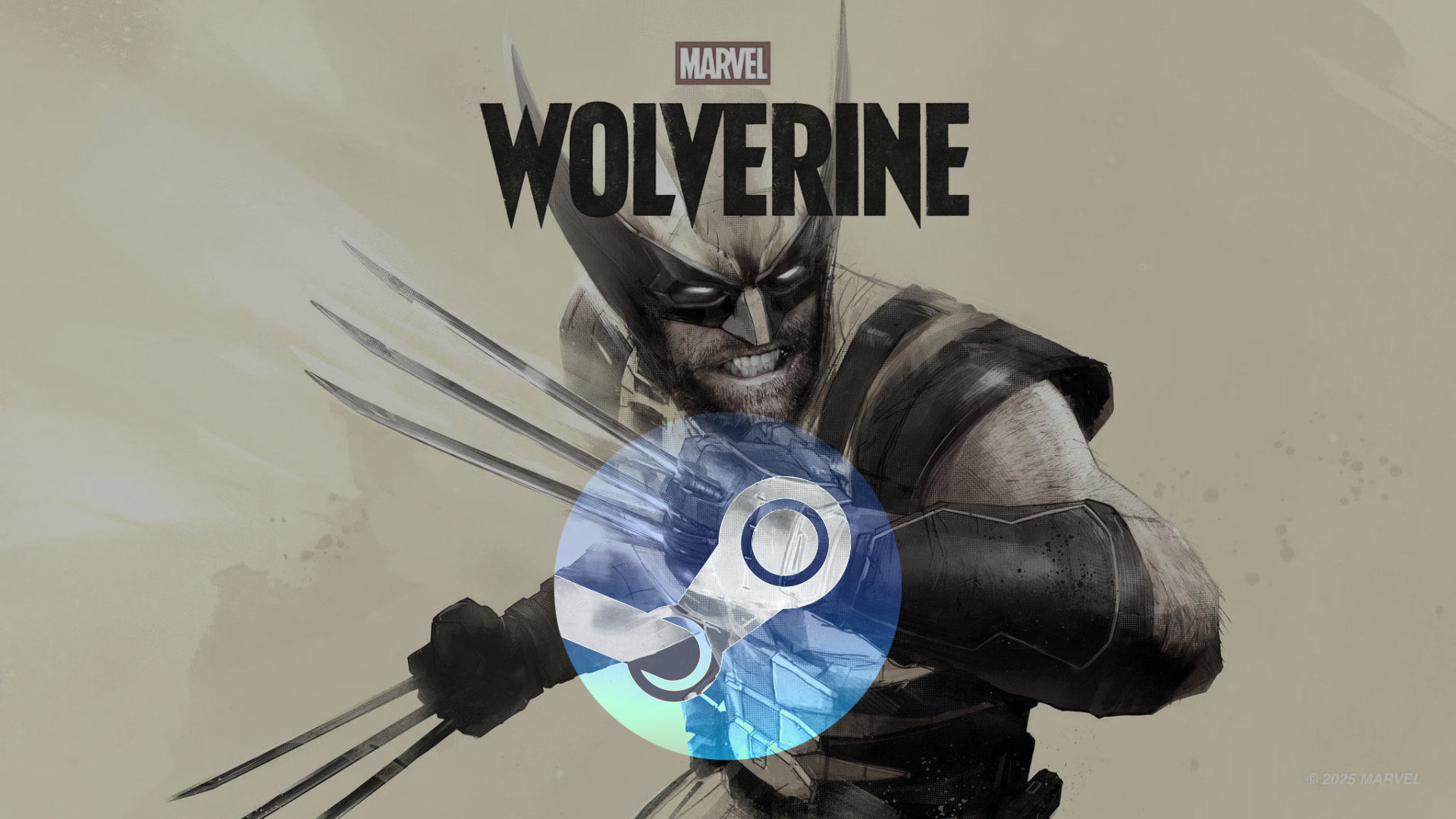
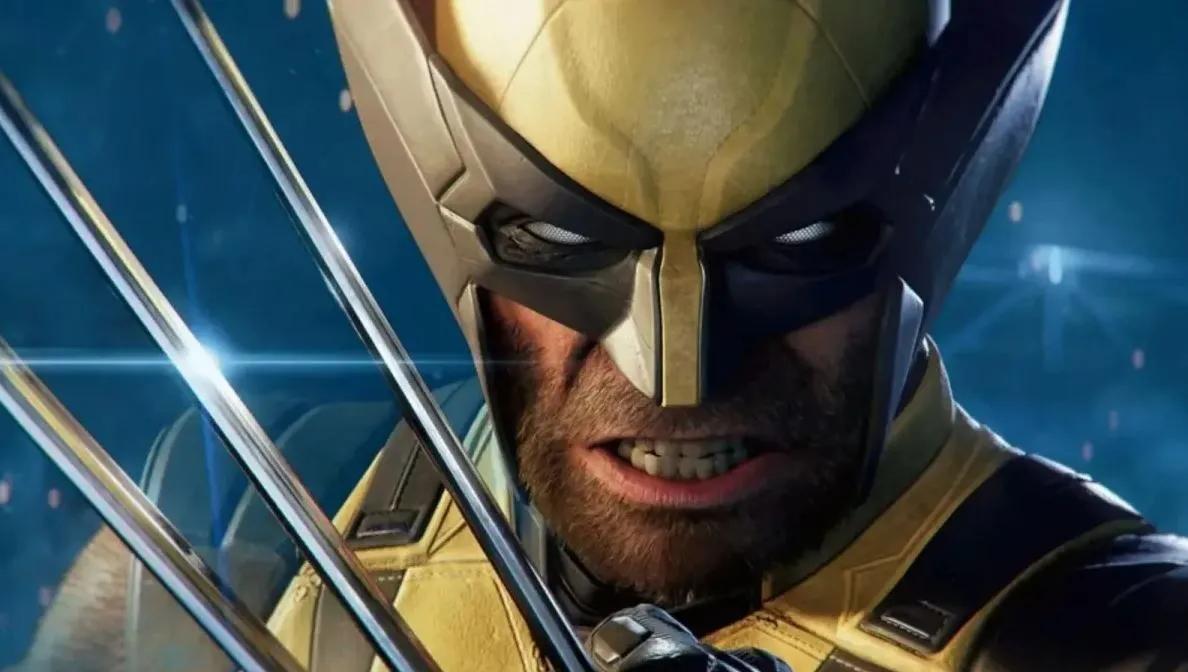
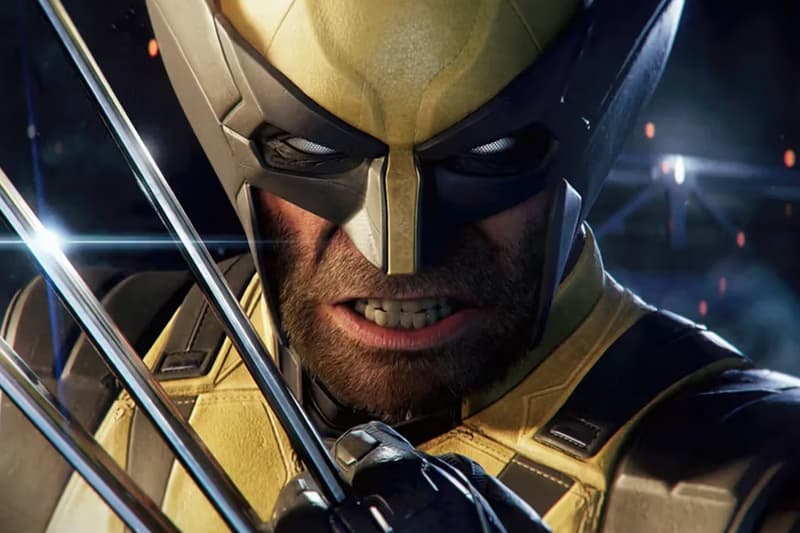
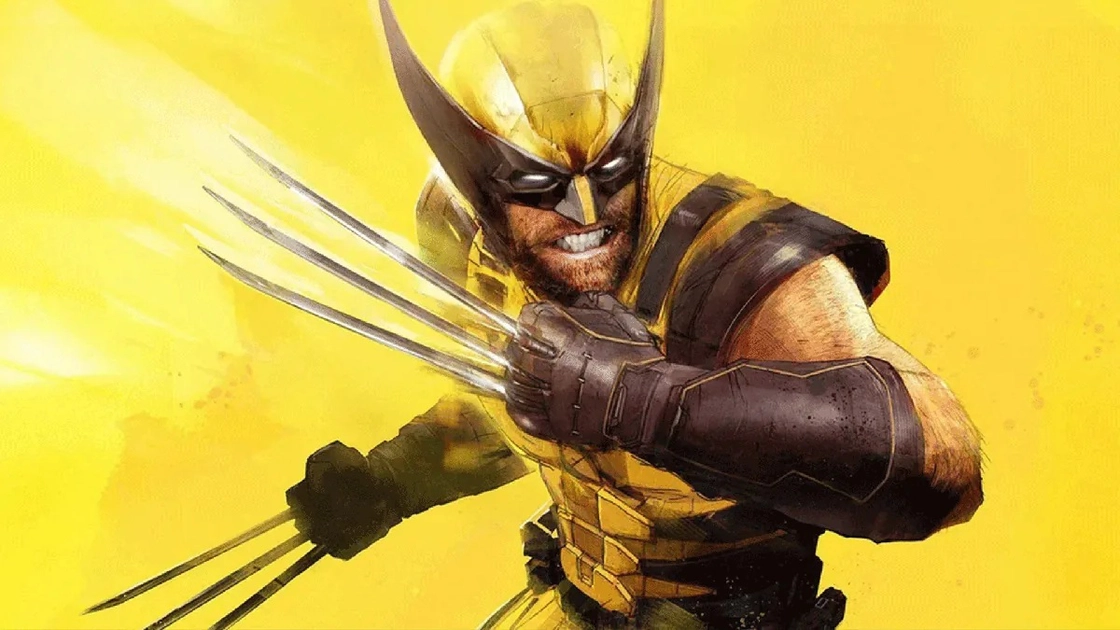
The strategic reversal creates distinct e-commerce opportunities across multiple seller segments. Gaming merchandise sellers can capitalize on increased demand for PlayStation-exclusive collectibles, as console exclusivity drives scarcity premiums and fan engagement. Marvel's Wolverine (launching September 15th on PlayStation 5 with no PC version announced) exemplifies this trend—exclusive titles historically generate 20-30% higher merchandise sales velocity compared to multi-platform releases. Sellers specializing in gaming apparel, action figures, posters, and limited-edition collectibles should expect elevated demand during exclusive launch windows, particularly in the 2-4 week period following major PlayStation releases. The fragmentation of gaming communities between platforms also increases demand for platform-specific merchandise, as players seek to express platform loyalty through branded products.
For digital content and reseller categories, the implications are more complex. Third-party sellers on Amazon, eBay, and Shopify who distribute gaming-related products—including physical merchandise, strategy guides, gaming peripherals, and collectible cards—should monitor this trend closely. Sony's decision to maintain multi-platform availability for live-service titles (Helldivers 2, MLB The Show) suggests continued demand for associated merchandise in those categories, while single-player exclusive titles will see concentrated demand among PlayStation ecosystem participants. Cross-border sellers shipping gaming merchandise to international markets should note that regional platform preferences vary significantly: PlayStation maintains stronger market share in Europe and Japan, while PC gaming shows higher penetration in certain Asian markets. This geographic variance means sellers can optimize inventory allocation by region based on platform preference data.
The broader industry pattern indicates platform holders are balancing ecosystem exclusivity with live-service monetization strategies. This decision may influence how other publishers approach PC releases and platform exclusivity agreements, potentially creating a bifurcated gaming market where single-player experiences remain platform-exclusive while multiplayer/live-service games achieve broader distribution. For sellers, this means the gaming merchandise category will likely see increased volatility around exclusive launch events, with higher peaks during PlayStation exclusives and more sustained demand for live-service game merchandise across multiple platforms.
Questions 8
What timeline should sellers use for inventory planning around exclusive game launches?
Gaming merchandise demand typically follows a predictable pattern around exclusive launches: pre-launch surge begins 2-3 weeks before release, peaks 1-2 weeks post-launch, and sustains elevated levels for 4-6 weeks before normalizing. Marvel's Wolverine (September 15 launch) provides a case study—sellers should begin inventory buildup by late August, with peak stock levels required by early September. For cross-border sellers using Amazon FBA, account for 10-14 day shipping times from Asia-Pacific manufacturing regions, requiring inventory orders 4-5 weeks pre-launch. Monitor Bloomberg and gaming industry publications for exclusive title announcements (typically 6-12 months pre-launch) to optimize procurement timelines. Set calendar reminders for major PlayStation exclusive announcements during industry events (E3, PlayStation Showcase, Gamescom) to identify upcoming merchandise opportunities.
How should sellers optimize product listings for gaming merchandise during exclusive launch periods?
Optimize Amazon and eBay listings by front-loading exclusive title keywords in product titles and descriptions during launch windows. Use title format: '[Game Title] [Product Type] [Platform] [Exclusive]' to capture search traffic from players seeking exclusive merchandise. Implement PPC campaigns 2-3 weeks pre-launch with bid increases of 20-30% above baseline to capture high-intent search traffic. Create variation listings for platform-specific merchandise (PlayStation vs. multi-platform) to segment demand and improve conversion rates. Monitor competitor pricing—exclusive merchandise typically commands 15-25% premiums during launch windows due to scarcity perception. For Shopify sellers, create dedicated landing pages for exclusive title merchandise and leverage email marketing to notify subscribers 1-2 weeks pre-launch. Track conversion rates and adjust inventory allocation based on real-time demand signals from PPC performance data.