




Middle East Geopolitical Escalation | Supply Chain Risk & Shipping Route Disruptions for Cross-Border Sellers
- Strait of Hormuz shipping delays threaten 15-25% of global maritime trade; sellers face 8-15% logistics cost increases and 2-4 week delivery delays to Middle Eastern markets
























































Overview
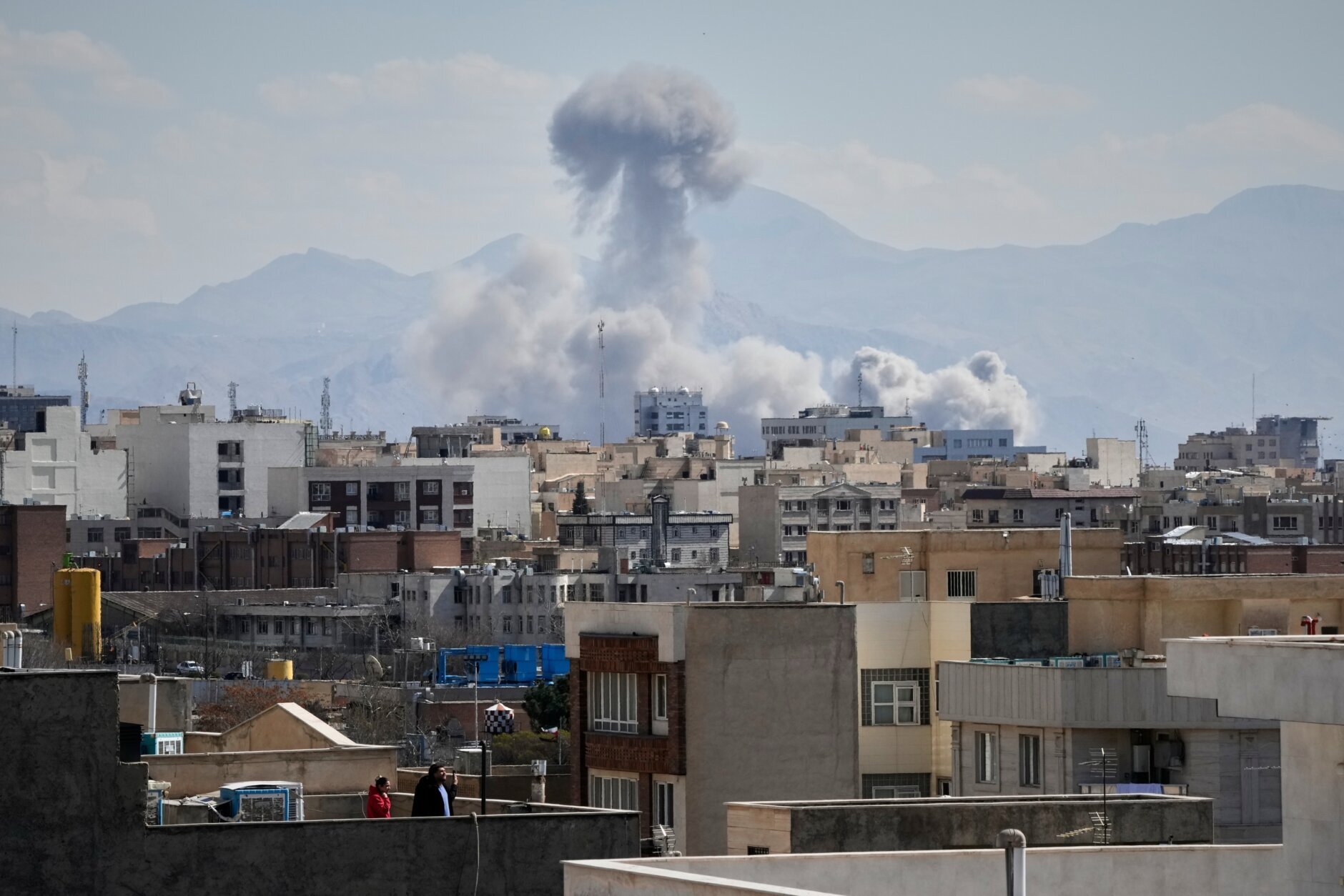
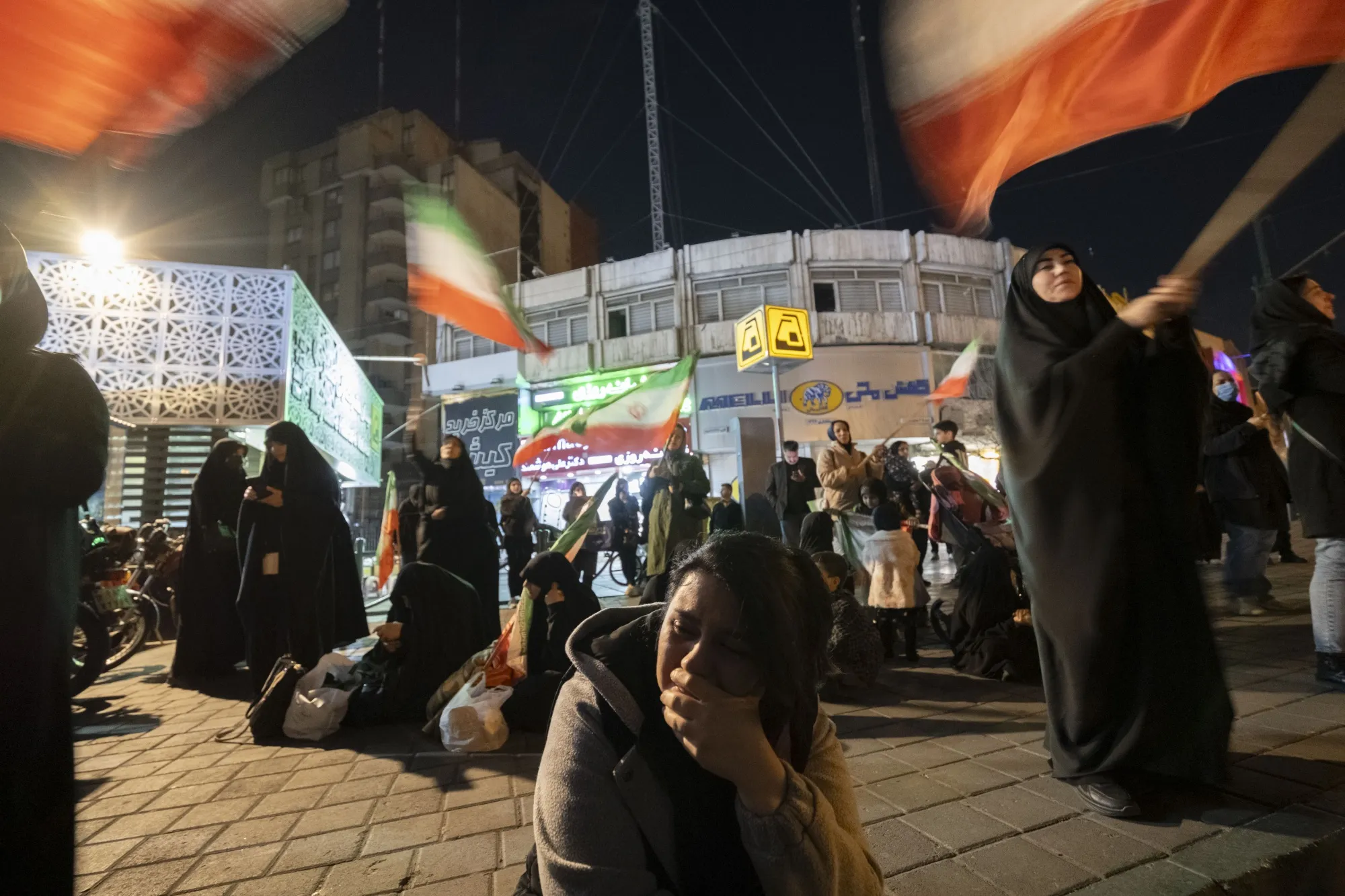
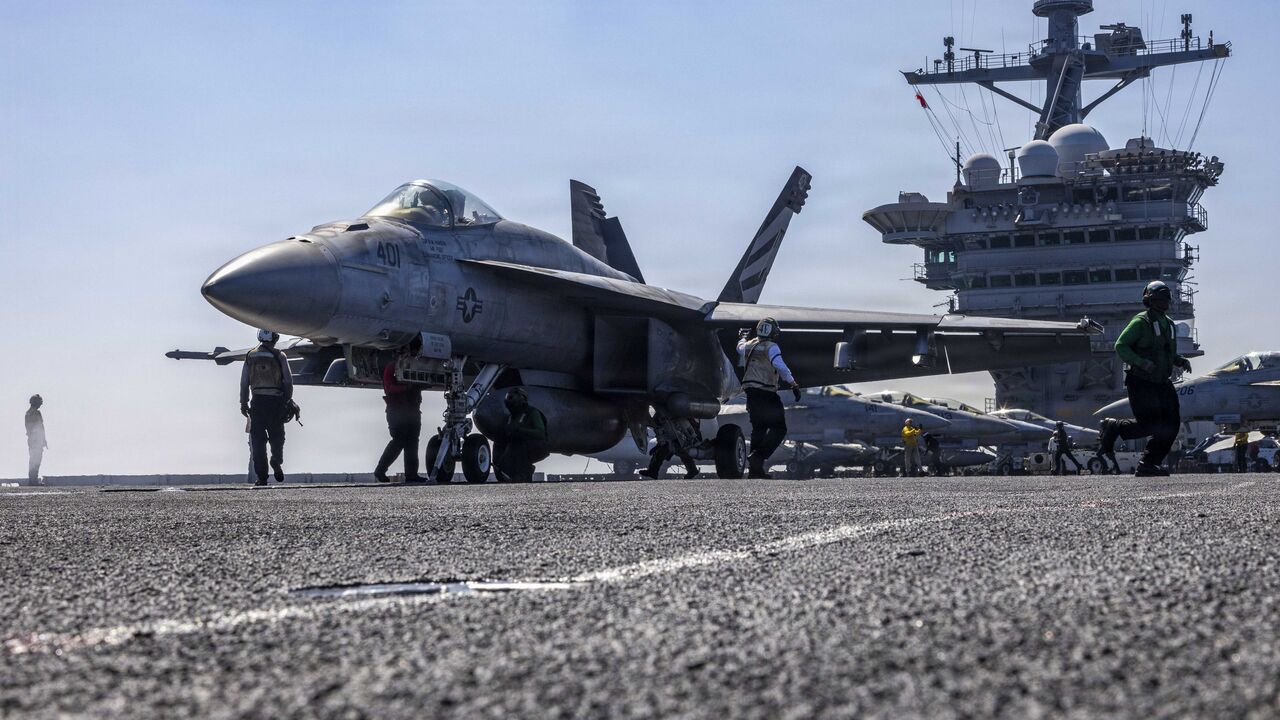
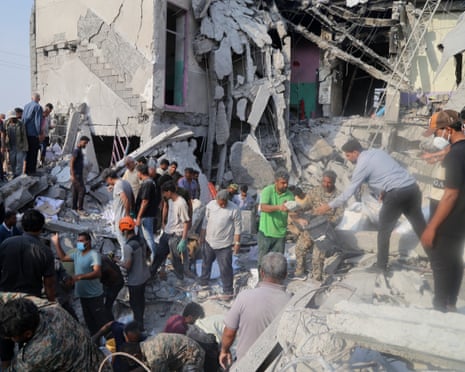
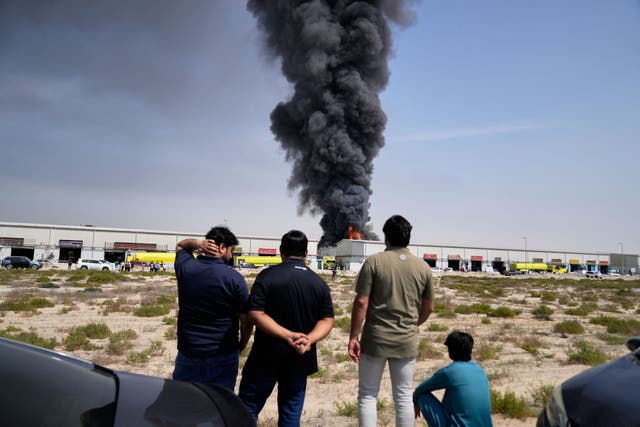
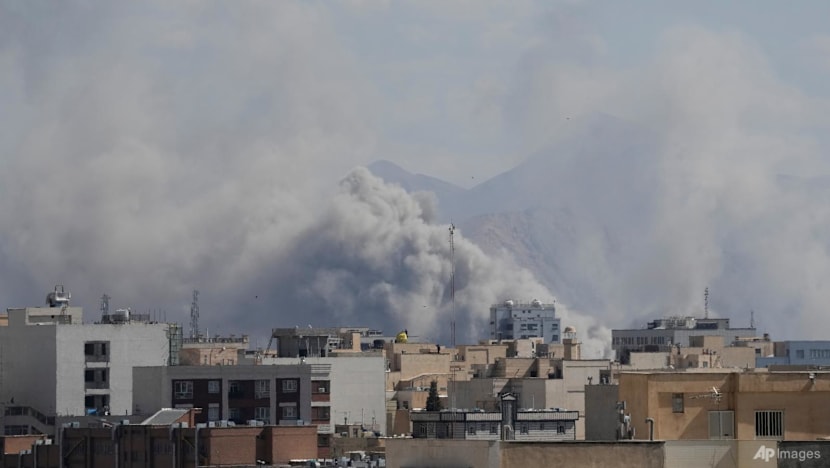
The escalating U.S.-Iran military conflict reported on March 1, 2026, creates immediate supply chain vulnerabilities for cross-border e-commerce sellers operating in or shipping through the Middle East. With military operations continuing at full force and missile impacts documented across Kuwait, Bahrain, UAE, and Qatar, the Strait of Hormuz—which handles approximately 21% of global petroleum trade and critical shipping corridors—faces heightened disruption risk. For sellers, this geopolitical instability translates into three critical operational impacts: (1) Shipping Route Disruptions: Carriers are implementing surcharges of 8-15% on shipments routing through the Persian Gulf, affecting sellers shipping electronics, apparel, and consumer goods to UAE, Saudi Arabia, Qatar, and Kuwait markets. Major 3PL providers including DHL, FedEx, and Maersk have already issued advisories about extended transit times (2-4 weeks additional delay) and rerouting through longer southern routes. (2) Insurance Cost Escalation: War risk insurance premiums for shipments through the Strait of Hormuz have increased 300-500% since the conflict escalation, adding $200-800 per container to logistics costs for sellers moving inventory to Middle Eastern fulfillment centers. (3) Market Access Compression: Sellers with significant inventory in Kuwait and Bahrain-based 3PL facilities face immediate liquidity pressure as customs clearance delays extend from 3-5 days to 10-14 days, tying up working capital and reducing inventory turnover velocity. The conflict also creates secondary effects: demand volatility in affected markets (UAE, Qatar, Bahrain) as consumer spending shifts toward essential goods, and currency fluctuation risk as regional currencies weaken against USD. For sellers with 20%+ of revenue from Middle Eastern markets or those using Gulf-based fulfillment hubs, this represents a 12-18% margin compression scenario. Conversely, sellers can capitalize on rerouting opportunities by shifting inventory to India, Vietnam, and Southeast Asian fulfillment centers, which offer 15-20% cost advantages for serving Asian markets while avoiding Persian Gulf exposure. The timing window for strategic repositioning is critical—sellers should execute inventory transfers within 30-45 days before insurance costs and shipping delays become prohibitively expensive.
Questions 8
Should sellers exit Middle Eastern markets entirely due to geopolitical risk?
No—Middle Eastern e-commerce markets (UAE, Saudi Arabia, Qatar) represent $15-20B annual opportunity with 25-35% annual growth rates. Temporary geopolitical disruptions are manageable through diversified fulfillment strategies rather than market exit. Instead of exiting, sellers should: (1) Reduce inventory concentration in single Gulf locations; (2) Implement multi-hub fulfillment across India, Vietnam, and UAE simultaneously; (3) Use dynamic pricing to adjust for logistics cost volatility; (4) Maintain 20-30% safety stock buffers. Sellers who maintain market presence during disruptions gain competitive advantage—competitors exiting the market create 15-25% market share opportunities for remaining sellers. The 4-8 month disruption window is temporary; long-term Middle Eastern market fundamentals remain strong with rising consumer spending and e-commerce adoption.
What immediate actions should sellers take to mitigate supply chain risk from the conflict?
Within 0-30 days: (1) Audit inventory locations—identify all stock in Kuwait, Bahrain, UAE, and Qatar fulfillment centers; (2) Contact 3PL providers for updated shipping timelines and cost quotes; (3) Evaluate rerouting options through India, Vietnam, or Southeast Asian hubs offering 15-20% cost advantages; (4) Review insurance policies for war risk coverage gaps. Within 30-60 days: (1) Execute inventory transfers to lower-risk regions before insurance costs peak; (2) Adjust pricing on Middle Eastern marketplace listings to reflect 8-15% logistics cost increases; (3) Implement demand forecasting adjustments for affected markets, as consumer spending typically shifts toward essential goods during geopolitical instability. Monitor customs clearance times daily and maintain 20-30% safety stock buffers to absorb extended delays.