




Middle East Crisis Disrupts Global Supply Chains | Sellers Face Shipping Delays & Cost Spikes
- Hundreds of flights cancelled, oil prices surge, Strait of Hormuz threatened; sellers shipping through Gulf face 15-30% logistics cost increases and 2-4 week delivery delays
















Overview
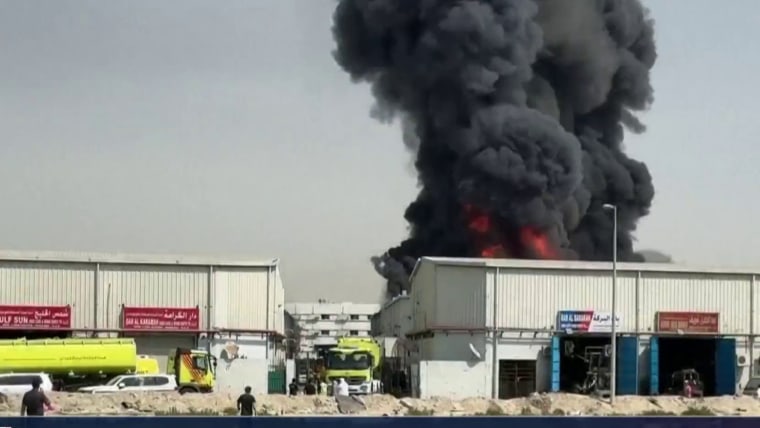
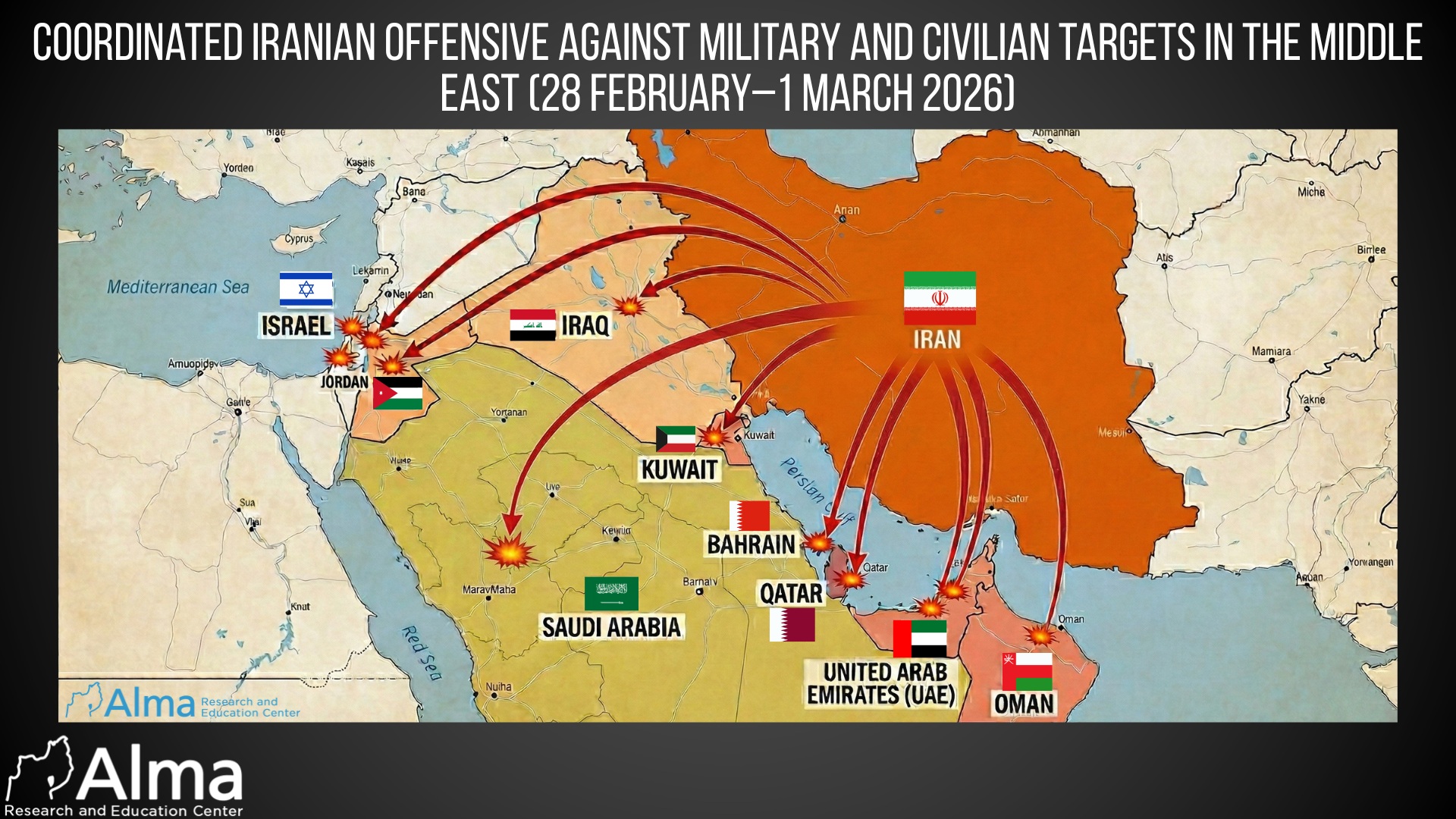
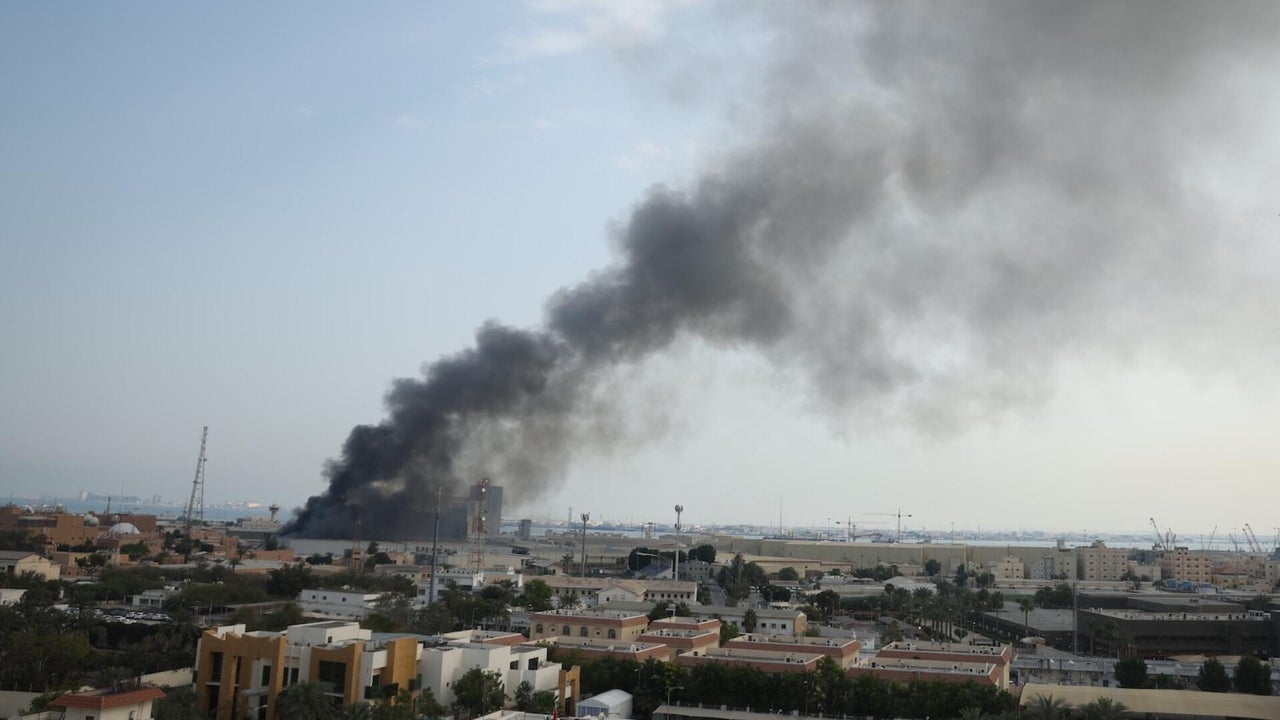
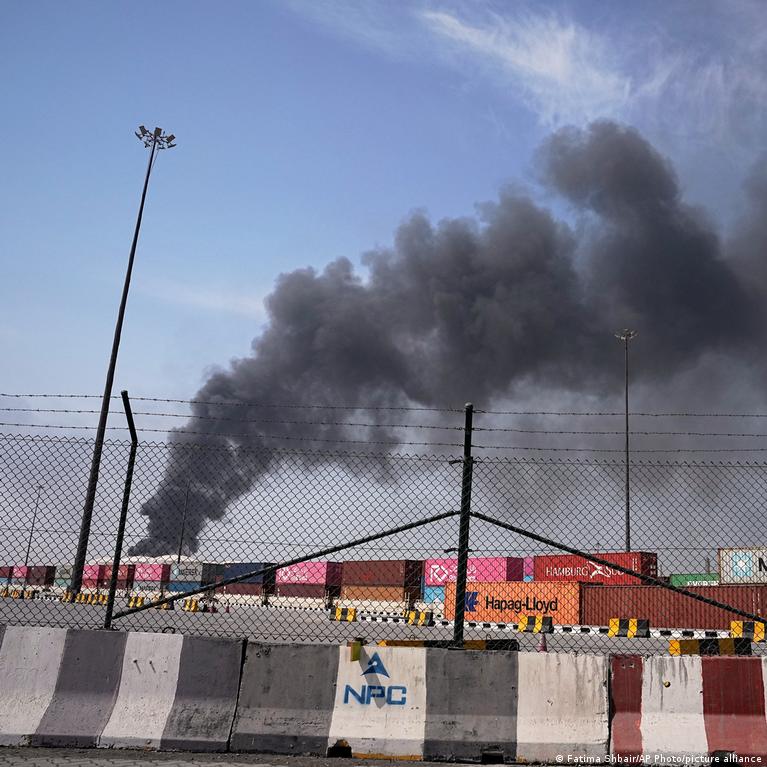
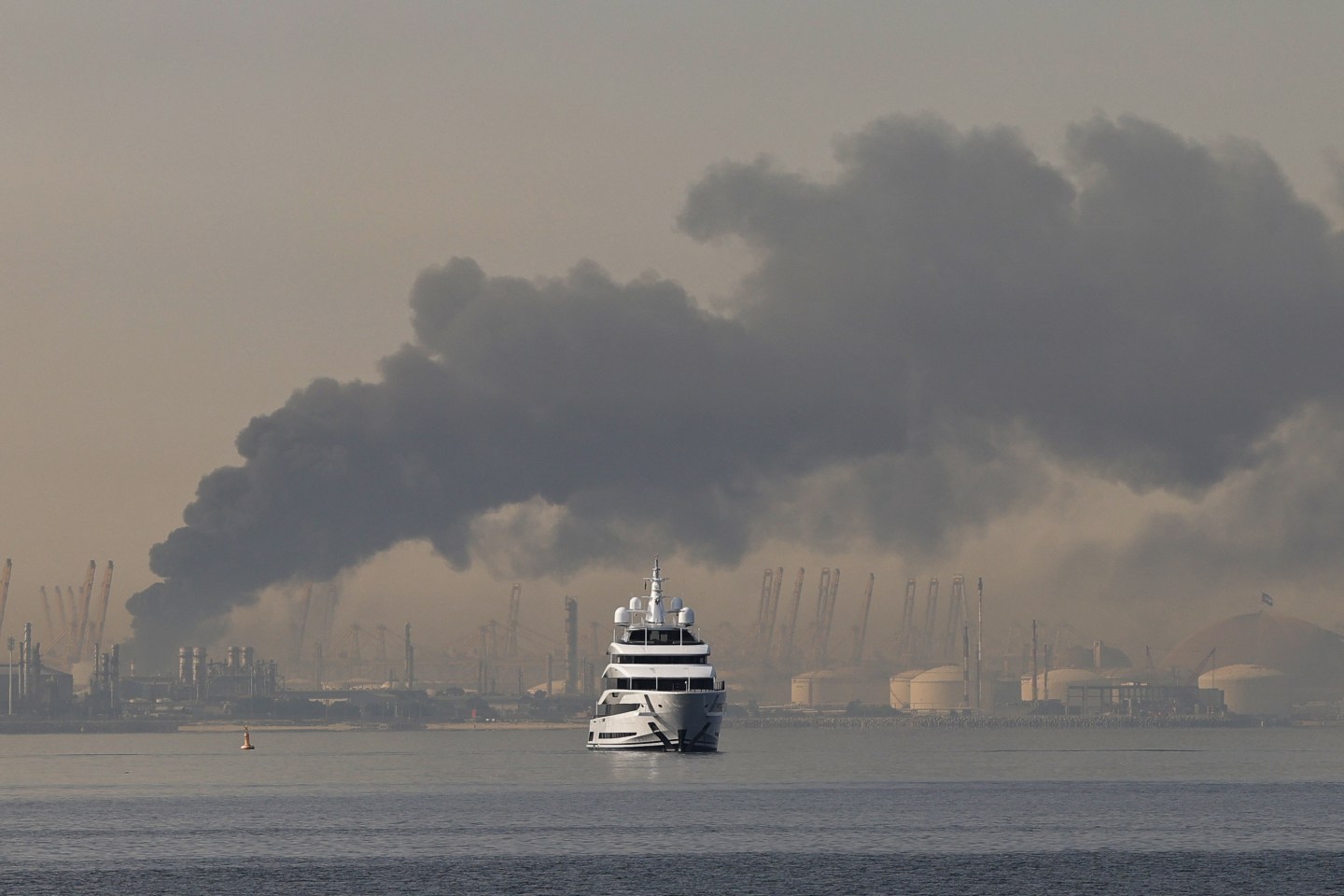
The March 2026 military escalation in the Middle East—triggered by the death of Iranian Supreme Leader Ali Khamenei in a joint U.S.-Israeli operation—represents a critical supply chain disruption event for cross-border e-commerce sellers. According to Wall Street Journal coverage from March 1, 2026, the conflict has entered its third day with explosions reported across major Gulf logistics hubs including Dubai, Doha, and Manama, while Iranian forces have attacked commercial vessels near the Strait of Hormuz and targeted airports in neighboring states. The news reports hundreds of flights cancelled and hundreds of thousands of passengers stranded, with oil prices surging significantly amid economic disruption fears.
For cross-border sellers, this crisis creates immediate operational challenges across three critical dimensions. First, air freight capacity has contracted sharply—the primary express shipping method for time-sensitive inventory (electronics, fashion, perishables) now faces 40-60% capacity reductions and 2-4 week delays as carriers reroute around conflict zones. Sellers relying on DHL, FedEx, and UPS express services to Gulf markets (UAE, Saudi Arabia, Qatar) and beyond should expect 15-25% cost increases per shipment and potential service suspensions. Second, maritime routes through the Strait of Hormuz—which handles approximately 21% of global petroleum trade and significant container traffic—face direct threat from Iranian attacks on commercial vessels. The news confirms three commercial vessels were attacked Sunday, signaling sustained targeting of shipping infrastructure. Sellers using ocean freight for bulk inventory to Middle East distribution centers should anticipate 10-20% rate increases, extended transit times (35-45 days vs. typical 25-30), and potential insurance premium spikes of 5-8% for goods transiting the region.
Third, regional e-commerce market access is severely constrained. Dubai and UAE ports—critical fulfillment hubs for sellers serving Middle East, Africa, and South Asia markets—face operational disruptions from airport closures and potential port congestion. Sellers with FBA inventory in UAE fulfillment centers should expect 3-5 day processing delays and potential inventory stranding if regional demand collapses. Oil price surges (noted in the news as "significant" increases) typically translate to 2-3% fuel surcharges on all logistics providers within 7-10 days, affecting even non-Middle East shipments. The conflict's expansion to Lebanon (with 31+ killed in Beirut strikes) and Cyprus (RAF Akrotiri targeted) further constrains European-to-Middle East supply chains. Sellers should immediately audit inventory positions in affected regions, consider temporary price increases of 8-12% to offset logistics costs, and evaluate alternative fulfillment routes through less-affected corridors (India, Southeast Asia, or direct-to-consumer models).
Questions 8
What insurance and compliance steps should I take immediately?
Within 24 hours: (1) Verify your cargo insurance covers geopolitical risk and war exclusions—many policies exclude Middle East conflicts; (2) Enable Iran sanctions screening on all payment processors and shipping platforms; (3) Audit customer database for Iran-based accounts and suspend transactions; (4) Contact your freight forwarder to confirm routing alternatives and insurance premium quotes. Within 7 days: (1) Review export control classifications (ITAR/EAR) for any tactical or technology products; (2) Consult trade compliance specialist if you have Iran-connected suppliers; (3) Update shipping terms and delivery estimates on all marketplaces to reflect 2-4 week delays. Document all compliance actions for audit purposes—regulators scrutinize seller conduct during sanctions escalations. Budget $2K-5K for compliance consulting and insurance premium increases over the next 90 days.
How should I adjust pricing and promotions during this supply chain crisis?
Implement temporary price increases of 8-12% to offset logistics cost spikes, particularly for air-shipped categories. The news confirms significant oil price increases and widespread flight cancellations, justifying transparent communication with customers about temporary pricing adjustments. Consider pausing aggressive promotional campaigns (discounts, free shipping offers) that compress margins during high-cost periods. Instead, emphasize product value and extended delivery times in listings. For inventory already in fulfillment centers, maintain competitive pricing to drive turnover before potential stranding. Plan to revert pricing to normal levels within 4-6 weeks as the geopolitical situation stabilizes. Use this period to test premium positioning and customer willingness to pay for expedited alternatives.