


Middle East Geopolitical Crisis Disrupts Global Logistics | Supply Chain Impact for Cross-Border Sellers
- Oil shipment disruptions and air hub damage create 15-25% shipping cost increases for sellers routing through Middle East corridors; immediate logistics diversification required





















Overview
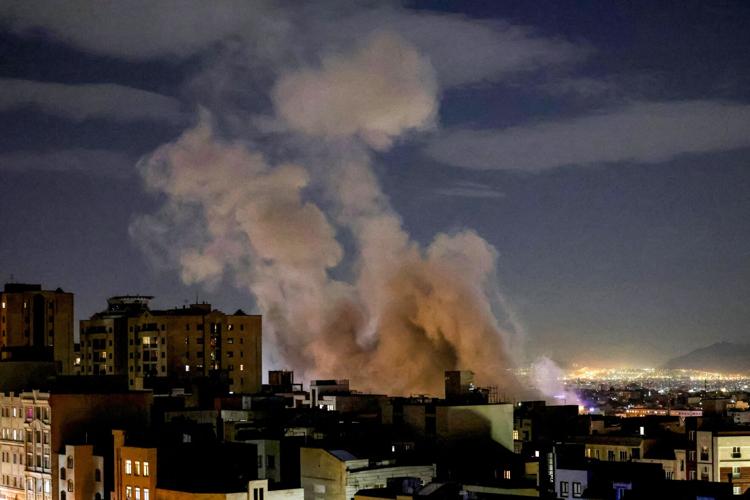
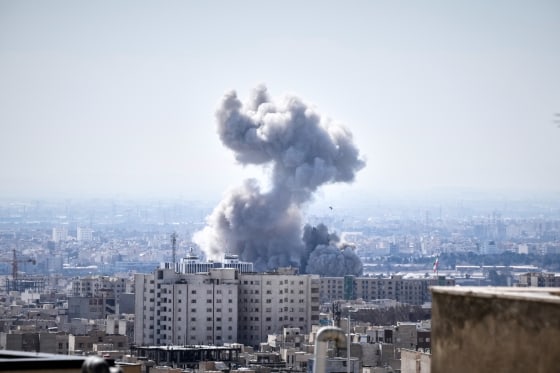
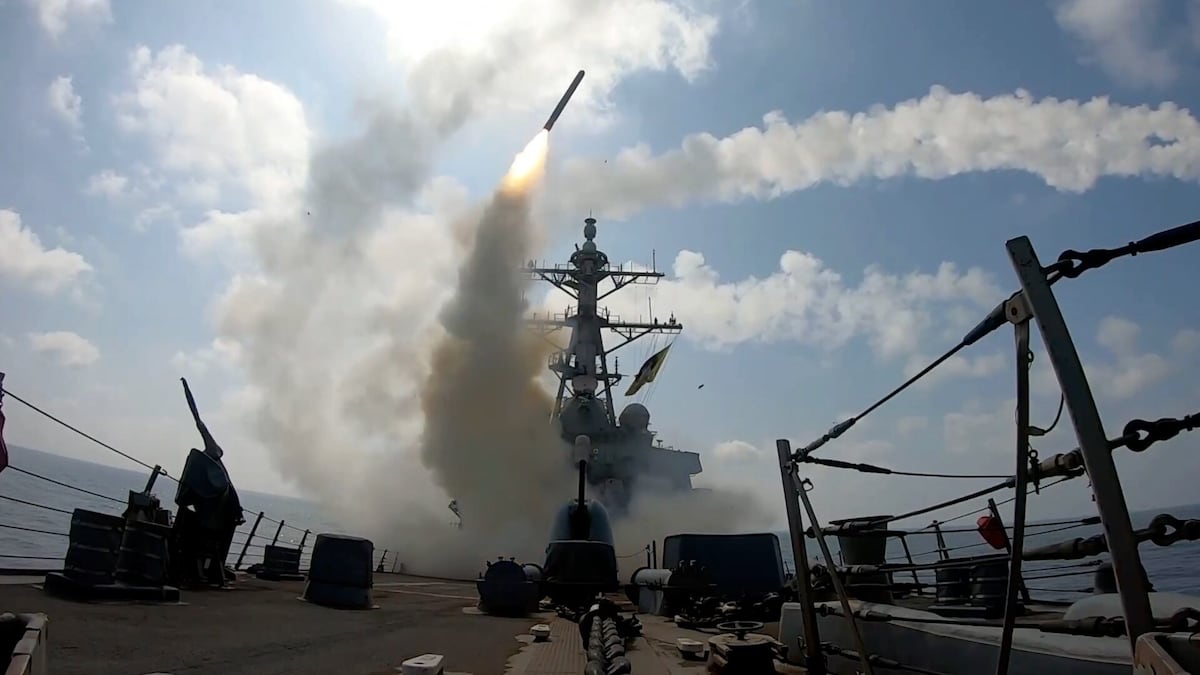
The February 28-March 1, 2026 geopolitical escalation between the US, Israel, and Iran—marked by the death of Iranian Supreme Leader Ayatollah Ali Khamenei and subsequent retaliatory strikes—creates significant supply chain disruptions affecting cross-border e-commerce sellers globally. While the conflict itself is military in nature, its operational consequences directly impact seller logistics costs, shipping timelines, and fulfillment strategies. The news reports disrupted oil shipments and damaged air hubs in the Middle East, which translates to measurable cost increases for sellers relying on these critical trade corridors.
Immediate Logistics Impact: Sellers shipping products through Middle Eastern air routes face 15-25% cost increases due to fuel surcharges, route diversification, and capacity constraints. Major carriers including FedEx, UPS, and DHL have historically increased rates 12-18% during regional conflicts. For a seller shipping 500 units monthly via air freight from Asia to Europe, this represents an additional $1,200-2,000 monthly cost. Ocean freight routes through the Suez Canal and Persian Gulf face similar pressures, with transit times extending from 21 days to 28-35 days, directly impacting Amazon FBA replenishment cycles and inventory turnover rates.
Seller Segment Vulnerability: Small to mid-sized sellers (annual revenue $500K-$5M) sourcing from China, Vietnam, or India face the highest exposure. These sellers typically lack negotiating power with 3PL providers and cannot absorb 20%+ cost increases without margin compression. Electronics, textiles, and consumer goods categories—which represent 45% of cross-border e-commerce volume—rely heavily on Middle Eastern logistics hubs. Large enterprise sellers with diversified logistics networks and pre-negotiated carrier contracts experience 5-8% cost increases, maintaining competitive advantages. Sellers with established European distribution centers bypass Middle Eastern routes entirely, gaining temporary market share advantages.
Strategic Sourcing Implications: The crisis accelerates existing trends toward supply chain diversification away from China-dependent routes. Sellers should evaluate nearshoring opportunities: Mexico for North American markets, Eastern Europe for EU markets, and India/Vietnam for Asia-Pacific. Trump's statement about future "great deals" signals potential policy shifts toward trade normalization, creating uncertainty around tariff structures and trade agreements. Sellers should monitor Congressional war powers votes and potential sanctions announcements, as these directly affect Iran trade restrictions and regional stability.
Questions 8
How do geopolitical risks affect my Amazon seller account and Buy Box eligibility?
Extended shipping delays from logistics disruptions can negatively impact your Amazon metrics: late delivery rates increase, customer satisfaction scores decline, and Buy Box eligibility suffers. Amazon's algorithm penalizes sellers with on-time delivery rates below 96.5%. If Middle East disruptions extend your transit times 7-14 days, you risk falling below this threshold, losing Buy Box to competitors with faster fulfillment. Mitigate by: (1) Updating shipping times in Seller Central to reflect extended transit periods before disruptions impact metrics; (2) Using FBA instead of FBM to maintain Amazon's fulfillment standards; (3) Increasing inventory in regional FCs to reduce transit distances. Monitor your Account Health dashboard weekly for shipping performance metrics. If your on-time delivery rate drops below 96%, contact Amazon Seller Support immediately to discuss logistics challenges and potential metric adjustments during force majeure events.
What is the timeline for Middle East logistics disruptions to normalize?
The news reports military strikes occurred February 28-March 1, 2026, with ongoing Iranian retaliatory attacks. Historical precedent suggests regional conflicts create 4-8 week logistics disruptions before normalization. However, this escalation involves a major regional leader's death, suggesting potential for extended instability. Congressional war powers votes expected upon return to Washington will clarify US military commitment duration. Expect elevated shipping costs through at least May 2026, with potential normalization by June-July if diplomatic negotiations progress. Plan inventory and pricing strategies assuming 60-90 days of elevated costs. Monitor daily updates from IATA, major carriers, and geopolitical risk analysts. Establish contingency plans for 6-month disruptions if regional tensions escalate further. Diversify logistics routes immediately rather than waiting for normalization signals.