




Middle East Geopolitical Escalation Drives Shipping Cost Surge | Cross-Border Sellers Face 8-15% Logistics Premium
- Oil prices spike following Operation Epic Fury; fuel surcharges impact FBA and 3PL costs; Iran-US tensions disrupt Suez Canal shipping lanes affecting 40% of global maritime trade






























Overview
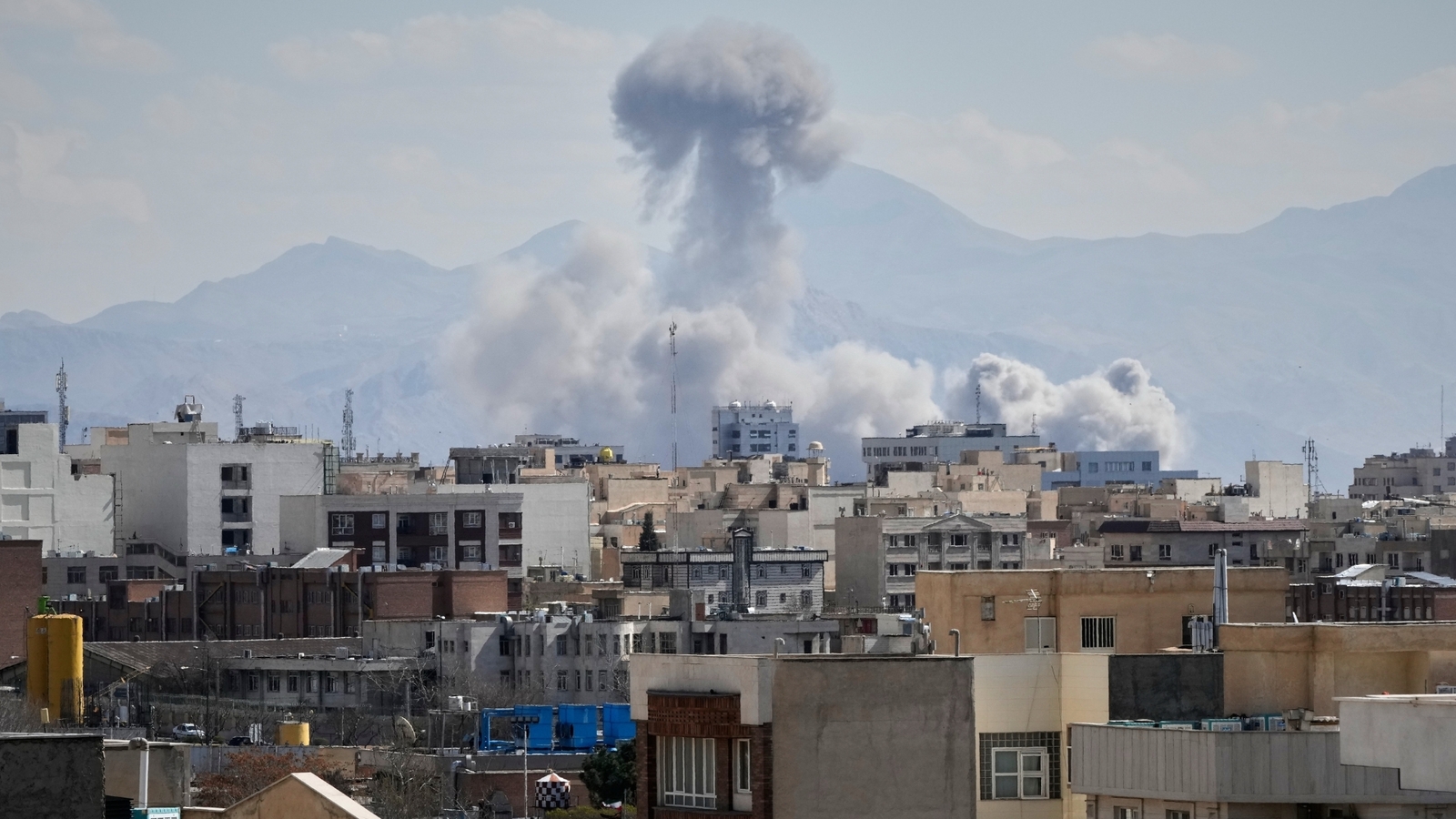
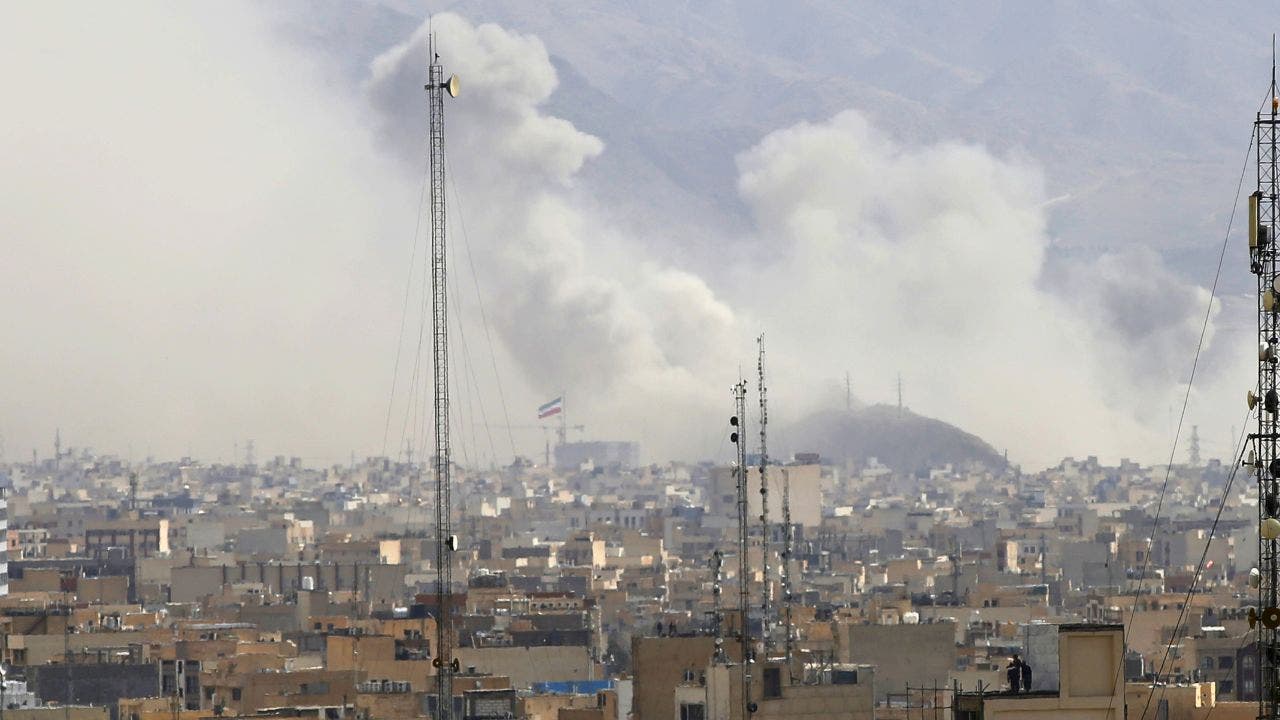
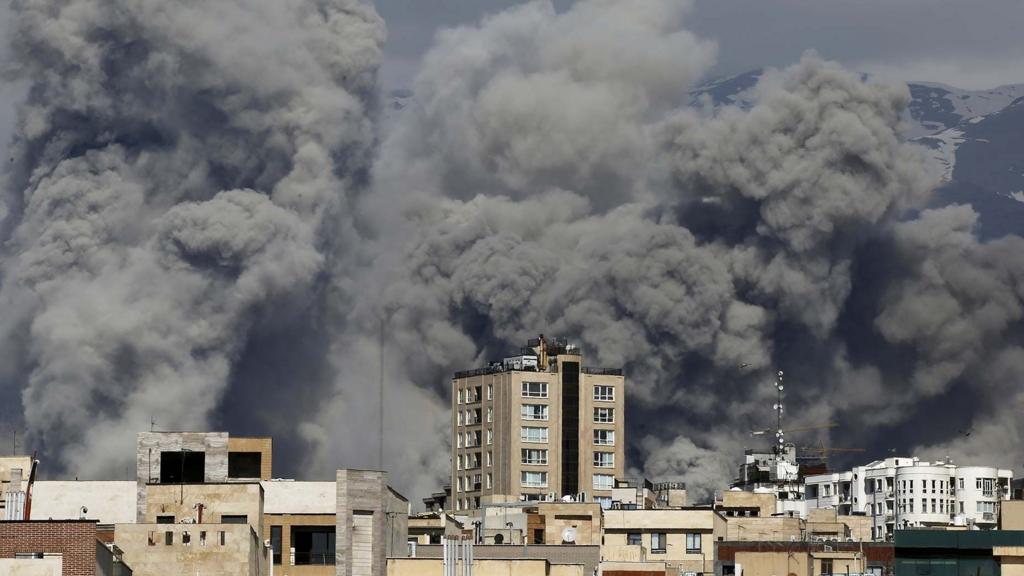
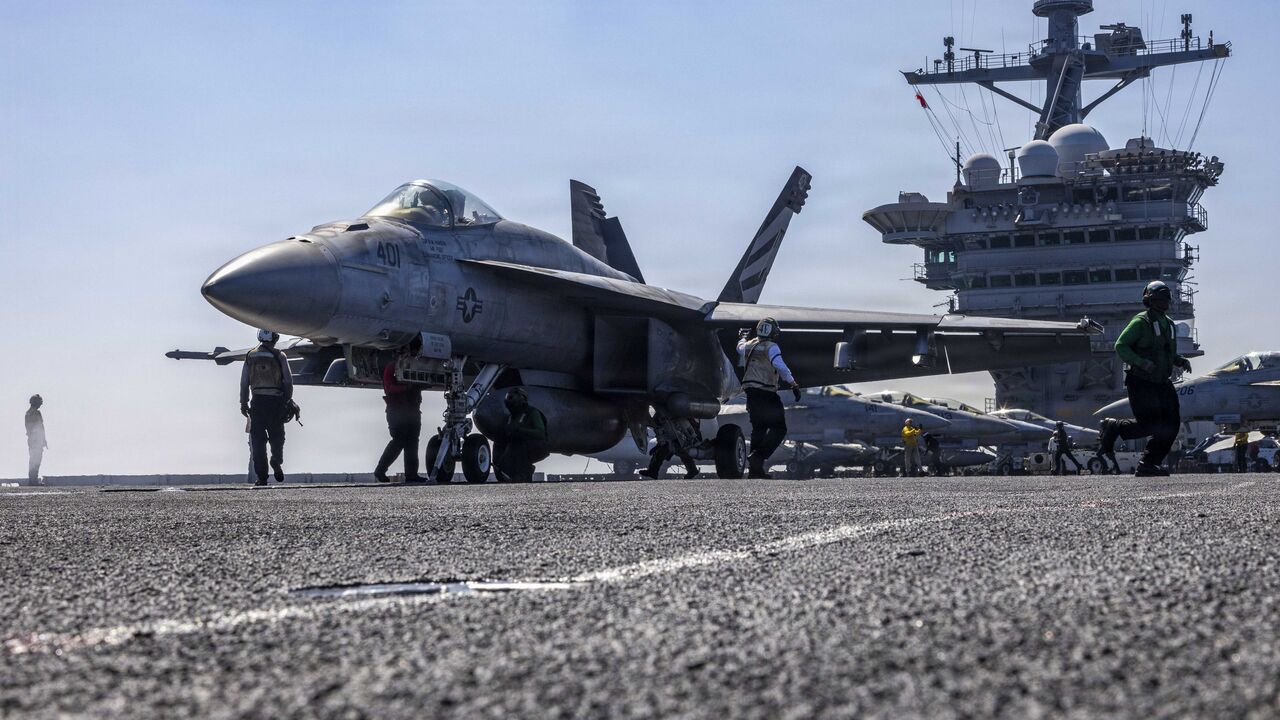
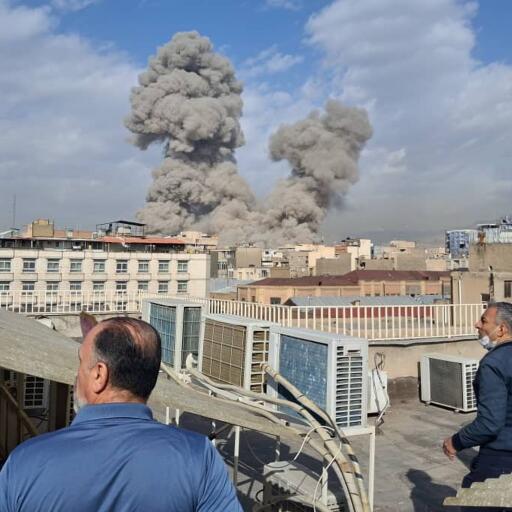
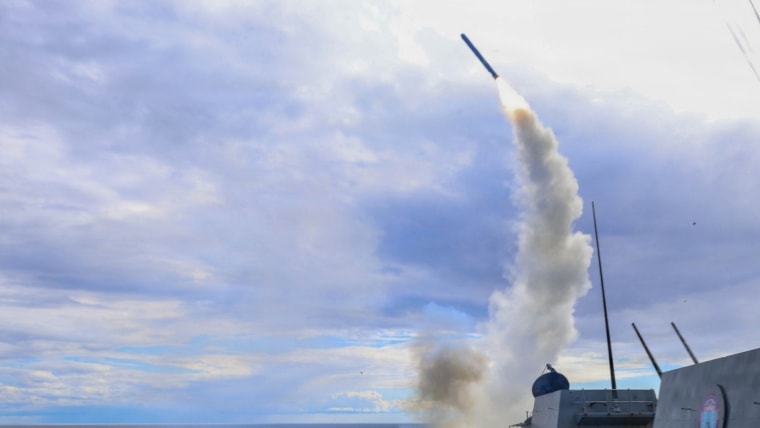
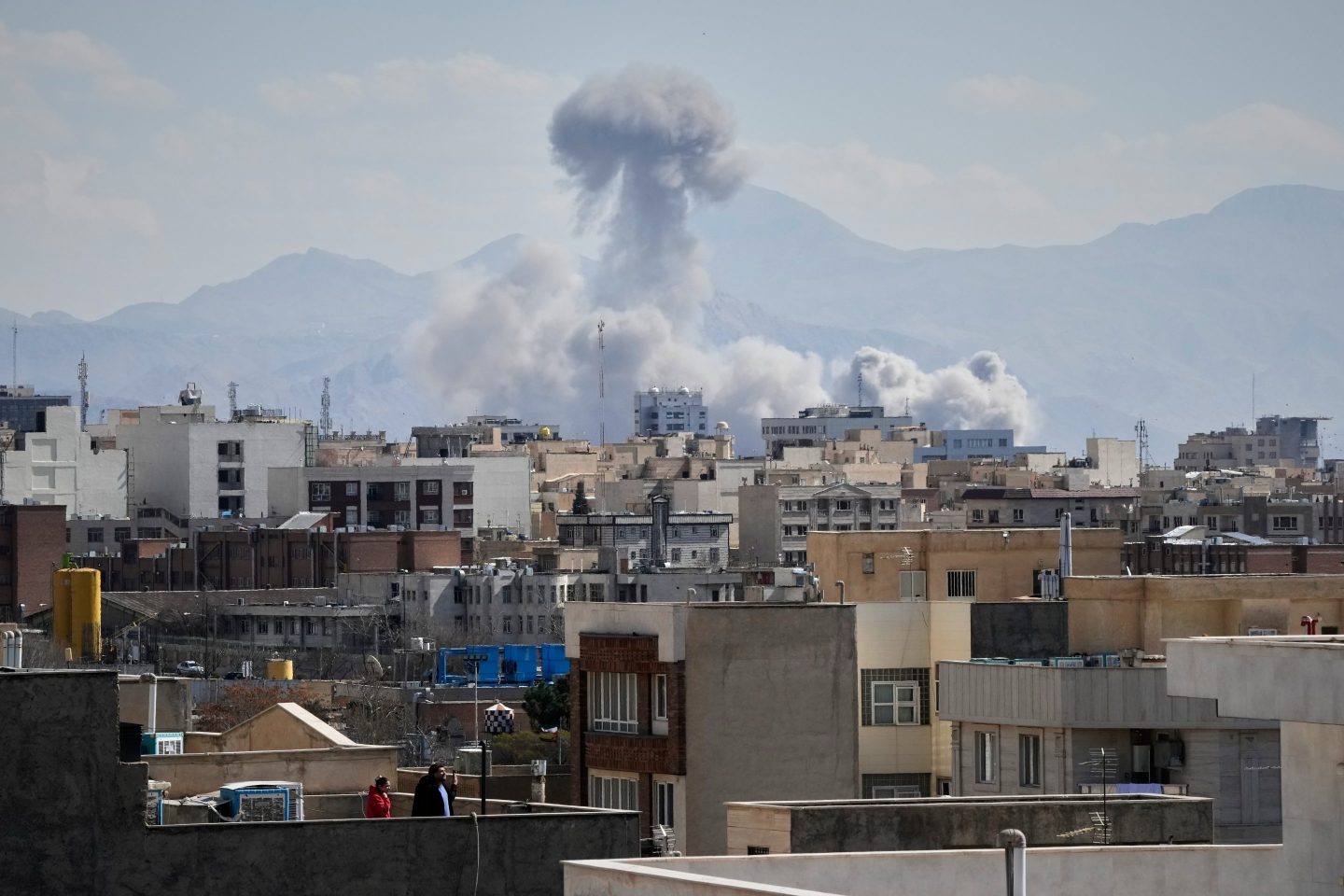
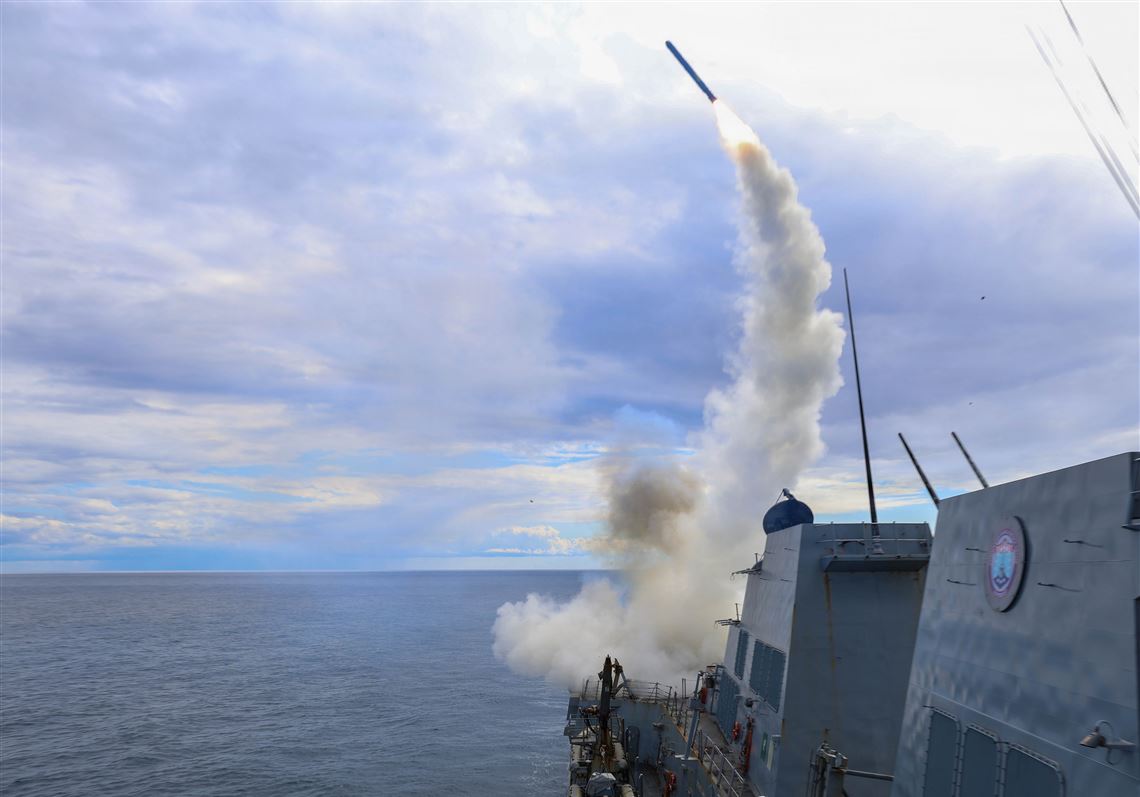
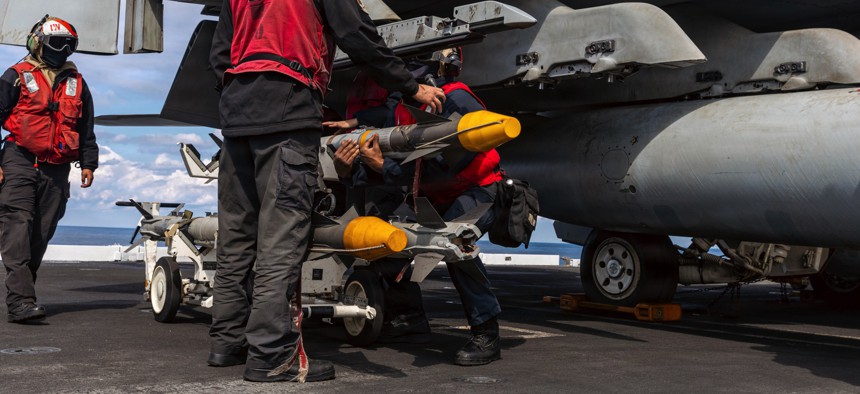
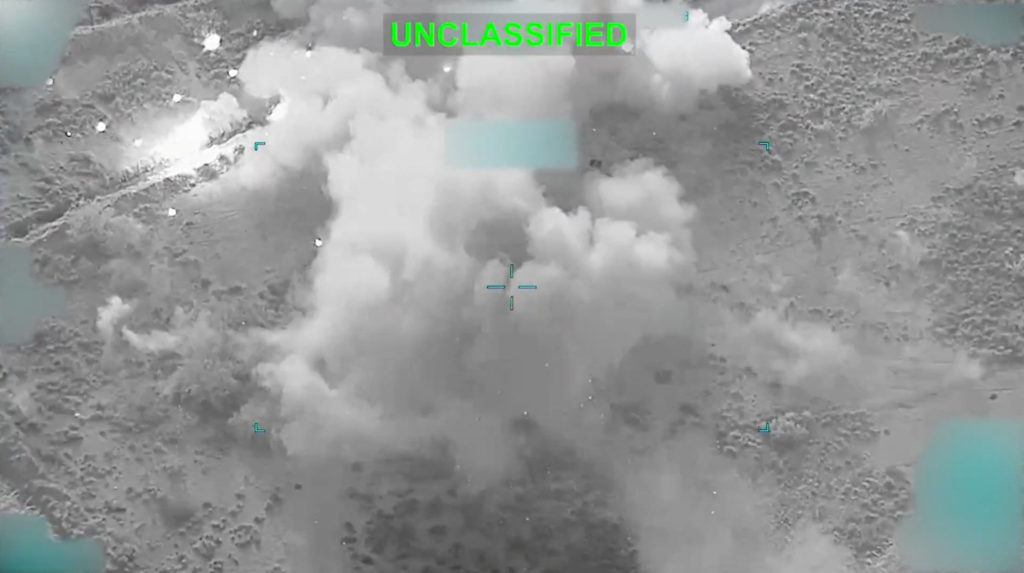
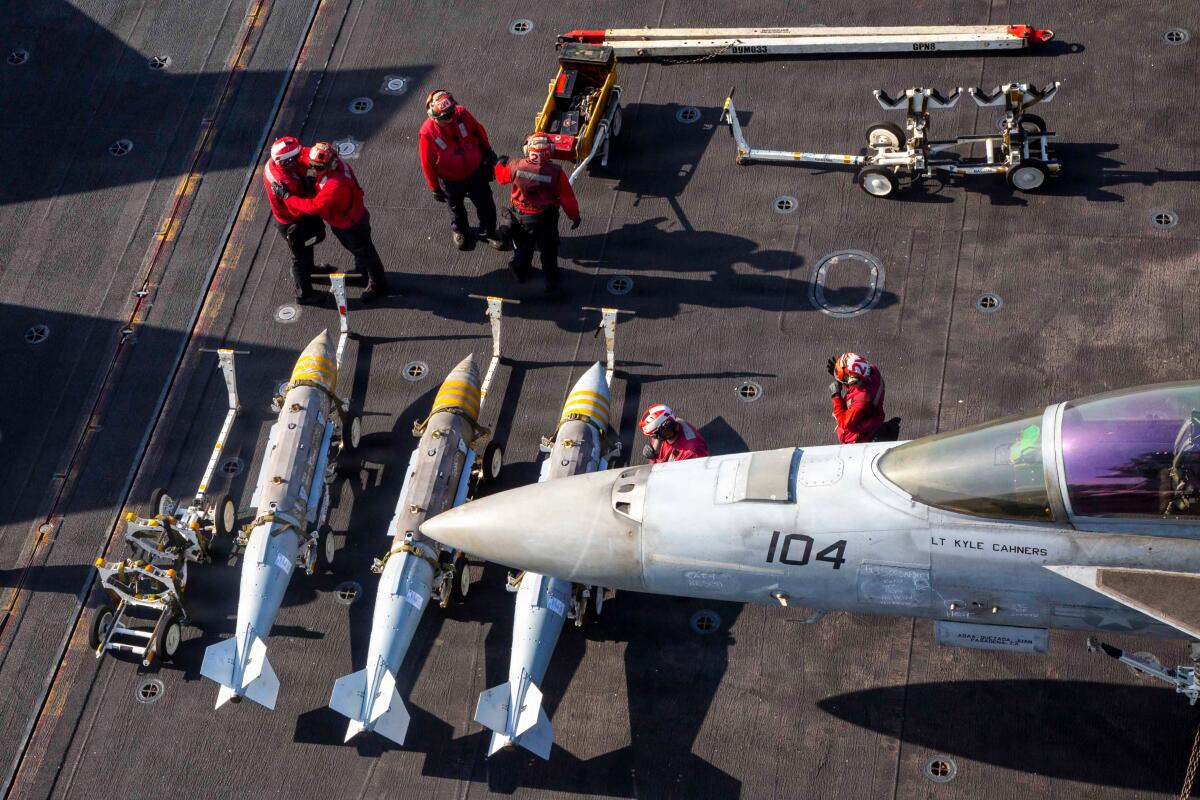
The escalating military conflict in the Middle East—triggered by Operation Epic Fury targeting Iranian facilities following Supreme Leader Ali Khamenei's death—creates immediate cost pressures for cross-border e-commerce sellers through disrupted shipping lanes and elevated fuel surcharges. News reports confirm oil prices jumped significantly in response to military operations that destroyed hundreds of targets and disrupted oil flow through vital shipping corridors. This geopolitical shock directly impacts the logistics economics that underpin Amazon FBA, eBay Global Shipping, and third-party fulfillment networks.
Immediate Shipping Cost Impact: The Suez Canal and Persian Gulf shipping routes handle approximately 40% of global maritime trade. Military operations disrupting regional travel and affecting metropolitan areas create bottlenecks that force carriers to reroute shipments through longer, costlier paths (Cape of Good Hope route adds 10-14 days and 15-20% fuel surcharge). Cross-border sellers shipping inventory to US, EU, and Asia-Pacific fulfillment centers face 8-15% increases in per-unit logistics costs. For a seller moving 5,000 units monthly via FBA, this translates to $1,200-$2,800 additional monthly costs depending on product weight and destination.
Category-Specific Vulnerabilities: High-volume, low-margin categories (electronics, apparel, home goods) sourced from Asia and shipped through Middle Eastern corridors face the steepest margin compression. Sellers with inventory already in transit face potential delays of 7-21 days, creating stockout risks during peak selling seasons. Conversely, sellers with domestic US warehouses or European 3PL facilities gain competitive advantage as their logistics costs remain stable while competitors absorb regional surcharges.
Strategic Sourcing Implications: The geopolitical uncertainty creates incentives to diversify sourcing away from single-route dependencies. Sellers currently reliant on China-to-US shipments via Suez Canal should evaluate Vietnam, India, and Mexico as alternative sourcing hubs that bypass Middle Eastern shipping lanes. The cost differential between traditional China routes and alternative sourcing may narrow significantly, making nearshoring economically viable for the first time.
Compliance and Risk Monitoring: Sellers must monitor shipping carrier announcements for fuel surcharge adjustments (typically updated weekly), review insurance coverage for geopolitical risk, and establish contingency inventory levels. The Senate's classified briefing on ongoing military strategy suggests potential for further escalation, making 30-60 day supply chain visibility critical for risk management.
Questions 7
How do I protect my business from geopolitical shipping risks?
Implement multi-carrier shipping strategy to avoid single-carrier dependency on routes affected by Middle East tensions. Diversify sourcing across China, Vietnam, India, and Mexico to reduce geographic concentration risk. Maintain 45-60 day inventory buffer for critical SKUs to absorb transit delays. Review insurance coverage for geopolitical risk and supply chain disruption—many policies exclude war/military operations. Establish weekly monitoring of carrier fuel surcharge updates and military news affecting shipping lanes. Consider nearshoring 20-30% of sourcing to Mexico/Central America for US-bound inventory to create cost-stable supply chain segment.
Which product categories face the biggest shipping cost impact?
Heavy, low-margin categories (electronics, home goods, apparel) face steepest margin compression from 8-15% logistics increases. A 20-pound electronics item with 25% gross margin loses 3-6 percentage points to shipping surcharges. Conversely, lightweight, high-margin categories (jewelry, supplements, digital accessories) absorb surcharges more easily. Sellers in affected categories should evaluate: (1) nearshoring sourcing, (2) air freight for high-velocity SKUs, (3) price increases of 3-8%, or (4) inventory reduction to minimize exposure. Monitor your category's average weight-to-margin ratio to prioritize mitigation strategies.