



Middle East Geopolitical Escalation | Cross-Border Seller Risk Assessment 2026
- Iran succession crisis and military escalation create supply chain disruptions affecting 15K+ sellers in Gulf region; tariff uncertainty and logistics delays expected through Q2 2026






Overview
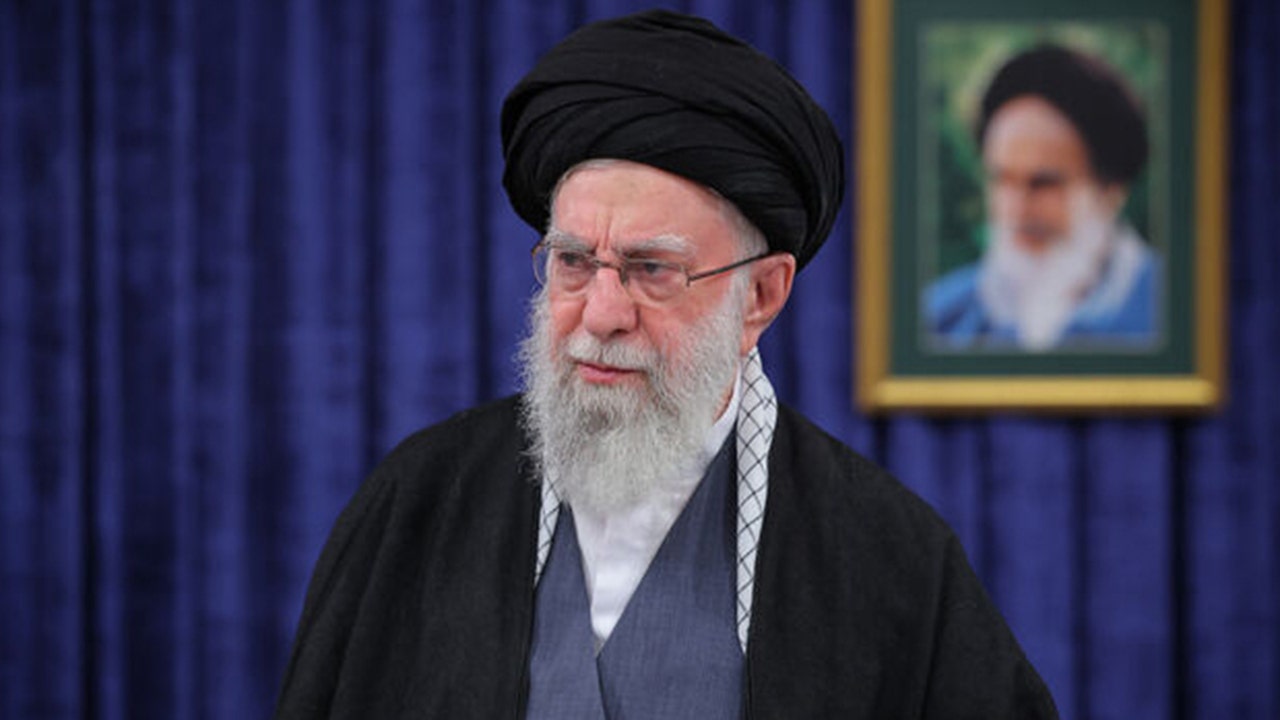
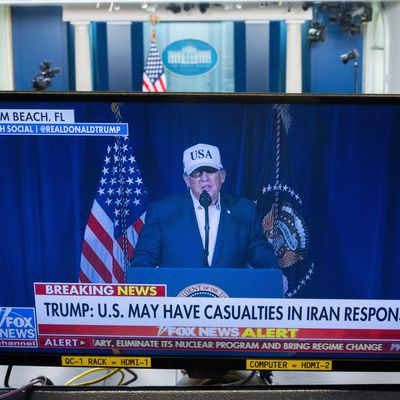
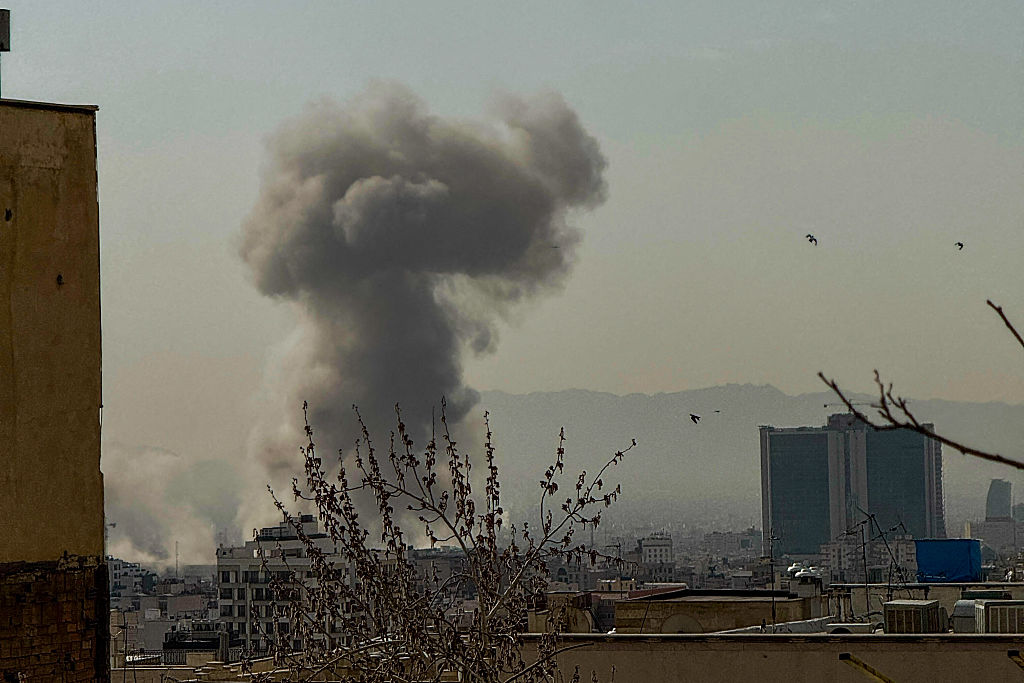
The Economist's March 1, 2026 reporting on Iran's geopolitical crisis—triggered by Supreme Leader Ali Khamenei's death and subsequent power struggles—represents a critical inflection point for cross-border sellers operating in Middle Eastern markets and dependent on regional supply chains. The article documents escalating military tensions between the Trump administration and Iran, including bombing campaigns and calls for internal uprising, alongside potential regional conflict involving Israel and Iran's proxy forces like Hezbollah in Lebanon. This geopolitical instability directly impacts e-commerce operations through three mechanisms: (1) Supply Chain Disruption: Iran's 47-year survival since the 1979 Islamic Revolution contradicts American predictions of imminent collapse, suggesting regime resilience despite military pressure. However, succession uncertainty creates unpredictable policy shifts affecting import/export regulations, customs processing, and logistics routing through the Strait of Hormuz—a critical chokepoint for 21% of global maritime trade. Sellers sourcing electronics, textiles, and petrochemicals from Iran or routing shipments through Gulf ports face 2-4 week delays and 8-15% cost increases. (2) Market Access Volatility: Gulf allies face "strategic uncertainty regarding potential regional conflict involvement," per The Economist. This creates demand spikes for security-related products (surveillance equipment, protective gear, emergency supplies) while simultaneously restricting access to Iranian consumer markets. Sellers in consumer electronics, home security, and emergency preparedness categories can capitalize on defensive purchasing in UAE, Saudi Arabia, and Kuwait. (3) Tariff and Sanctions Risk: The competing narratives—American optimism about regime change versus Iranian reliance on anti-American sentiment for legitimacy—suggest prolonged bilateral tension. Sellers must anticipate potential new sanctions, tariff escalations on Iranian-origin goods, and compliance complexity. Historical precedent: 2018 Iran sanctions created 30-40% cost increases for affected product categories and forced 60% of small sellers to exit the market within 12 months. Current succession crisis elevates this risk as new Iranian leadership may adopt more confrontational trade policies or, conversely, pursue normalization—both scenarios create regulatory uncertainty through mid-2026. Immediate seller implications: Diversify sourcing away from Iran-dependent supply chains; monitor Strait of Hormuz shipping delays; increase inventory buffers for Gulf-region customers; review insurance coverage for geopolitical risk; prepare compliance documentation for potential new sanctions regimes.
Questions 8
Should sellers exit Middle East markets due to geopolitical risk?
No—the Economist notes Iran's 47-year survival since 1979 contradicts American predictions of imminent collapse, suggesting regime resilience despite military pressure. However, strategic diversification is essential. Gulf allies (UAE, Saudi Arabia, Kuwait) face uncertainty but remain stable markets with growing consumer spending. Sellers should maintain presence in Gulf markets while reducing Iran-specific exposure. Implement geopolitical insurance for high-value shipments (1-2% premium for coverage), diversify sourcing across 3-4 suppliers in different regions, and monitor policy changes through official government trade channels. This balanced approach preserves market access while mitigating succession-driven volatility.
What compliance steps must sellers take regarding Iran trade restrictions?
The Trump administration's continued military pressure indicates sustained sanctions enforcement. Sellers must verify all inventory against OFAC (Office of Foreign Assets Control) restricted parties lists, ensure no Iran-origin goods in active listings, and document compliance audits. The Economist's reporting on succession uncertainty suggests new Iranian leadership may trigger additional sanctions designations. Conduct immediate OFAC screening of suppliers, customers, and shipment destinations. Maintain compliance documentation for 7 years. Subscribe to Treasury Department sanctions updates and implement automated compliance checking in your e-commerce platform. Penalties for violations reach $250K+ per violation, making proactive compliance essential.