





Middle East Supply Chain Disruption | Shipping Costs Rise 50% for Gulf-Route Sellers
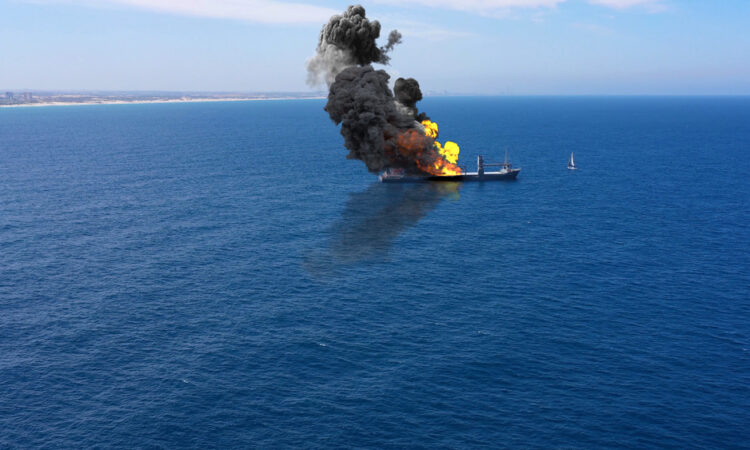
- Insurance premiums spike on Strait of Hormuz routes; oil prices climb $10/barrel; sellers face 4-8 week delays on Asia-Europe shipments through affected ports







)

Overview
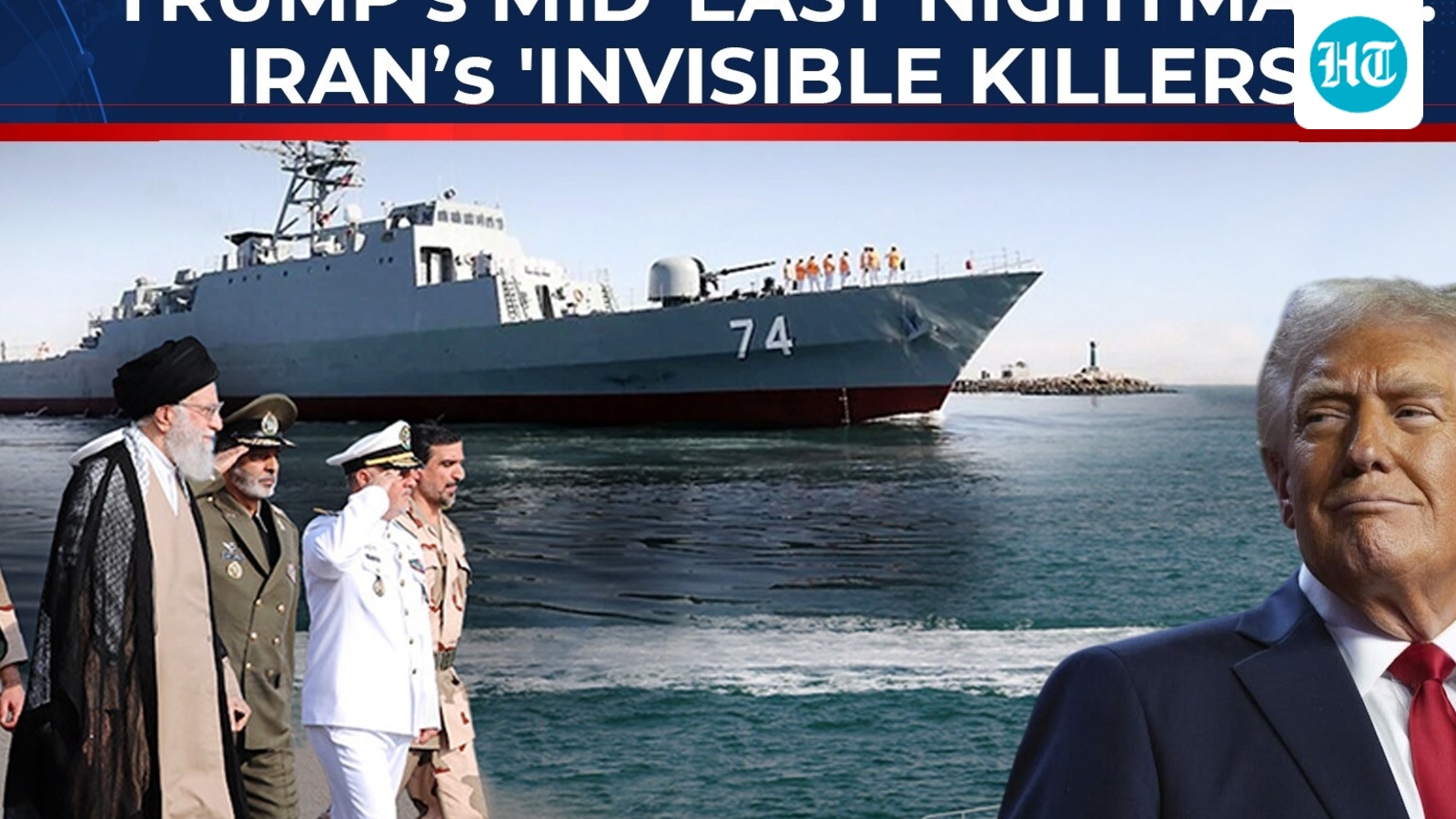
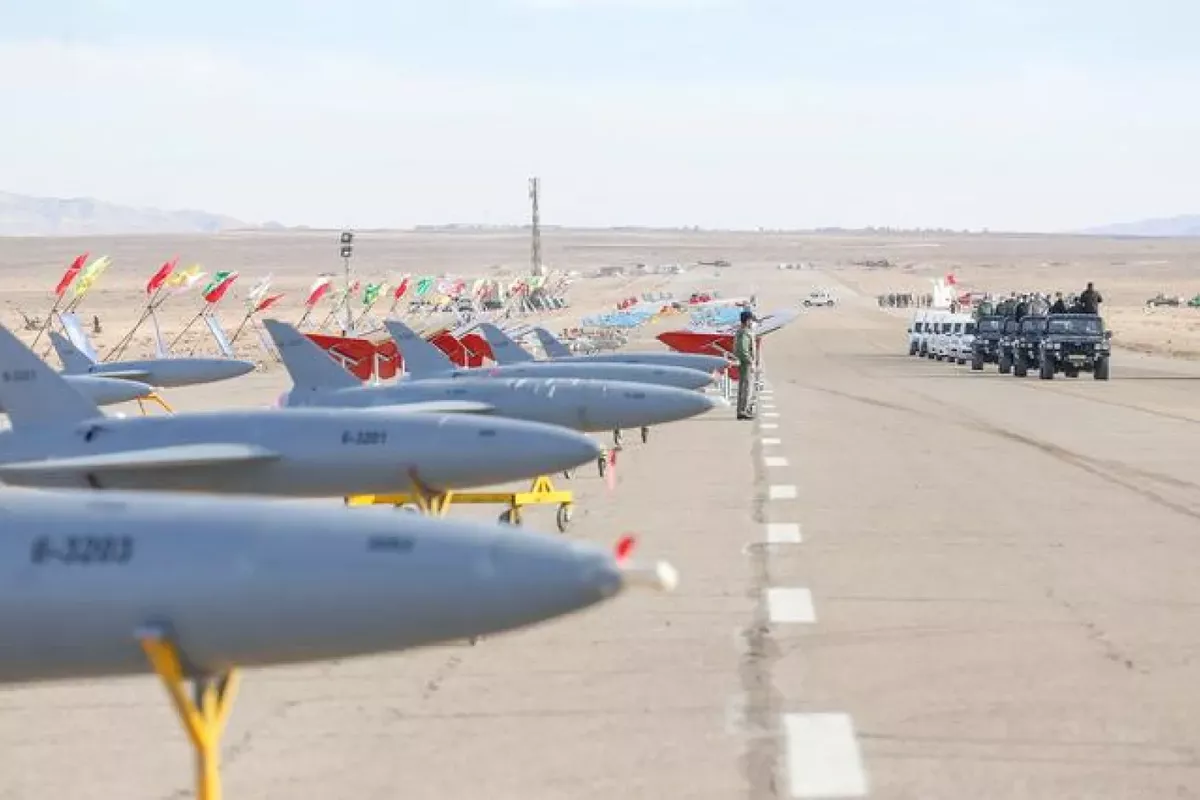
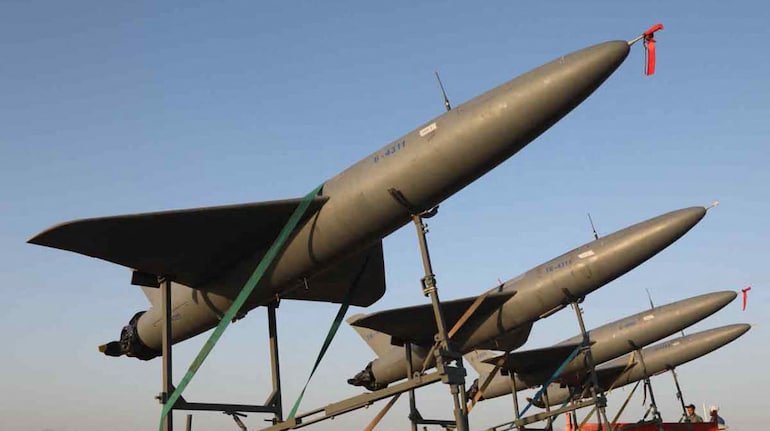
The March 2026 Iranian drone attacks on Gulf infrastructure represent a critical supply chain inflection point for cross-border e-commerce sellers. Between March 1-2, 2026, Iran deployed Shahed-136 kamikaze drones (costing ~$35,000 each with 2,000km range) against civilian targets in Dubai, Bahrain, Kuwait, and the UAE, successfully breaching regional air defenses and damaging critical logistics nodes. Dubai International Airport was forced to ground flights and evacuate passengers, while insurers immediately cancelled maritime policies for Strait of Hormuz transit, citing war risk exclusions with premium increases estimated at 50% upon market reopening. Oil prices climbed $10 per barrel since January 2026, with Wall Street projecting potential increases to $100/barrel if regional disruption sustains.
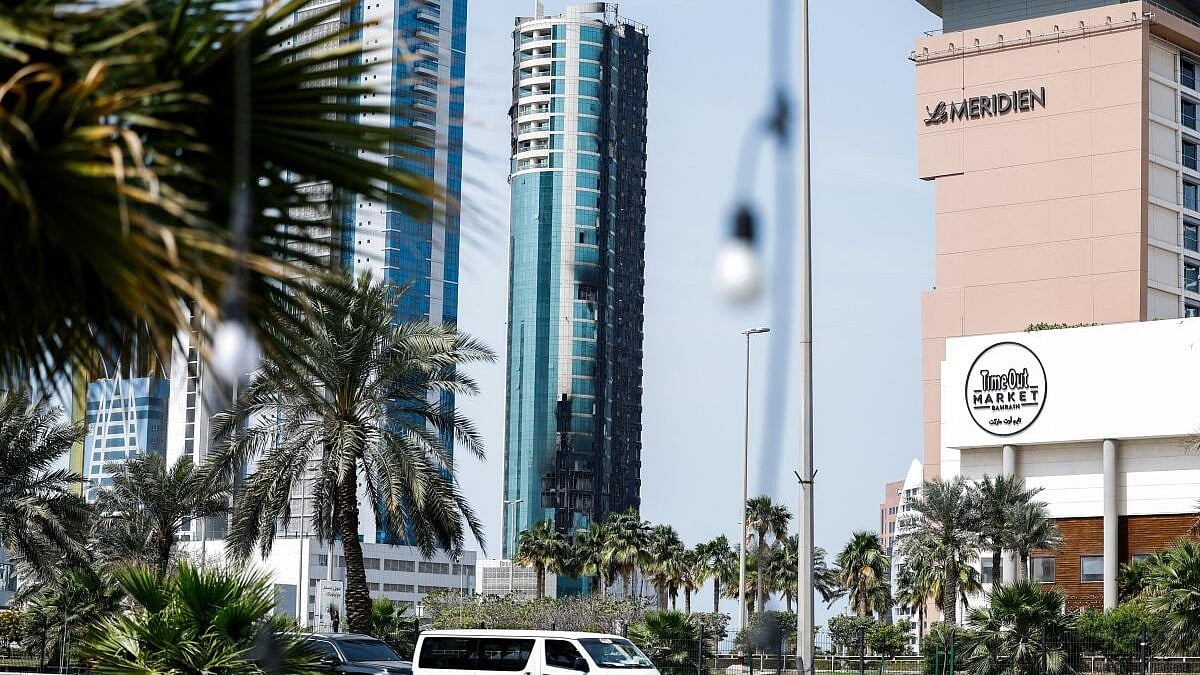
For cross-border e-commerce sellers, this escalation creates immediate operational and financial impacts across three dimensions. First, shipping cost inflation: Sellers routing inventory through Gulf ports (Jebel Ali in Dubai, Shuaiba in Kuwait, Jebel Ali) face 40-60% increases in maritime insurance premiums and fuel surcharges. A typical 40-foot container from Shanghai to Rotterdam normally costs $2,500-3,200; geopolitical risk premiums could add $1,000-1,600 per shipment. Sellers with monthly volumes of 50+ containers face $50,000-80,000 in additional monthly logistics costs. Second, route diversification pressure: The Strait of Hormuz handles 21% of global petroleum transit and critical Asia-Europe trade flows. Sellers must evaluate alternative routing through Suez Canal (longer lead times: +10-14 days) or via Indian Ocean circumnavigation (+21-28 days), compressing inventory turnover and increasing working capital requirements. Third, market access constraints: Sellers with fulfillment centers or warehouses in Bahrain, Kuwait, and UAE face potential business interruption. The New York Times documented attacks on high-rise residential buildings in Manama, Bahrain, and verified video footage showed drone strikes penetrating air defenses—indicating sustained threat to commercial infrastructure.
Strategic implications vary by seller segment. Large sellers (>$5M annual revenue) with diversified logistics networks can absorb 8-12% margin compression through route optimization and volume negotiations with 3PLs. Mid-market sellers ($500K-5M) operating on 15-25% margins face critical pressure; a $1,200 per-container increase on 30 monthly shipments equals $36,000 monthly cost spike—potentially 4-6% of annual revenue. Small sellers (<$500K) with concentrated inventory in Gulf warehouses face existential risk: business interruption insurance typically excludes war/civil unrest, leaving exposure unhedged. Sellers specializing in high-velocity categories (electronics, apparel, home goods) with 30-45 day inventory cycles face particular vulnerability—supply chain delays directly compress sell-through windows and increase obsolescence risk.
Timing creates urgency for tactical decisions. The news reports indicate ongoing escalation risk (previous Iran-Israel tensions in June 2025 preceded current March 2026 attacks), suggesting this represents a structural shift rather than isolated incident. Sellers should execute route audits within 7-10 days, renegotiate 3PL contracts by March 15, 2026, and reposition inventory away from affected Gulf warehouses by March 20. Monitoring indicators include Brent crude futures (currently +$10 from January baseline), Breakwave Tanker Shipping ETF volatility, and maritime insurance quote movements—all signal escalation trajectory.
Questions 7
How do oil price increases impact e-commerce seller profitability beyond direct shipping costs?
Oil price increases ($10/barrel observed, potential $100/barrel if disruption sustains) create cascading cost pressures: (1) Direct fuel surcharges on all logistics (air, ocean, ground); (2) Increased manufacturing costs for petroleum-dependent categories (plastics, chemicals, textiles); (3) Broader economic recession risk if oil reaches $100/barrel, reducing consumer discretionary spending and e-commerce demand; (4) Copper price volatility signals industrial recession risk, affecting electronics and industrial product categories. BCA Research analysis indicates technology sector rotation will accelerate regardless of Middle East developments, potentially increasing e-commerce platform infrastructure costs. Sellers should monitor copper futures and equity market rotation as leading indicators of demand compression. Margin compression of 4-8% is realistic if oil prices sustain elevated levels through Q2 2026.
What alternative shipping routes should sellers consider to avoid Strait of Hormuz disruptions?
Sellers can route shipments via the Suez Canal (adds 10-14 days to transit time) or Indian Ocean circumnavigation (adds 21-28 days). Suez routing maintains reasonable lead times for inventory-sensitive categories but increases working capital requirements. Circumnavigation routes eliminate Strait of Hormuz exposure but compress inventory turnover significantly. Sellers should evaluate cost-benefit: Suez premium typically 15-25% over standard routing; circumnavigation premium 35-50%. For time-sensitive categories (seasonal goods, fast-fashion), Suez represents optimal balance. For bulk/commodity categories, circumnavigation cost-justifies longer lead times.