



Middle East Conflict Triggers 8% Oil Spike | Cross-Border Sellers Face 4-8 Week Logistics Crisis
- Brent crude surges to $79.05/barrel; Strait of Hormuz disruptions threaten Asia-Europe supply chains; air freight costs spike 15-25%; sellers dependent on Asian sourcing face margin compression


























_20241028194015_original_image_4.webp)
&format=webp&quality=medium)






Overview
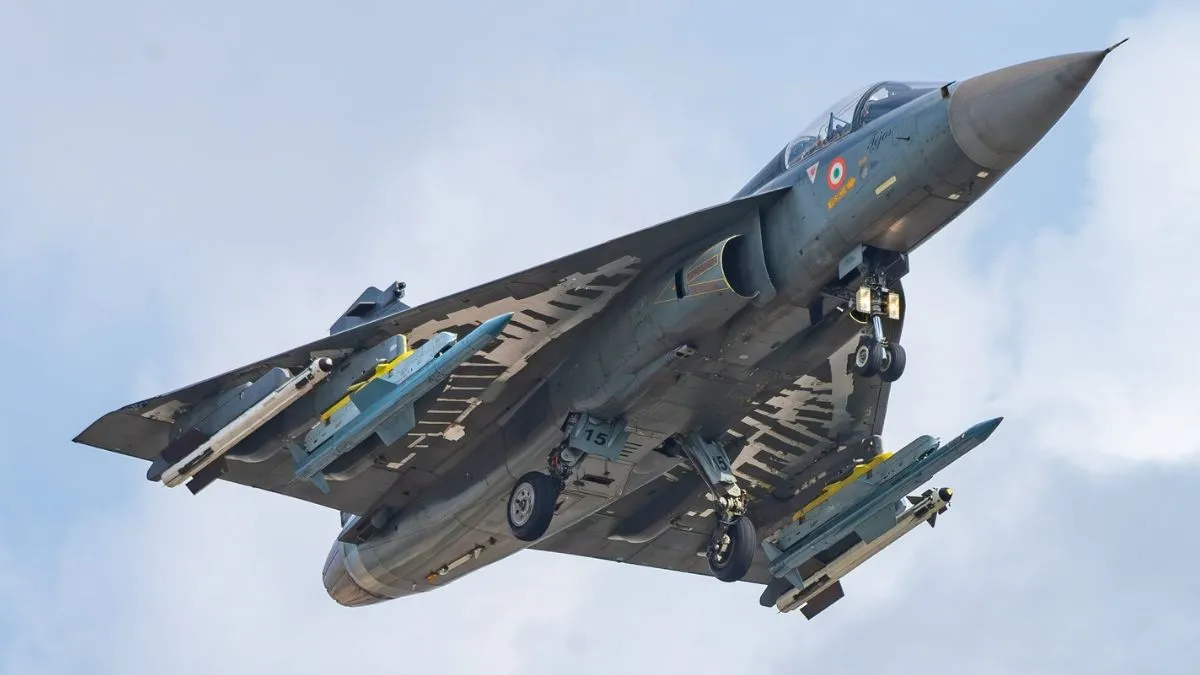
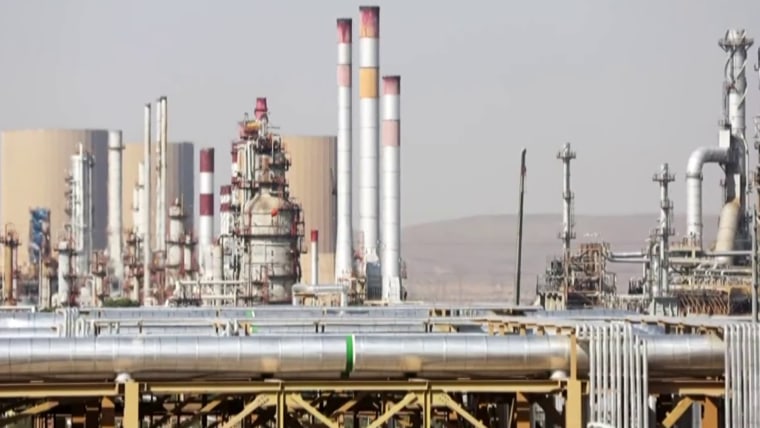
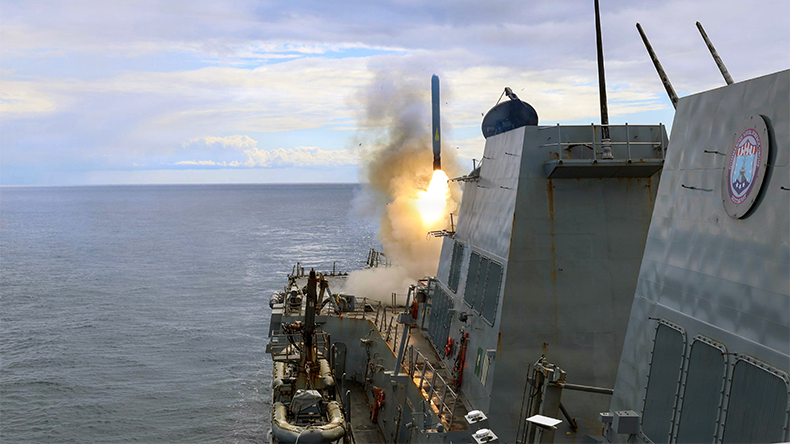
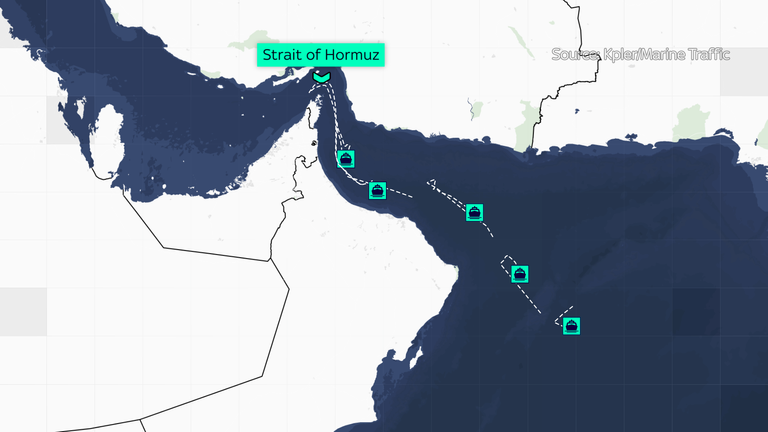
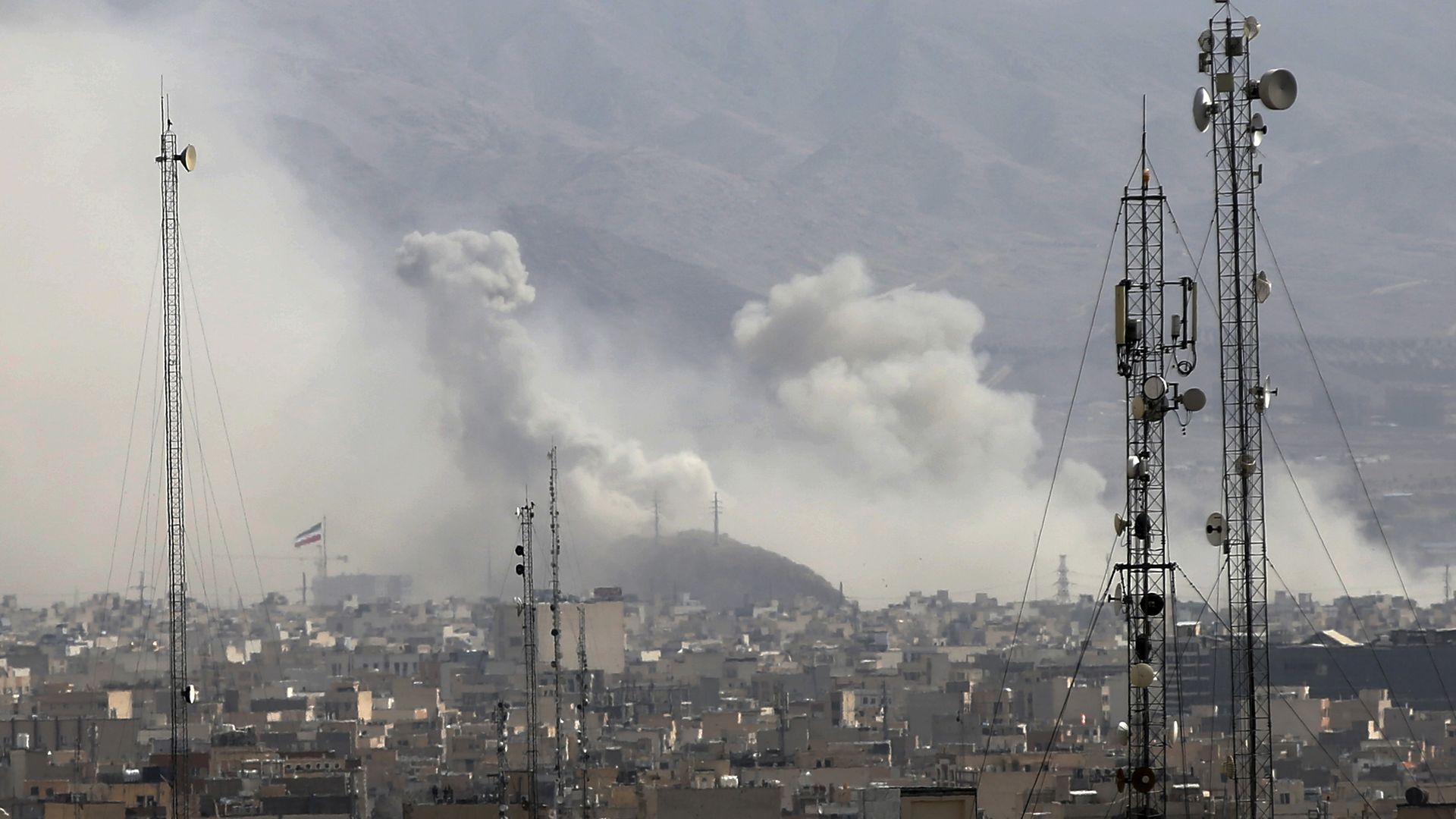
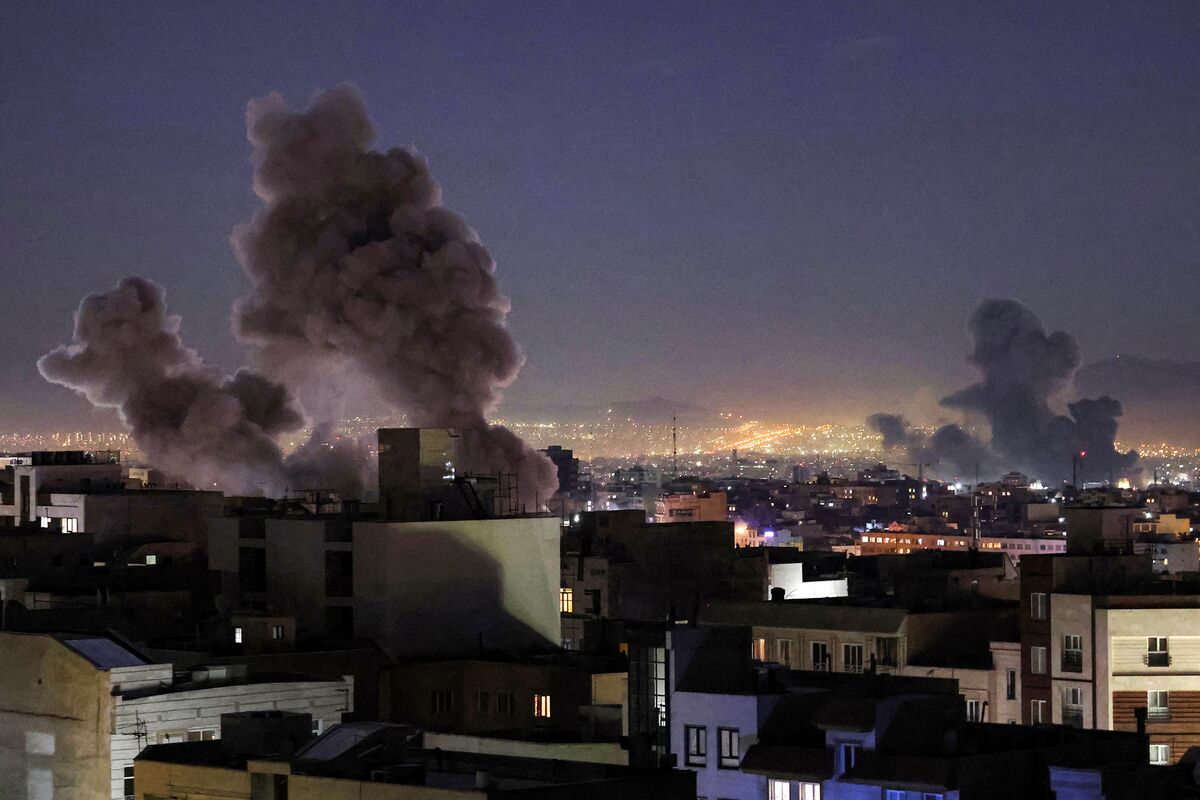
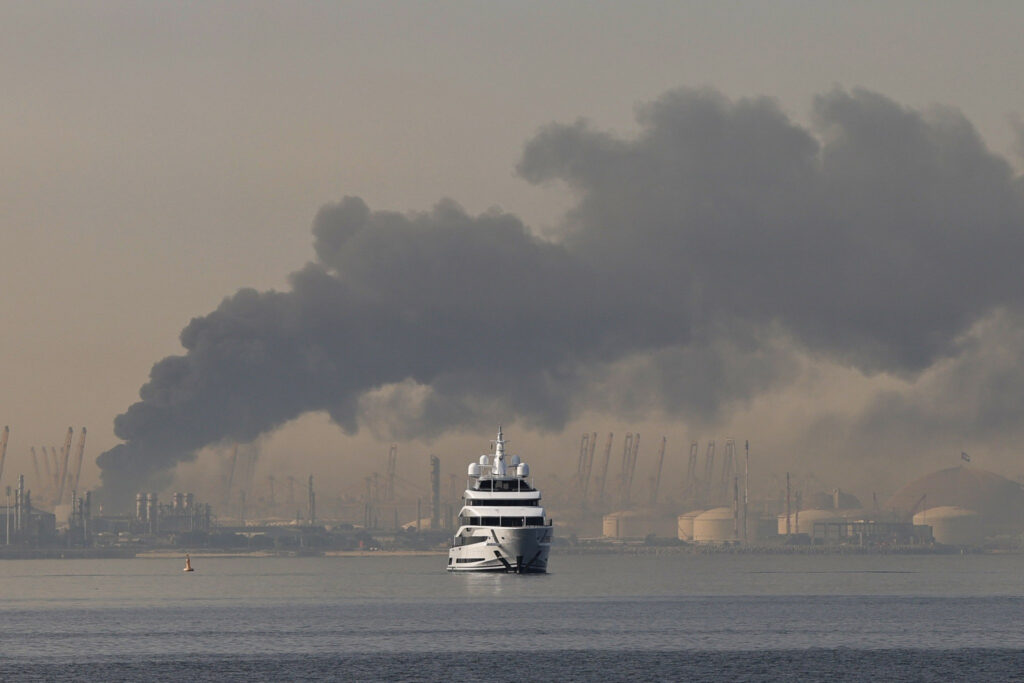
The March 1, 2026 U.S.-Israel military escalation against Iran has created an immediate supply chain crisis for cross-border e-commerce sellers, with oil prices surging 8% in a single trading session and Brent crude reaching $79.05 per barrel (up 30% year-to-date). The death of Iranian Supreme Leader Ayatollah Ali Khamenei triggered retaliatory strikes on Gulf cities, forcing the closure of Dubai and Doha airspace—the largest global air transport disruption since COVID-19. Most critically, tanker transits through the Strait of Hormuz have been suspended, creating a chokepoint that directly impacts sellers sourcing from Asia or shipping to European markets.
For cross-border e-commerce sellers, the operational impact is severe and immediate. Air freight costs are experiencing 15-25% surcharges due to fuel price volatility and reduced airline capacity, with carriers including Singapore Airlines (down 6%), Japan's ANA and JAL (down 4%+ each), and Cathay Pacific (down 3.63%) cutting operations. Sellers relying on just-in-time inventory models face heightened risks, while those dependent on air freight for perishables, electronics, or time-sensitive products are experiencing compressed margins. The Strait of Hormuz disruption creates 7-14 day delays for goods transiting Middle Eastern routes between Asia and Europe, forcing sellers to either absorb costs or pass them to consumers. Capital Economics projects potential oil spikes to $100 per barrel if conflict persists, which could add 0.6-0.7 percentage points to global inflation and further compress seller margins.
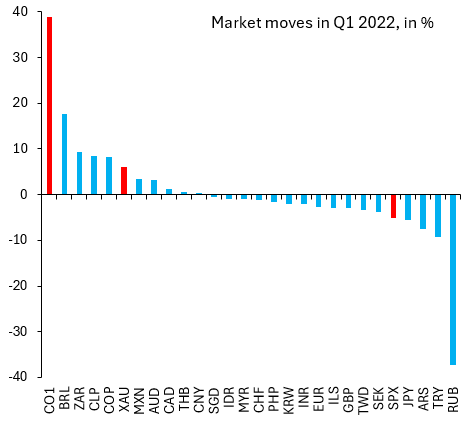
Currency volatility compounds logistics challenges. The dollar has strengthened significantly amid safe-haven asset demand (gold up 24% year-to-date), creating headwinds for U.S.-based sellers sourcing from Asia in local currencies. Sellers with Middle Eastern market exposure face additional risks from potential regime change uncertainty and prolonged regional conflict. Historical precedent suggests logistics pricing volatility typically persists 4-8 weeks during Middle East conflicts, meaning sellers should expect elevated costs through mid-April 2026 at minimum. The market is currently underpricing geopolitical risk according to Barclays analysts, suggesting potential for sharper corrections and further cost increases if escalation continues.
Strategic sourcing shifts are already emerging. Sellers previously dependent on Middle Eastern transit routes are evaluating alternative corridors: southern routes around Africa (adding 10-14 days but avoiding Hormuz), rail corridors through Central Asia, or temporary sourcing shifts to Vietnam, India, or Mexico to bypass Asian supply chains. Small and medium sellers (1,000-10,000 unit monthly volumes) face the greatest margin pressure, as they lack the negotiating power of large enterprises to lock in fuel surcharge caps. Sellers should immediately audit inventory positioned in Middle Eastern hubs, review carrier fuel surcharge policies, and consider hedging strategies for logistics costs over the next 60 days.
Questions 8
Which shipping routes are most affected by Strait of Hormuz closure?
The Strait of Hormuz closure directly impacts goods transiting between Asia and Europe, creating 7-14 day delays for sellers sourcing from China, Vietnam, India, or Thailand and shipping to EU markets. Alternative routes include southern Africa passages (adding 10-14 days but avoiding the chokepoint) and Central Asian rail corridors. Sellers with inventory positioned in Middle Eastern hubs (Dubai, Doha) face immediate disruption as major airlines including Singapore Airlines, Cathay Pacific, and Japan's ANA have cut operations. Sellers should audit current shipments in transit and contact logistics providers about rerouting options within 24-48 hours.
How much will air freight costs increase for cross-border sellers due to Middle East conflict?
Air freight costs are experiencing 15-25% surcharges immediately due to fuel price volatility and reduced airline capacity. Brent crude surged 8% in a single trading session to $79.05 per barrel, with Capital Economics projecting potential spikes to $100 per barrel if conflict persists. For a seller shipping 1,000 units monthly via air freight at $5 per unit, this translates to $750-$1,250 in additional monthly costs. Historical precedent suggests these elevated costs will persist 4-8 weeks, making this a critical 60-day window for cost management. Sellers should immediately contact freight forwarders to lock in fuel surcharge caps and evaluate alternative routing strategies.