


Strait of Hormuz Closure Risk Drives 13% Oil Spike | E-Commerce Shipping Cost Crisis
- Oil prices surge to $82/barrel (14-month high), threatening 8-15% fulfillment cost increases for 50K+ cross-border sellers relying on Asian manufacturing and Middle Eastern logistics hubs

























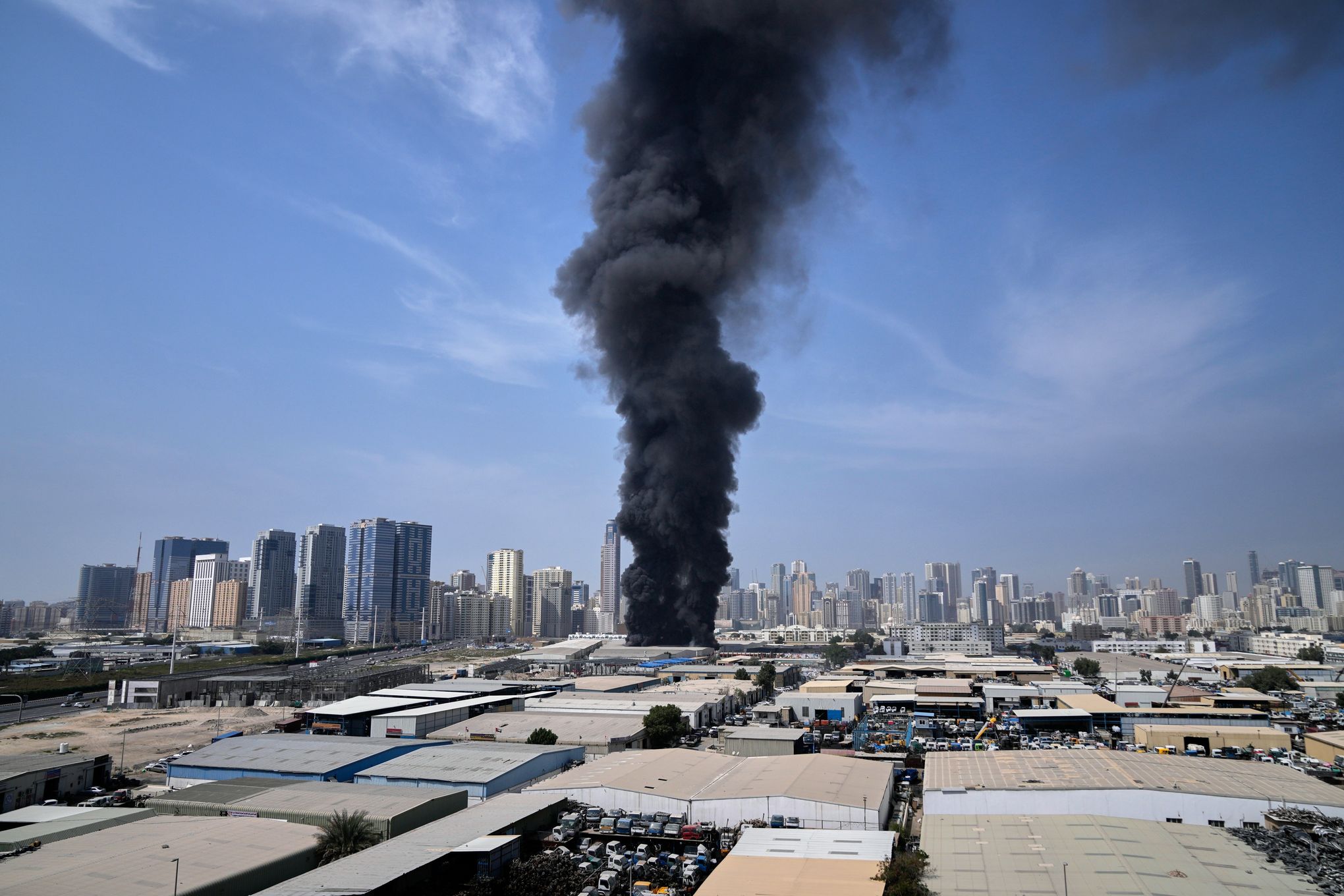


Overview
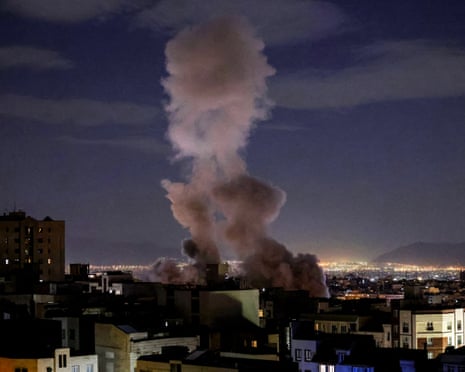
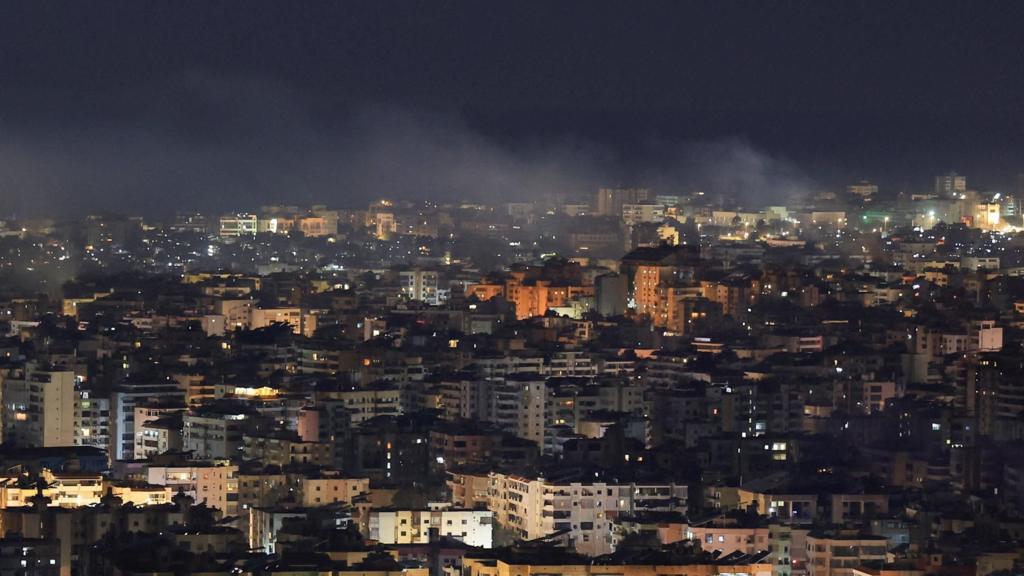
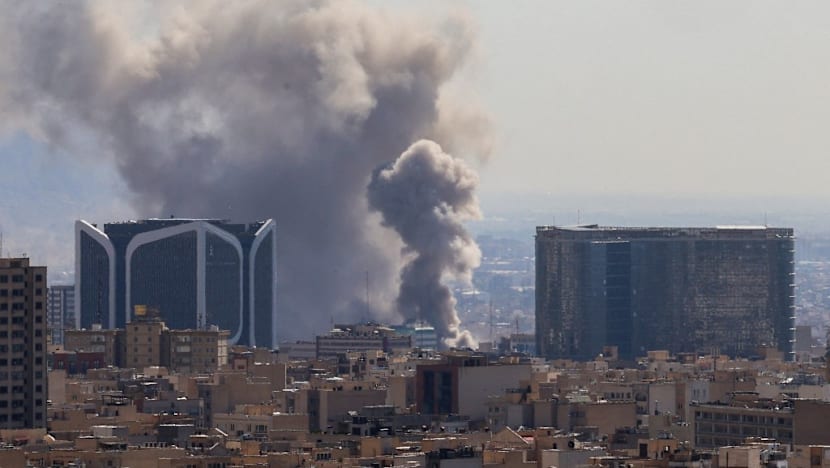
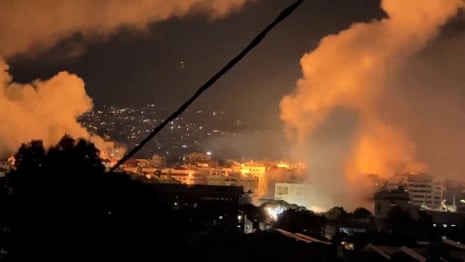
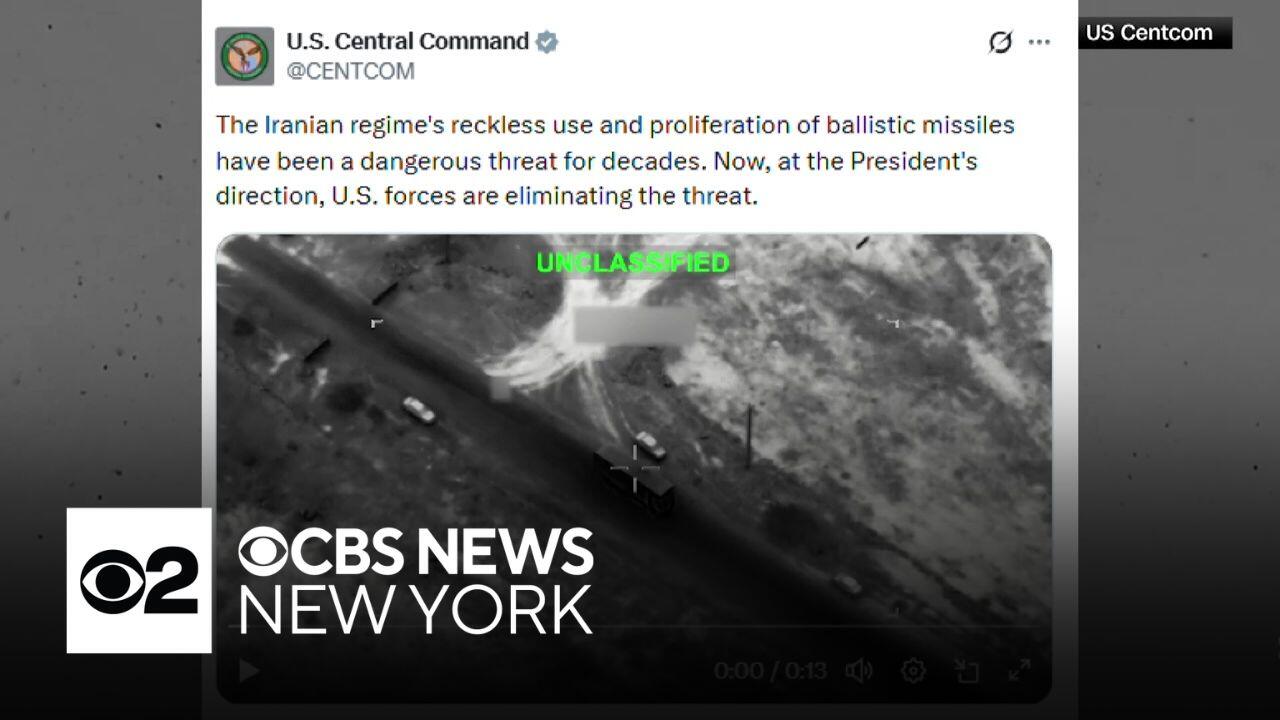
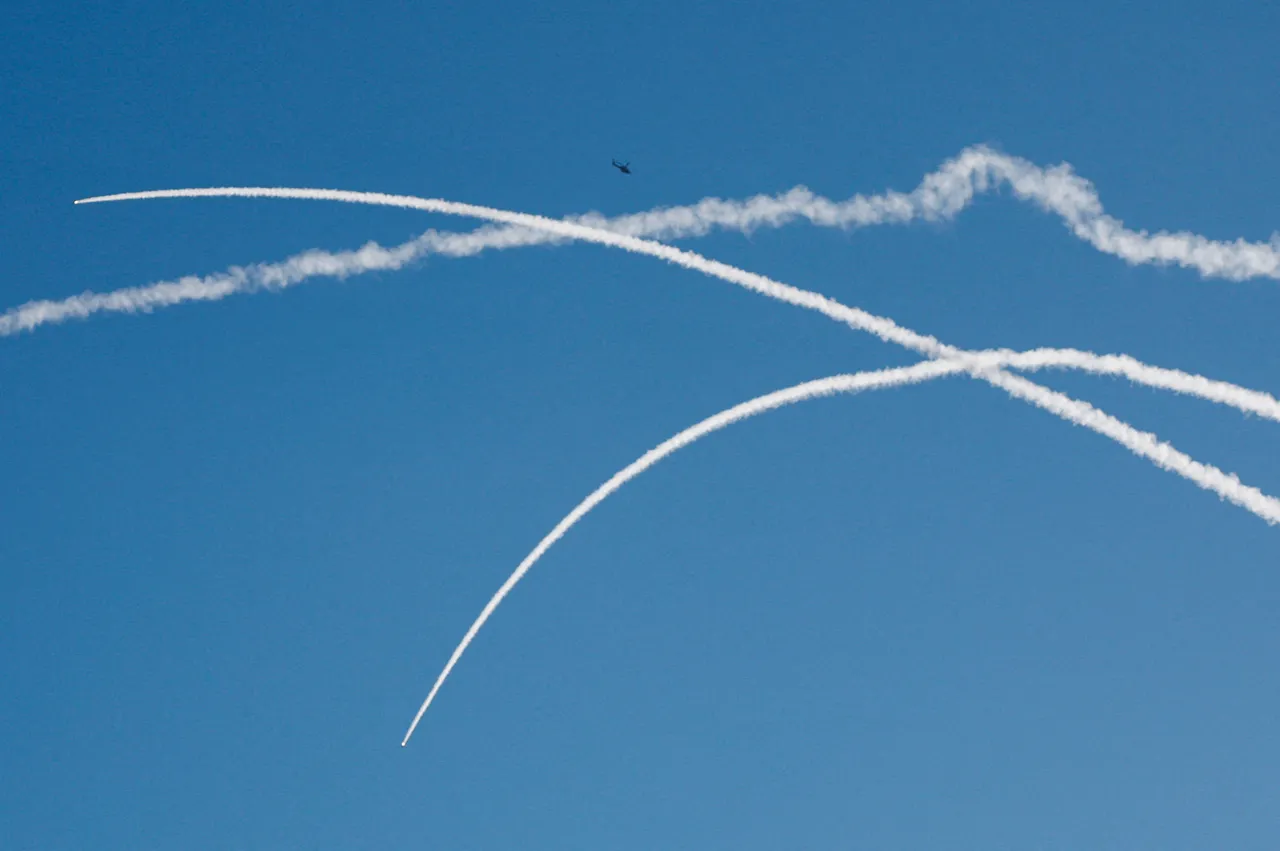
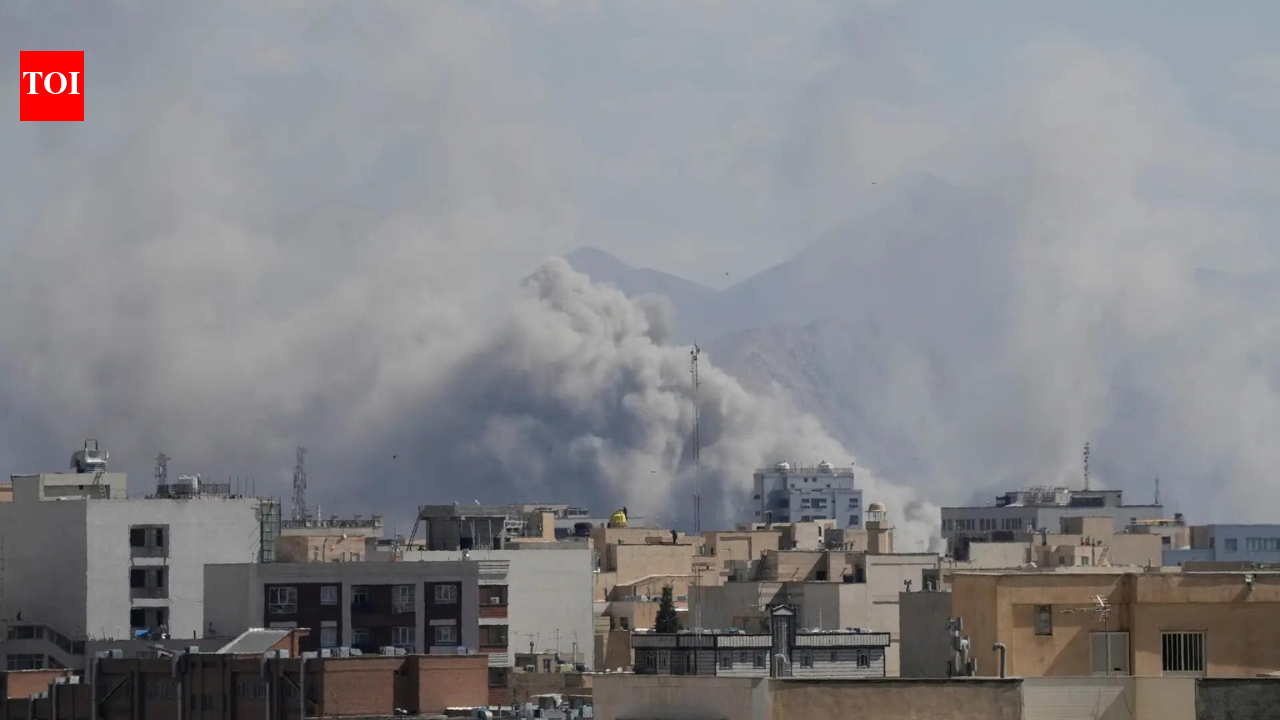
The escalating Iran-Israel military conflict following Iran's Supreme Leader Ayatollah Ali Khamenei's death has triggered immediate global economic disruptions with severe implications for cross-border e-commerce sellers. Oil prices surged 13% to $82 per barrel—a 14-month high—as markets priced in the risk of Strait of Hormuz closure, through which approximately 21% of global petroleum passes. This geopolitical crisis directly impacts e-commerce fulfillment economics: shipping carriers are already implementing fuel surcharges, with industry projections indicating 8-15% increases in ocean freight costs within 30-60 days. For sellers shipping 1,000+ units monthly from Asia to North America or Europe, this translates to $200-400 monthly cost increases per major product category.
The supply chain vulnerability is acute for specific seller segments. Sellers relying on Asian manufacturing (Vietnam, India, China) for electronics, apparel, and home goods face compounding pressures: (1) increased shipping costs via traditional Suez-Hormuz routes, (2) potential rerouting delays adding 2-4 weeks to transit times, and (3) inventory management challenges as safety stock requirements increase. The news reports that Asian stock markets declined sharply—Japan's Nikkei 225 fell 2.4%, Shanghai's CSI 300 dropped 0.6%—signaling reduced consumer spending in key markets. This dual pressure (higher costs + lower demand) compresses margins precisely when sellers need flexibility.
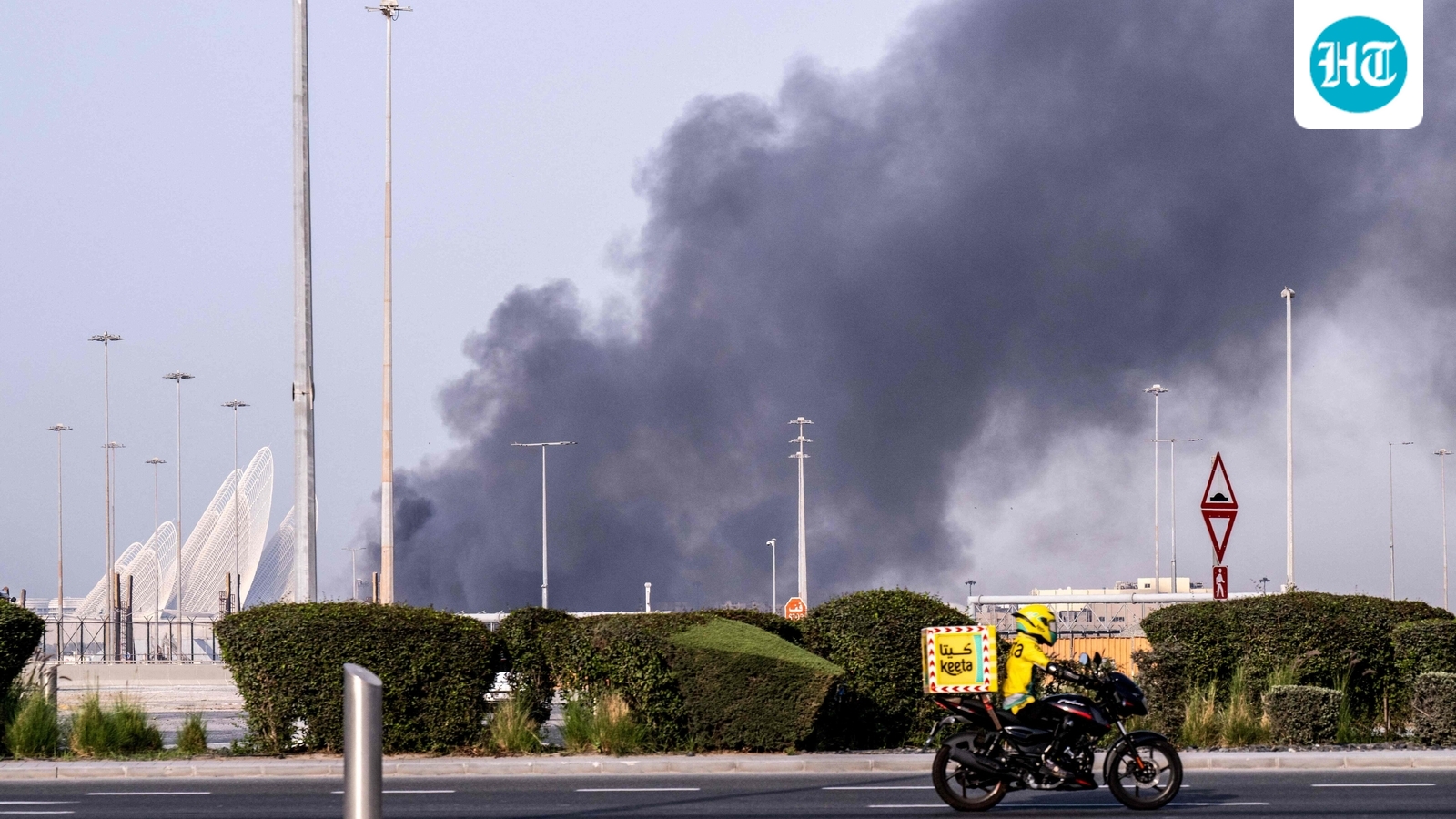
Market access and competitive dynamics are shifting rapidly. The 300,000 British citizens in the Gulf region facing travel disruptions, combined with airspace closures across multiple Middle Eastern countries, disrupts air freight operations that typically serve time-sensitive categories (electronics, fashion, perishables). Sellers with inventory in Middle Eastern distribution hubs or relying on air freight for expedited delivery face force majeure risks—logistics providers are already issuing notices that conflict-related delays may trigger contract exemptions. Small and medium-sized sellers (SMBs) with limited inventory buffers and single-source suppliers are most vulnerable; larger sellers with diversified sourcing and 3PL networks can absorb costs more effectively. The timing window for mitigation is critical: shipping contracts typically lock in rates 30-45 days in advance, meaning sellers must act immediately to secure favorable rates before carriers implement broad surcharges.
Questions 8
How much will my Amazon FBA shipping costs increase if the Strait of Hormuz closes?
Ocean freight costs from Asia to North America typically increase 8-15% during geopolitical crises affecting the Strait of Hormuz. For sellers shipping 1,000+ units monthly, this translates to $200-400 additional monthly costs per major category. The news reports oil prices surged 13% to $82/barrel—a 14-month high—and shipping carriers are already implementing fuel surcharges. Sellers should immediately review their 3PL contracts for fuel surcharge clauses and lock in rates for the next 60 days before broader increases take effect. Monitor your Amazon Seller Central dashboard for FBA fee updates, as Amazon may adjust fulfillment fees within 30-45 days if carrier costs rise significantly.
Should I diversify my supplier base away from Asia due to this conflict?
Diversification is strategically valuable but requires 60-90 day implementation timelines. The immediate risk isn't supplier availability—it's shipping costs and transit delays. Consider a phased approach: (1) Immediately lock in shipping rates for next 60 days with current Asian suppliers, (2) Within 30 days, evaluate Vietnam and India suppliers for 15-25% of volume (lower geopolitical exposure than China), (3) Within 90 days, establish secondary sourcing in Mexico or Eastern Europe for select categories. The news reports 300,000 British citizens in the Gulf region face travel disruptions, indicating logistics infrastructure instability. Sellers with single-source suppliers in Asia face highest risk; those with dual-source strategies can negotiate better rates by leveraging alternative suppliers.