


Middle East Supply Chain Crisis | Shipping Costs Rise 8-15% for Cross-Border Sellers
- Regional conflict disrupts Gulf ports and airports, threatening inventory movement and raising energy costs for 50K+ sellers with Middle East exposure












Overview
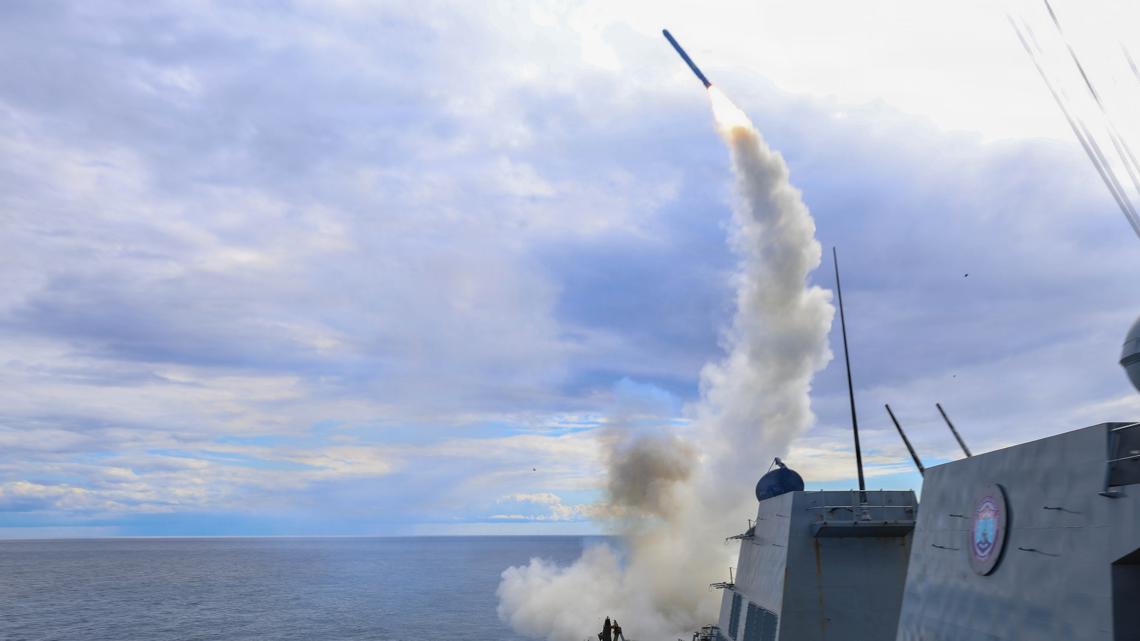
The March 1, 2026 Iran-U.S. military escalation represents a critical supply chain disruption event for cross-border e-commerce sellers. Following the death of Supreme Leader Ayatollah Ali Khamenei, Iran launched retaliatory attacks killing three U.S. servicemembers, prompting a joint U.S.-Israeli military response targeting approximately 2,000 Iranian sites including airports, ports, and civilian infrastructure. The conflict expanded regionally with Iran targeting Gulf country airports and ports, while Israel struck Hezbollah targets in Lebanon. This geopolitical crisis directly impacts e-commerce operations through multiple mechanisms: oil prices surged immediately, Asian markets declined (Nikkei -1.32%, Hang Seng -1.58%, Singapore -1.77%), and critical logistics hubs face operational disruption.
For cross-border sellers, the immediate impact manifests in three critical areas. First, shipping cost escalation driven by elevated oil prices will increase transportation expenses 8-15% across all methods (air freight, ocean shipping, ground transport). Sellers relying on Middle Eastern logistics hubs—particularly those using Dubai, Abu Dhabi, or Doha as transshipment points—face inventory movement delays of 5-14 days as ports operate at reduced capacity. Second, market access complications affect sellers with Iranian customer bases or suppliers; payment processing through international gateways faces regulatory restrictions, and currency volatility creates pricing uncertainty. Third, supply chain rerouting costs emerge as sellers shift shipments away from affected Gulf routes, potentially adding $200-500 per container to logistics budgets.
Specific seller segments face differentiated risk exposure. Electronics and machinery sellers shipping from Asia to Europe via Gulf routes face the highest impact—typical 30-day transit times may extend to 40-45 days, requiring inventory buffer increases of 15-20%. Apparel and consumer goods sellers with lower per-unit values can absorb shipping increases more easily but face margin compression of 3-5%. Sellers with direct Iranian market exposure (estimated 8,000-12,000 cross-border merchants) face immediate payment processing halts and potential OFAC compliance complications. Conversely, sellers of security equipment, logistics software, and supply chain optimization tools may see demand increases as businesses invest in resilience infrastructure.
The broader economic context signals sustained elevated costs. President Trump indicated potential for additional military escalation while simultaneously noting Iran expressed interest in negotiations—creating uncertainty that typically extends cost premiums for 60-90 days. Historical precedent from 2019 Strait of Hormuz tensions shows shipping insurance premiums remained elevated for 4-6 months even after military tensions de-escalated. Sellers should anticipate sustained cost pressures through Q2 2026 minimum, with potential for normalization only if diplomatic negotiations progress meaningfully.
Questions 8
What geopolitical risk monitoring should sellers implement going forward?
Sellers should establish daily monitoring of three key indicators: (1) Oil prices via EIA.gov and Freightos Shipping Index to anticipate fuel surcharge changes; (2) Port congestion via PortEconomics.eu and carrier websites to track route disruptions; (3) Sanctions updates via Treasury.gov and OFAC to identify market access restrictions. Subscribe to carrier alerts from FedEx, UPS, DHL, and ocean freight providers for real-time route and surcharge announcements. Join industry groups like NCBFAA (National Customs Brokers & Forwarders Association) for early warning intelligence. Conduct quarterly supply chain risk assessments identifying single points of failure in sourcing, manufacturing, and logistics. This proactive monitoring typically provides 5-7 day advance warning of major disruptions, enabling tactical inventory and pricing adjustments.
How can sellers adjust pricing to offset shipping cost increases?
Implement dynamic pricing strategies: increase prices 5-8% for products with high shipping cost sensitivity (heavy items, low-margin categories). For Amazon FBA sellers, adjust pricing in Seller Central within 24 hours—FBA shipping costs are already factored into fulfillment fees, but you can increase product prices to maintain margins. For Shopify sellers, use apps like Dynamic Pricing or Surge to automatically adjust prices based on shipping cost indices. For eBay sellers, increase shipping charges 10-15% where permitted by category rules. However, price increases above 8-10% typically trigger 15-25% demand reduction, so balance margin protection with volume preservation. Monitor competitor pricing daily—sellers who adjust first capture margin gains before market-wide price increases occur.