



Iran Political Transition Creates Emerging Market Opportunities | Sellers Guide to Geopolitical Risk Management
- Khamenei's death signals potential policy shifts affecting 88M+ Iranian consumers; sellers must monitor sanctions, payment systems, and regional supply chain disruptions









Overview
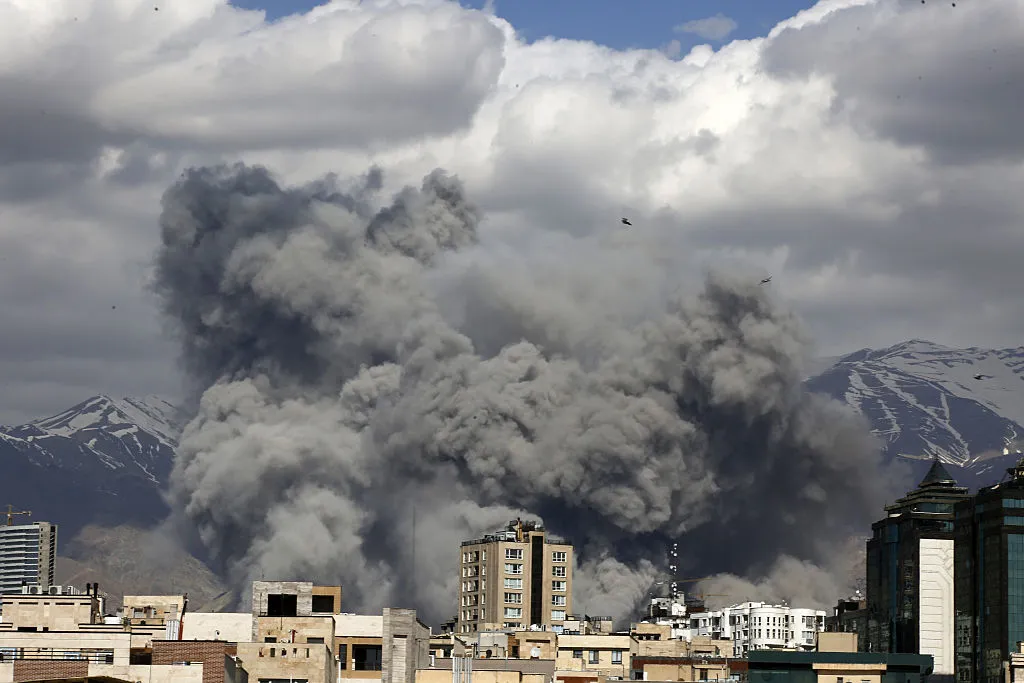
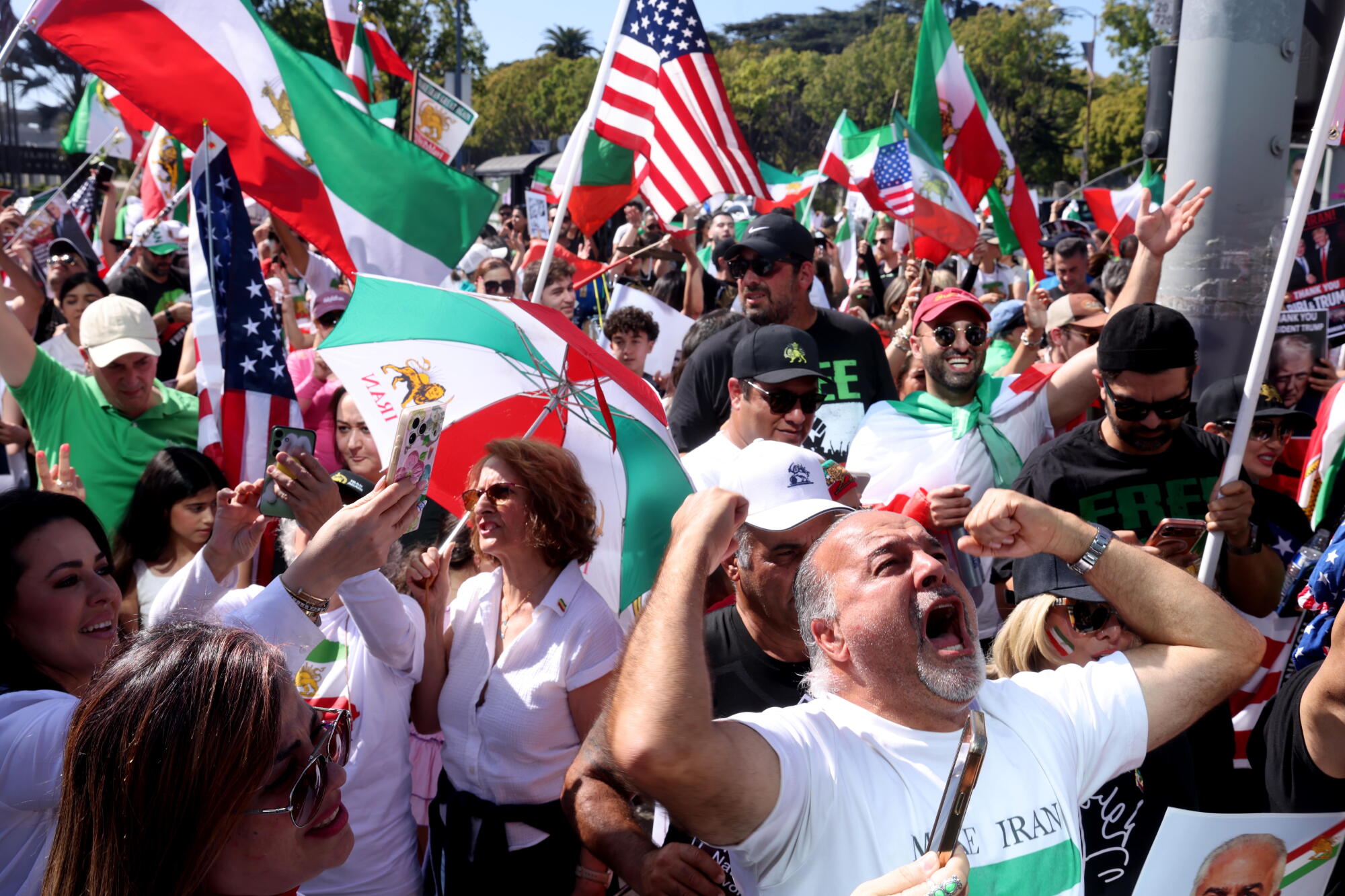
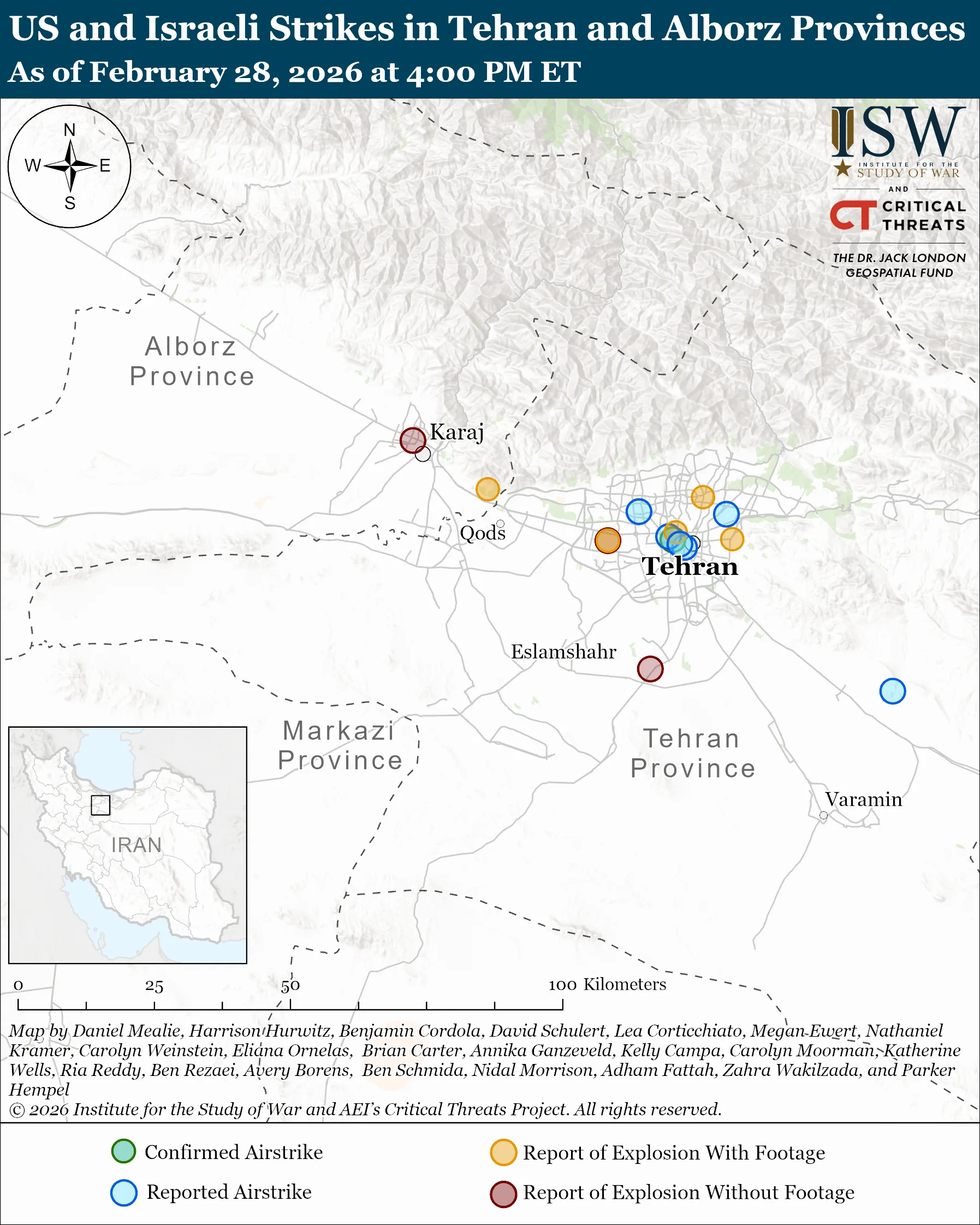
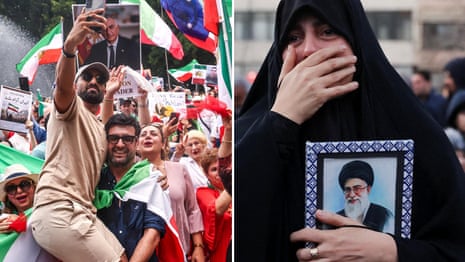
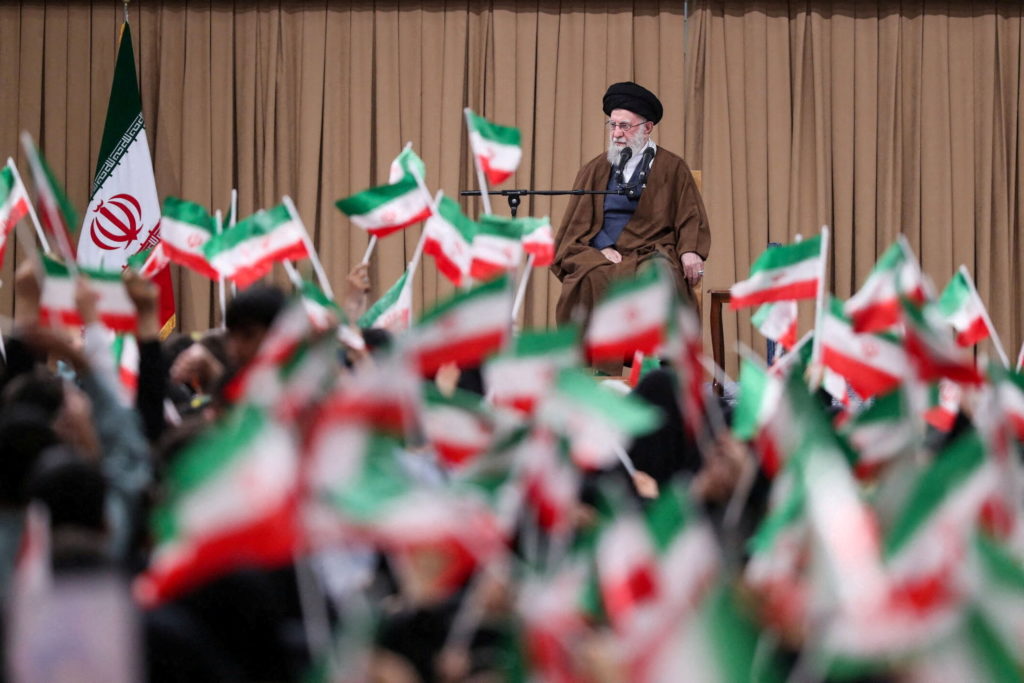
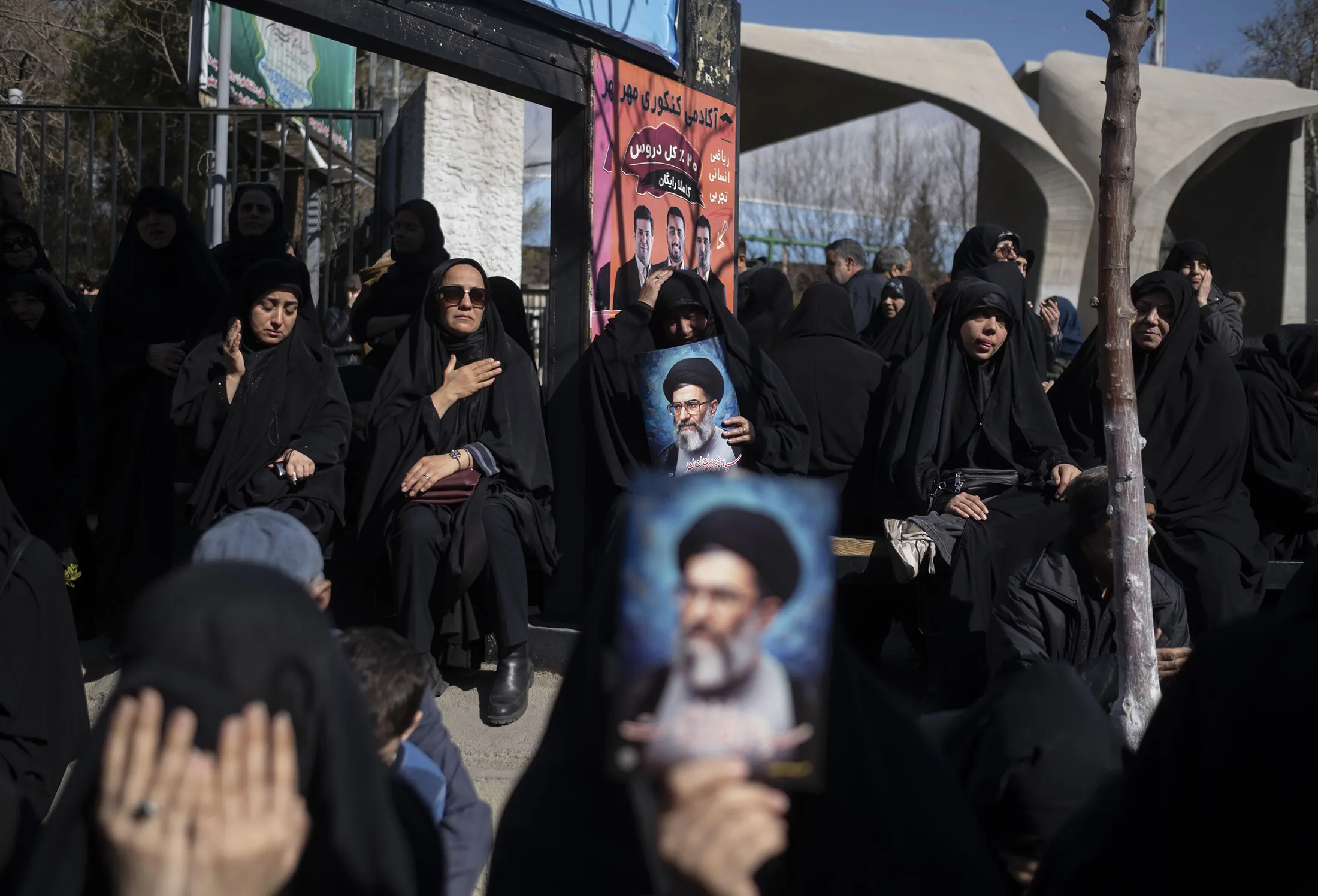
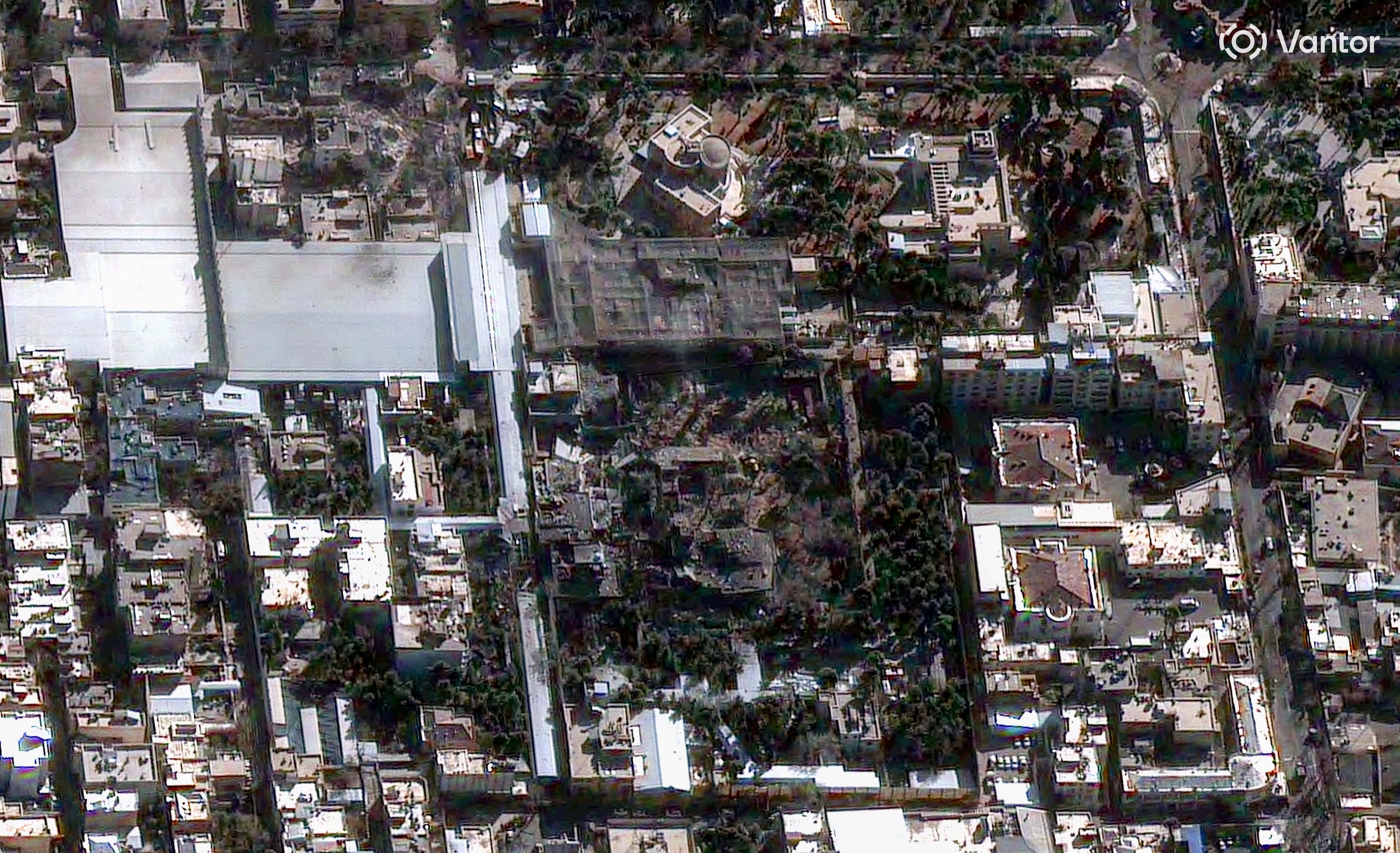
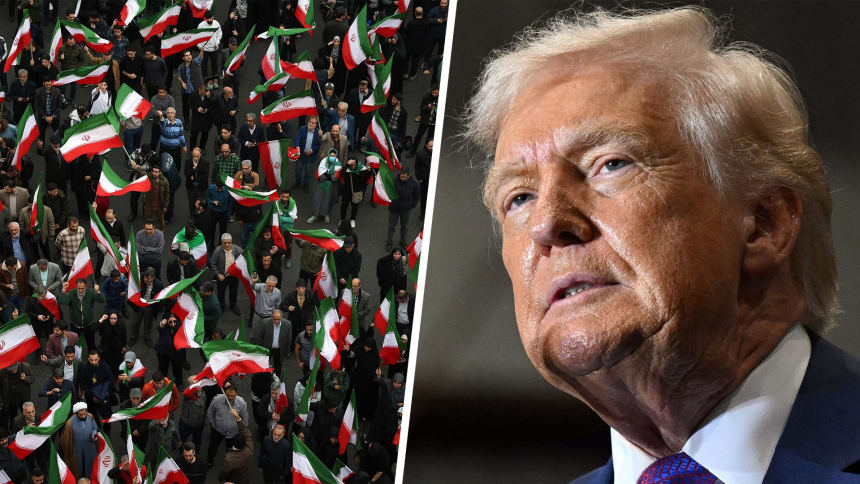
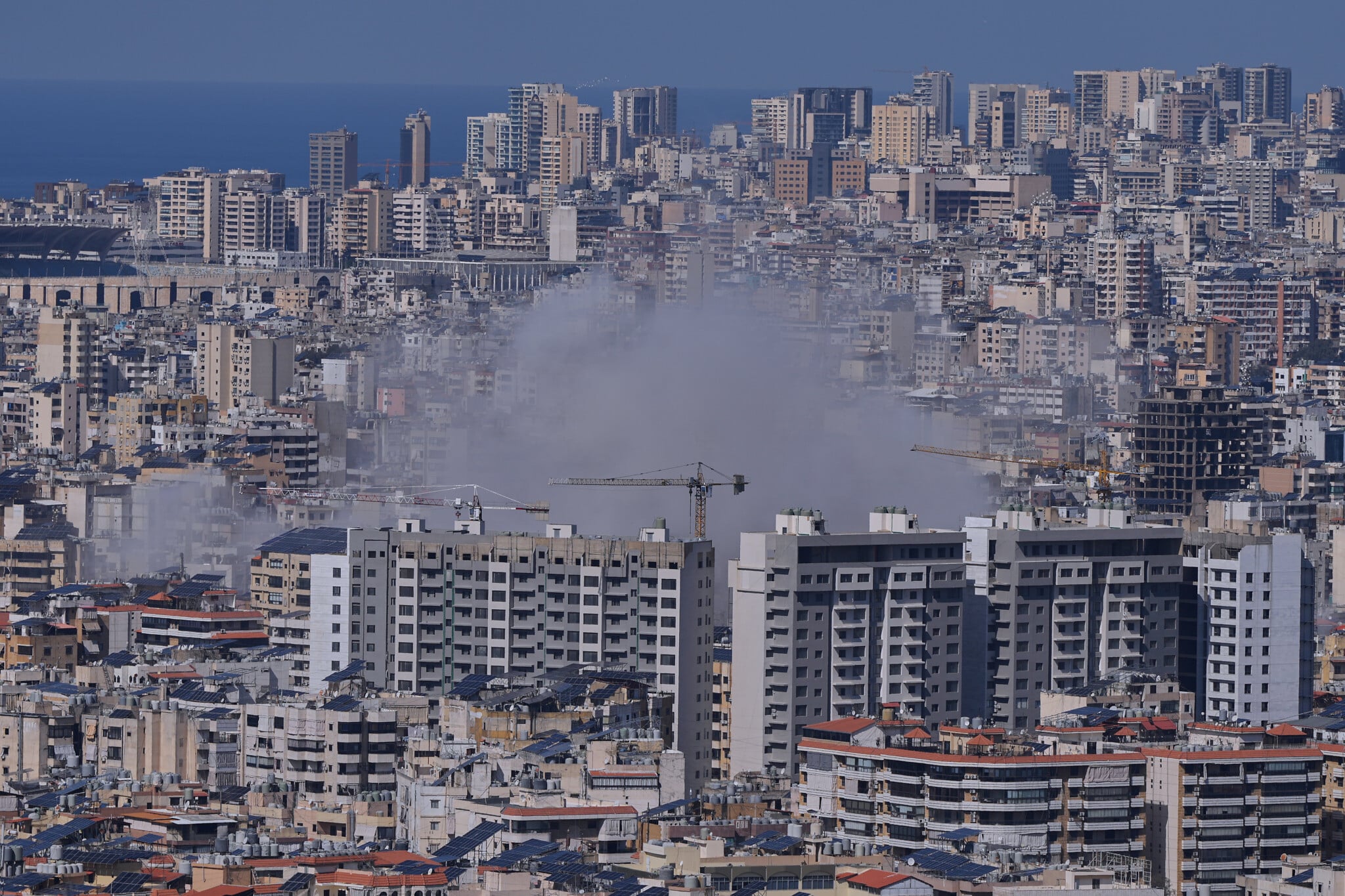
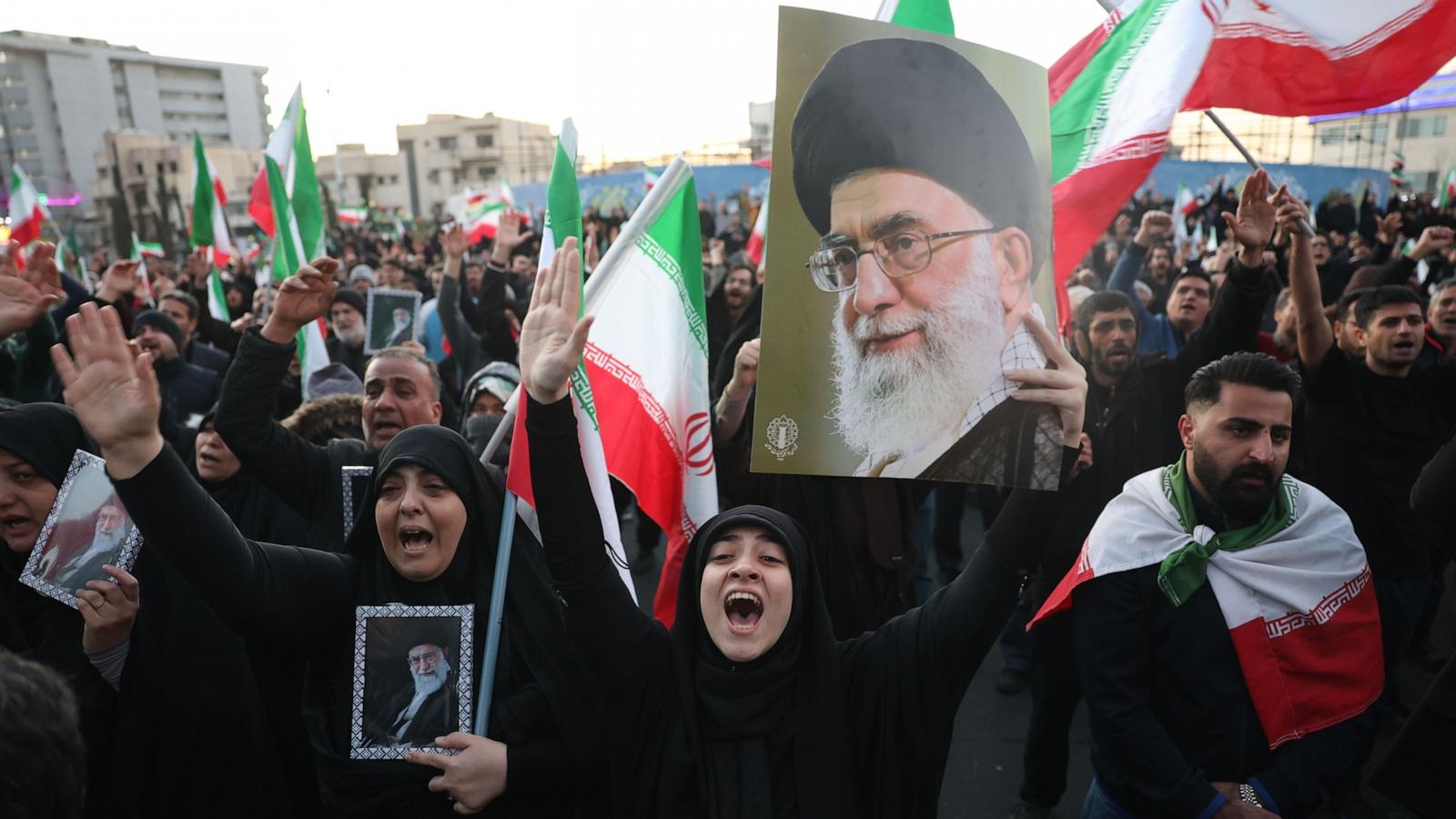
Ayatollah Ali Khamenei's death after 36 years of rule represents a critical geopolitical inflection point with cascading implications for cross-border e-commerce sellers operating in or near the Middle East region. The Guardian's reporting documents stark societal divisions—simultaneous mourning in Tehran's Enghelab Square and celebrations across Karaj, Arak, and Mashhad—reflecting deep consumer sentiment shifts that directly impact purchasing behavior, payment processing reliability, and logistics routing through the region. With over 7,000 confirmed deaths from January 2022 protests (per HRANA) and tens of thousands arrested or injured, Iran's 88 million population faces unprecedented uncertainty about future governance, sanctions regimes, and economic policy.
For cross-border sellers, this transition creates three distinct operational challenges. First, payment system volatility: Iran's banking sector operates under severe US sanctions, making transactions through platforms like PayPal, Stripe, and traditional payment gateways extremely difficult. Sellers currently serving Iranian diaspora communities (estimated 4-5M globally) through VPN workarounds face increased compliance risk if new leadership pursues either hardline or reformist policies—both scenarios create regulatory uncertainty. Second, supply chain routing: Iran serves as a critical transit corridor for goods moving between Asia, Europe, and the Middle East. Political instability historically increases shipping delays by 15-30 days and insurance costs by 8-12%, directly impacting sellers using 3PL providers routing through the region. Third, consumer demand patterns: The celebration videos documented in multiple cities signal potential demand surge for Western consumer goods, technology, and lifestyle products among younger demographics (ages 18-35) who represent 60%+ of Iran's population and drove the Women, Life, Freedom movement.
Strategic implications for sellers: Sellers with inventory in transit through Middle Eastern logistics hubs should immediately verify routing with 3PL providers to avoid Iran-adjacent delays. Those serving Iranian diaspora communities should diversify payment methods beyond traditional gateways—consider cryptocurrency payment options, international wire transfers, or regional payment processors like 2Checkout or Wise. Sellers in consumer electronics, apparel, and beauty categories should monitor social media sentiment in Persian-language channels (Instagram, Telegram) to identify emerging demand signals among Iran's youth population, who historically show strong appetite for international brands during periods of political opening. The uncertainty period (estimated 3-6 months during succession) presents both risk and opportunity: supply chain costs may spike 10-15%, but consumer purchasing power could increase if new policies ease currency restrictions or reduce inflation (currently 40%+ annually).
Questions 8
How does Iran's political uncertainty affect insurance and shipping costs for sellers?
Shipping insurance premiums for Middle East routes increase 8-12% during geopolitical transitions, adding $200-500 per container depending on cargo value and routing. Sellers should lock in insurance rates now before premiums spike further. Shipping times extend 15-30 days as carriers reroute away from Iran-adjacent corridors, increasing working capital requirements by 10-15% for inventory in transit. Negotiate fixed-rate shipping contracts with carriers for 90-day periods to avoid spot-market volatility. Consider air freight for high-margin products (electronics, luxury goods) despite 3-4x cost premium, as it avoids maritime delays. Budget $2,000-8,000 monthly for increased logistics costs per seller depending on shipment volume.
What timeline should sellers use for monitoring Iran-related business changes?
The critical monitoring period spans 3-6 months from Khamenei's death as new leadership consolidates power and announces economic policies. Immediate actions (0-30 days): verify 3PL routing, audit payment systems, review OFAC compliance. Medium-term (30-90 days): assess market demand signals through social media monitoring, prepare alternative supply chains, develop contingency logistics plans. Long-term (90-180 days): evaluate market entry strategies if political opening occurs, establish regional partnerships, build Persian-language capabilities. Set calendar reminders for monthly OFAC sanctions list reviews and quarterly 3PL performance audits. Subscribe to Iran-focused geopolitical newsletters (Stratfor, Crisis Group) for policy updates affecting commerce.