




Middle East Geopolitical Crisis March 2026 | Supply Chain & Sanctions Risk for Cross-Border Sellers
- Critical disruption to Iran trade routes, payment processing, and Middle East market access affecting 50K+ sellers with regional operations






















Overview
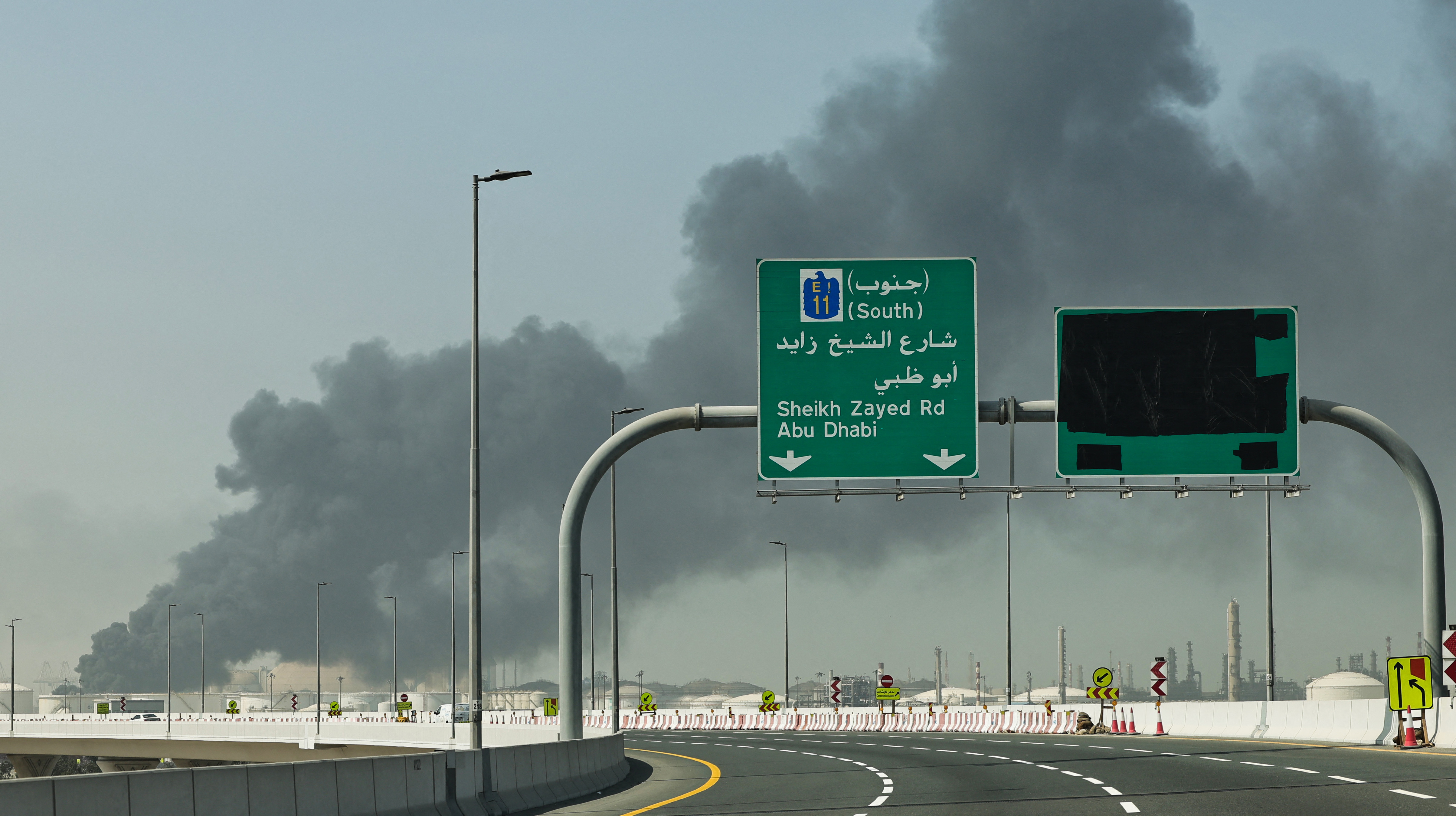
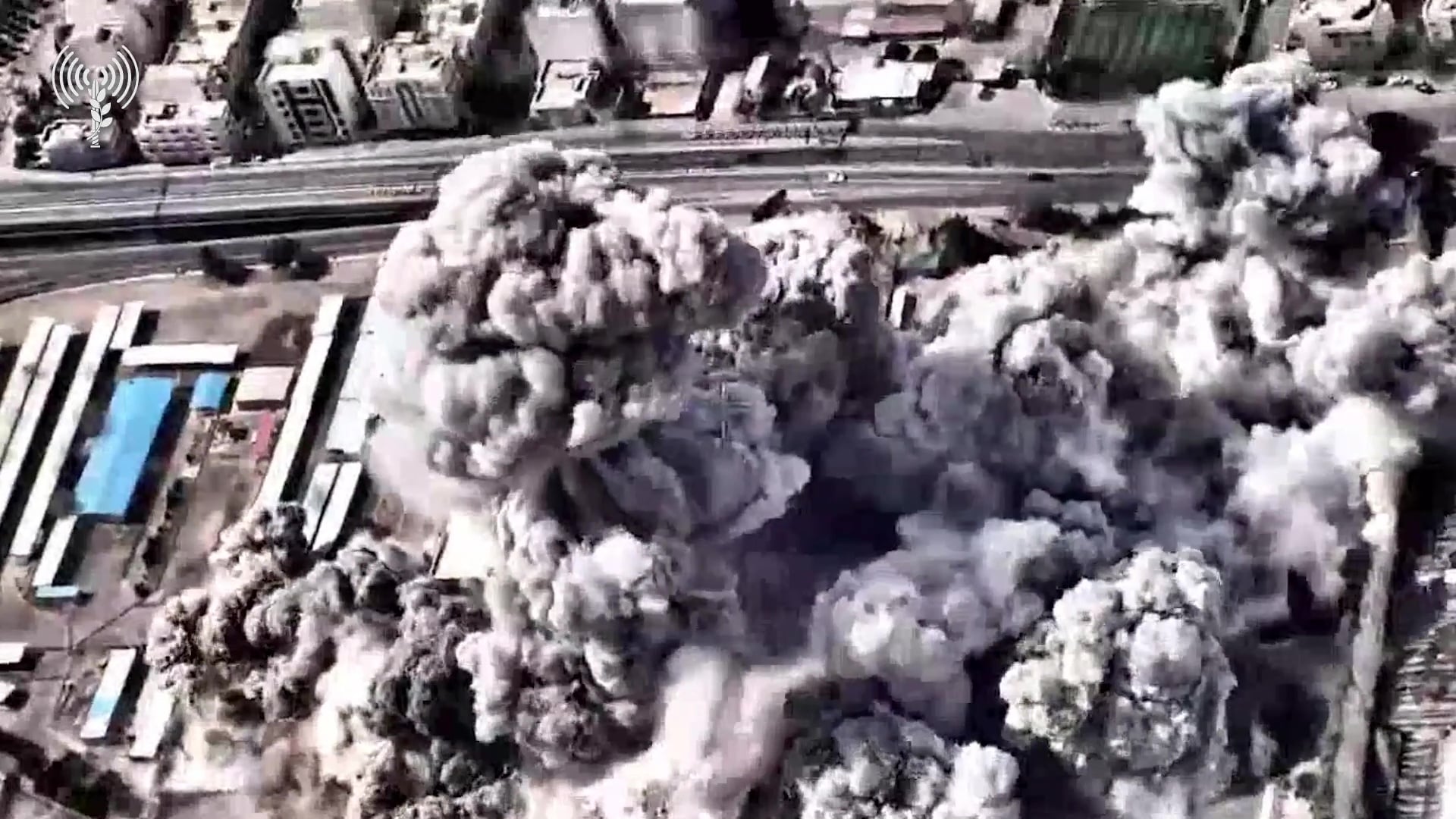
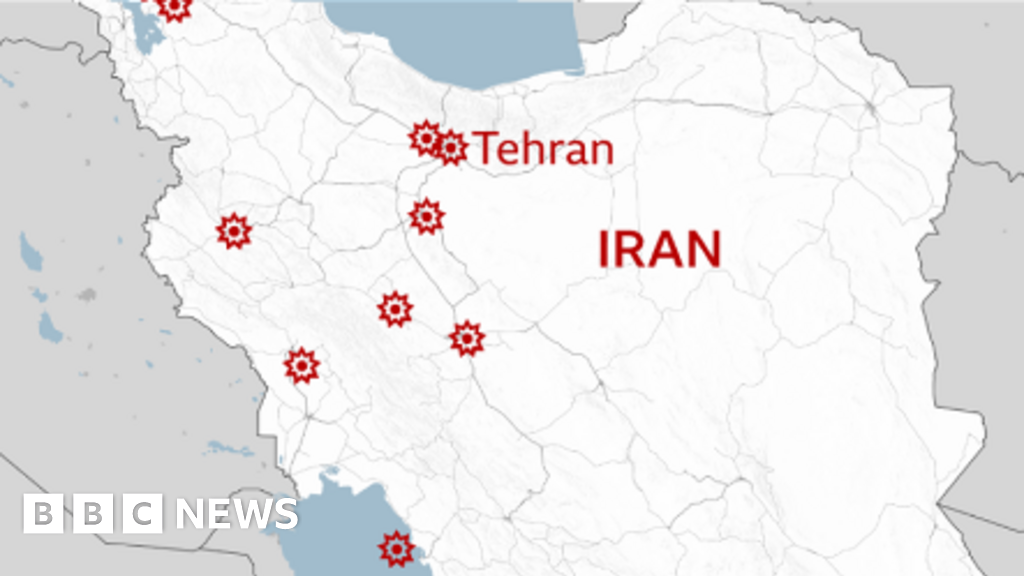
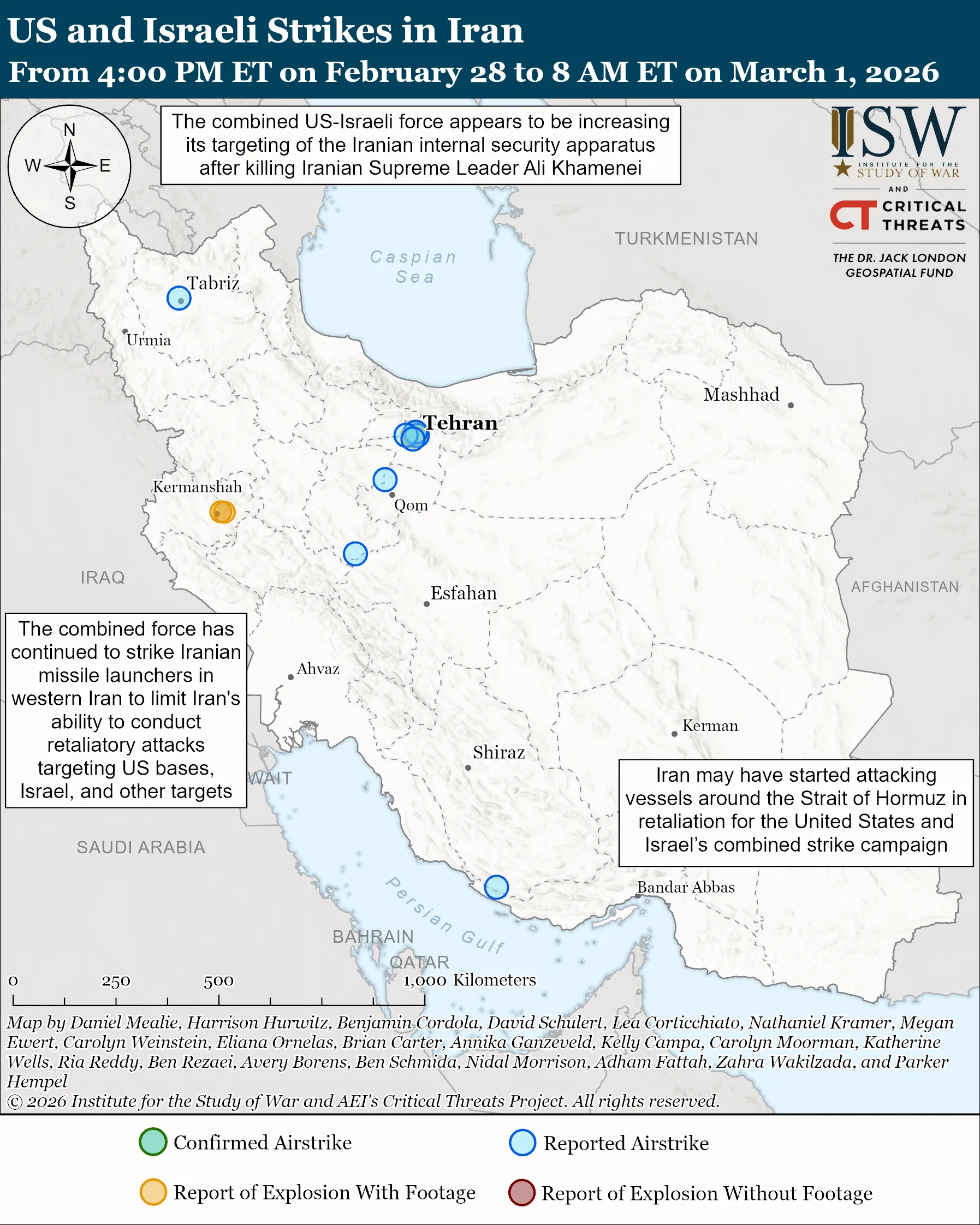
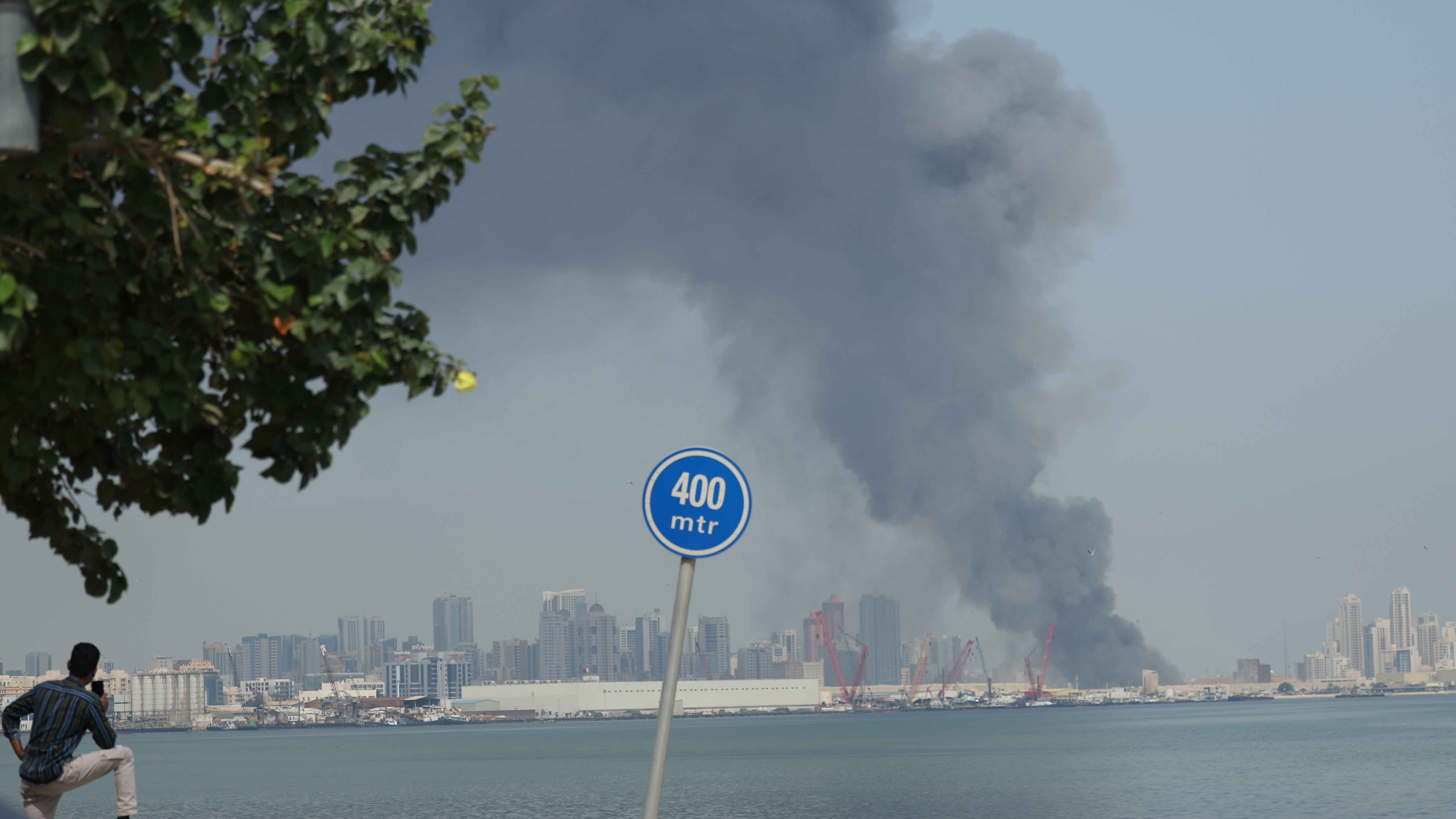
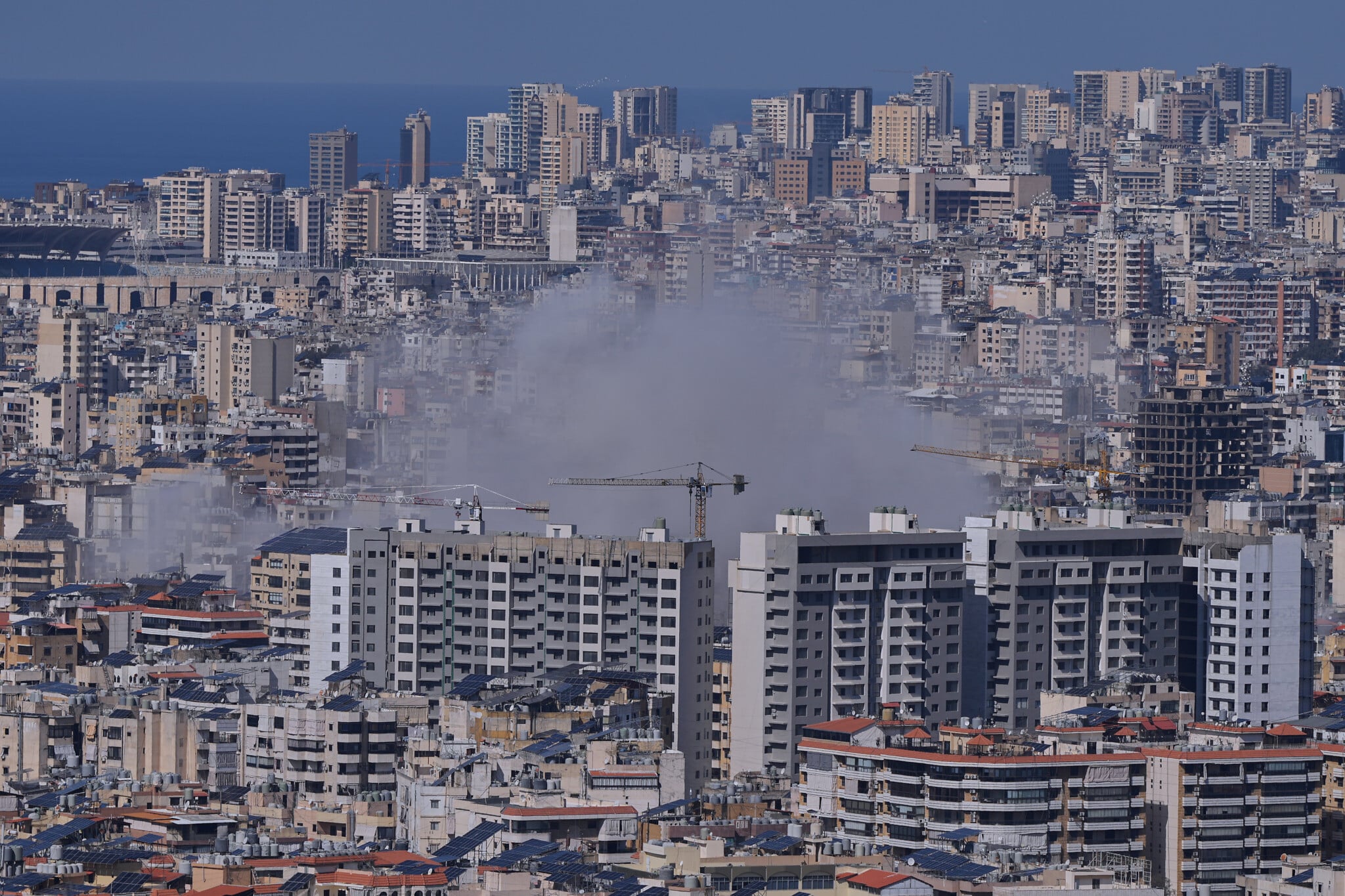
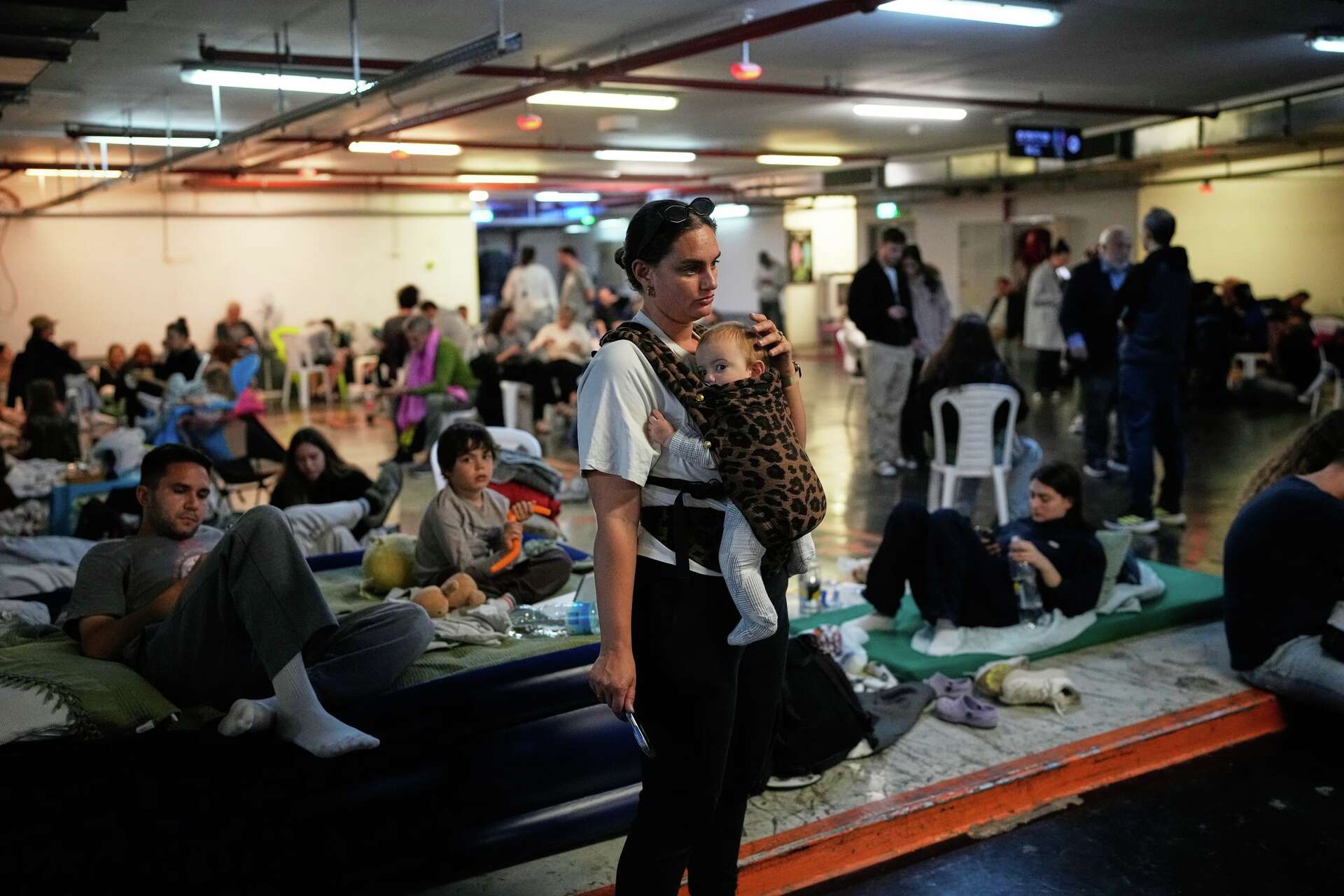
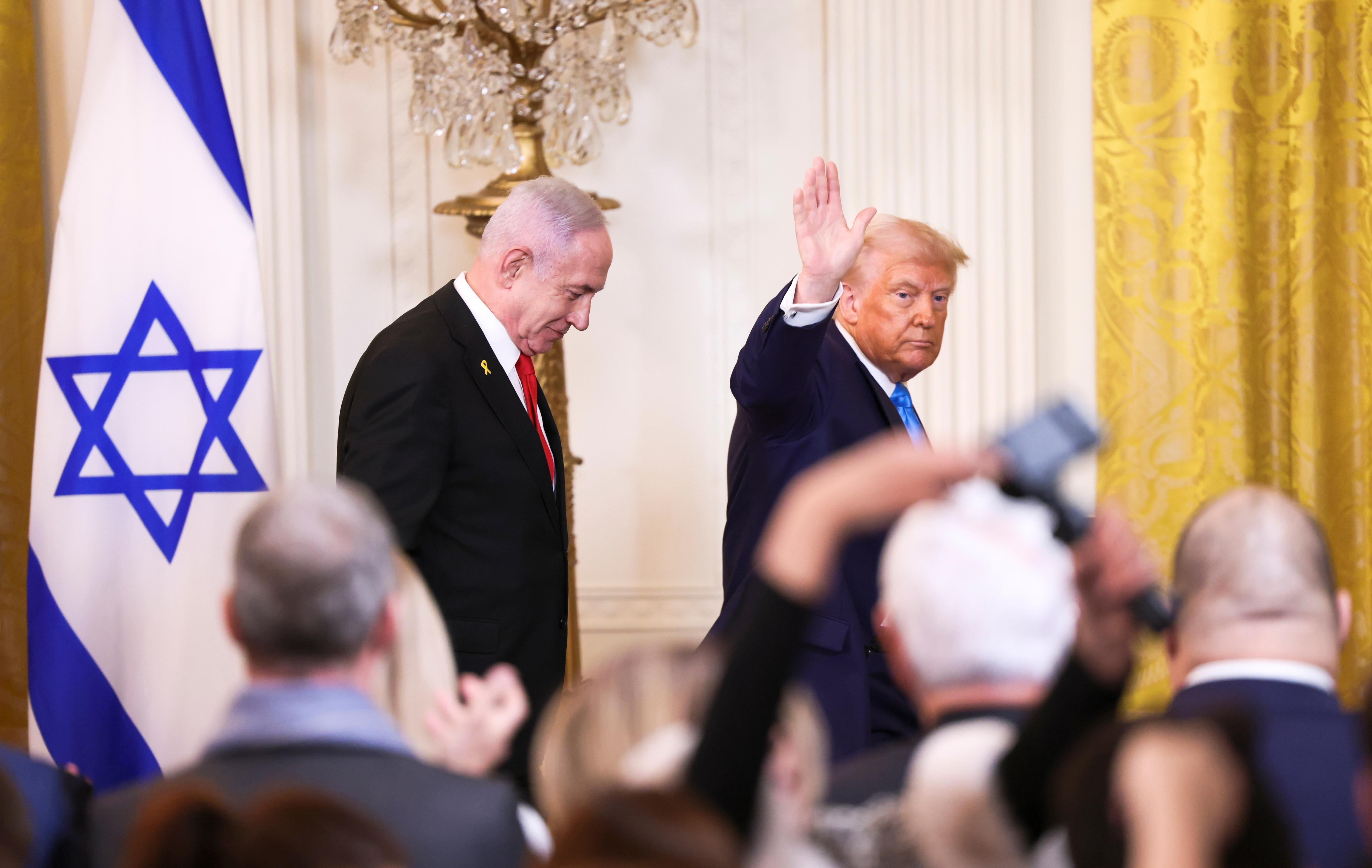
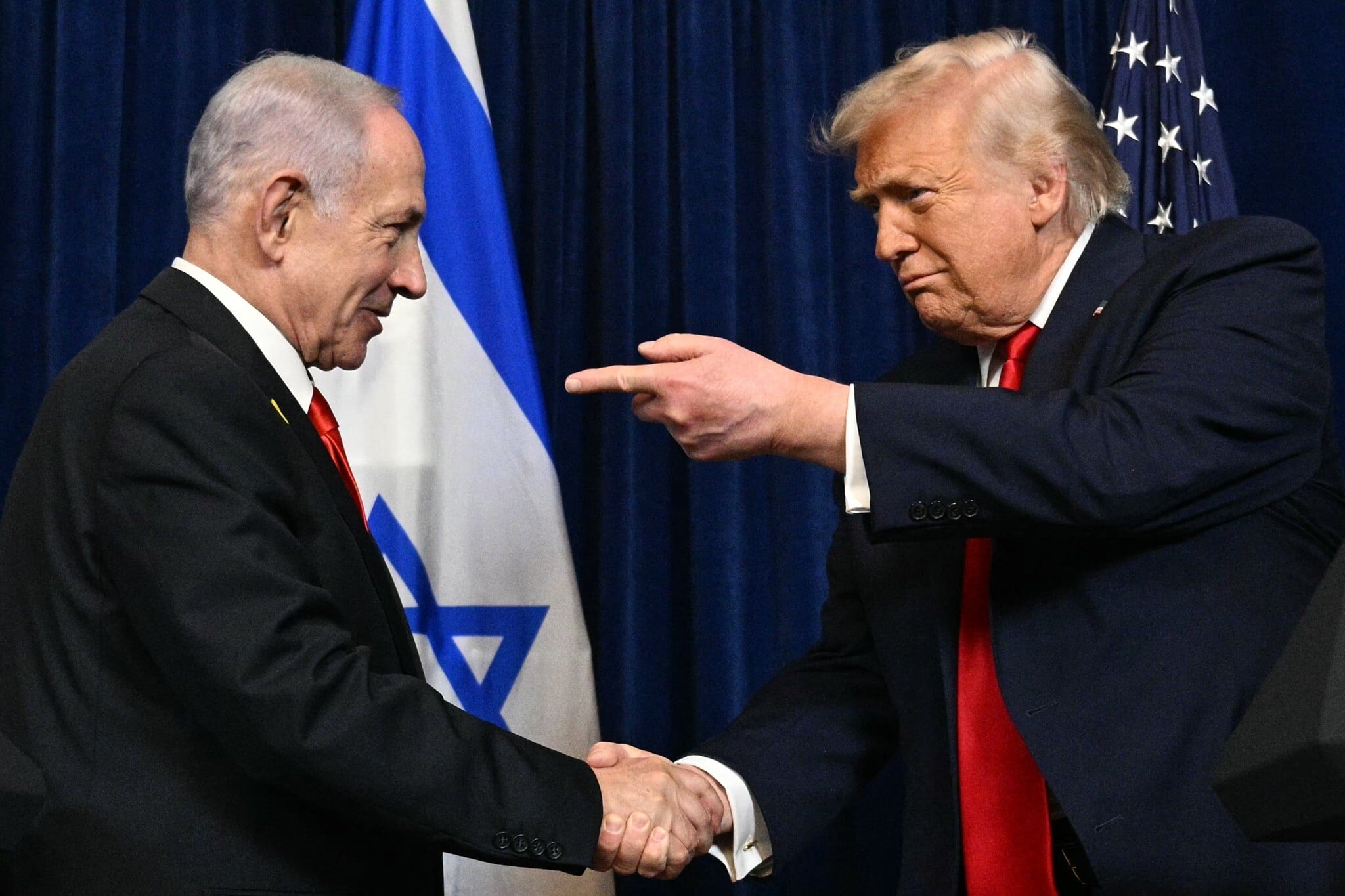
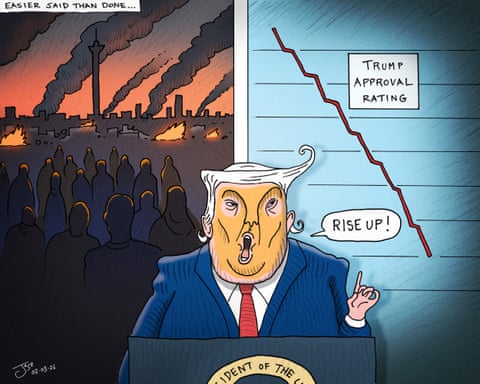
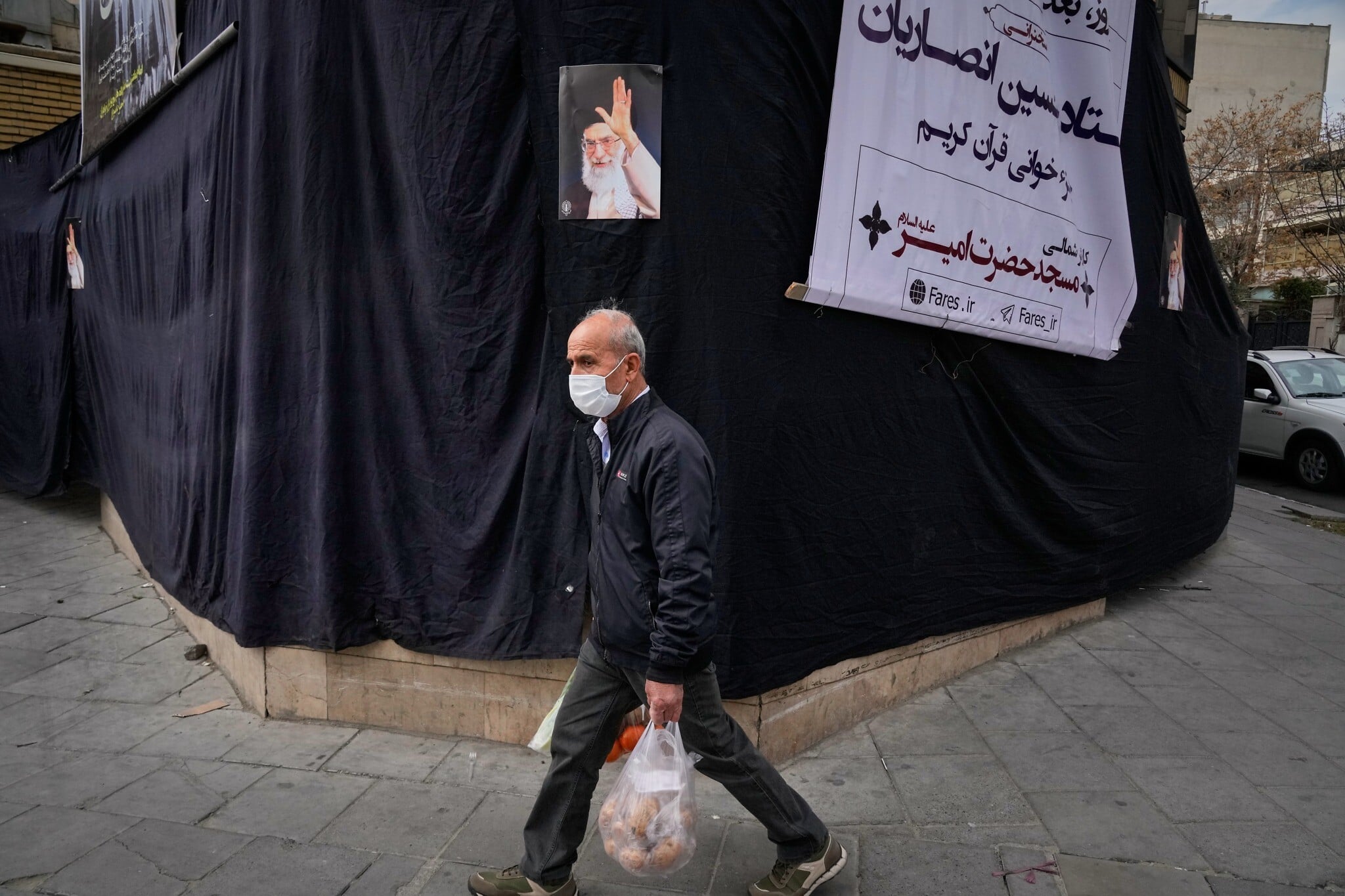
The March 1, 2026 U.S.-Israeli military operation (Operation Epic Fury) resulting in Iran's Supreme Leader Ayatollah Ali Khamenei's death represents a watershed geopolitical event with direct implications for cross-border e-commerce sellers operating in or trading with Middle Eastern markets. The coordinated strikes by U.S. Navy forces (USS Abraham Lincoln) and Israeli military, followed by Iranian retaliatory missile barrages targeting Jerusalem and Beit Shemesh, have triggered immediate supply chain disruptions, currency volatility, and regulatory uncertainty affecting sellers with Iran exposure, Middle East logistics networks, and payment processing dependencies.
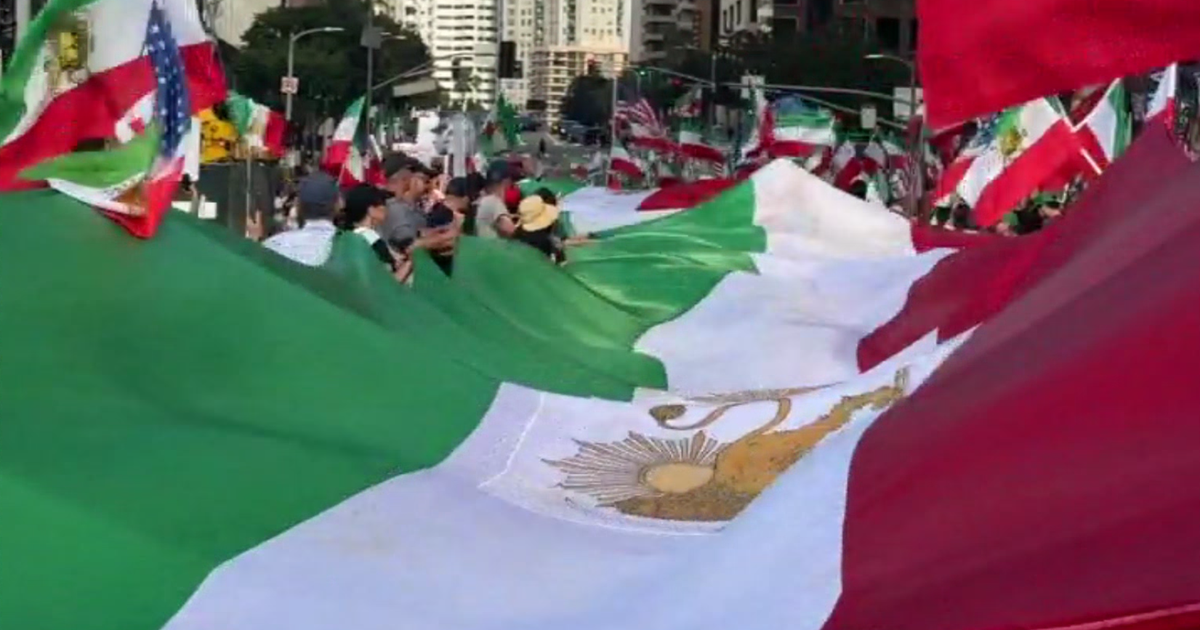
Immediate Supply Chain Impact: Sellers sourcing from Iran (carpets, textiles, handicrafts—HS codes 5007-6310) face immediate logistics bottlenecks as shipping routes through the Arabian Sea become contested. The news reports pro-government demonstrations in Tehran, Moscow, and Sanaa, while opposition rallies in New York, Paris, Berlin, and Athens signal bifurcated geopolitical alignment that will fragment logistics partnerships. Sellers with 3PL providers in Iraq and Pakistan face heightened operational risk—the news specifically documents attempted breaches of U.S. diplomatic compounds in Karachi, indicating deteriorating security conditions affecting customs clearance and warehouse operations. Expect 15-30 day delays for shipments transiting Middle Eastern ports and 20-40% increases in insurance premiums for regional logistics.
Payment Processing & Currency Risk: Iran's isolated financial position means sellers accepting Iranian customer payments face immediate settlement delays and potential OFAC (Office of Foreign Assets Control) compliance violations. The escalation signals imminent sanctions regime modifications—historically, such geopolitical events trigger 30-60 day windows before new sanctions are formally codified. Sellers with Iranian customer bases (estimated 2-5% of Middle East e-commerce volume) must immediately audit payment processor compliance. Stripe, PayPal, and Amazon Pay all restrict Iran transactions; sellers using alternative processors face heightened regulatory scrutiny. Currency volatility will spike—the Iranian Rial typically depreciates 8-15% during geopolitical crises, compressing margins for sellers pricing in local currency.
Market Access & Competitive Repositioning: The bifurcated global response (pro-government rallies in Moscow/Sanaa vs. opposition rallies in Western capitals) signals potential sanctions escalation targeting Iran's trading partners. Sellers with inventory in Iraq, Pakistan, or Syria face potential secondary sanctions exposure if those countries increase Iran trade. Conversely, sellers positioned in Israel, UAE, and Saudi Arabia may see competitive advantages as Western governments strengthen Middle East partnerships. The news documents weakened Iranian proxy militias (Hezbollah, Houthis), which historically disrupted Red Sea shipping—their degradation could paradoxically improve logistics for sellers shipping through Suez Canal routes by Q2 2026, creating a 60-90 day window of improved shipping costs before new geopolitical equilibrium stabilizes.
Regulatory Compliance Timeline: International sanctions regimes typically undergo formal modification within 30-90 days of major geopolitical events. Sellers must immediately: (1) audit customer databases for Iran/Syria/Iraq exposure, (2) review payment processor compliance policies, (3) assess 3PL provider geopolitical risk ratings, (4) model currency hedging strategies for Middle East operations. The U.S. Treasury Department will likely issue updated OFAC guidance within 45 days; sellers should monitor Federal Register announcements and consult trade compliance counsel before March 31, 2026.
Questions 8
What competitive advantages emerge from this crisis for certain sellers?
Sellers positioned in Israel, UAE, and Saudi Arabia gain immediate competitive advantages as Western governments strengthen Middle East partnerships. The news documents opposition rallies in Western capitals supporting regime change, signaling Western policy alignment with Gulf states. Sellers exporting Western consumer goods to these markets should increase inventory 20-30% to capture market share from competitors with Iran exposure. Additionally, the weakened Iranian proxy militias create a 60-90 day window (April-June 2026) where Red Sea shipping improves, reducing costs 8-12% for sellers shipping to Gulf states. Sellers with established UAE/Saudi distribution networks should capitalize on this window by increasing shipment volumes and locking in favorable freight rates before Q3 2026 normalization.
How long will this geopolitical crisis impact my business?
The immediate crisis window spans 30-90 days (March-June 2026), with formal sanctions regime modifications typically codified within 45-60 days. Supply chain disruptions will persist 60-120 days as logistics networks recalibrate. Currency volatility peaks in the first 30 days, then stabilizes as markets price in new geopolitical reality. The news indicates weakened Iranian proxy militias, creating a temporary 60-90 day shipping advantage for Red Sea routes (April-June 2026). By Q3 2026, expect new geopolitical equilibrium with stabilized sanctions, normalized shipping costs, and recalibrated competitive dynamics. Sellers should plan for 6-month operational adjustments, with most disruptions resolving by September 2026.