

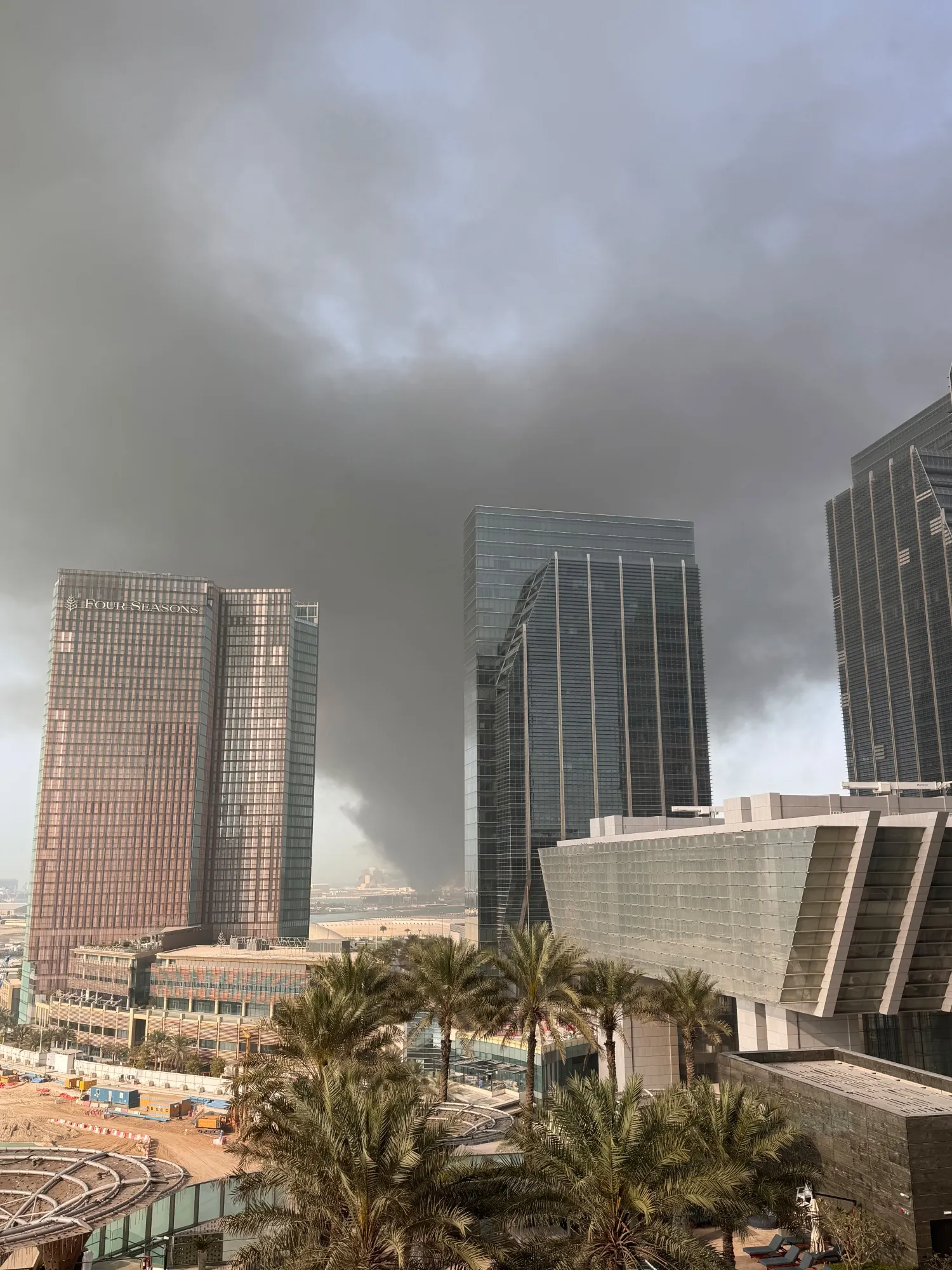




Middle East Supply Chain Crisis | Air Freight Costs Surge 15-25% as Dubai Airport Closes
- Dubai International Airport closure disrupts Asia-Europe-Africa transshipment routes; Ras Tanura refinery shutdown (550K barrels/day) drives fuel surcharge increases; Strait of Hormuz shipping delays affect 20% of global oil supply










Overview
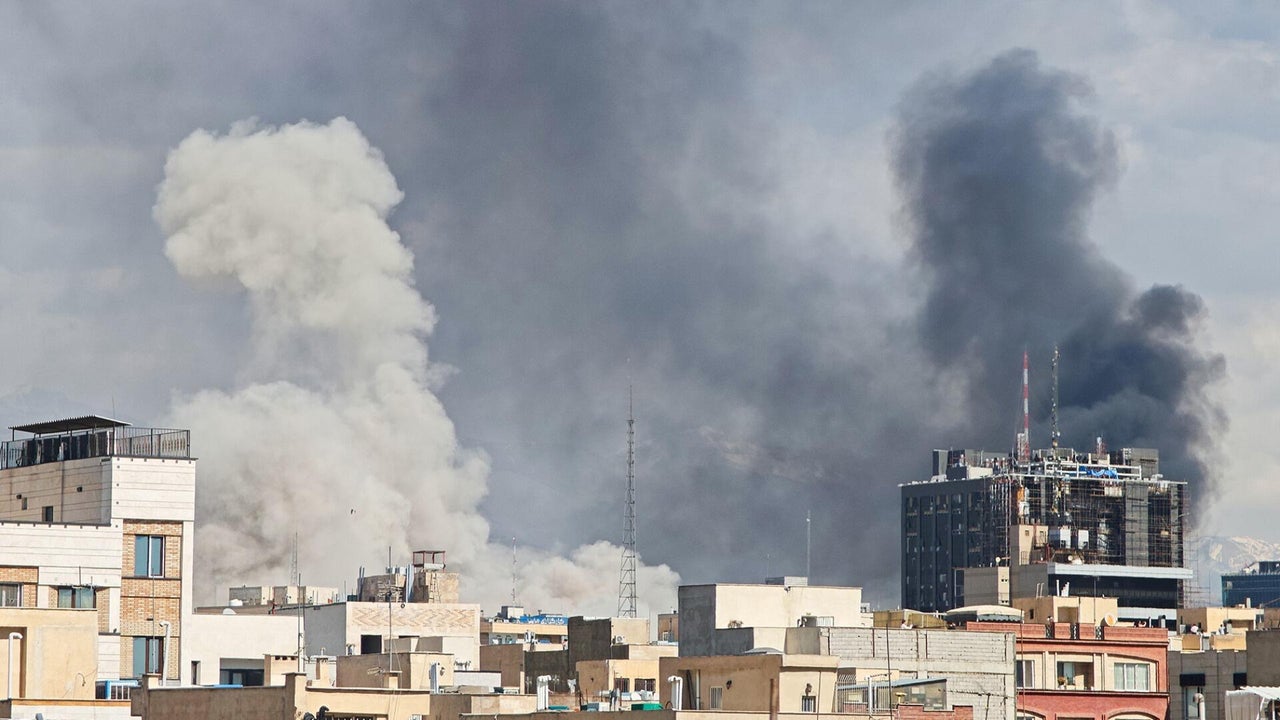
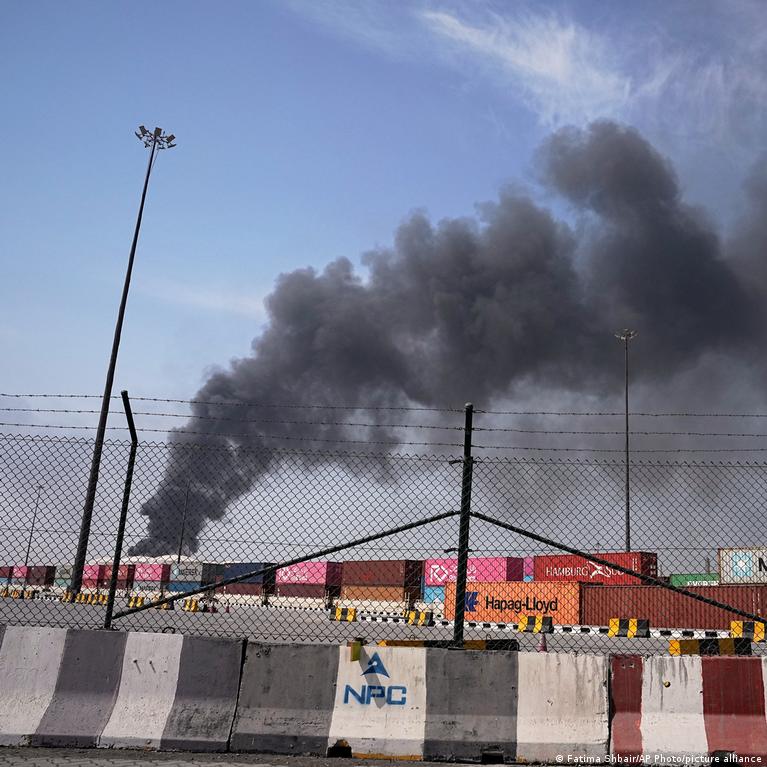
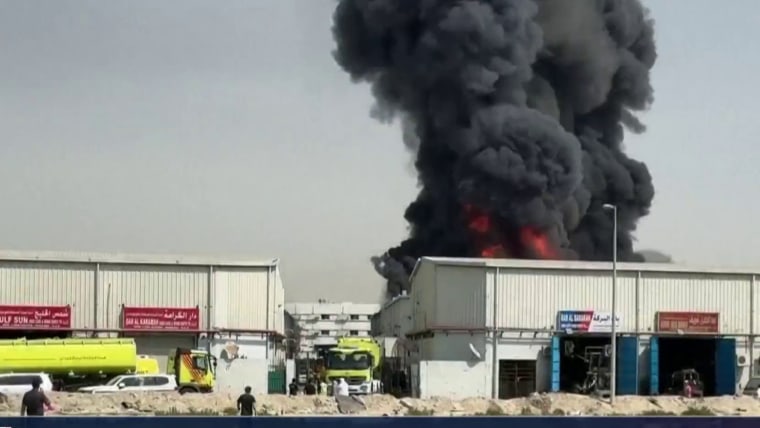
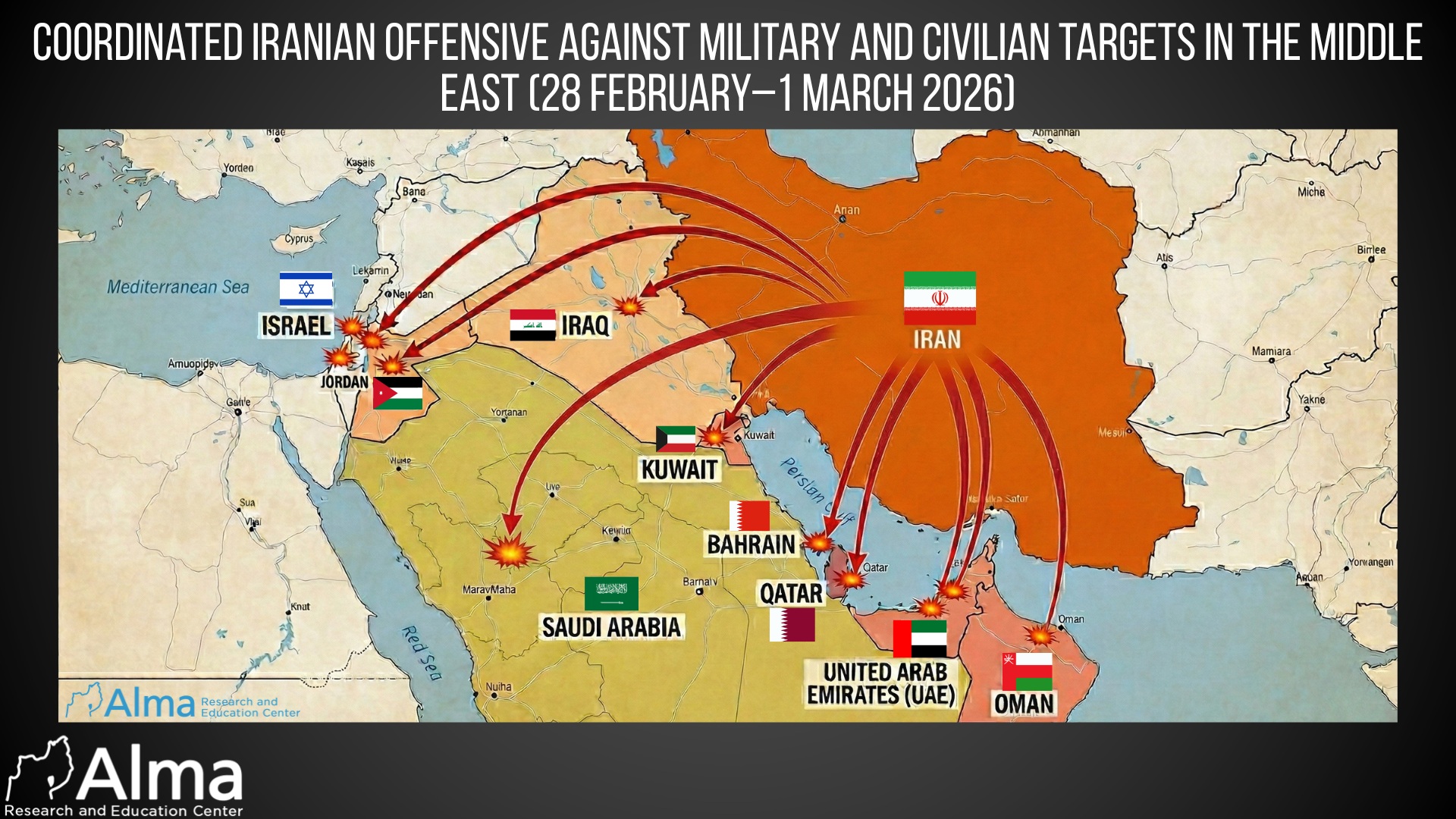
The Middle East geopolitical escalation represents a critical supply chain inflection point for cross-border e-commerce sellers. As of March 1, 2026, Iran's systematic targeting of regional aviation infrastructure—including Dubai International Airport's closure—has created immediate operational disruptions affecting sellers relying on air freight corridors between Asia, Europe, and Africa. Simultaneously, drone attacks on Saudi Arabia's Ras Tanura oil refinery (processing 550,000 barrels daily) and ongoing shipping disruptions through the Strait of Hormuz (which handles 20% of global oil supply) are triggering cascading cost increases across fuel-dependent logistics networks.
For cross-border sellers, the immediate impact manifests in three critical dimensions: First, air freight cost escalation is accelerating rapidly. Sellers using air cargo through Gulf hubs face 15-25% cost increases as carriers reroute shipments away from closed airports and demand premium pricing for alternative routing through Europe or Asia-Pacific gateways. This disproportionately affects time-sensitive categories (electronics, fashion, perishables) where air freight represents 20-30% of total landed costs. Second, fuel surcharges are compounding logistics expenses. The Ras Tanura refinery shutdown coinciding with Strait of Hormuz disruptions creates oil price volatility, triggering fuel surcharges on ocean freight (typically 3-5% of base rates, now climbing to 8-12%). Sellers shipping high-volume, low-margin categories (home goods, apparel, consumer electronics) face margin compression of 200-400 basis points. Third, inventory positioning becomes strategically critical. Sellers with stock concentrated in Gulf warehouses or relying on Dubai as a transshipment hub face 10-21 day delivery delays, directly impacting Amazon FBA replenishment cycles and customer delivery commitments. This creates competitive disadvantage versus sellers with diversified fulfillment networks.
The strategic opportunity window is narrow but actionable. Sellers can exploit this disruption by: (1) Accelerating inventory shifts to alternative fulfillment centers in Southeast Asia (Singapore, Bangkok) or Europe (Netherlands, Germany) before competitor saturation drives up warehousing costs; (2) Renegotiating carrier contracts immediately—logistics providers facing capacity constraints will offer volume discounts to lock in long-term commitments; (3) Repositioning product mix toward lower-weight, higher-margin categories that justify premium air freight costs; (4) Implementing dynamic pricing to offset fuel surcharge increases before competitors adjust pricing strategies. Sellers who act within the next 30-45 days can secure favorable logistics rates before market-wide repricing occurs. The conflict's resolution timeline remains uncertain, but historical precedent suggests 60-90 day disruption windows before alternative routing becomes normalized.
Questions 7
When should sellers expect supply chain normalization?
Historical precedent from similar Middle East disruptions (2019 Strait of Hormuz tensions, 2020 Suez Canal blockage) suggests 60-90 day normalization timelines once military escalation stabilizes. However, current conflict trajectory remains uncertain—if escalation continues, disruptions could extend 120-180 days. Sellers should plan for three scenarios: (1) **Optimistic (60 days)**: Implement temporary cost mitigation; (2) **Base case (90 days)**: Shift inventory positioning and renegotiate contracts; (3) **Pessimistic (180+ days)**: Restructure supply chains toward non-Middle East routing. Monitor daily updates from Freightos, Flexport, and carrier announcements. Most logistics providers will provide 30-day advance notice of route normalization, giving sellers time to adjust pricing and inventory strategies.
Which seller segments have competitive advantages during this disruption?
Three seller segments gain competitive advantages: (1) **Large sellers with diversified fulfillment networks** (Amazon FBA, 3PL providers in multiple regions) can absorb cost increases and maintain delivery commitments while smaller competitors face margin compression; (2) **Sellers with pre-positioned inventory in Europe and Asia-Pacific** avoid rerouting costs and maintain normal delivery timelines, gaining Buy Box advantages; (3) **High-margin category sellers** (luxury goods, electronics, specialty items) can pass through cost increases to consumers without demand destruction. Conversely, small sellers (<$100K annual revenue) relying on single-source fulfillment face 15-25% margin compression and potential cash flow crises. This creates consolidation opportunity for larger sellers to acquire distressed inventory at 20-30% discounts.