




)
Prediction Market Insider Trading Crisis Signals Regulatory Crackdown on Geopolitical Betting Platforms
- $553K+ individual profits and $500M trading volume spark Congressional action; regulatory uncertainty threatens fintech platforms and creates compliance risks for sellers using prediction markets for business forecasting





























Overview
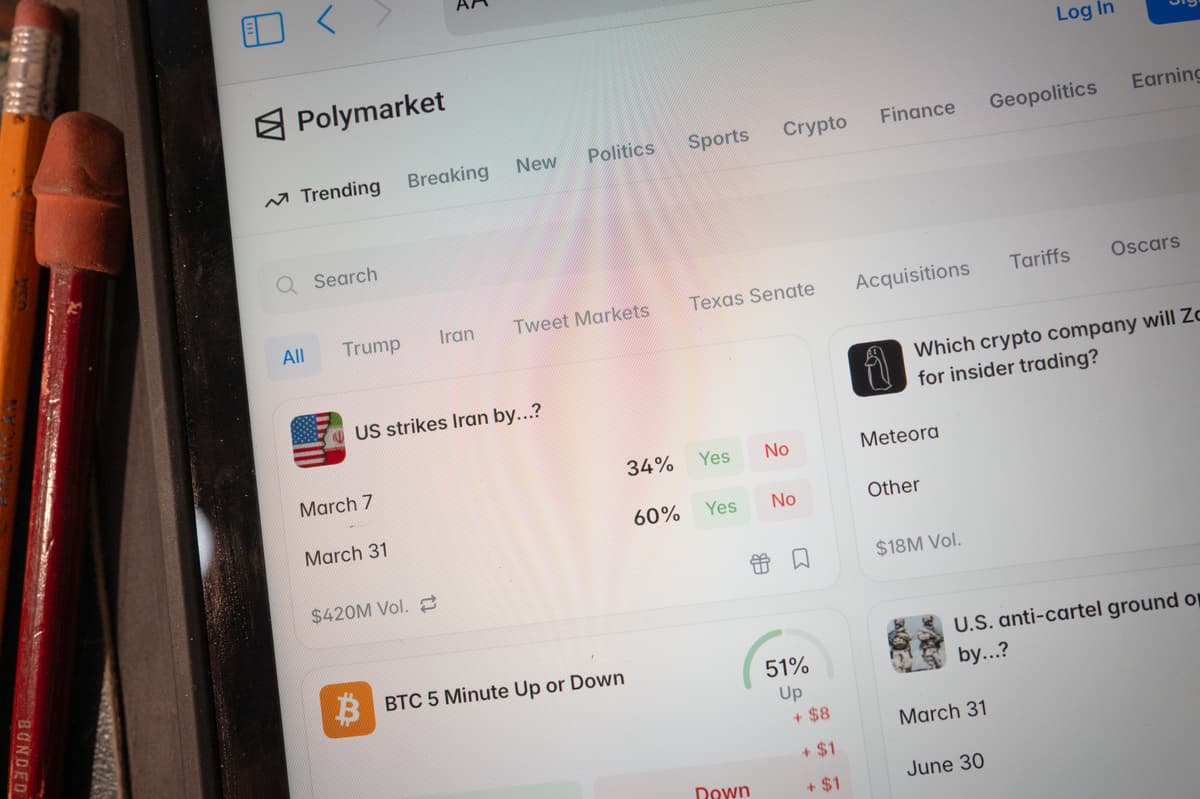
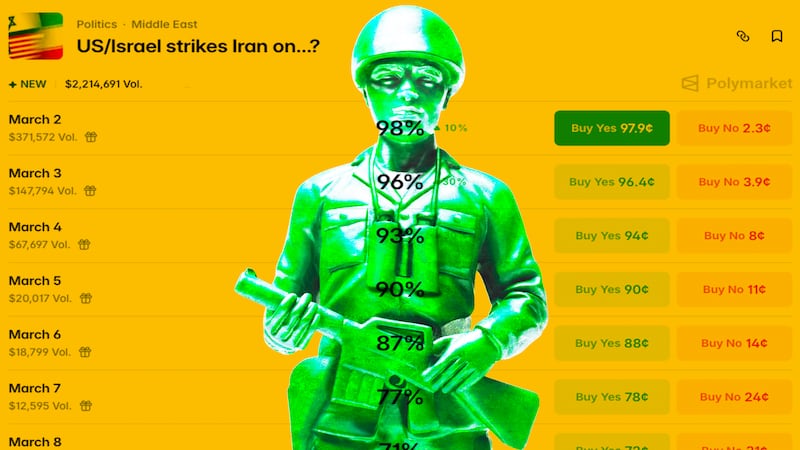
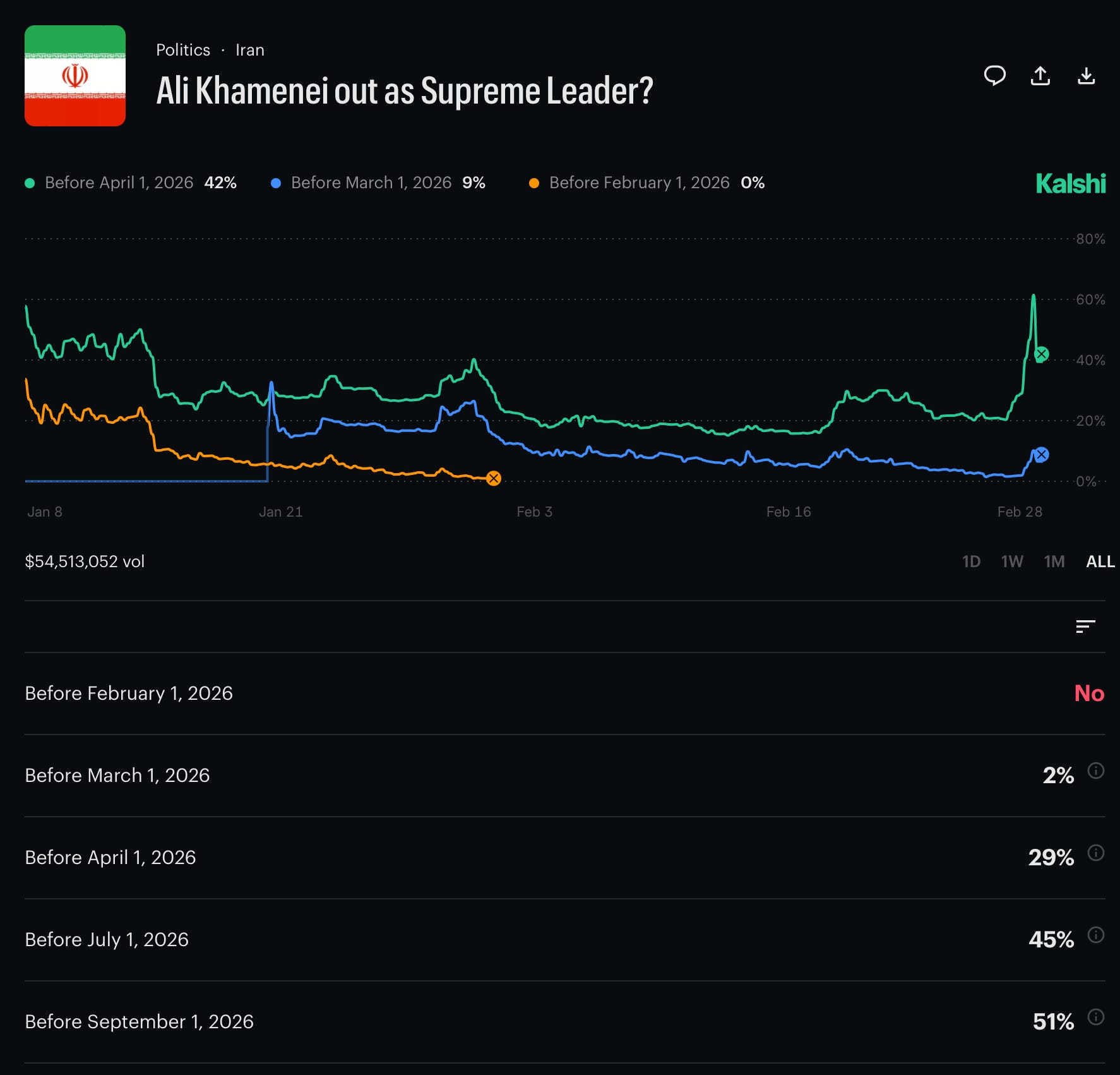
The February-March 2026 prediction market insider trading scandal surrounding Iran's Supreme Leader Ayatollah Ali Khamenei's death represents a watershed moment for financial regulation and has significant implications for cross-border e-commerce sellers. A trader using the username "Magamyman" profited approximately $553,000 on Polymarket by betting on Khamenei's removal from power minutes before U.S.-Israeli military strikes killed him, while blockchain analysis identified at least six suspected insiders earning upward of $500,000 each. Polymarket processed approximately $500 million in trades related to the timing of military strikes, exposing a regulatory gray area where prediction markets operate with minimal oversight despite federal commodity trading laws explicitly prohibiting bets on death and war.
Regulatory Response and Platform Divergence: The incident triggered sharply different responses from competing platforms. Kalshi, a CFTC-regulated prediction market, paused trading on Khamenei-related markets and refunded all fees to participants, with CEO Tarek Mansour stating "We don't list markets directly tied to death." This conservative approach contrasts sharply with Polymarket's continued operations despite federal investigations being dropped after the Trump administration took office. Senator Chris Murphy (D-Conn.) publicly criticized the situation as "insane this is legal" and announced plans to introduce legislation banning such betting, while the Commodity Futures Trading Commission faces pressure to establish clearer regulatory frameworks for geopolitical event betting.
Cross-Border Seller Implications: For e-commerce sellers, this scandal creates three critical operational concerns. First, regulatory uncertainty around prediction markets affects sellers who use these platforms for business forecasting and supply chain planning—potential legislation could restrict access to geopolitical risk assessment tools. Second, the insider trading allegations and subsequent regulatory scrutiny signal that fintech platforms operating in gray regulatory areas face sudden compliance requirements that can disrupt service availability. Third, the incident demonstrates how information asymmetry in unregulated markets can create systemic risks, a principle that may extend to other decentralized finance platforms sellers rely on for payment processing, currency hedging, or inventory financing. The controversy also highlights broader tensions between decentralized financial platforms and traditional regulatory frameworks, suggesting that sellers should diversify their reliance on any single fintech platform and maintain compliance-ready documentation for all financial transactions.
Forward-Looking Risk Assessment: Congressional action appears likely within 6-12 months, potentially establishing precedent for restricting geopolitical prediction markets. Sellers should monitor CFTC guidance and Congressional hearing outcomes, as regulatory changes could affect access to market intelligence tools and create compliance obligations for any seller using prediction markets for business purposes. The incident underscores the need for robust ethical guardrails in financial innovation, particularly when applied to events involving military action or international conflict—a principle that may influence how regulators view other emerging fintech tools sellers depend on.
Questions 8
How might prediction market regulation affect sellers' access to geopolitical risk intelligence?
Prediction markets currently serve as real-time price discovery mechanisms for geopolitical events affecting supply chains (Iran sanctions, trade policy changes, military conflicts). Regulatory restrictions could eliminate this intelligence source, forcing sellers to rely on slower traditional methods: government trade data (released monthly), financial news analysis (delayed), and industry reports (quarterly). The impact varies by seller segment: (1) Large multinational sellers with dedicated risk teams can absorb the loss, (2) Mid-market sellers relying on prediction markets for real-time geopolitical signals face competitive disadvantage, (3) Small sellers with limited forecasting resources may struggle to anticipate supply chain disruptions. Sellers should begin building alternative intelligence networks now—subscribing to geopolitical risk services, joining industry associations with trade intelligence, and establishing relationships with logistics providers who monitor real-time risks.
What does the Trump administration's decision to drop federal investigations into Polymarket signal about regulatory enforcement?
The Trump administration's decision to drop DOJ and CFTC investigations into Polymarket—despite evidence of insider trading and $500 million in suspicious trades—signals political influence over financial regulation and creates uncertainty about enforcement consistency. This creates a compliance dilemma for sellers: regulatory enforcement may depend on political administration rather than consistent legal standards. For sellers, this means: (1) Regulatory risk is unpredictable and may shift with political changes, (2) Relying on prediction markets for business-critical decisions carries elevated political risk, (3) Documentation of compliance efforts becomes more important as sellers may need to demonstrate good-faith compliance if enforcement resumes under future administrations. Sellers should assume that regulatory enforcement will eventually resume and maintain conservative compliance postures regardless of current enforcement gaps.