


Strait of Hormuz Disruption Drives 13.6% Oil Spike | Shipping Cost Crisis for Cross-Border Sellers
- Brent crude surges to $82.37/barrel amid geopolitical conflict; shipping costs expected to rise 8-15% for Asia-Pacific e-commerce sellers through May-June 2024



Overview
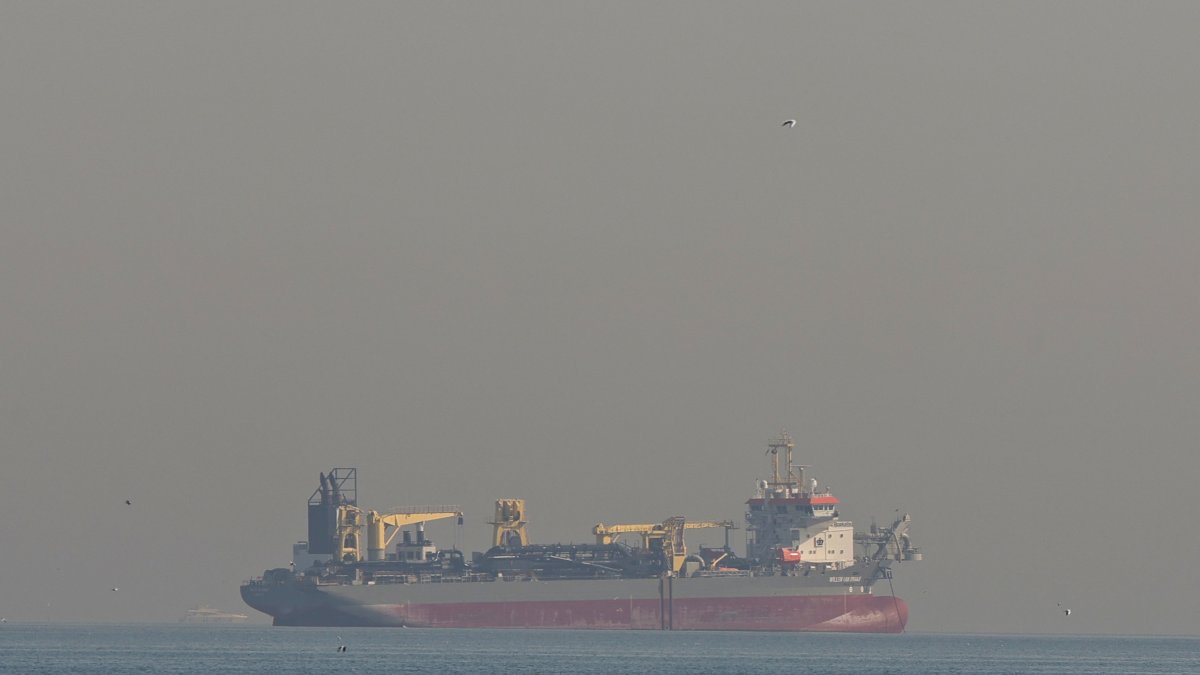
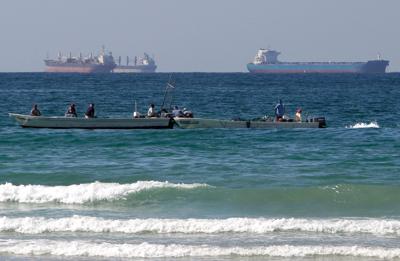
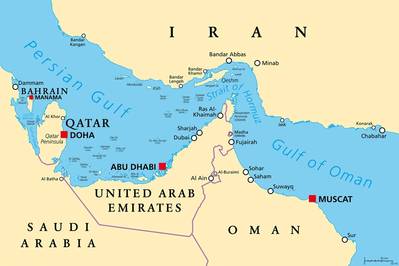
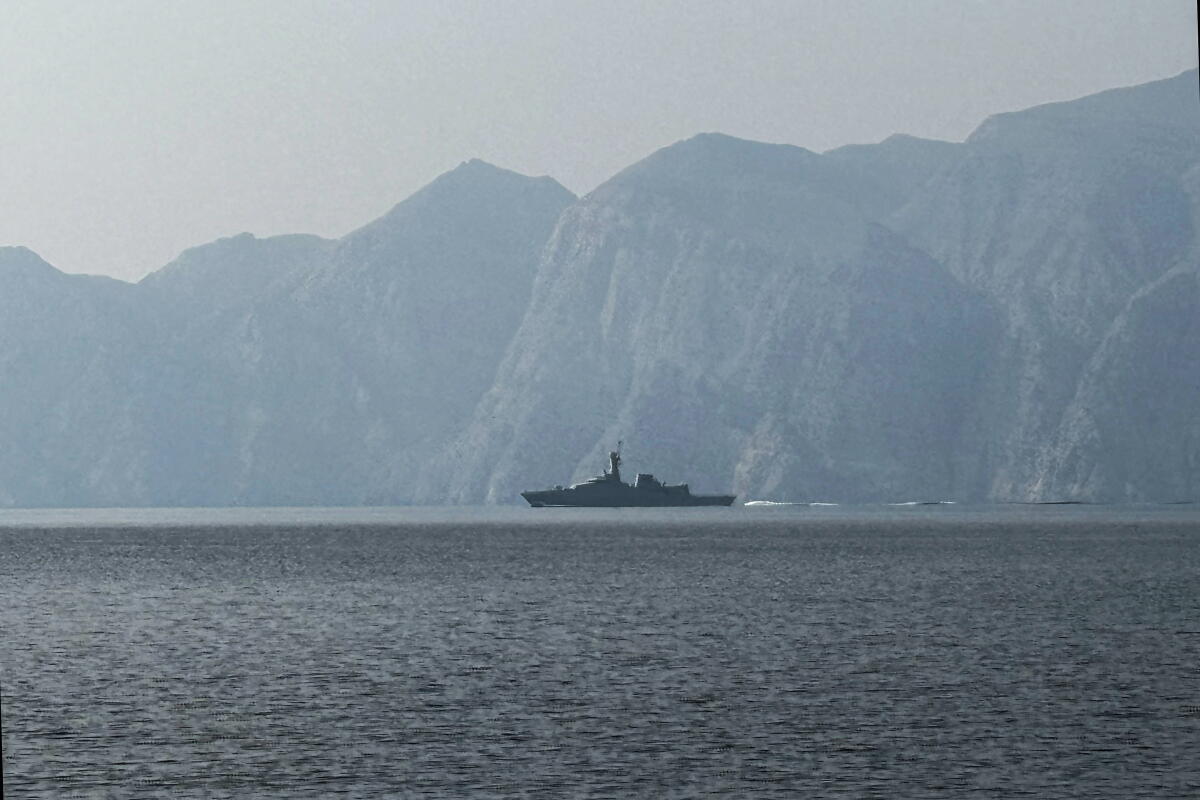
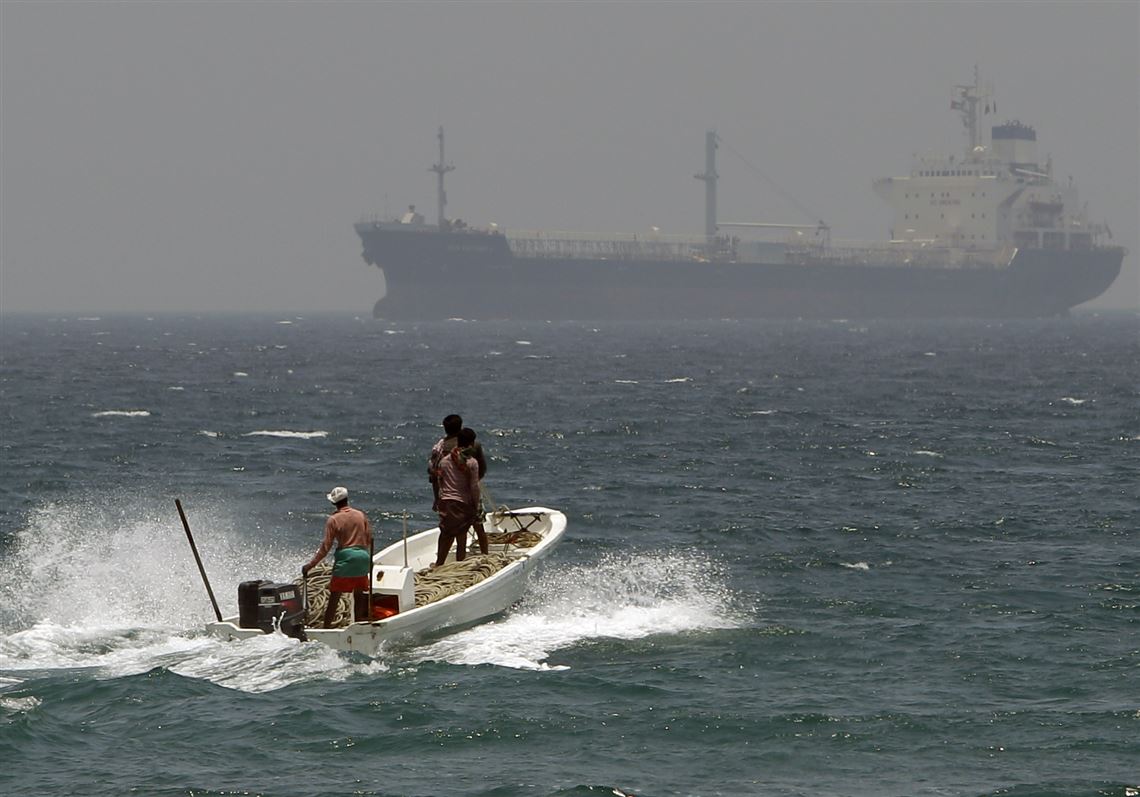
The March 2024 escalation in Middle East conflict has created a critical supply chain disruption that directly impacts cross-border e-commerce sellers' operational costs and logistics planning. While OPEC+ announced a modest 206,000 barrels-per-day output increase on March 2, 2024, the Strait of Hormuz—through which 20 million bpd of crude and refined products transit daily—has become effectively impassable due to ship owners and insurers avoiding the conflict zone. This geopolitical risk has driven Brent crude futures up 13.6% to $82.37 per barrel on March 3, 2024, with broader implications for shipping fuel surcharges and logistics costs across all e-commerce corridors.
Immediate Shipping Cost Impact: The supply disruption creates significant cost pressures for cross-border sellers relying on ocean freight. Fuel surcharges on container shipping typically increase 8-15% when crude prices spike above $80/barrel, directly affecting sellers shipping from Asia to North America and Europe. For a seller moving 500 containers monthly from China to the US, this translates to $15,000-$30,000 in additional monthly fuel surcharge costs. Smaller sellers (100-200 containers/month) face $3,000-$6,000 incremental costs. The disruption is particularly acute for sellers dependent on LNG-powered shipping and energy-intensive logistics, as Qatar's LNG shipments (20% of global supply) also transit the Strait of Hormuz.
Strategic Sourcing and Inventory Shifts: China, the world's largest crude importer, recorded January arrivals at 11.61 million bpd and February estimates at 13.42 million bpd—exceeding December's previous record of 13.18 million bpd. However, China is expected to reduce crude imports by up to 2 million bpd by May-June 2024 as current cargoes arrive, signaling potential manufacturing slowdowns in energy-intensive sectors (chemicals, plastics, textiles). This creates a critical timing window for sellers: inventory sourced from China in April-May will face higher production costs, while goods already in transit benefit from lower historical pricing. Sellers should accelerate shipments of high-margin products before May-June when Chinese production constraints tighten supply. India may increase Russian crude purchases, potentially shifting manufacturing cost structures for sellers sourcing from Indian suppliers.
Compliance and Risk Mitigation: The conflict's duration remains the critical unknown variable determining market recovery. Iran has not actively blocked the waterway, meaning rapid recovery is possible once hostilities cease—potentially within weeks. However, both sides possess sufficient munitions for extended conflict. Sellers should monitor daily shipping route updates and consider diversifying logistics providers to include alternative routes (Suez Canal alternatives, air freight for high-value items). Strategic petroleum reserve releases by importing nations may stabilize prices by May-June, creating a potential cost relief window for sellers to lock in shipping contracts.
Questions 8
Which product categories are most affected by shipping cost increases?
High-volume, lower-margin categories are most vulnerable: electronics, textiles, plastics, chemicals, and home goods. These categories typically operate on 15-25% margins and absorb shipping costs as a percentage of COGS. Luxury goods and high-margin items (jewelry, premium electronics) can pass costs to consumers more easily. Energy-intensive manufacturing sectors in China—particularly chemicals and plastics—face production cost increases as crude imports decline by up to 2 million bpd through May-June. Sellers in these categories should prioritize inventory acceleration before May and consider price increases of 5-8% to maintain margins.
Should sellers shift sourcing away from China due to the disruption?
Short-term sourcing shifts are not recommended, but strategic diversification is prudent. China remains the lowest-cost manufacturing hub despite temporary energy constraints. The disruption is expected to ease by May-June 2024 as crude imports stabilize. However, sellers should evaluate Vietnam, India, and Indonesia as secondary sourcing options for 20-30% of inventory to reduce single-country risk. India may increase Russian crude purchases, potentially lowering manufacturing costs there. Diversification provides flexibility if the conflict extends beyond June 2024, but maintaining China as primary source preserves cost advantages for most categories.