


Crypto ATM Bans Create Compliance Moat | Payment Processing Sellers Face New Regulatory Barriers
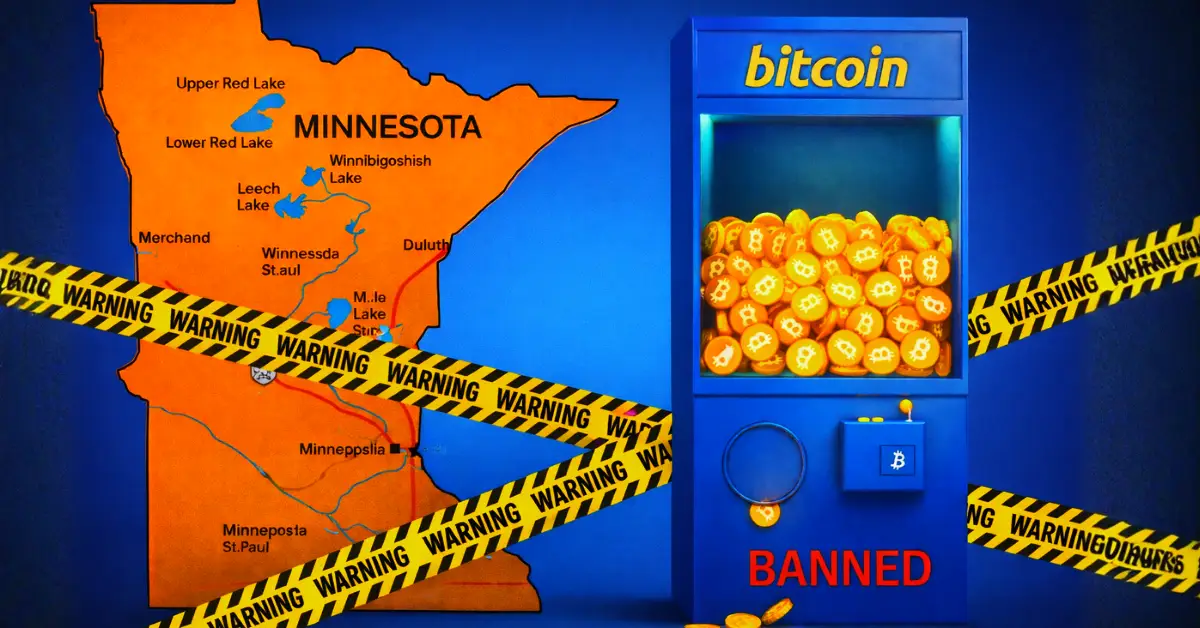
- Minnesota HF3642 and West Virginia bills eliminate 350+ kiosks, creating $540K+ fraud precedent affecting digital payment sellers nationwide
























Overview
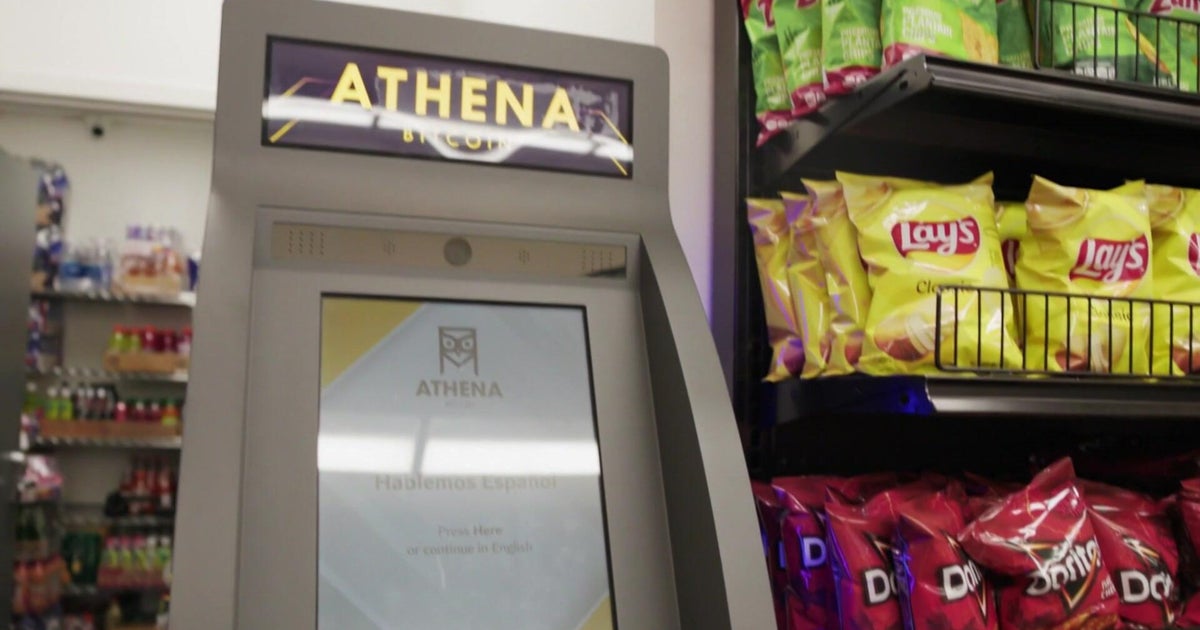
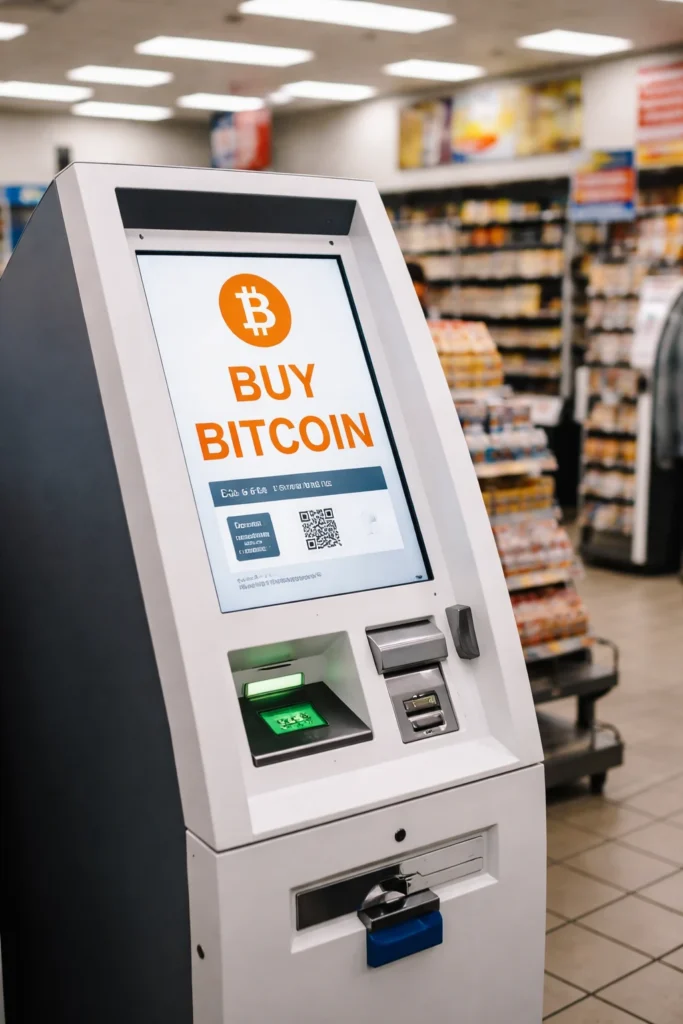
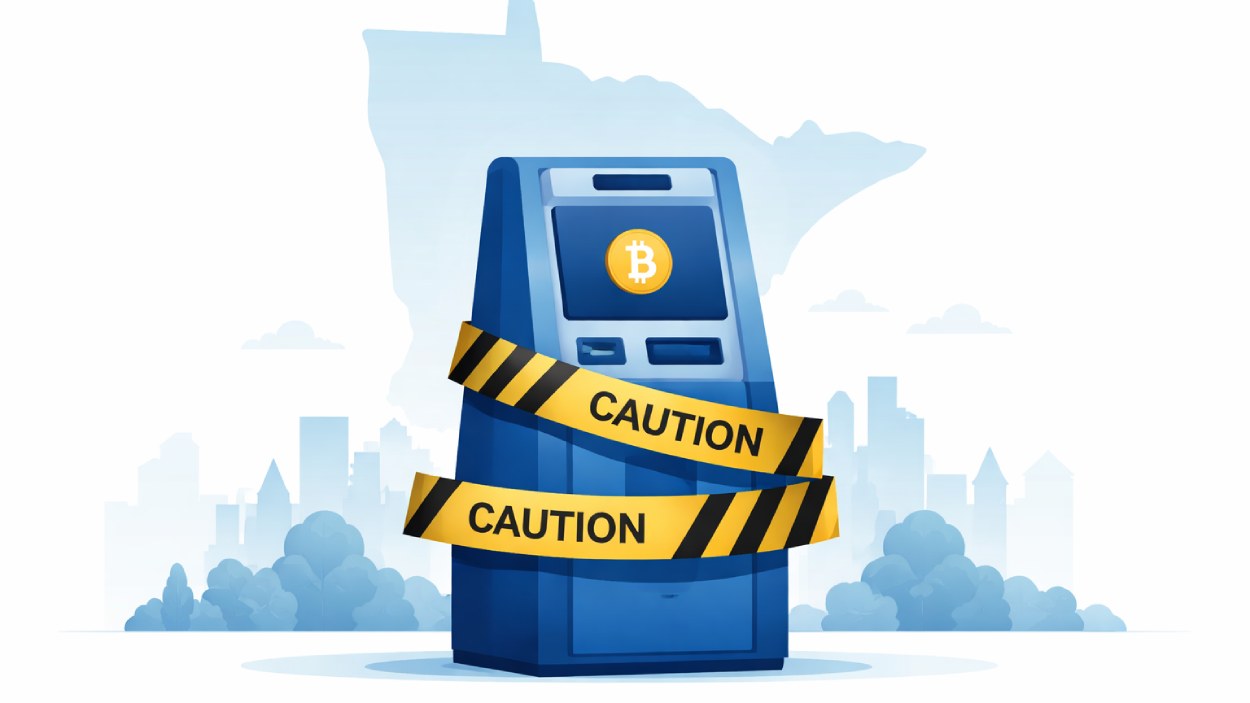
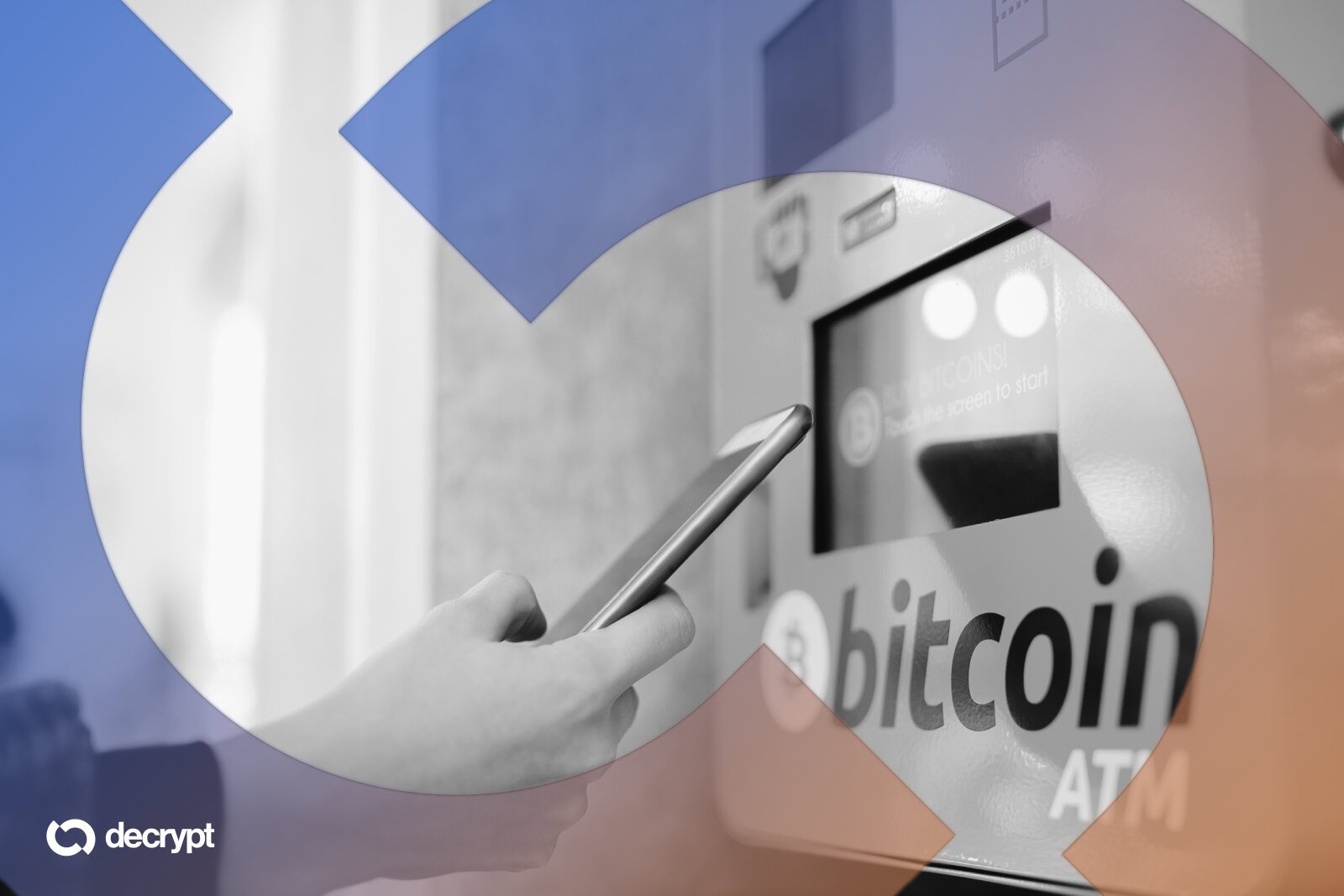
Regulatory compliance barriers are reshaping digital payment infrastructure across the US, with Minnesota's HF3642 and West Virginia's HB5353/SB887 establishing the first state-level cryptocurrency ATM bans targeting fraud prevention. The Minnesota legislation stems from 70 official fraud complaints totaling $540,000 in 2025, with only 48 complaints (68%) resulting in refunds averaging just 16% of stolen amounts—demonstrating the enforcement gap that regulators are now closing. This creates a critical compliance moat for payment processors and fintech sellers: approximately 350 licensed cryptocurrency kiosks in Minnesota face potential elimination, while West Virginia's $7.6M in 2024 crypto scam losses signal similar regulatory pressure nationwide.
For e-commerce sellers accepting cryptocurrency or alternative payment methods, this represents a fundamental shift in payment processing compliance requirements. The legislation specifically targets transaction limits and holding periods—the exact safety protocols that CoinFlip and competitors claim provide adequate protection. With only 1% fraud rates reported by compliant operators versus 68% complaint resolution rates, regulators are establishing a precedent that existing safeguards are insufficient. This creates immediate compliance opportunities: sellers offering verified payment processing solutions, fraud detection tools, and age-verification systems for digital transactions will see increased demand as merchants seek to avoid regulatory liability. The $540K Minnesota loss pool and $7.6M West Virginia losses represent addressable market segments where compliance-first payment solutions command premium pricing.
The competitive elimination effect is substantial and measurable. Bill HF3642's prohibition on virtual currency kiosks accepting cash and debit cards will force approximately 350 Minnesota operators to either cease operations, relocate, or pivot to non-cash models. This 100% market elimination rate for non-compliant operators creates a protected market for compliant alternatives. Sellers in adjacent categories—fraud detection software, identity verification systems, transaction monitoring platforms, and senior-focused financial protection products—will experience accelerated adoption as merchants and platforms rush to demonstrate compliance. The precedent effect is critical: if Minnesota's ban succeeds legislatively, expect similar bills in 15-20 additional states within 18-24 months, affecting 2,000+ kiosks nationally and creating a $50-100M compliance services market.
Strategic opportunities emerge in three compliance service categories: (1) Payment processor certification and compliance consulting for merchants accepting digital currencies—estimated $200-500 per merchant annually; (2) Fraud detection and transaction monitoring tools specifically designed for vulnerable populations (seniors, low-income users)—estimated $5-15K per deployment; (3) Age-verification and identity authentication systems that exceed regulatory minimums—estimated $50-200K per platform integration. Sellers currently offering generic payment processing will face margin compression as compliance costs rise 15-25% per transaction. However, sellers who position as "regulatory-compliant payment solutions" can capture 20-30% premium pricing during the 12-18 month transition period before compliance becomes table-stakes.
Questions 8
What is the market size for compliance services created by cryptocurrency ATM regulations?
The regulatory wave affecting cryptocurrency kiosks creates a $50-100M compliance services market opportunity across 15-20 states expected to pass similar legislation within 18-24 months. Minnesota's $540K fraud loss pool and West Virginia's $7.6M in 2024 crypto scam losses represent addressable market segments where compliance-first solutions command premium pricing. Three primary service categories emerge: (1) payment processor certification at $200-500 per merchant annually, (2) fraud detection tools at $5-15K per deployment, and (3) identity authentication systems at $50-200K per platform integration. The 68% complaint resolution rate (only 48 of 70 complaints resulted in refunds) demonstrates the enforcement gap that regulators are closing, creating urgency for merchants to adopt compliant solutions.
Which seller categories will see increased demand from cryptocurrency regulation?
Four seller categories will experience accelerated adoption: (1) fraud detection software and transaction monitoring platforms designed for vulnerable populations, (2) age-verification and identity authentication technology providers, (3) compliance consulting and regulatory advisory services for fintech merchants, and (4) senior-focused financial protection products. The Minnesota legislation specifically targets elderly citizens, with one documented case involving a senior losing 50% of monthly income at a gas station cryptocurrency kiosk. This demographic focus creates a specialized market for sellers offering age-gated payment solutions and fraud alerts targeting seniors. Merchants will prioritize vendors who can demonstrate compliance with emerging state regulations, creating a 12-18 month window where compliance-first sellers capture premium pricing before standards normalize.