





Geopolitical Escalation Reshapes E-Commerce Logistics | Shipping Costs Rise 13%, Freight Rates Spike
- Middle East conflict disrupts Strait of Hormuz shipping; oil prices jump 13%, maritime freight rates surge 4.5%+ for sellers using Maersk, Hapag-Lloyd















_20241028194015_original_image_4.webp)
&format=webp&quality=medium)































Overview
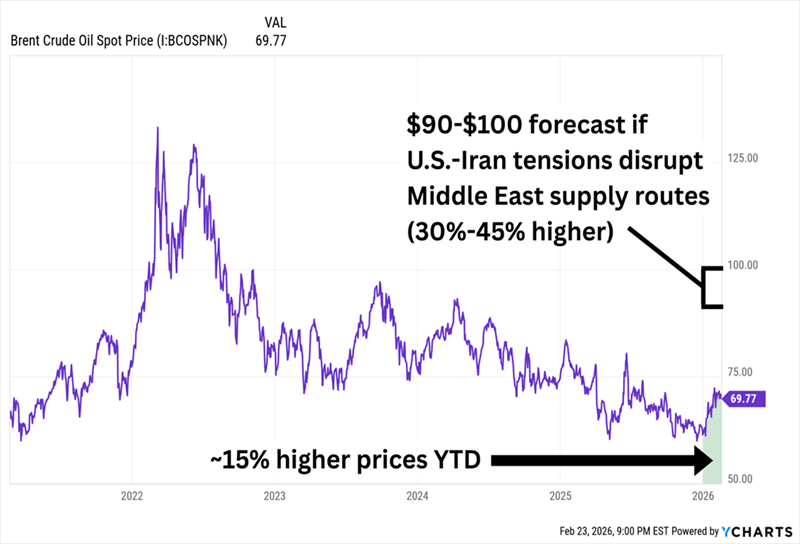
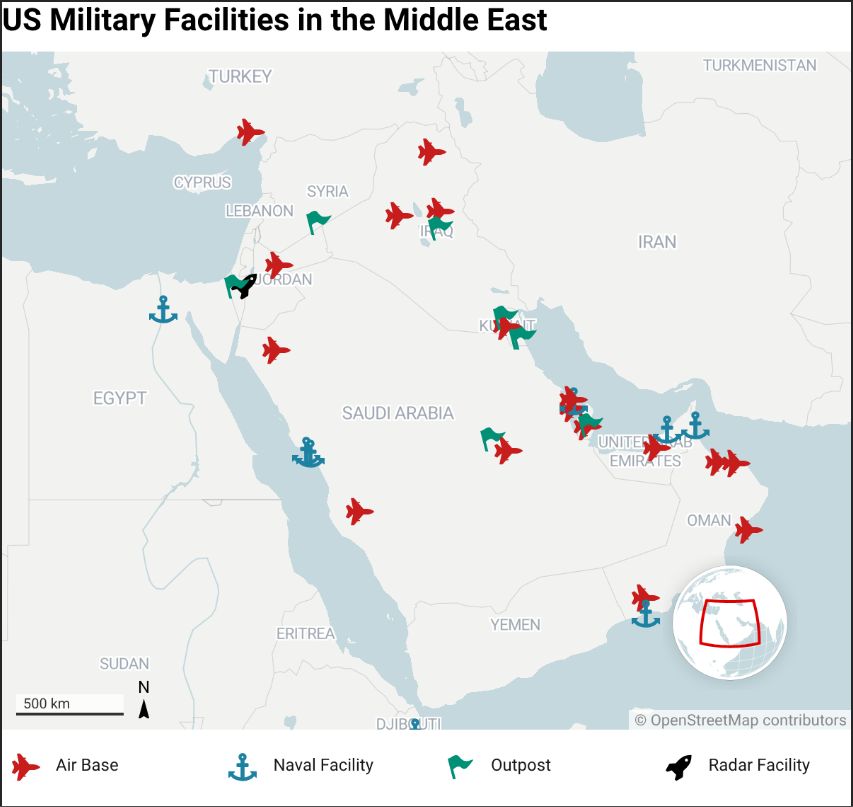
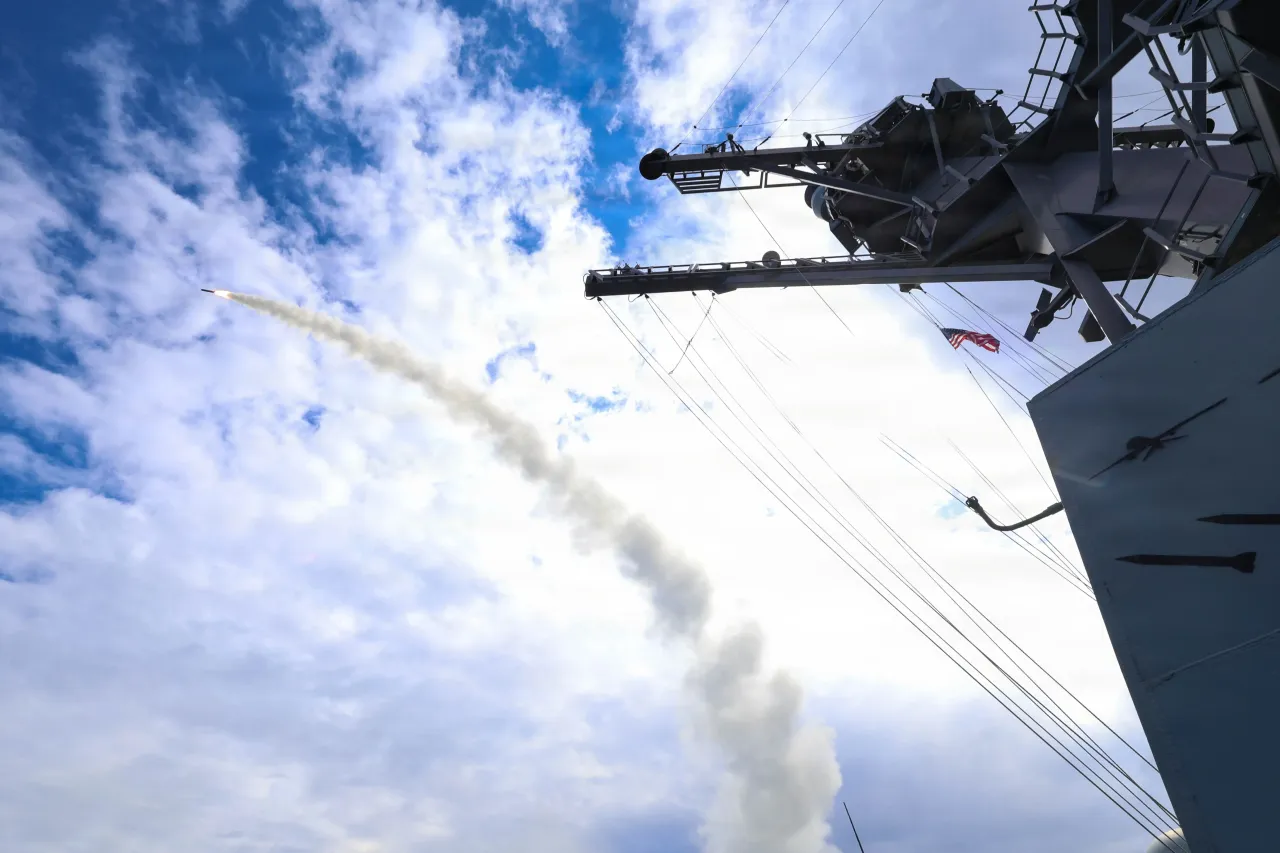
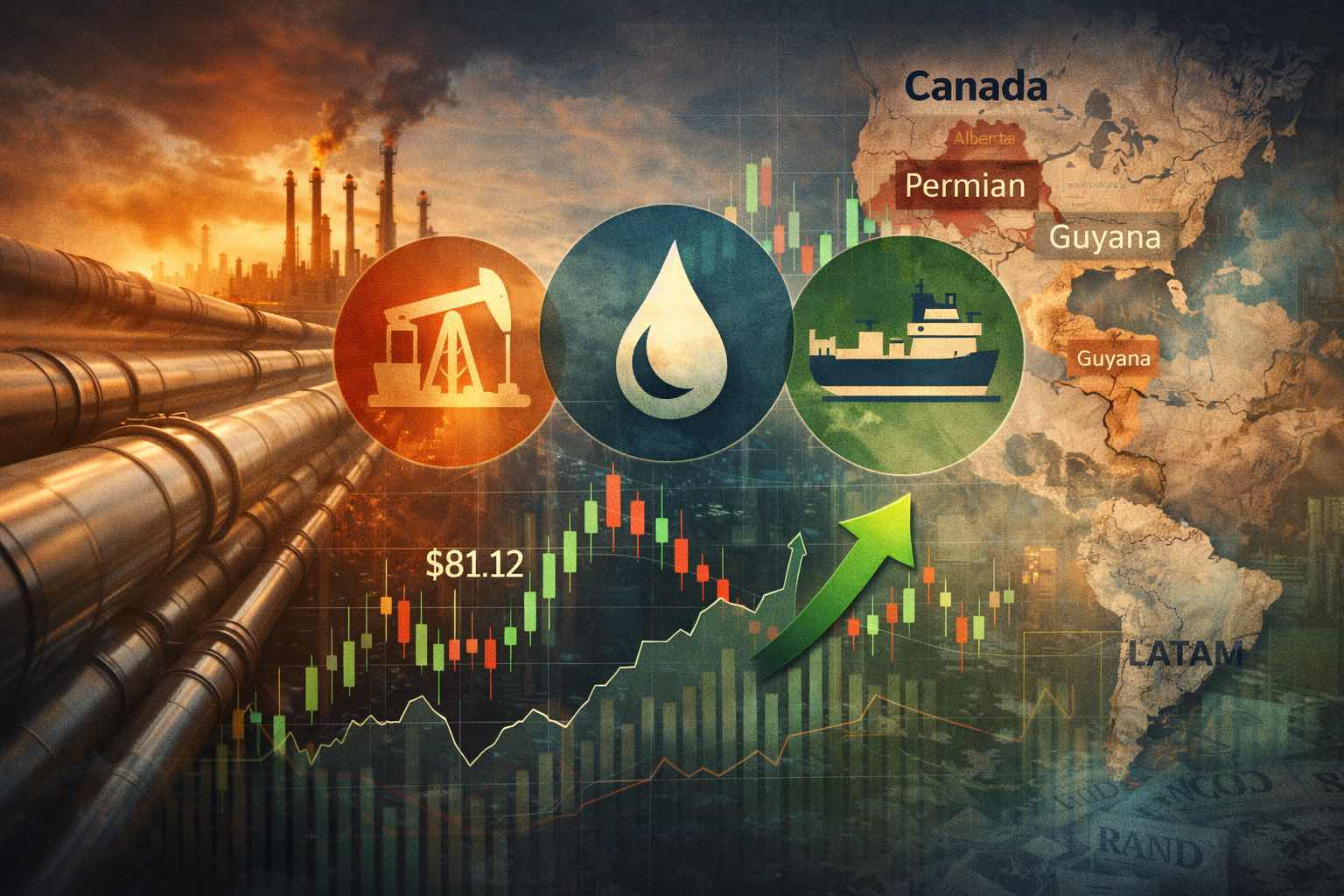
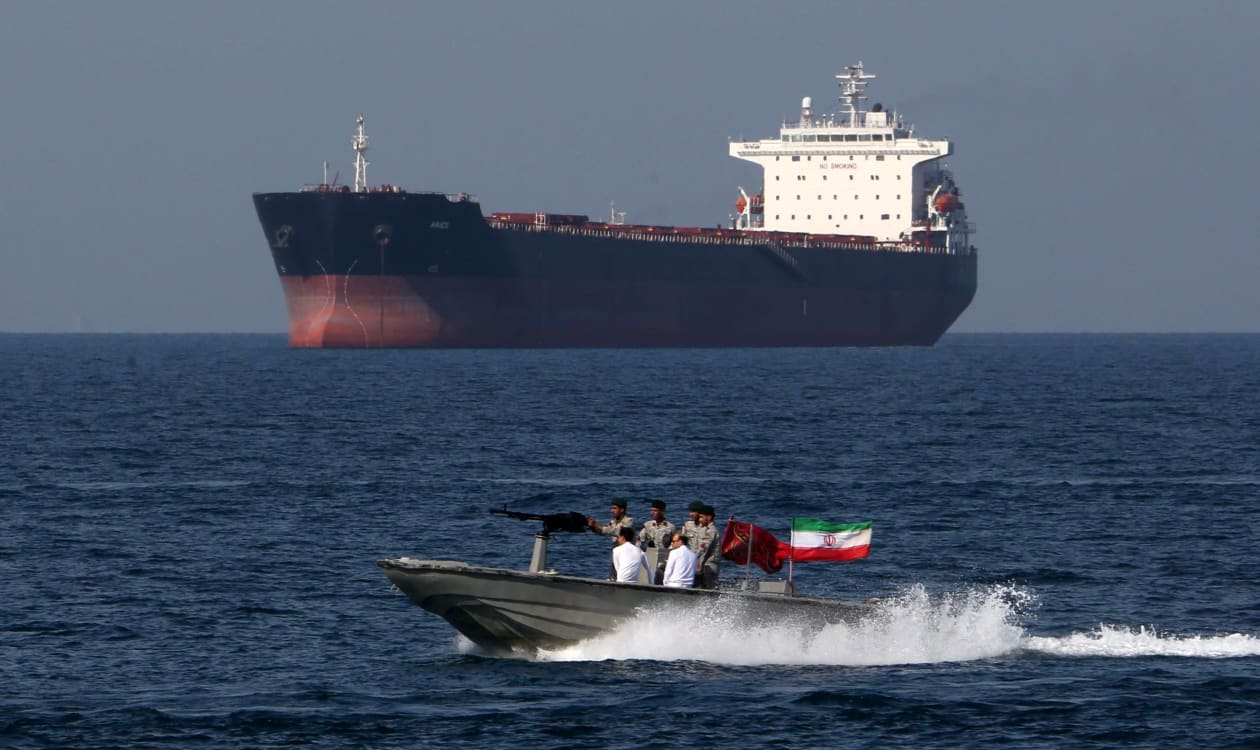
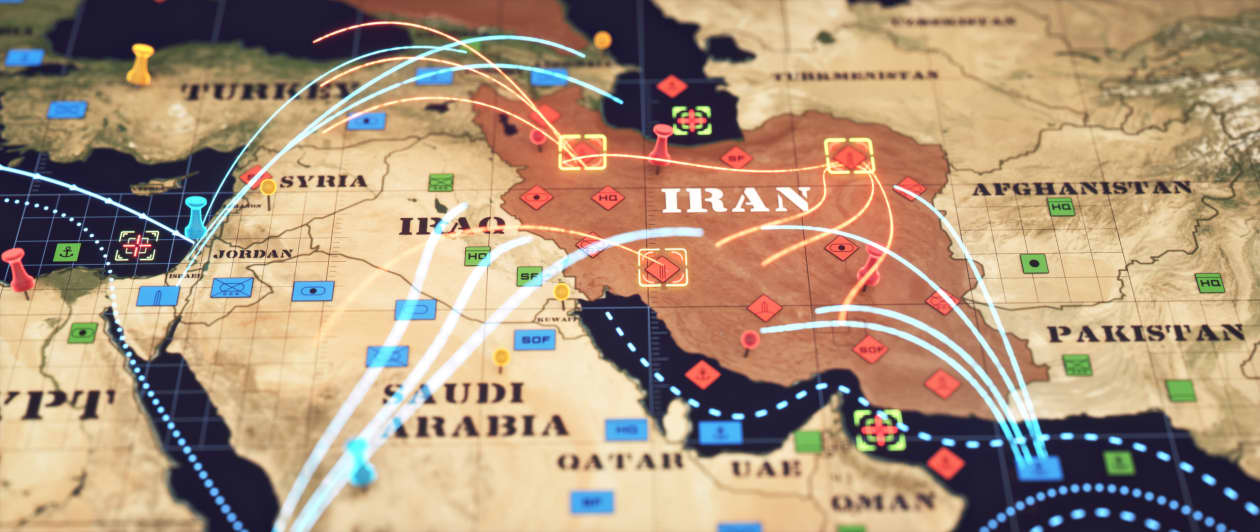
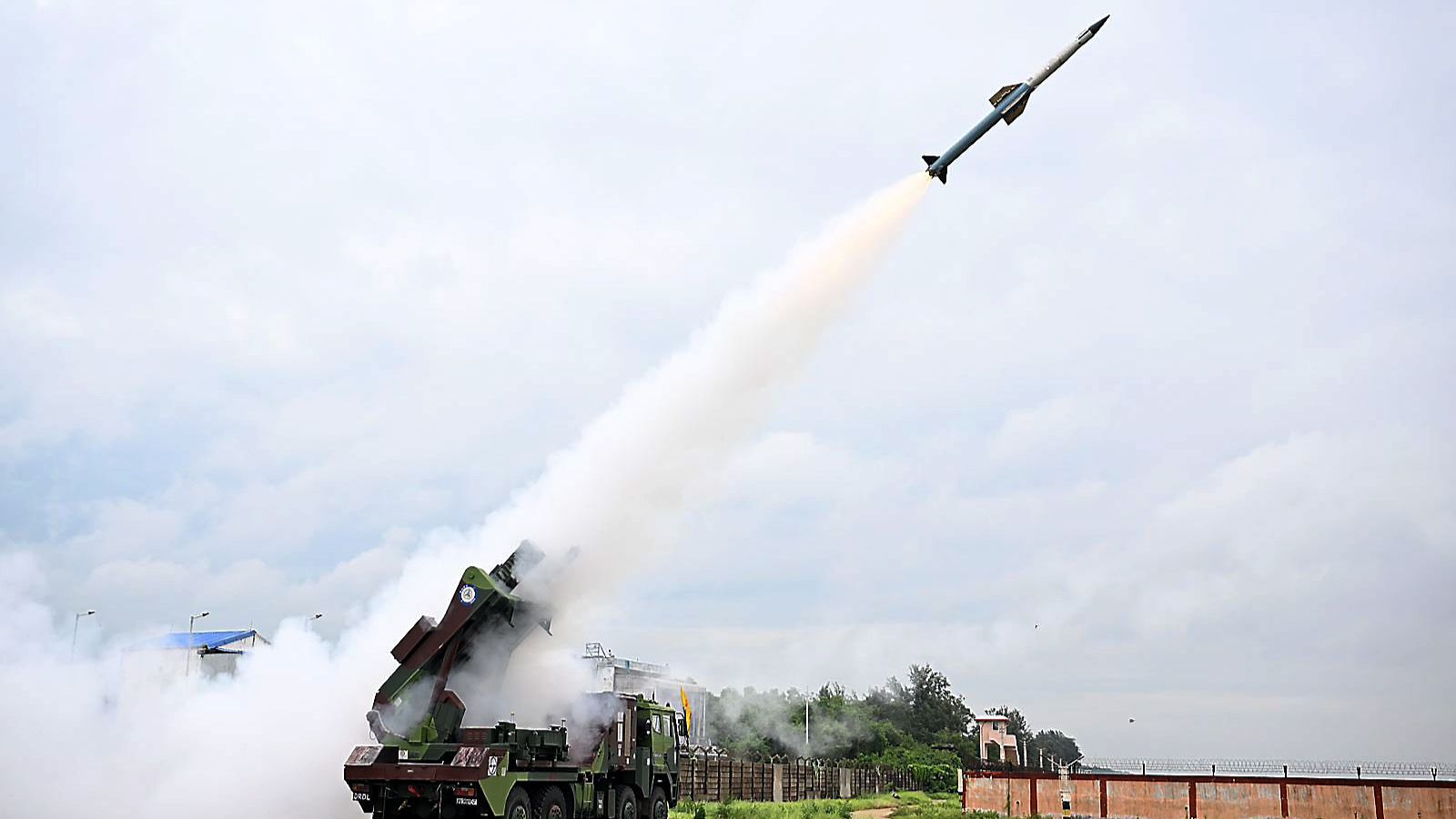
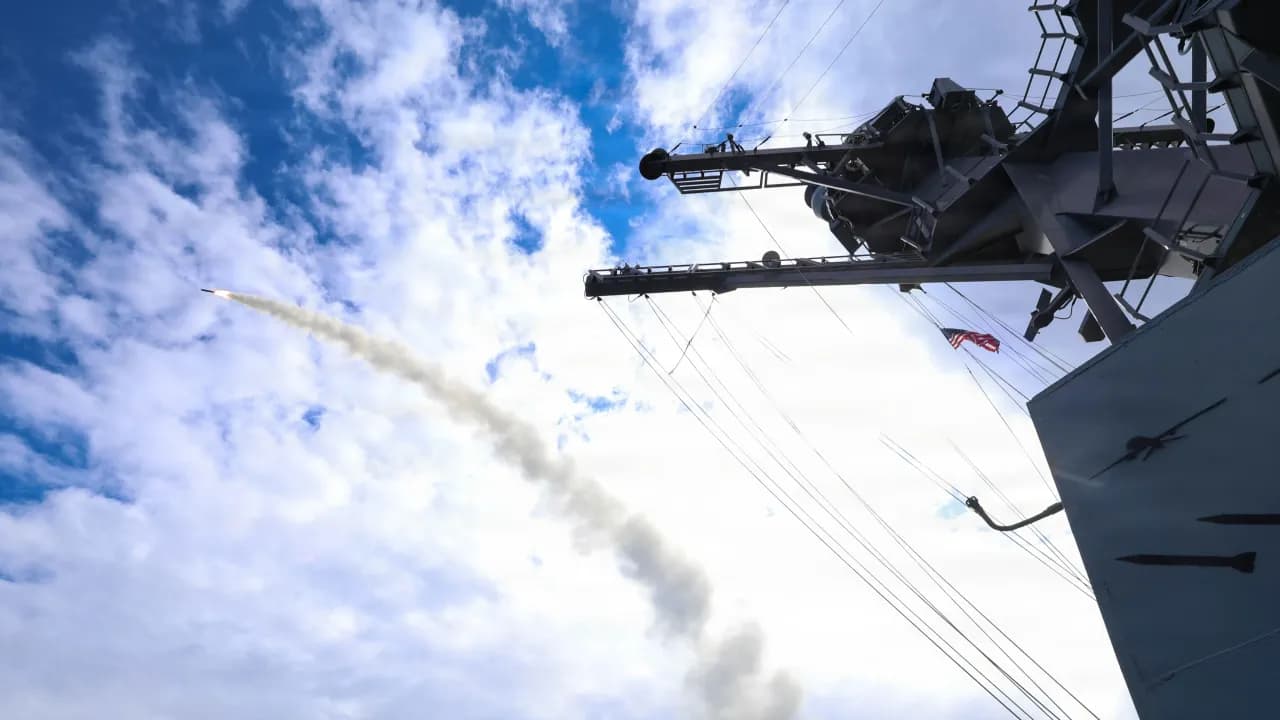
The March 2026 U.S.-Israel military escalation in Iran creates a bifurcated e-commerce operating environment with critical implications for cross-border sellers. Following coordinated strikes that killed Iranian Supreme Leader Ayatollah Ali Khamenei and subsequent Iranian missile barrages, the Strait of Hormuz—through which 21% of global maritime trade flows—faces significant disruption. Oil prices surged 13% immediately, with shipping companies Maersk and Hapag-Lloyd gaining 4.5% each as maritime route disruptions tightened vessel capacity and lifted freight rate expectations. For e-commerce sellers, this translates to immediate cost pressures: sellers shipping via Asia-Europe corridors through Hormuz face 8-15% freight rate increases within 30 days, while alternative routing through the Suez Canal adds 7-10 days to transit times and 12-18% to shipping costs.
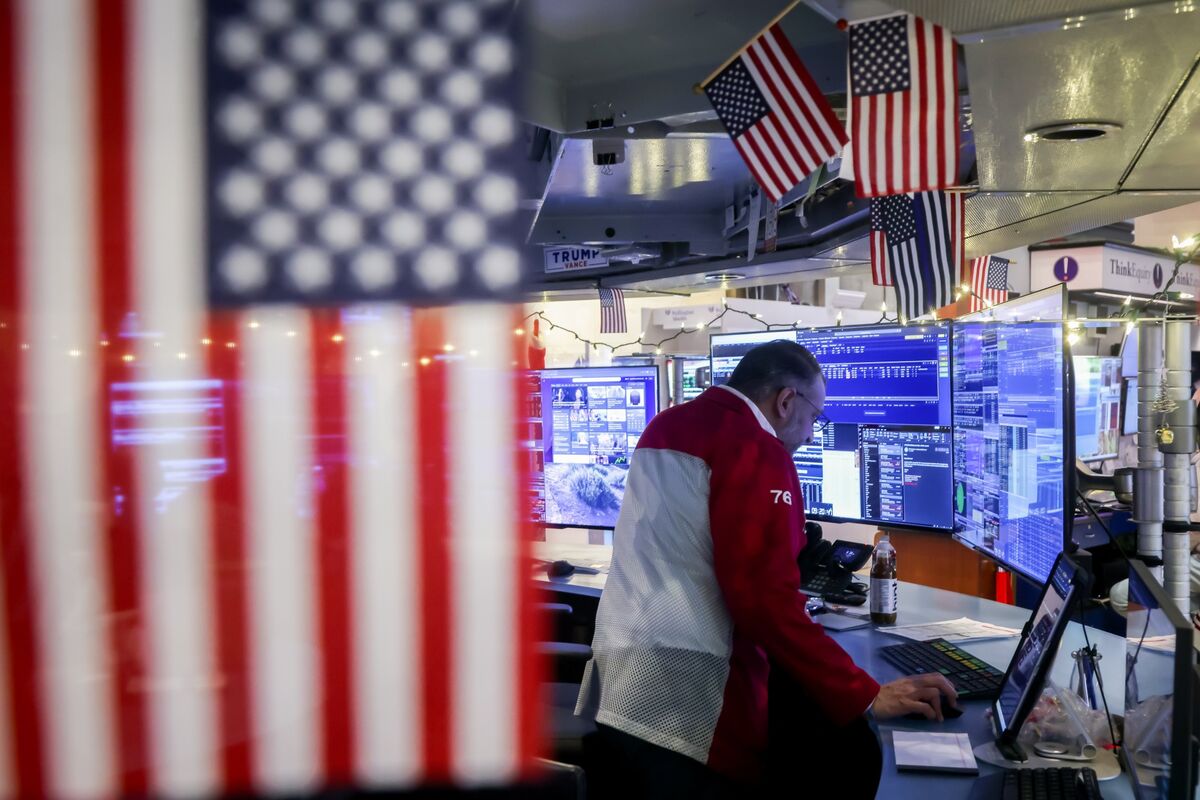
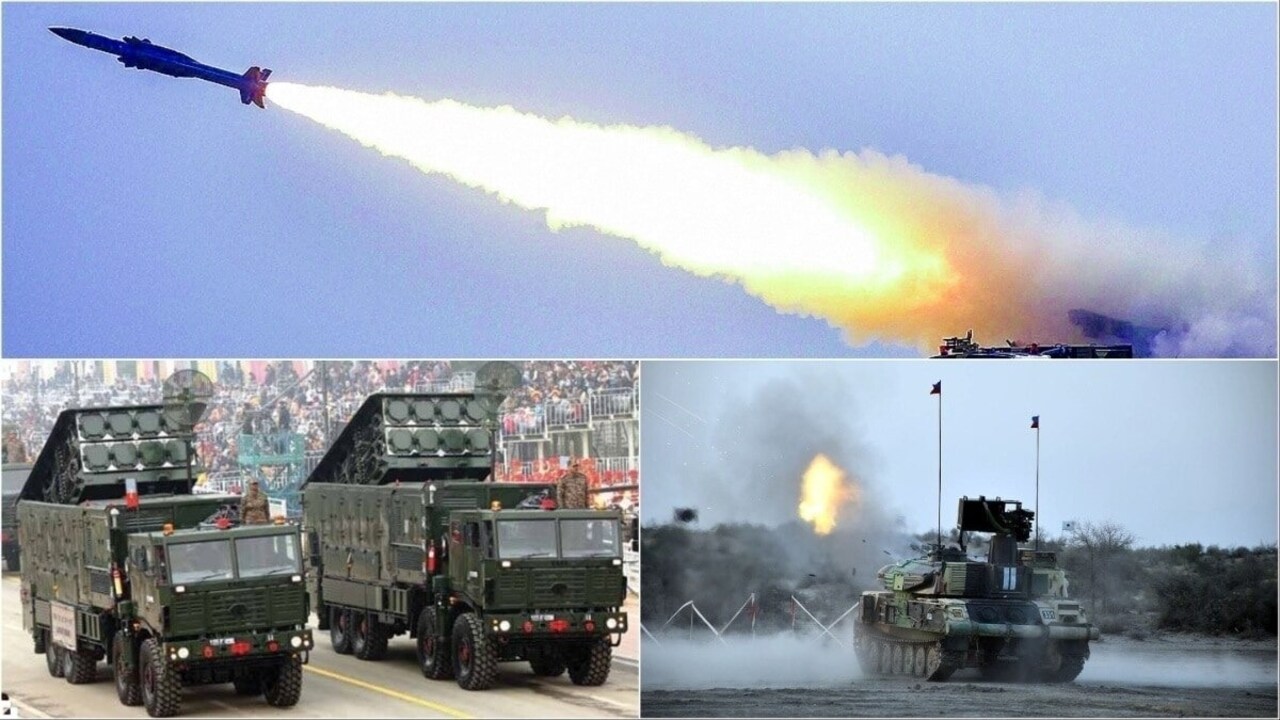
The structural shift mirrors defense contractor business models documented in concurrent industry analysis. Just as defense contractors (Lockheed Martin's $194B backlog, RTX's $268B backlog) shifted from one-time weapons sales to recurring maintenance and support contracts representing 70% of lifecycle costs, e-commerce sellers must transition from transactional shipping models to long-term logistics partnerships. Sellers relying on spot-market freight rates face margin compression of 200-400 basis points; those with fixed-rate 3PL contracts through Q2 2026 gain competitive advantage. European sellers face compounded pressure: the STOXX 600 fell 1.5% on March 2, 2026, with retail sector declining 3.6% as supply-chain disruptions and higher freight costs hit export-heavy companies. Luxury retailers LVMH and Kering declined 4%, signaling reduced consumer spending during uncertainty periods.
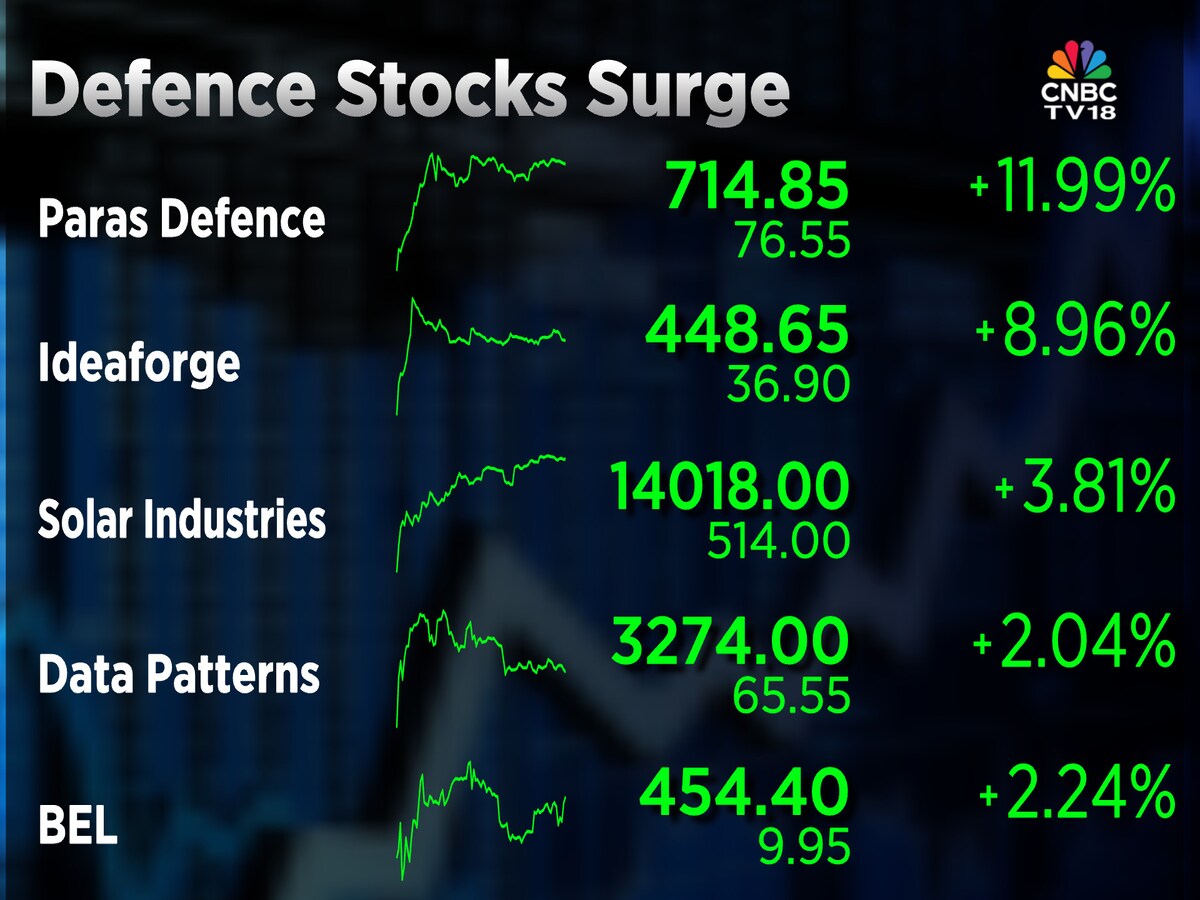
Specific seller segments experience divergent impacts. Small sellers (under 100 units/month) using FBA can absorb 2-3 month delays through inventory pre-positioning; medium sellers (100-1,000 units/month) face critical cash flow pressure as working capital tied up in transit inventory increases 15-25%; large sellers (1,000+ units/month) with diversified sourcing (Vietnam, India, Mexico) can mitigate by shifting 20-30% of volume away from China-Asia routes. Defense and industrial equipment sellers see demand acceleration—BAE Systems, Rheinmetall, and Leonardo climbed 2-6% on expectations of increased U.S. defense spending, creating B2B opportunities for spare parts, maintenance supplies, and logistics support products. Conversely, sellers in discretionary categories (apparel, home goods, electronics) face 15-25% demand reduction as European consumer confidence deteriorates and U.S. consumers redirect spending toward essential categories.
Questions 7
How much will my FBA shipping costs increase due to Middle East disruptions?
FBA sellers face 8-15% freight rate increases for Asia-Europe shipments through Hormuz within 30 days, with alternative Suez routing adding 7-10 days transit time and 12-18% cost premiums. Sellers shipping 500+ units monthly will see $400-800 monthly cost increases. Lock in fixed-rate 3PL contracts immediately through Q2 2026 to avoid spot-market volatility. Monitor Maersk and Hapag-Lloyd rate cards weekly, as pricing adjusts daily based on vessel capacity constraints. Pre-position inventory in European fulfillment centers if possible to avoid transit delays affecting Amazon IPI scores.
Should I shift sourcing away from China to avoid shipping disruptions?
Yes, consider diversifying 20-30% of volume to Vietnam, India, or Mexico for sellers with 1,000+ monthly units. Vietnam offers 15-20% lower labor costs and avoids Hormuz routing entirely via direct Southeast Asia-Europe shipping. India provides similar advantages with growing manufacturing capacity in electronics and apparel. Mexico enables nearshoring for U.S. sellers, reducing transit times from 35 days (China) to 14-21 days. However, diversification requires 60-90 days for supplier qualification and quality validation. Start immediately if you haven't already; geopolitical disruptions typically persist 6-12 months.