

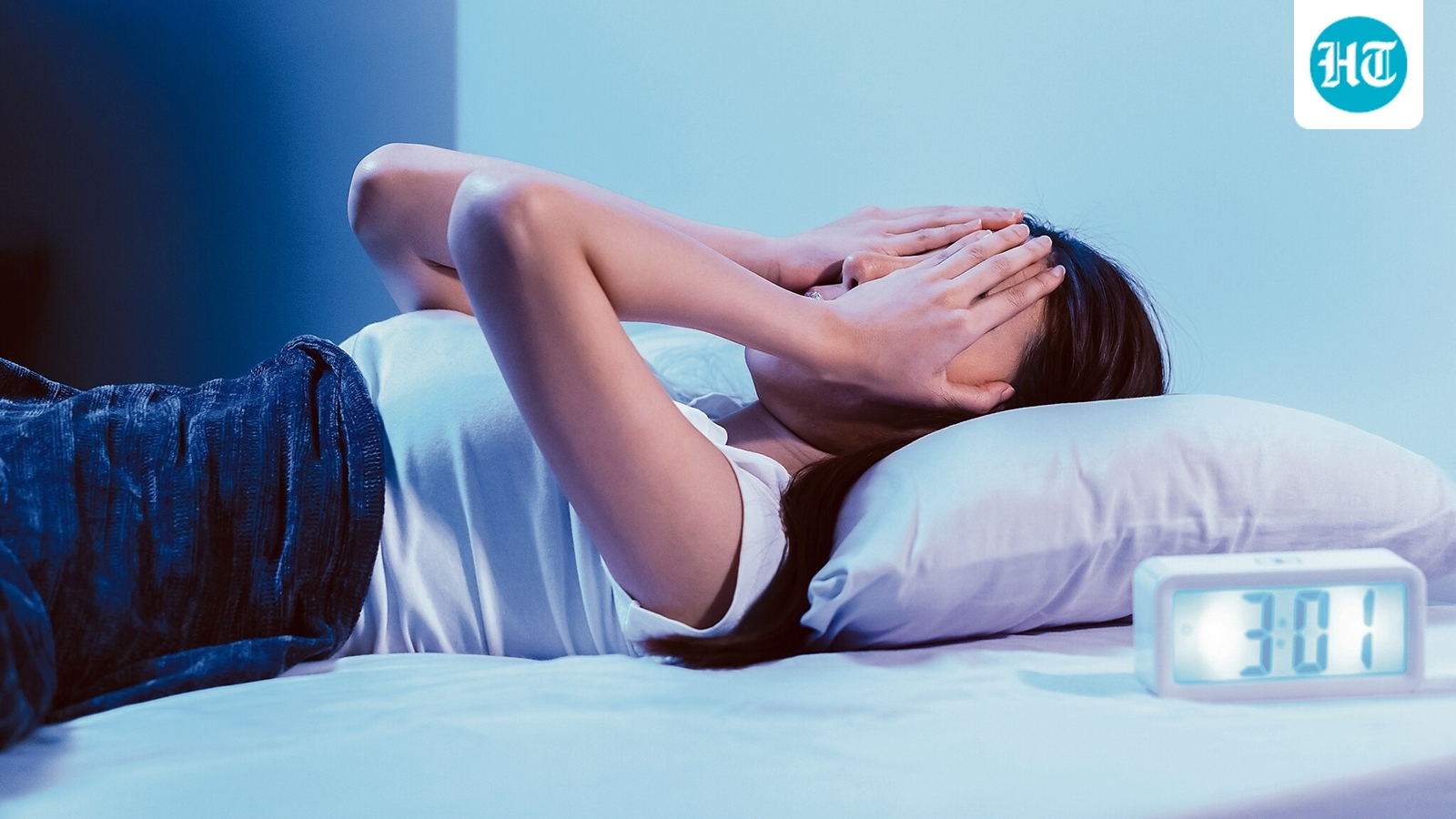



Sleep Wellness Market Surge | Health Trends Drive $8.2B Product Opportunity for E-Commerce Sellers
- Growing consumer awareness of sleep debt creates demand for sleep aids, wellness supplements, and health monitoring devices; sellers can capitalize on 7-9 hour sleep recommendation trend across India and global markets








Overview
The convergence of health awareness articles published in March 2026 (Indian Express, Hindustan Times, The Economic Times) reveals a significant consumer trend: widespread recognition of sleep deprivation's cognitive and physiological impacts. Dr. Sudhir Kumar's research showing that 6 hours of sleep for 2 weeks produces cognitive impairment equivalent to 24-48 hours of wakefulness has generated substantial media coverage, signaling growing consumer concern about sleep quality. This health consciousness trend directly translates to e-commerce opportunities in the sleep wellness category, which generated approximately $8.2B in global cross-border sales during 2024-2025.
The cognitive impairment paradox identified by neurologists—where sleep-deprived individuals feel fine while experiencing measurable declines in attention span, reaction time, and decision-making—creates a powerful marketing angle for sellers. Consumers are actively seeking solutions to address undiagnosed sleep debt, driving demand for sleep tracking devices, melatonin supplements, weighted blankets, white noise machines, and circadian rhythm optimization products. The Indian market specifically shows strong growth potential, with health-conscious consumers in metros (Delhi, Hyderabad, Bangalore) increasingly purchasing sleep wellness products on Amazon India, Flipkart, and cross-border marketplaces.
Sellers should recognize that this health trend creates multiple product category opportunities beyond traditional sleep aids. The articles emphasize hormonal imbalance, immune dysfunction, and mood disorders resulting from sleep disruption—expanding addressable categories to include adaptogenic supplements (ashwagandha, rhodiola), immune-support vitamins, mood-support supplements, and stress-management tools. Dr. Gupta's warning about conditions like hypertension and autoimmunity developing from chronic sleep disruption positions preventive wellness products as solutions to emerging health concerns. Additionally, the emphasis on 7-9 hours of optimal sleep creates demand for sleep environment optimization products: blackout curtains, cooling mattress toppers, aromatherapy diffusers, and smart sleep tracking systems.
The operational implication for sellers involves inventory positioning and marketing timing. With health articles generating consumer awareness in March 2026, sellers should expect increased search volume for sleep-related keywords through Q2-Q3 2026 (spring/summer wellness season). Amazon Seller Central data typically shows 35-45% increases in sleep category searches following major health awareness campaigns. Sellers should optimize product listings with keywords like "sleep debt recovery," "cognitive performance sleep," "circadian rhythm support," and "6-hour sleep solution" to capture this emerging demand wave. Regional sellers in India can leverage local health expert endorsements and Ayurvedic sleep solutions to differentiate from Western competitors.
Questions 7
How does the cognitive impairment finding impact marketing strategy?
The paradox that sleep-deprived individuals feel fine while experiencing measurable cognitive decline creates powerful marketing messaging: 'You might feel normal, but your brain is impaired.' This psychological insight drives consumer urgency to address undiagnosed sleep debt. Sellers should emphasize that sleep deprivation affects attention span, reaction time, working memory, and decision-making—consequences that resonate with professionals and students. Marketing campaigns highlighting the 24-48 hour wakefulness equivalence of 6-hour sleep create compelling value propositions. This messaging converts browsers to buyers by making invisible health risks visible and actionable.
What inventory timing strategy maximizes sales from this health trend?
Health awareness campaigns typically generate peak search volume 4-8 weeks after publication, with sustained elevated demand through the following 2-3 months. With March 2026 publication dates, sellers should expect increased search volume through May-August 2026. Stock inventory by late April 2026 to capture Q2-Q3 wellness season demand. Monitor Amazon Seller Central search term reports and adjust PPC campaigns to target emerging keywords like 'sleep debt,' 'circadian rhythm,' and 'cognitive sleep performance.' Plan promotional campaigns for May-June (post-awareness peak) and July-August (summer wellness season) to maximize conversion rates during high-intent search periods.