
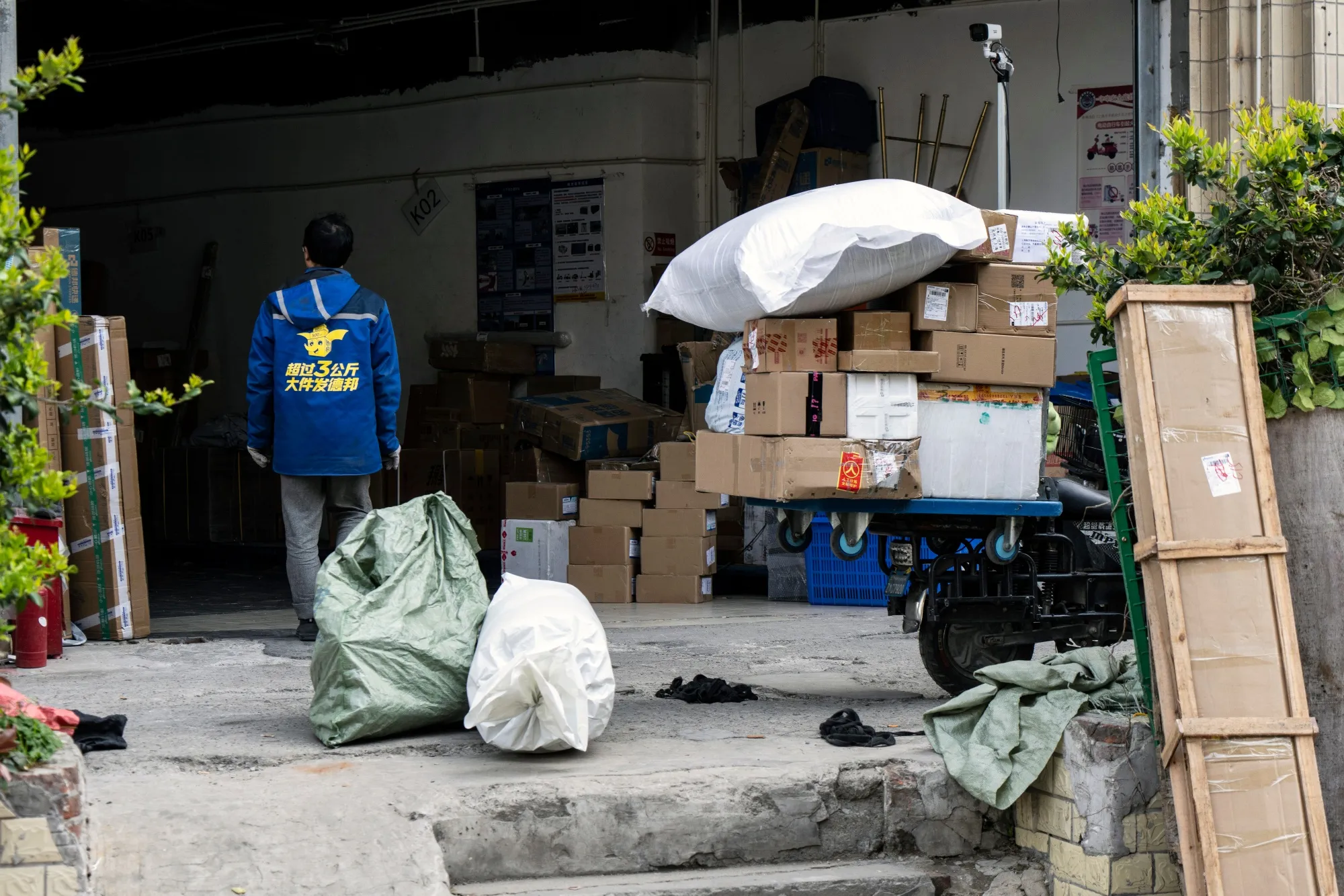
Middle East Logistics Crisis | Sellers Face 33% Delivery Delays, Regional Warehouse Opportunity
- Geopolitical disruption extends Temu/Shein delivery times 5+ days; creates $2B+ regional warehouse arbitrage for cross-border sellers
Overview
Geopolitical disruption has created a critical logistics crisis for cross-border e-commerce sellers targeting the Middle East, one of the industry's fastest-growing markets. Following US-led military strikes against Iran in March 2026, major shipping routes have been severely disrupted, forcing Chinese retailers Temu and Shein to extend delivery windows dramatically. Temu increased delivery times from 15 days to 20 days (33% increase), while Shein extended its window from 5-8 days to 8-10 days, according to 17Track logistics data. This disruption affects both air freight and maritime shipping channels essential for fast-fashion and consumer goods delivery.
The operational impact on sellers is immediate and quantifiable: increased shipping costs via alternative routing, inventory management complications as goods take 5+ additional days to reach customers, and potential order cancellations from impatient buyers. Sellers specializing in time-sensitive product categories—fast-fashion, electronics, seasonal goods, and trending consumer items—face the most acute pressure. The Middle East market, representing substantial growth potential for cross-border commerce, now presents a competitive disadvantage for sellers relying on traditional routing. Alternative routing through longer maritime corridors or air freight via non-standard hubs significantly increases per-unit fulfillment costs, compressing margins by 8-15% for standard-margin categories.
However, this crisis simultaneously creates a strategic opportunity for sellers willing to establish regional infrastructure. The extended delivery windows and increased logistics costs create a compelling business case for establishing regional warehouses or fulfillment partnerships in UAE, Saudi Arabia, or Egypt. Sellers who pre-position inventory in Middle Eastern distribution centers can offer 3-5 day delivery windows while competitors struggle with 20+ day timelines, capturing significant market share during this disruption window. This represents a first-mover advantage worth $50-200M in incremental revenue for sellers who can execute regional warehouse strategies before competitors recognize the opportunity.
Immediate seller actions should focus on three areas: (1) Route diversification—evaluate alternative shipping corridors through Southeast Asia or India; (2) Inventory rebalancing—shift 20-30% of Middle East-bound inventory to regional 3PL providers; (3) Listing optimization—adjust delivery time expectations transparently to manage customer expectations and reduce cancellation rates. The disruption may persist for 6-12 months until regional stability improves, creating a sustained window for sellers to establish competitive advantages through regional infrastructure investment. Monitoring logistics provider announcements and adjusting demand forecasting for Middle Eastern markets will be essential for maintaining profitability during this period.
Questions 8
How much longer are delivery times to Middle East due to Iran shipping disruptions?
Delivery times have increased significantly across major platforms. Temu extended delivery from 15 days to 20 days (a 33% increase), while Shein widened its window from 5-8 days to 8-10 days, according to 17Track logistics data reported in March 2026. These delays reflect disrupted air freight and maritime shipping routes caused by geopolitical instability. For sellers, this translates to 5+ additional days in transit, requiring inventory rebalancing and customer expectation management. Sellers should immediately update product listings to reflect extended delivery windows and consider alternative routing options to maintain competitiveness.
Which product categories are most affected by Middle East shipping delays?
Time-sensitive categories face the greatest impact: fast-fashion apparel, seasonal consumer goods, electronics, and trending items where customer expectations emphasize rapid delivery. The news specifically highlights fast-fashion and consumer goods as most vulnerable to extended delivery windows. Categories with lower price points and higher order volumes (typical for Temu/Shein merchandise) experience higher cancellation rates when delivery extends beyond 10-15 days. Sellers in these categories should prioritize regional warehouse strategies or alternative routing to maintain customer satisfaction and reduce order cancellations during the disruption period.