


Navigating the Uncertain Terrain of Sports Media and Content Dynamics
- Emerging challenges in sports reporting and content strategy amid fragmented media landscapes






























.webp)


Overview
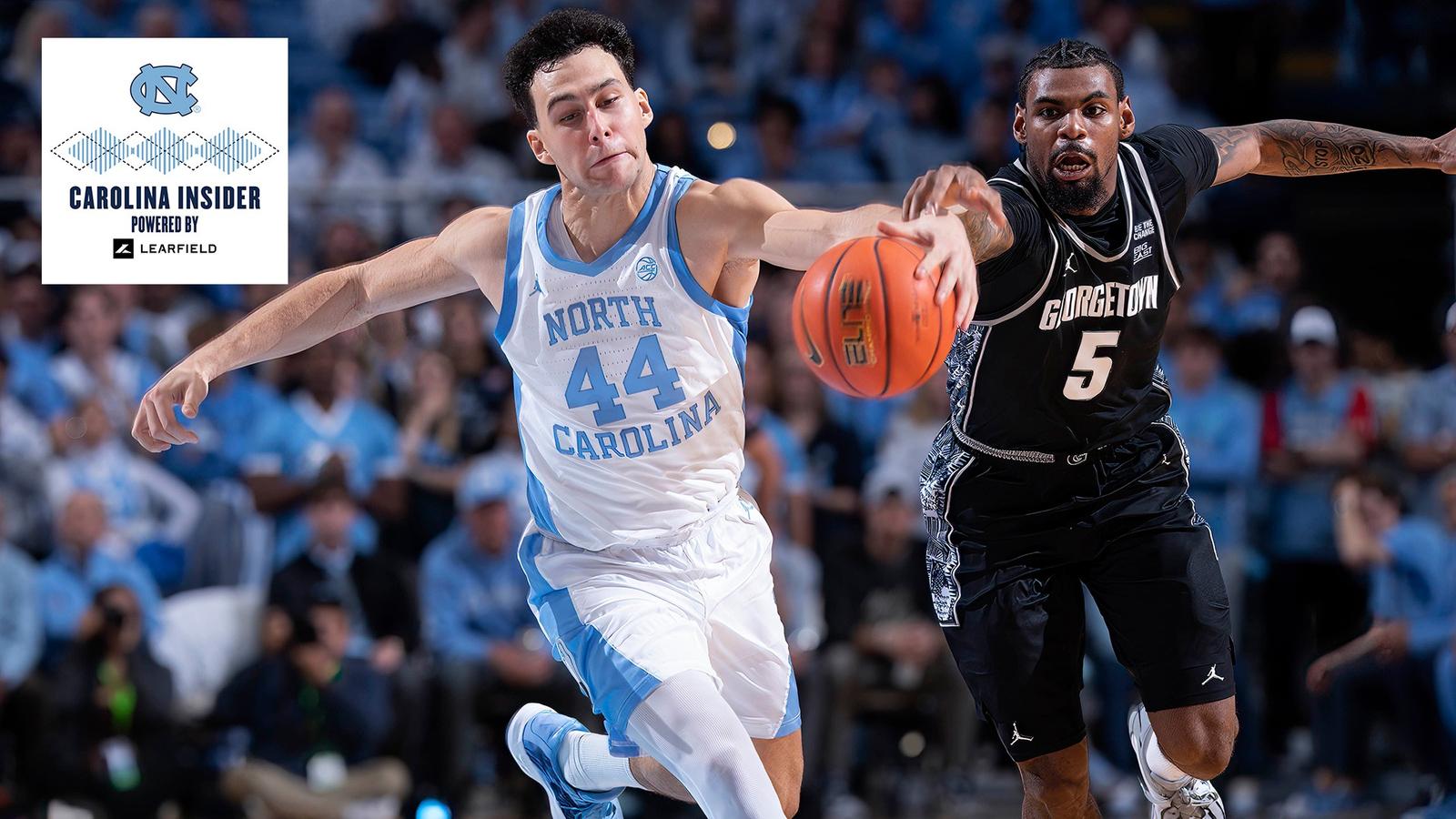
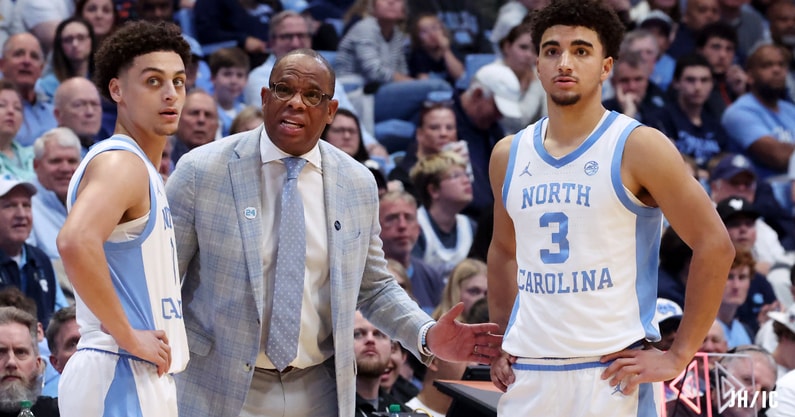
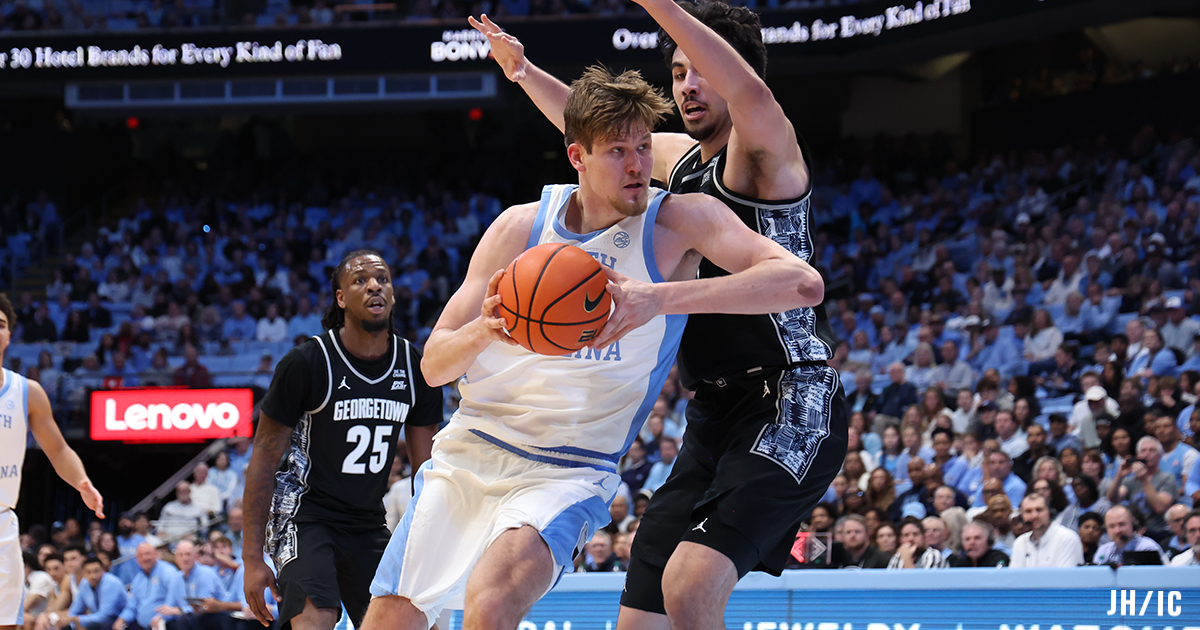
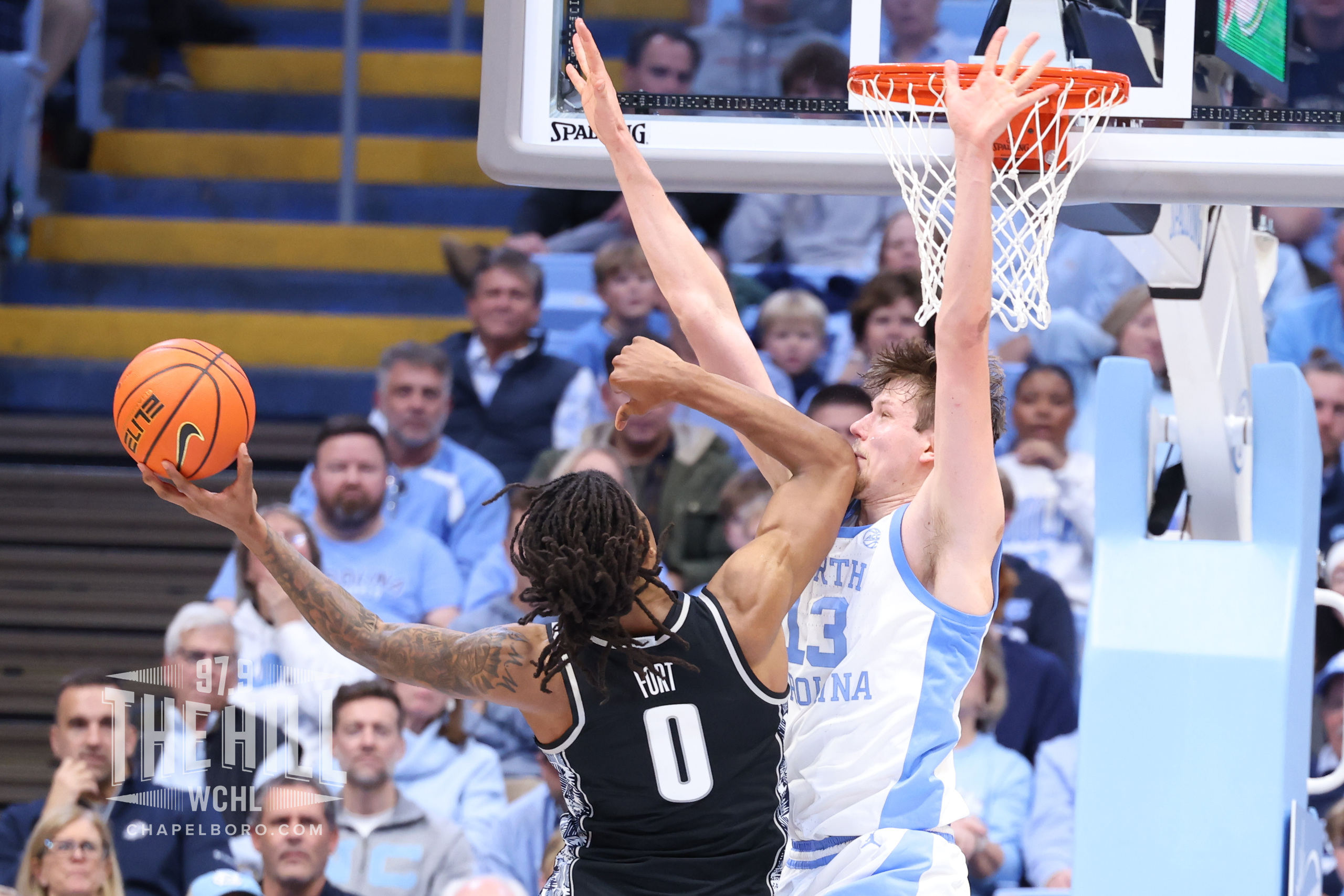
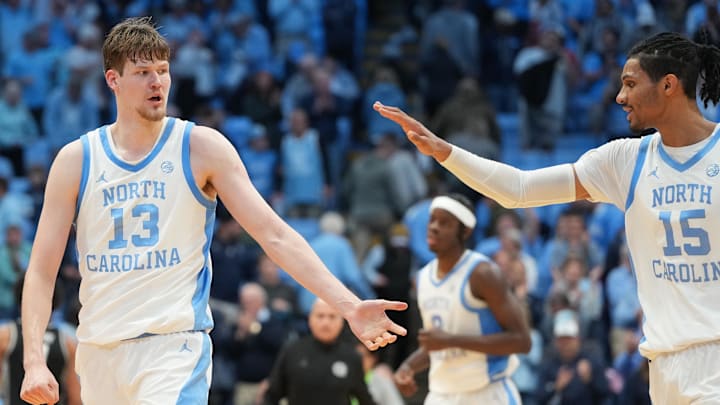
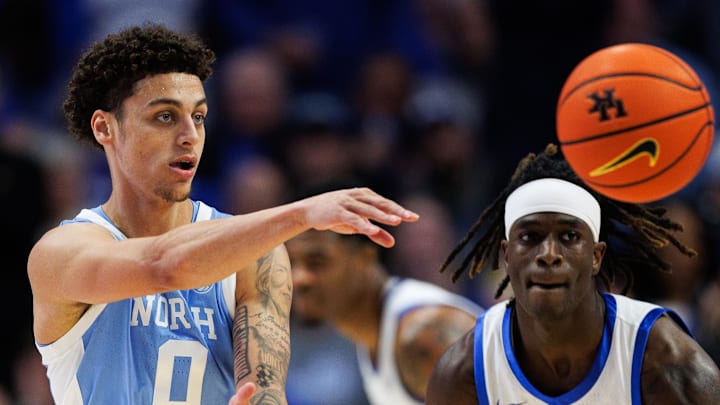
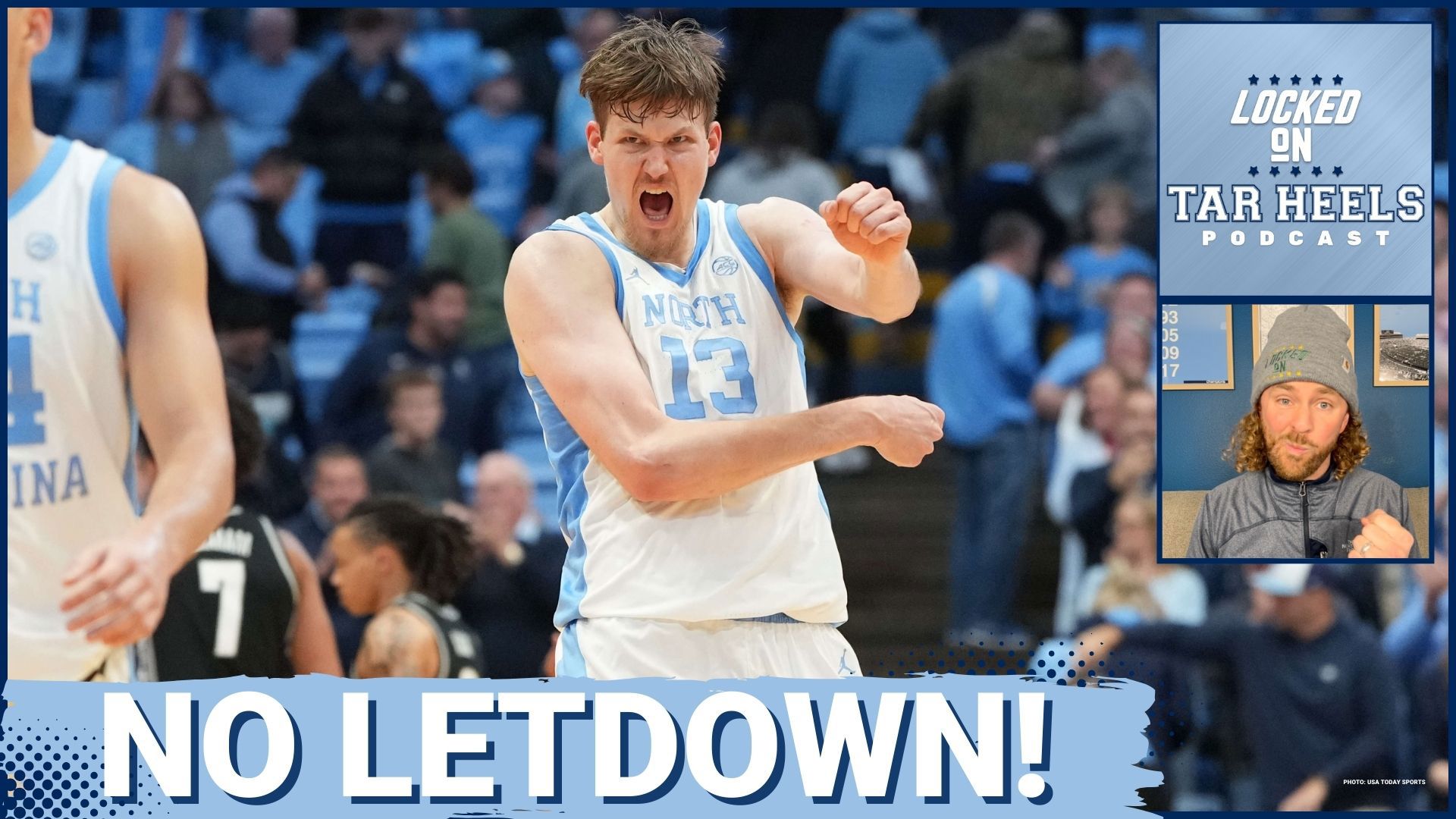
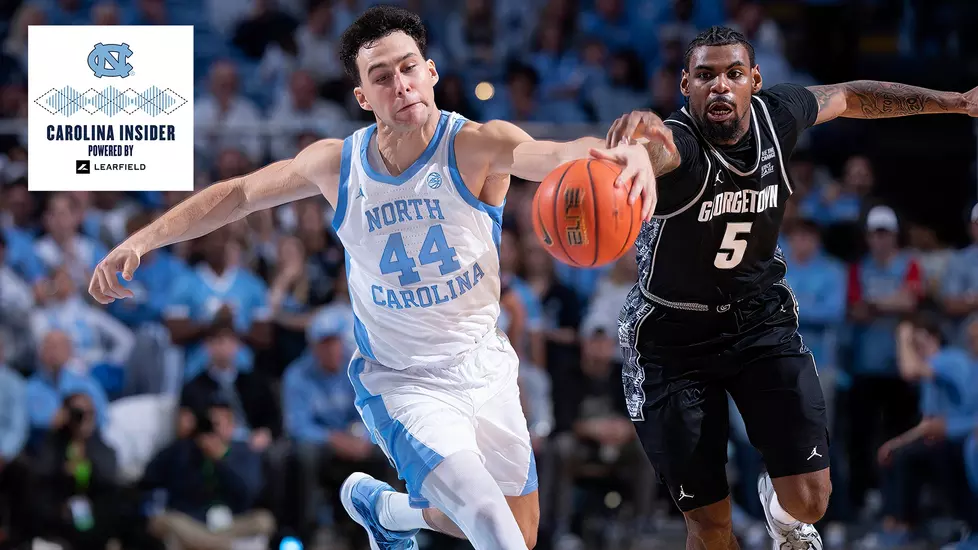
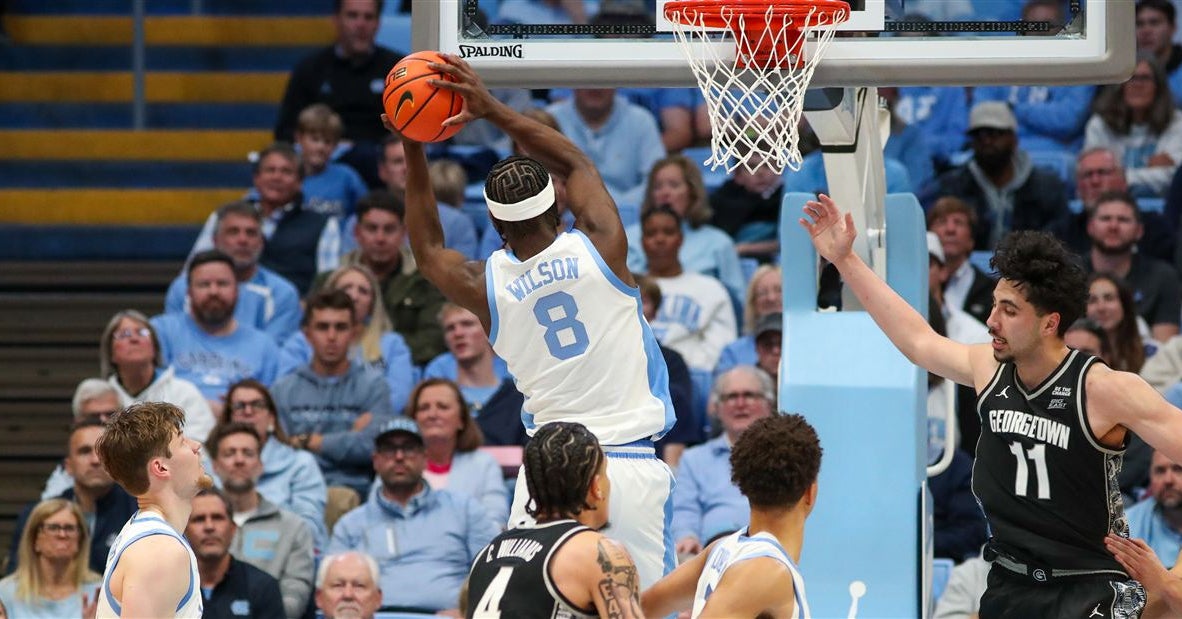
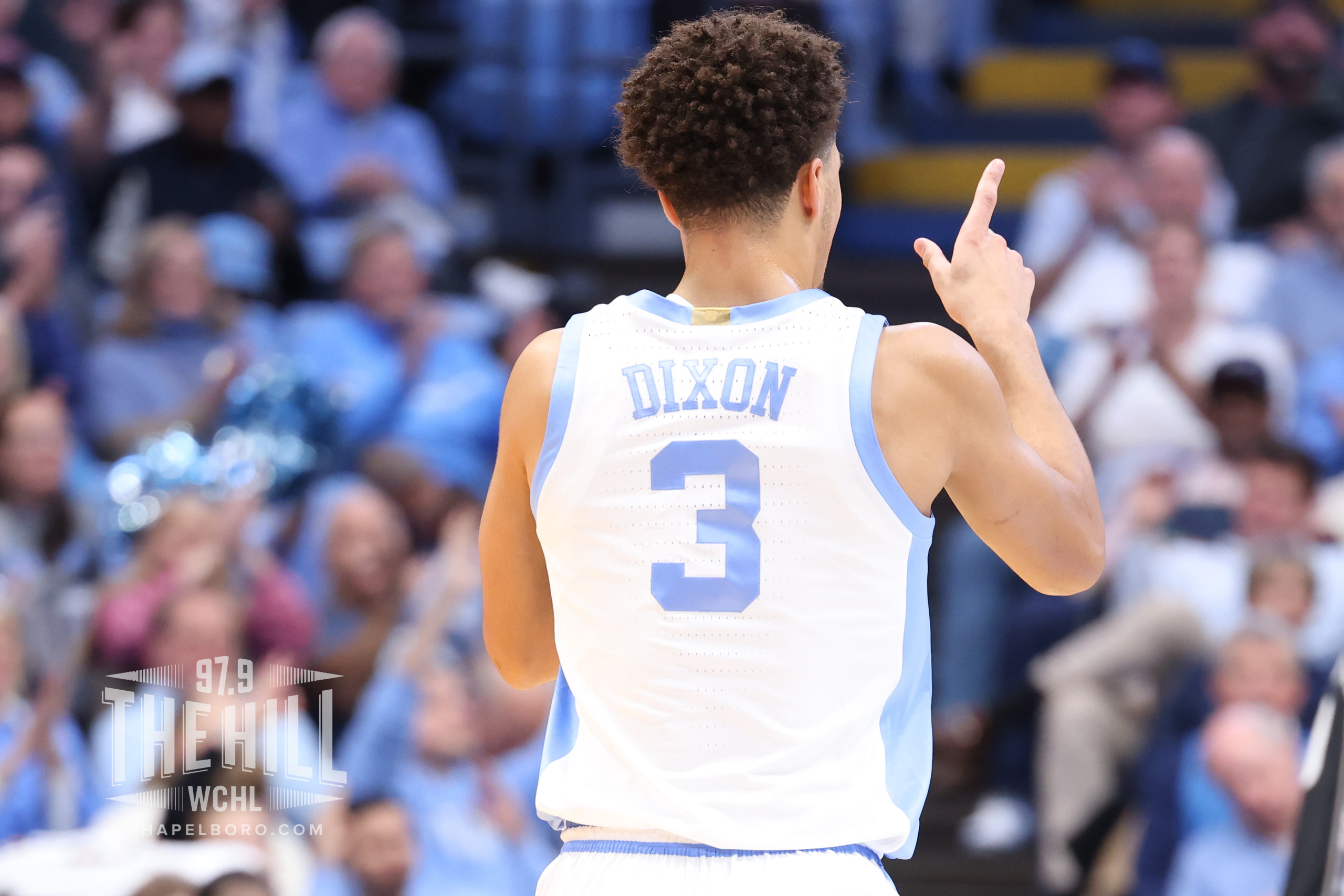
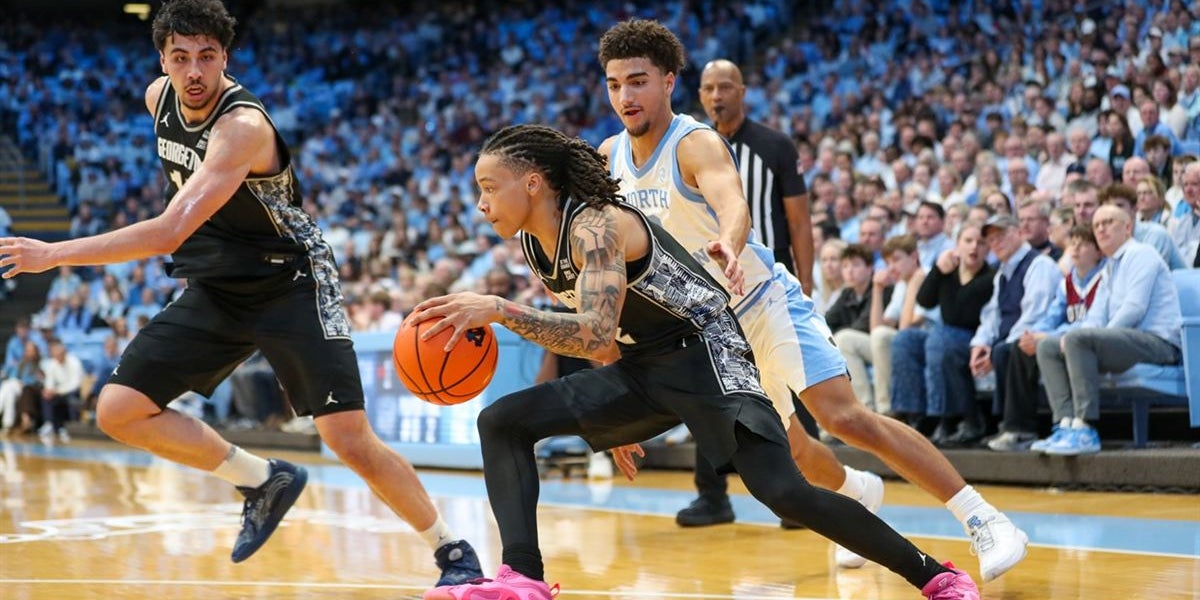
Sports media is experiencing a critical transformation driven by rapidly evolving content consumption patterns and technological disruption. The provided news item about UNC's win over Georgetown, while seemingly straightforward, reveals deeper structural shifts in how sports narratives are constructed and distributed.
The sports content ecosystem is undergoing fundamental restructuring, where traditional game recaps are no longer sufficient to capture audience engagement. Modern sports consumers demand multi-dimensional storytelling that goes beyond score lines and player statistics. This signals a profound shift from mere reporting to creating immersive, contextual narratives that connect athletes, fans, and broader cultural conversations.
Strategic content adaptation becomes paramount for media organizations seeking to remain relevant. The "three takeaways" format suggests an emerging trend of distilling complex sporting events into digestible, shareable insights. This approach reflects the audience's decreasing attention spans and increasing demand for quick, meaningful content that provides immediate value and perspective.
The underlying dynamics point to a more significant transformation: sports media is transitioning from information delivery to experience creation. Platforms and content creators must now think like storytellers, not just reporters. This means developing narratives that transcend the immediate sporting event, connecting athletic performances to broader social, emotional, and cultural contexts.
Technological platforms and audience expectations are driving this metamorphosis. The rise of social media, streaming services, and personalized content algorithms has fundamentally altered how sports stories are conceived, produced, and consumed. Media organizations must now be agile, data-driven, and capable of creating multi-platform, multi-format content that resonates across diverse audience segments.
Ultimately, the future of sports media lies in its ability to blend analytical depth, emotional resonance, and technological innovation. Content creators must become sophisticated narrative architects, capable of transforming athletic events into compelling, shareable experiences that extend far beyond the final score.
Questions 3
What skills are becoming crucial for modern sports content creators?
Modern sports content creators need to be versatile storytellers who can blend analytical insights, emotional depth, and technological savvy. Key skills include data interpretation, cross-platform content creation, narrative design, and the ability to connect sports events to broader cultural contexts.
How are sports media platforms adapting to changing audience expectations?
Sports media platforms are shifting from traditional game reporting to creating immersive, multi-dimensional narratives. This involves leveraging data, social media insights, and storytelling techniques to transform athletic events into compelling, shareable experiences that connect with diverse audience segments.