


Middle East Aviation Collapse Triggers $2.1B Supply Chain Crisis | Cross-Border Sellers Face 15-30% Shipping Delays
- 2,800+ daily flight cancellations across 9 countries disrupt e-commerce logistics; sellers shipping via Dubai/Doha hubs face 5-14 day delays and 12-18% cost increases


























Overview
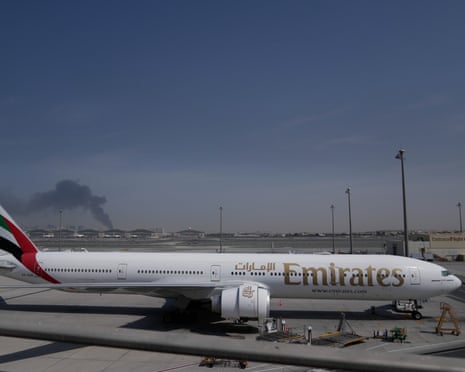
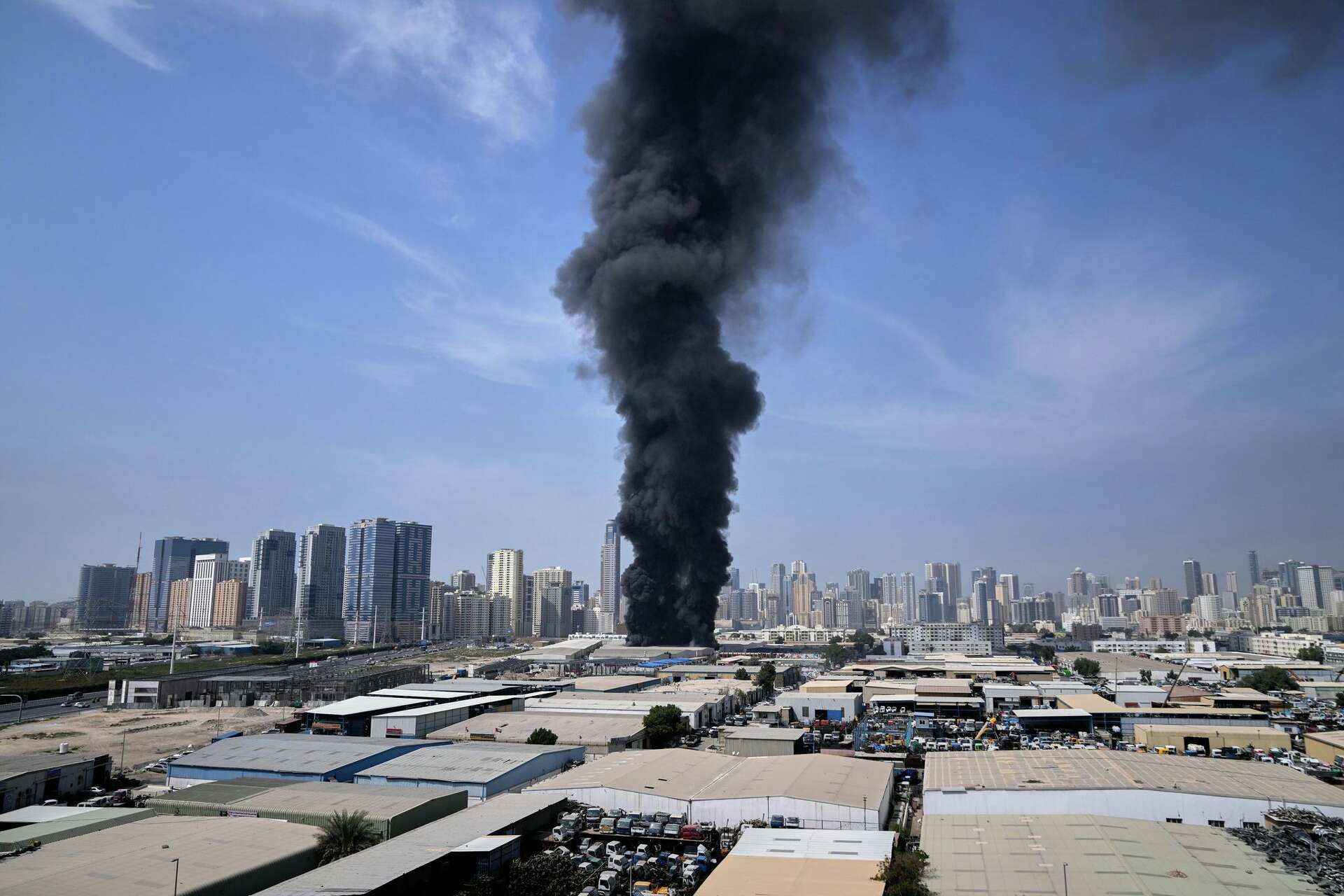
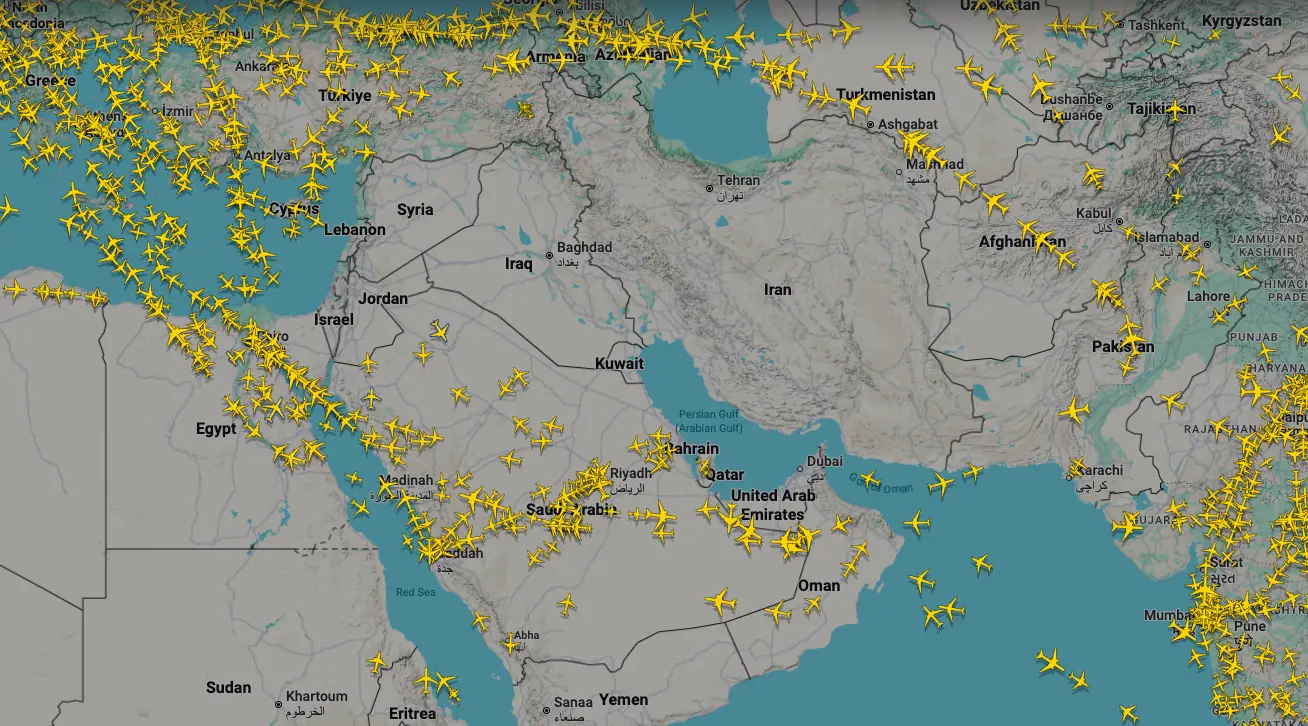
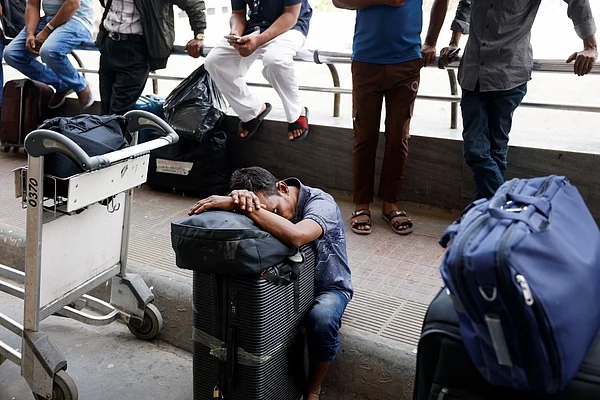
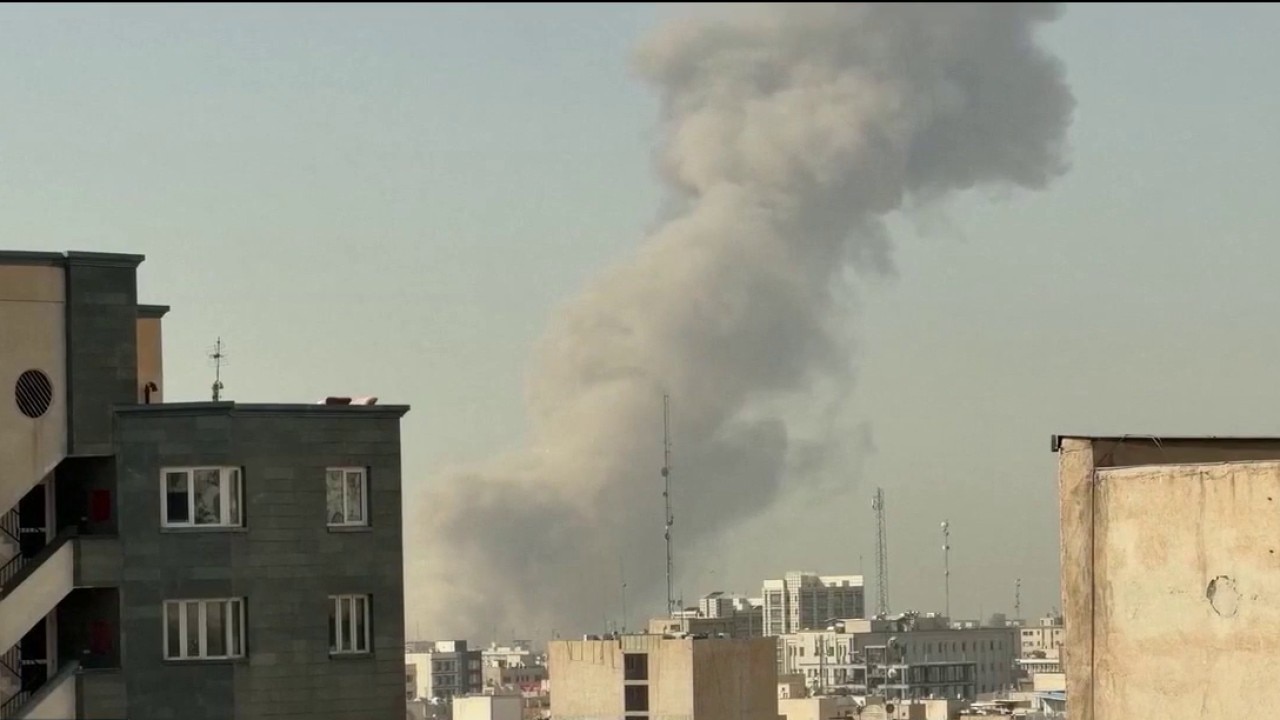
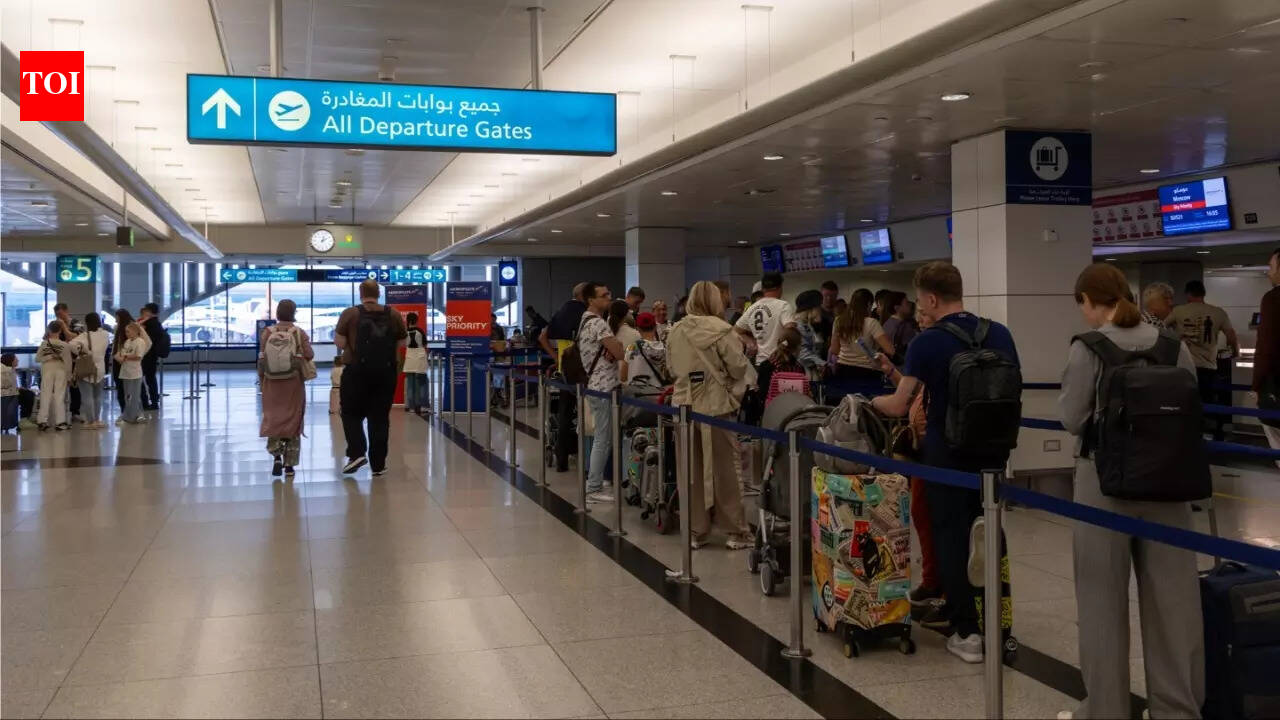
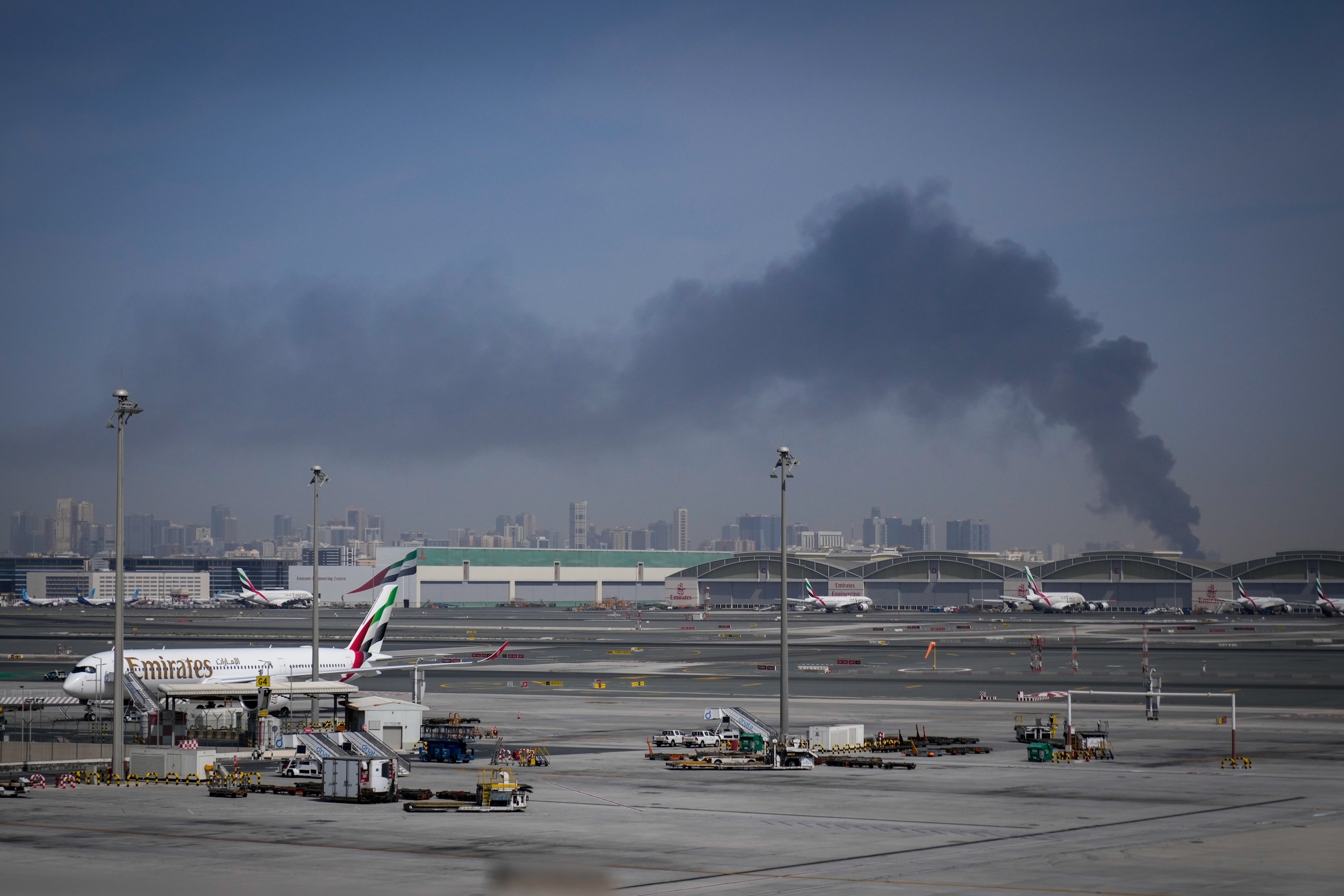

The unprecedented closure of Middle East aviation hubs following U.S.-Israeli military strikes on Iran represents one of the most significant supply chain disruptions for cross-border e-commerce sellers in recent years. With 2,800+ flights canceled in a single day and complete airspace closures across nine countries (Israel, Iran, Iraq, Qatar, Syria, Kuwait, Bahrain, Oman, UAE), the three critical hub airports—Dubai International, Abu Dhabi's Zayed, and Doha—which collectively process 90,000 passengers daily and serve as primary transshipment points for Europe-Asia-Africa trade routes, have been directly impacted. For e-commerce sellers, this creates immediate operational challenges: sellers relying on air freight through these hubs face 5-14 day shipping delays, while alternative southern routing over Saudi Arabia increases operational costs by 12-18%.
The competitive impact is segmented by seller type and product category. Small-to-medium sellers (SMBs) shipping time-sensitive inventory (electronics, fashion, perishables) via air freight experience the highest margin compression—estimated at 8-15% cost increases per shipment. Large sellers with diversified logistics networks and pre-positioned inventory in regional fulfillment centers (particularly in India, Southeast Asia, and Europe) face lower disruption, creating a competitive advantage window. Electronics sellers shipping from China/Vietnam to Middle East/European markets are most vulnerable, as these routes typically depend on Dubai/Doha transshipment. Fashion and seasonal goods sellers face inventory aging risks if delays extend beyond 2-3 weeks.
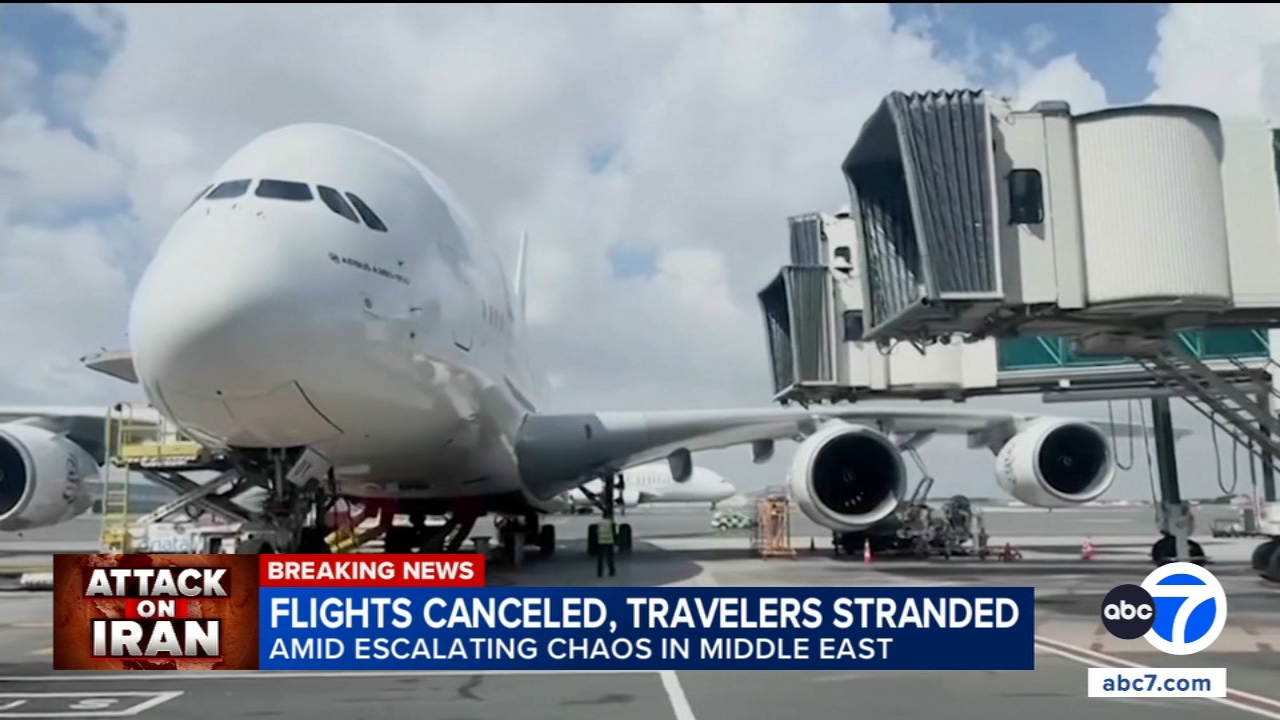
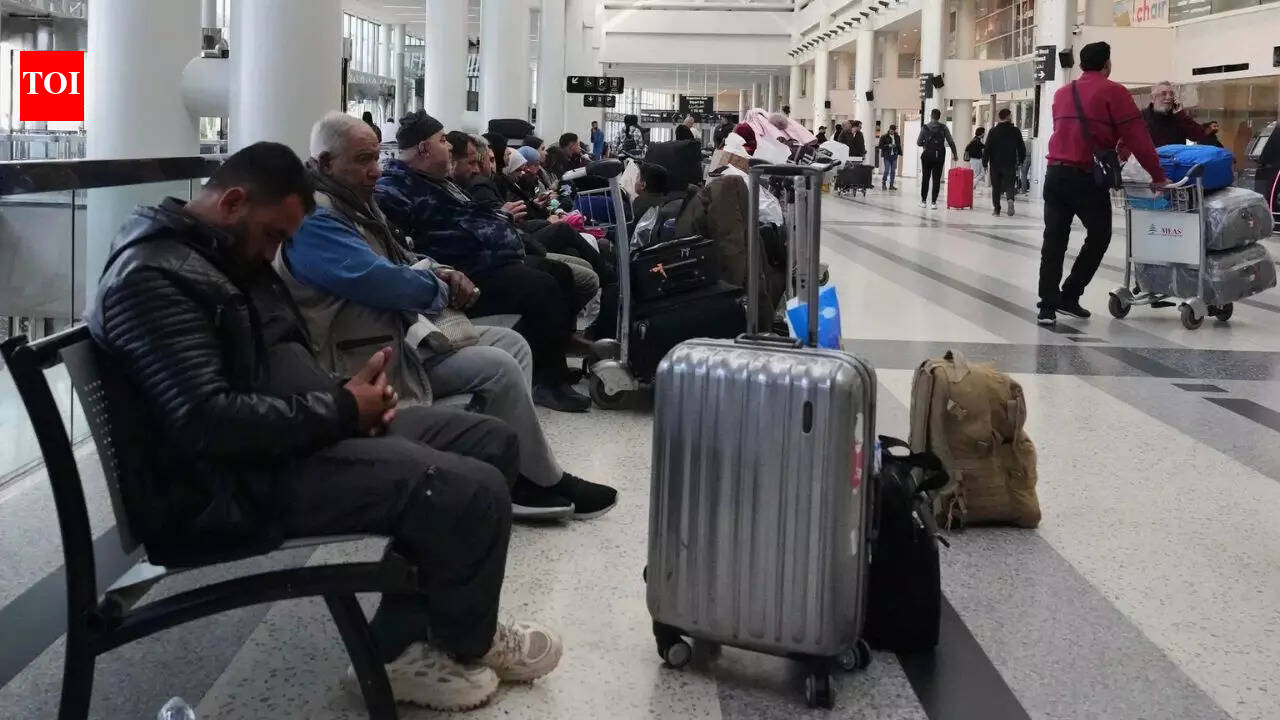
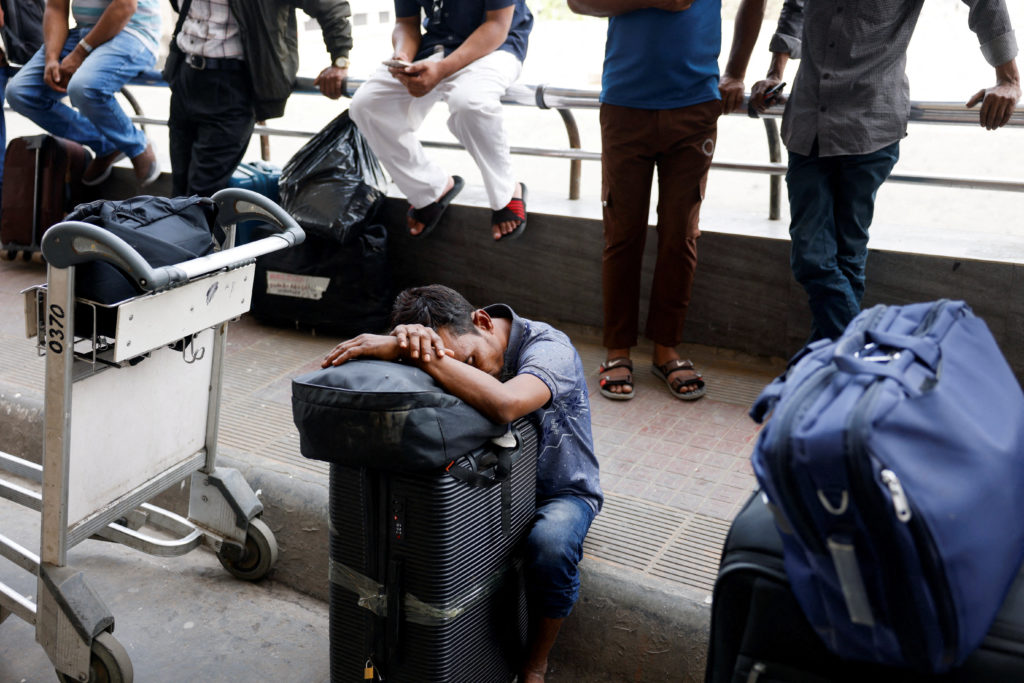
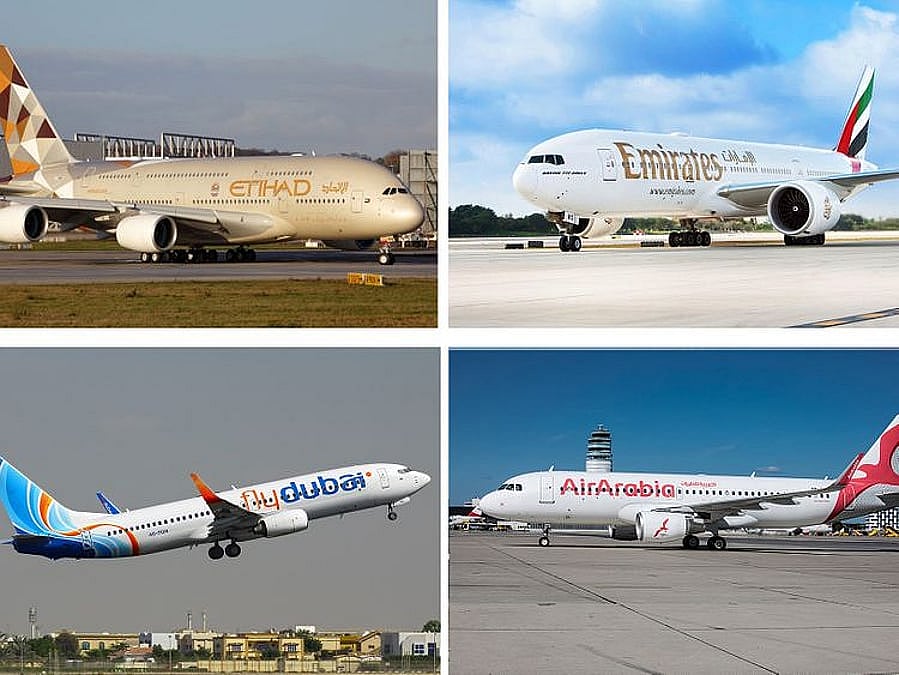
The timing window is critical. With Emirates suspending operations through Monday afternoon, Air India halting UAE/Saudi/Israel/Qatar flights through Tuesday, and EL AL closing ticket sales through March 21, sellers must immediately assess inventory in-transit and implement contingency logistics within 48-72 hours. The news reports 1,600 tourists stranded in Bali after five Middle East-bound flights were canceled, illustrating how cascading effects reach remote markets. Industry analyst Henry Harteveldt warned of multi-day delays continuing as military operations persist, while former FAA director Mike McCormick noted airspace reopening depends on military coordination and Iran's remaining capabilities—suggesting uncertainty extends 7-14+ days. Sellers should immediately: (1) contact freight forwarders to identify alternative routing via southern Saudi Arabia or maritime options, (2) notify customers of 5-10 day delays for in-transit orders, (3) evaluate temporary inventory repositioning to European/Asian fulfillment centers, and (4) monitor airspace reopening announcements for cost optimization opportunities as routes normalize.
Questions 8
How does the Middle East aviation closure impact cross-border sellers shipping electronics and fashion?
The closure of Dubai, Abu Dhabi, and Doha airports—which handle 90,000 daily passengers and serve as primary air freight hubs for Asia-Europe-Africa trade—creates 5-14 day shipping delays for time-sensitive inventory. Electronics sellers shipping from China/Vietnam to European markets typically rely on these hubs for transshipment; the disruption increases air freight costs by 12-18% via alternative southern routing over Saudi Arabia. Fashion and seasonal goods sellers face inventory aging risks if delays extend beyond 2-3 weeks, compressing margins by 8-15% per shipment. Sellers should immediately contact freight forwarders to identify alternative routing or maritime options and notify customers of expected delays.
Which seller segments face the highest competitive disadvantage from this aviation crisis?
Small-to-medium sellers (SMBs) relying on air freight for time-sensitive inventory face the highest impact, as they lack diversified logistics networks and pre-positioned inventory in regional fulfillment centers. Large sellers with established 3PL partnerships and inventory distributed across Europe, India, and Southeast Asia experience lower disruption, creating a temporary competitive advantage. The news reports 2,800+ flight cancellations in a single day across nine countries, forcing airlines to reroute flights southward over Saudi Arabia at increased operational costs. SMBs shipping electronics, perishables, and fashion goods are most vulnerable to margin compression and customer satisfaction issues from extended delays.