

Middle East Geopolitical Escalation | Supply Chain & Market Access Risks for Cross-Border Sellers
- Strait of Hormuz shipping disruptions threaten 12-15% of global maritime trade; sellers face 8-25% logistics cost increases and delayed inventory access to Gulf markets

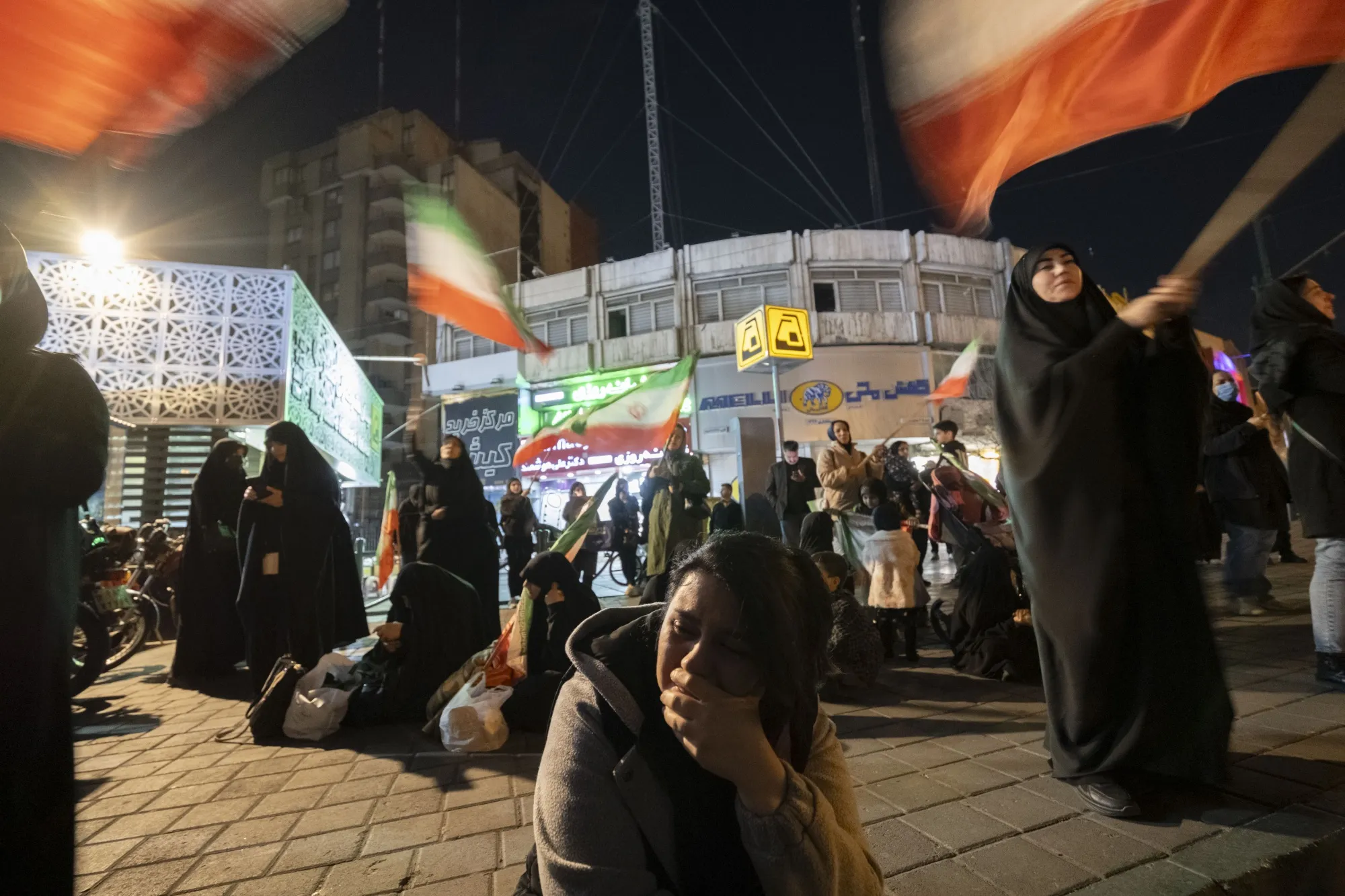
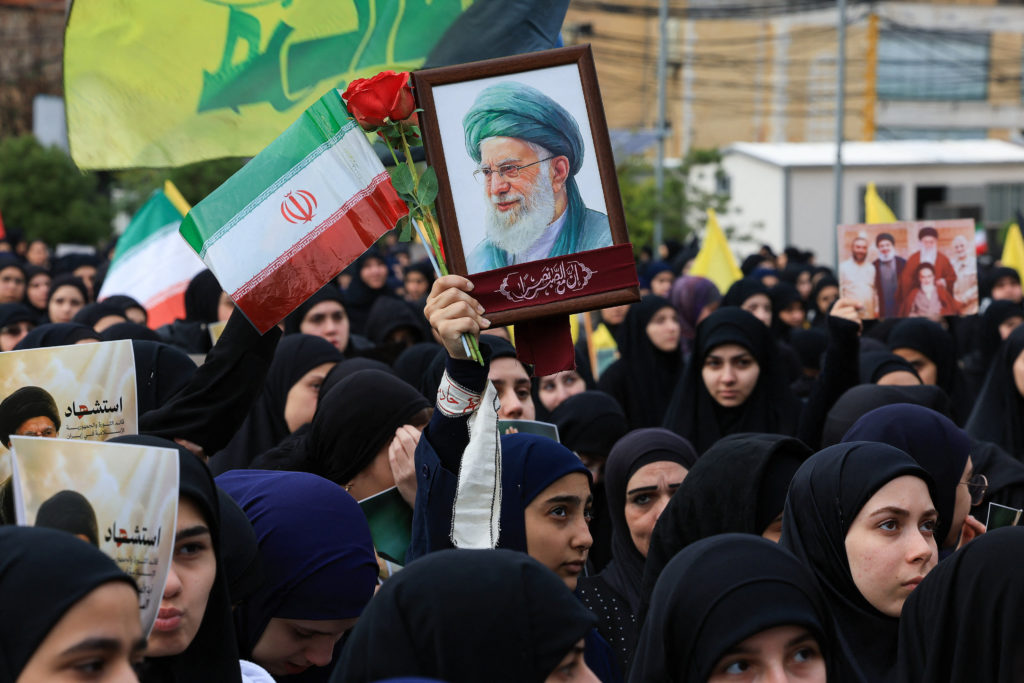
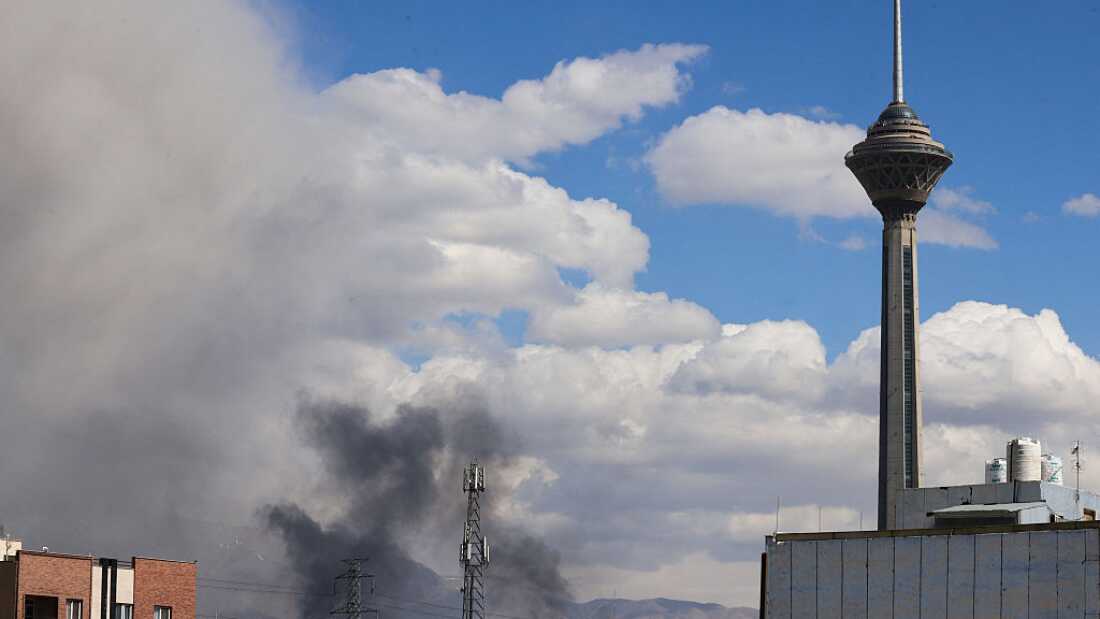




























Overview
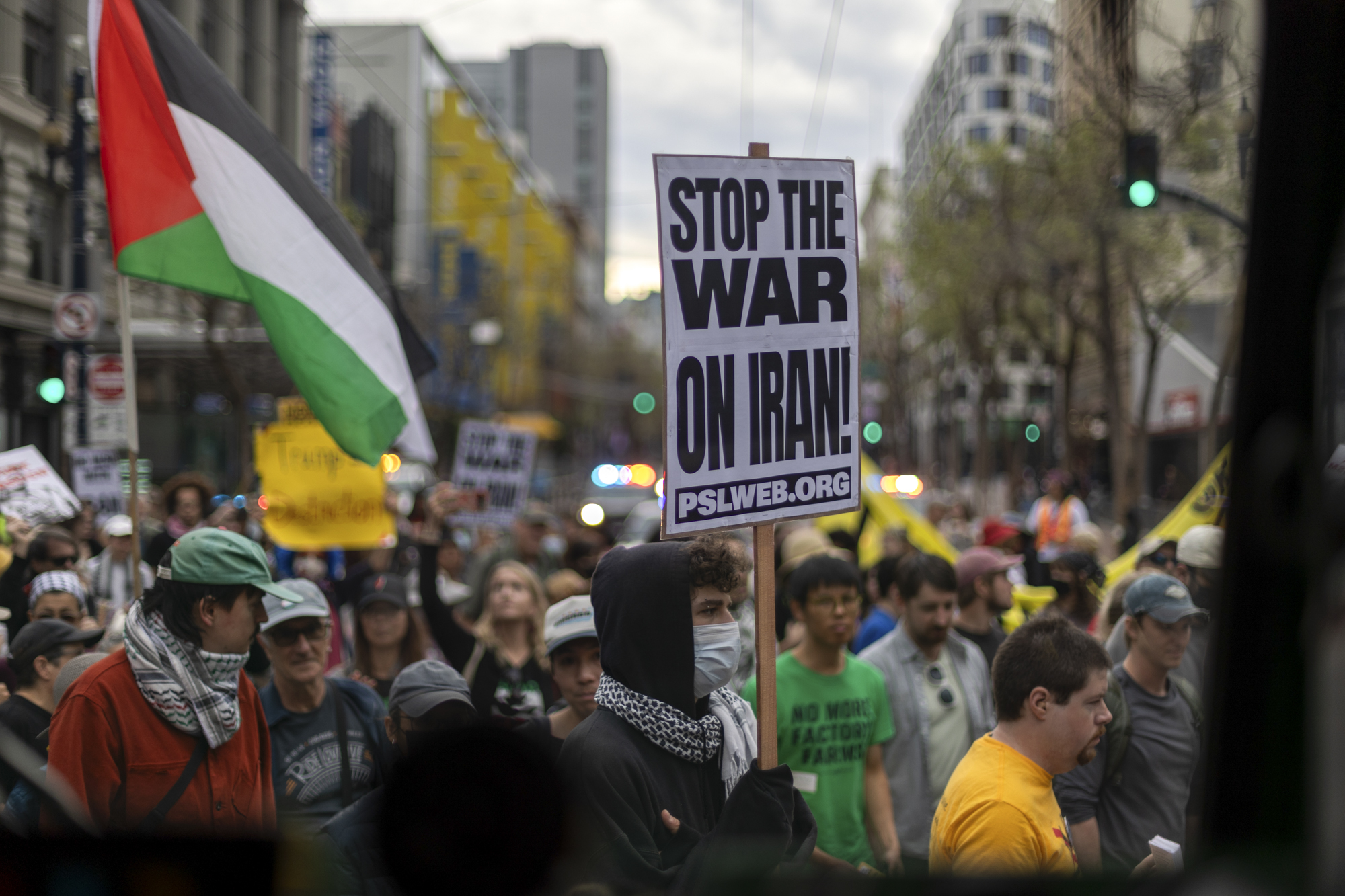
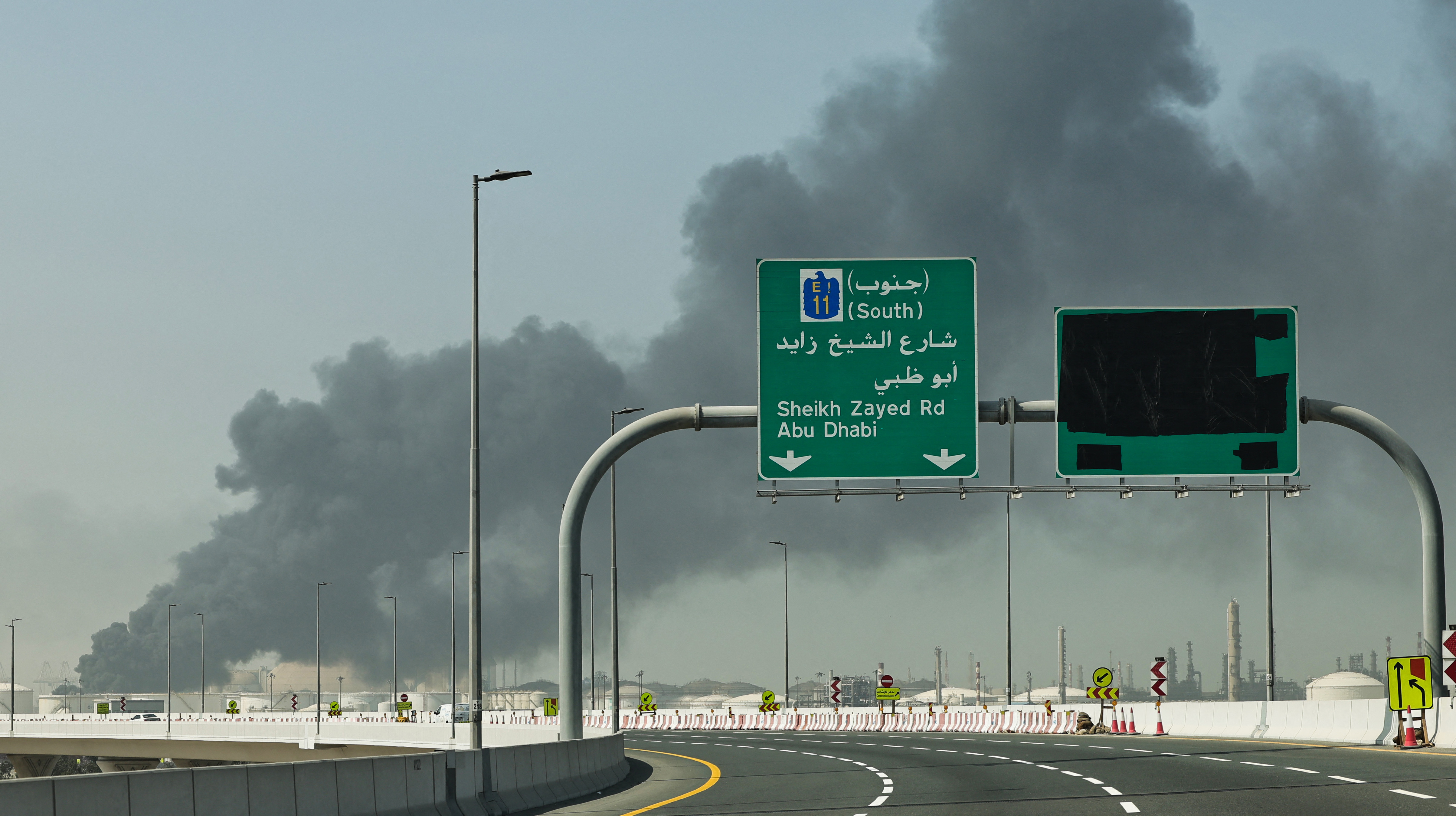
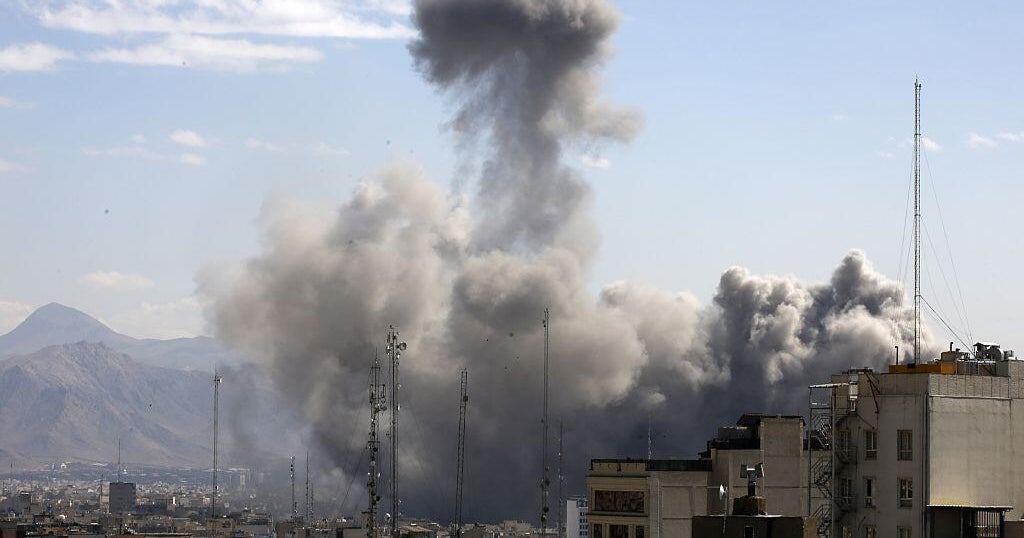
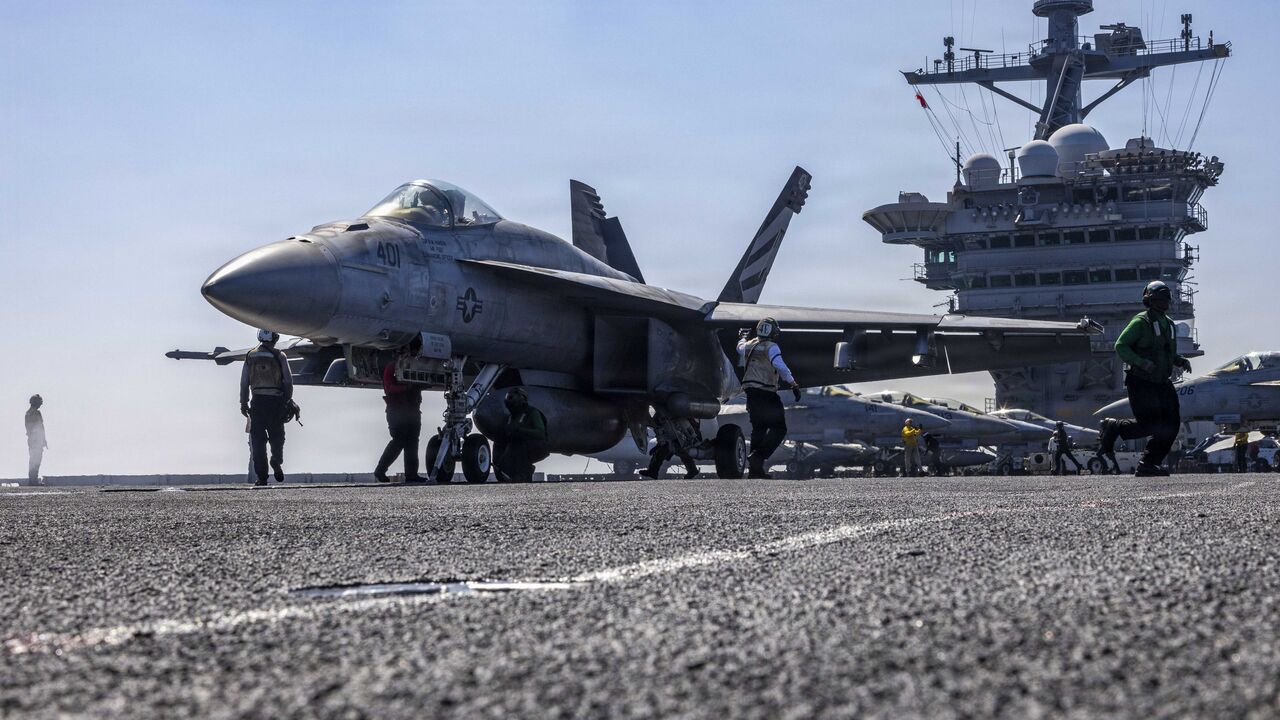
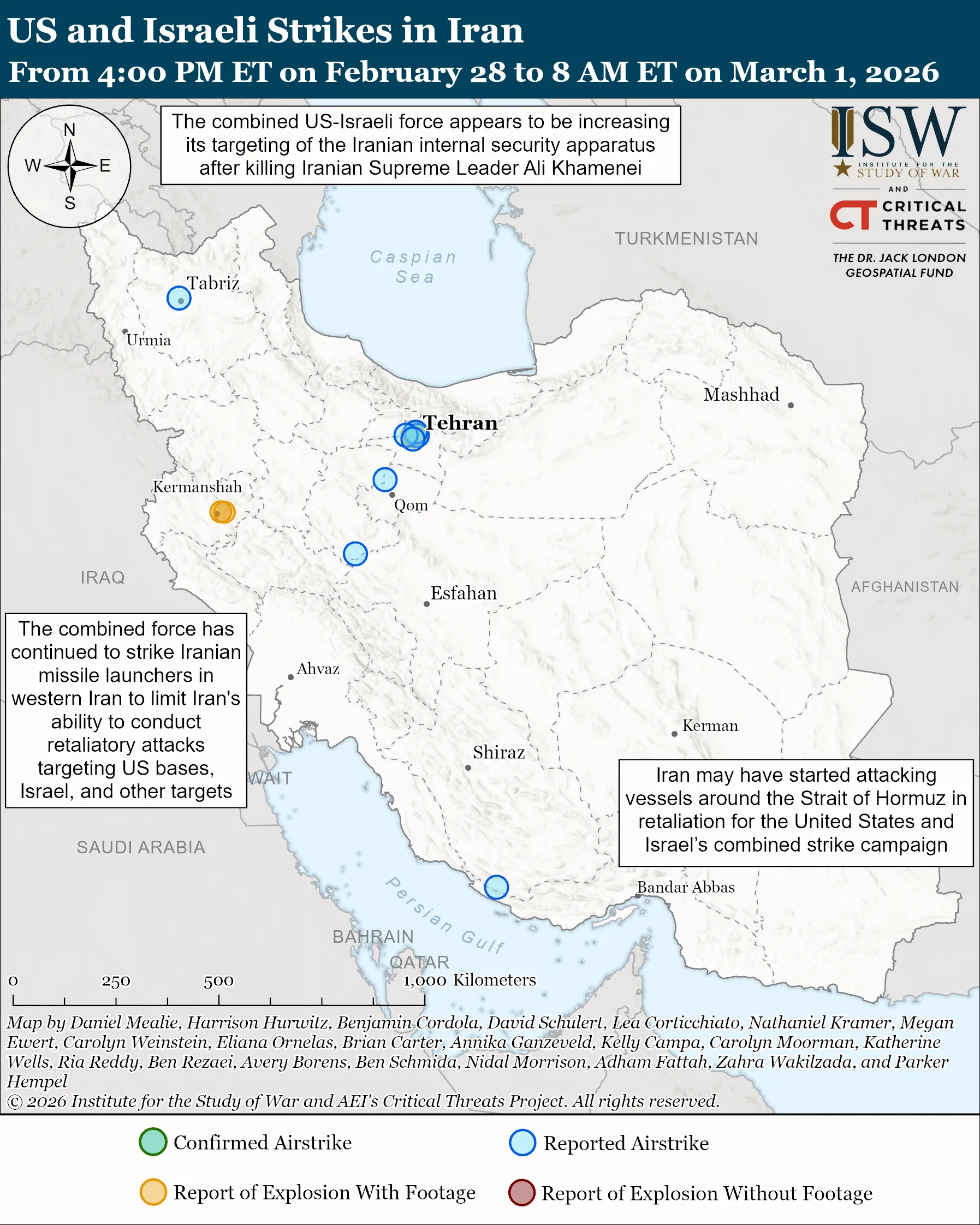
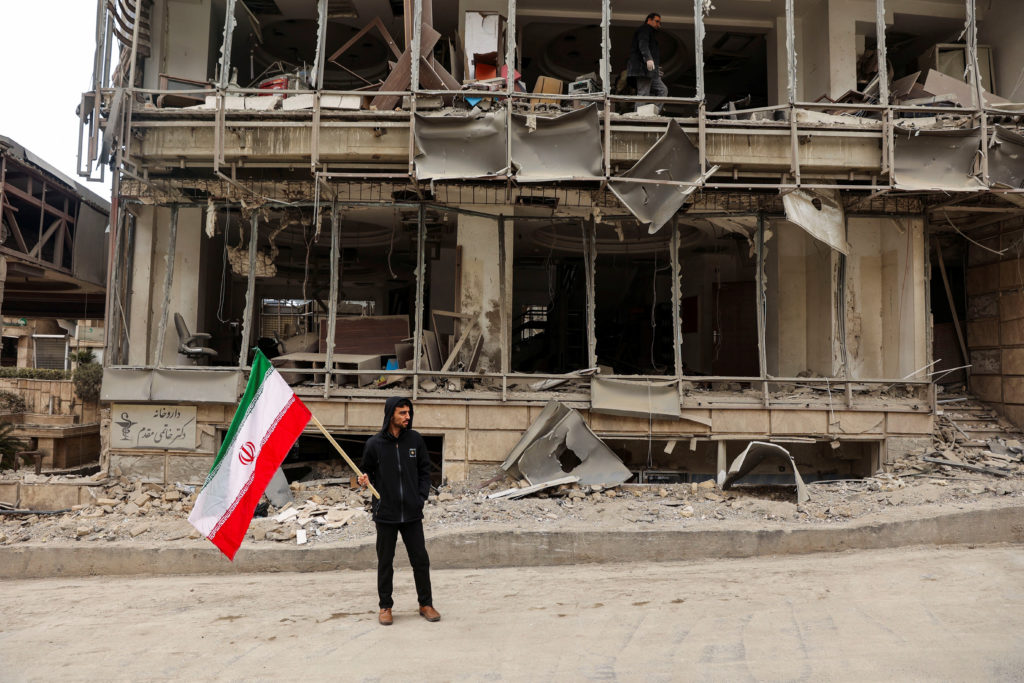
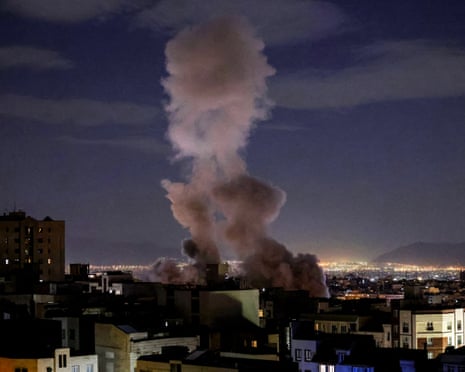
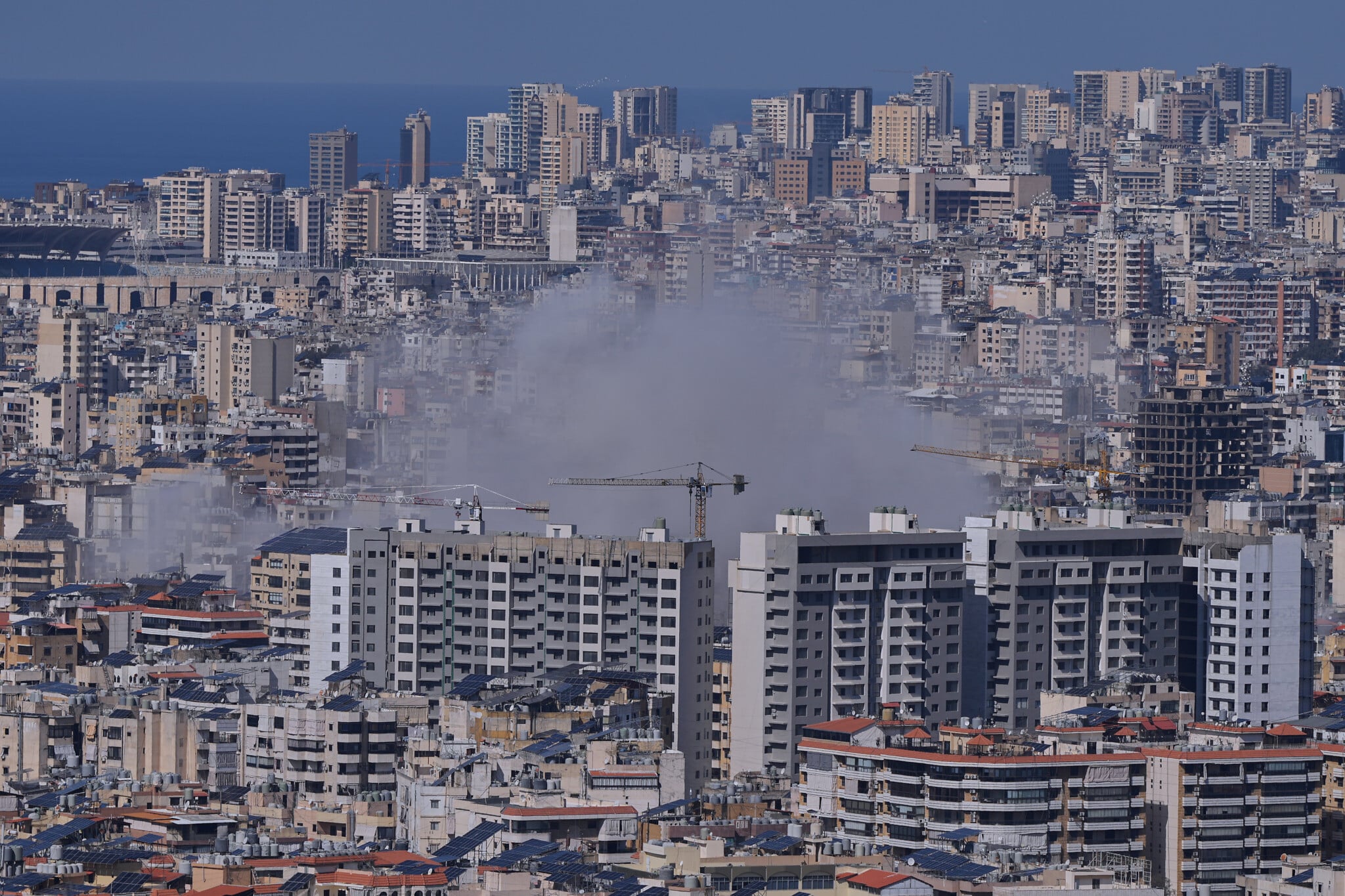
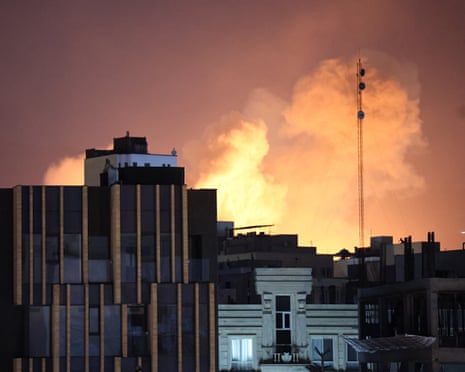
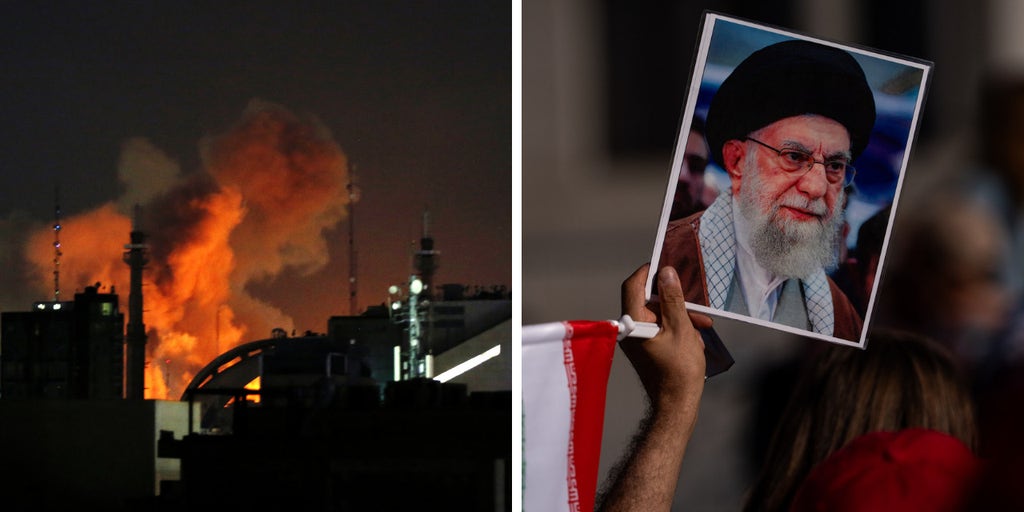
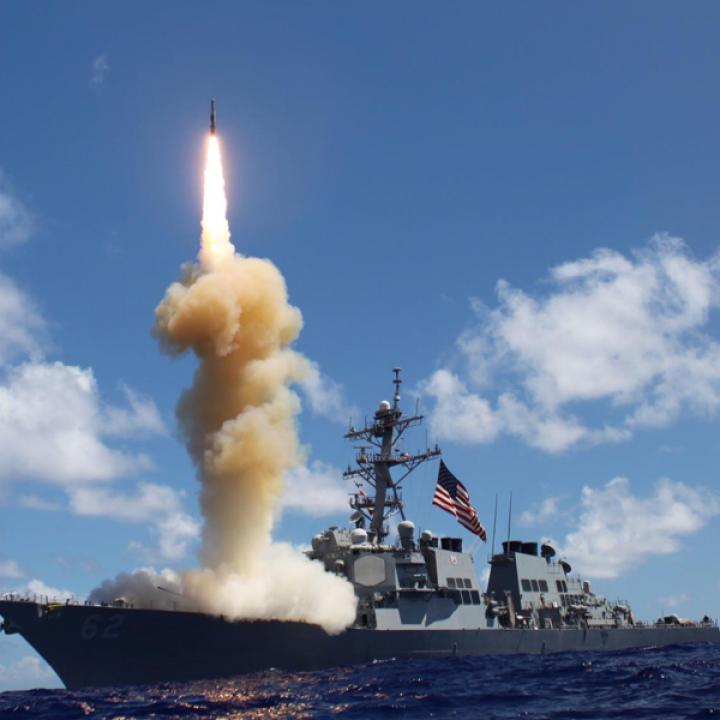
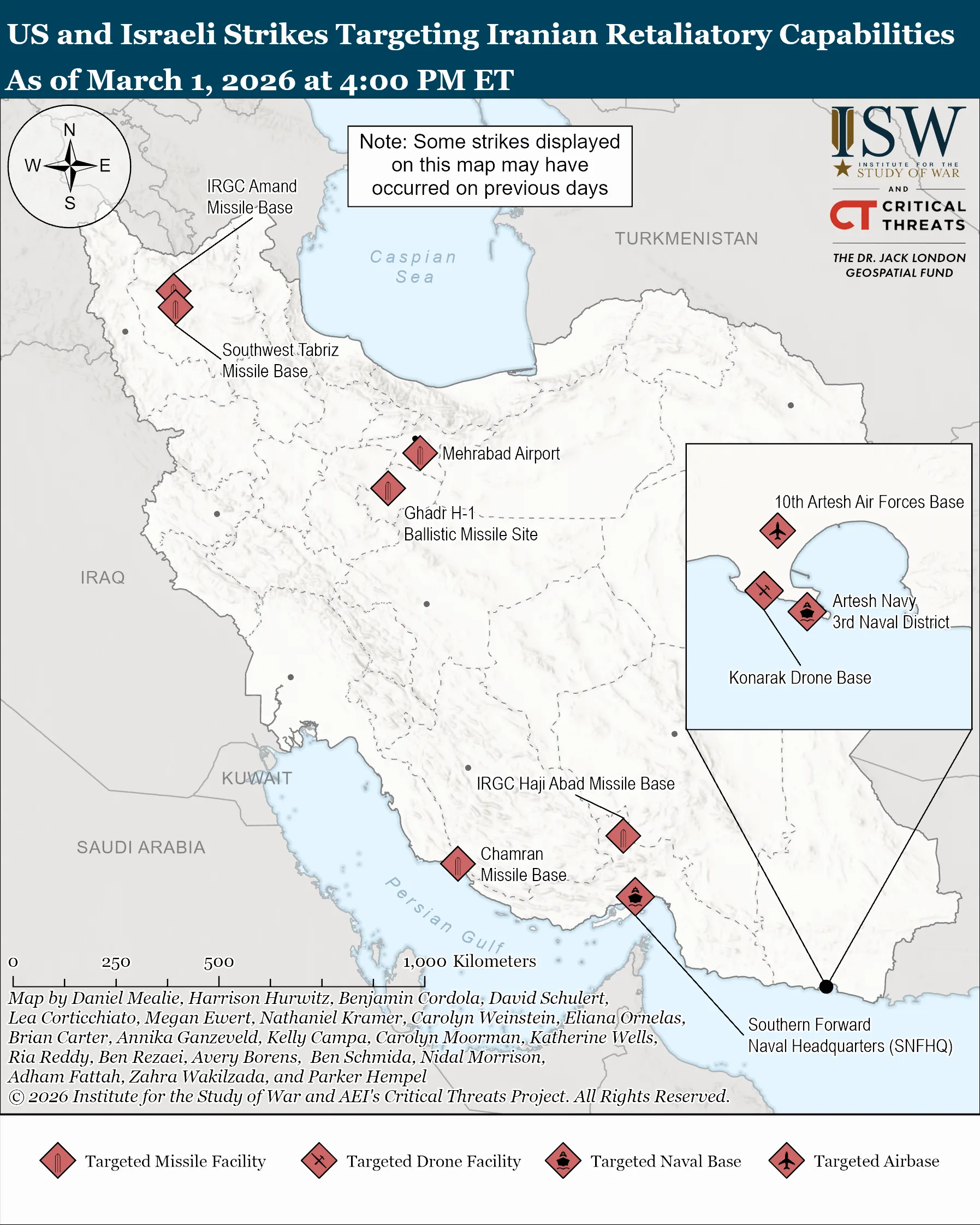
The escalating U.S.-Iran military tensions and regional conflicts across the Persian Gulf, including missile interceptions in Bahrain, Kuwait, UAE, and Qatar, combined with Israeli operations in Lebanon, create significant supply chain vulnerabilities for cross-border e-commerce sellers. While the news summaries acknowledge minimal direct e-commerce impact, the geopolitical reality presents critical operational challenges that sellers must address strategically.
Supply Chain Logistics Impact: The Strait of Hormuz remains one of the world's most critical shipping chokepoints, with approximately 21% of global petroleum passing through it daily. Military escalation increases insurance premiums for vessels transiting the region by 8-15%, directly raising fulfillment costs for sellers using air freight or expedited shipping through Middle Eastern hubs. Sellers relying on 3PL providers with distribution centers in Dubai, Abu Dhabi, or other Gulf states face potential operational disruptions. Shipping delays of 5-14 days are typical during heightened tensions, affecting inventory turnover and Amazon FBA replenishment cycles.
Market Access Restrictions & Tariff Implications: Geopolitical escalation historically triggers new trade restrictions and tariff adjustments. Sellers targeting Iranian markets face complete access denial under U.S. sanctions, while sellers in UAE, Kuwait, and Qatar experience unpredictable customs clearance delays (currently 3-7 days, potentially extending to 14-21 days). Categories most affected include electronics (HS 8471-8517), machinery (HS 8401-8483), and consumer goods. Sellers should monitor OFAC (Office of Foreign Assets Control) updates for new Iran-related sanctions that could restrict product categories or payment processing.
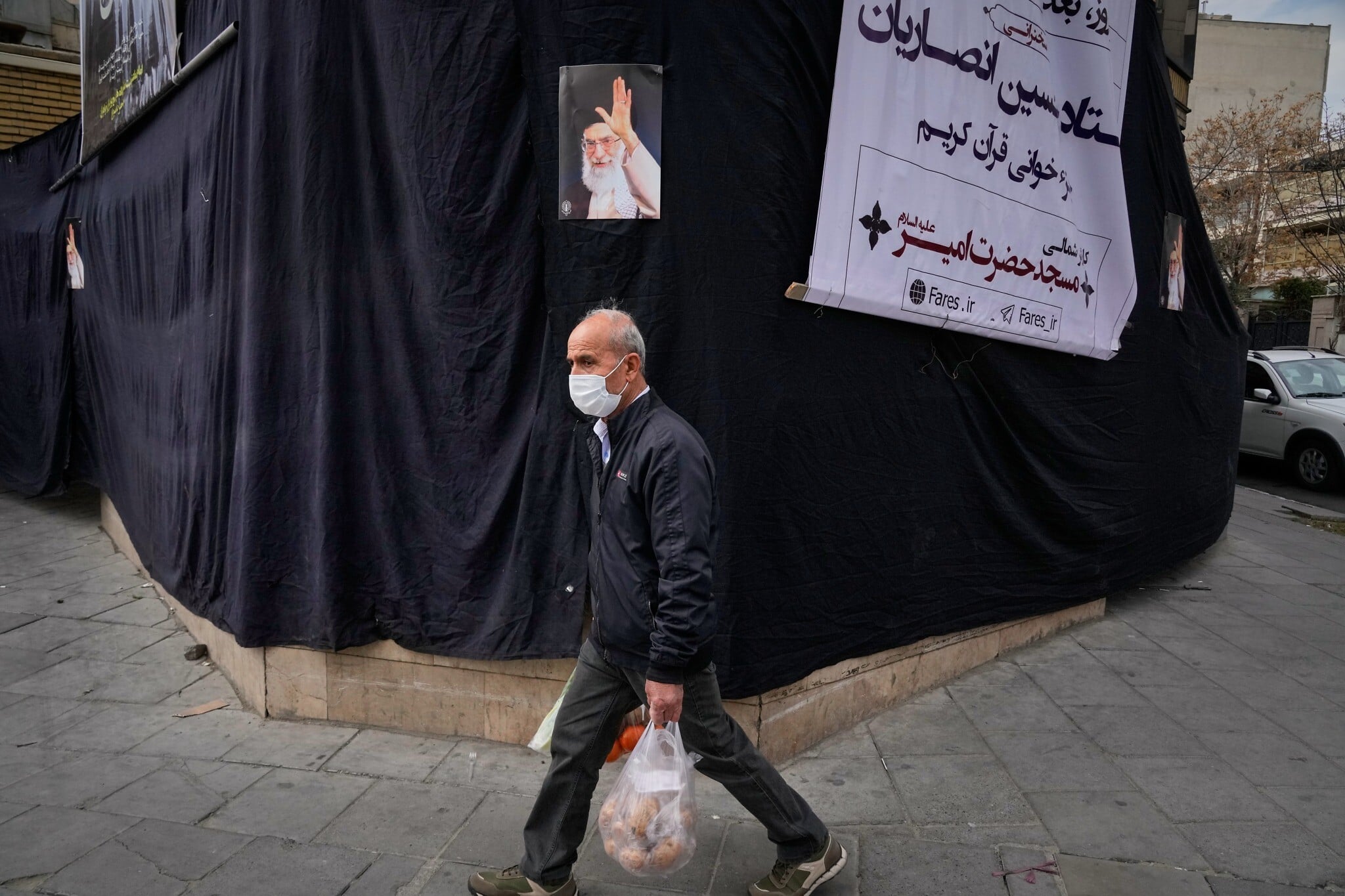
Consumer Behavior & Market Demand Shifts: The New York Times coverage of divided reactions among Iranian Americans (ranging from opposition to celebration) signals potential shifts in diaspora purchasing patterns. Iranian American communities in New York, Los Angeles, and San Francisco represent approximately $15-20B in annual purchasing power. Geopolitical tensions typically trigger increased demand for heritage products, cultural merchandise, and communication tools. Sellers offering Persian language content, cultural products, or communication devices may see 20-40% demand spikes during crisis periods, creating short-term revenue opportunities despite logistics challenges.
Competitive Positioning for Agile Sellers: Sellers with diversified sourcing (not dependent on Middle Eastern supply chains) and alternative fulfillment networks gain competitive advantages. Companies with inventory in North America, Europe, or Southeast Asia can capture market share from competitors facing Gulf region disruptions. The window for repositioning inventory is 30-45 days before potential escalation impacts become severe.
Questions 8
How should sellers diversify sourcing to mitigate Middle East supply chain risks?
Sellers dependent on Middle Eastern supply chains should immediately audit their sourcing: identify which suppliers operate in Iran, UAE, Kuwait, Qatar, or Lebanon. Geopolitical escalation can trigger sudden supply disruptions or sanctions expansion. Optimal diversification strategy: shift 30-50% of sourcing to Vietnam, India, or Indonesia (electronics, textiles, machinery categories); maintain 20-30% in North America/Europe for fast-moving inventory; reserve 20% for specialized Middle Eastern products. This requires 60-90 days to implement but reduces single-region risk. Sellers should negotiate 90-day payment terms with new suppliers to manage cash flow during transition. Expected cost increase: 5-8% due to higher labor costs in alternative regions, but offset by reduced logistics premiums and customs delays.
What alternative shipping routes should sellers use to avoid Strait of Hormuz disruptions?
The Suez Canal route (via Egypt) adds 4-6 days transit time but avoids Strait of Hormuz risks and reduces insurance premiums by 10-12%. For Asia-to-Europe shipments, sellers can route through Singapore-Rotterdam (35-40 days) instead of Strait of Hormuz-Suez (28-32 days), accepting 7-8 day delays for 15-20% cost savings. For Middle East-destined inventory, reroute through Indian Ocean ports (Mumbai, Colombo) with secondary logistics to Gulf states, adding 3-5 days but avoiding premium insurance. Sellers should negotiate with freight forwarders for locked-in rates on alternative routes before tensions escalate further. Cost differential: $300-800 per 20ft container, but justified by reduced insurance volatility and customs delays.