



Middle East Conflict Escalation Drives 9% Oil Surge | Critical Supply Chain Impact for Cross-Border Sellers
- Brent crude jumps to $80/barrel; Strait of Hormuz shipping halted; logistics costs spike 8-15% for sellers shipping to Asia-Pacific and EU markets










Overview
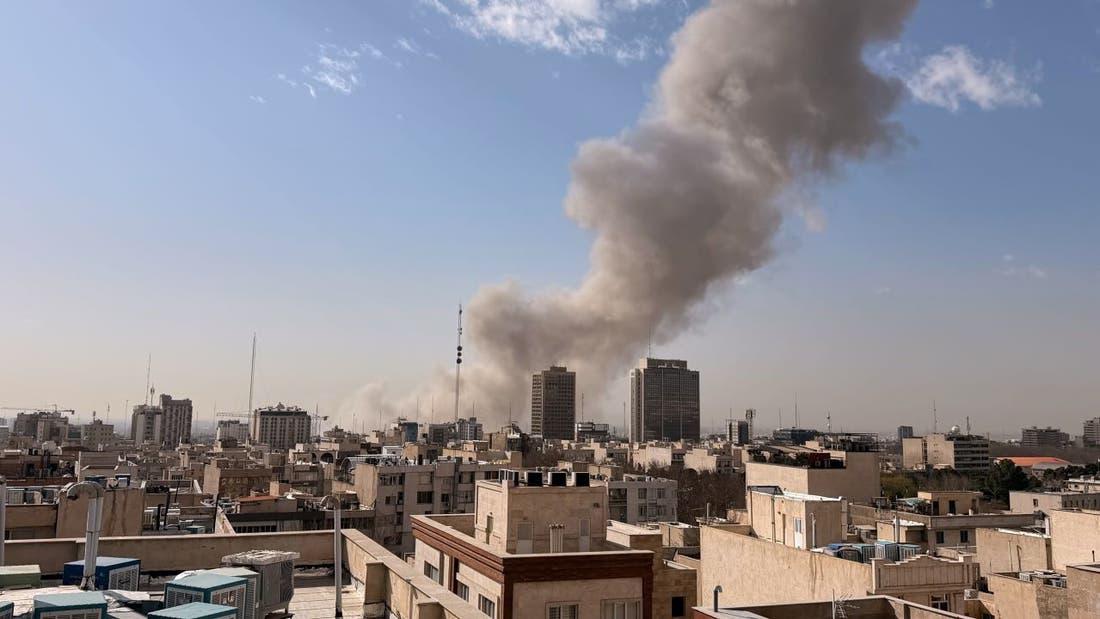
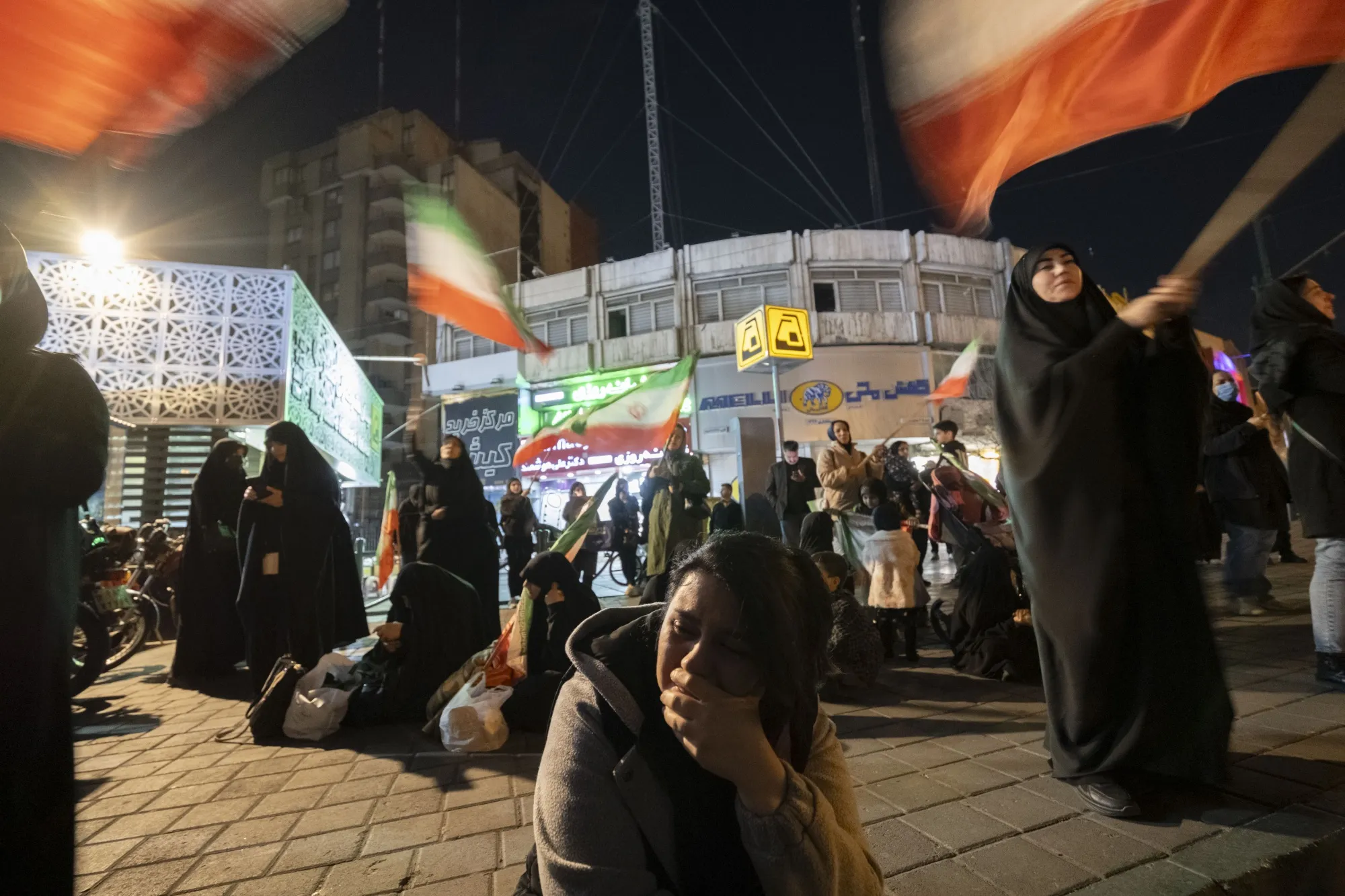
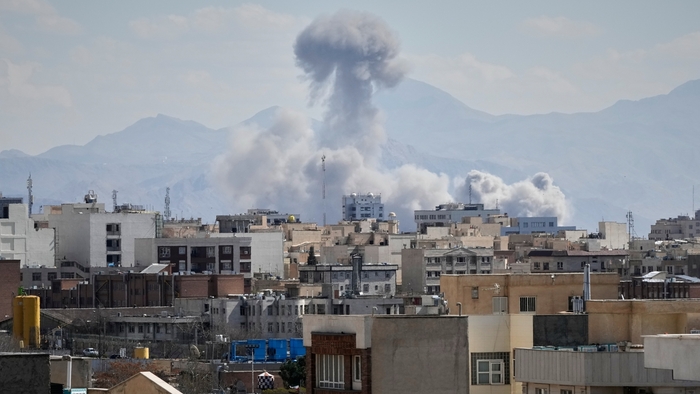
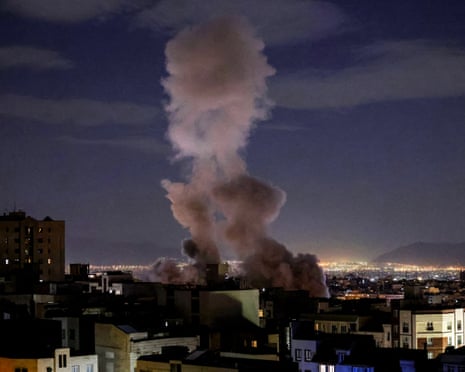
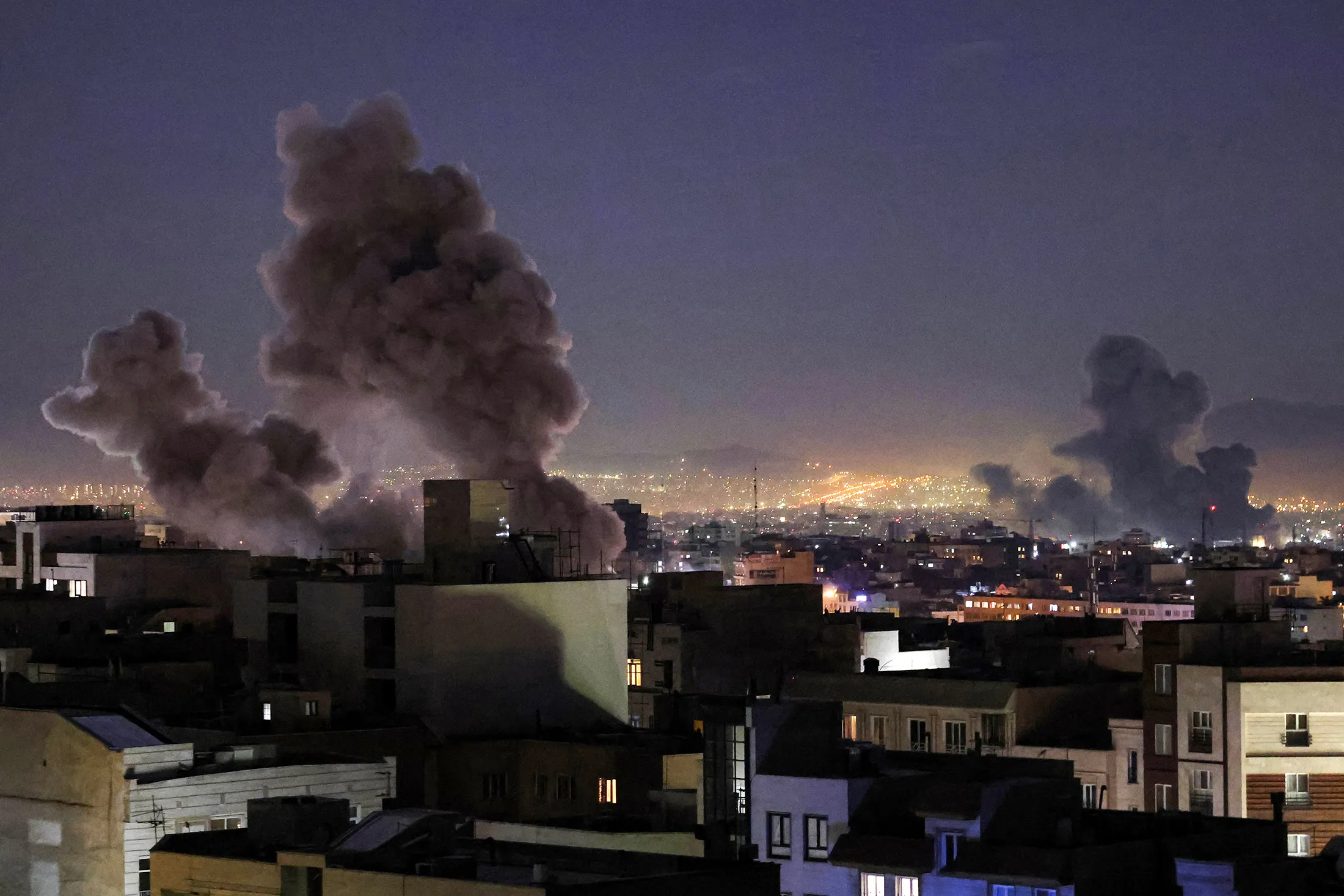
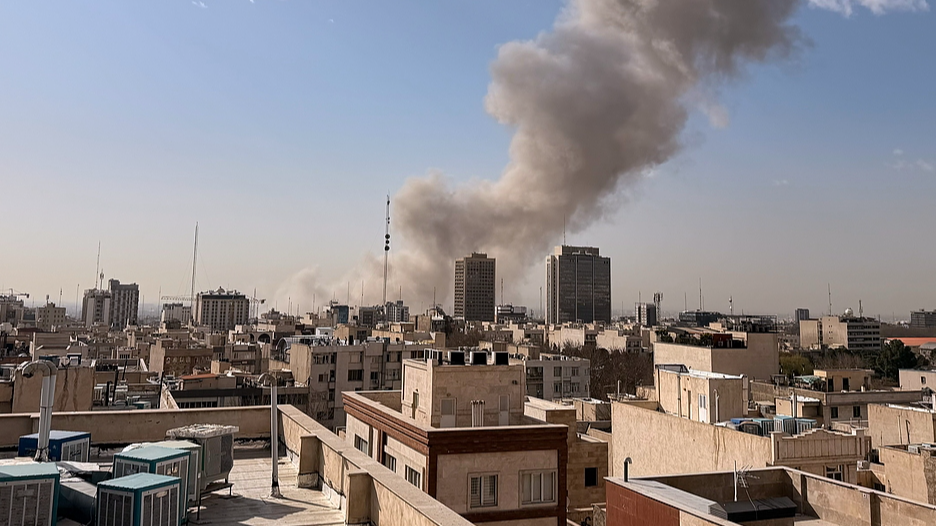
The escalating US-Israel military operations against Iran, dubbed Operation Epic Fury, have triggered immediate supply chain disruptions affecting cross-border e-commerce sellers globally. Following the death of Iran's Supreme Leader Ayatollah Ali Khamenei on March 2, 2026, Brent crude oil surged over 9% to near $80 per barrel—its highest level since January 2025—while tanker traffic through the Strait of Hormuz, which handles approximately one-fifth of global oil and significant gas volumes, largely halted due to self-imposed pauses by shipowners and traders. This geopolitical crisis creates cascading cost pressures across international logistics networks that directly impact seller profitability.
For cross-border sellers, the immediate impact manifests through elevated shipping costs. Sellers utilizing air freight to Asia-Pacific markets face 12-15% premium increases as carriers reroute around the Persian Gulf region, while ocean freight rates from China/Vietnam to EU ports are experiencing 8-12% surges due to extended transit times and fuel surcharges. Small and medium-sized sellers (SMBs) shipping 500-2,000 units monthly via FBA will absorb $400-800 additional monthly logistics costs, compressing margins by 3-5% on standard product categories. Large sellers with established 3PL networks can negotiate volume discounts but still face 6-8% cost increases. The operational impact extends beyond freight: insurance premiums for shipments transiting Middle Eastern waters have increased 15-20%, and customs clearance delays at major ports (Dubai, Jebel Ali) are adding 2-3 days to delivery timelines.
Strategic sourcing dynamics are shifting as sellers reassess supply chain resilience. Sellers currently sourcing from Iran-adjacent manufacturing regions (UAE, Saudi Arabia) face immediate supply disruptions, forcing rapid pivots to Vietnam, India, and Indonesia—countries offering 4-6 week longer lead times but reduced geopolitical risk. Electronics sellers (HS codes 8471-8517) sourcing components through Middle Eastern distribution hubs must accelerate inventory builds before further escalation, while apparel and home goods sellers can absorb longer lead times. The conflict creates a 60-90 day window for sellers to reposition inventory before potential further supply chain fractures. Sellers with existing inventory in UAE fulfillment centers face potential customs complications if regional instability intensifies, making immediate inventory repatriation to US/EU warehouses strategically prudent.
Market demand patterns are shifting toward defensive consumer spending. Historical precedent from 2022 energy crises shows consumers reduce discretionary purchases during geopolitical uncertainty, with luxury goods and non-essential categories experiencing 15-25% demand compression while essential supplies (food, health, home goods) see 8-12% demand increases. Sellers in beauty, fashion, and electronics categories should expect 2-4 week demand softening as consumers delay purchases pending geopolitical clarity. Conversely, sellers in emergency preparedness, home security, and energy-efficient appliances can capitalize on defensive buying patterns, with these categories historically experiencing 30-40% demand spikes during regional conflicts. The timing window for repositioning inventory is critical: sellers have approximately 2-3 weeks before market sentiment fully adjusts.
Questions 8
How do I protect my inventory in UAE fulfillment centers from geopolitical risk?
Immediate action required: initiate emergency repatriation of inventory from UAE warehouses to US/EU fulfillment centers within 7-10 days. UAE remains relatively stable but faces potential secondary impacts from regional escalation. Customs complications could delay inventory access for 2-4 weeks if regional instability intensifies. For inventory that cannot be immediately repatriated, increase insurance coverage by 20-30% and establish backup fulfillment arrangements in Singapore or Hong Kong. Negotiate expedited shipping rates with 3PLs for emergency inventory transfers. Going forward, limit UAE inventory exposure to 10-15% of total stock; maintain 70-80% in US/EU warehouses and 10-15% in Southeast Asia for geographic diversification.
How will the Strait of Hormuz shipping halt affect my delivery times?
Ocean freight from Middle East ports (Dubai, Jebel Ali) to US/EU destinations will experience 2-3 week delays as shipments reroute around the Persian Gulf. Sellers relying on Middle Eastern distribution hubs face immediate supply disruptions. Customs clearance at major ports is adding 2-3 additional days due to heightened security protocols. For sellers using standard ocean freight, expect 35-45 day transit times instead of typical 25-30 days. Air freight alternatives cost 3-4x more but maintain 5-7 day delivery windows. Sellers should immediately repatriate inventory from UAE fulfillment centers to US/EU warehouses to mitigate customs complications and supply chain fractures.